FiberQ
FiberQ
FiberQ
Engineered for high-integrity networks, data transmission reliability, and harsh environmental deployment.
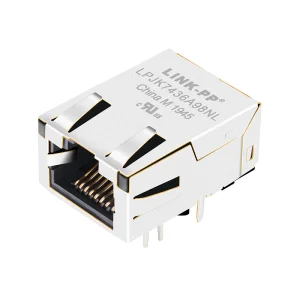
How waterproof RJ45 technology acts as the critical bridge in modern extreme infrastructure deployments worldwide.
In the contemporary landscape of global industrialization and digital transformation, the requirements for data transmission infrastructure have transcended the boundaries of controlled, climate-conditioned data centers and indoor office networks. The rise of the Industrial Internet of Things (IIoT), outdoor smart cities, automated agricultural technology, advanced telecommunication infrastructure, and extreme maritime operations has created an urgent demand for ruggedized component engineering. At the epicenter of this evolutionary shift is the Waterproof RJ45 Connector.
Historically, standard registered jack (RJ) interfaces were designed primarily for local area network (LAN) configurations inside dry buildings. However, as Ethernet protocols have replaced proprietary serial communication platforms across all industrial fields, exposing these networks to rain, dust, chemical vapors, mechanical shock, and extreme temperatures became inevitable. This exposure poses severe operational risks: water ingress disrupts electrical continuity, causes corrosion of precious metal contacts, creates short-circuits, and introduces high levels of insertion loss and return loss that severely degrade high-frequency signals. Consequently, high-performance waterproof RJ45 connectors have transitioned from specialized niche hardware to critical mainstream industrial standards.
Today, global markets demand waterproof RJ45 connector designs that carry strict ingress protection (IP) ratings, specifically IP67 (dust-tight and protected against temporary immersion in water up to 1 meter for 30 minutes) and IP68 (dust-tight and protected against continuous immersion under higher pressures specified by manufacturers). Leading manufacturing regions, with China at the absolute forefront, are investing heavily in automated injection molding, precision terminal contact engineering, and advanced polymer science to supply components that satisfy both mechanical endurance and optimal signal integrity up to Cat6A, Cat7, and even Cat8 standards.
Established manufacturing strength backing our custom optoelectronic and harsh-environment connector lines.
Exploring the core drivers defining next-generation waterproof connectivity technology.
The modern rollout of high-powered PTZ security cameras, outdoor wireless access points, and remote IoT gateways requires simultaneous power and high-speed data transmission over a single cable. Next-generation waterproof connectors are engineered to handle IEEE 802.3bt (PoE++) configurations, delivering up to 90W of power while effectively managing heat buildup in sealed, unvented shells.
As smart manufacturing and automated systems rely on lower latency and higher bandwidth, the industry is transitioning from Cat5e towards Cat6A and Cat7. Connector designs must incorporate meticulous 360-degree EMI/RFI shielding and optimized contact geometry to prevent crosstalk and signal attenuation in complex environments with heavy electrical machinery.
Space optimization is a primary driver in modern hardware engineering. The standard bulky thread-locking mechanisms are increasingly giving way to compact bayonet-style, push-pull, and quick-disconnect designs. These systems allow fields technicians to install or service connections rapidly, even in confined spaces, while ensuring a secure, vibration-proof, IP-rated seal.
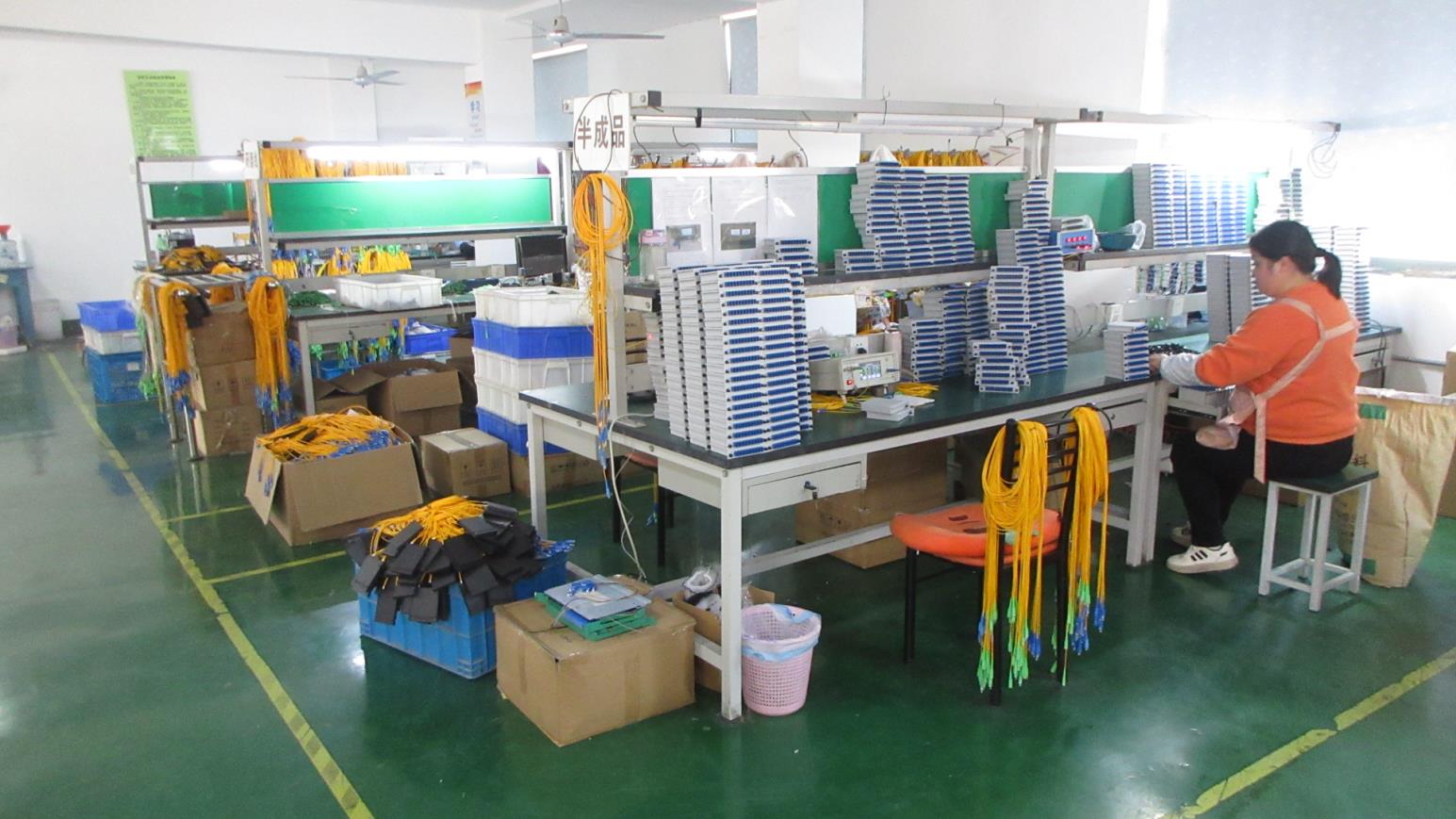
Founded in 2015, FiberQ Photonics Technology Co., Ltd. has developed into a premier manufacturer and designer of high-performance fiber optic transceivers, active components, and custom communication interconnect assemblies. Over the past 12 years of deep industry expertise, we have optimized our facilities to support scalable, high-volume production with absolute geometric precision.
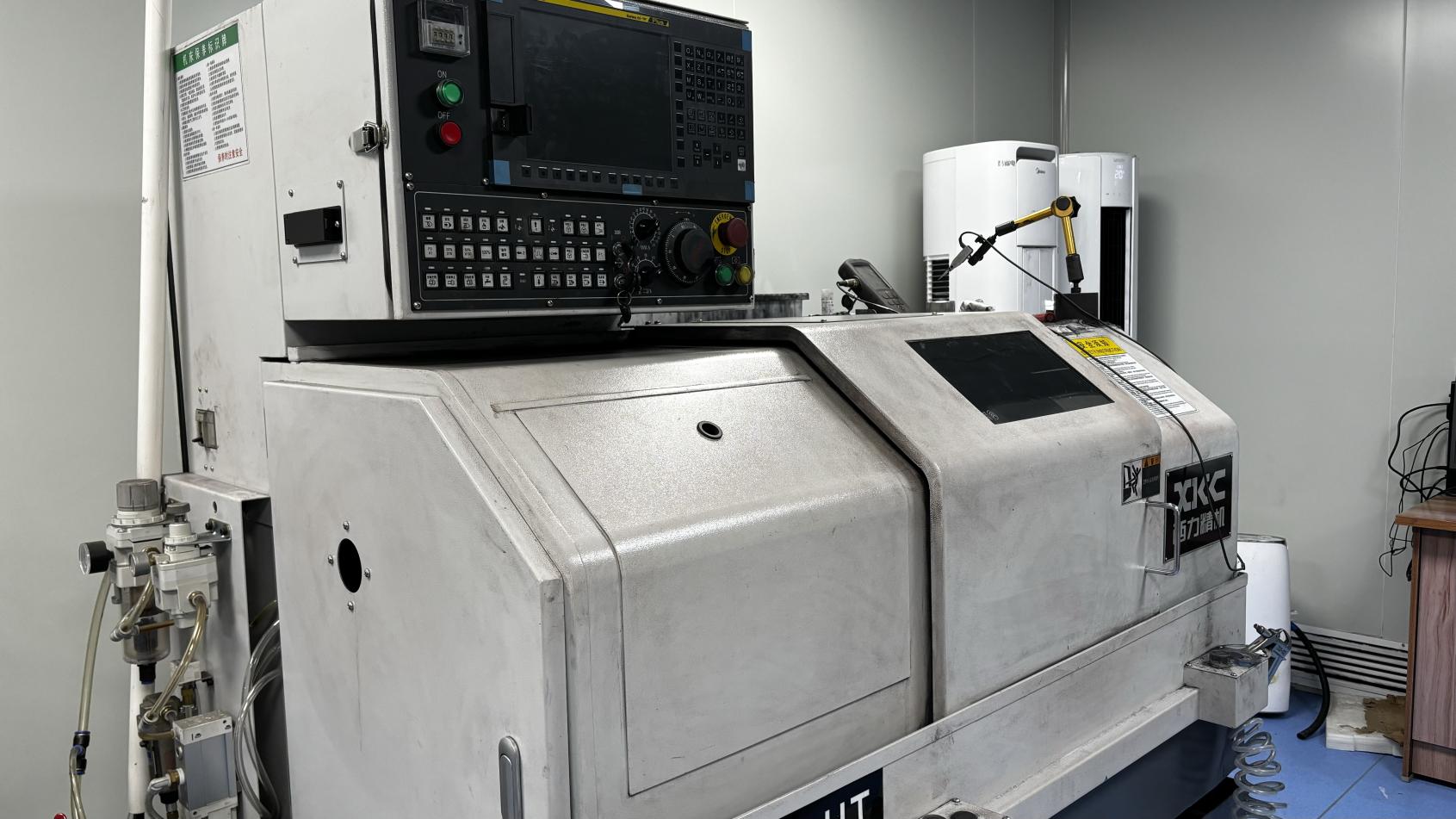
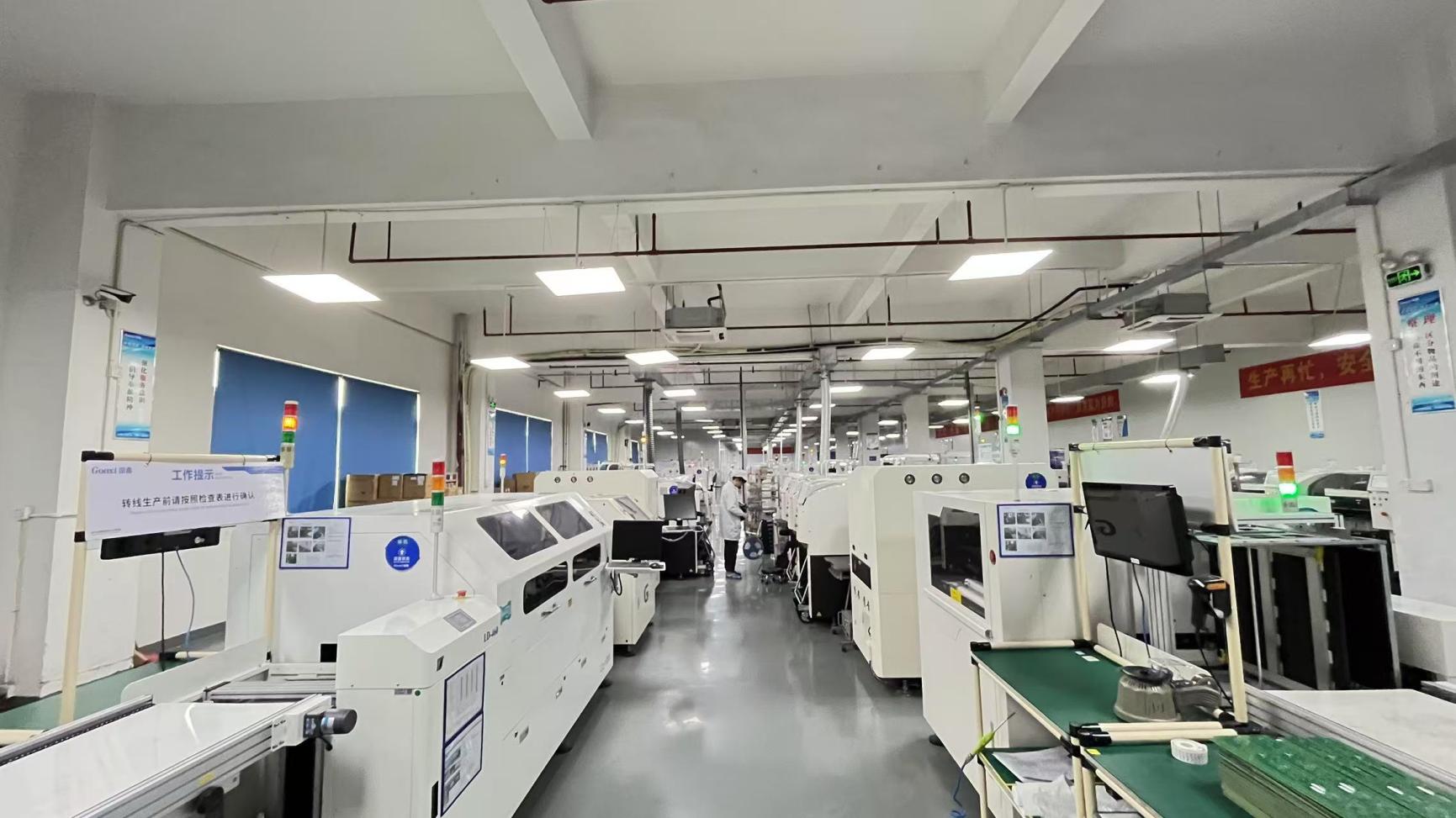
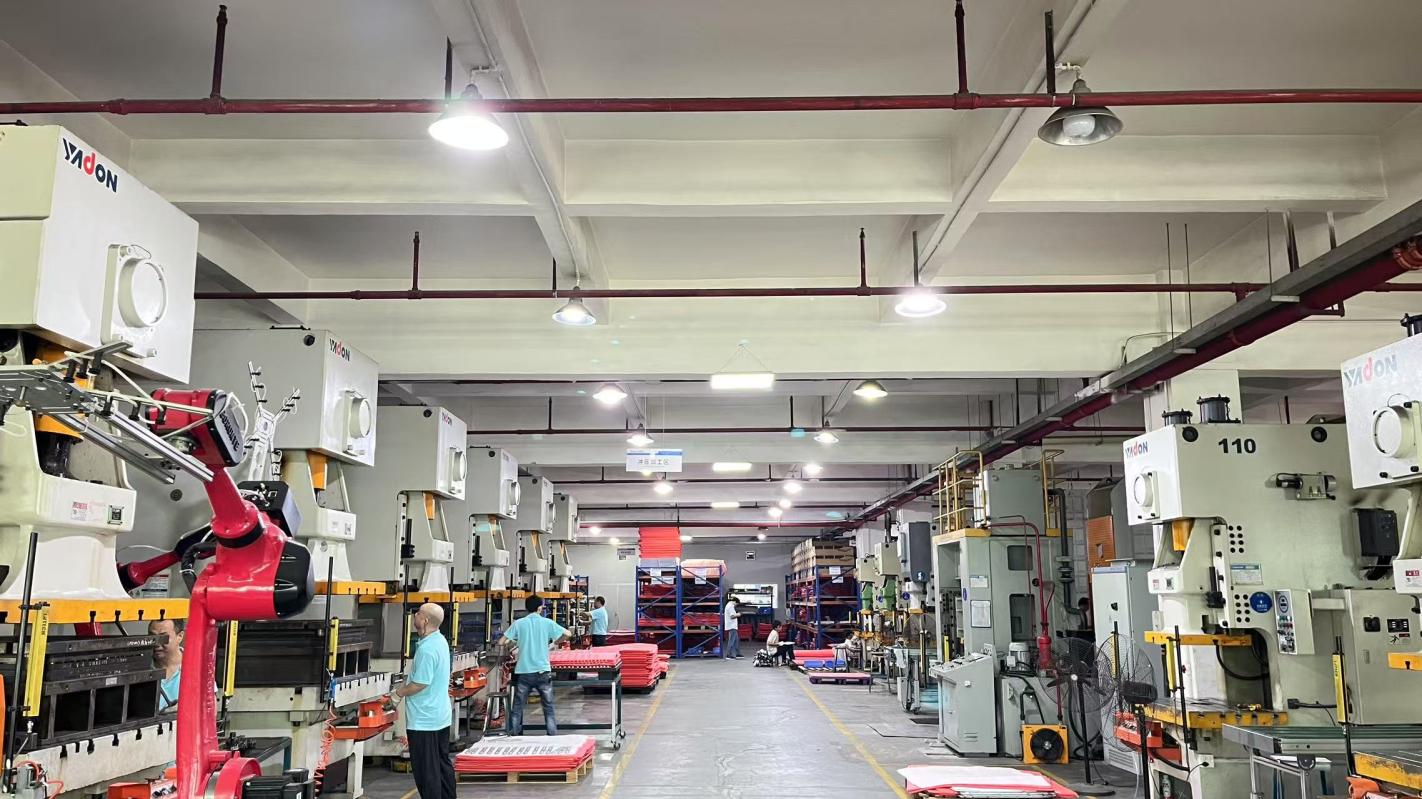
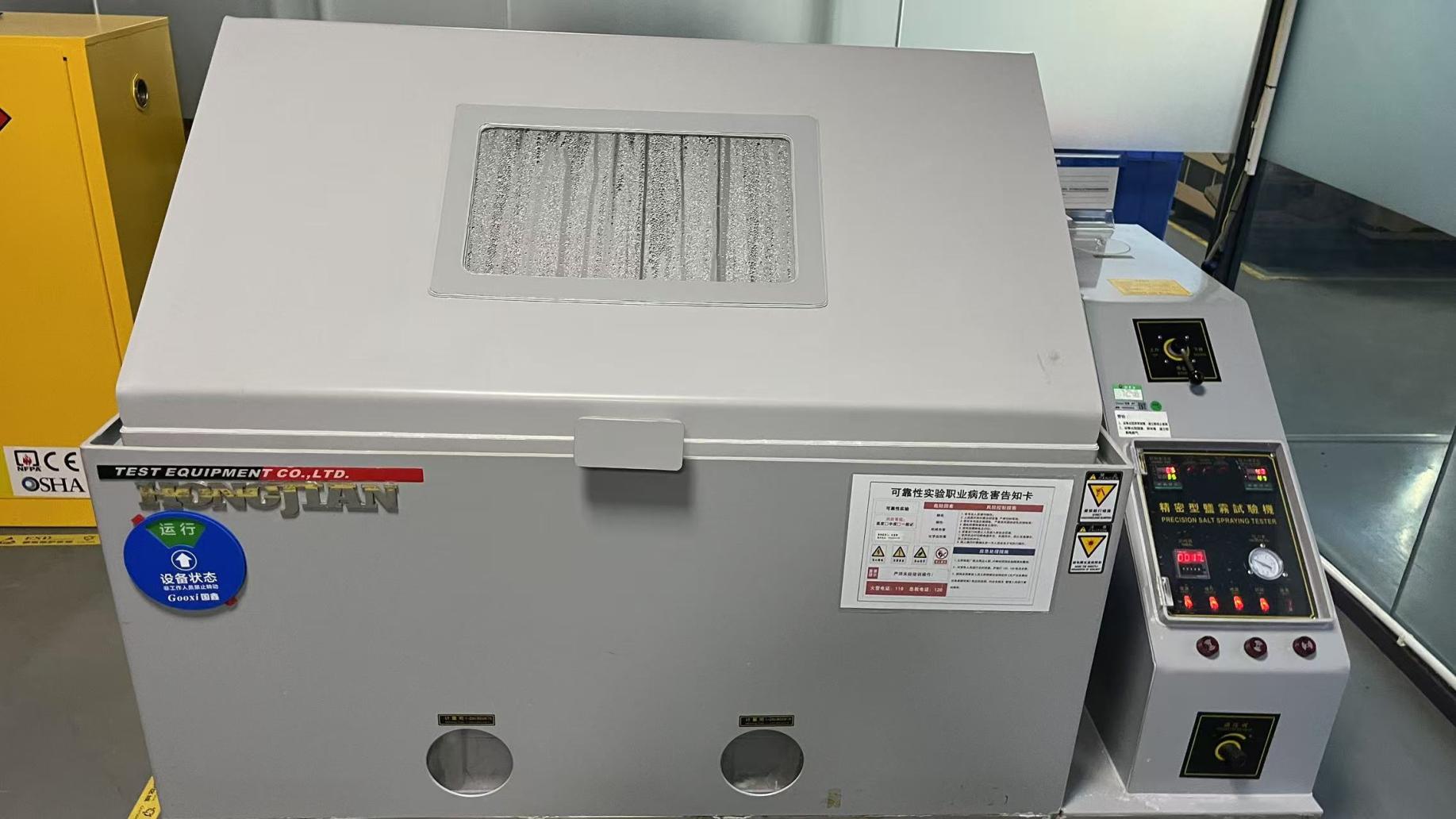
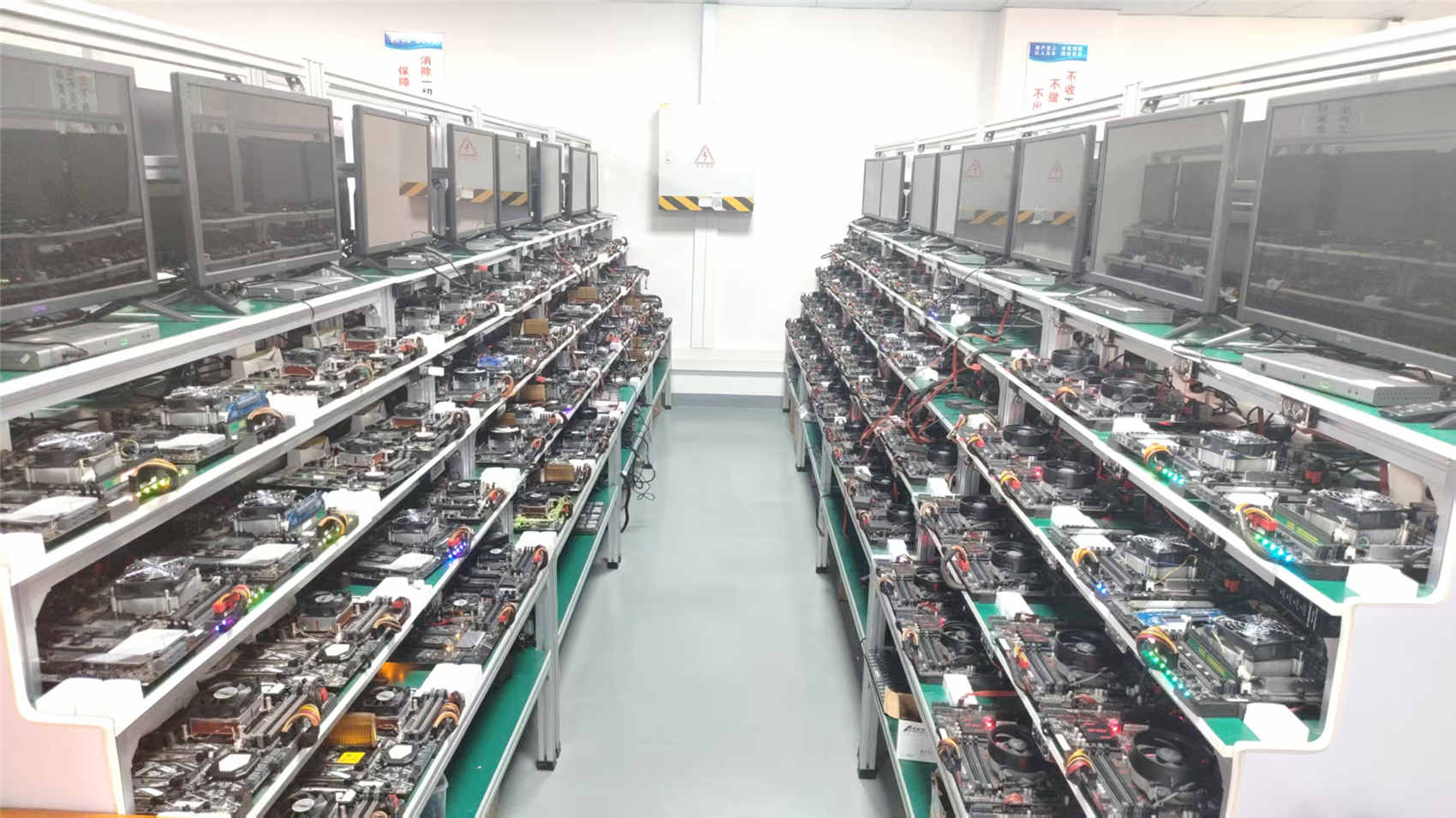
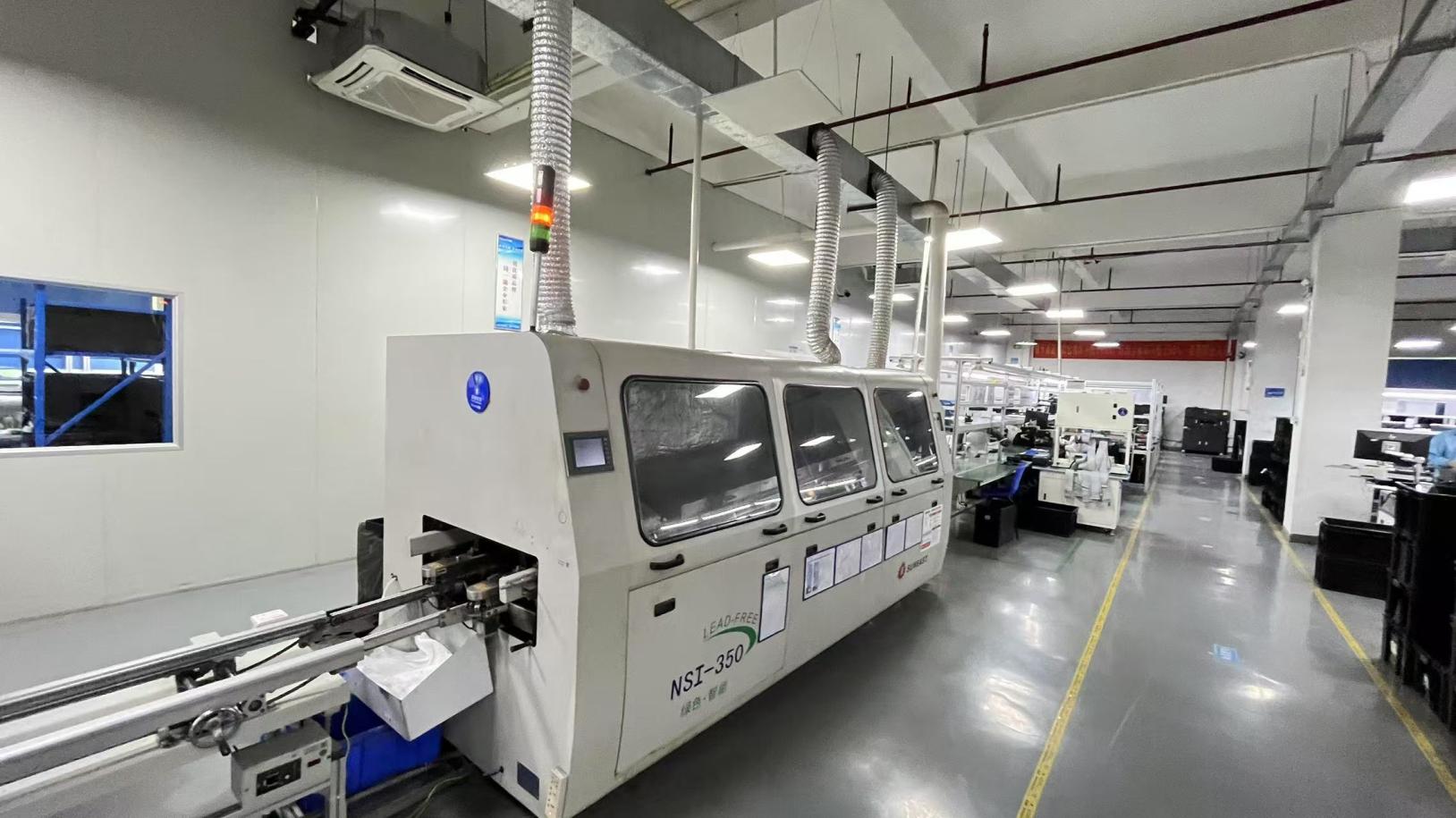
Operating a modernized 12,600㎡ facility, FiberQ delivers robust OEM and ODM solutions to telecommunication operators, data centers, and industrial network builders across North America, Europe, Japan, and Southeast Asia. Our manufacturing process combines high-speed SMT assembly, automated testing, and comprehensive environmental simulation chambers to guarantee product reliability.
Deep-dive engineering principles governing high-end waterproof RJ45 connector production.
Developing a ruggedized waterproof RJ45 socket or plug requires solving multidimensional physics challenges: sealing mechanical tolerances, ensuring continuous electromagnetic shielding, managing thermal loads, and avoiding contact degradation. Our technology roadmap focuses on three main pillars: material innovation, contact engineering, and seal optimization.
Standard connectors use basic ABS or polycarbonate shell components. In harsh industrial environments, these polymers degrade due to UV radiation, salt spray, ozone, and cleaning chemicals (like acidic or alkaline industrial detergents). At FiberQ, our roadmap prioritizes the transition to high-impact, UV-stabilized PBT (Polybutylene Terephthalate), polyamides (PA66), and nickel-plated zinc-die cast alloys. These materials maintain mechanical integrity over wide operational temperature bands (-40°C to +85°C) and resist stress-cracking under heavy physical loads.
At high data speeds (Cat6A and higher operating at frequencies up to 500 MHz), contact resistance must remain minimal and constant. We use high-grade copper alloy contacts electroplated with a nickel underplate, followed by a minimum of 50 micro-inches (50u") of pure gold on the mating surface. This thick gold plating prevents oxidation and guarantees up to 750 mechanical mating cycles. Furthermore, our inner shielding enclosures are designed using copper alloys with tin/nickel plating to form a continuous Faraday cage, reducing EMI coupling to less than -40dB.
Achieving a reliable IP68 rating relies on advanced elastomeric gasket engineering. We utilize silicone or EPDM (Ethylene Propylene Diene Monomer) O-rings and gaskets. Under controlled compression from thread-locking or bayonet collars, these elastomers deform to seal all microscopic air corridors without cracking or experiencing permanent compression set over time. Our designs include internal cable glands with multi-diameter grommets to accommodate varying cable outer diameters (OD) from 5.0mm to 8.5mm, ensuring a tight seal regardless of cable type.
Integrated interconnect solutions designed to support large-scale industrial and outdoor deployments.
Modern telecommunication networks rely on high-frequency small cells, remote radio heads (RRH), and active antenna units (AAU) installed on cellular towers and building facades. These components are exposed to rain, wind loads, thermal cycling, and lightning strikes. Our waterproof RJ45 interfaces, combined with FiberQ’s high-speed optical transceivers, form a robust solution: hybrid copper-fiber configurations that handle optical backhaul and secure power delivery via shielded, waterproof Ethernet connections.
Smart factories rely on programmable logic controllers (PLCs), robotic arms, and machine vision systems that generate high electromagnetic interference (EMI) and heavy physical vibration. Our bayonet-style, shielded IP67/IP68 connectors prevent accidental disconnects and safeguard high-speed control signals against electromagnetic noise. The internal potting compound prevents dust ingress even if outer seals are compromised during high-pressure washdowns.
Marine environments are highly corrosive to electrical contacts. In addition to water, salt spray can rapidly degrade standard metal connectors. Our marine-grade waterproof RJ45 solutions use non-corrosive plastic housings (PBT) and gold-plated copper contacts, meeting ASTM B117 salt spray testing standards. These are deployed in smart port crane telemetry, vessel monitoring systems, and offshore weather stations.
Aligning product engineering with regional regulatory standards and climatic conditions globally.
Focuses heavily on safety compliance, requiring UL94 V-0 flame-retardant polymers and NEC (National Electrical Code) compliance. Harsh weather installations (e.g., Canadian winters, Midwestern storm systems) require connectors rated for operation down to -40°C with high impact resistance to ice buildup.
Driven by strict environmental directives like RoHS (Restriction of Hazardous Substances) and REACH. European industrial clients demand high-quality, recyclable materials and favor unified standards, such as DIN EN 60603-7, to ensure modular compatibility with existing industrial automation racks.
Japan focuses on high-precision miniaturization for dense electronic assemblies. Southeast Asia, characterized by high humidity, coastal monsoons, and extreme tropical temperatures, requires IP68 sealing to prevent moisture condensation inside the connector body over long-term field deployments.
A closer look at FiberQ Photonics' high-capacity manufacturing floor, automated lines, and precision testing labs.
In-depth responses from our senior R&D engineering division regarding installation, safety, and selection.
Explore our highly integrated transformer, transceiver, and interface components designed for carrier-grade networks.