FiberQ
FiberQ
FiberQ
Explore our top-selling 155Mbps Small Form-factor Pluggable (SFP) modules, compatible with multi-vendor systems and built for extreme durability.
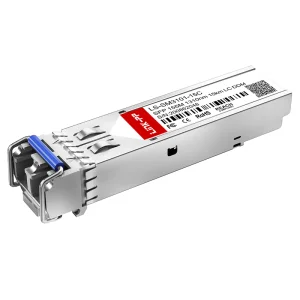
Hirschmann SFP-FAST-MM/LC-EEC Compatible MMF 1310nm 155M SFP Module 2km Multimode LC Optical Transceiver
View Specifications →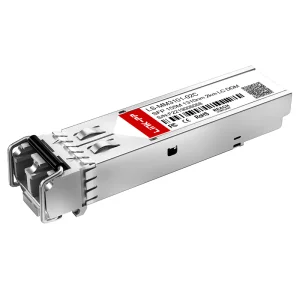
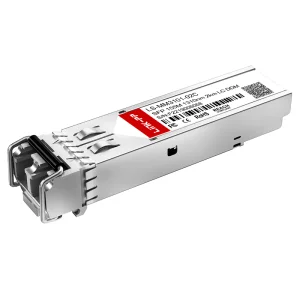
SFP-FE-SX-MM1310 Compatible MMF LC Optical Module Multimode 1310nm 155M SFP Transceiver 2km
View Specifications →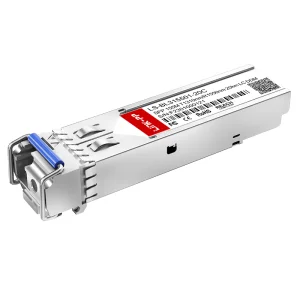
MFB-FA20 Compatible Bidirectional 1310nm-TX/1550nm-RX 155M BiDi SFP 20km Single Mode Optical Transceiver
View Specifications →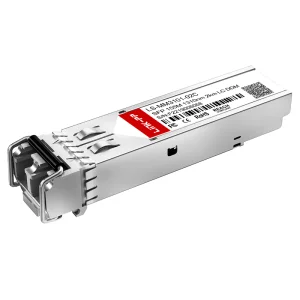
Hirschmann M-FAST SFP-MM/LC Compatible MMF 155M SFP 1310nm 2km Multimode Optical Transceiver Module
View Specifications →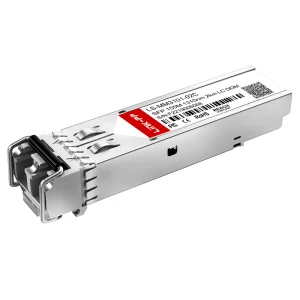
Moxa SFP-1FEMLC-T Compatible MMF Optical Module 100M Multimode 1310nm SFP Transceiver 2km
View Specifications →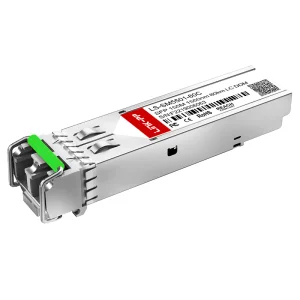
100BASE-ZX Single Mode SFP 1550nm 80km Duplex LC SMF Optical Transceiver Module
View Specifications →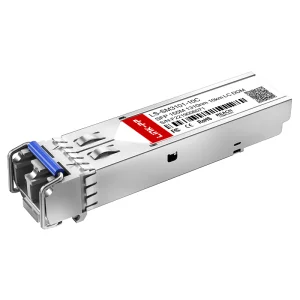
100BASE-LX Duplex LC SMF Optical Transceiver Single Mode SFP Module 1310nm 10km
View Specifications →Why legacy data rates remain the backbone of critical industrial and telemetry networks globally.
In an era dominated by Terabit Ethernet and ultra-scale coherent optics, the global reliance on 155M and 622M optical transceivers is a testament to the stability requirements of legacy systems. These interfaces, aligning with STM-1/OC-3 and STM-4/OC-12 standards, continue to command vital significance across multiple industrial applications. Rather than facing obsolescence, they are undergoing a technological refinement aimed at improving thermal resilience, compliance, and multi-protocol flexibility.
Many 155Mbps and 622Mbps networks operate in highly demanding electrical and physical environments. We observe a market transition from commercial-grade optics to wide-temperature (-40°C to +85°C) and extended-temperature modules. These rugged transceivers are critical for utility substation switches, roadside transportation networks, and oil & gas pipeline monitoring where airflow is limited and physical vibration is common.
As dark fiber costs rise, operators look to maximize existing fiber configurations. The integration of BiDi (Bidirectional) simplex technology (e.g., 1310nm-TX/1550nm-RX and vice-versa) allows network operators to double data capacity over a single fiber strand. This is particularly valuable in remote connections extending up to 40km or even 80km, where deploying additional fiber is logistically difficult.
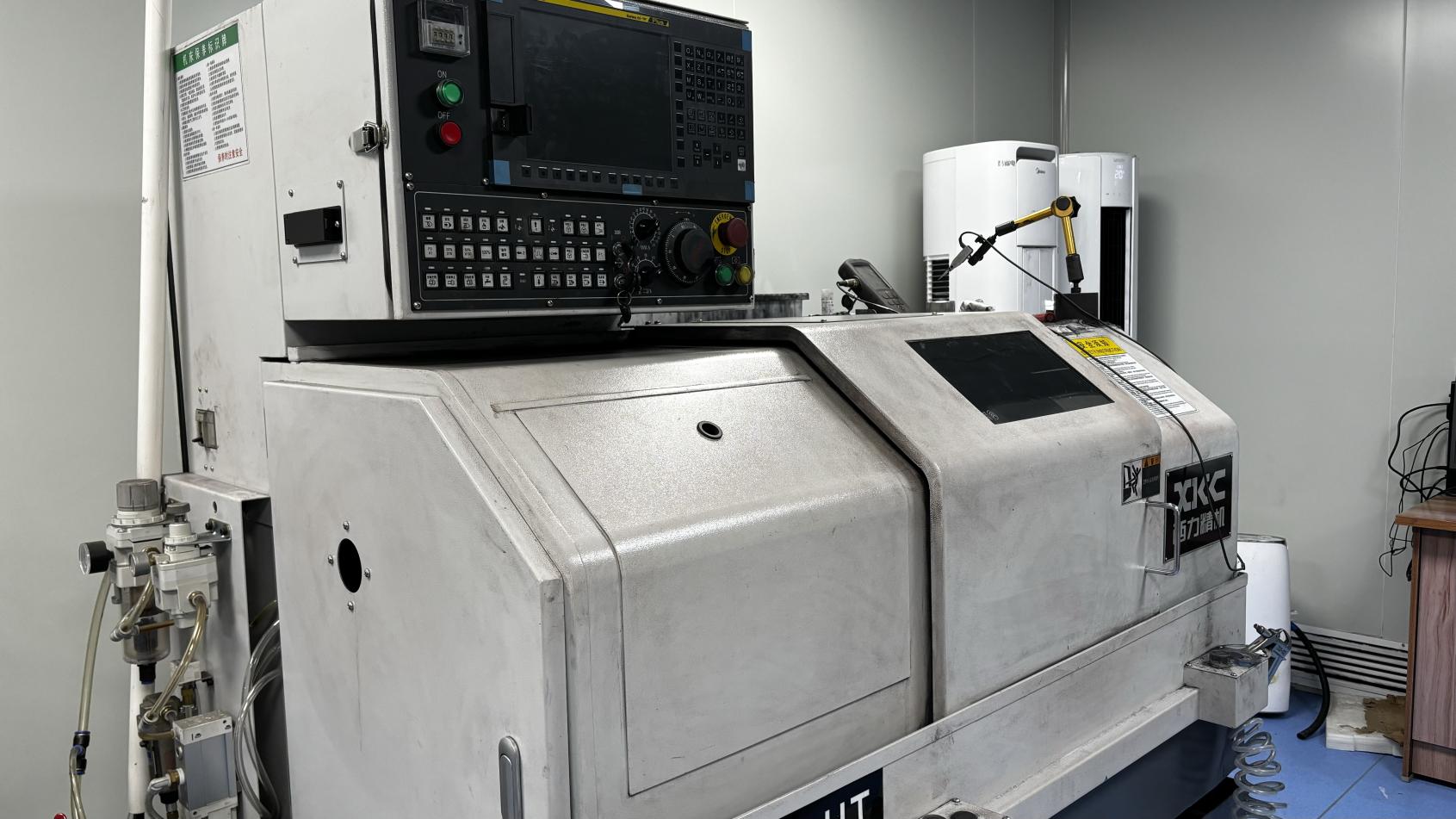
Our 12,600㎡ modern production facility guarantees absolute reliability and precision engineering.
Founded in 2015, FiberQ supports customized hardware modifications. Our compatibility matrix covers multi-vendor EEPROM coding, customized wavelengths, dynamic thermal monitoring bounds, and protocol adaptation (ranging up to 100G/200G/400G/800G platforms for next-gen integration).
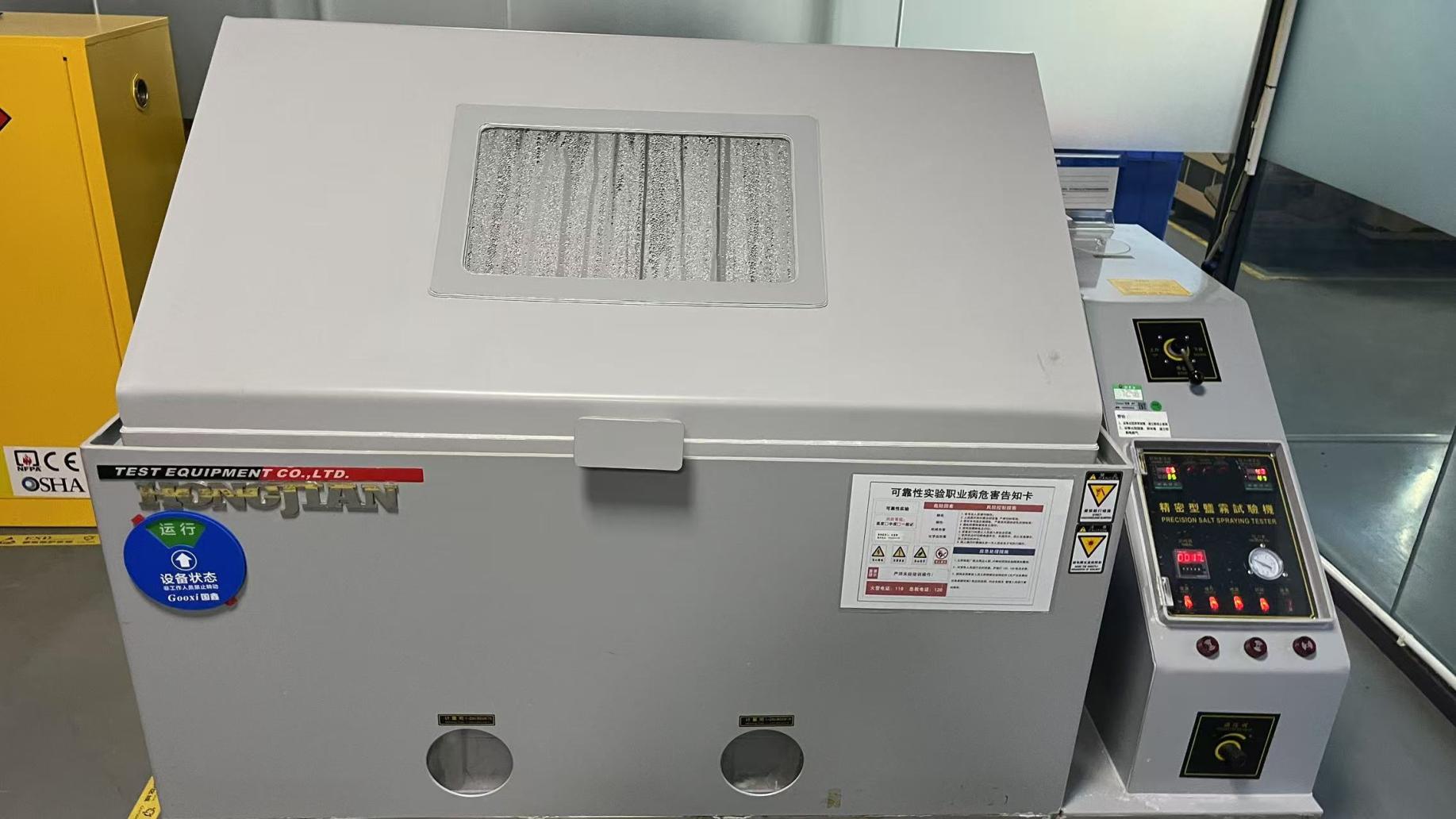
Our quality verification processes leverage automation to ensure consistency. Every 155M/622M module undergoes strict automated optical alignment, high-temperature aging chambers, and precise interferometric end-face cleaning validation, managed by our 62 expert inspectors.
We work closely with 1,450 vetted supply chain partners to secure stable access to components like TOSA, ROSA, and high-speed laser drivers. This robust network ensures consistent lead times even during global component volatility.
Deploying low-speed, high-reliability transceivers within critical application spaces.
Enterprise procurement teams across telecom operators, utility corporations, and industrial automation fields require transceivers that comply with strict performance parameters. Our 155M/622M SFP modules are designed to integrate into these challenging domains:




Advanced BiDi and duplex single-mode solutions for extended reaches and optimized fiber layouts.
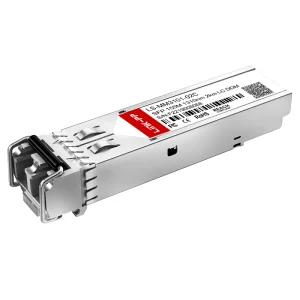
100BASE-FX Optical Transceiver Module Duplex LC MMF Multimode 1310nm SFP Module 2km
View Specifications →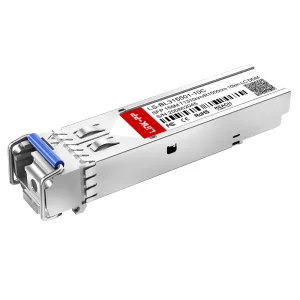
1310nm-TX/1550nm-RX Single Mode Simplex LC SFP 155M Bidi 10km Optical Transceiver Module
View Specifications →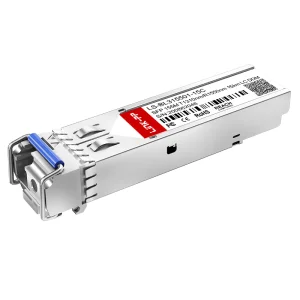
1310nm-TX/1550nm-RX Bidirectional Single Mode SFP 155M Bidi 15km Optical Transceiver Module
View Specifications →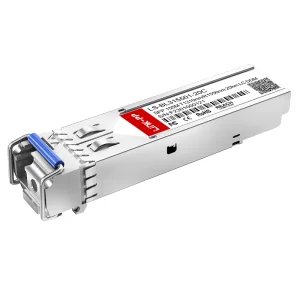
1310nm-TX/1550nm-RX Bidirectional Single Mode SFP 155M Bidi 20km LC Optical Transceiver Module
View Specifications →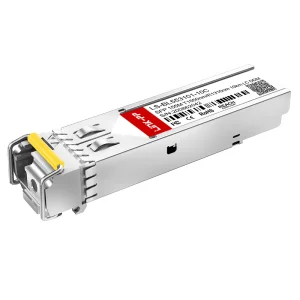
1550nm-TX/1310nm-RX Bidirectional SMF SFP 155M Bidi 10km LC Optic Transceiver Module
View Specifications →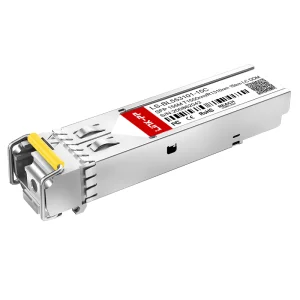
1550nm-TX/1310nm-RX Simplex LC SMF SFP 155M Bidi 15km DDM Optic Transceiver Module
View Specifications →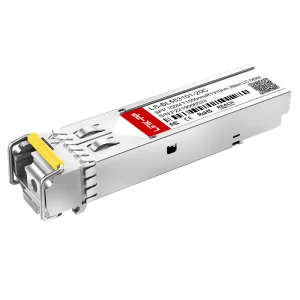
1550nm-TX/1310nm-RX Simplex LC 155M Bidi SFP 20km Single Mode Optic Transceiver Module
View Specifications →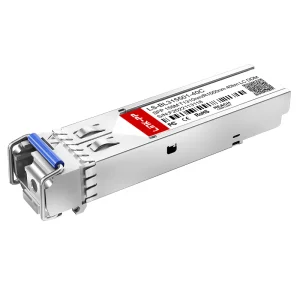
1310nm-TX/1550nm-RX Single Mode SFP 155M Bidi 40km DDM LC Optical Transceiver Module
View Specifications →Aligning legacy transceiver form factors with modern regulatory and environmental standards.
Operating a global optical deployment requires adherence to specific local certifications. FiberQ ensures our 155M/622M modules comply with major international requirements, including CE, FCC, RoHS, and REACH. In addition, we maintain FDA CDRH laser safety compliance to ensure safe operating standards across North American, European, and Japanese markets.
Our localized support network assists with logistics, warehousing, and testing protocols, ensuring quick customs clearance and minimal lead times for urgent maintenance spares.
Many legacy platforms must remain in service for another 10 to 15 years due to the prohibitive cost of physical upgrades. FiberQ supports this continuous service via:
Answers to common deployment, configuration, and troubleshooting questions regarding 155M/622M SFP modules.
The primary difference lies in the maximum data rate capacity. 155M SFPs operate at data transmission speeds up to 155 Mbps, supporting Fast Ethernet (100Base) and STM-1/OC-3 legacy telecom networks. 622M SFPs operate up to 622 Mbps, aligning with STM-4/OC-12 structures. They use different internal transmitter and receiver configurations and are typically not cross-compatible unless the host port supports multi-rate auto-negotiation.
This depends on the design of the host switch or router port. Many modern switches have dual-rate SFP ports that auto-negotiate and support both 100/1000Base configurations. However, some switches restrict SFP ports strictly to Gigabit rates (1000Mbps). We recommend checking your switch’s documentation or consulting our engineering team to ensure port compatibility.
DDM is a standardized monitoring interface defined in SFF-8472. It allows real-time measurement of physical parameters like optical output power, optical input power, internal temperature, laser bias current, and transceiver supply voltage. DDM helps network operators diagnose faults, predict aging lasers, and check physical connection health without disturbing normal data traffic.
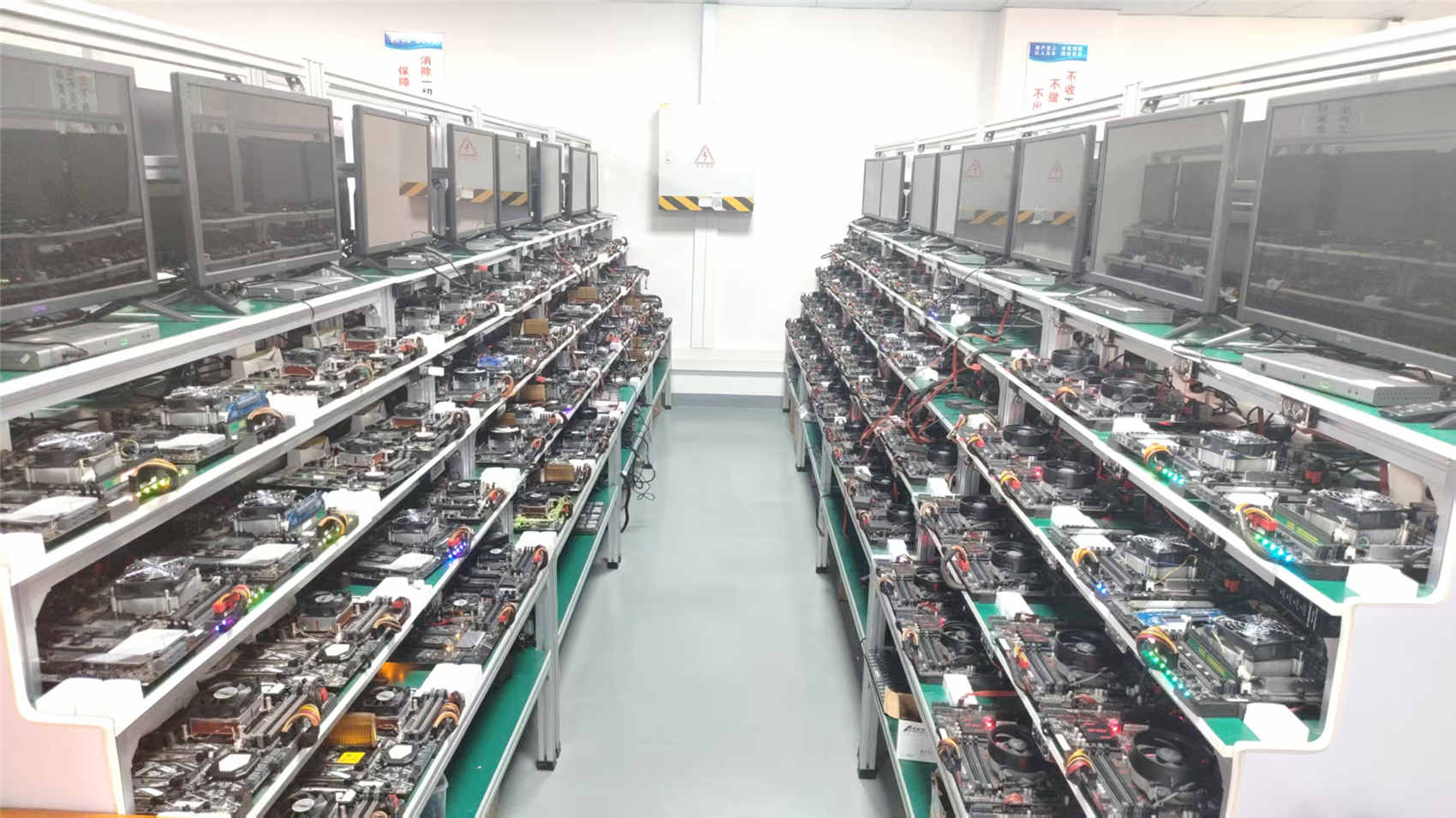
We operate an advanced compatibility testing lab housing over 200 switches from different manufacturers (including Moxa, Hirschmann, Cisco, Allied Telesis, Siemens, etc.). During final production, the internal EEPROM of each compatible SFP module is coded with configuration signatures tailored to the specific platform, matching the required OEM vendor IDs and check-sum parameters to prevent system link errors.