FiberQ
FiberQ
FiberQ
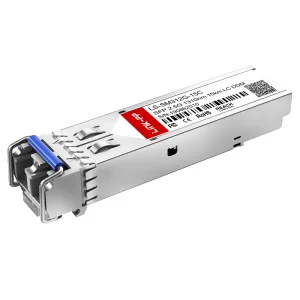
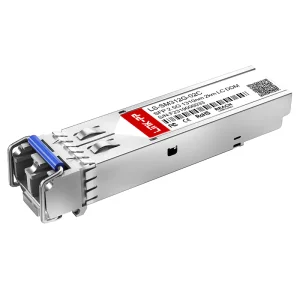
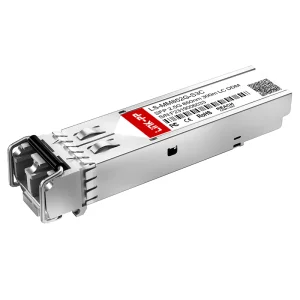
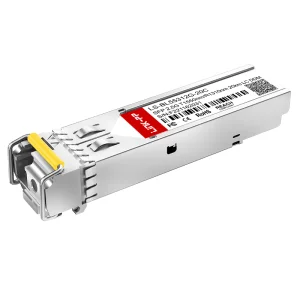
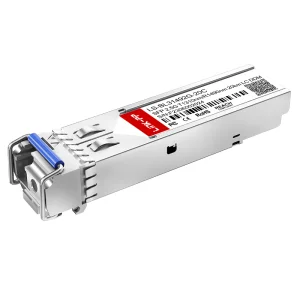
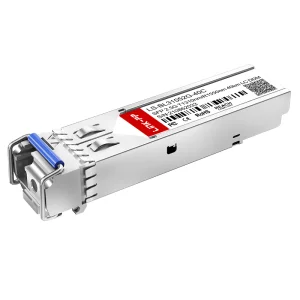
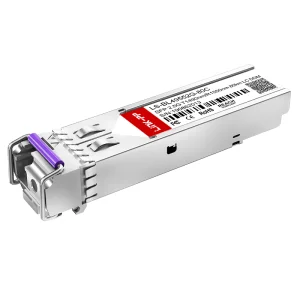
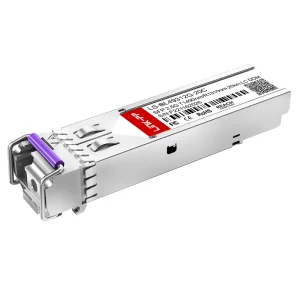
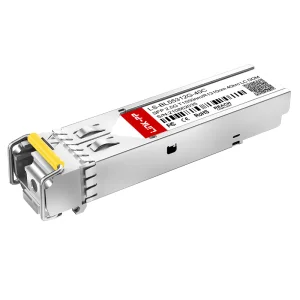
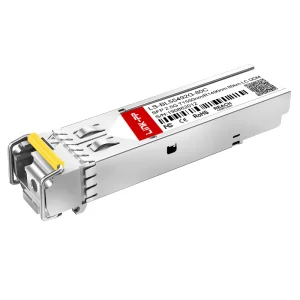
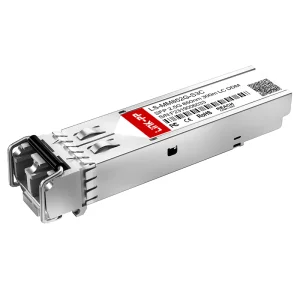
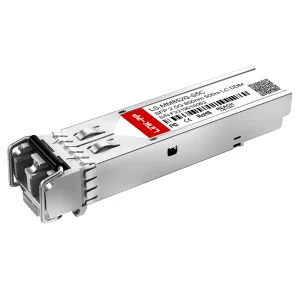
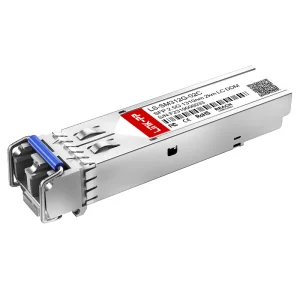
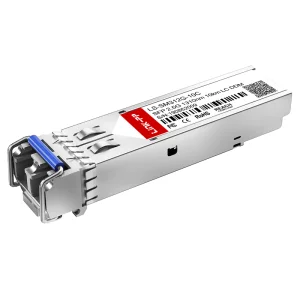
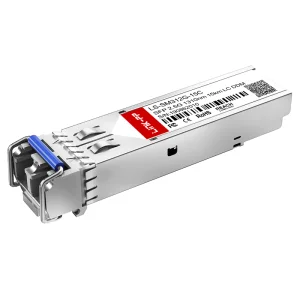
Explore our baseline standard-compliant 2.5G single-mode, multi-mode, and bidirectional (BiDi) transceiver architectures. Designed under rigorous MSA (Multi-Source Agreement) requirements.
In modern multi-service communication architectures, the bandwidth spectrum spanning 2.5 Gbps to 6.144 Gbps occupies a crucial sweet spot. Sitting directly between basic Gigabit Ethernet configurations and high-density 10G/25G architectures, this range is vital for long-distance industrial deployments, cellular fronthaul access networks, and local area network extensions. SFP (Small Form-factor Pluggable) optical modules built for this rate class serve as essential physical interfaces. They convert electrical switch signals into optical pulses with negligible signal loss and ultra-low latency.
At FiberQ Photonics, our engineering processes focus on transceiver designs that solve real-world problems. Whether they are deployed in high-temperature outdoor enclosures for CPRI wireless links or in temperature-controlled data centers, these transceivers offer excellent optical transmission power, precise receiver sensitivity, and strong immunity to electromagnetic interference (EMI). They help network operators transition easily to higher speeds without needing to immediately replace their existing fiber cabling.
Procurement managers and lead network architects select optical modules based on a strict set of reliability metrics. The following table highlights the key parameters that determine transceiver performance in the field:
| Module Metric | Standard Range & Options | Primary Engineering Target | Enterprise Value Impact |
|---|---|---|---|
| Wavelength (λ) | 850nm (MMF), 1310nm/1550nm/1490nm (SMF) | Minimized spectral dispersion and absorption loss | Guarantees signal integrity across diverse channel lengths |
| Link Distances | 300m (MMF) to 20km / 40km / 80km (SMF) | Strict compliance with optical link budgets | Eliminates the need for expensive in-line signal amplifiers |
| Diagnostic Monitoring | SFF-8472 Compliant DDM / DOM | Real-time tracking of Tx/Rx power, temp, voltage | Enables proactive maintenance and minimizes network downtime |
| Form Factor | MSA Compliant Pluggable SFP | Precise structural tolerances for clean slot insertion | Ensures compatibility across multiple switch vendors |
| Operational Temp | 0°C to 70°C (COM) / -40°C to 85°C (IND) | Strong thermal performance and heat-dissipating housing | Provides stable operation in demanding outdoor nodes |
Each FiberQ transceiver is flashed with custom EEPROM code. This ensures it is recognized by major networking brands, eliminating vendor-lock roadblocks while delivering identical link margins.
We use premium DFB and FP lasers combined with sensitive PIN detectors. This ensures our 2.5G to 6G modules operate reliably and experience minimal degradation over years of service.
By optimizing the electrical drive circuitry, our transceivers operate under tight power Budgets (often less than 1.0W per module). This reduces overall cooling demands in high-density switch configurations.
Optical interconnects within the 2.5G~6G spectrum are essential for resolving capacity constraints in many network designs. Our transceivers are widely used in several key applications:
In modern cellular networks, the links between Remote Radio Heads (RRH) and Baseband Units (BBU) demand stable, low-latency data transmission. Our 6G and 2.5G SFP transceivers support CPRI option 3 (3.072 Gbps), option 4 (4.915 Gbps), and option 5 (6.144 Gbps) protocols. These modules feature industrial-grade temperature ratings and hermetically sealed optical packages, ensuring they handle harsh weather conditions and seasonal temperature extremes without dropouts.
As service providers transition from GPON (2.5G downstream / 1.25G upstream) to symmetric 10G-PON systems, our 2.5G SFP modules play a crucial role. They serve as reliable interfaces for high-speed subscriber terminals, aggregation switches, and optical line terminals (OLT). These modules offer a cost-effective way to scale bandwidth without requiring a full network infrastructure overhaul.
Modern factories, power substations, and transportation systems rely heavily on real-time data collection. Our industrial-temperature (I-Temp) SFP modules are built to operate reliably in environments ranging from -40°C to +85°C. Featuring heavy-duty metal housings and gold-plated pins, they offer strong protection against electrical surges and vibrations, ensuring continuous uptime for critical operations.
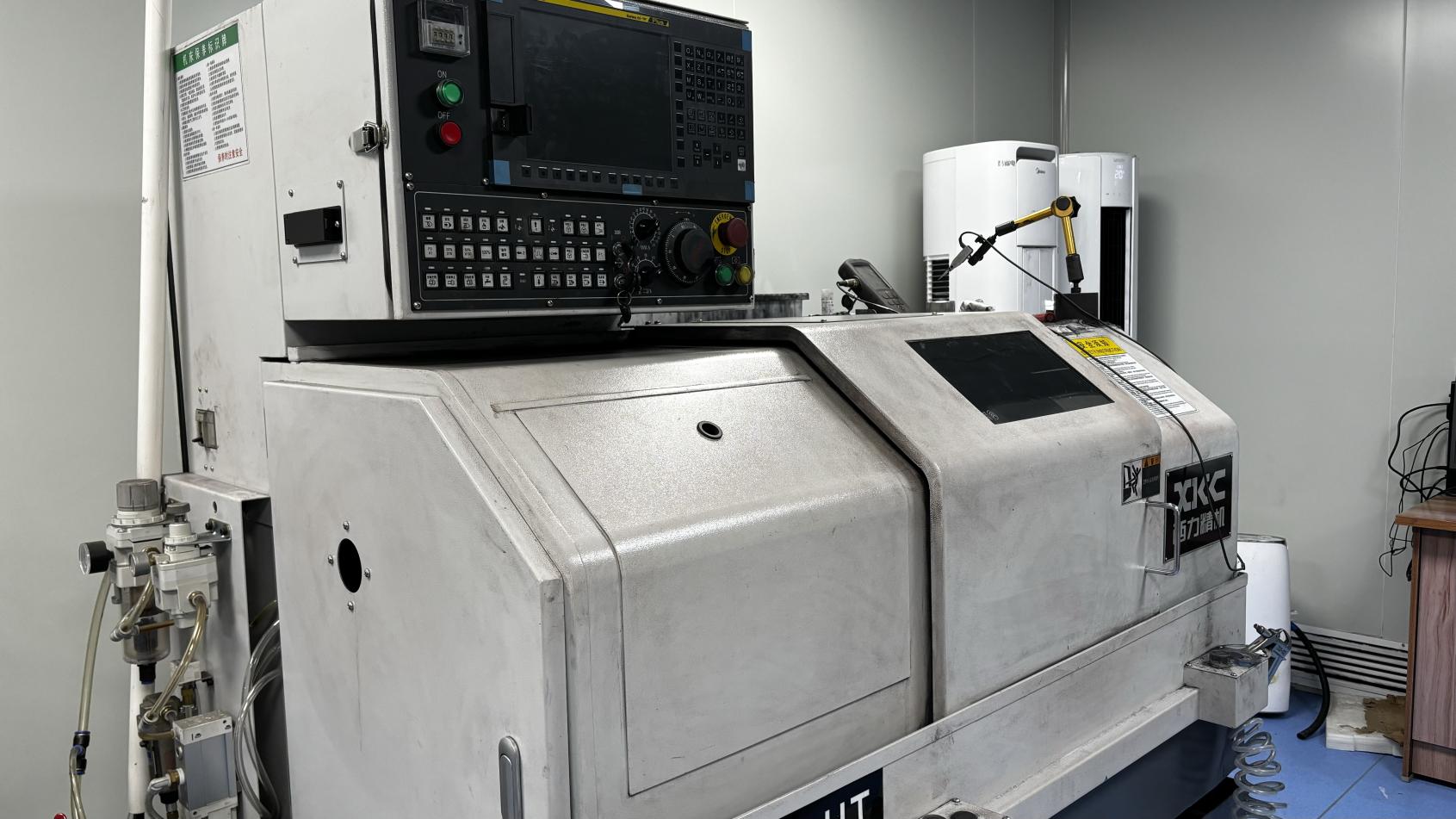
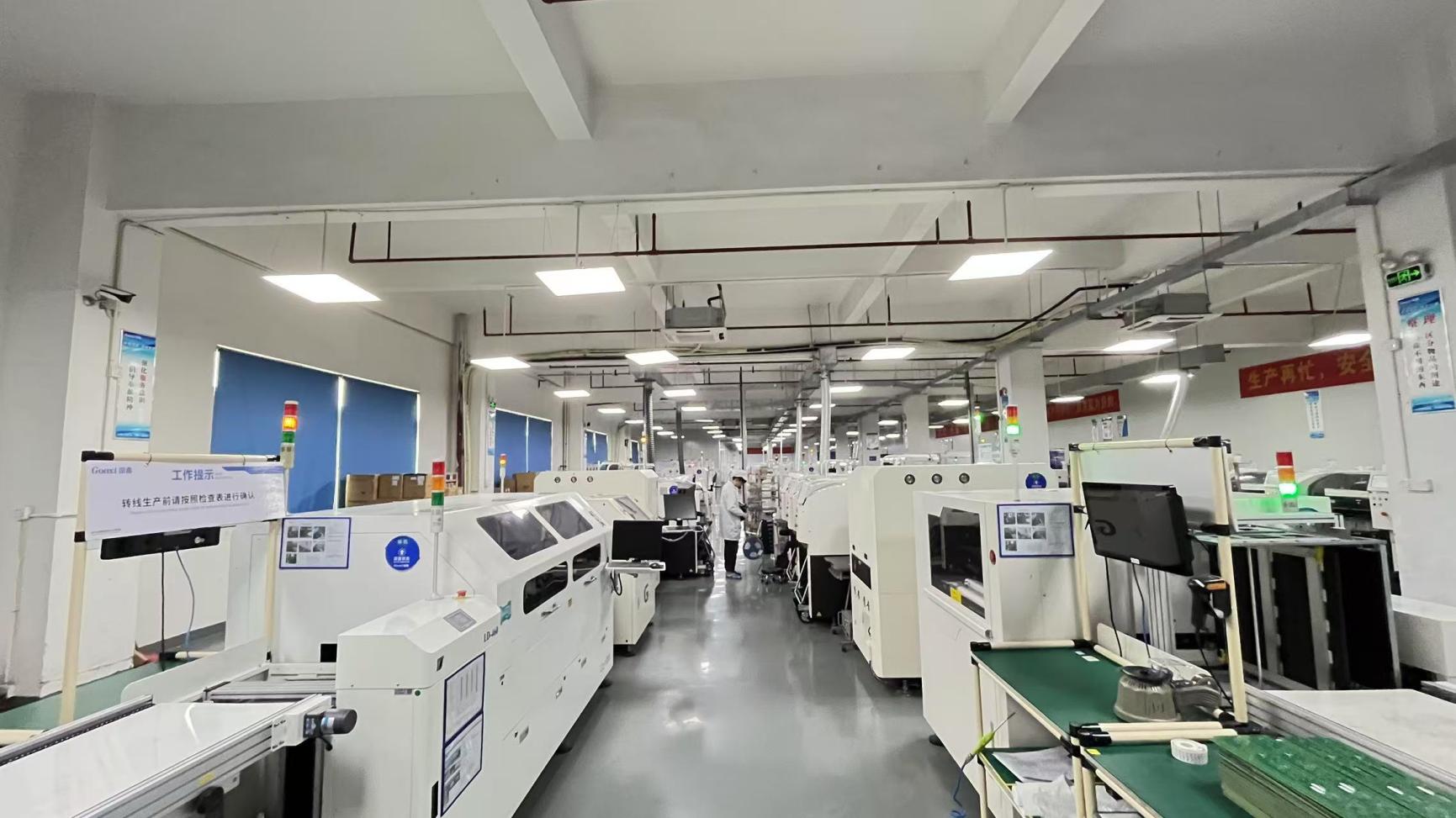

The field of optical communications is constantly evolving, driven by the demand for higher bandwidth and greater energy efficiency. FiberQ’s product roadmap focuses on migrating from discrete optical sub-assemblies (TOSA/ROSA) toward highly integrated silicon photonics platforms and co-packaged optics (CPO). This evolution ensures that while we continue to support legacy 2.5G and 6G form factors, our manufacturing processes share the same advanced technology used to build our high-capacity 100G, 400G, and 800G solutions.
Furthermore, as network management becomes increasingly automated, our modules are transitioning toward advanced telemetry standards. Rather than simple, periodic diagnostic polling, our next-generation transceivers will support fast streaming telemetry. This enables network operators to detect microscopic laser drift, power drops, or temperature changes in real-time, helping to prevent network downtime before it affects subscribers.
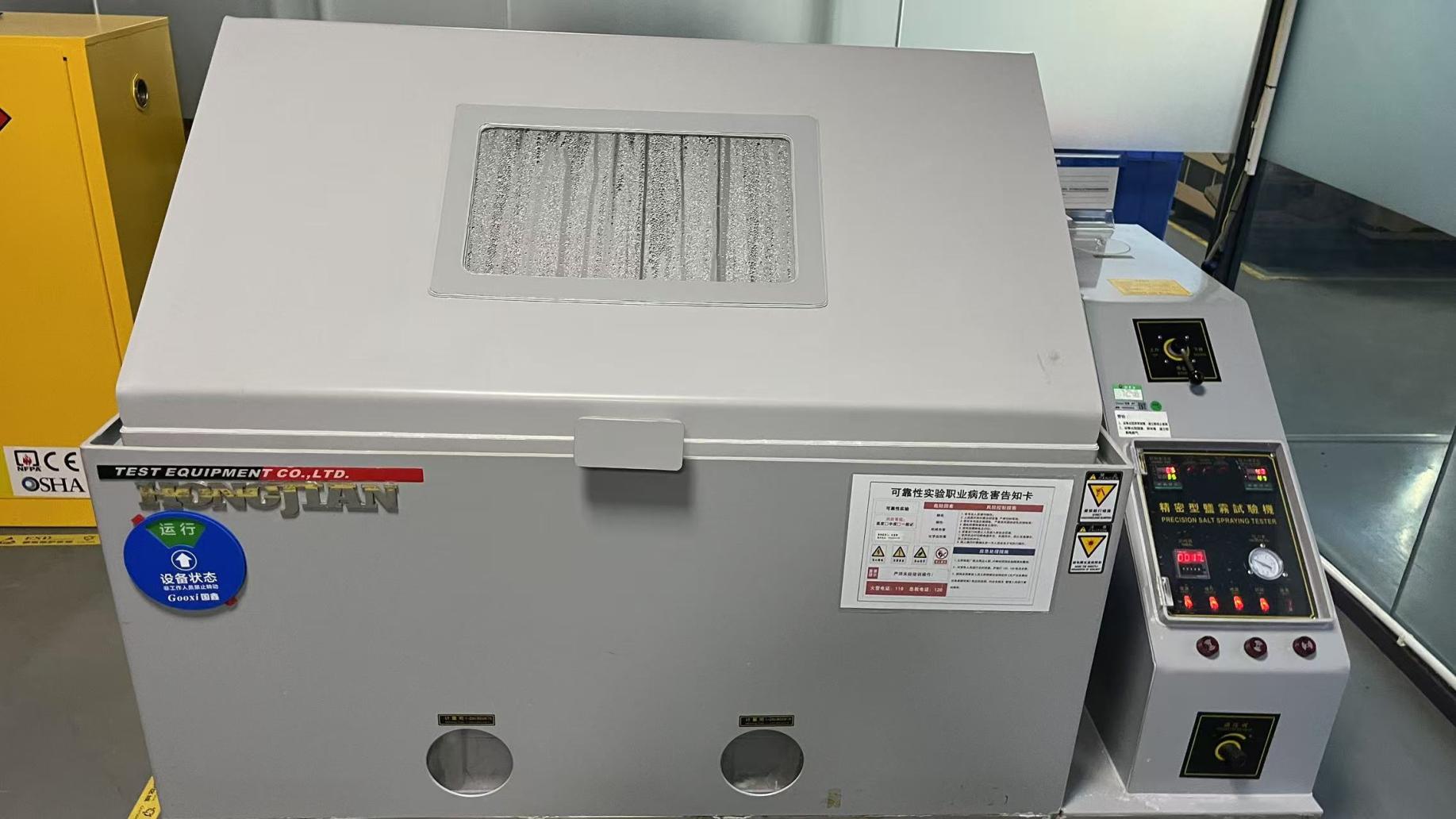
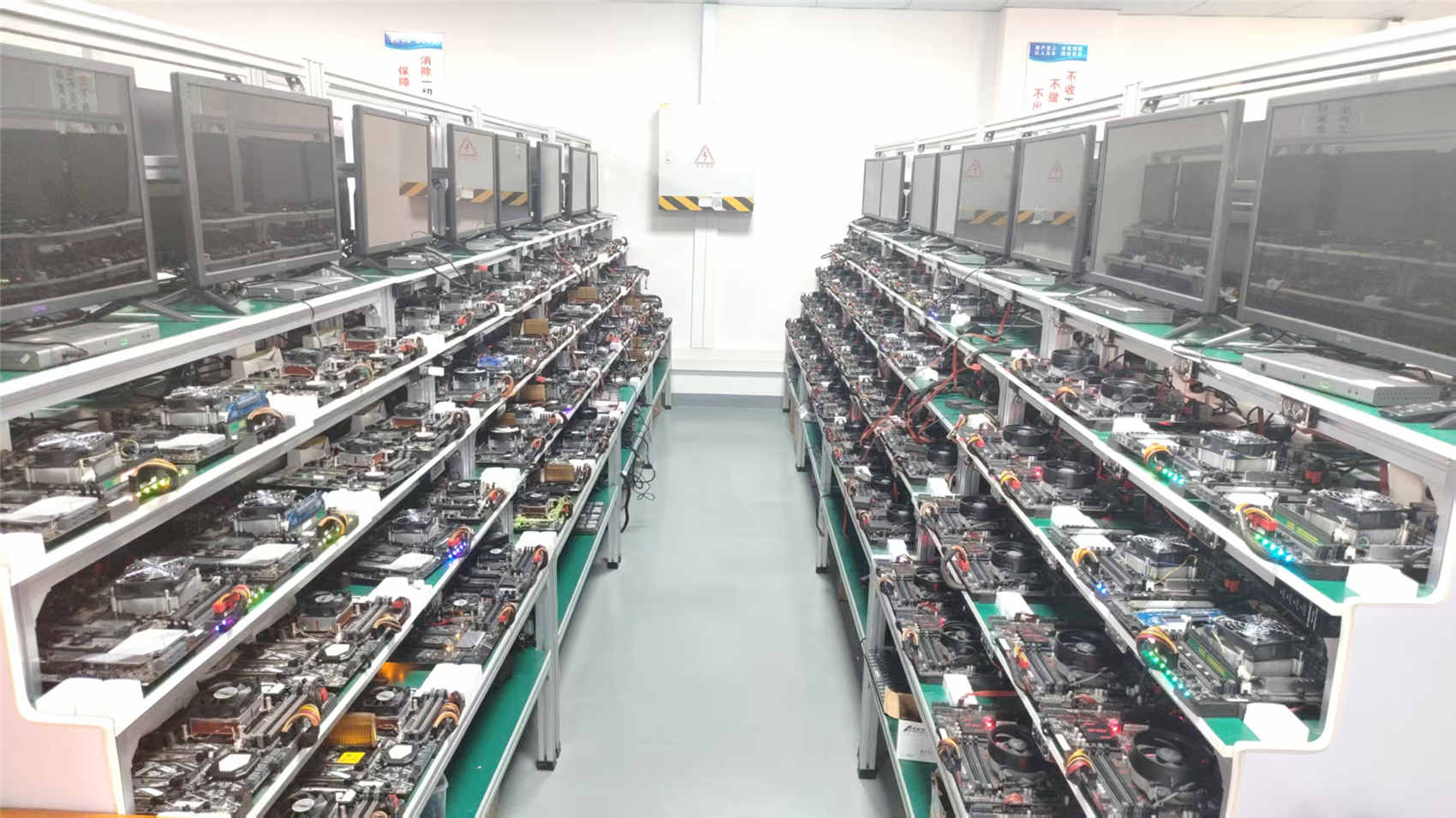
Founded in 2015, FiberQ Photonics Technology Co., Ltd. has grown from a specialized engineering firm into a global supplier of high-performance fiber optic transceivers. Our modern 12,600㎡ manufacturing facility is designed to support high-precision assembly, automated testing, and strict quality control processes. This ensures we deliver reliable, high-volume production to meet our customers' demands.
Our dedicated team of 240 R&D engineers supports a wide range of customization requests, from wavelength tuning and custom distance requirements to protocol compatibility updates. Backed by 12 years of industry experience and a robust network of 1,450 supply chain partners, we ensure reliable component sourcing and efficient manufacturing schedules. This stable setup allows us to quickly scale production and reliably deliver high-performance optical solutions to our customers worldwide.
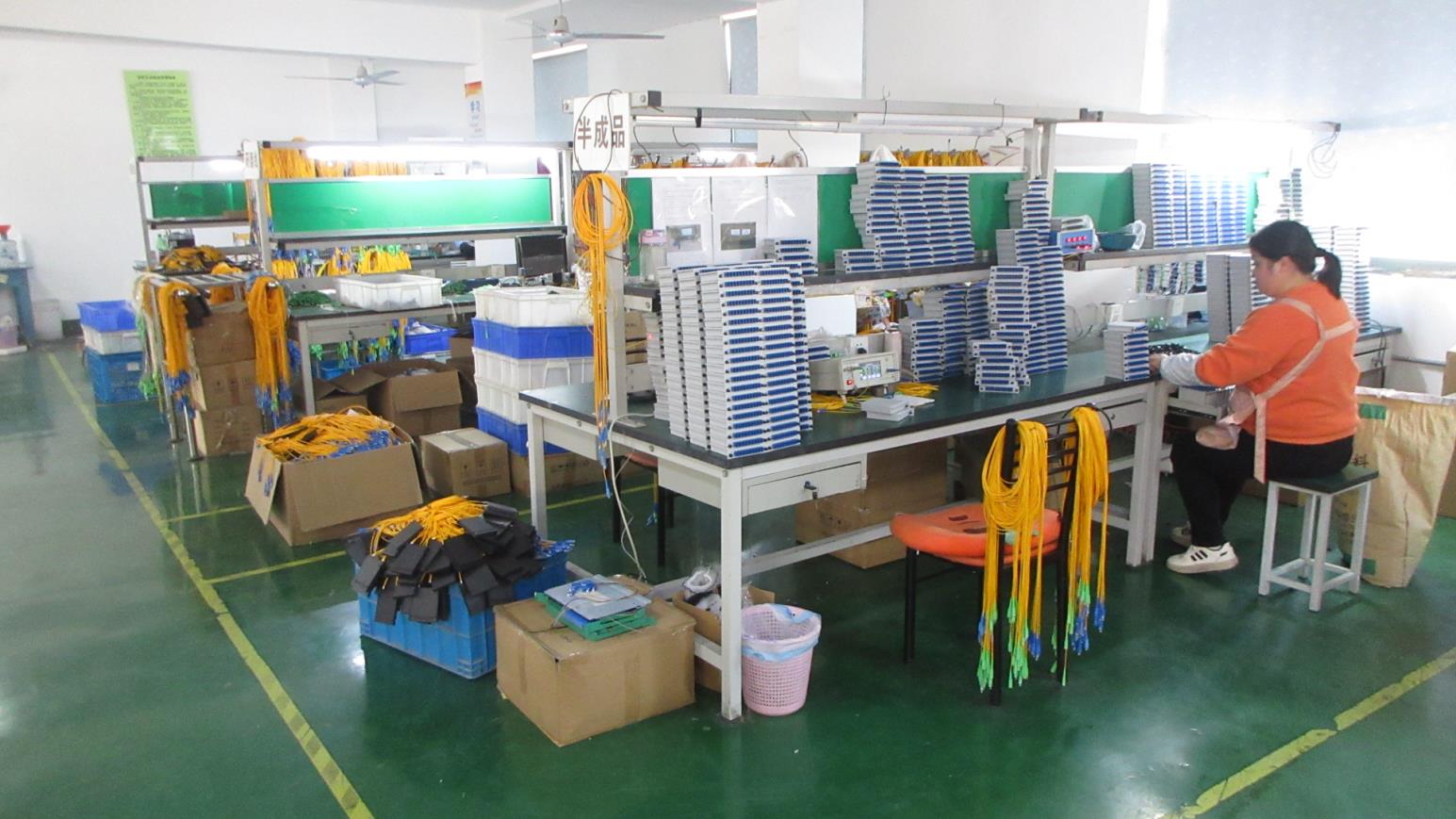
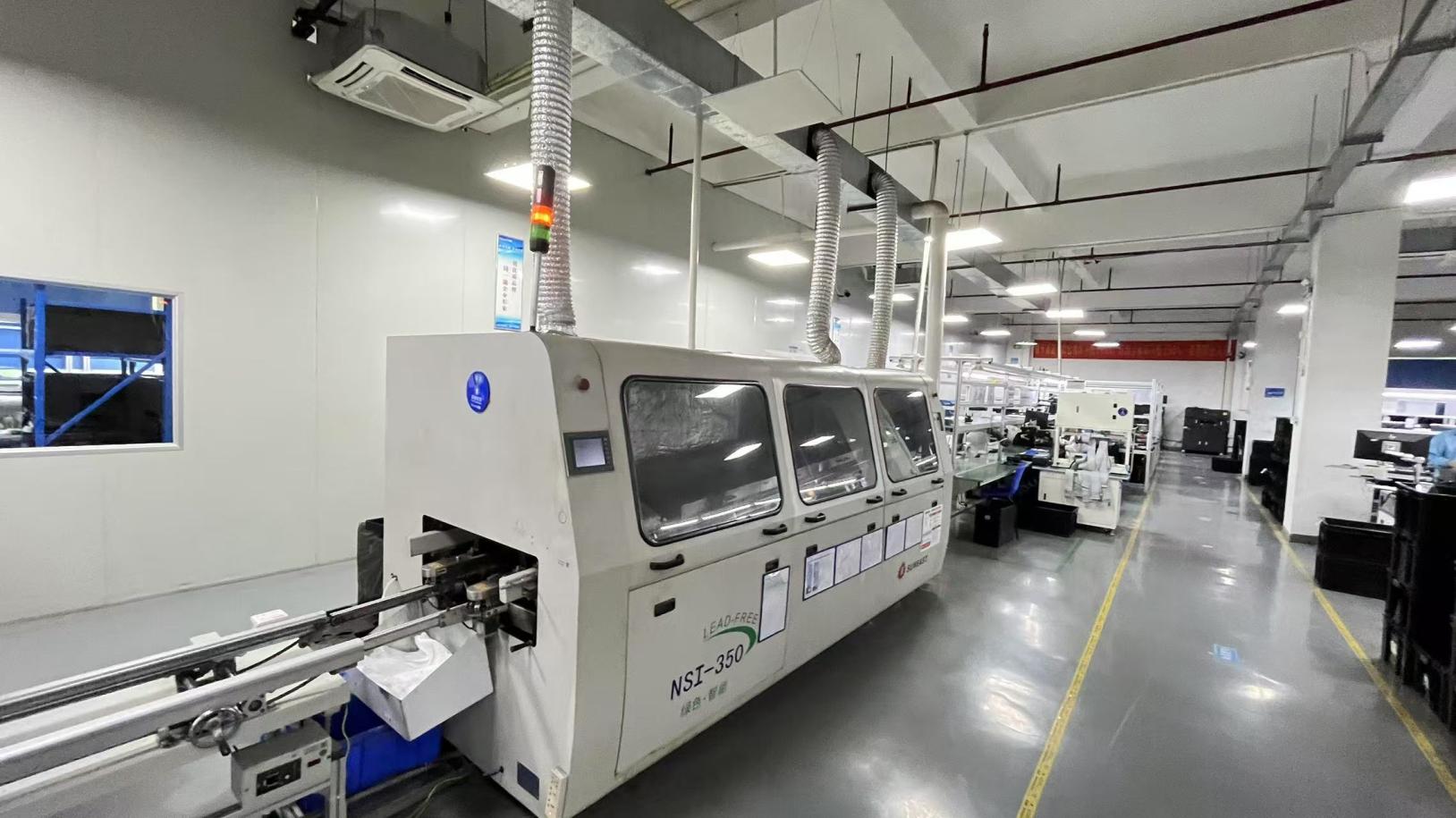
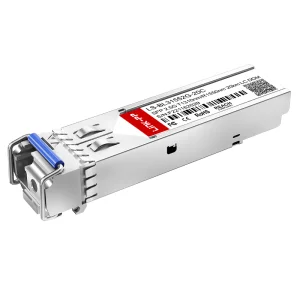
Explore our high-performance Bidirectional (BiDi) models and multi-mode options. These modules are optimized for extended-reach connections, high-density configurations, and demanding enterprise environments.