FiberQ
FiberQ
FiberQ
Precision-engineered optical transceivers for industrial communication, legacy networks, and severe physical environments.
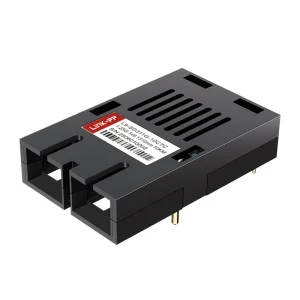
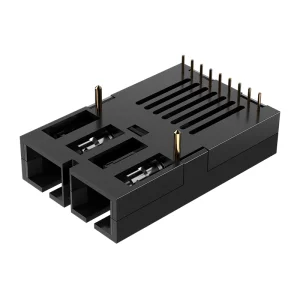
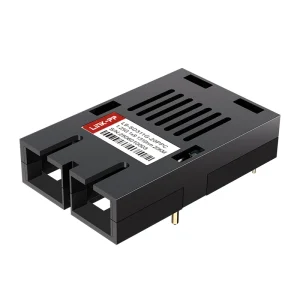
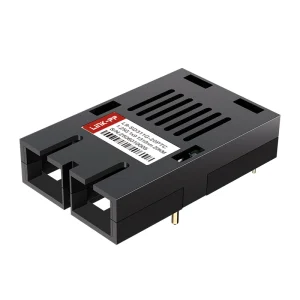
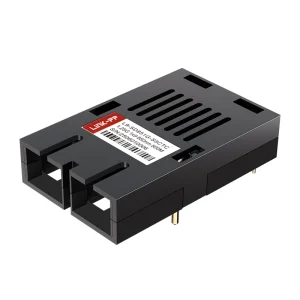
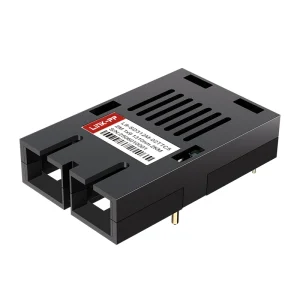
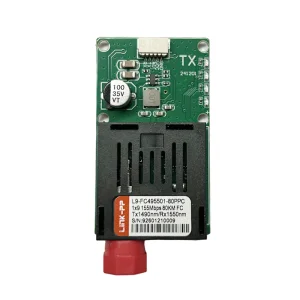
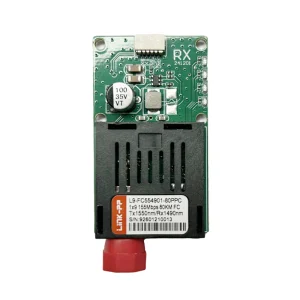
In an era dominated by hot-pluggable form factors like SFP, QSFP, and OSFP, the legacy 1x9 optical transceiver remains a cornerstone of mission-critical communication. Characterized by its single row of nine pins that are directly soldered to the host PCB, this form factor delivers unparalleled physical connection security and electromagnetic interference (EMI) protection.
Historically developed during the birth of modern fiber systems, the 1x9 footprint is defined by its robust mechanical lock, removing the potential point of failure associated with hot-pluggable interfaces in high-vibration environments. Today, we observe steady global demand for 1x9 transceivers across heavy industrial fields, municipal infrastructures, electrical substations, and critical transport sectors where long operational life-cycles are mandated.
Unlike commercial data center hardware that undergoes upgrades every 3 to 5 years, transportation (rail signaling), aerospace, and electrical grids require systems to perform flawlessly for 15 to 30 years. Sourcing stable, high-reliability 1x9 transceivers from certified manufacturers is critical for long-term operational resilience and network longevity.
A state-of-the-art facility engineered to produce compliant, robust, and highly reliable optical transceivers.
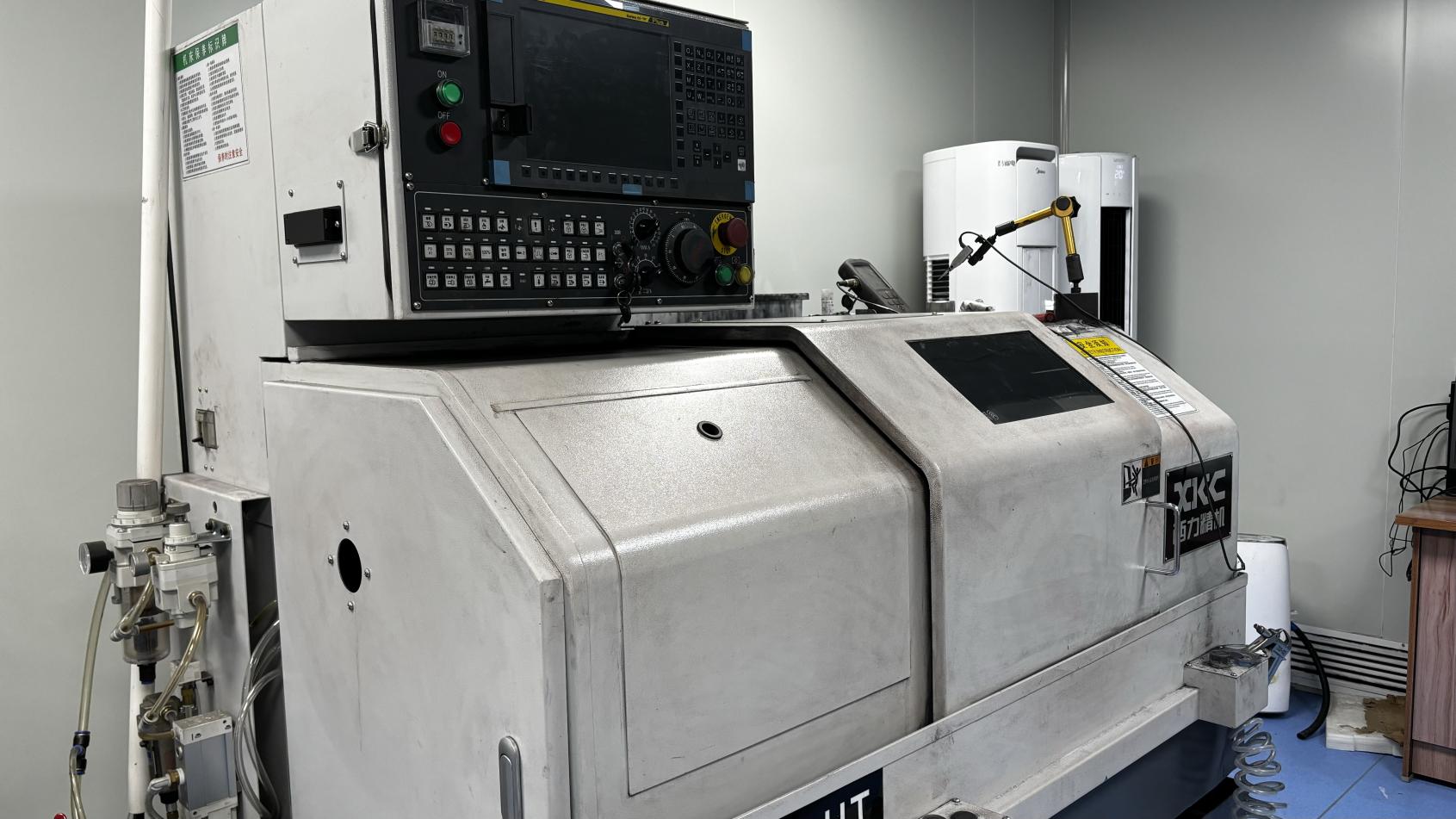
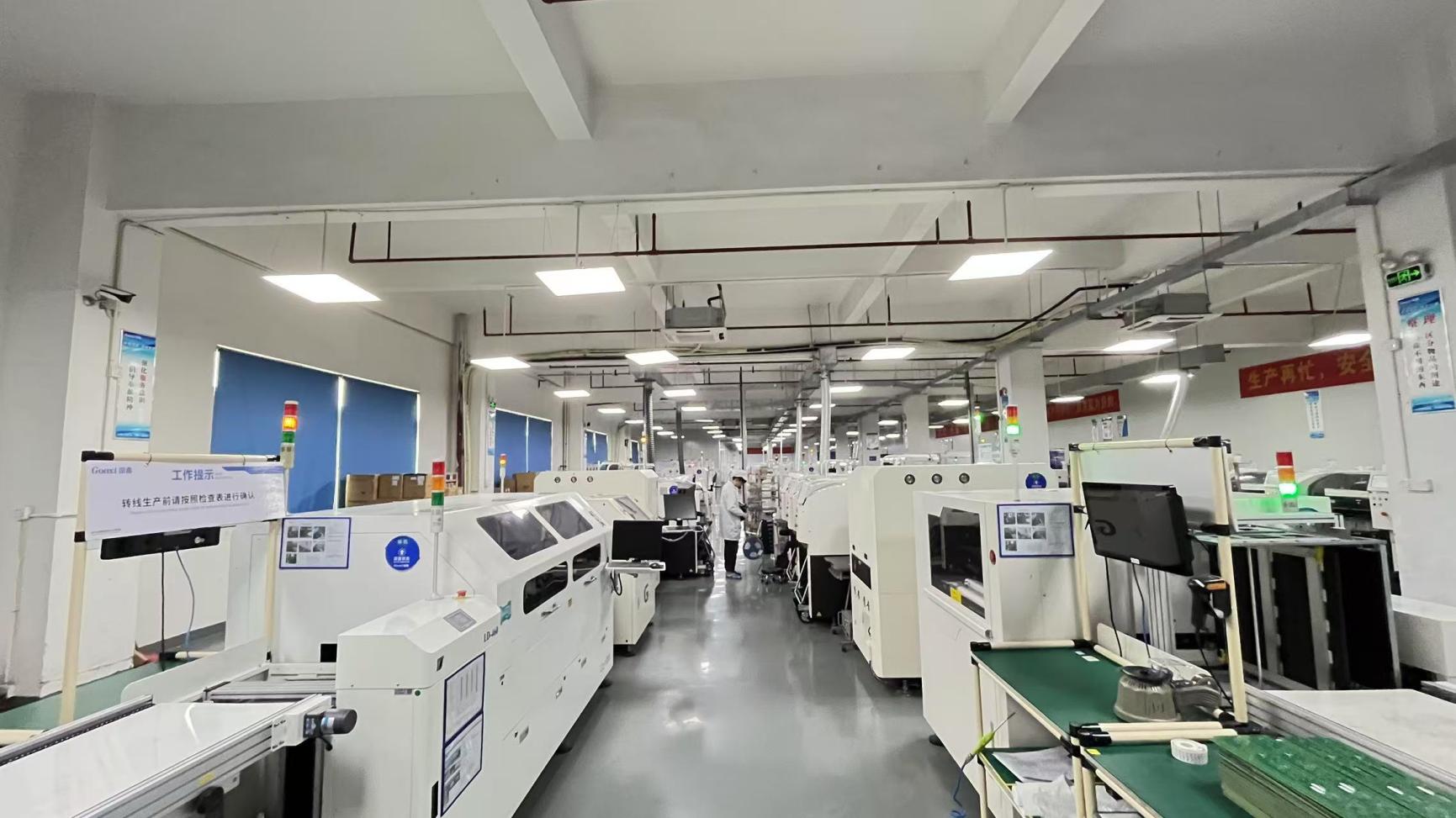
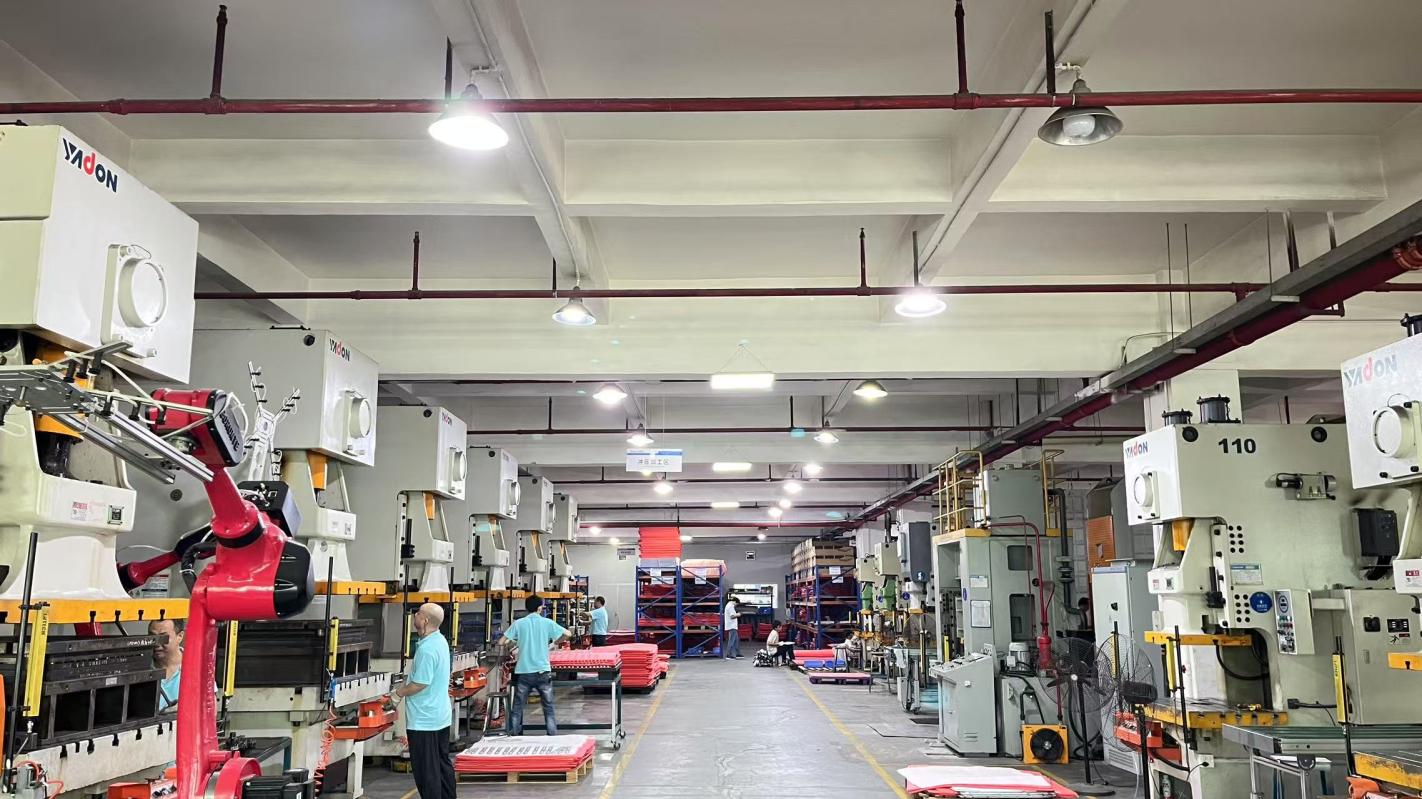
FiberQ Photonics Technology Co., Ltd. is a professional manufacturer specializing in high-performance fiber optic transceivers and advanced photonic communication solutions. Serving data centers, telecom networks, and high-speed interconnect applications since 2015, the company has grown into a trusted global supplier with strong engineering and export capabilities.
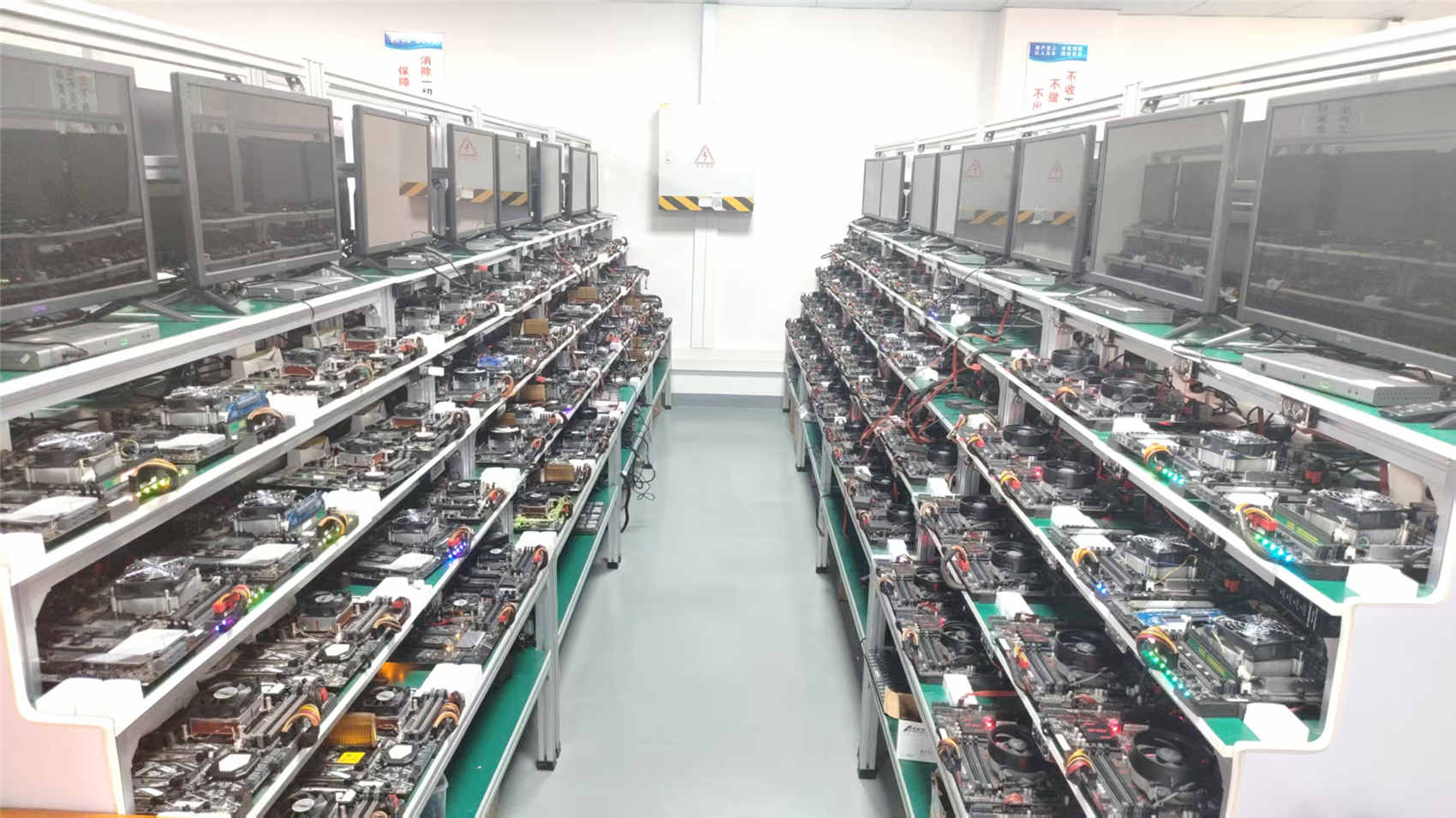
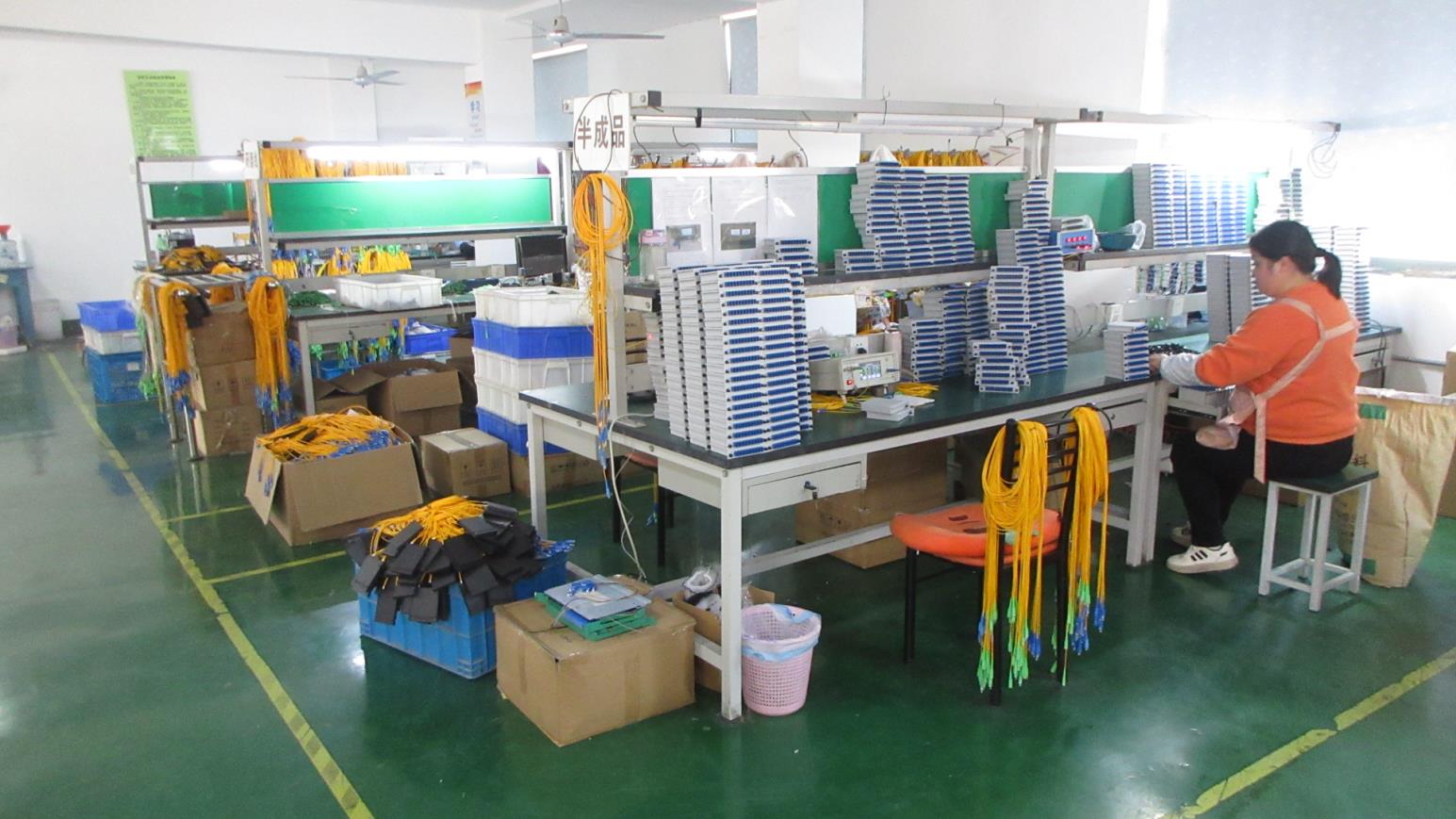
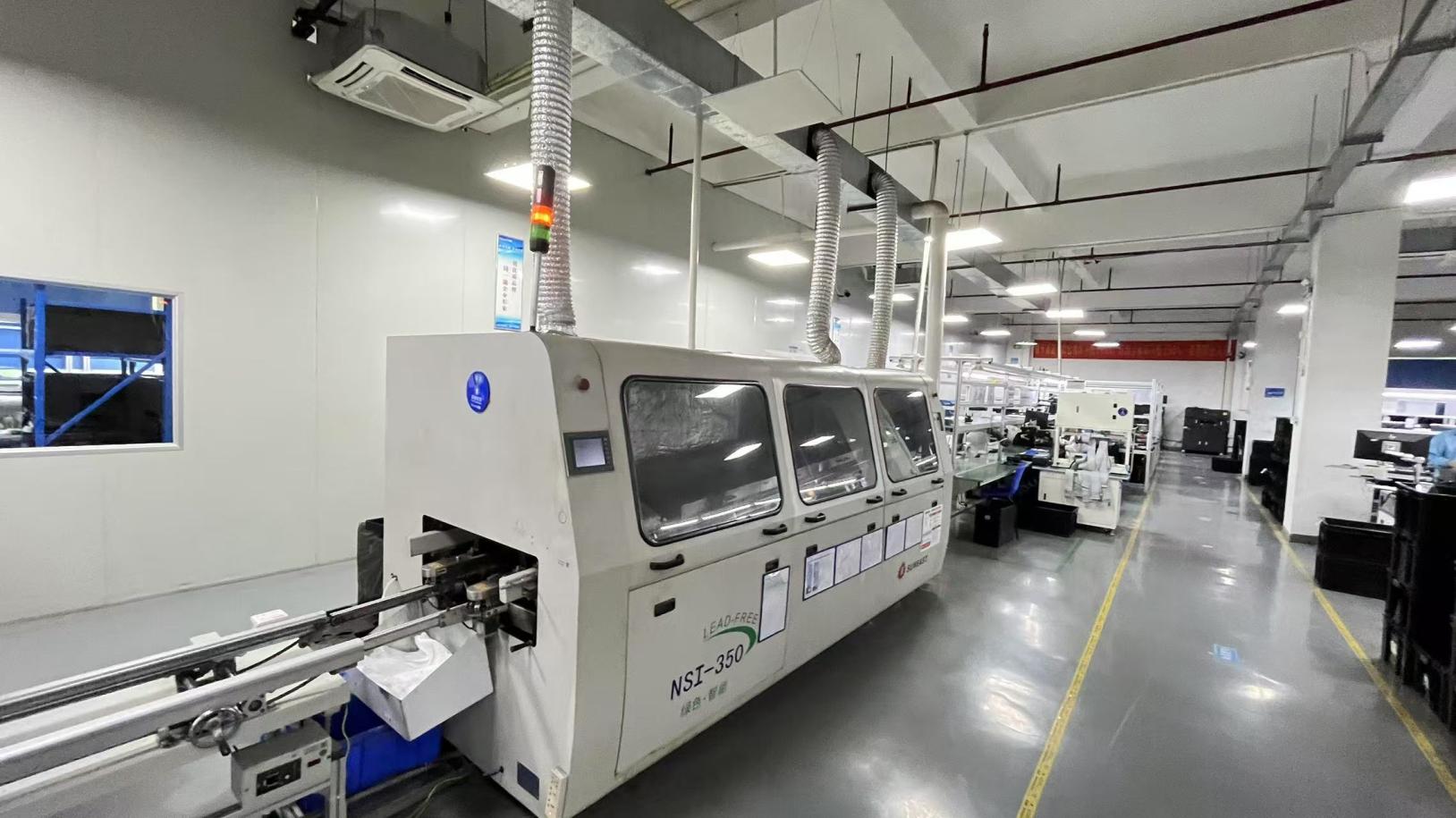
Operating a modern production facility covering approximately 12,600㎡, FiberQ enables scalable manufacturing, precision assembly, and strict quality control processes. With annual export revenue reaching around USD 9.5 million, FiberQ has accumulated 6 years of export experience and 12 years of industry expertise in optical communication technologies.
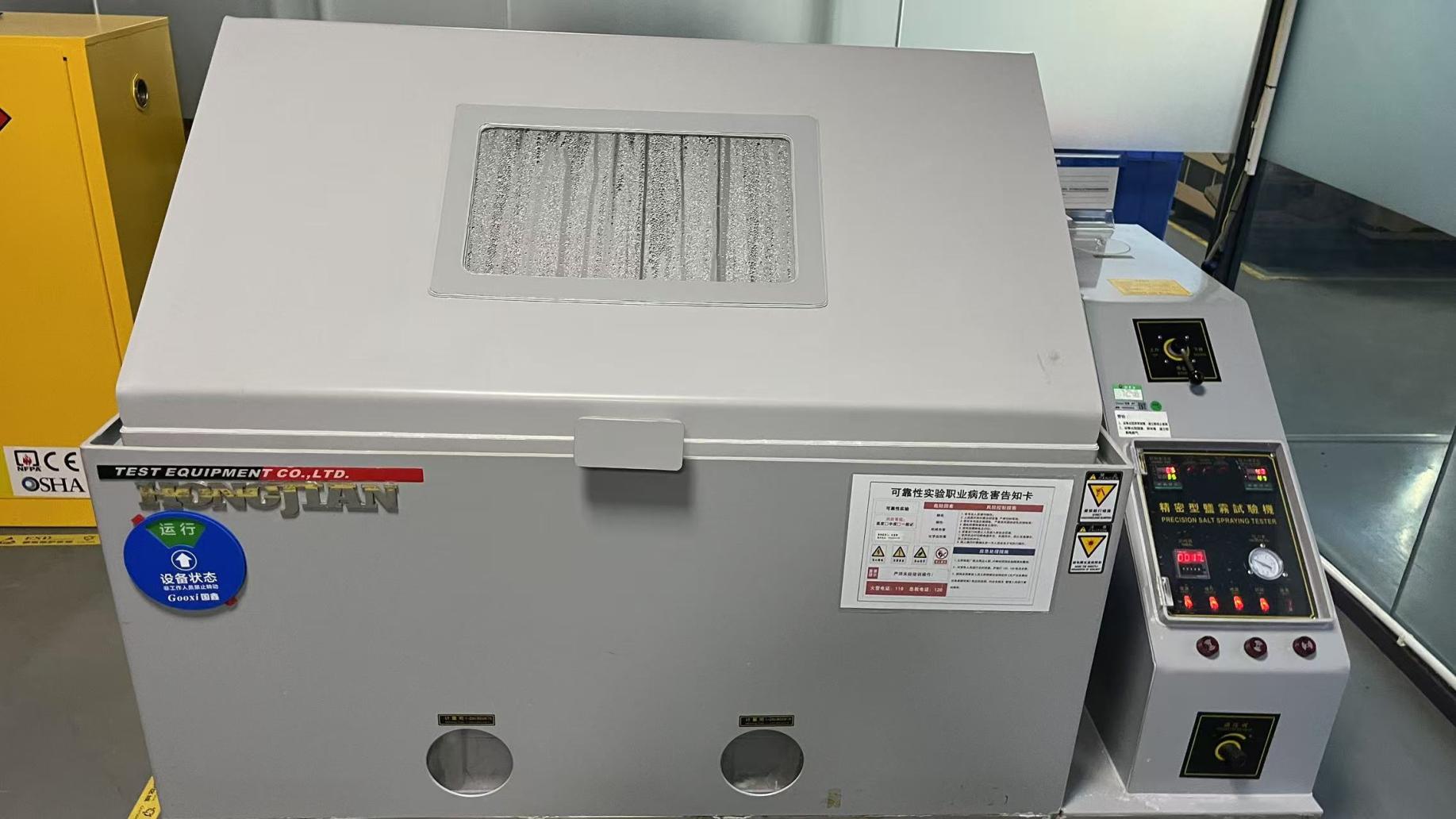
Quality assurance is ensured through a combination of automated optical performance testing, interferometric inspection, high-temperature aging tests, and manual quality checks. The quality control team consists of 62 experienced inspectors dedicated to maintaining product reliability and compliance with international standards.
FiberQ maintains a strong trade background focused on OEM and ODM partnerships. Its primary markets include North America, Europe, Japan, and Southeast Asia, serving telecom operators, cloud service providers, and enterprise network integrators. The company collaborates with approximately 1,450 supply chain partners to ensure stable procurement of core components and efficient production scheduling.
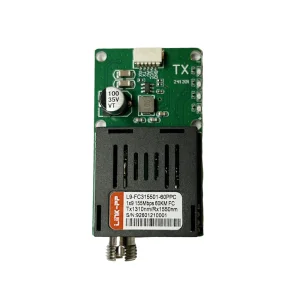
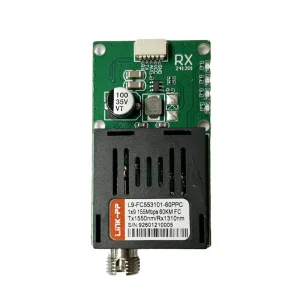
Understanding the internal topology and electrical parameters of a 1x9 transceiver is vital for high-reliability systems design. Unlike SFP modules that rely on serializing protocols over dynamic I2C software-defined monitoring (DOM), a 1x9 transceiver relies on direct parallel interface pins with PECL (Pseudo Emitter Coupled Logic) or TTL (Transistor-Transistor Logic) signal configurations.
| Feature Parameter | 1.25G Duplex SC SMF 1x9 | 155M BiDi SC/FC 1x9 | Multimode 1.25G 850nm 1x9 |
|---|---|---|---|
| Optical Transmitter Type | 1310nm FP Laser / DFB Laser | 1310nm / 1550nm WDM Laser | 850nm VCSEL Laser |
| Optical Receiver Type | InGaAs PIN-TIA | InGaAs PIN-TIA / APD | GaAs PIN-TIA |
| Logical Electrical Interface | Differential PECL | TTL / PECL Option | Differential PECL |
| Link Budget / Distance | 10km - 20km (SMF) | 20km - 80km (SMF) | 500m (MMF) |
| Typical Power Dissipation | < 0.8 Watts | < 0.6 Watts | < 0.7 Watts |
| Standard Connector Form | Duplex SC | Simplex SC or FC (Threaded) | Duplex SC |
One of the core points of differentiation in 1x9 transceiver selection is the Signal Detect (SD) function logic. This pin alerts the host motherboard if the incoming optical power is lost or drops below the receiver threshold. Engineers must specify whether they require a PECL Signal Detect (which operates at high logic voltage swings to reduce latency in signal detection) or a TTL Signal Detect (commonly used in older microprocessor boards, operating with 0-5V levels). Mismatches in logic levels can result in failed signal detection or system lockups.
Real-world deployment scenarios where 1x9 transceivers provide robust performance under extreme operational conditions.
In petrochemical refineries, steel production plants, and water treatment plants, EMI from high-voltage motors can corrupt data on traditional copper cables. 1x9 transceivers provide optical isolation over fiber, eliminating ground loops and noise injection.
Rail track control panels use 1x9 transceivers due to high vibration resistance. The soldered leads guarantee that mechanical vibration from passing trains will not dislodge the optical modules, ensuring continuous status monitoring.
Substation switches designed around the IEC 61850 standard rely on 1x9 transceivers for protection relay networks. High surge immunity and wide industrial temperature operation (-40°C to +85°C) are critical for outdoor enclosures.
As network engineering moves toward Software-Defined Networking (SDN) and gigabit-to-terabit interfaces, system architects face challenges managing legacy systems. How do we keep systems functioning while transitioning to next-generation hardware?
Many industrial operators choose hybrid approaches. Instead of rewiring entire backplanes, they use media converters with 1x9 interfaces to link legacy machinery to modern SFP-based optical switches.
Additionally, manufacturers are innovating within the 1x9 framework by engineering smart 1x9 modules. These modules incorporate modern digital diagnostics internally while outputting legacy-compatible signaling, enabling technicians to identify link issues without redesigning the system architecture.
How optical suppliers guarantee product quality and compatibility across different industries.
With over 1,450 global supply chain partners, FiberQ ensures stable delivery times for laser diodes, optical sub-assemblies (OSA), and control microchips. This reduces risk in long-term municipal and industrial supply contracts.
Every optical transceiver undergoes automated optical spectrum analysis, eye diagram validation, and thermal aging cycles. This rigorous testing minimizes field failures in harsh and remote environments.
We offer custom solutions, including specialized wavelengths, modified housing designs for high-vibration applications, and extended operational temperatures up to 85°C to meet specific project needs.
Addressing common technical issues and product specifications for 1x9 transceivers.
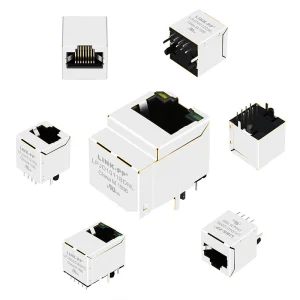
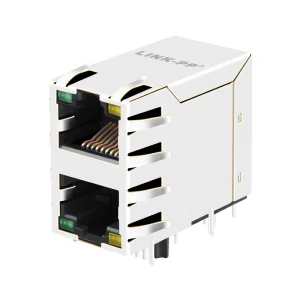
Explore our range of long-range single-mode transceivers, high-speed optical interfaces, and magnetic RJ45 connectors.