FiberQ FiberQ

Optical Transceivers RJ45 Copper SFP Factory & Exporters

Next-Generation 10GBASE-T, 2.5GBASE-T, and 1000BASE-T Copper Solutions. Engineered for Superior Thermal Management, Multi-Gigabit Interconnects, and Global Enterprise Deployments.

Featured RJ45 Copper Transceivers (Hot Sellers)

Discover our highly sought-after copper SFP modules built for mission-critical network interfaces.

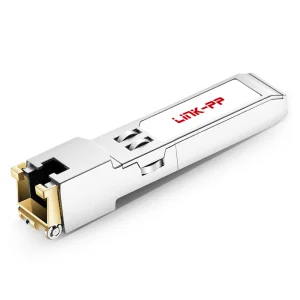
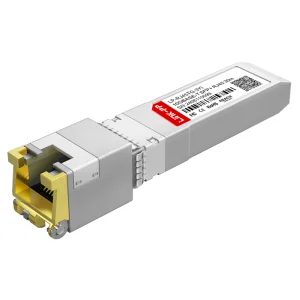
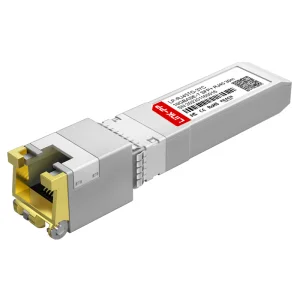
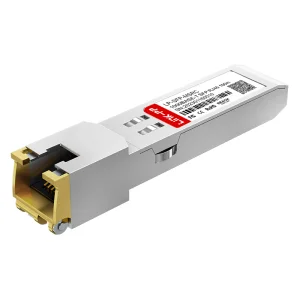
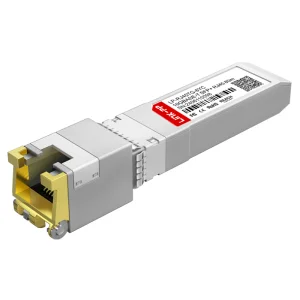
SFP-10G-T-X 10GBASE-T Copper RJ45
SFP-10G-T-X 10GBASE-T 10G SFP+ Copper RJ45 30m Transceiver Module
View Details
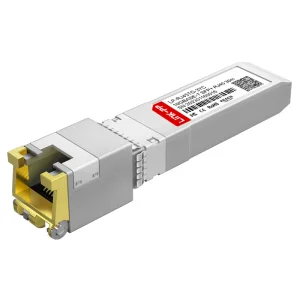
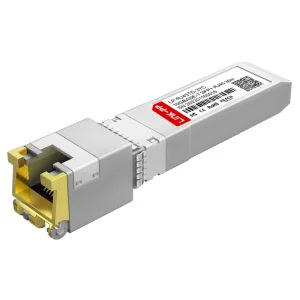
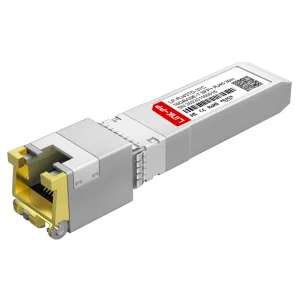
Fiber Optic Equipment Hot-Pluggable 10G Base-t RJ45
Fiber Optic Equipment Hot-Pluggable 10G Base-t RJ45 Copper SFP+ Optical Transceiver Module 30m
View Details
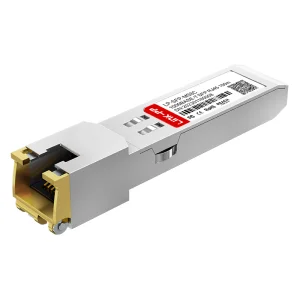
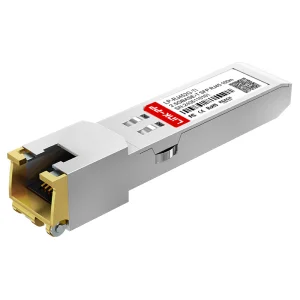
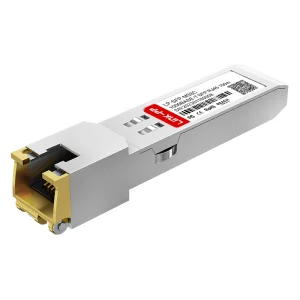
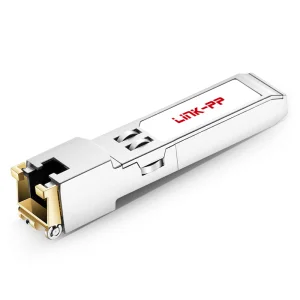
Hot Pluggable 1000BASE-T 1G SFP Copper
Hot Pluggable 1000BASE-T 1G SFP Copper RJ45 100m Transceiver Module
View Details
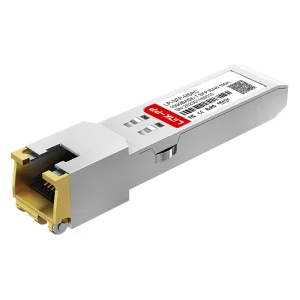
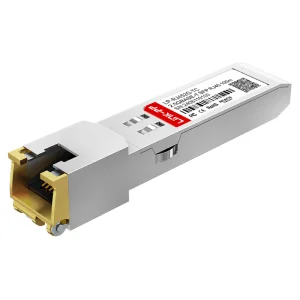
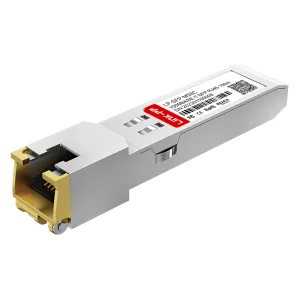
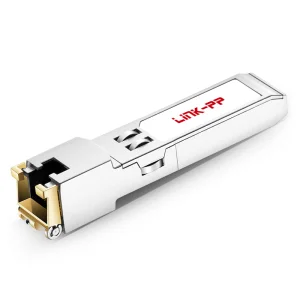
1000BASE-T 1G SFP Copper RJ45
1000BASE-T 1G SFP Copper RJ45 100m Fiber Optical Transceiver Module
View Details
10/100/1000BASE-T SGMII Copper SFP
10/100/1000BASE-T SGMII Copper SFP RJ-45 100m Optical Transceiver Module
View Details
Cisco SFP-10G-T-100 Compatible 10G Copper
Cisco SFP-10G-T-100 Compatible 10G Copper SFP+ RJ45 100m Transceiver Module
View Details
10GBASE-T SFP+ Ethernet Module Copper
10GBASE-T SFP+ Ethernet Module Copper RJ-45 30m Fiber Optical Transceiver
View Details
10GBASE-T SFP+ Copper RJ-45 80m
10GBASE-T SFP+ Copper RJ-45 80m Fiber Optical Transceiver Module
View Details

Optical Transceivers & RJ45 Copper SFPs: Whitepaper Insights

Understanding the evolution from fiber infrastructure to hybrid multi-gigabit copper topologies.

In modern networking ecosystems, fiber optic transceivers represent the primary medium for long-haul transmission and ultra-fast interconnections. However, legacy infrastructure and short-range deployments rely heavily on copper-based media. This is where RJ45 Copper SFP transceivers bridge the operational and physical gap. Standard SFP (Small Form-factor Pluggable) ports on switches are structurally designed to accept optical interfaces. By deploying a specialized transceiver featuring an integrated PHY chip and an RJ45 receptacle, network operators can run Category 6a or Category 7 twisted-pair copper cables over distances up to 30m, 80m, or even 100m at rates ranging from 10/100/1000Mbps up to 10Gbps.

This technical capability bypasses the need for costly fiber runs in local server racks, enterprise distribution blocks, and Top-of-Rack (ToR) switch links. Utilizing standard copper Ethernet cabling with hot-pluggable RJ45 transceivers provides unparalleled flexibility. Instead of upgrading entire switch fabrics to accommodate copper-only devices, network engineers use these SFP-to-RJ45 adapters to mix and match fiber and copper paths dynamically.

Key Challenges in Copper Transceiver Engineering

Unlike optical transceivers, which convert digital signals to photons, RJ45 SFP+ modules must host a complete transceiver PHY (Physical Layer) chip inside their miniature metallic housing. This chip performs intensive digital signal processing (DSP) to mitigate crosstalk, echo, and attenuation inherent in copper media at high frequencies. Due to this active processing, 10GBASE-T copper SFP+ modules dissipate significant thermal energy. Managing power consumption—dropping it from historical rates of 2.5W down to modern thresholds of 1.5W or less—is a paramount engineering goal for factories like FiberQ. Lower power consumption directly translates to lower heat generation, which safeguards surrounding port components inside high-density switch configurations.
RJ45 SFP Class Specifications & Operating Parameters

A comparative standard checklist for procurement departments and enterprise network engineers.

Product Standard Data Rate Cable Media Requirement Maximum Range Typical Power Draw Primary Application Use Case
1000BASE-T SFP 1.25 Gbps Cat5e / Cat6 UTP 100 meters < 0.8W Legacy switch-to-switch linking, VoIP & IP Camera Aggregation
2.5GBASE-T SFP 2.5 Gbps Cat6 / Cat6a UTP 100 meters < 1.2W Wi-Fi 6/6E Access Points, NAS, Multi-Gigabit Workstations
10GBASE-T SFP+ (30m) 10 Gbps Cat6a / Cat7 Shielded STP 30 meters < 1.6W Top-of-Rack data center interconnects, high-speed uplink paths
10GBASE-T SFP+ (80m/100m) 10 Gbps Cat6a / Cat7 STP (Shielded) 80 / 100 meters < 2.0W Extended campus backbones, high-bandwidth server links

China Factory Advantages: Scale, Quality & Ecosystem Synergy

Why China remains the global epicentre for high-performance transceiver manufacturing and export logistics.

Vertically Integrated Sourcing

Chinese factories are located within industrial clusters containing raw metal suppliers, PCB fabrication labs, and advanced semiconductor packaging plants. This proximous supply chain minimizes shipping lead times for electronic components.

Automated Manufacturing Scale

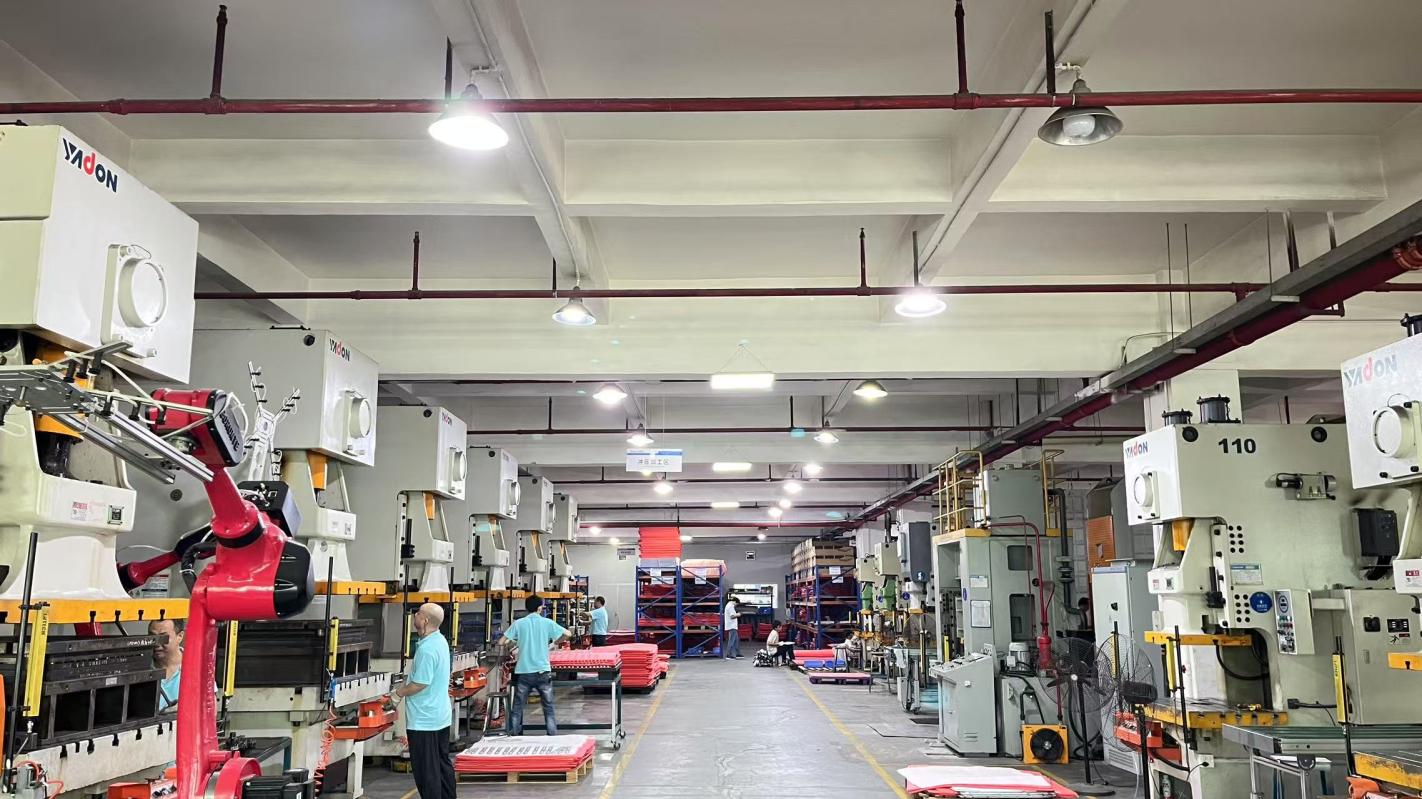
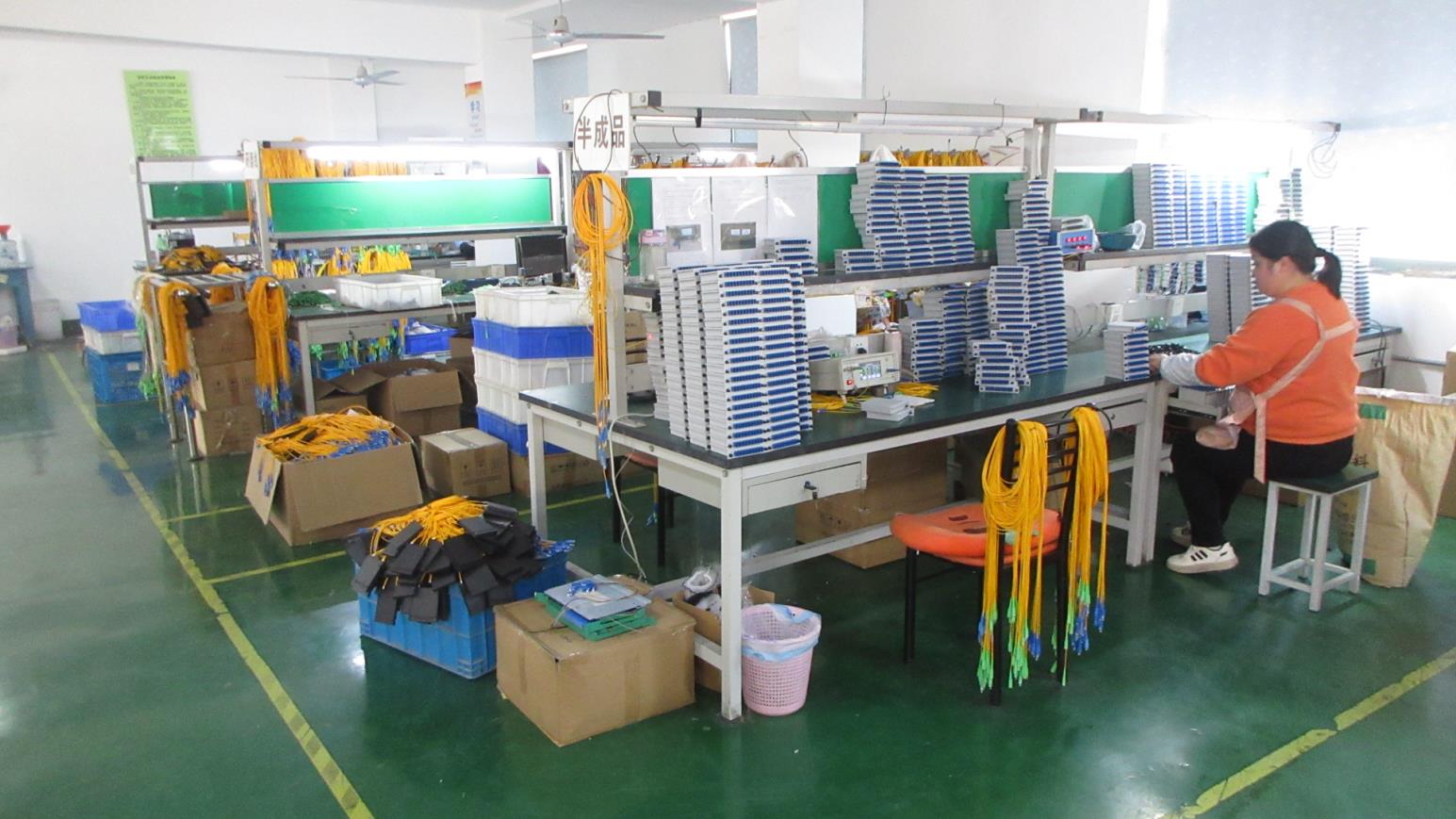
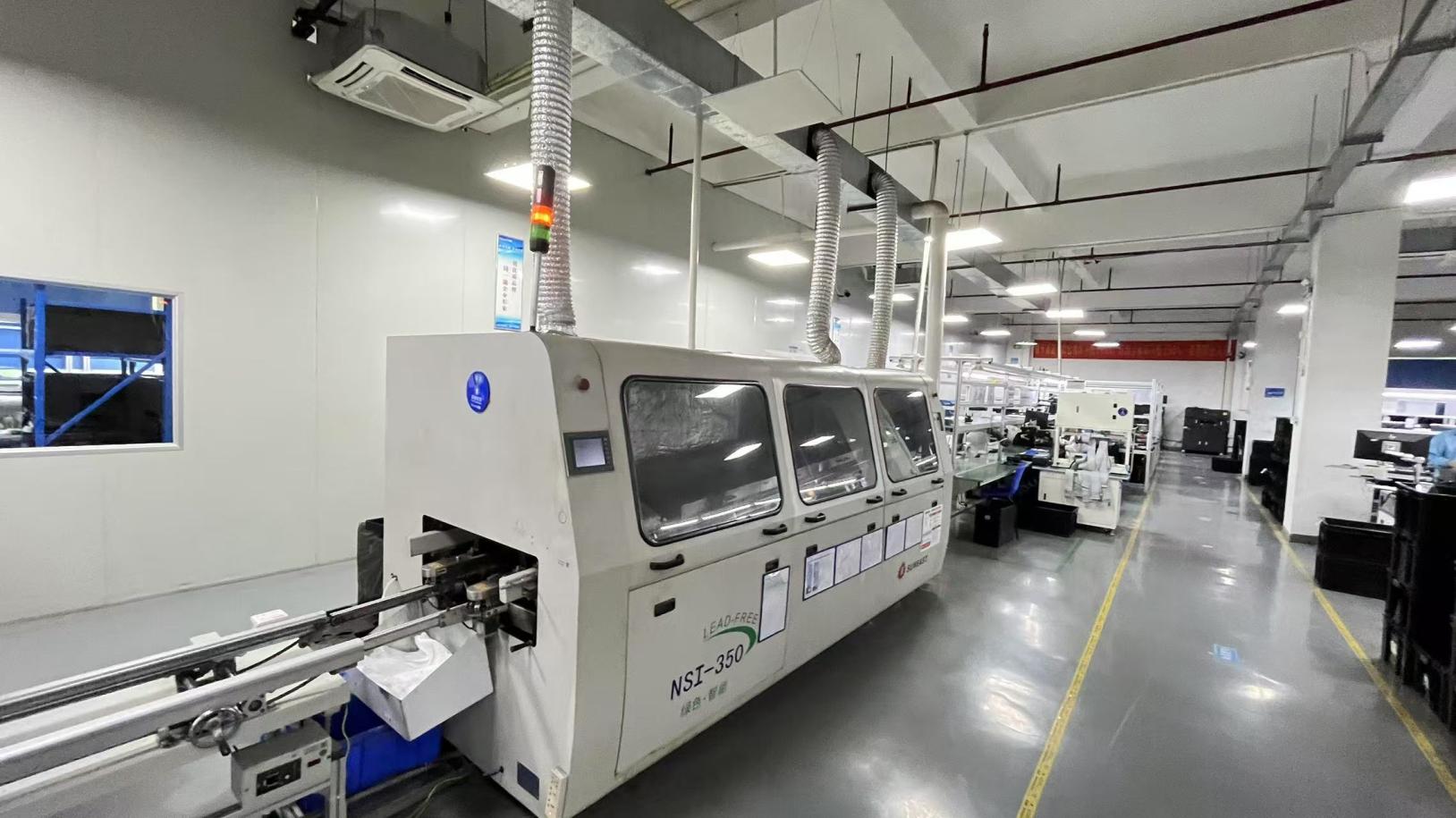
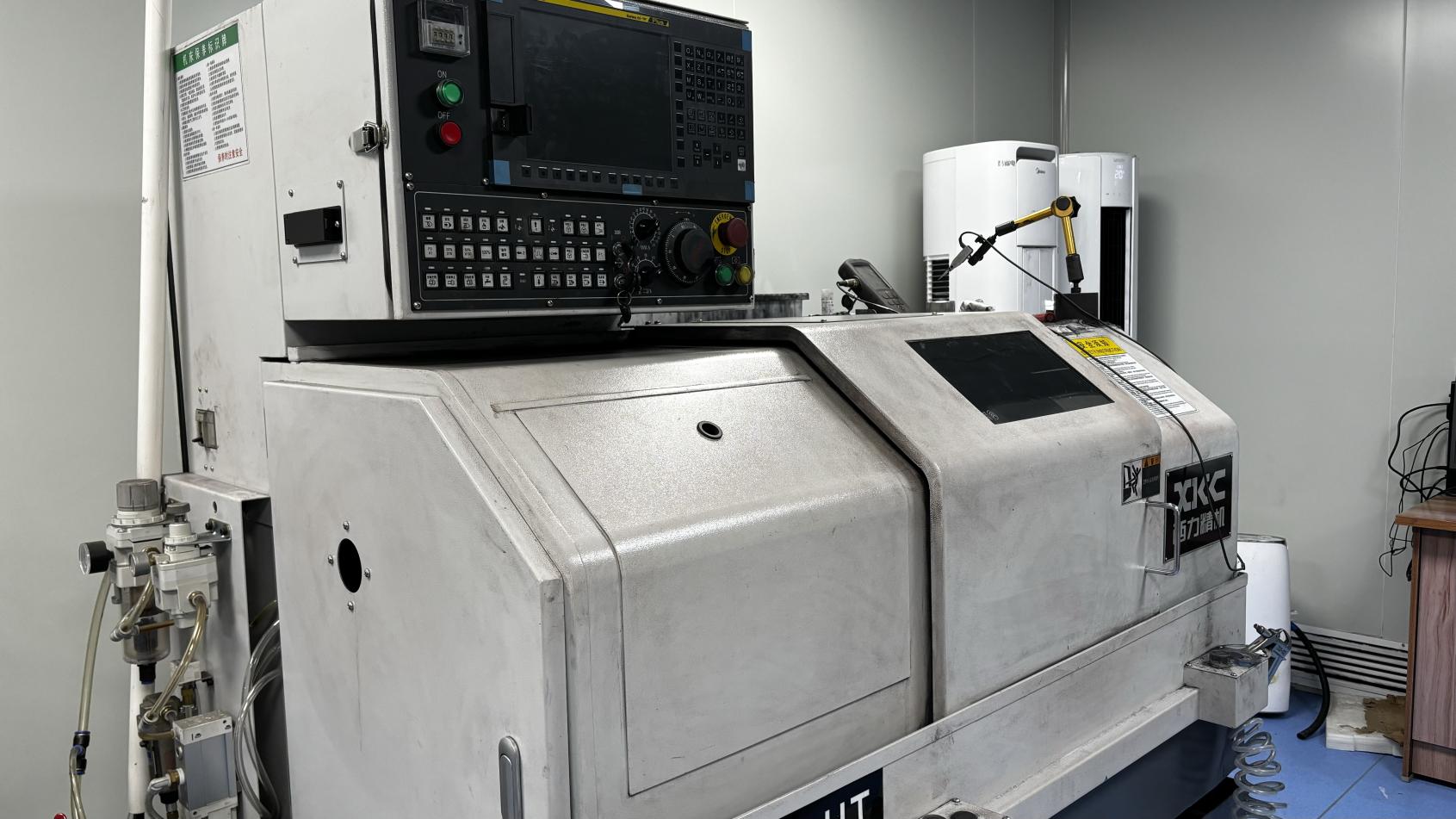
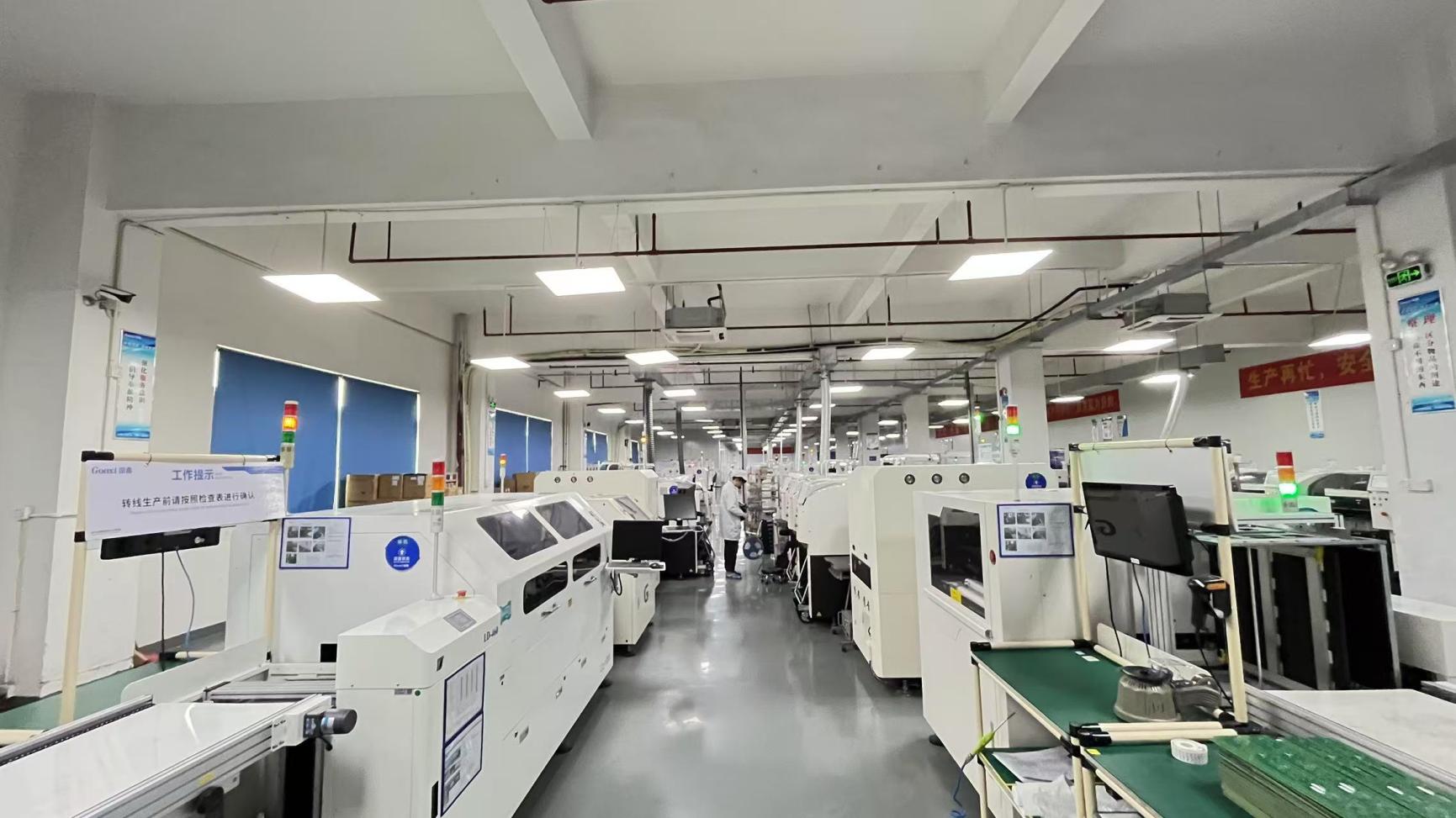
Utilizing high-precision surface mount technology (SMT) machinery and automated laser alignment tools, factories can scale output to thousands of transceivers per shift while eliminating manual variance defects.

Rigorous Compliance & Testing

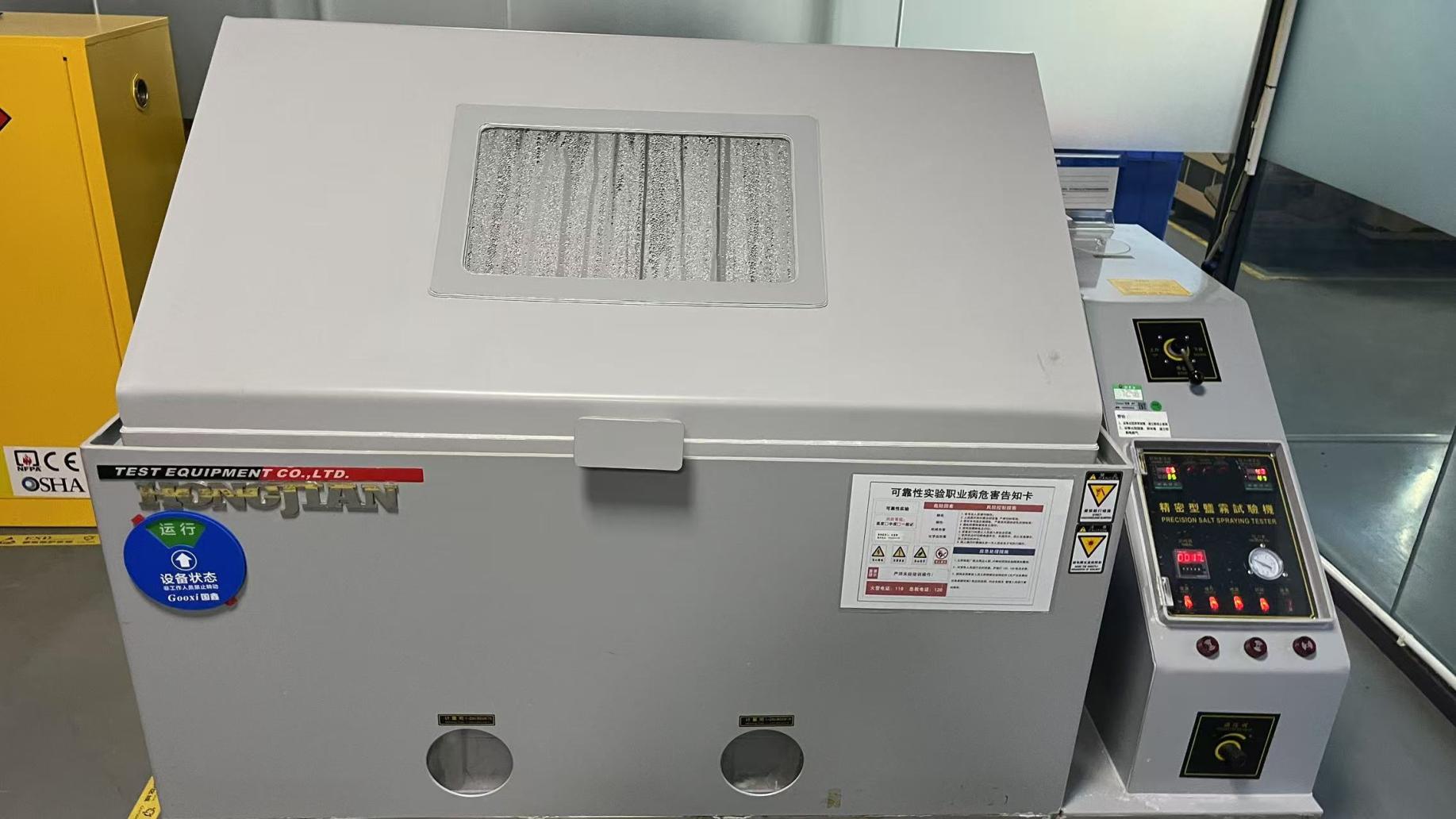
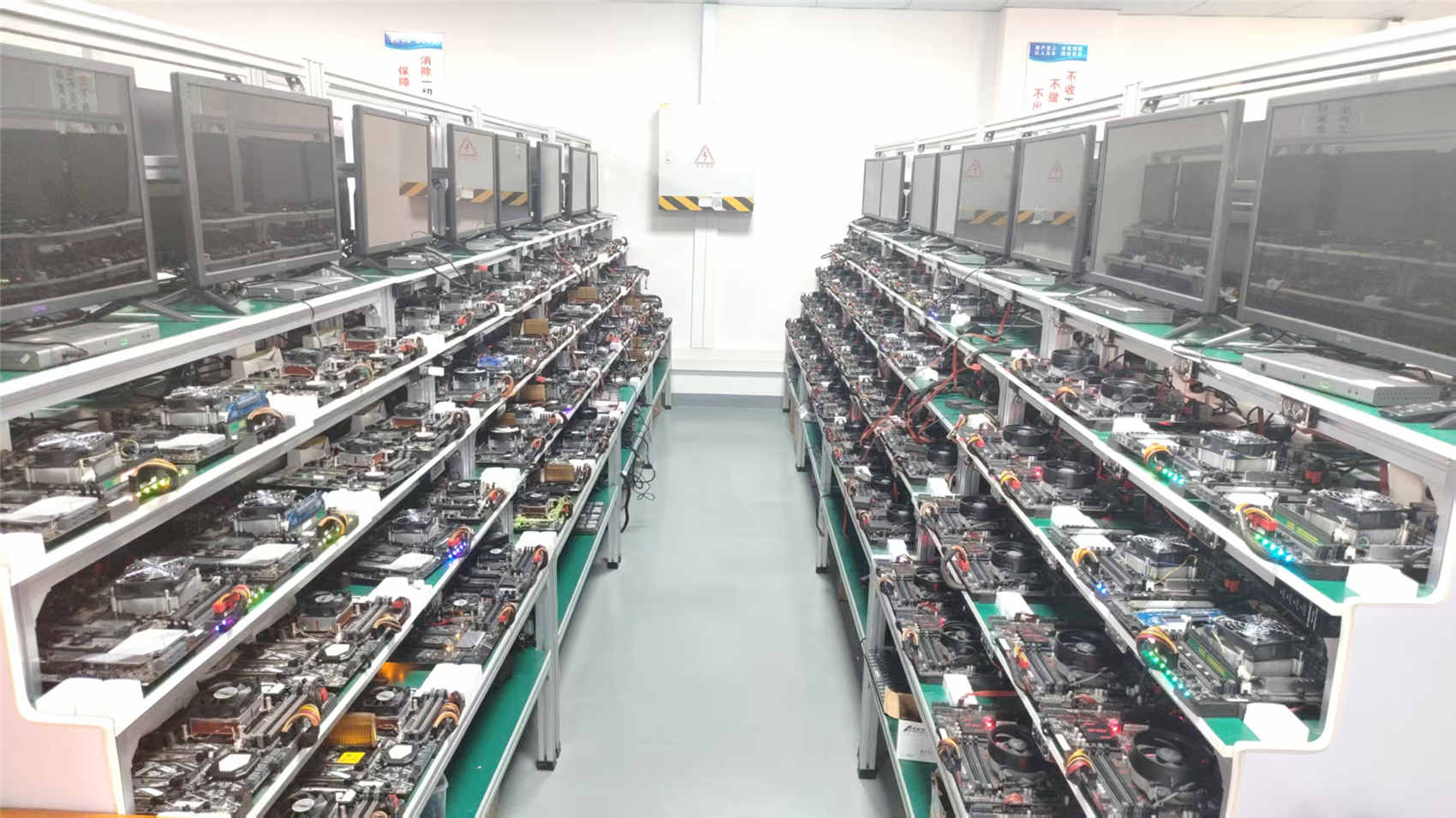
Modern export factories incorporate extensive quality assurance (QA) loops, including real-time switch compatibility verification, optical return-loss metrics, and thermal cycling chambers mimicking severe datacenter conditions.

As a prime example of this industrial capability, FiberQ Photonics Technology Co., Ltd. coordinates a robust supply network of approximately 1,450 supply chain partners. This ensures continuous, uninterrupted sourcing of high-integrity optical receivers, PHY controller chipsets, and structural metal components. Backed by extensive automation, this supply ecosystem enables prompt fulfillment of high-volume OEM/ODM purchase orders without compromising the mechanical tolerances demanded by international MSA standards.

Meeting Global Enterprise Procurement Mandates

Bridging procurement compliance, technical interoperability, and global fulfillment structures.

Global IT buyers, data center operators, and telecom providers require more than just low-cost transceiver components; they require absolute system stability and strict standard compliance. When sourcing high-speed RJ45 Copper SFPs, procurement agents assess several critical dimensions:

  • Multi-Vendor Switch Compatibility: Transceivers must carry EEPROM microcoding customized to interface flawlessly with host switches from major brands (e.g., Cisco, HPE Aruba, Ubiquiti, Juniper, Arista, and Dell). Proper firmware keying avoids "unsupported transceiver" system lockouts.
  • Thermal Safety Limits: High-density switch environments run hot. RJ45 copper transceivers must exhibit a low power dissipation profile (ideally <1.6W for 30m applications) to prevent localized port thermal runaway, which causes link drops and early silicon degradation.
  • Mechanical Alignment Precision: Standard MSA geometry guarantees that SFP latches engage cleanly in SFP/SFP+ cages, allowing hot-plugging without damaging the host chassis electrical contacts.
  • Traceability and Quality Records: Comprehensive serial tracking of individual modules ensures that any field failure can be traced back to its raw components and manufacturing batch for corrective containment actions.

Localized Support, Global Compliance, and Risk Mitigation

Ensuring seamless import processes, environmental conformity, and local market application service.

Regulatory Compliance

Every transceiver shipped internationally must fully conform to CE, FCC Part 15, RoHS, and REACH directives. This guarantees that no hazardous chemicals (like lead or cadmium) are present and that electromagnetic radiation stays within safe industrial standards.

Customs and Documentation

Seamless export operations depend on transparent billing, standard Harmonized System (HS) classifications, and complete certification records. This structure eliminates costly hold-ups at European, North American, and Asian import hubs.

FAE & Regional Engineers

Having Field Application Engineers (FAEs) or local distribution networks available means clients get prompt firmware modifications, swap-out diagnostic tools, and live troubleshooting help if they encounter complex hardware systems in the field.

Practical Deployment Scenarios for RJ45 SFPs

Where copper transceiver integration yields the highest return on investment.

1. Data Center Top-of-Rack (ToR) Cabling

Data center architects use 10GBASE-T SFP+ modules to interface high-speed rack servers with Top-of-Rack distribution switches. For distances under 30 meters, using Cat6a patch cables alongside RJ45 SFPs is significantly cheaper and more durable than using active optical cables (AOCs) or direct attach copper (DAC) cables, which have fixed lengths and rigid bend radiuses.

2. Enterprise Network Expansion and Multi-Gigabit Uplinks

With Wi-Fi 6, Wi-Fi 6E, and Wi-Fi 7 access points exceeding 1Gbps, backhaul links need upgrading. By slotting 2.5G or 10G RJ45 transceivers into existing SFP ports, enterprises can drive multi-gigabit connections over their current Cat6a cabling without rewiring buildings with fiber.

3. High-Performance NAS & Storage Area Networks (SAN)

Storage systems require immense bandwidth to handle virtualization clusters and real-time backups. RJ45 transceivers allow standard copper-based 10G network cards inside servers to connect directly with fiber-dominated aggregation switches, merging diverse physical layers into one cohesive local area network.

Future Trends: SFP Copper Transceiver Technology

Evaluating next-generation milestones: 25GBASE-T, ultra-low power DSPs, and co-packaged optics.

As the network industry moves toward 400G and 800G optical lines, copper networking continues to advance. One key target is 25GBASE-T. This standard aims to support 25Gbps over Cat8 twisted-pair cabling for distances up to 30 meters, offering a cost-effective, high-speed solution for edge deployments that don't need fiber optics.

Furthermore, chip designers are continuously refining transceiver PHY processes. Shifting from 28nm to 16nm and 7nm silicon architecture allows manufacturers to build transceivers with drastically lower heat footprints. Reducing heat generation allows switch ports to run cooler, which supports higher port density and lowers the power consumption of cooling fans in data centers. This trend is a major factor in building greener, more sustainable digital infrastructure.

About FiberQ Photonics Technology Co., Ltd.

A leading global provider of high-speed optical transceivers and photonic communication solutions.

FiberQ Photonics Technology Co., Ltd. is a professional manufacturer specializing in high-performance fiber optic transceivers and advanced photonic communication solutions for data centers, telecom networks, and high-speed interconnect applications. Founded in 2015, the company has grown into a trusted global supplier with strong engineering and export capabilities.

Operating from a modern production facility covering approximately 12,600㎡, FiberQ enables highly scalable manufacturing, precision assembly, and strict quality control processes. With annual export revenue reaching around USD 9.5 million, FiberQ has accumulated 6 years of export experience and 12 years of industry expertise in optical communication technologies.

12,600㎡ Production Facility
12 Yrs Industry Expertise
240 R&D Engineers
62 QA Inspectors

Quality assurance is ensured through a combination of automated optical performance testing, interferometric inspection, high-temperature aging tests, and manual quality checks. The quality control team consists of 62 experienced inspectors dedicated to maintaining product reliability and compliance with international standards.

FiberQ maintains a strong trade background focused on OEM and ODM partnerships. Its primary markets include North America, Europe, Japan, and Southeast Asia, serving telecom operators, cloud service providers, and enterprise network integrators. The company collaborates with approximately 1,450 supply chain partners to ensure stable procurement of core components and efficient production scheduling. Its main customer base includes data center operators, telecom carriers, network equipment vendors, and system integrators.

With strong R&D capabilities, FiberQ supports advanced customization including protocol compatibility (100G/200G/400G/800G), wavelength engineering, thermal optimization, and form-factor adaptation. The company employs around 240 R&D engineers focused on optical design, signal integrity, and high-speed hardware development. In the past year, FiberQ launched approximately 180 new products, reflecting its continuous innovation in next-generation optical communication solutions.

Technical Q&A / Frequently Asked Questions

Addressing technical questions regarding compatibility, heat dissipation, and cable criteria.

1. Why do 10GBASE-T RJ45 transceivers get hotter than optical ones?

Unlike optical modules that simply convert electricity to light, an RJ45 SFP+ transceiver contains an active physical layer chip (PHY) that performs complex digital signal processing (DSP). This chip is responsible for line coding, echo cancellation, and equalization needed to send 10Gbps over copper wire, which generates significant heat. High-quality designs from manufacturers like FiberQ use advanced silicon nodes to keep power consumption—and heat—as low as possible.

2. Can I plug a 10G RJ45 transceiver into a standard 1G SFP port?

Generally, no. SFP+ transceivers (10G) require an SFP+ port to function because SFP ports (1G) cannot negotiate at 10Gbps speeds. However, many 10GBASE-T SFP+ transceivers feature "multi-rate" capabilities and can down-negotiate to 2.5G or 1G speeds if they are connected to a 10G SFP+ switch port at one end and a slower device at the other.

3. What is the difference between 30m and 80m/100m 10GBASE-T transceivers?

The primary difference lies in the power capability of the integrated PHY chip. A 30m module runs on less power (typically 1.5W) because it only needs to drive signals over short distances. 80m and 100m modules require more power (sometimes up to 2.0W) to push signals through longer cabling while maintaining signal integrity and noise cancellation. Sourcing the right module helps prevent unnecessary power usage in your network switches.

4. How is vendor compatibility managed on SFP RJ45 modules?

Compatibility is managed through the EEPROM chip inside the transceiver, which stores data like the vendor name, part number, serial number, and security keys. When a module is plugged in, the host switch reads this chip to verify it. FiberQ tests and programs this EEPROM to match the exact protocol specifications of major network equipment brands, preventing configuration blockages.

5. Can I use unshielded twisted pair (UTP) cabling for 10GBASE-T?

While UTP cables can work over very short distances, we highly recommend using Shielded Twisted Pair (STP) cabling (like Cat6a or Cat7) for 10GBASE-T connections. The shielding protects against external electromagnetic interference (EMI) and alien crosstalk, ensuring a stable, low-latency 10Gbps link at maximum distance.

6. What testing steps does the factory take to guarantee module reliability?

Our production lines use a comprehensive test cycle. This includes automated optical alignment, electrical signal verification (eye diagrams and bit error rate testing), and high-temperature aging chambers to simulate real-world data center workloads. Additionally, our QA team of 62 inspectors performs manual performance and compatibility tests on actual switches to verify firmware integrity before shipping.

Complete RJ45 Copper Transceiver Portfolio

Examine our broader range of compatibility-designed SFP copper modules below.

10GBASE-T SFP+ Copper RJ-45 100m
10GBASE-T SFP+ Copper RJ-45 100m Fiber Optical Transceiver Ethernet Module
View Details
J8177D HPE Aruba Compatible 1000BASE-T
J8177D HPE Aruba Compatible 1000BASE-T 1G SFP Copper RJ45 100m Transceiver Module
View Details
Cisco GLC-TE Compatible 1000BASE-T
Cisco GLC-TE Compatible 1000BASE-T Transceiver Module 1G SFP Copper RJ45 100m
View Details
10GBASE-T Industrial SFP+ Copper
10GBASE-T Industrial SFP+ Copper RJ45 30m Ethernet SFP Transceiver Module
View Details
Industrial 2.5GBASE-T Transceiver Module
Industrial 2.5GBASE-T Transceiver Module 2.5G SFP Copper RJ45 100m
View Details
2.5GBASE-T Transceiver Module
2.5GBASE-T Transceiver Module 2.5G SFP Copper RJ45 100m
View Details
10GBASE-T SFP+ Copper RJ45 30m
10GBASE-T SFP+ Copper RJ45 30m 10G Copper SFP Transceiver Module
View Details
Ubiquiti UF-RJ45-1G Compatible
Ubiquiti UF-RJ45-1G Compatible 1000BASE-T 1.25G SFP RJ45 Copper Transceiver 100m
View Details
All RJ45 Copper SFP Products