FiberQ
FiberQ
FiberQ
High-performance 25G and dual-rate transceivers optimized for mission-critical optical paths
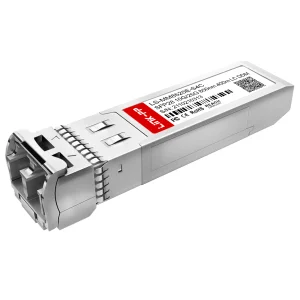
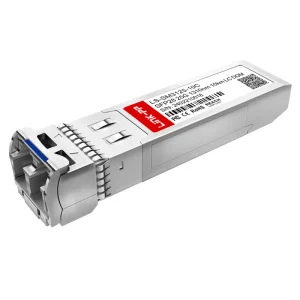
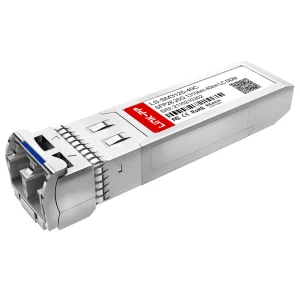
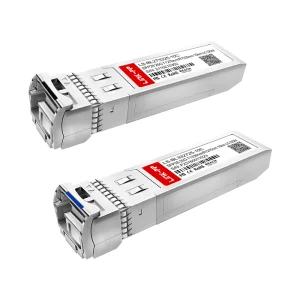
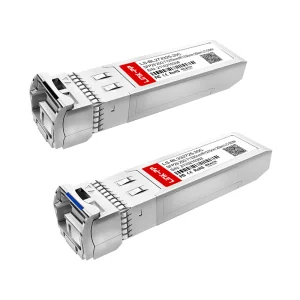
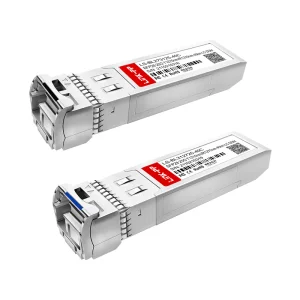
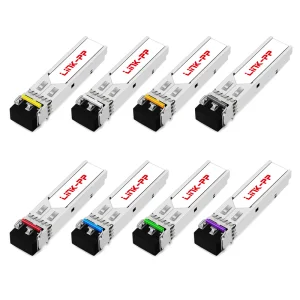
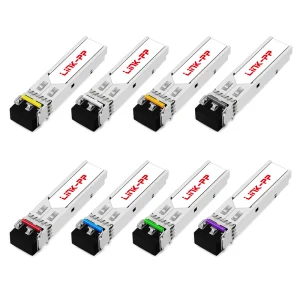
The rapid expansion of cloud infrastructures, high-frequency financial trading, and mobile network densification has pushed 10Gbps SFP+ form factors to their physical limits. As enterprise core switches and SAN switches undergo generational upgrades, SFP28 (Small Form-Factor Pluggable 28) has emerged as the premier standard. Leveraging single-lane 25Gbps/28Gbps serialization/deserialization (SerDes) technology, it delivers 2.5 times the bandwidth of traditional SFP+ while maintaining backplane compatibility and identical physical dimensions.
Furthermore, the integration of 32G Fibre Channel (FC) within storage network architectures provides the optimal throughput necessary to eliminate performance bottlenecks in NVMe storage clusters and flash arrays. Compared to multi-lane alternatives like 40G QSFP+, SFP28 reduces per-port power consumption, increases front-panel density, and scales dynamically to support next-generation 50G and 100G migration pathways.
Why Enterprise Infrastructure Standardization Favors SFP28:
Under the hood of FiberQ's carrier-grade optical transceiver modules
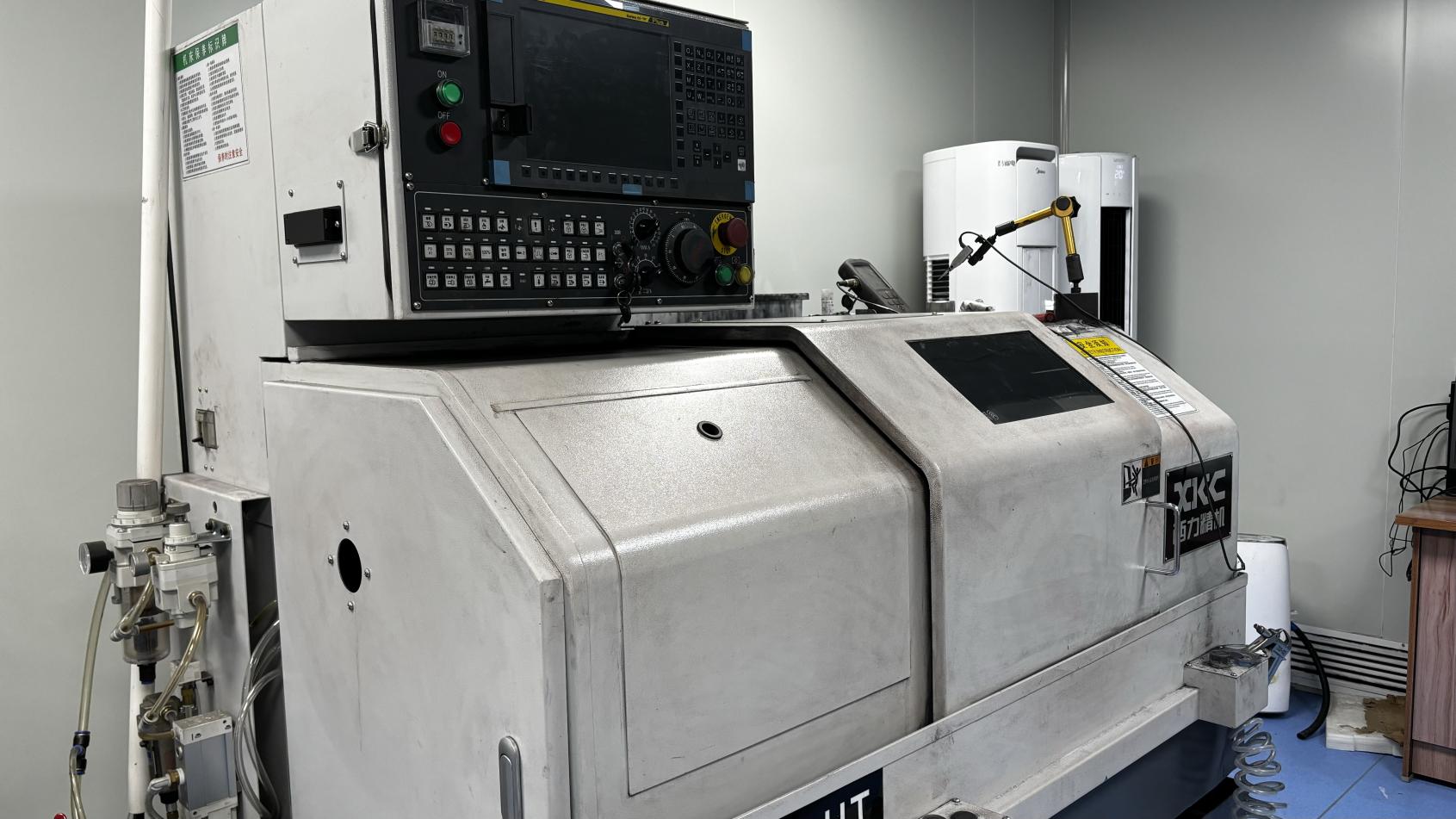
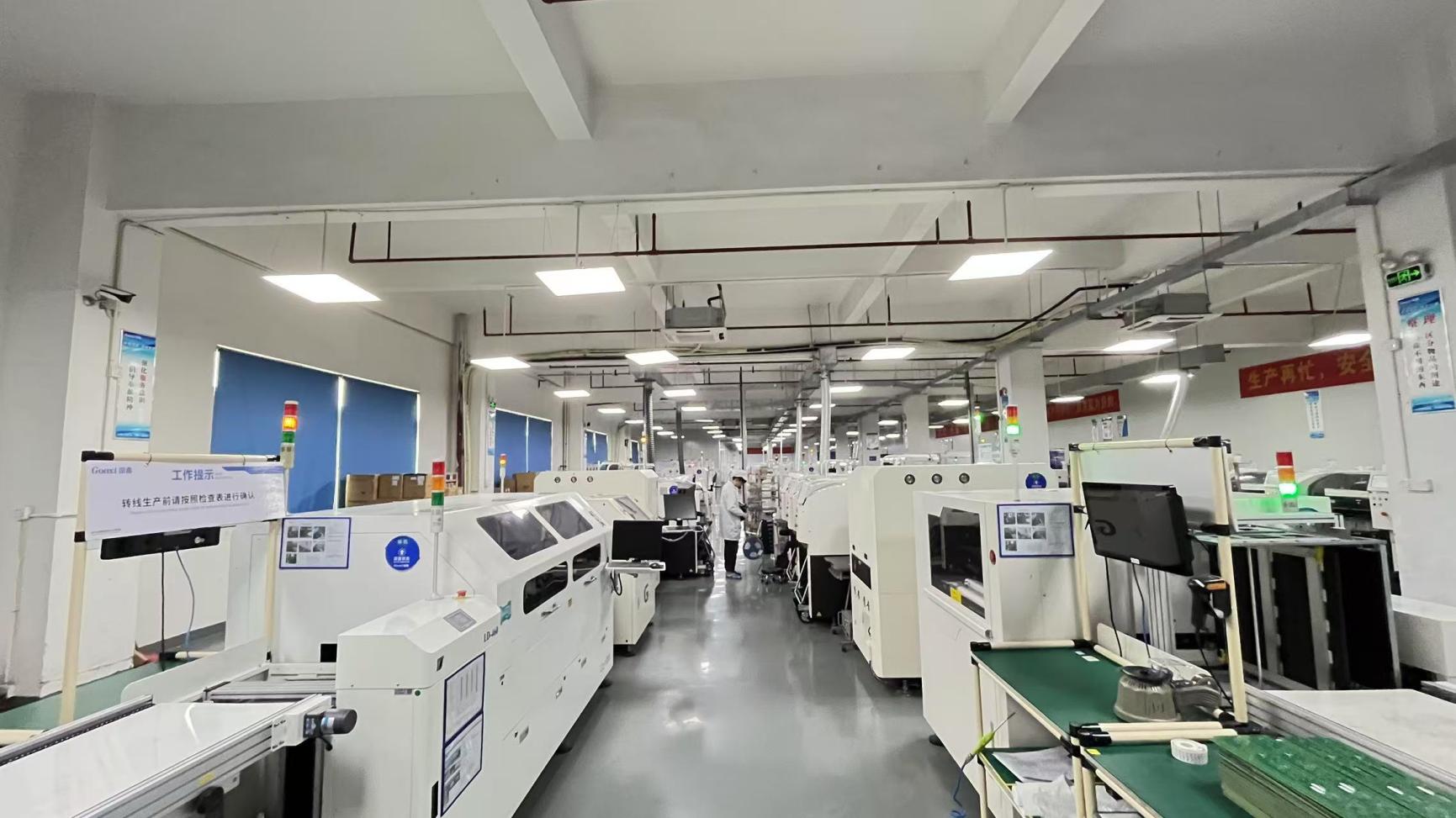
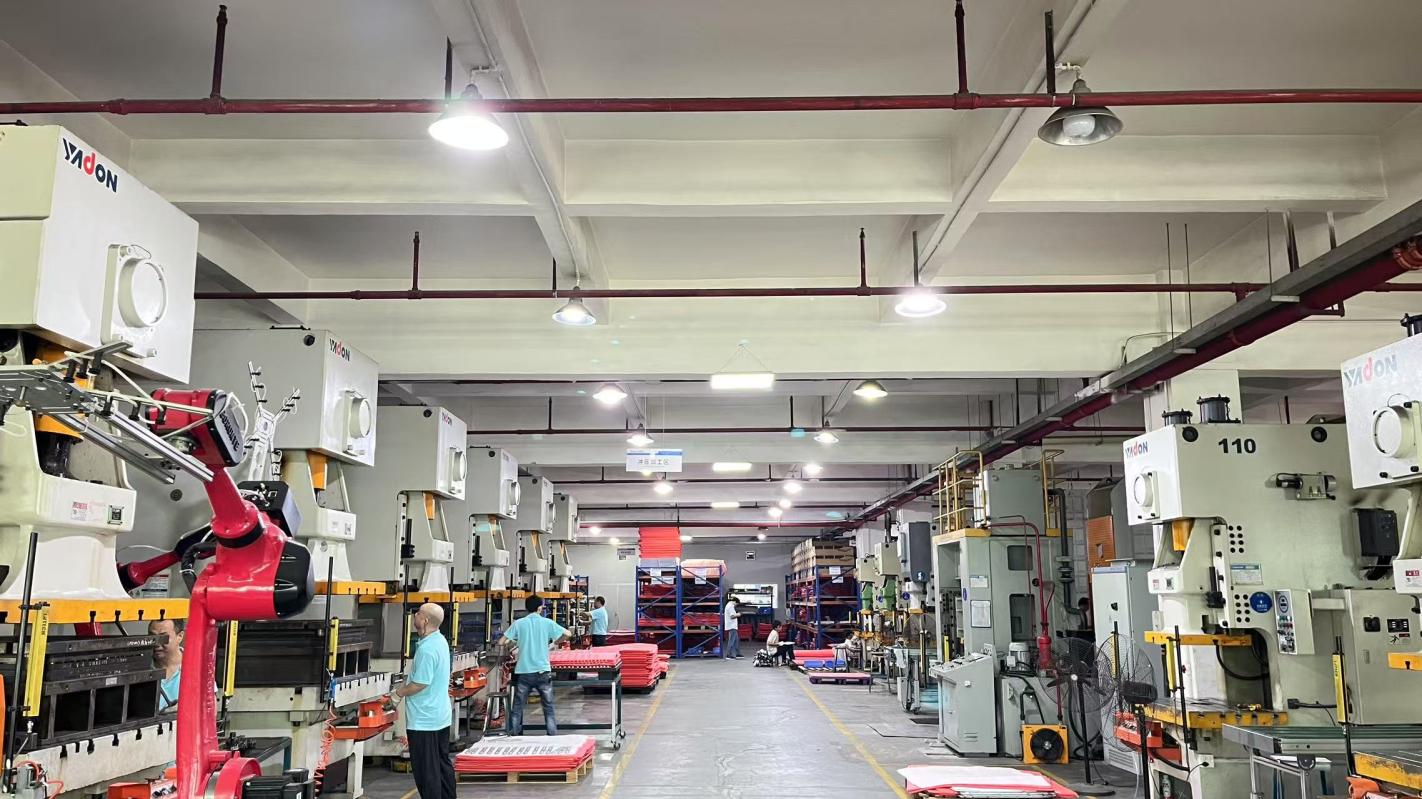
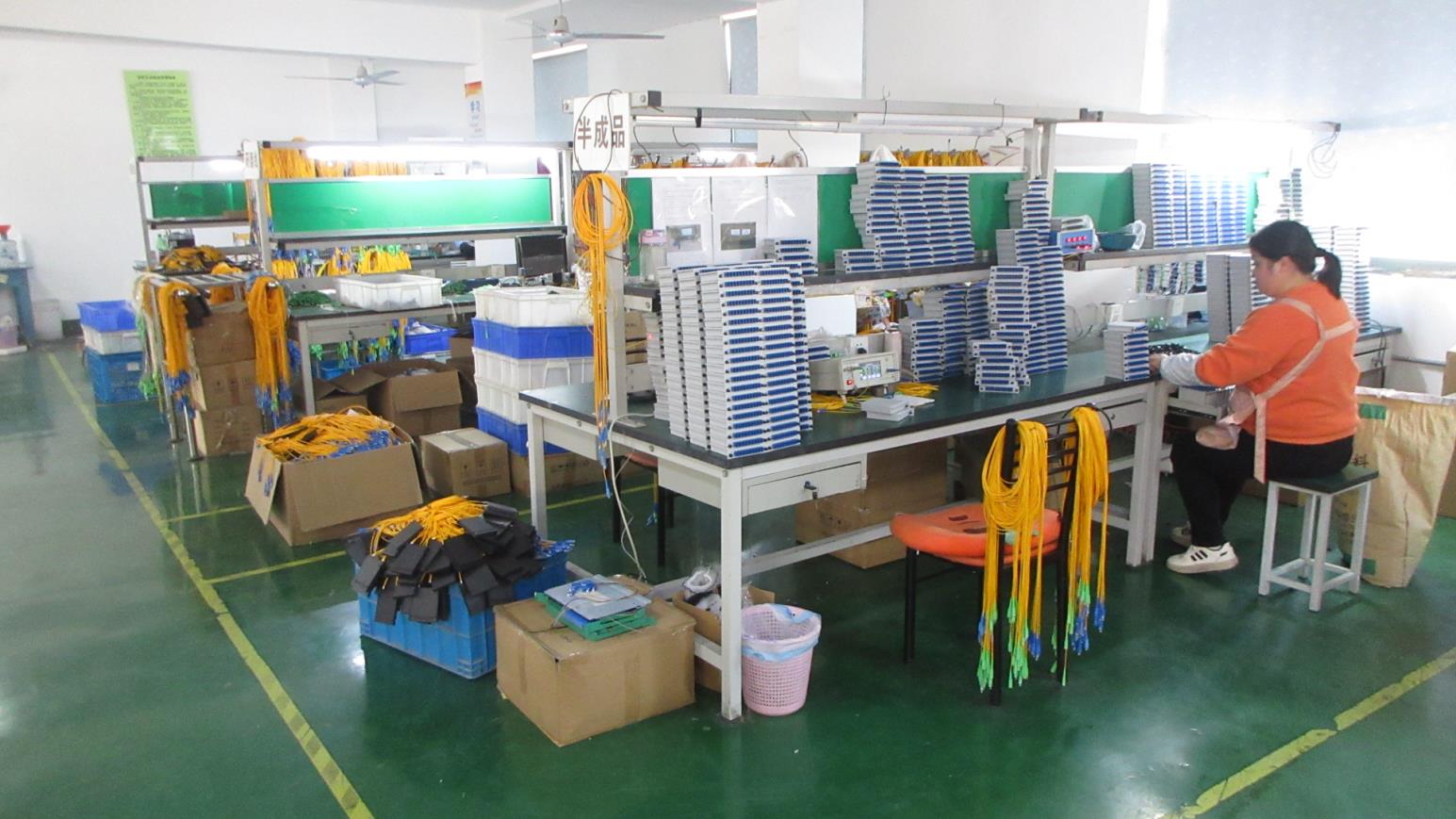
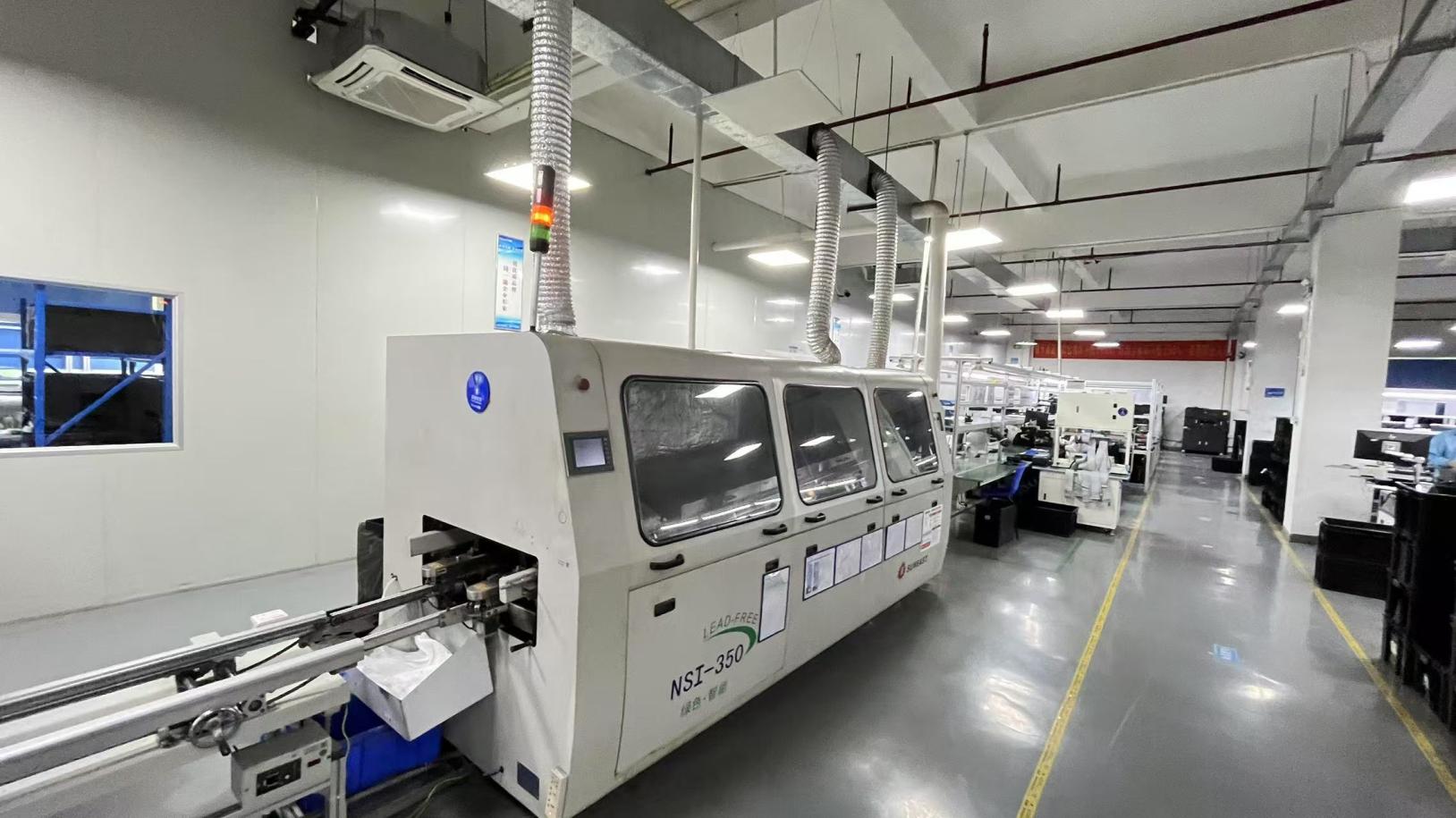
Established in 2015, FiberQ Photonics Technology Co., Ltd. has constructed an advanced manufacturing ecosystem that integrates R&D, structural precision assembly, and multi-protocol verification. Operating out of our state-of-the-art 12,600㎡ production facility, our processes conform to strict ISO9001:2015 standards, supplying high-performance optical communication products to major tier-one networks globally.
Our supply chain resilience is guaranteed by structured procurement agreements with approximately 1,450 trusted supply chain partners, ensuring access to top-tier TOSA, ROSA, and optical sub-assemblies. Leveraging 12 years of industry engineering experience and 6 years of export expertise, our annual export revenue has consistently reached around USD 9.5 million. Our clients include global hyperscale data centers, telecommunications carriers, and large-scale industrial network integrators in North America, Europe, Japan, and Southeast Asia.
Ensuring 100% host compatibility and zero-field failure rates across global networks
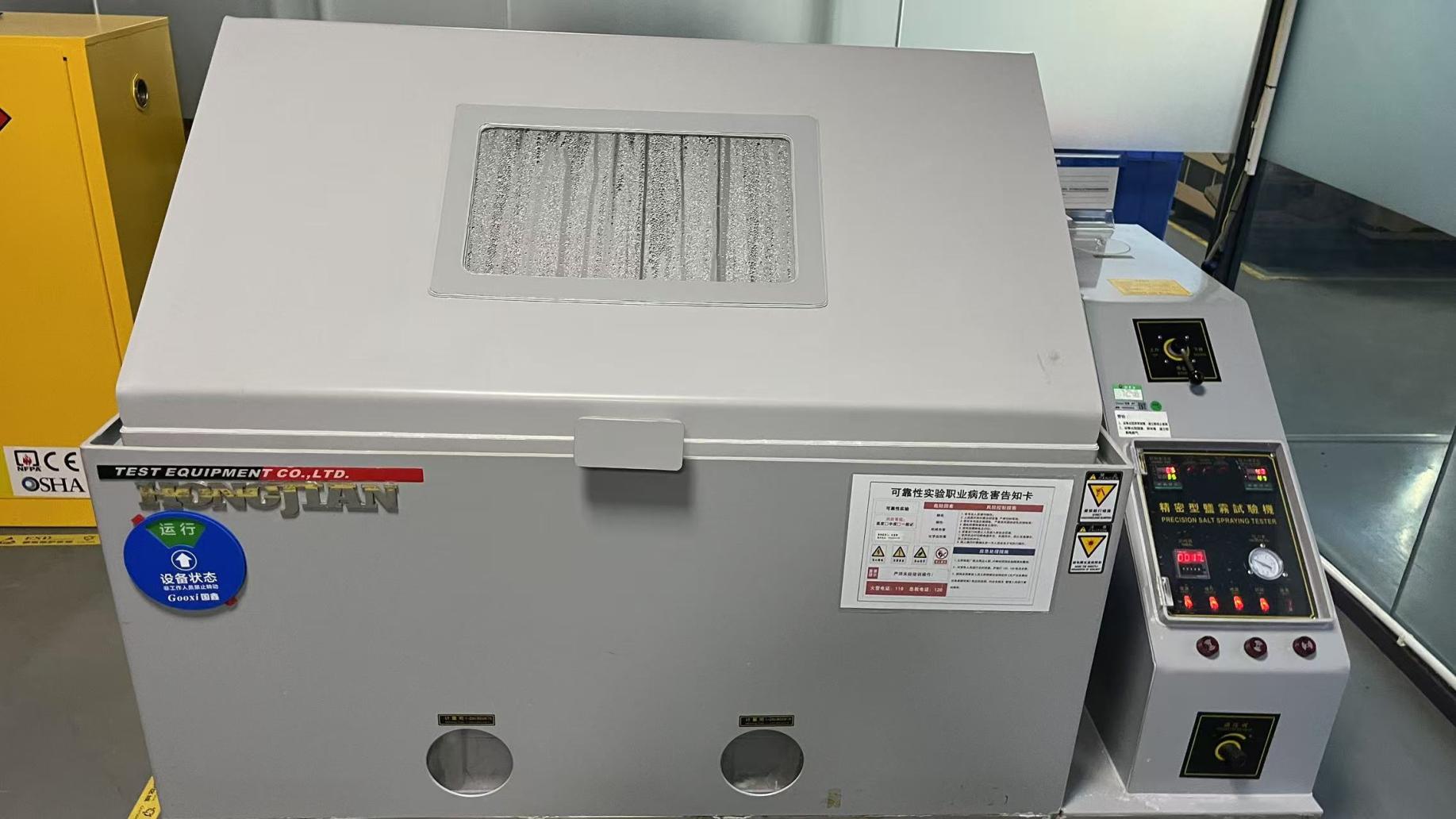
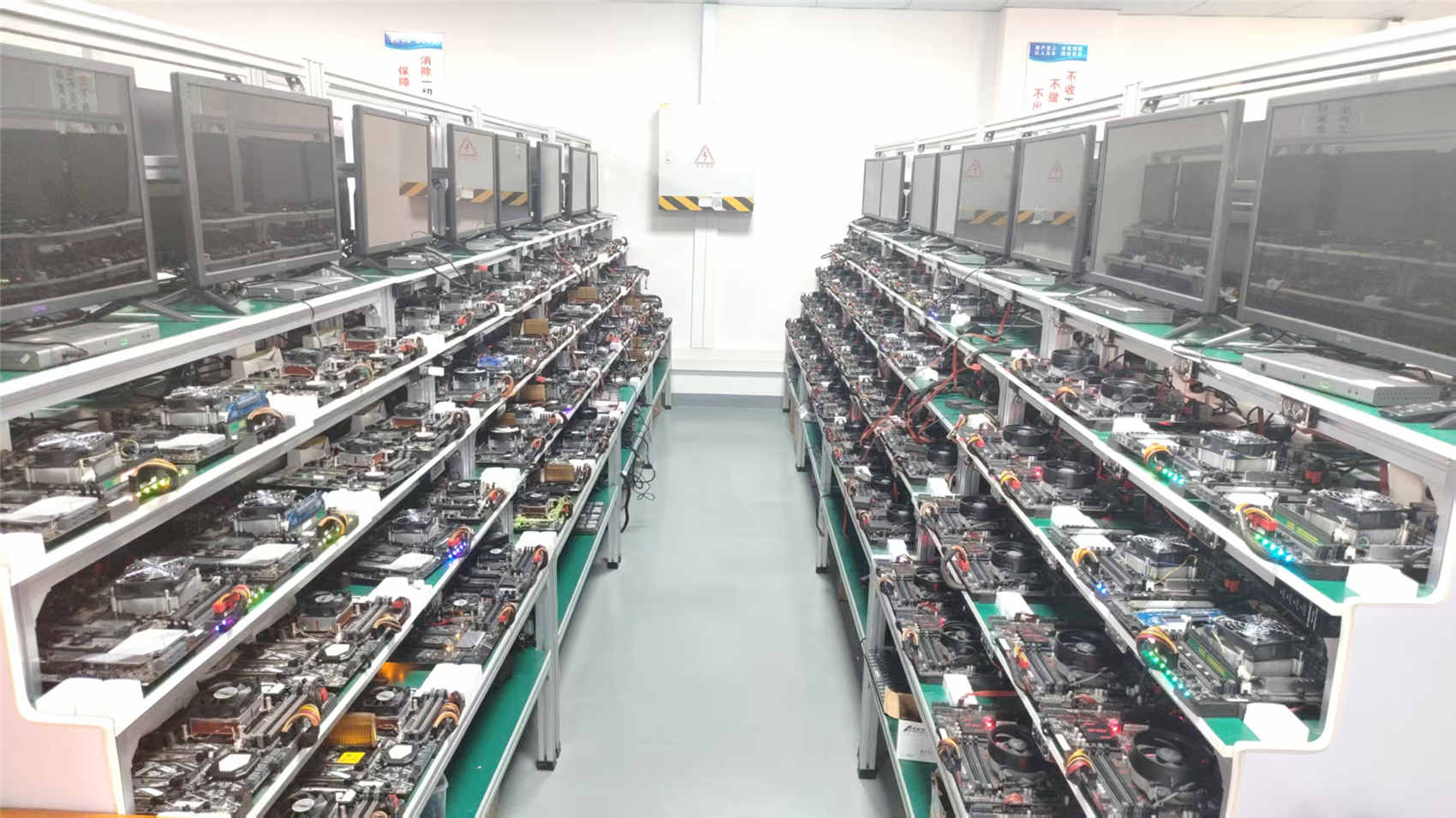
Reliability in high-speed networks starts at the component level. Every FiberQ SFP28 transceiver undergoes a comprehensive series of hardware checks, compatibility scans, and environmental stressors before leaving our cleanrooms:
Our dedicated team of 62 experienced quality inspectors works alongside automated optical validation platforms to maintain full product traceability. This structured testing workflow translates directly to an exceptionally low RMA rate (<0.05%), guaranteeing stable operation and long-term signal integrity across complex network links.
Compatibility Certification Program:
We store and maintain an active matrix of over 200 mainstream network host switches in our laboratory, ensuring that all custom microcode revisions are tested directly on native hardware platforms prior to shipment.
Scalable optical transport configurations mapped to modern application topologies
Supporting Spine-Leaf topologies where standard 10G connections cannot keep up with east-west traffic flow. SFP28 SR/LR modules enable high-density cross-connect links at 25G speeds, optimizing bandwidth-to-power performance across high-speed switch backplanes.
5G baseband stations require low-latency, high-bandwidth communication between the Active Antenna Unit (AAU) and the Distributed Unit (DU). FiberQ's 25G BiDi and CWDM transceivers support long-reach optical runs with low thermal footprints, ideal for harsh outdoor environments.
Designed specifically for data-intensive storage networks. Operating at 28.05Gbps line rates, our 32G FC SFP28 modules support massive data throughput to prevent interface bottlenecks in NVMe flash arrays and automated backup servers.
Crucial technical answers to help network architects and procurement managers make informed purchasing decisions
While they share the same physical form factor, layout dimensions, and LC optical interfaces, the electrical interface of SFP28 is designed to run at 25 Gbps per lane, whereas SFP+ is capped at 10 Gbps. SFP28 modules incorporate upgraded transmitter components (such as high-speed VCSELs and DFB lasers) and high-performance clock-and-data recovery (CDR) chips to handle the increased high-frequency signal integrity requirements over electrical backplanes.
Yes, many SFP28 transceivers (specifically designated dual-rate 10G/25G modules, such as our Cisco SFP-10/25G-CSR-S compatible transceivers) support multi-rate configurations. These modules can automatically auto-negotiate or be hard-coded via the host switch OS to run at 10Gbps or 25Gbps, providing excellent protection for legacy deployments undergoing phased optical infrastructure upgrades.
Yes, under the IEEE 802.3by standard, FEC (specifically RS-FEC or FC-FEC) is generally required on the host system to achieve the full transmission distance on longer fiber spans (such as 25G SR beyond 70 meters on OM3, or LR links up to 10km). Enabling FEC on the host switch compensates for transmission bit errors, maintaining a reliable bit error rate (BER) of less than 1E-12.
Leveraging our robust engineering team of 240 R&D experts, we support complete product customization. This includes custom EEPROM compatibility coding (to guarantee compatibility with specialized host switches), wavelength adjustments for CWDM/DWDM/LWDM grids, specific optical link budget tuning (e.g., custom ER/ZR reaches), and extended-temperature ruggedization (Industrial Temp: -40°C to +85°C) for outdoor and industrial environments.
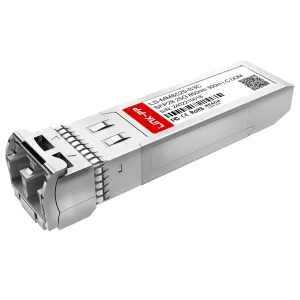
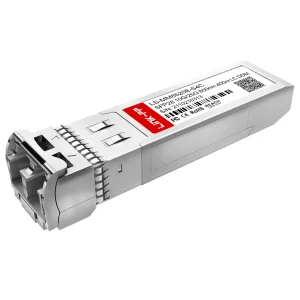
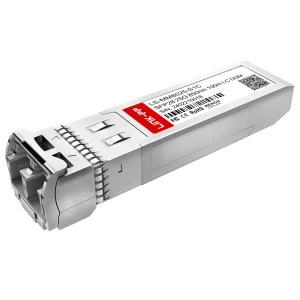
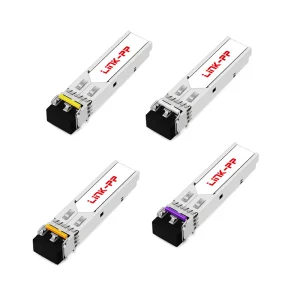
Select from our high-performance single-mode, multi-mode, and multi-wavelength SFP28 modules