FiberQ
FiberQ
FiberQ
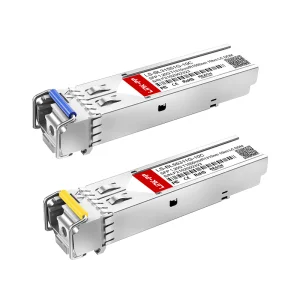
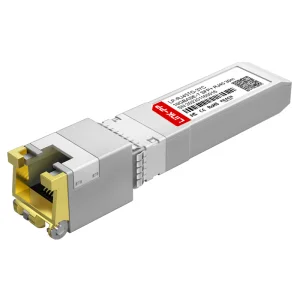
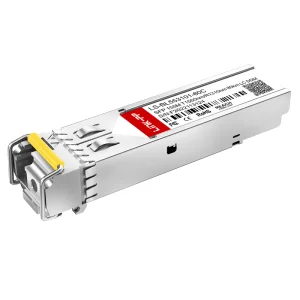
Browse our initial deployment modules certified for international compliance and multi-vendor compatibility protocols.
Developing high-performance, precision-engineered fiber optic transceivers and advanced photonic integration frameworks since 2015.
FiberQ Photonics Technology Co., Ltd. is a leading professional manufacturer specializing in high-reliability fiber optic transceivers and optoelectronic system subassemblies designed for high-density hyperscale data centers, metropolitan telecom networks, and high-speed enterprise interconnect architectures. We utilize state-of-the-art optical components, automated alignment processes, and comprehensive validation algorithms to fulfill custom specifications and volume requests.
Through our dedicated focus on OEM/ODM service models, we support major network systems integrators, cloud service providers, and telecommunications operators across North America, Europe, Japan, and Southeast Asia. Our infrastructure leverages deep industry intelligence, high-density transceiver fabrication lines, and rigorous parametric testing to ensure seamless compatibility with major international hardware standards.
Accelerated product life cycles, component traceabilities, and optimized cost structures via deep vertical integration.
By establishing long-term strategic alignments with over 1,450 partners, FiberQ controls every step of assembly—from laser diode die bonding, optical sub-assembly (OSA) fabrication (TOSA/ROSA/BOSA), and PCBA design, to high-frequency board testing and automated casing assembly.
Backed by an engineering force of 240 R&D specialists, our factory is engineered for agility. In the past year alone, we developed and launched 180 custom new products. This dynamic output allows clients to rapidly validate prototypes and transition to pilot runs within extremely tight schedules.
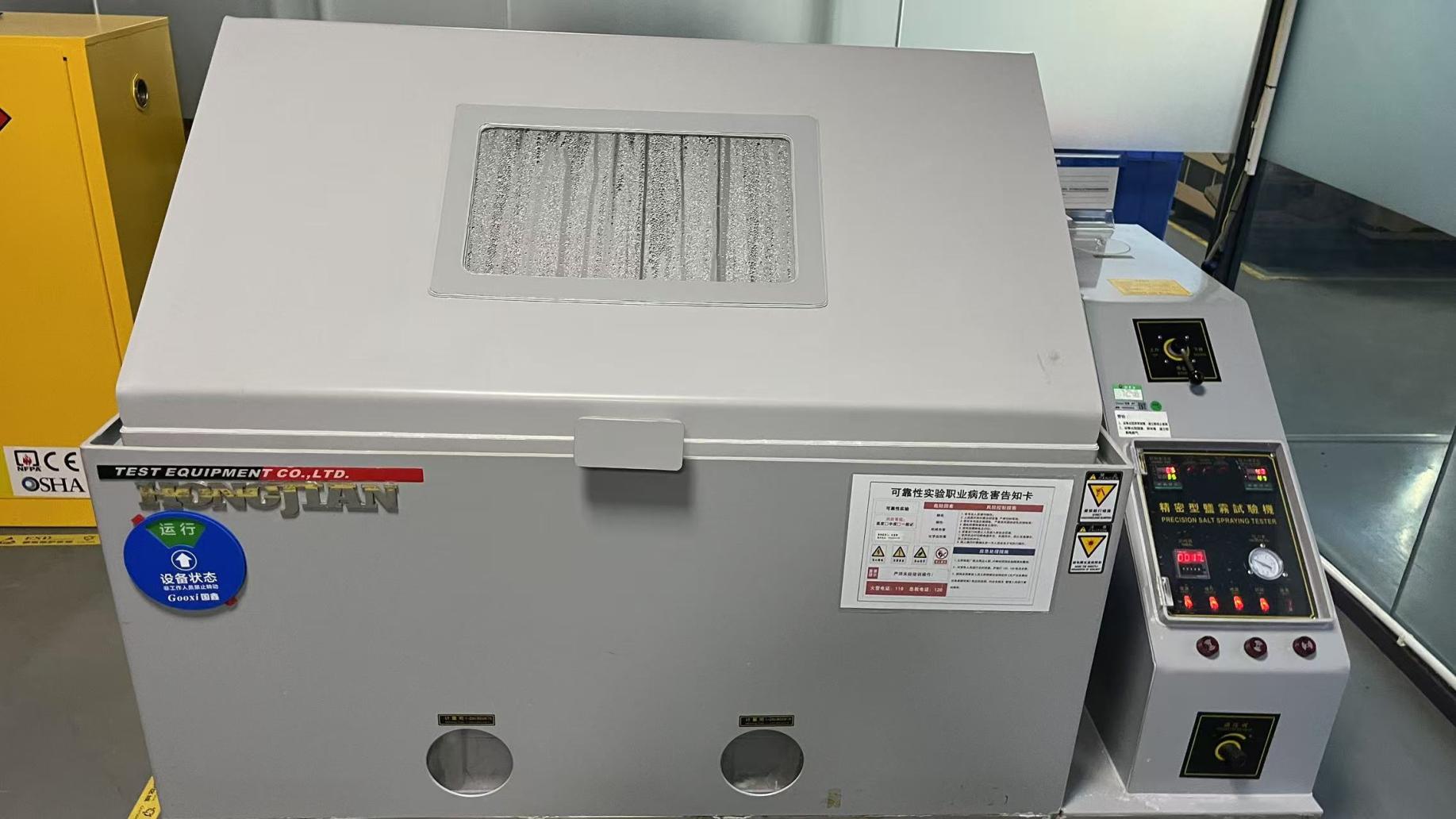
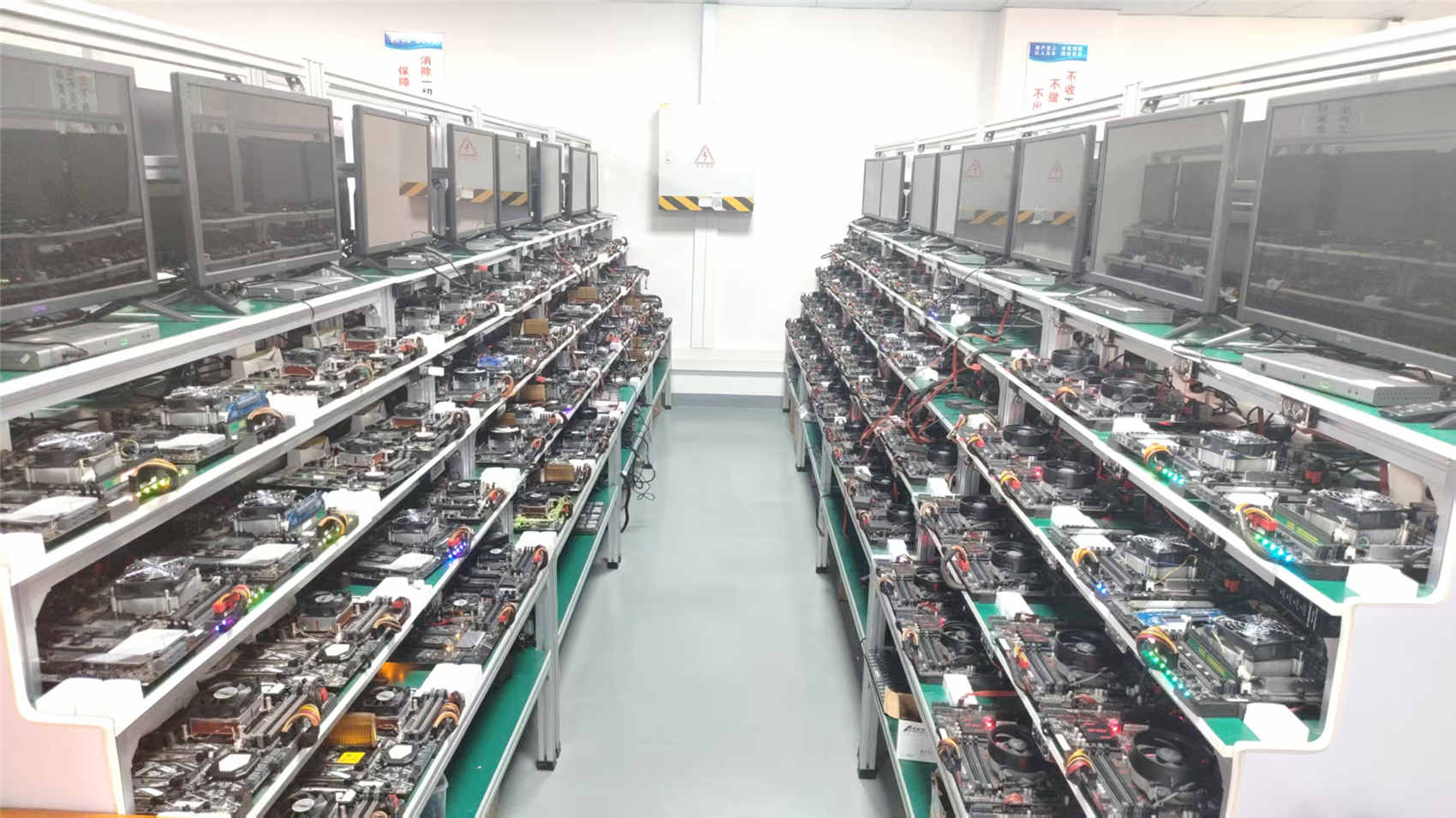
Our dedicated team of 62 QA inspectors runs real-time BERT (Bit Error Rate Testing), multi-vendor EEPROM compatibility verification, temperature chamber cycling, and fiber end-face interferometry to guarantee a virtually zero-defect field installation record.
Mitigating interoperability issues, cross-border custom delays, and single-source dependencies for multinational enterprises.
Modern enterprise networking architectures require hardware that is reliable, scalable, and fully compliant with local regulations. Optical transceivers, as critical infrastructure components, are subject to stringent oversight and must meet specific multi-vendor software constraints. A primary challenge in global procurement is maintaining consistent technical compatibility. Systems engineers must ensure that any new module integrates seamlessly with existing switch and router firmware from major providers like Cisco, Juniper, Arista, and HPE without triggering software lockout flags.
Additionally, supply chain security remains a top concern. Global enterprises must navigate changing tariff frameworks, custom clearances, and component shortages. At FiberQ, we mitigate these risks by offering comprehensive support, including custom EEPROM coding for local compatibility, strict conformity with MSA (Multi-Source Agreement) requirements, and detailed origin documentation. Our export volume reaches approximately USD 9.5 million annually, reflecting our deep experience in managing international shipping routes, local compliance certifications, and bonded logistics.
By partnering with a vertically integrated manufacturer, procurement professionals can reduce costs, optimize inventory control, and implement dual-sourcing strategies. We work closely with our clients to maintain local warehouse safety stocks, preventing critical lead-time disruptions and ensuring network expansions proceed smoothly and on schedule.
Silicon Photonics, Co-Packaged Optics, and PAM4: How FiberQ is leading the transition into 800G and 1.6T systems.
As transmission speeds scale toward 1.6T, physical size constraints and electrical power losses present major challenges. Silicon photonics integrates laser diodes and silicon modulators directly onto a single silicon chip. This approach reduces overall power consumption, simplifies thermal management, and supports high-volume manufacturing scales.
While traditional modules relied on simple binary NRZ (Non-Return-to-Zero) signals, high-speed architectures like 400G and 800G utilize 4-level Pulse Amplitude Modulation (PAM4). Our R&D team continuously refines DSP (Digital Signal Processing) integrations, optimizing bit error rates and ensuring signal integrity over long-distance single-mode fiber runs.
Thermal management is critical in high-density rack deployments. FiberQ design engineers focus on minimizing the power consumption of our transceivers. By reducing heat generation at the module level, we help operators lower overall cooling costs and extend the operational life of network switch gear.
Designed for enterprise data centers, long-haul metropolitan transport, and localized cellular backhaul operations.
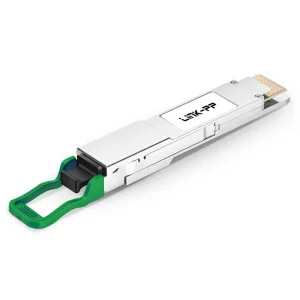
Fulfill the demand for high-bandwidth leaf-spine architectures. Our 100G/400G transceivers are optimized for short-reach interconnections (up to 2km on CWDM4/FR4) and medium-range connections, providing reliable high-density data routing with minimal latency.
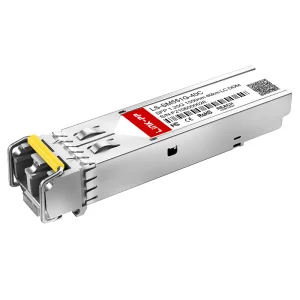
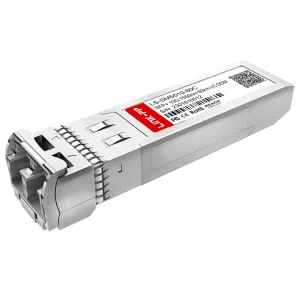
Designed for long-reach telecom transport. Using single-mode fiber and advanced wavelength engineering, our 10G SFP+ ZR (80km) and DWDM modules extend coverage across cities without requiring inline optical amplification.
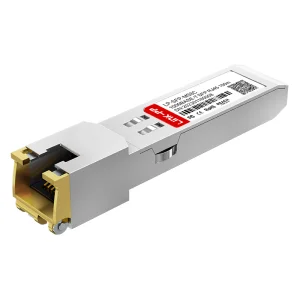
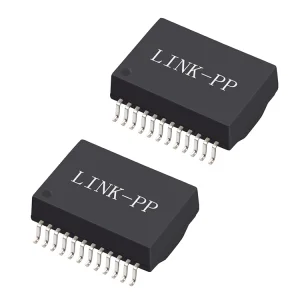
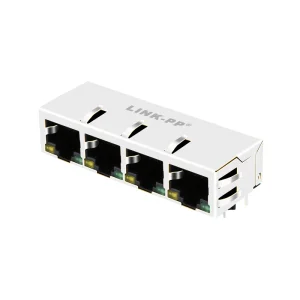
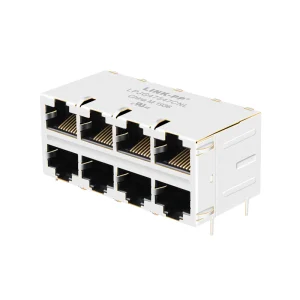
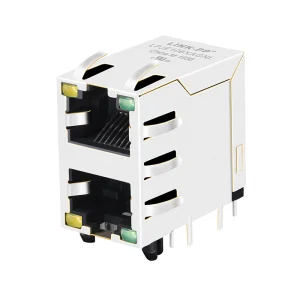
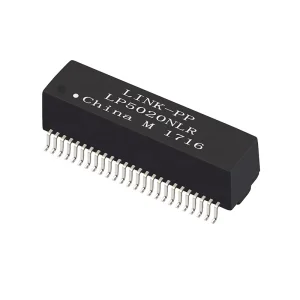
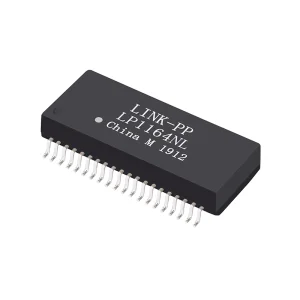
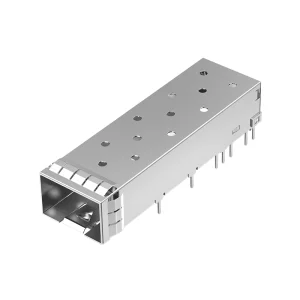
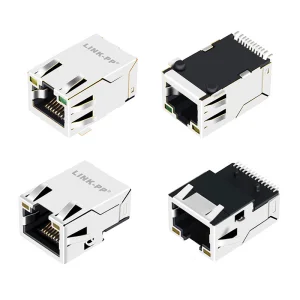
Ensure reliable corporate connectivity. We manufacture durable 1G/10G copper transceivers, integrated RJ45 magnetic jacks, and EMI-shielded cage assemblies. These components are designed to withstand challenging, high-density cabinet environments.
Our commitment to E-E-A-T and Search Quality Rater Guidelines: High reliability backed by transparent documentation.
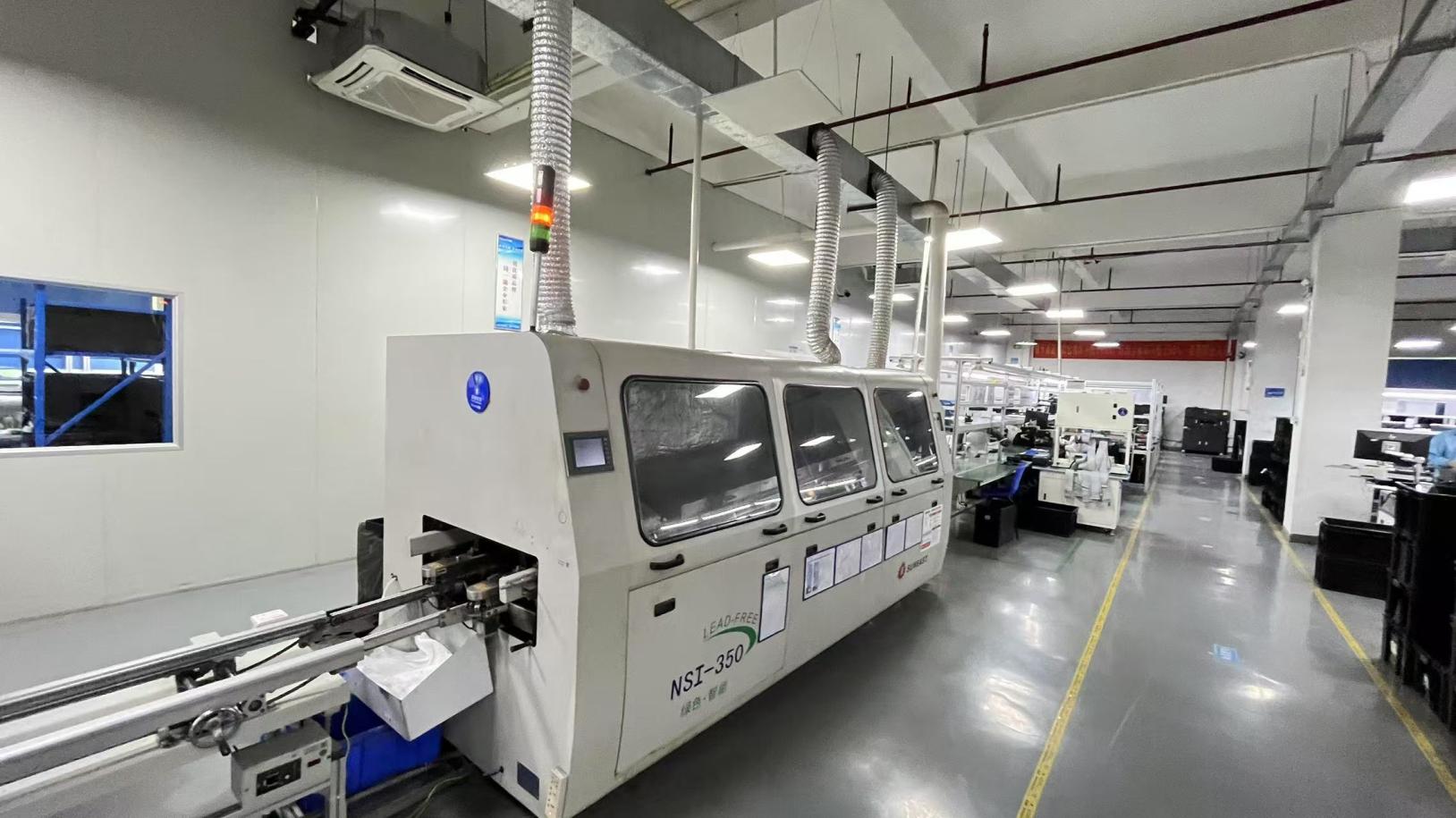
At FiberQ Photonics, our quality control procedures are structured around international standards to ensure product reliability and compliance. Operating within a 12,600 square meter manufacturing facility, we manage all production stages under ISO 9001 and ISO 14001 certified protocols.
Our quality assurance process is divided into three key phases:
Additionally, all FiberQ products are fully compliant with RoHS, CE, FCC, and FDA/CDRH safety standards, ensuring safe operation and environmental safety across global markets.
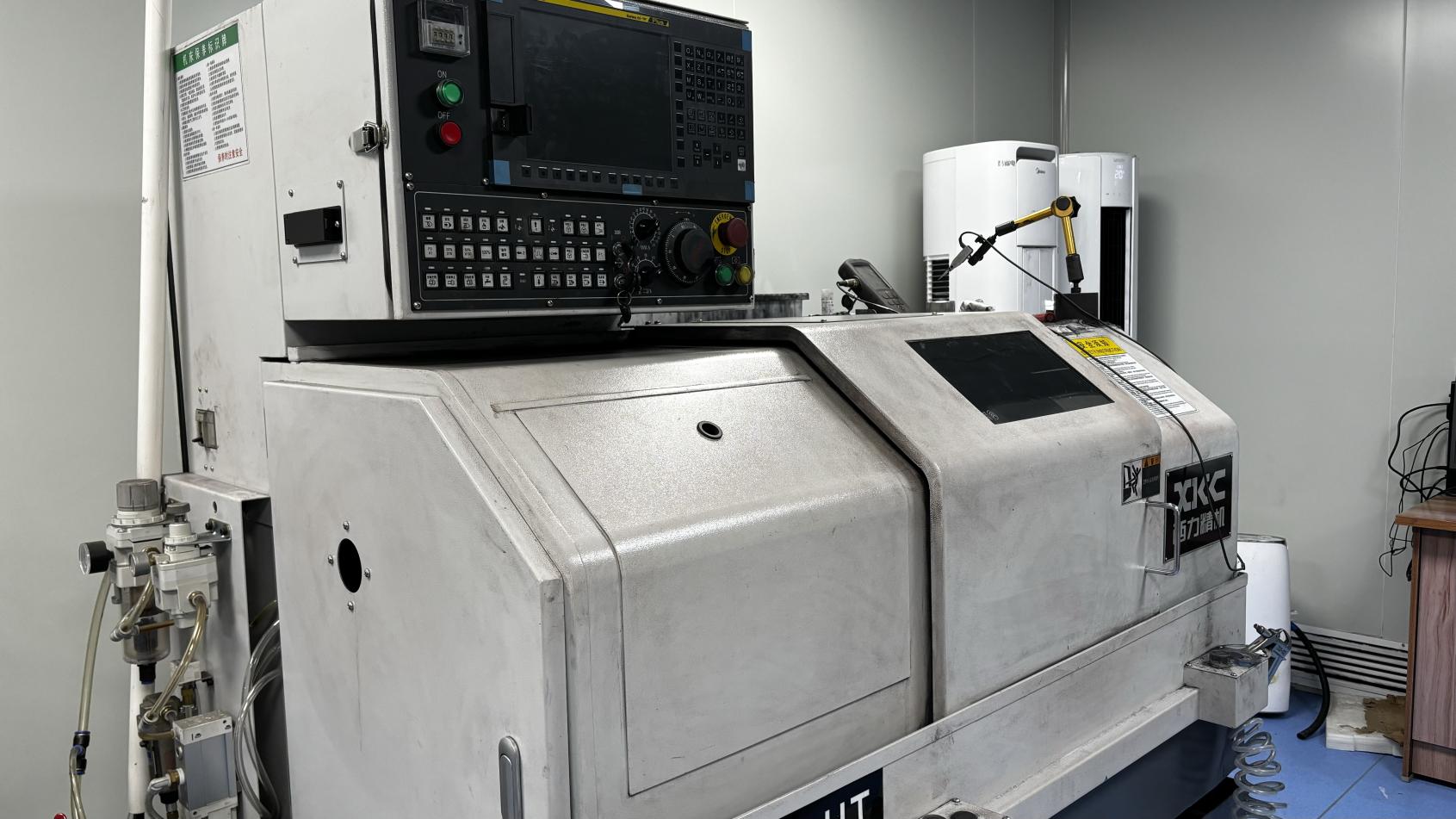
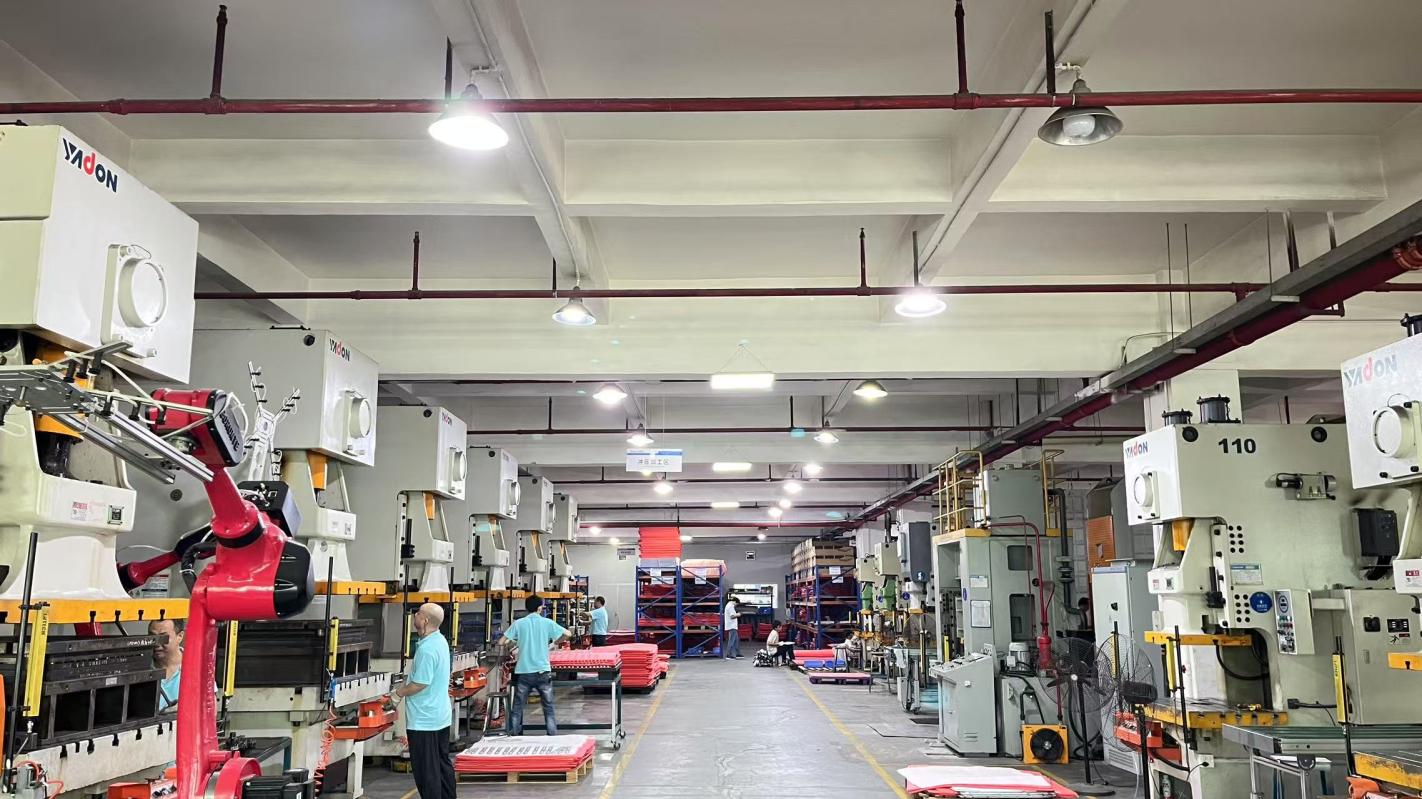
Inside the 12,600㎡ modern factory showing cleanroom assembly, automated optoelectronic testing, and QA inspection zones.


Clear, technical answers to common questions asked by hardware engineers and global procurement managers.
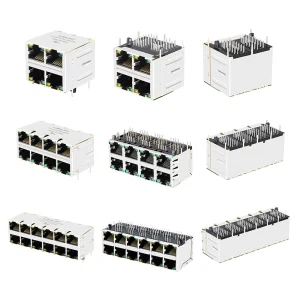
Explore our production capabilities in RJ45 modular jacks, magnetics, LAN transformers, and EMI shielded card cages.