FiberQ
FiberQ
FiberQ
Fully compatible replacement solutions engineered to drop in seamlessly to TE and Amphenol footprint architectures.
In modern telecommunications, data centers, and industrial automation networks, processing speeds have scaled exponentially. High-performance computing clusters and telecom central offices require reliable, high-density I/O (Input/Output) interconnect systems to route multi-gigabit data streams efficiently. The SFP Cage 1xN (Ganged Ports) framework has emerged as the standard configuration for maximizing PCB faceplate space while maintaining optimal signal integrity and low electromagnetic interference (EMI).
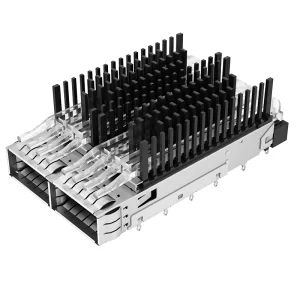
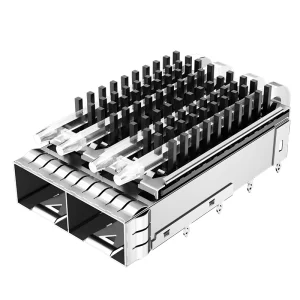
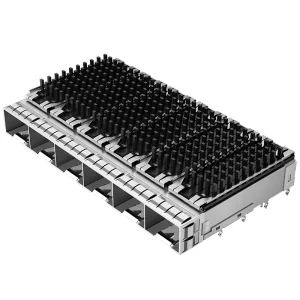
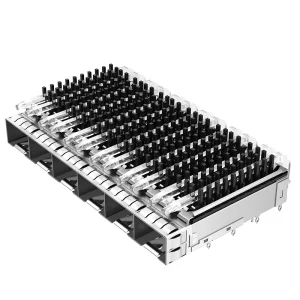
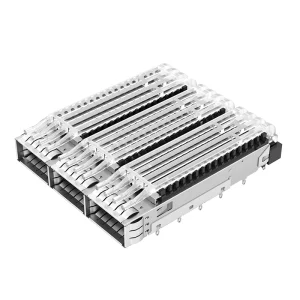
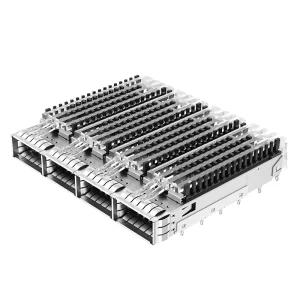
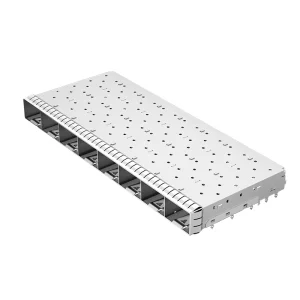
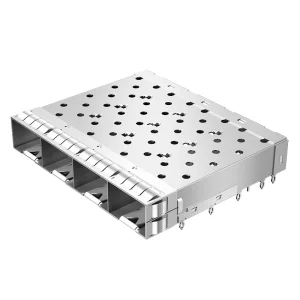
A "Ganged" or "1xN" design integrates multiple single-row SFP cages into a unified mechanical shell. This configuration (such as 1x2, 1x4, 1x6, or 1x8 ports) minimizes assembly time, ensures consistent mechanical tolerance across multiple ports, and eliminates spacing discrepancies common in individual, single-port setups. These architectures are designed to house SFP, SFP+, and next-generation transceiver modules operating up to 28 Gbps per channel (SFP28) and beyond, serving as critical pathways for 10G/25G/100G pipelines.
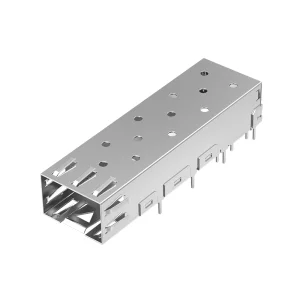
Deploying individual single-port SFP cages side-by-side introduces multiple drawbacks: variable contact resistance, uneven spacing, structural misalignment under heavy insertion loads, and increased manufacturing steps. Ganged 1xN assemblies address these challenges by providing a singular, rigid housing structure. This structure enforces tight horizontal pitch compliance, reduces EMI leakage pathways through integrated elastomeric gaskets or spring-finger ground points, and features high mechanical stability when mounted via Press-Fit (compliant pin) technology on target PCBs.
Features 360-degree shielding with advanced copper alloy spring fingers and stainless-steel housings to prevent electromagnetic leakage at higher operational frequencies (up to 28GHz).
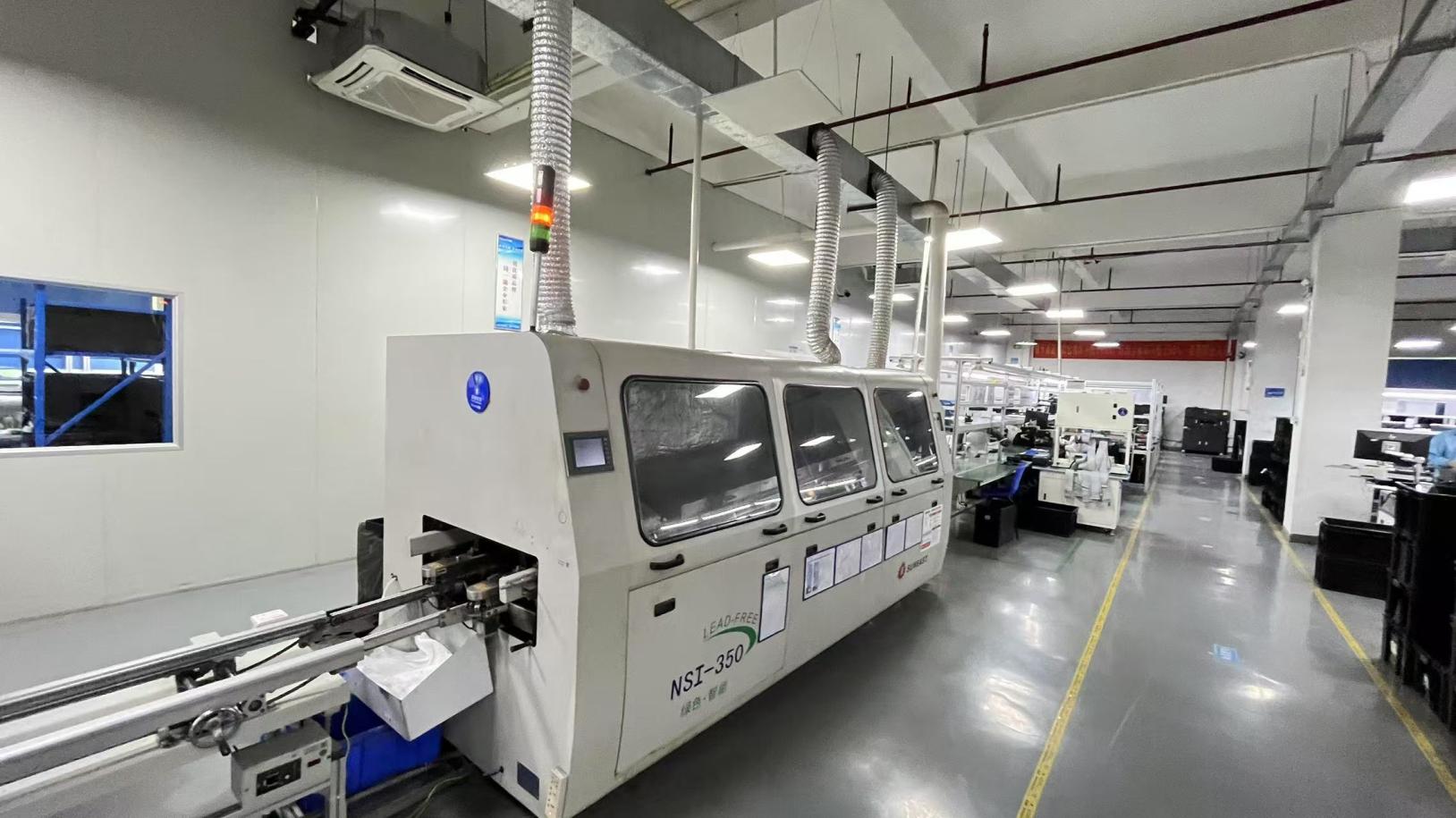
Incorporates eye-of-the-needle (EON) compliant pins, eliminating the need for wave soldering, minimizing thermal shock to multilayer PCBs, and ensuring reliable electrical connection.
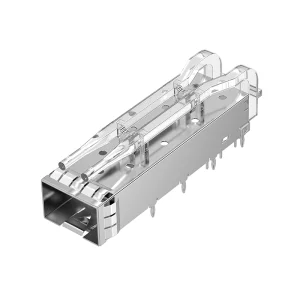
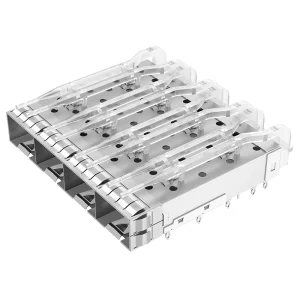
Optional light pipe configurations guide status indicators from the PCB surface to the front bezel, maintaining optical clarity without introducing EMI leaks.
As a globally recognized manufacturer and exporter, FiberQ Photonics Technology Co., Ltd. bridge the gap between complex engineering requirements and mass-production realities. Founded in 2015, we operate at the intersection of high-frequency physics, precision tooling, and global scale logistics.
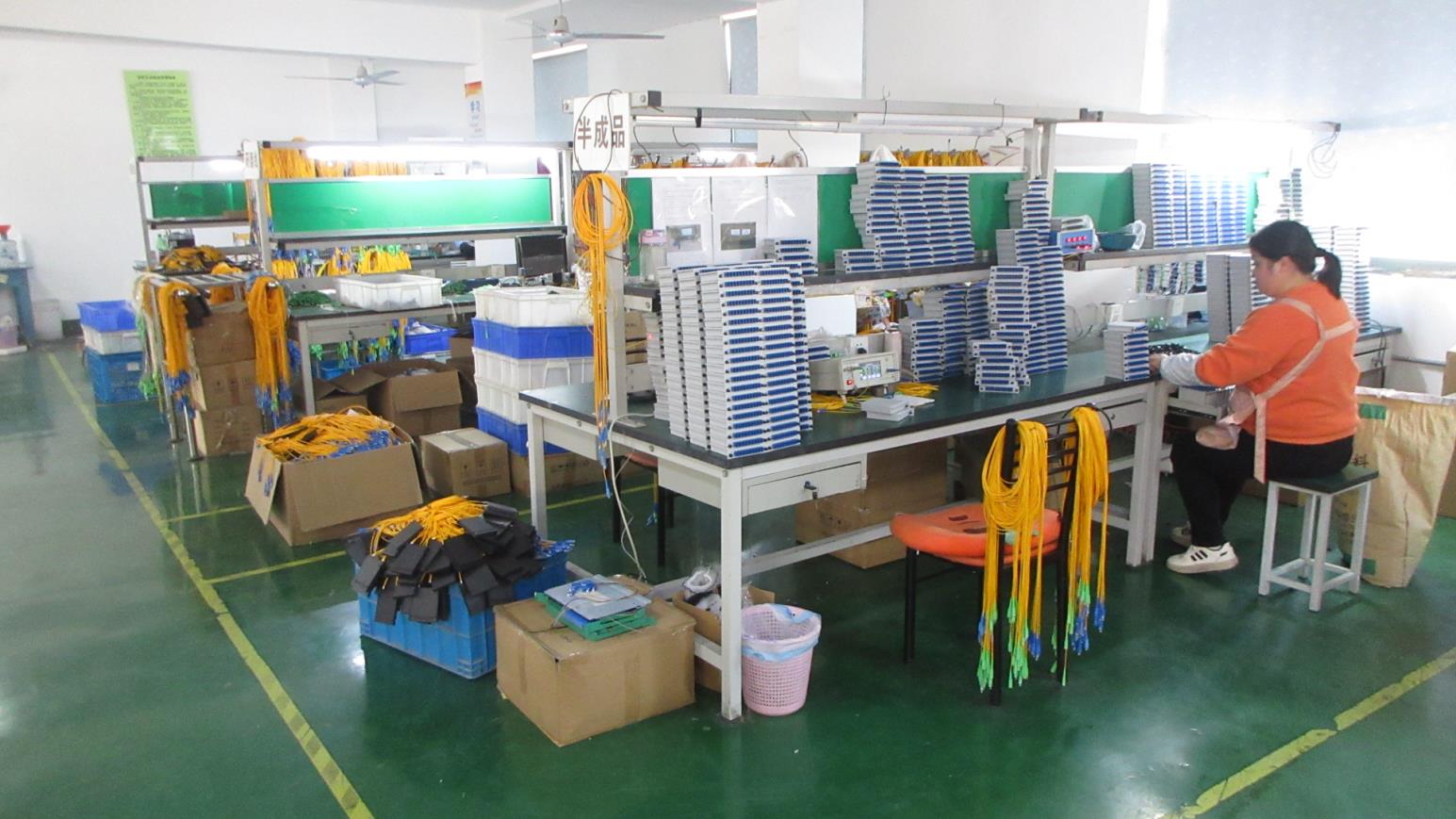
Our expansive 12,600㎡ manufacturing facility in China utilizes state-of-the-art progressive die stamping, automated plastic injection molding, and computer-controlled press-fit pins insertion lines. By maintaining close ties with our 1,450 supply chain partners, we manage lead times for critical materials (such as phosphor bronze, nickel silver, and specialized high-temperature liquid crystal polymers) even during global supply chain fluctuations. Our annual export revenue of USD 9.5 million and 12 years of industry experience make us a reliable partner for Tier-1 network equipment manufacturers and infrastructure developers.
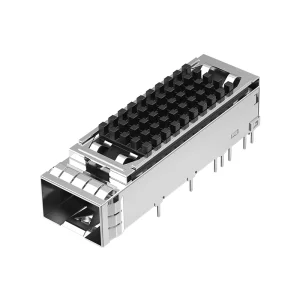
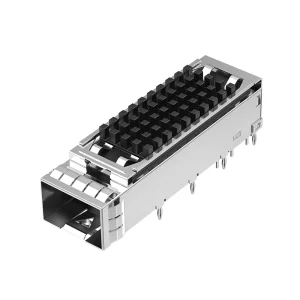
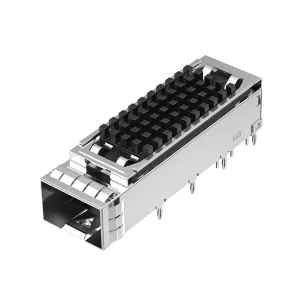
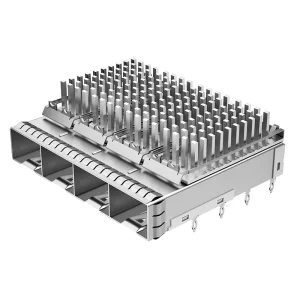
Designing a high-performance 1xN ganged SFP cage assembly requires balancing mechanical, thermal, and electrical parameters. High-speed transceivers generate significant heat (often exceeding 1.5W to 2.5W per module). Without localized thermal management, heat buildup degrades the performance of laser diodes within SFP/SFP+ transceivers. FiberQ addresses this with integrated heat sink assemblies, which are secured with clip designs to maximize surface contact with the transceiver module's shell.
Our cages are fabricated using high-strength copper alloys (such as phosphor bronze or copper-nickel-zinc alloy) that provide excellent yield strength, thermal conductivity, and resistance to stress relaxation. Cages undergo a nickel plating process (typically 1.27 μm minimum nickel underplating overall) with tin or gold flash at terminal contacts. This specific plating profile prevents tin whisker growth, guarantees corrosion resistance, and ensures stable electrical contact resistance over hundreds of insertion/withdrawal cycles.
| Parameter | Standard THT Soldered SFP Cage | Press-Fit (Compliant Pin) 1xN Cage | Performance Advantage |
|---|---|---|---|
| Insertion Process | Wave/Selective Soldering Required | Solderless mechanical press-in (EON) | Eliminates thermal stress and solder bridges |
| EMI Grounding | Localized through solder joints | 360° spring-finger ground bezel | Reduces high-frequency EMI leakage by up to 20dB |
| Thermal Interface | Static air, standard metal shroud | Clip-on finned/pin-fin heatsinks | Lowers transceiver case temperature by up to 8°C |
| Data Rate Support | Up to 10 Gbps (SFP+) | SFP28 / SFP56 (28G to 56G NRZ/PAM4) | Maintains signal integrity for next-gen speeds |
| Repairability | Desoldering required (risks board damage) | Direct mechanical tool extraction | Zero-damage PCB rework capability |
The requirements for SFP cage 1xN assemblies vary by region and infrastructure architecture. Modern systems require different layout and thermal options depending on their deployment environment:
In US and Canadian data centers, there is a strong focus on maximizing rack port density. Operators use 1x6 and 1x8 SFP+ ganged configurations on top-of-rack switches. These structures require integrated light pipes and customized heatsinks to support higher-power DAC (Direct Attach Copper) cables and active optical modules without triggering thermal faults.
European carriers prioritize outdoor ruggedization and resistance to environmental moisture. For these edge applications, FiberQ provides press-fit 1x2 and 1x4 cages with custom corrosion-resistant platings, designed to withstand wide temperature fluctuations from -40°C to +85°C while maintaining signal integrity.
In Japan, South Korea, and Southeast Asia, industrial Ethernet networks require SFP cages that are highly resistant to mechanical vibration and shock. Our ganged press-fit configurations provide high mechanical retention, ensuring that modules remain securely connected even in high-vibration manufacturing environments.
At FiberQ, quality control is integrated throughout our manufacturing process. We employ 62 dedicated quality inspectors to manage automated optical testing (AOI), 3D coordinate measurements, and electrical compliance checks, ensuring each shipment meets international standards.
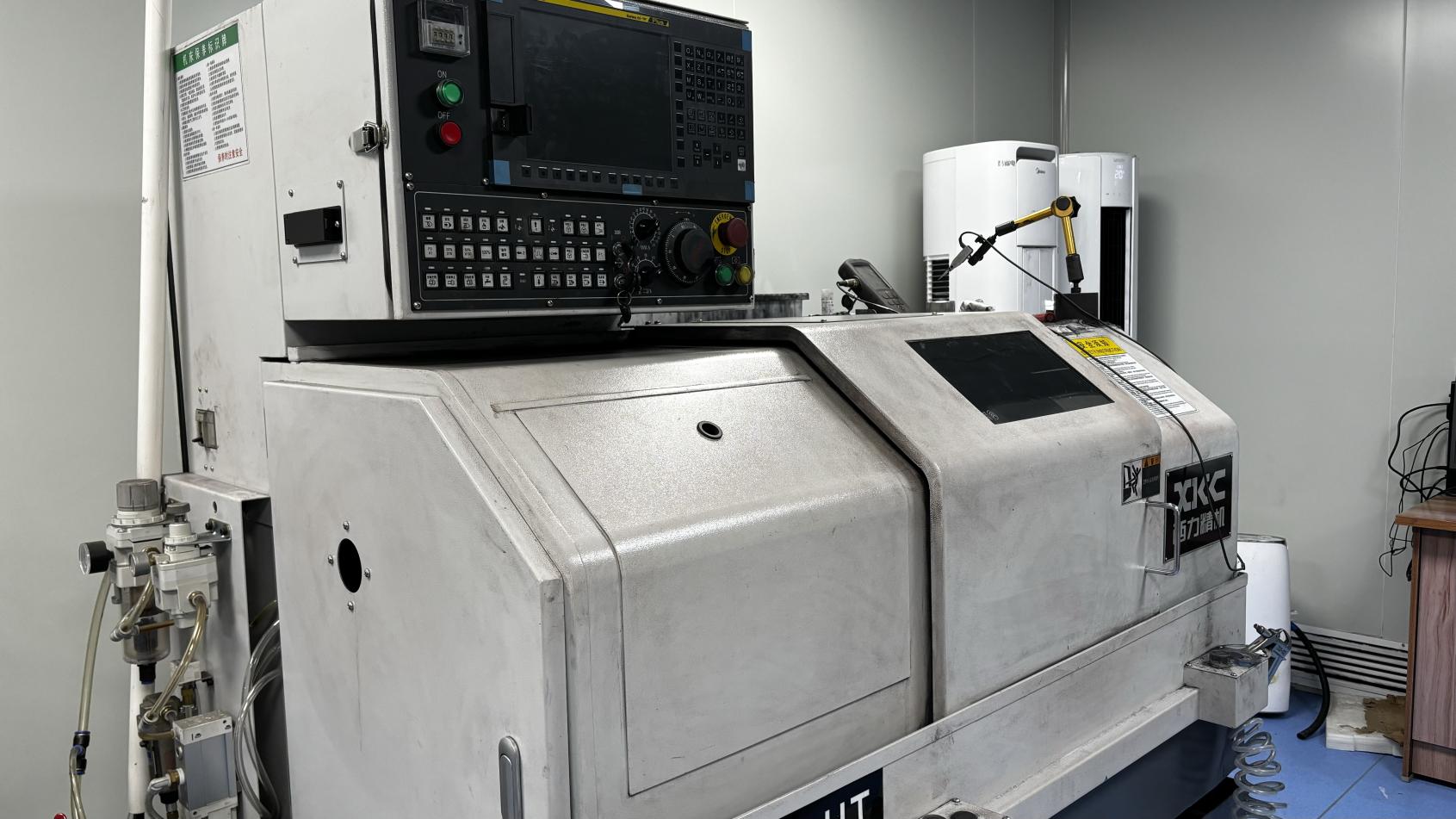
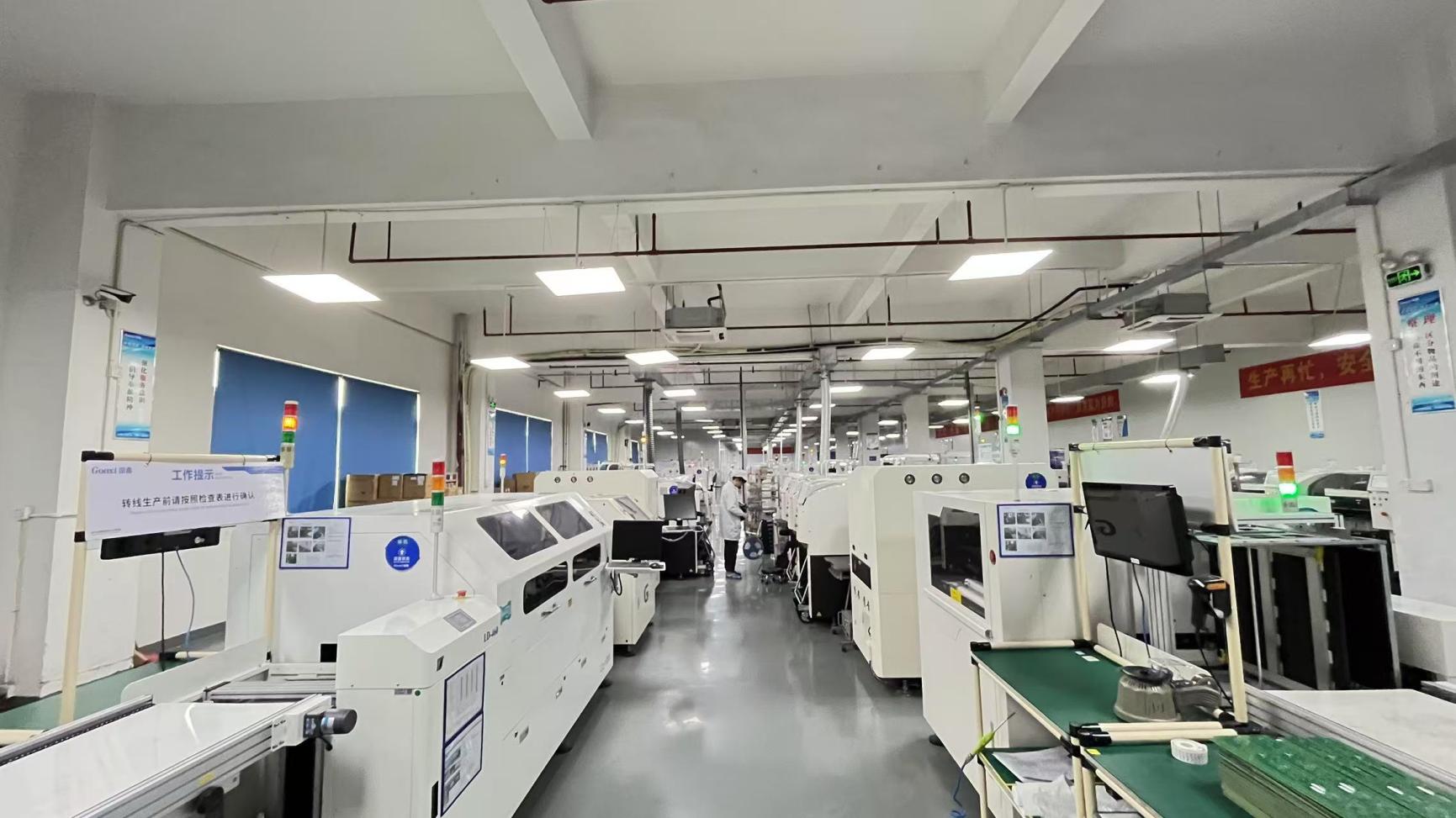
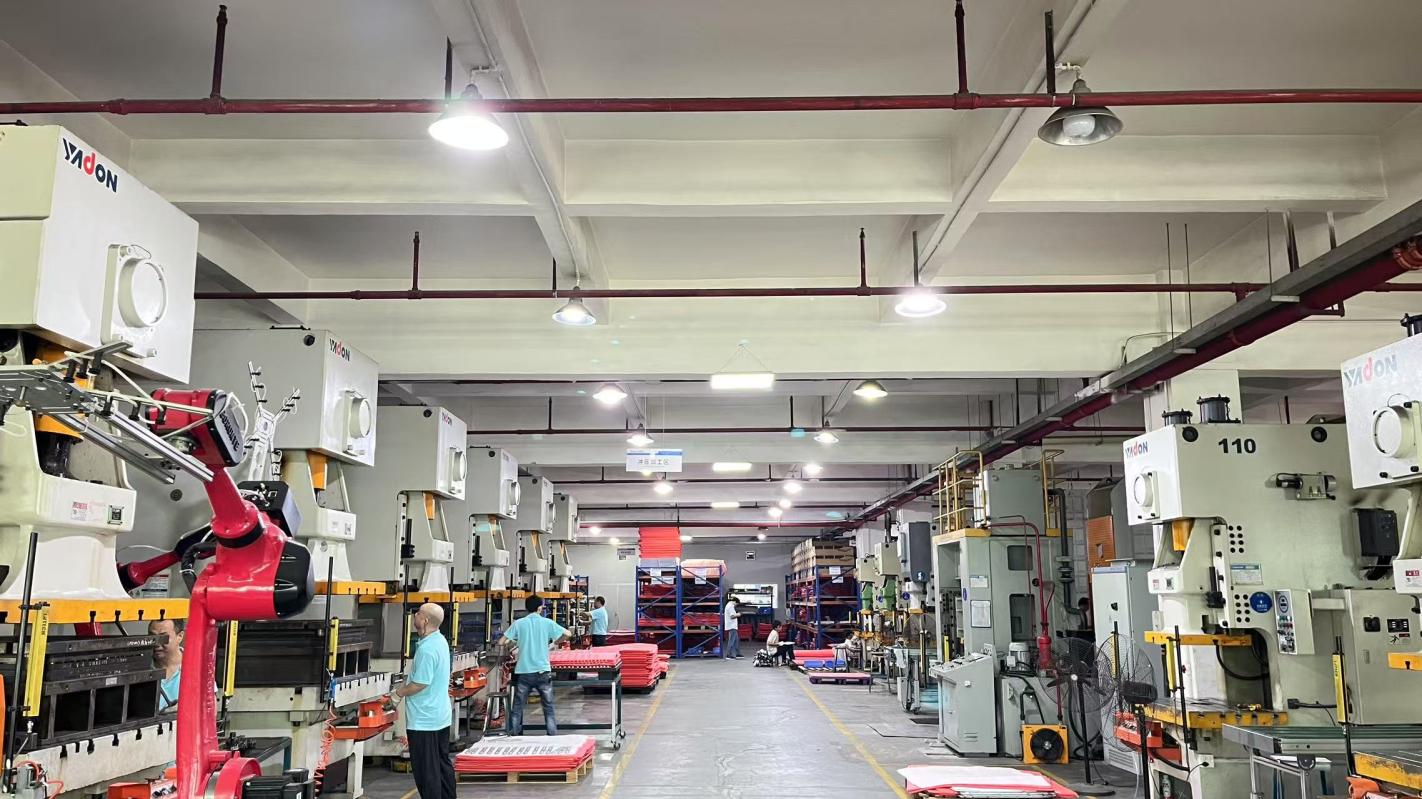
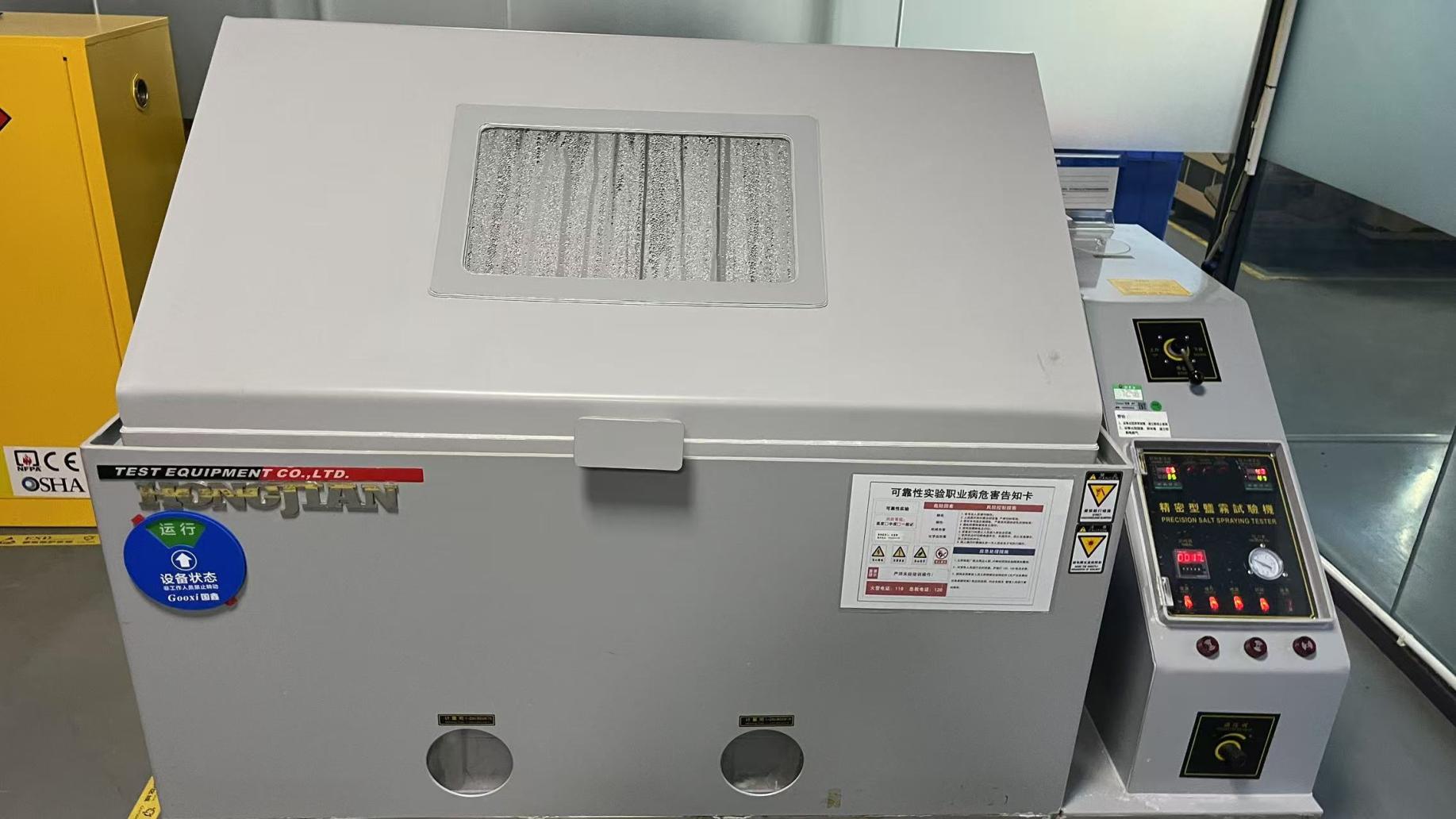
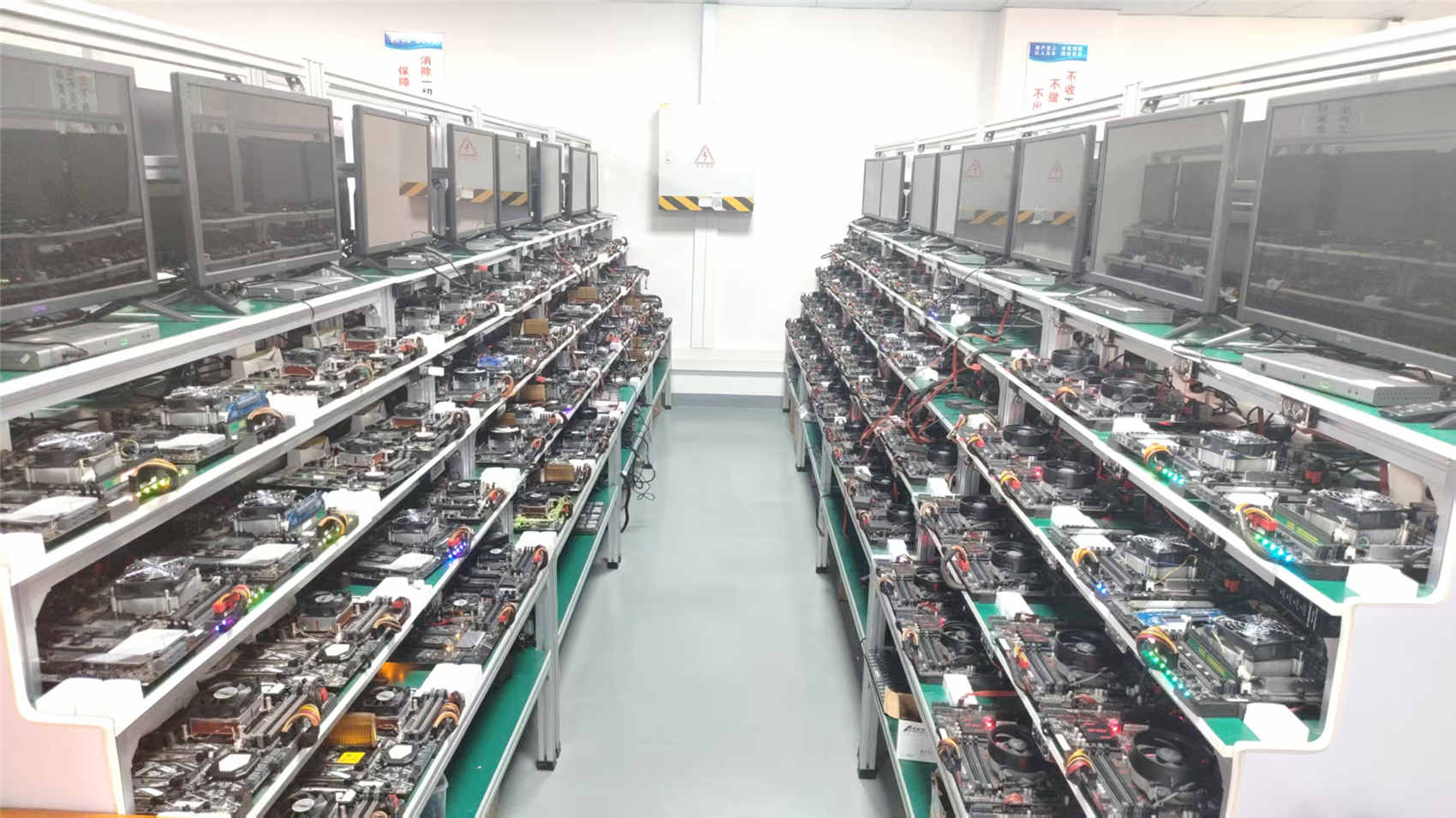
Our quality verification processes include: Automated Optical Inspection (AOI) for verifying structural completeness; Interferometric Inspection of mating interfaces; High-Temperature Aging Chambers to test mechanical stability over time; and Salt Spray Testing to ensure long-term corrosion resistance for global shipping and operation.
Fully compatible replacement solutions engineered to drop in seamlessly to TE and Amphenol footprint architectures.