FiberQ
FiberQ
FiberQ
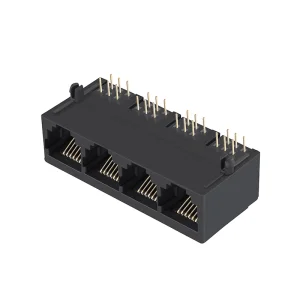
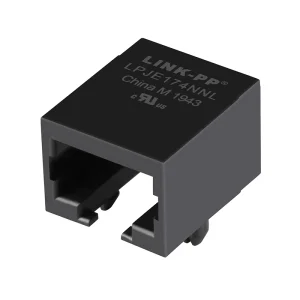
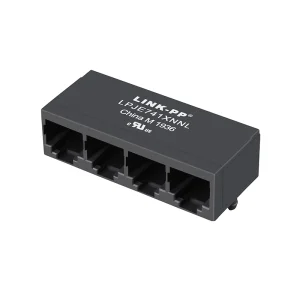
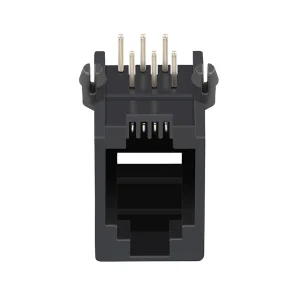
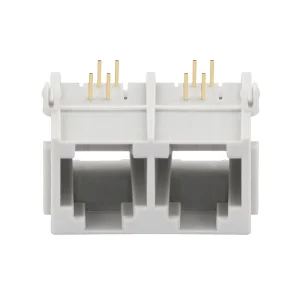
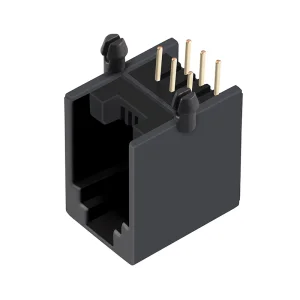
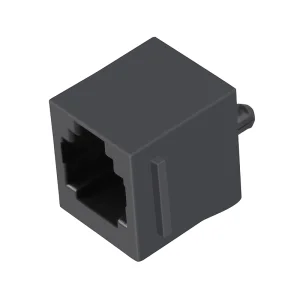
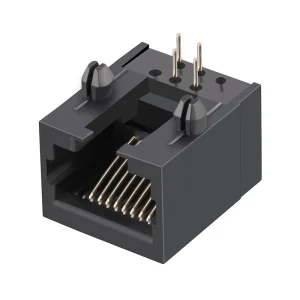
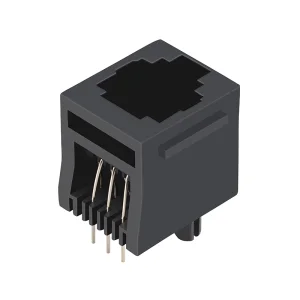
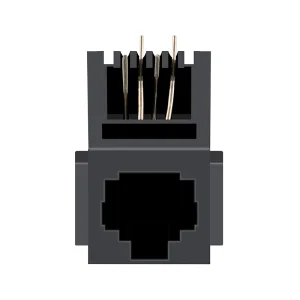
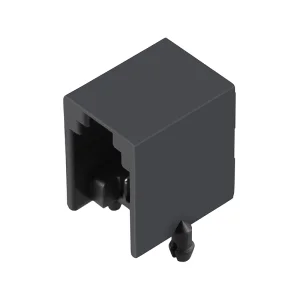
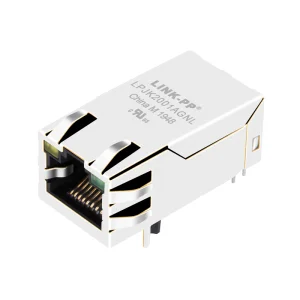
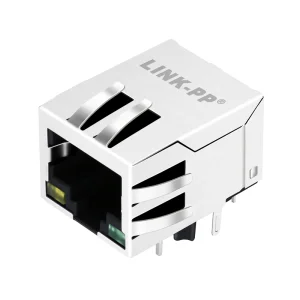
Discover our primary engineering portfolio featuring standard RJ11 jacks, unshielded RJ45 configurations, and advanced network interconnect units optimized for telecom operations and system integration.
In the modern telecommunications landscape, the reliability of physical-layer components determines the uptime and transmission fidelity of enterprise networks and consumer services. RJ11 modular connectors, utilizing variations like 4P4C, 6P4C, and 6P6C configurations, remain fundamental for PSTN, DSL modem interfaces, and localized VoIP hardware integrations. Despite the migration toward optical-fiber transport networks, copper modular jacks serve as the vital final link in terminal device signal delivery.
For systems integrators, hardware developers, and procurement executives, choosing an interface manufacturer with precise molding, reliable contact plating, and rigorous quality inspection controls is paramount. FiberQ Photonics Technology Co., Ltd. matches high-frequency signal expertise with advanced manufacturing processes to produce copper interfaces capable of withstanding industrial environments, thermal fluctuations, and mechanical wear over thousands of insertion cycles.
Modular connector failure is primarily caused by contact oxidation and housing degradation. Securing components engineered with 50μ" gold-plating thickness and high-temperature LCP housings prevents high contact resistance and signal dropouts in high-humidity or industrial environments.
Leveraging 12 years of industry expertise and advanced manufacturing infrastructure to deliver reliable, high-performance optical and copper communication components globally.
FiberQ maintains a strong trade background focused on OEM and ODM partnerships. With an annual export revenue of approximately USD 9.5 million and 6 years of dedicated international trade experience, we serve telecom operators, cloud providers, and enterprise integrators in North America, Europe, Japan, and Southeast Asia.
Sourcing electronic components from China offers significant advantages across cost, scalability, and technical precision due to the country's integrated supply chain ecosystem.
Our facility collaborates with approximately 1,450 partners, enabling rapid sourcing of raw polymer resins, phosphor bronze contacts, gold plating additives, and shielding metal. This extensive local supply network reduces lead times and minimizes logistics costs.
Chinese factories excel in tooling design and automated injection molding. Our machinery ensures tolerances down to ±0.02mm, preventing dimensional deviations that could cause loose connections or physical damage during field installation.
With a 12,600㎡ workspace and a robust engineering team, we accommodate both high-volume runs and bespoke component designs. Our production scales rapidly to meet sudden increases in global infrastructure demand.
Our modular connectors are manufactured to rigorous tolerance criteria, ensuring long-term reliability and electrical performance across diverse operating conditions.
| Parameter Category | Technical Design Standard / Value | Performance Benefit |
|---|---|---|
| Housing Material | Thermoplastic resin (UL 94V-0 Rated), option for high-temp LCP / Nylon | Prevents flame propagation; resists surface deformation during wave soldering. |
| Contact Composition | Phosphor Bronze (C5210 / C5191 series) base metal | High spring force retention; prevents structural fatigue over repeated matings. |
| Plating Quality | Gold over Nickel underplate (available options: 3u", 6u", 15u", 30u", 50u") | Resists contact corrosion and maintains low electrical resistance. |
| Dielectric Strength | 1000V AC RMS at 50Hz or 60Hz for 1 Minute duration | Prevents high-voltage breakdown and localized short circuits. |
| Contact Resistance | ≤ 20 Milliohms (Initial), ≤ 30 Milliohms (Post Environmental Testing) | Maintains signal integrity and minimizes thermal generation in PoE uses. |
| Insulation Resistance | ≥ 1000 Megohms at 500V DC test configuration | Eliminates parasitic current leakage between adjacent contact conductors. |
| Mechanical Durability | 750 mating/unmating cycles minimum under rated load | Guarantees long service life in high-activity network panels. |
* Note: For custom installations, we offer variants with integrated electromagnetic shielding, localized LED indicators, and modified PCB mounting configurations (such as tab-up/tab-down orientations and right-angle designs).
Our interconnect products are deployed globally in telecommunications, consumer electronics, and enterprise networking hardware.
Our RJ11 connectors support broadband DSL modems, analog telephone adapters (ATAs), and distribution frames, helping service providers deliver stable data transmission over copper loops.
Many legacy industrial machines use RJ11 interfaces for RS-232/RS-485 serial communication, connecting controllers, sensors, and remote monitoring consoles in electrical noise environments.
Security alarm panels, elevator intercom systems, and building environmental controllers rely on RJ11 jacks for simplified low-voltage cabling and reliable terminal hookups.
Quality control is managed through a multi-step inspection framework, combining automated optical performance testing, interferometric checks, high-temperature aging chambers, and manual verification.
Our 62 experienced quality inspectors ensure that every batch of RJ11 connectors, modular jacks, and active transceivers complies with international standards, helping to protect field installations against physical and electrical faults.
With an engineering team of 240 R&D personnel, FiberQ supports technical customization including:
Our commitment to optical and copper transmission innovation is demonstrated by our product development cycle.
This development capability allows us to adapt current product profiles to changing industry trends, such as miniaturized telecom terminal layouts and high-speed hybrid networks.
Procurement managers balance technical performance, unit economics, lead-time predictability, and regulatory compliance. Our business processes are structured to simplify volume sourcing of telecom components.
We provide full-service customization from prototyping and tooling fabrication to pilot testing and volume production. We also support custom branding, labeling, and specialized protective packaging options.
Our manufacturing and assembly lines maintain strict compliance with global directives, including RoHS, REACH, and FCC Part 68. Test reports are available upon request for quality assurance auditing.
Exporting to Europe, North America, Japan, and Southeast Asia, we maintain close relationships with primary air and ocean freight carriers. This helps optimize customs clearance and delivery times.
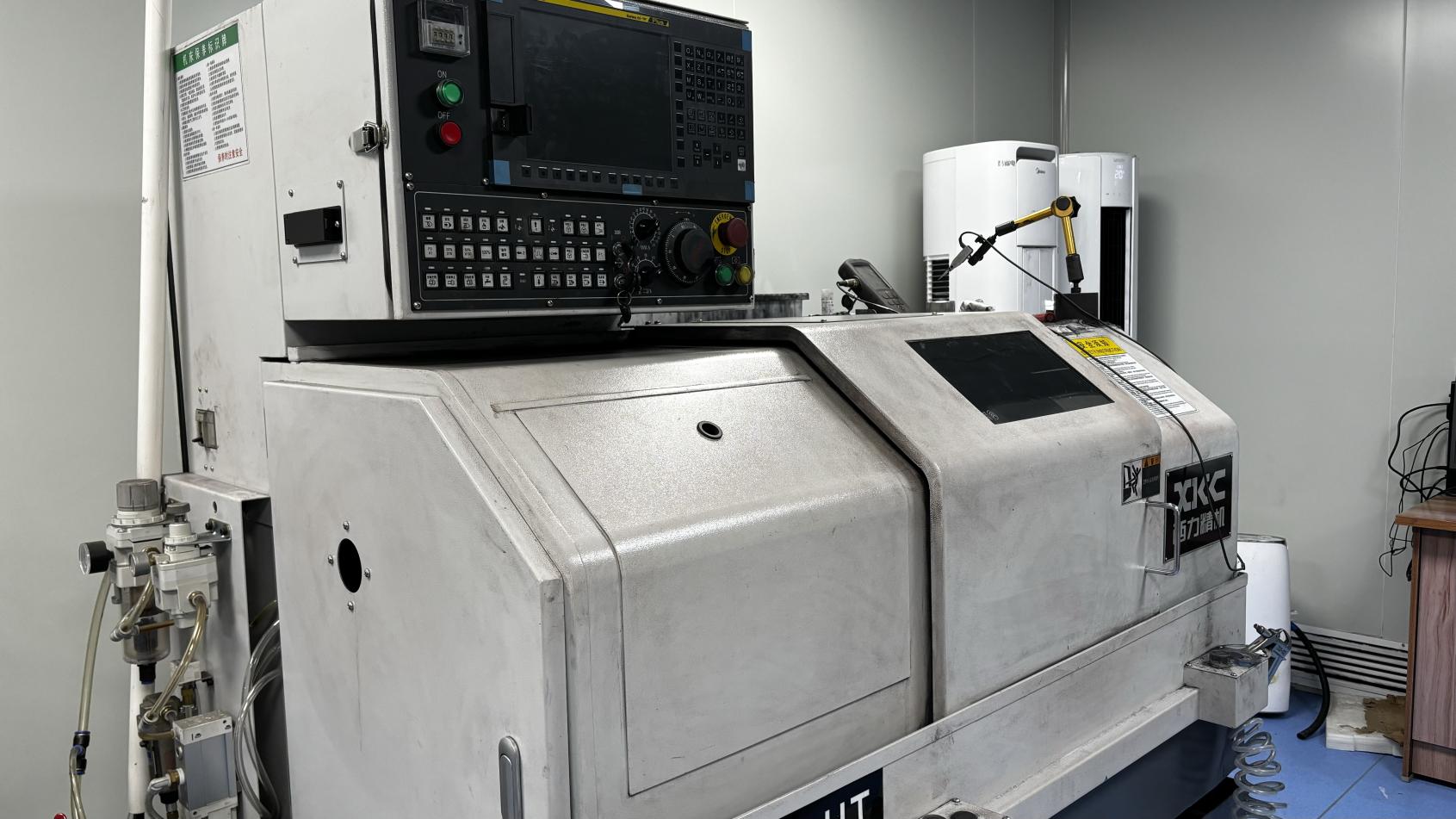
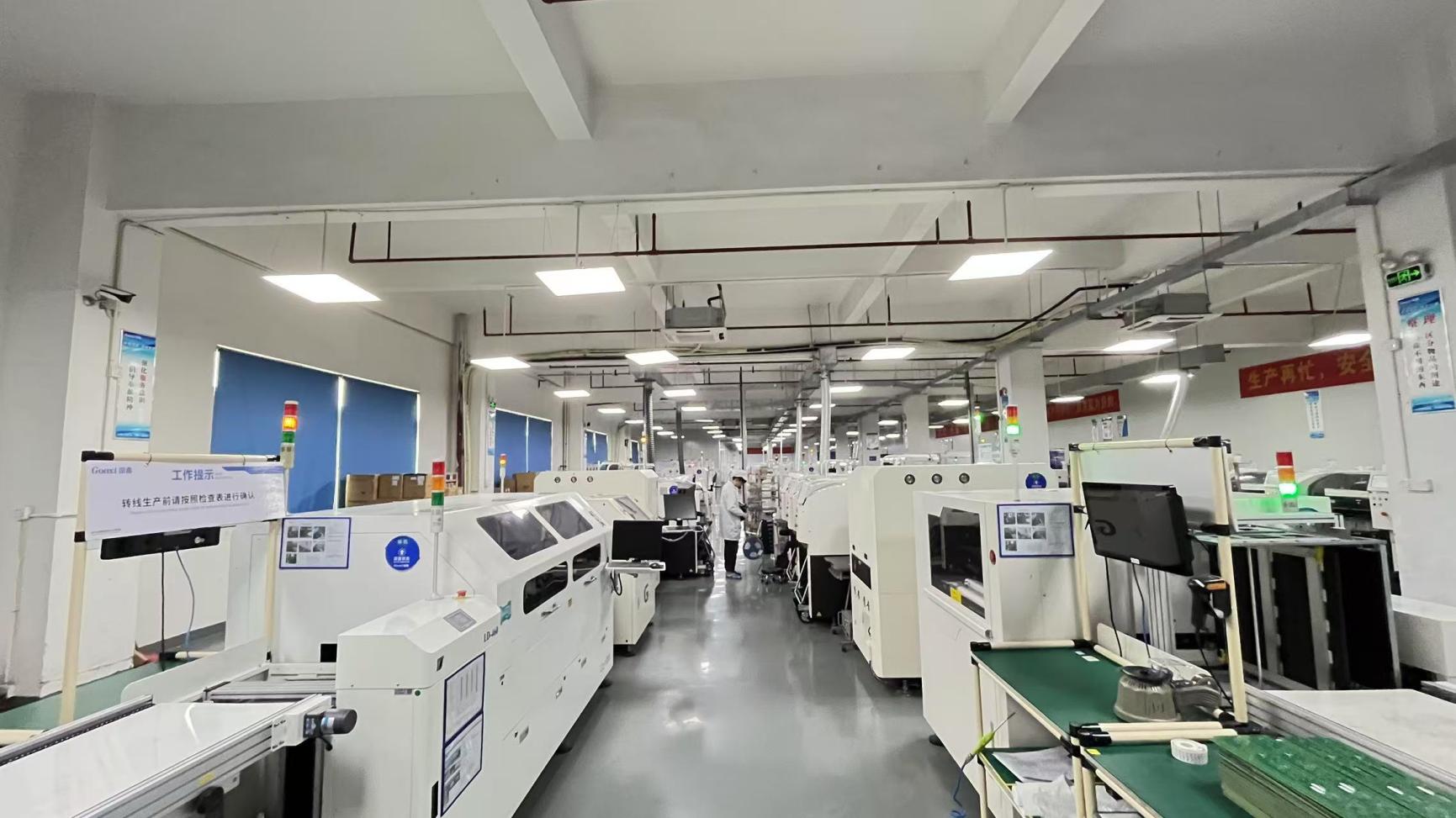
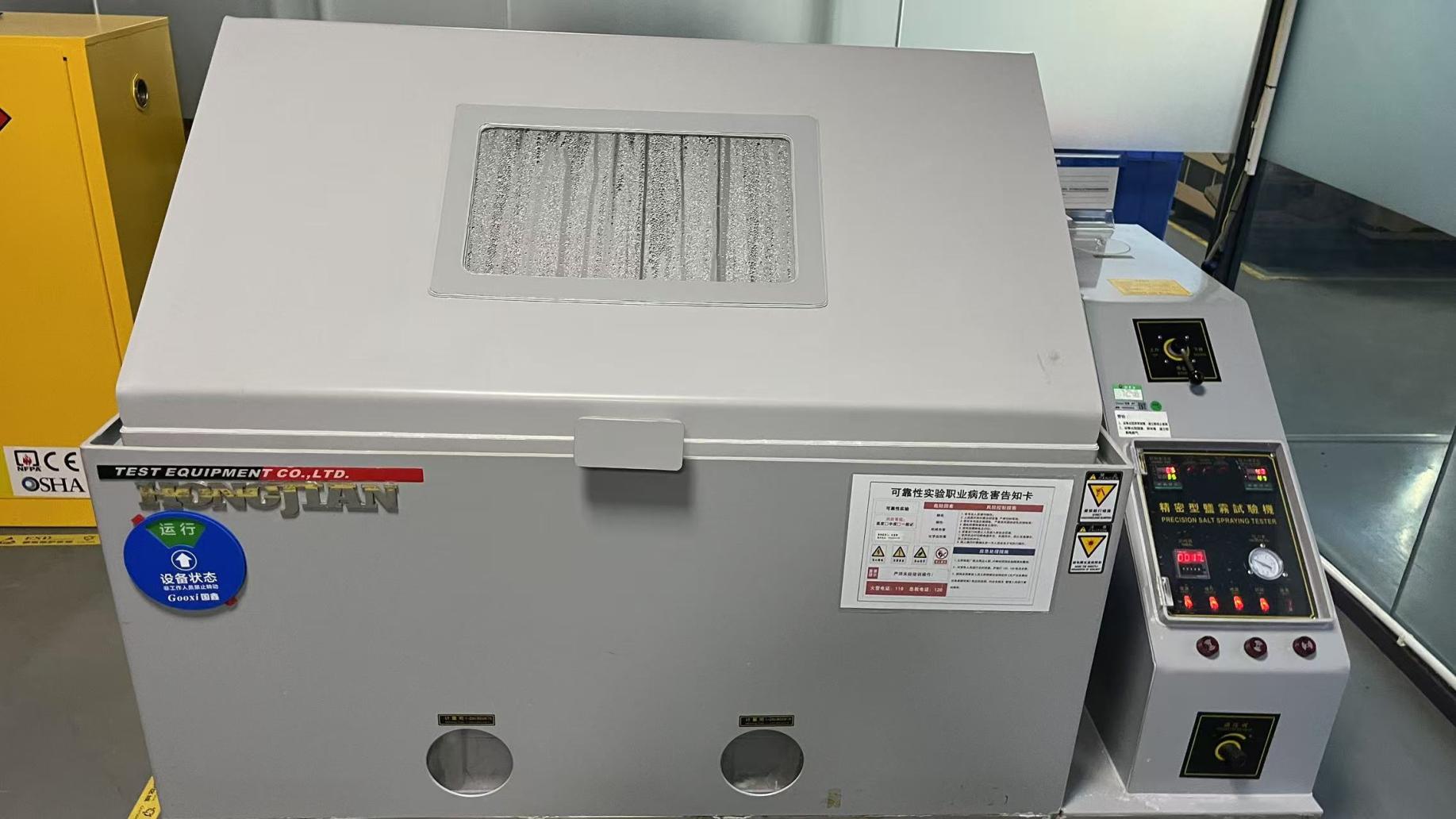
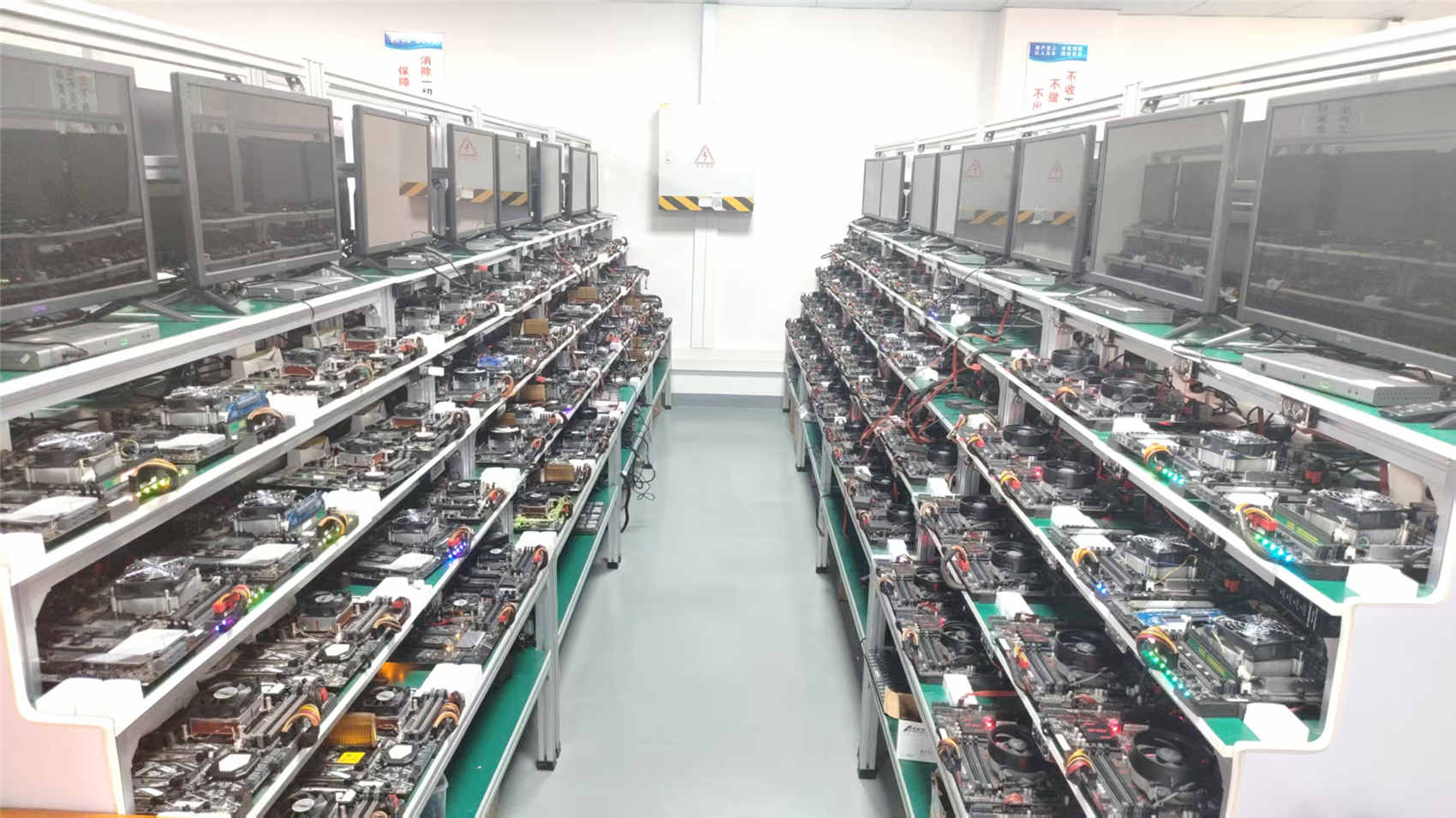
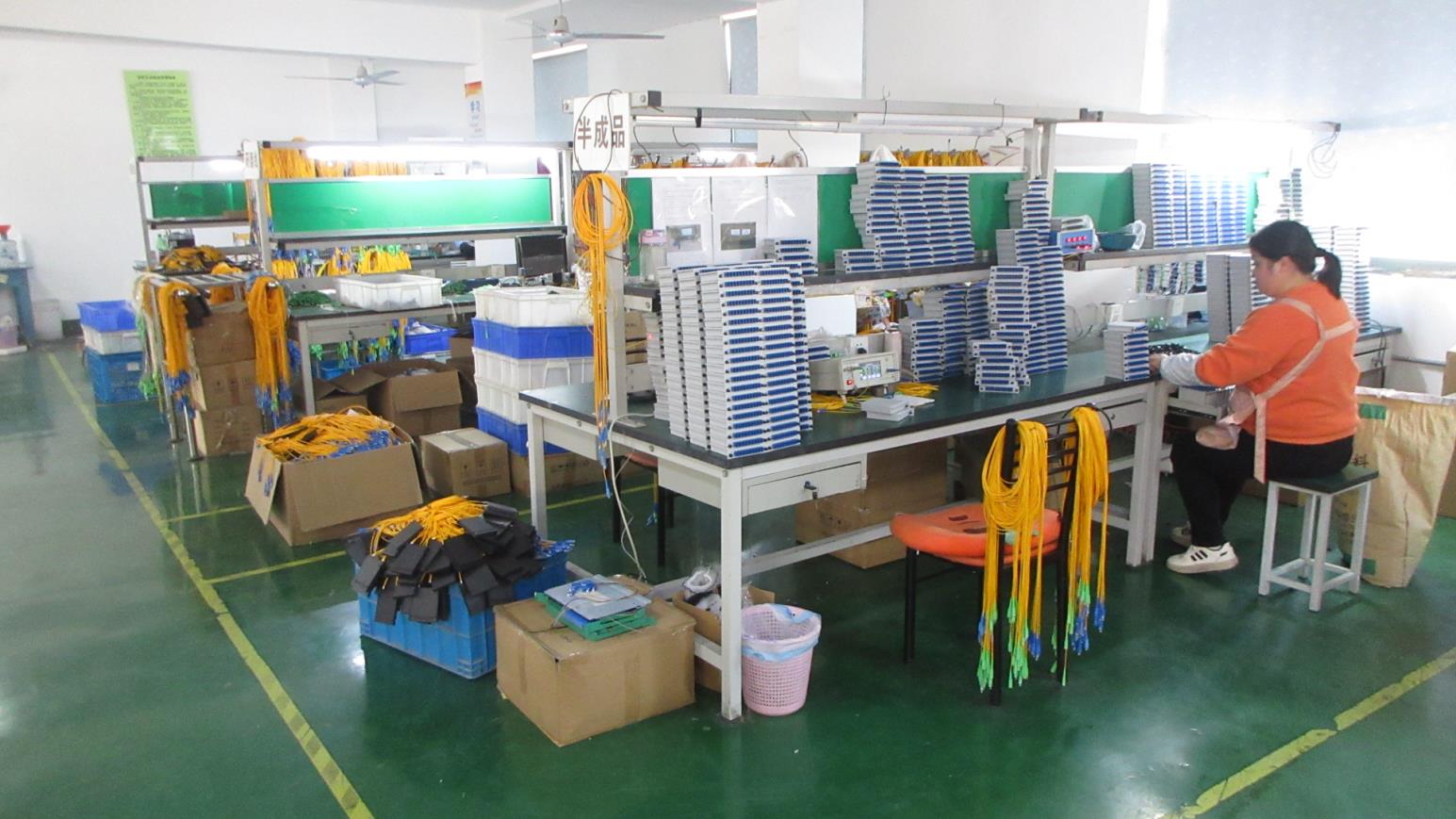
A view inside our 12,600㎡ manufacturing facility, showing our automated molding lines, inspection setups, and high-frequency testing equipment.


Common questions answered regarding physical layer connectivity, pin configurations, performance criteria, and OEM/ODM options.
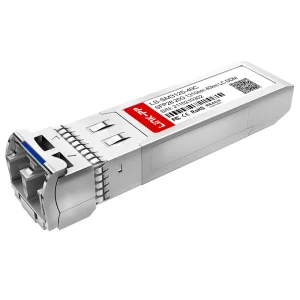
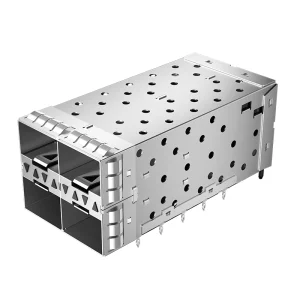
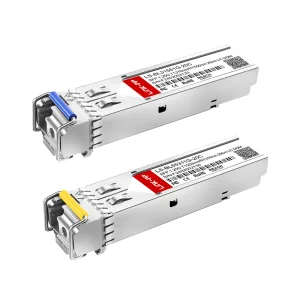
Review additional system components, including shielded RJ45 modules, high-frequency SFP cages, and single-mode optical transceivers for data centers and enterprise backbones.