FiberQ
FiberQ
FiberQ
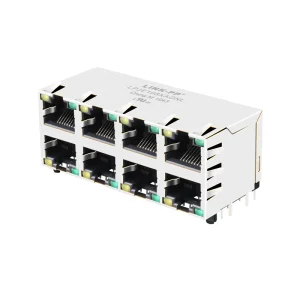
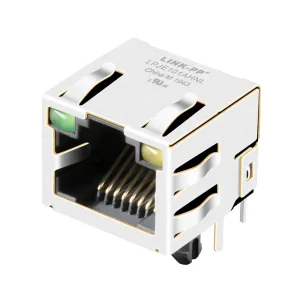
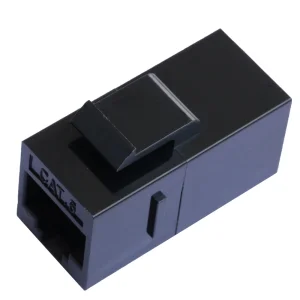
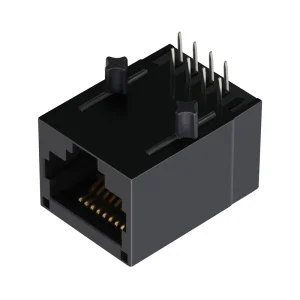
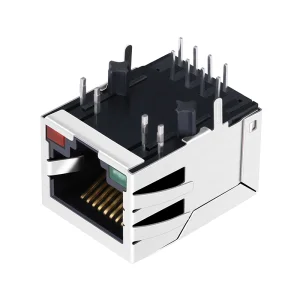
Explore our top-selling unshielded and shielded RJ45 female sockets for modular PCB designs
A deep dive into why discrete electrical designs prefer raw RJ45 modular jacks over Integrated Connector Modules (ICMs).
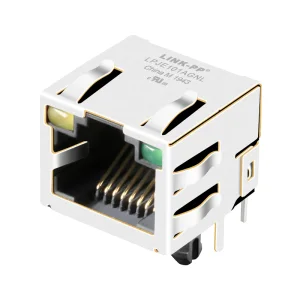
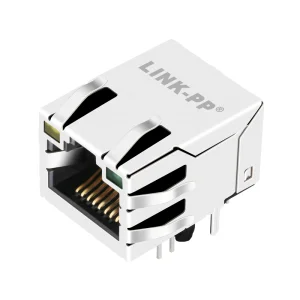
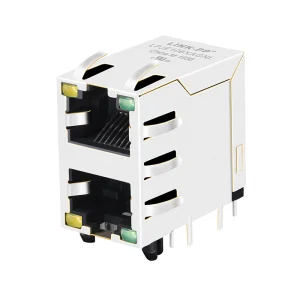
In modern Ethernet network design, engineers face a fundamental architecture choice: whether to implement an Integrated Connector Module (ICM) containing internal magnetic isolation components (transformers, common-mode chokes, and resistors) or to deploy a discrete RJ45 female connector without magnetics alongside separate PCB-mounted magnetic components.
Choosing a connector without magnetics provides exceptional design versatility. By decoupling the physical interface from the inductive magnetics, designers can optimize signal integrity pathing, utilize custom filtering networks tailored to specific PHY transceivers, and achieve thinner PCB heights. Furthermore, non-magnetic RJ45 connectors represent a highly cost-effective solution for non-Ethernet protocols using RJ45 physical structures, such as proprietary serial buses, RS-485 interfaces, DMX lighting controls, and telecom routing systems.
A granular comparison highlighting mechanical, thermal, and electrical performance parameters.
| Parameter | With Integrated Magnetics (ICM) | Without Magnetics (Non-Magnetic Jack) |
|---|---|---|
| Component Integration | Contains isolation transformers, chokes, LEDs, and resistors inside the housing. | Purely mechanical connector containing only contacts and housing (LEDs optional). |
| Design Flexibility | Fixed magnetic topology limits matching to specific PHY transceivers. | Highly flexible. The PCB designer can customize discrete magnetics according to unique PHY demands. |
| Manufacturing Cost | Higher unit cost due to manual winding and internal assembly complexity. | Significantly lower unit cost. Highly automated high-speed stamped and injection-molded production. |
| Thermal Profiles | Susceptible to damage during high-temperature wave or reflow soldering if not carefully controlled. | Excellent thermal tolerance. Easily supports standard Lead-Free wave and reflow refitting processes. |
| High-Voltage Isolation | Pre-designed for 1500V AC isolation within the connector body. | Isolation is governed by discrete magnetics layout design rules on the mother board. |
| Application Scope | Exclusively Ethernet (10/100/1000Base-T, 10G). | Ethernet, Telecom (RJ11/RJ12 compatible configurations), RS-485, custom data buses. |
Analyzing production capabilities, cost structures, and vertical supply chain consolidation.
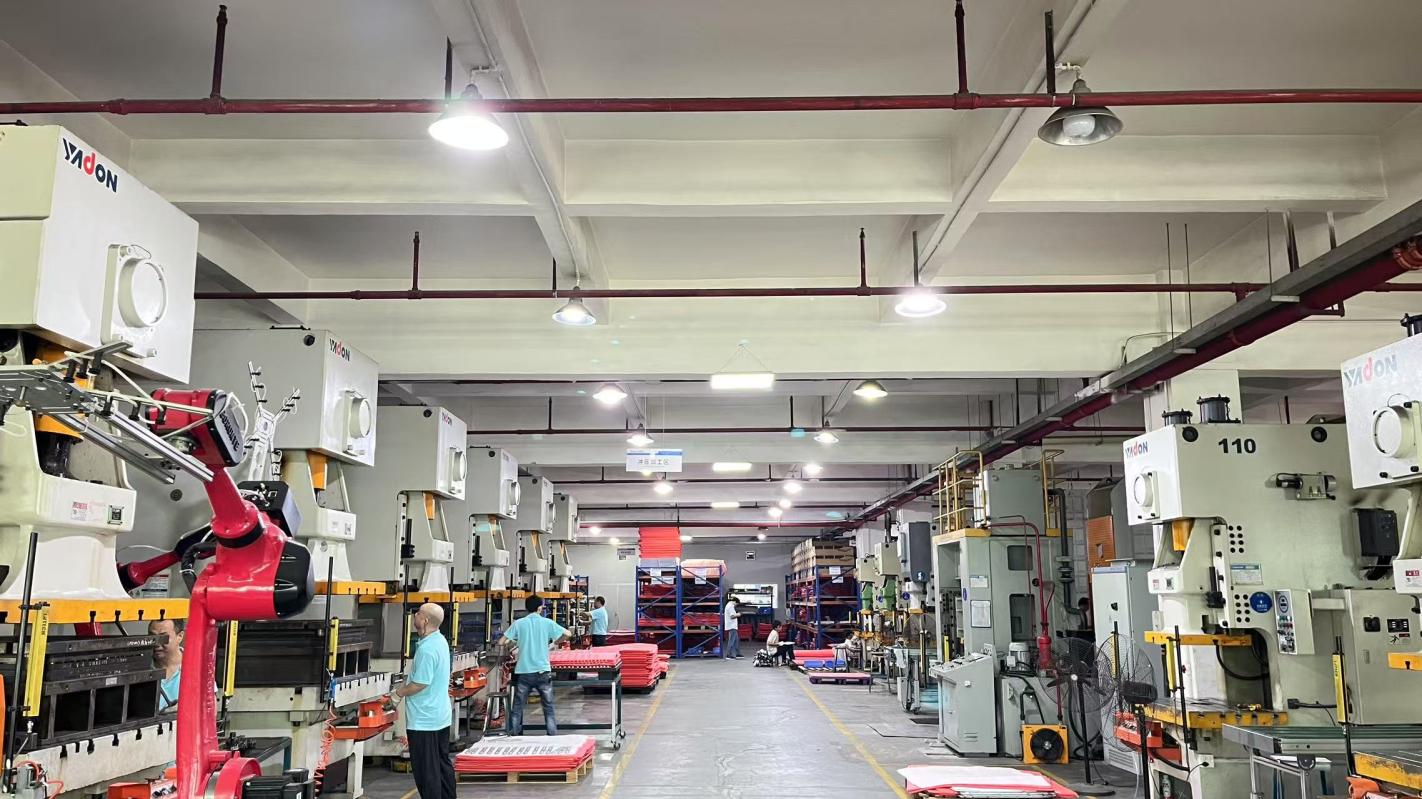
China is home to the world’s most robust industrial ecosystems for electronic components. Our factories consolidate raw copper alloy formulation, precision stamping, plastic injection molding, and automated contact insertion under one roof. This minimizes transit times between production phases and drives unmatched price efficiency.
Whether you require custom gold plating thickness (up to 50 micro-inches for military or industrial applications), specific LED configurations (Yellow, Green, bi-color), or altered pin lengths for multi-layer PCBs, Chinese factories can quickly manufacture prototype molds. This support spans specialized high-temperature plastics like Liquid Crystal Polymers (LCP).
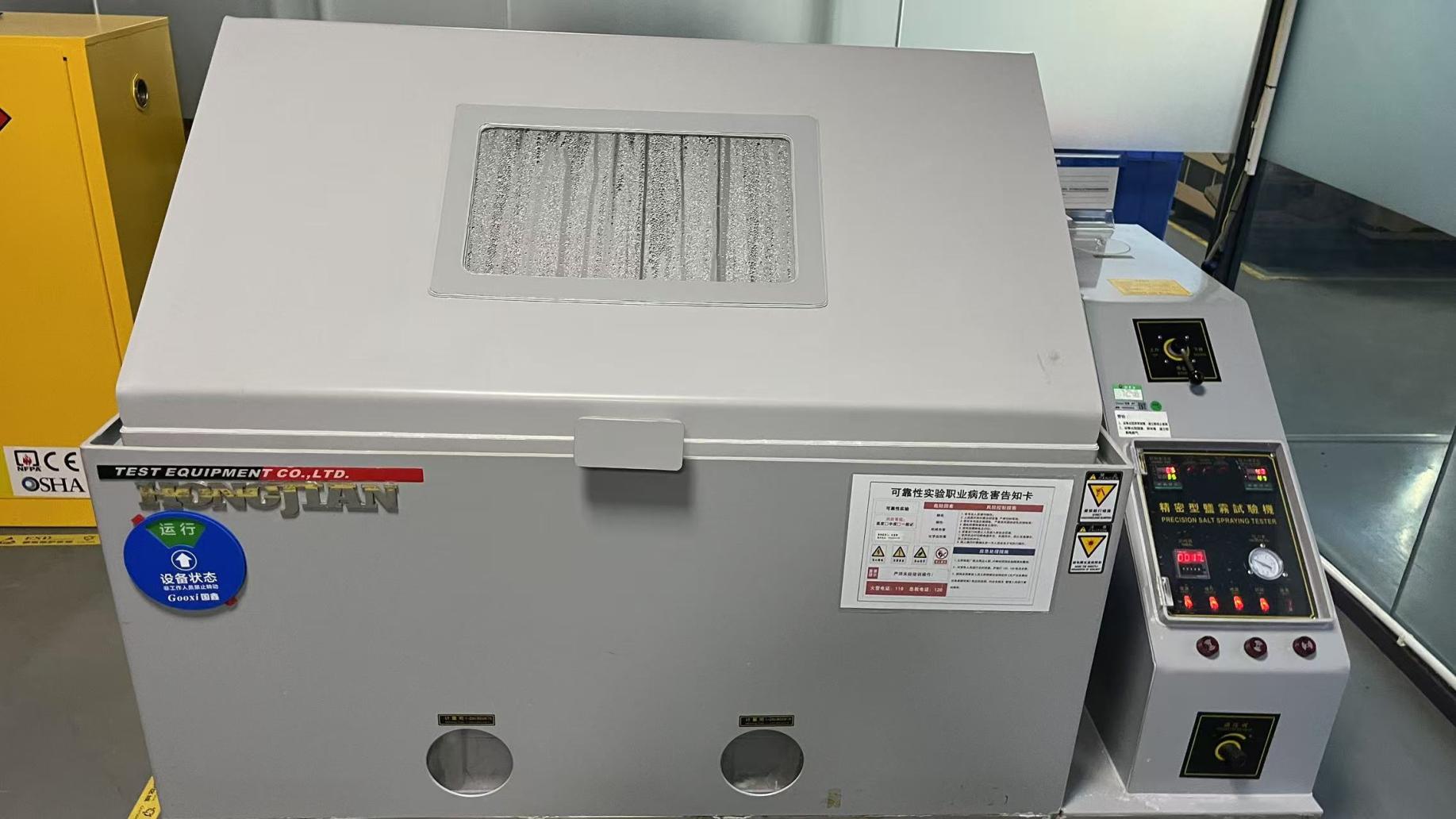
Export-oriented Chinese factories adhere strictly to global quality frameworks. Products undergo regular testing to achieve UL certification, comply with RoHS and REACH directives, and maintain alignment with ISO 9001:2015 and ISO 14001:2015 standards. This guarantees seamless integration into international target markets.
Where RJ45 Female Connectors Without Magnetics operate silently behind the scenes.
• Proprietary Machinery: Multi-axis CNC controllers, motion systems, and automation relays using custom serial communication protocols.
• Telecommunications infrastructure: Integrated patch panels, legacy digital PBX systems, and data distribution frames.
• High-performance networks: Multi-port switch backplanes utilizing discrete high-voltage isolation circuits on motherboards.
While the standard consumer Ethernet port typically uses an Integrated Connector Module, industrial electronics require unique board topologies. In highly polluted or electromagnetically noisy industrial environments, engineers often place discrete magnetics far away from the connector jack. This isolates physical stress and environmental moisture from sensitive filter chips.
Additionally, for modular building management systems (BMS), unshielded RJ45 female connectors without magnetics are used to bridge RS-485 serial communication daisy chains. Because RS-485 doesn't utilize standard Ethernet signals, integrating Ethernet-specific magnetics is not only unnecessary but can actively degrade transmission performance. Hence, unshielded 8P8C non-magnetic jacks are the ideal physical interface choice.
A testament to state-of-the-art precision engineering and supply chain resilience.
FiberQ Photonics Technology Co., Ltd. is a professional manufacturer specializing in high-performance fiber optic transceivers and advanced photonic communication solutions for data centers, telecom networks, and high-speed interconnect applications. Founded in 2015, the company has grown into a trusted global supplier with strong engineering and export capabilities.
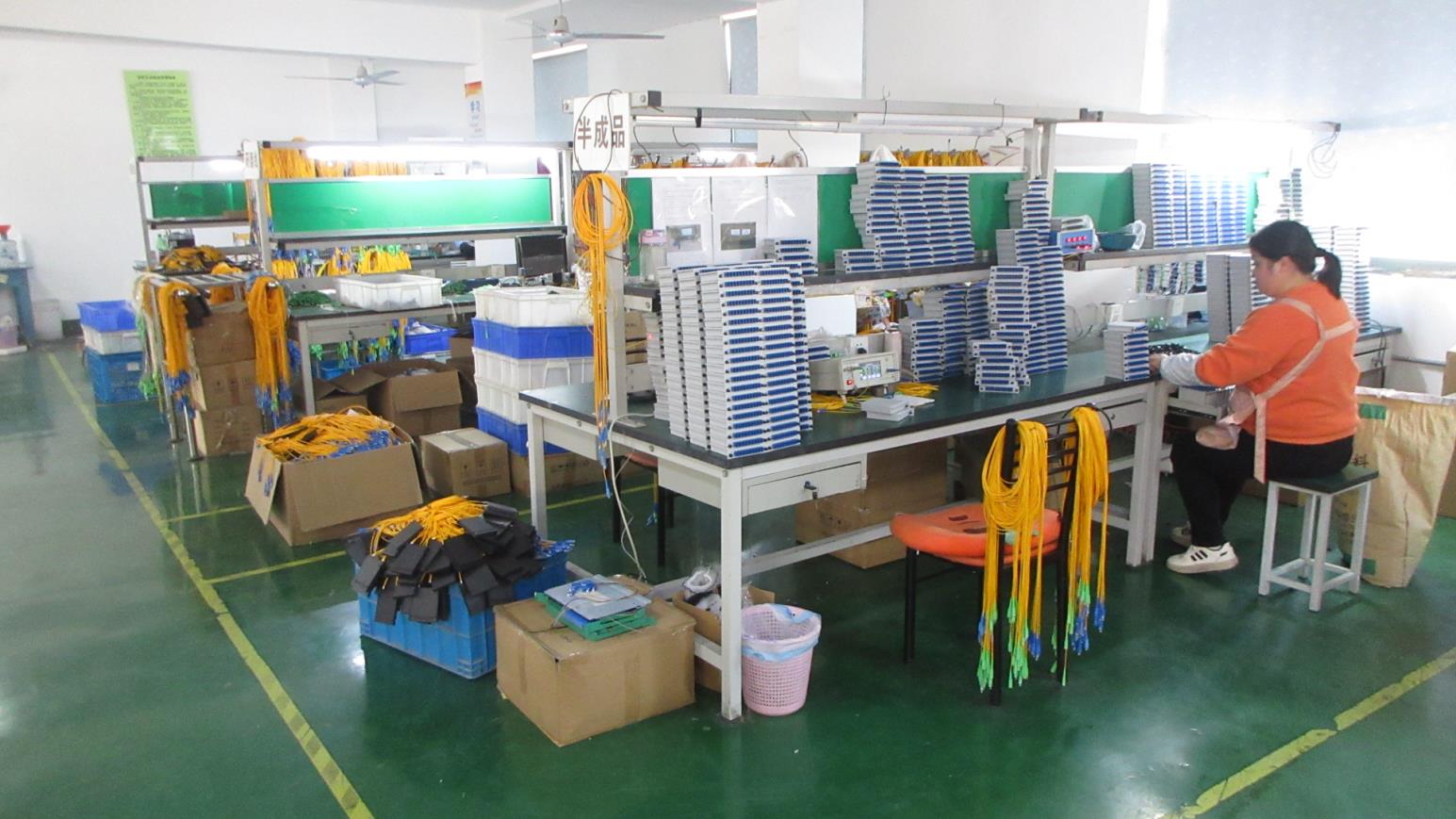
The company operates a modern production facility covering approximately 12,600㎡, enabling scalable manufacturing, precision assembly, and strict quality control processes. With annual export revenue reaching around USD 9.5 million, FiberQ has accumulated 6 years of export experience and 12 years of industry expertise in optical communication technologies.
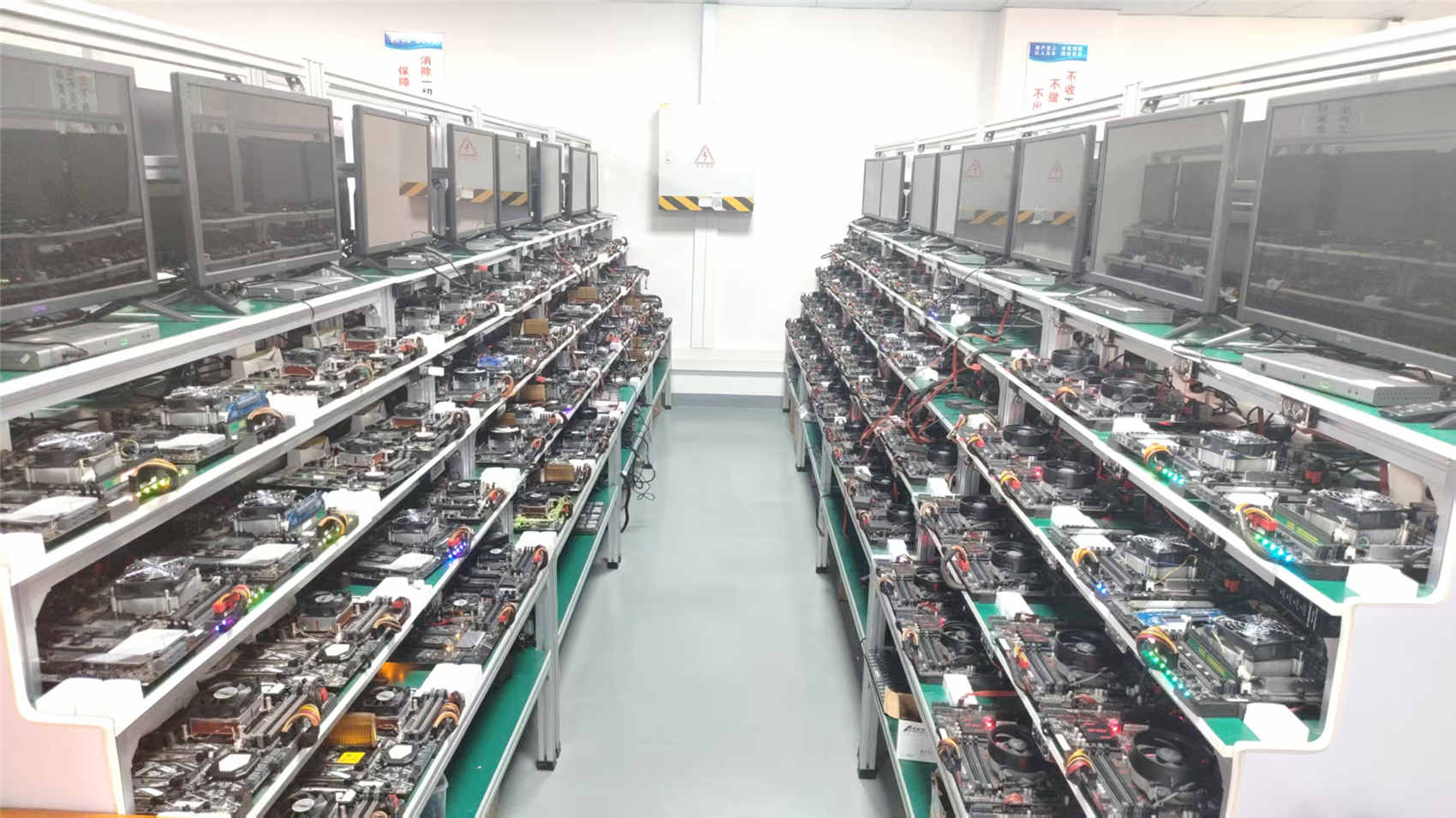
Quality assurance is ensured through a combination of automated optical performance testing, interferometric inspection, high-temperature aging tests, and manual quality checks. The quality control team consists of 62 experienced inspectors dedicated to maintaining product reliability and compliance with international standards.
FiberQ maintains a strong trade background focused on OEM and ODM partnerships. Its primary markets include North America, Europe, Japan, and Southeast Asia, serving telecom operators, cloud service providers, and enterprise network integrators.
The company collaborates with approximately 1,450 supply chain partners to ensure stable procurement of core components and efficient production scheduling. Its main customer base includes data center operators, telecom carriers, network equipment vendors, and system integrators.
With strong R&D capabilities, FiberQ supports advanced customization including protocol compatibility (100G/200G/400G/800G), wavelength engineering, thermal optimization, and form-factor adaptation. The company employs around 240 R&D engineers focused on optical design, signal integrity, and high-speed hardware development.
In the past year, FiberQ launched approximately 180 new products, reflecting its continuous innovation in next-generation optical communication solutions.
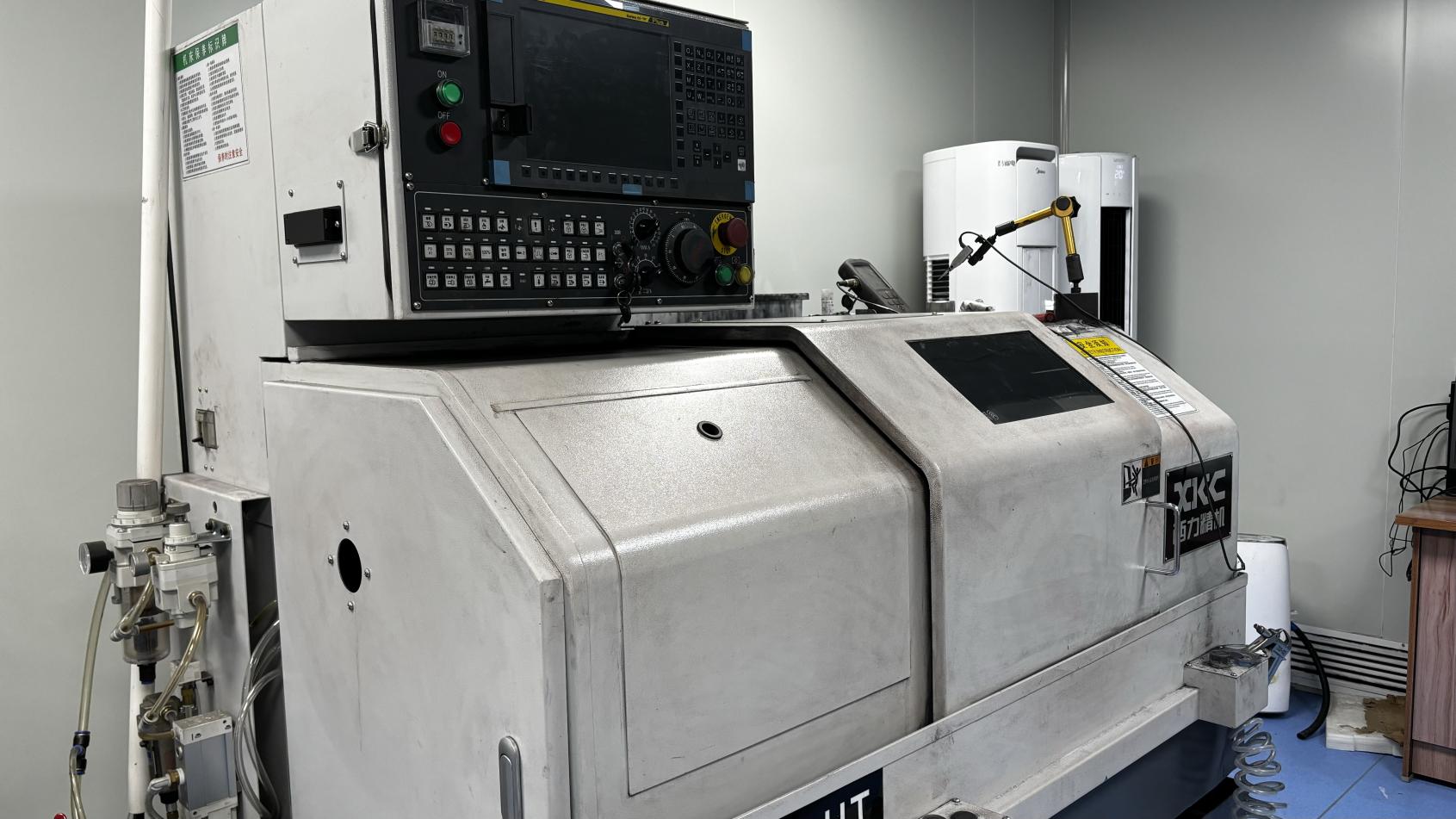
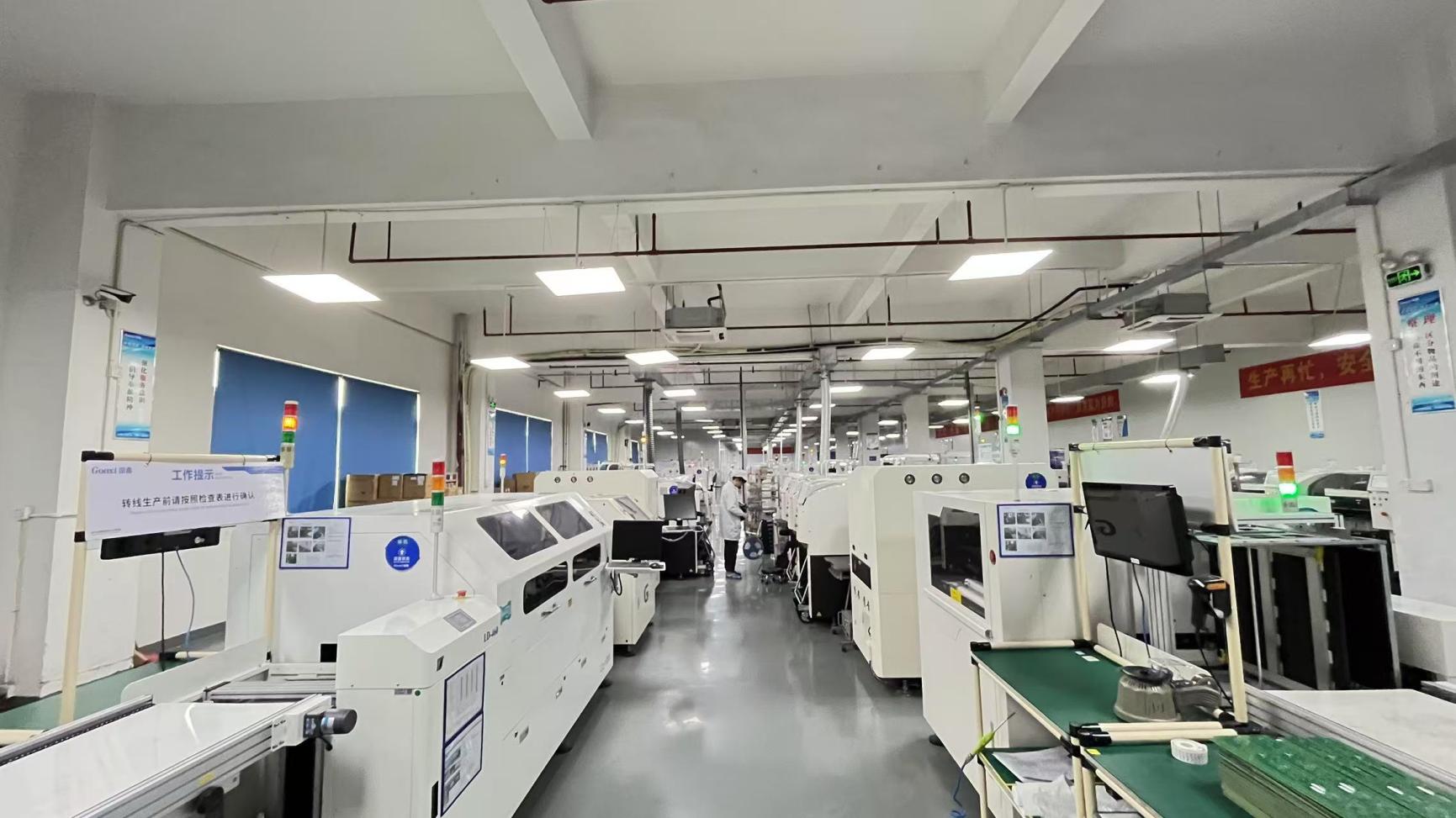
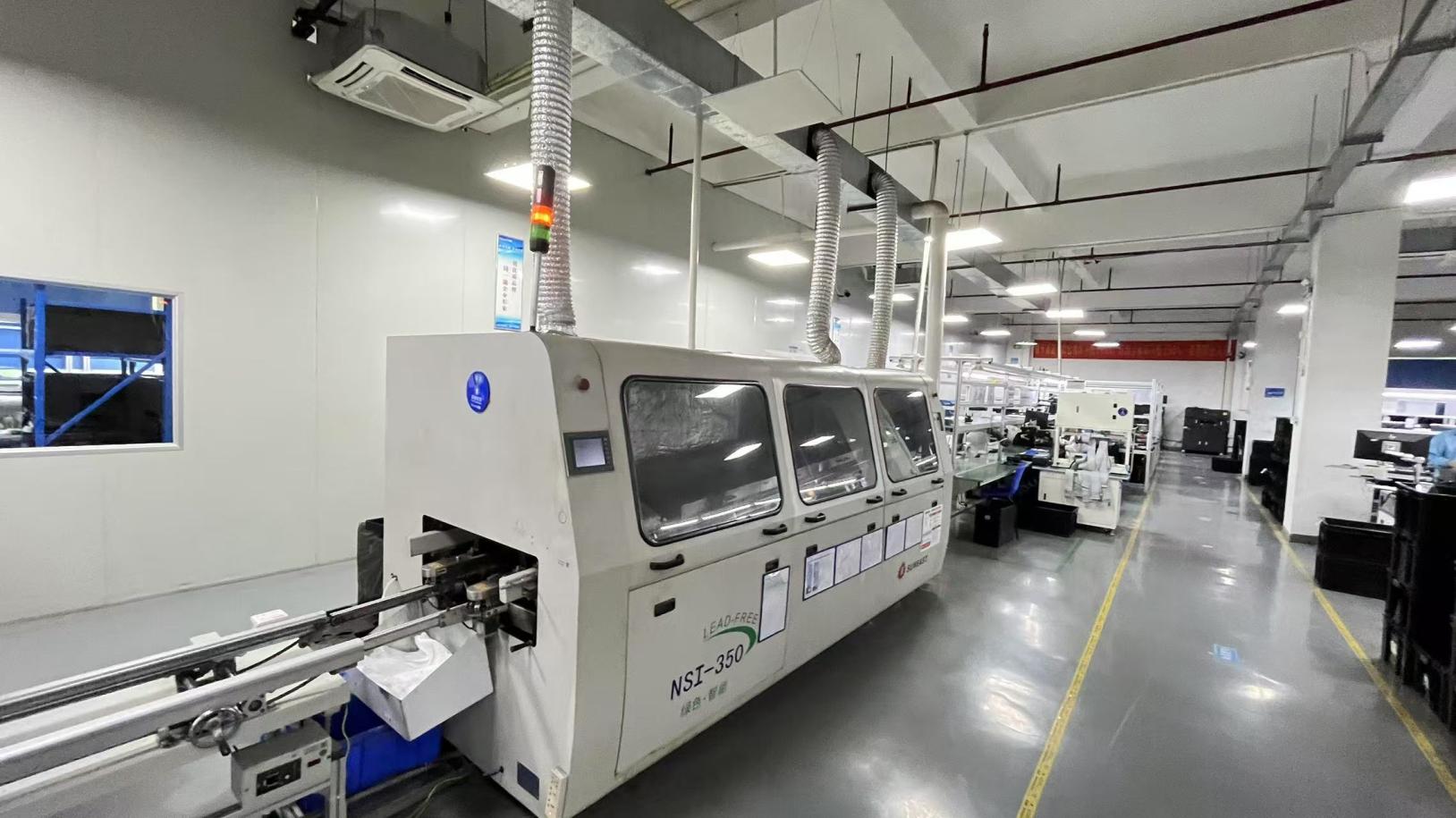
Inside our manufacturing divisions, cleanroom environments, and automated testing facilities.
Technical answers to critical procurement and engineering design questions.
If used for standard Ethernet without external magnetics on the PCB, the system will lack high-voltage electrical isolation (safety) and fail to filter out common-mode electromagnetic interference (EMI). This setup will likely result in data corruption, packets loss, and potential PHY transceiver destruction. Non-magnetic RJ45 connectors MUST be coupled with discrete transformers on the motherboard for Ethernet applications.
For standard consumer electronics, flash gold or 3 micro-inches (3u") is sufficient. For industrial, military, telecom, or high-humidity applications where chemical oxidation and mechanical friction are high, we recommend 30 micro-inches (30u") or 50 micro-inches (50u") gold plating to ensure long-term, stable contact resistance.
If your PCB manufacturing requires surface-mount technology (SMT) reflow soldering where temperatures exceed 260°C, you must specify Liquid Crystal Polymer (LCP) or high-temperature Nylon (PA46). For through-hole wave soldering (max 245°C-250°C), PBT (Polybutylene Terephthalate) is highly suitable and cost-effective.
Yes. Because the physical connector is essentially a pass-through modular connector, the current capability is determined by the contacts and pins. Our high-performance non-magnetic RJ45 jacks support currents up to 1.5A per pin, satisfying standard PoE, PoE+ (802.3at), and even higher-power configurations, provided your discrete PCB magnetics and board traces are engineered to handle the thermal load.
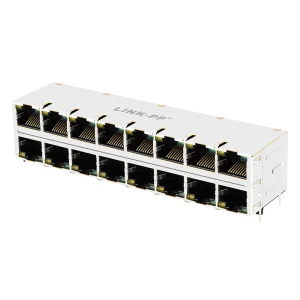
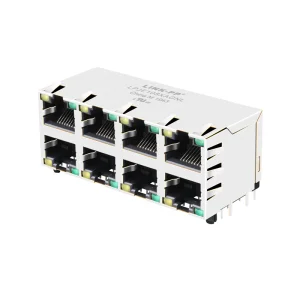
Additional models for specific custom configurations and high-speed network topologies