FiberQ
FiberQ
FiberQ
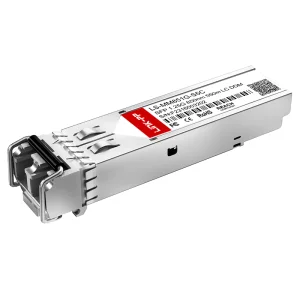
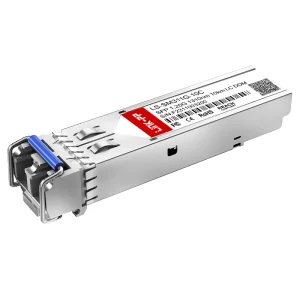
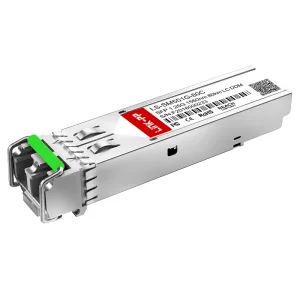
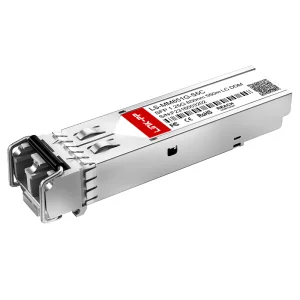
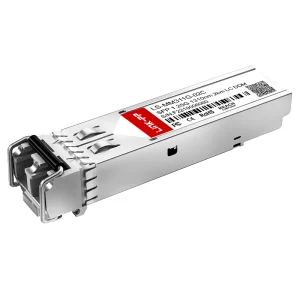
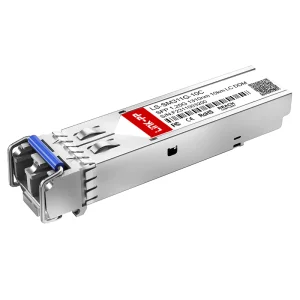
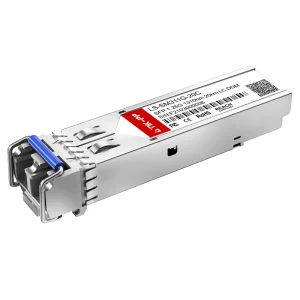
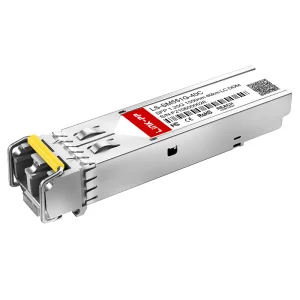
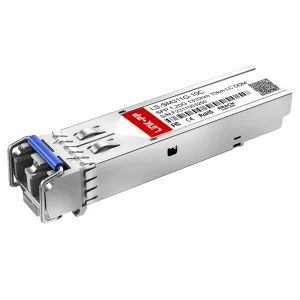
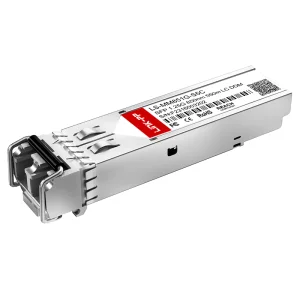
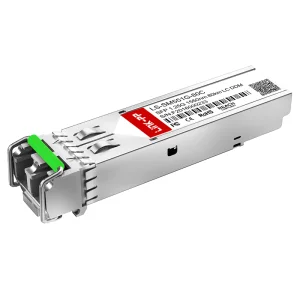
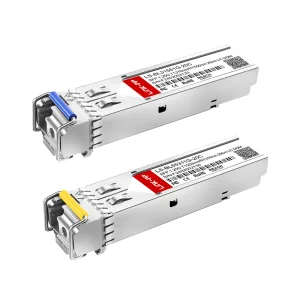
Explore our top-tier single-mode, multi-mode, and BiDi 1G SFP modules engineered for flawless network transmission and strict MSA compatibility.
An authoritative analysis of optical transceiver technology, commercial applications, and physical layer standards.
Even in an era dominated by 100G, 400G, and next-generation 800G optical interfaces, the 1.25G SFP (Small Form-factor Pluggable) module remains a critical pillar of global telecommunications. The reason lies in its balance of thermal efficiency, low power budgets, robust transmission distances, and unmatched cost-to-performance ratios for access networks and edge deployments.
Commonly referred to as Mini-GBIC, the 1.25G SFP standard aligns with IEEE 802.3z and SFF-8472 agreements. It supports hot-swappability and is utilized in fiber-to-the-home (FTTH) networks, enterprise Local Area Networks (LANs), industrial control systems, and cellular backhaul systems where high-density, low-latency Gigabit connections are mandatory.
As a global OEM/ODM manufacturer, FiberQ Photonics designs these modules to satisfy strict optical power budgets and electrical return losses, guaranteeing seamless interoperability across Cisco, Juniper, Huawei, Arista, and other tier-1 hardware vendors.
Modern telecommunication networks demand real-time diagnostics to prevent link down-time. This is achieved via Digital Optical Monitoring (DOM), also known as Digital Diagnostic Monitoring (DDM).
Under the SFF-8472 multisource agreement, DOM provides critical diagnostic variables over an I2C serial interface. Network operators can monitor:
A comprehensive reference table for optical engineers, system integrators, and procurement officers.
| Standard Protocol | Wavelength (nm) | Fiber Type | Connector Type | Max Link Distance | Optical Budget (dB) | Typical Applications |
|---|---|---|---|---|---|---|
| 1000BASE-SX | 850nm | MMF (OM2/OM3/OM4) | Duplex LC | 550m | 8.5 dB | Enterprise LAN, Intra-Rack Data Center Interconnect |
| 1000BASE-LX/LH | 1310nm | SMF / MMF (with MCP) | Duplex LC | 10km / 20km | 11.5 dB / 15 dB | Campus Backbone, Local Loop, FTTH Access |
| 1000BASE-EX | 1550nm / 1310nm | SMF | Duplex LC | 40km | 18 dB | Metropolitan Area Networks (MAN), Sub-Station Rings |
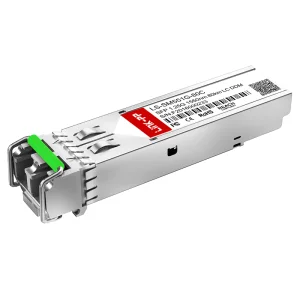
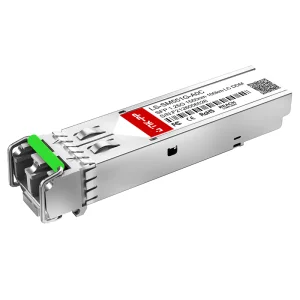
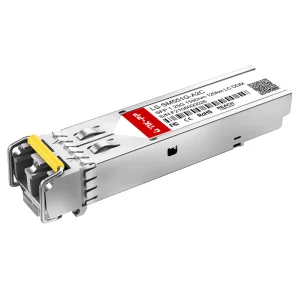
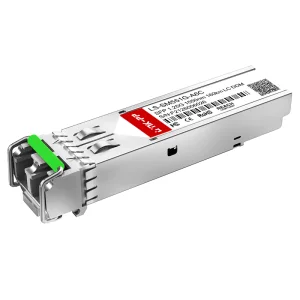
| 1000BASE-ZX | 1550nm | SMF | Duplex LC | 80km | 24 dB | Long-Haul Telco Backhaul, Utility Grid Networking |
| 1000BASE-EZX | 1550nm | SMF | Duplex LC | 100km / 120km | 30 dB / 32 dB | Ultra-Long-Haul, Regional Transmission Links |
| 1G BiDi (WDM) | 1310Tx/1550Rx or 1550Tx/1310Rx | SMF | Simplex LC | 20km / 40km / 80km | Variable | Single-Fiber deployments, doubling capacity of existing ducts |
A trusted global supplier with deep expertise in design, precision manufacturing, and international trade compliance.
Founded in 2015, FiberQ Photonics Technology Co., Ltd. is a professional manufacturer specializing in high-performance fiber optic transceivers and advanced photonic communication solutions. Our products power data centers, telecom networks, and high-speed interconnect applications globally. Our scale allows for annual export revenues reaching USD 9.5 million, backed by 6 years of direct export experience and 12 years of industry engineering expertise.
Our quality assurance pipeline consists of automated optical performance testing, interferometric inspection of fiber end-faces, high-temperature aging chambers, and rigorous manual checks. By collaborating with approximately 1,450 supply chain partners, we ensure stable procurement of core components, including premium lasers (DFB, VCSEL, EML) and advanced photodiodes (PIN, APD).
How 1.25G SFP transceivers adapt to harsh environments, municipal infrastructure, and future network migrations.
Typical enterprise switches run in climate-controlled server rooms. However, industrial networking (such as smart grids, oil and gas fields, and roadside traffic monitors) requires components rated for Industrial Temperature Ranges (-40°C to 85°C). FiberQ manufactures custom-hardened 1.25G SFPs featuring thermal dissipation shells and high-stability lasers to prevent wavelength drift under extreme thermal stress.
As civil works make laying new optical fiber prohibitively expensive, carriers leverage BiDi (Bidirectional) SFP modules. Operating over a single strand of fiber using Wavelength Division Multiplexing (combining distinct RX and TX wavelengths like 1310nm and 1550nm), BiDi technology effectively doubles optical fiber capacity without requiring new physical cables.
Looking ahead, network operators are building infrastructure with hybrid capabilities. Modern hardware enables backwards-compatibility, allowing users to insert a 1.25G SFP module into SFP+ (10G) or SFP28 (25G) ports. Our R&D engineers design optical transceivers with clean electrical eye-diagrams, easing the future transition to high-speed optical interfaces.
Visualizing our precision production lines, cleaning booths, and automated optoelectronic testing centers.
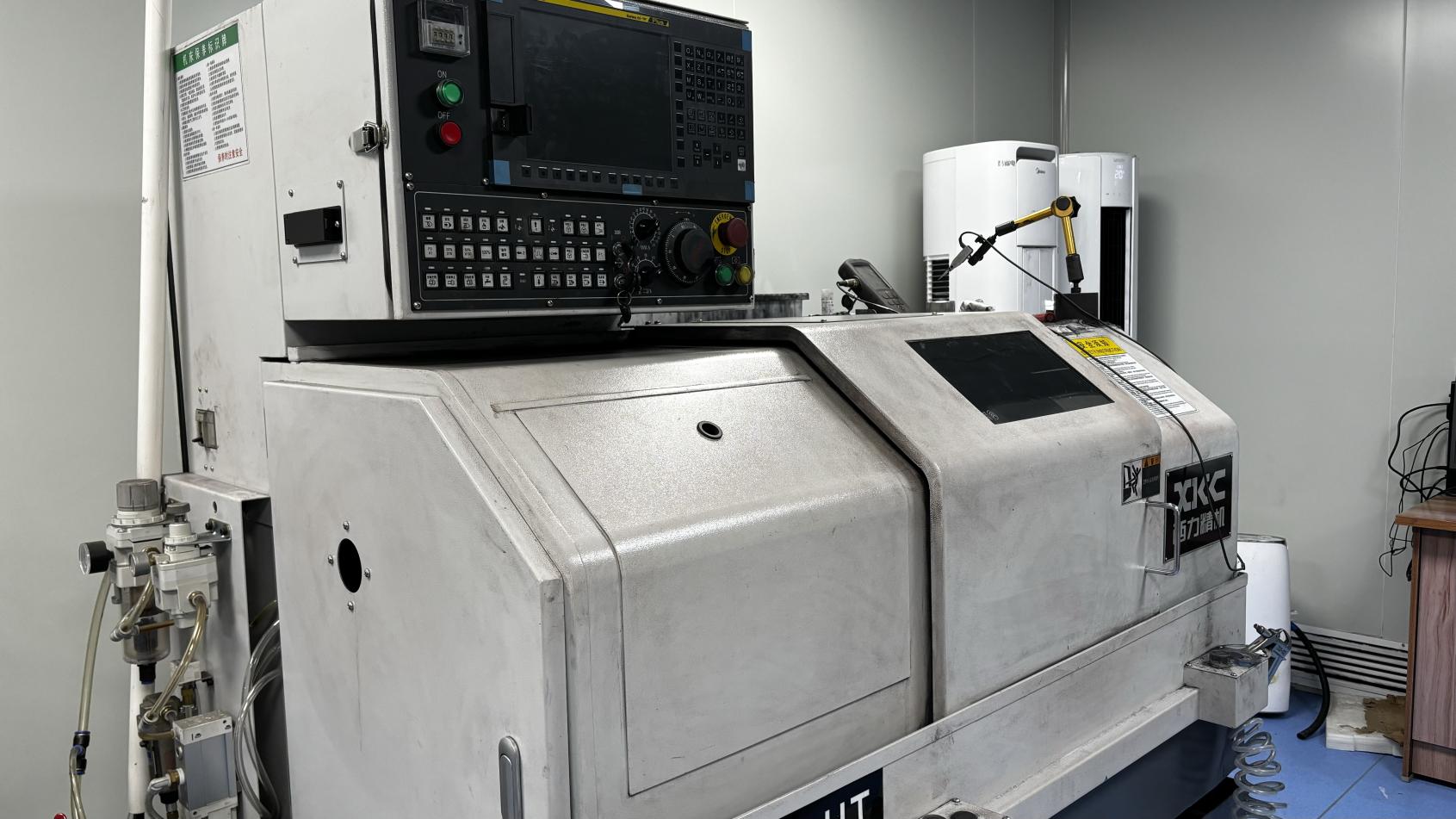
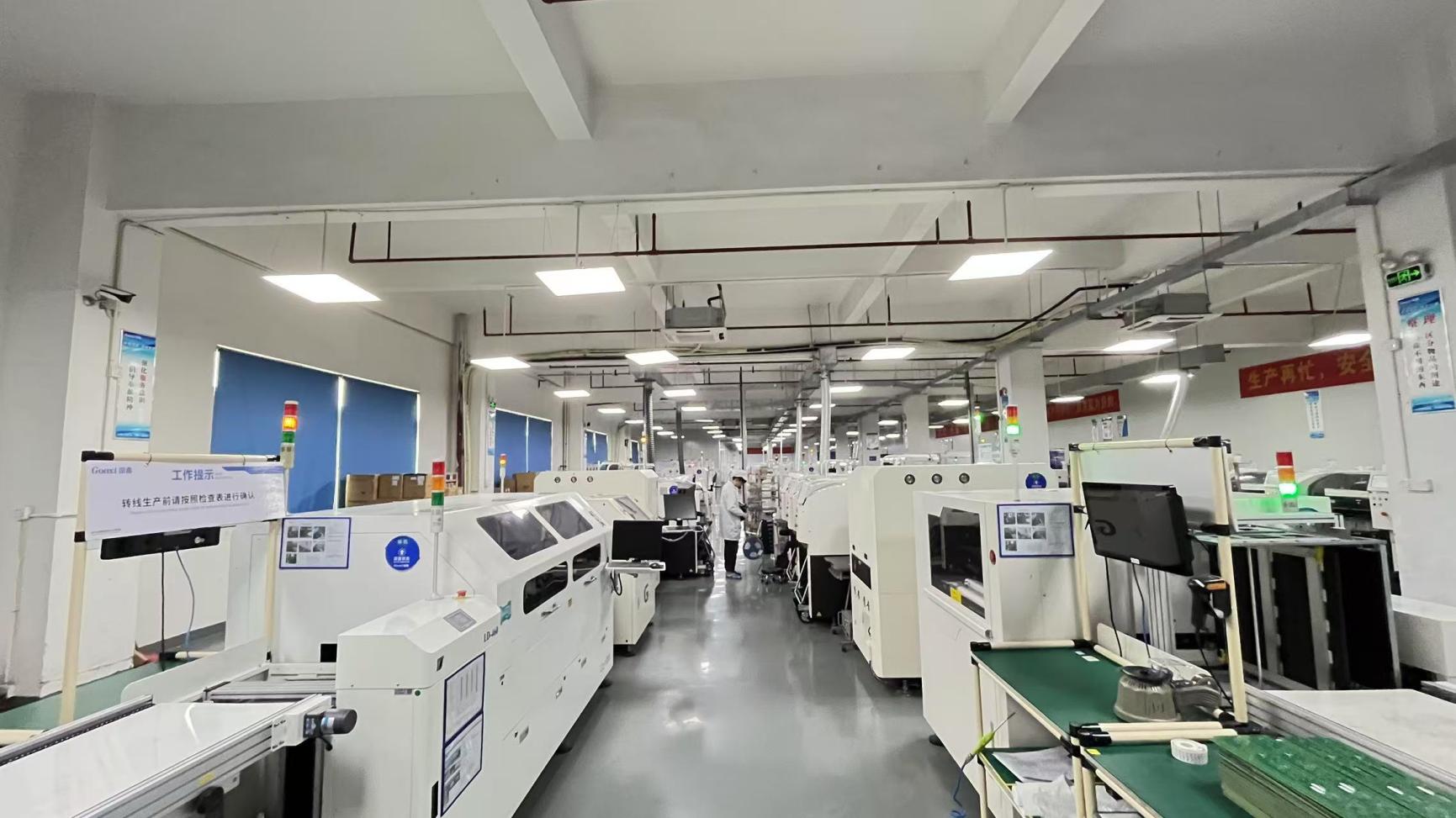
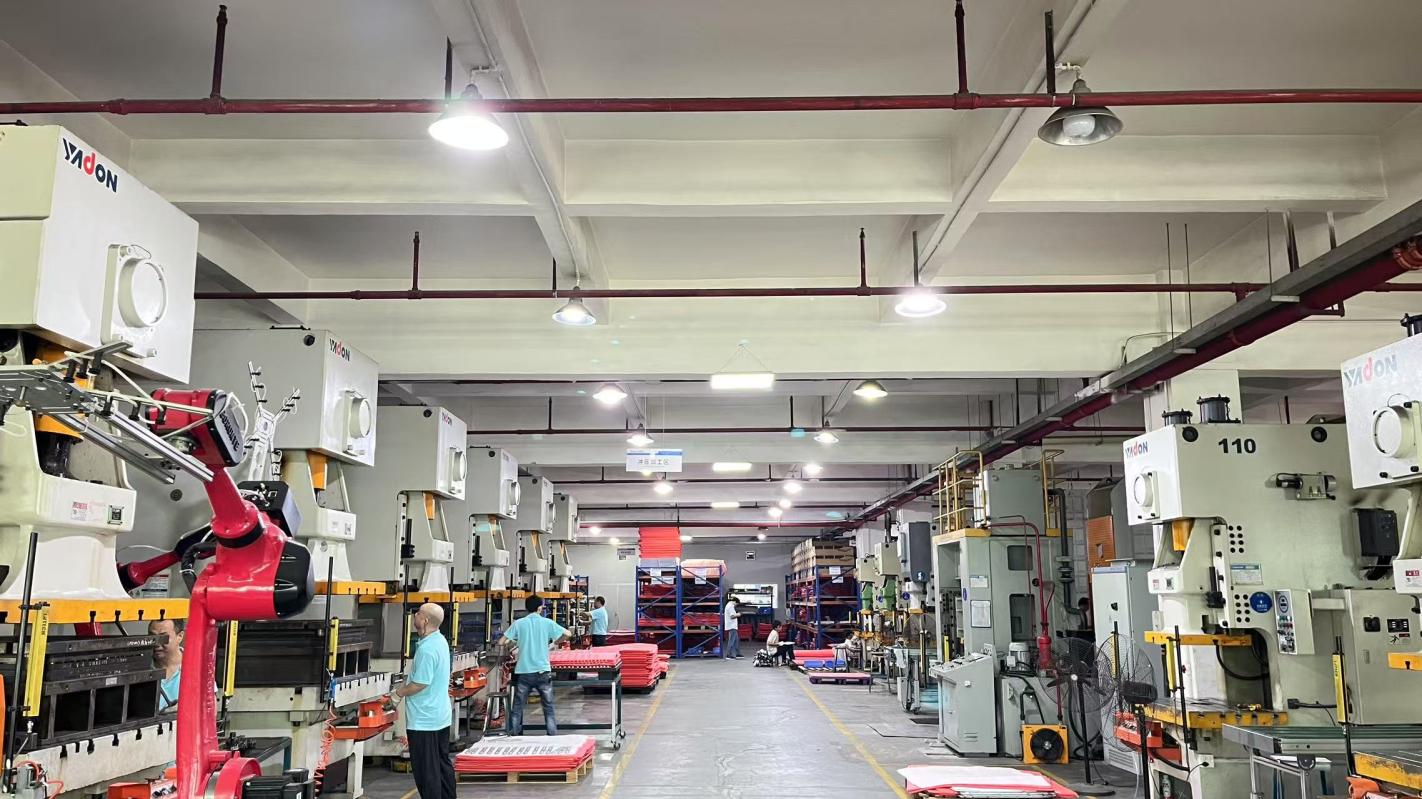
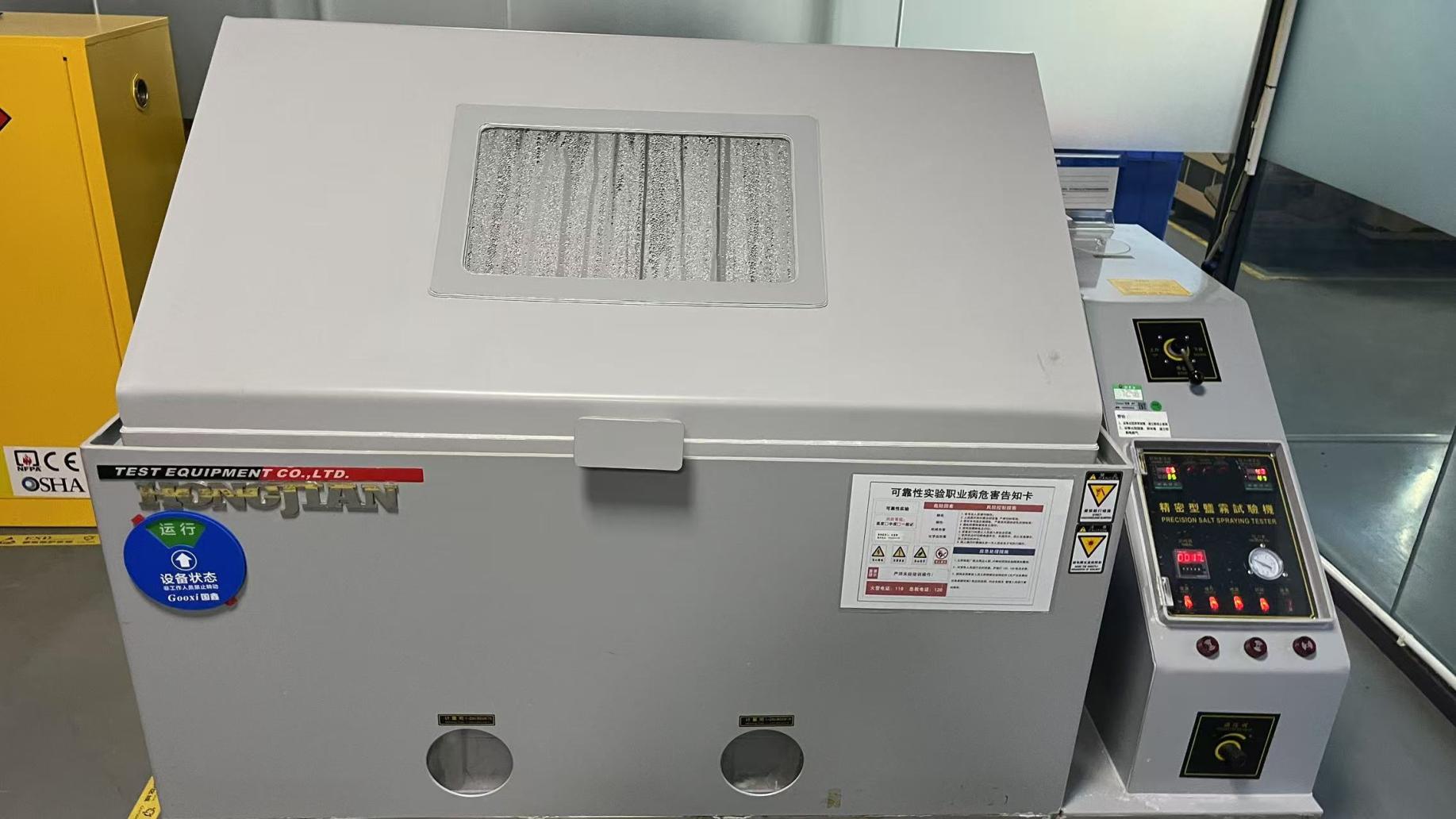
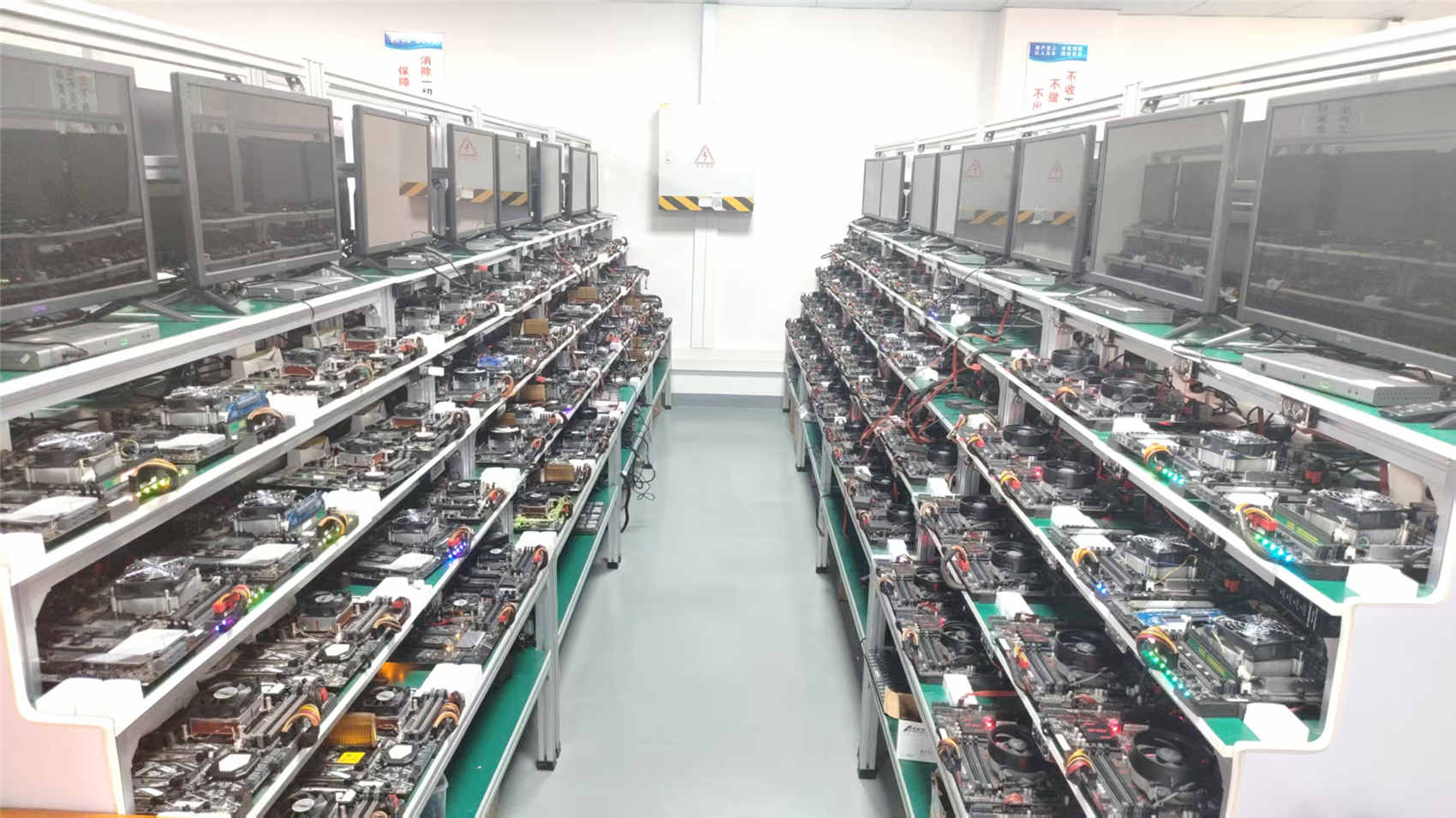
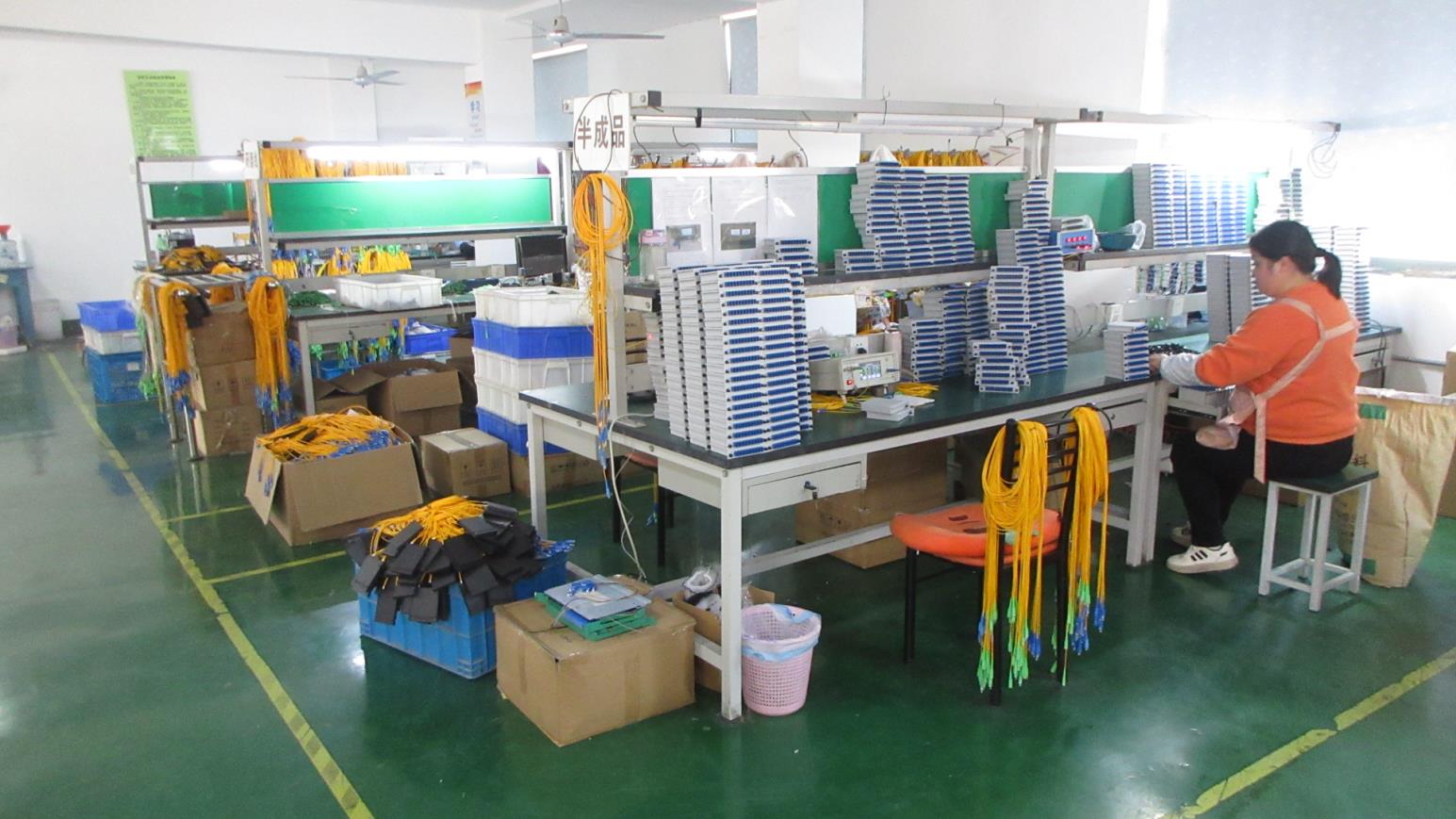
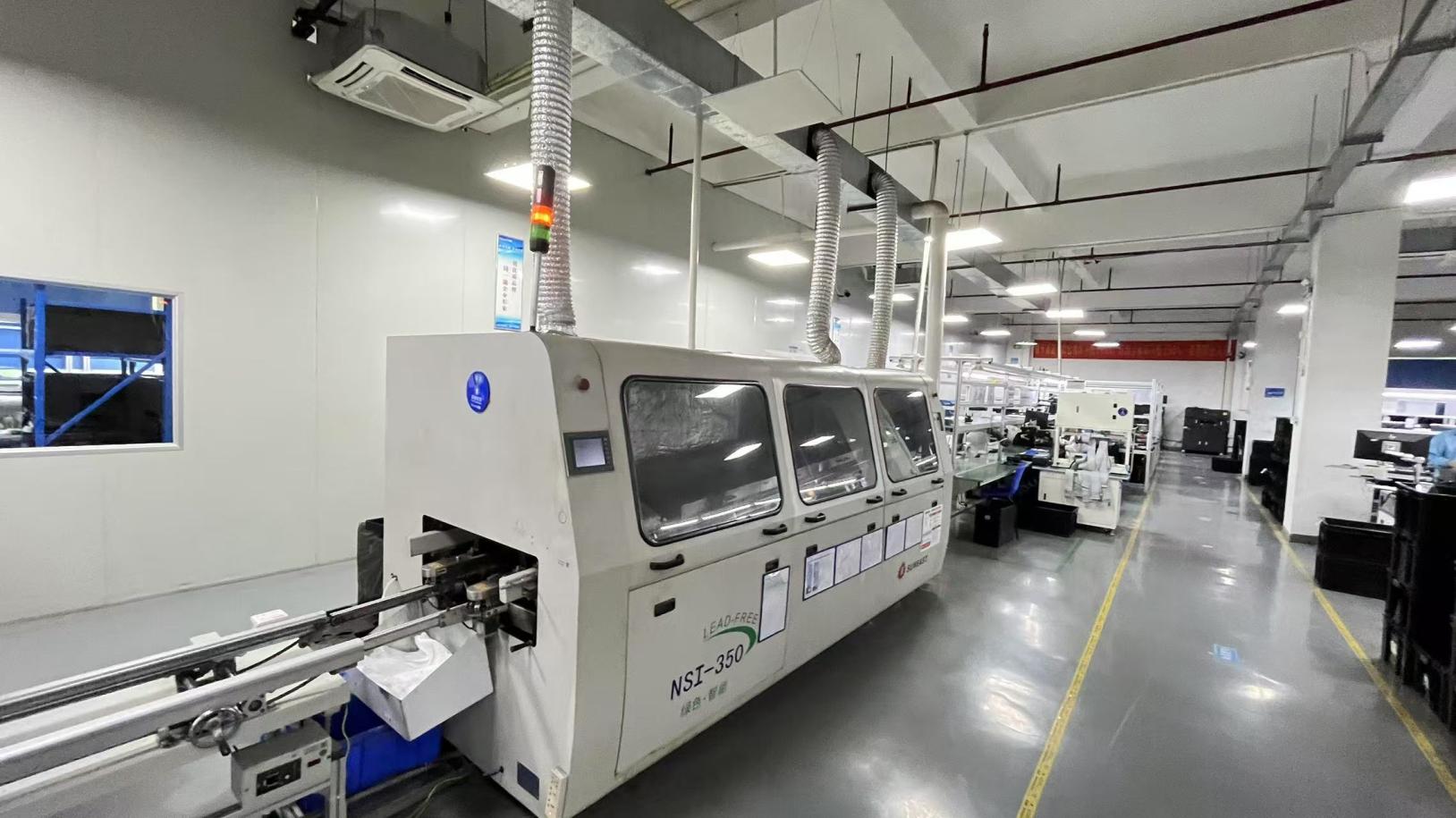
From municipal access to sub-station control: how FiberQ partners deploy 1.25G SFP transceivers.
In large-scale corporate campuses and educational networks, reliability is a prerequisite for productivity. FiberQ's 1.25G SFP modules provide cost-effective options for connecting floor distribution switches back to core routers. Our modules support hot-swapping and DOM technology, helping IT administrators monitor connection quality and address signal degradation before it impacts operations.
Modern municipal surveillance networks rely on high-bandwidth optical connections to link hundreds of remote HD security cameras back to central monitoring sites. By integrating FiberQ’s 1.25G BiDi transceivers, city planners can deploy single-fiber infrastructure to cut deployment costs while ensuring stable, real-time video streaming, even in demanding outdoor conditions.
Common questions regarding compatibility, customization, and factory operations answered by our senior engineers.
There is no functional hardware difference. In Ethernet systems, the line rate is 1.25 Gbps due to 8b/10b line coding, which translates to a net data transfer rate of 1.0 Gbps (Gigabit Ethernet). Both terms refer to the same transceiver class.
Generally yes, provided the host switch or router port supports dual-rate configuration (1G/10G) and the port speed is manually set to 1000 Mbps. However, compatibility depends on the host system's firmware capabilities.
DOM allows real-time monitoring of receiver power (Rx), transmitter power (Tx), temperature, and bias current. This data helps engineers detect fiber degradation or dirty connectors before a complete link outage occurs, making it critical for high-availability systems.
Our standard single-mode transceivers reach up to 80km (1000BASE-ZX) using 1550nm lasers. For specialized long-haul applications, we supply ultra-long-haul modules reaching 100km to 120km (1000BASE-EZX), utilizing high-performance DFB lasers and APD receivers.
Yes. With an engineering team of 240+ R&D specialists, we provide custom configurations including specific wavelength engineering, thermal-optimized casings for extreme environments, protocol compatibility tuning, and custom labelling.
High-budget optical transceivers for mid-to-long haul networks and specific deployment constraints.