FiberQ
FiberQ
FiberQ
High-frequency optical components engineered to support high-density telecommunication systems and low-latency network nodes.
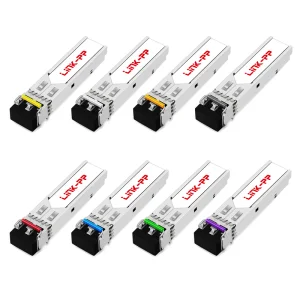
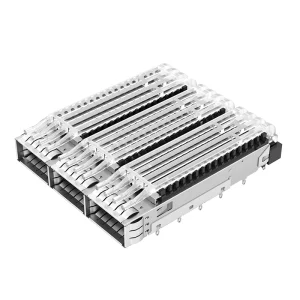
In modern high-speed telecommunications and hyperscale data environments, Small Form-Factor Pluggable (SFP) cages represent the foundational mechanical and electromagnetic framework. These precision metal enclosures house active optical and copper transceivers, securing physical alignment, establishing redundant ground paths, and facilitating continuous heat dissipation. As data transmission requirements scale past 25 Gbps per channel toward 112 Gbps and beyond, the design tolerances of these cages dictate overall signal integrity and system-level performance.
A high-quality SFP cage acts as a critical Faraday cage, containing high-frequency electromagnetic interference (EMI) generated by high-power optical sub-assemblies (OSAs). Without precise mechanical margins, micro-gaps between the transceiver module and the cage walls allow slot radiation. This results in signal degradation and failure to meet strict FCC and CE electromagnetic compliance criteria. For engineering teams deploying modular networks, partnering with a specialized manufacturer who utilizes advanced copper alloys and multi-point EMI spring fingers is essential for long-term operational resilience.
“As transmission frequencies rise, physical components face tighter design margins. A dimensional deviation of just 0.02 mm in a press-fit pin can compromise the grounding path, causing impedance mismatches and higher packet drop rates in high-frequency switches.”
Electro-Magnetic Compatibility (EMC) is a primary concern in PCB layout designs containing multiple stacked or ganged SFP ports. Advanced SFP cages utilize integrated spring fingers or conductive elastomeric gaskets that compress against the transceiver housing during insertion. This multi-point contact system ensures low-resistance grounding paths to both the system bezel and the host board ground planes.
Key design attributes for EMI shielding include:
Modern transceivers—especially coherent optical modules, ZR/ZR+ links, and dense copper cables—generate significant heat, sometimes exceeding 5W to 8W per module. Without efficient thermal management, module internal temperatures can quickly surpass operational limits, leading to laser wavelength drift and hardware damage. SFP cage manufacturers address this by integrating dedicated copper or aluminum heat sinks directly onto the cage roof, held in place by low-profile clip mechanisms. The physical contact interface between the transceiver and the heat sink is optimized using highly compressible thermal interface materials (TIMs), maximizing conductive heat transfer into the chassis airflow stream.
Mapping the transition from standard gigabit interfaces to next-generation dense multi-lane architectures.
Transitioning from 1x1 single-port cages to 1xN ganged and 2xN stacked configurations. This maximizes faceplate density in standard 1RU switches while maintaining signal path integrity.
Redesigning the layout of grounding contact fingers and using advanced plated finishes. This prevents radiation leakage at frequencies associated with 112G PAM4 and 224G transmission technologies.
Developing advanced press-fit pin profiles that reduce insertion forces. This helps prevent host PCB damage during assembly while maintaining low contact resistance.
For international procurement directors, purchasing engineers, and global technology distributors, securing high-frequency SFP cages is not just a matter of price per unit. It requires strict adherence to international mechanical standards, signal integrity requirements, and environmental compliance frameworks. The components must align with Multi-Source Agreements (MSAs), which standardize mechanical footprints and interface configurations. This allows modules from different manufacturers to interoperate seamlessly.
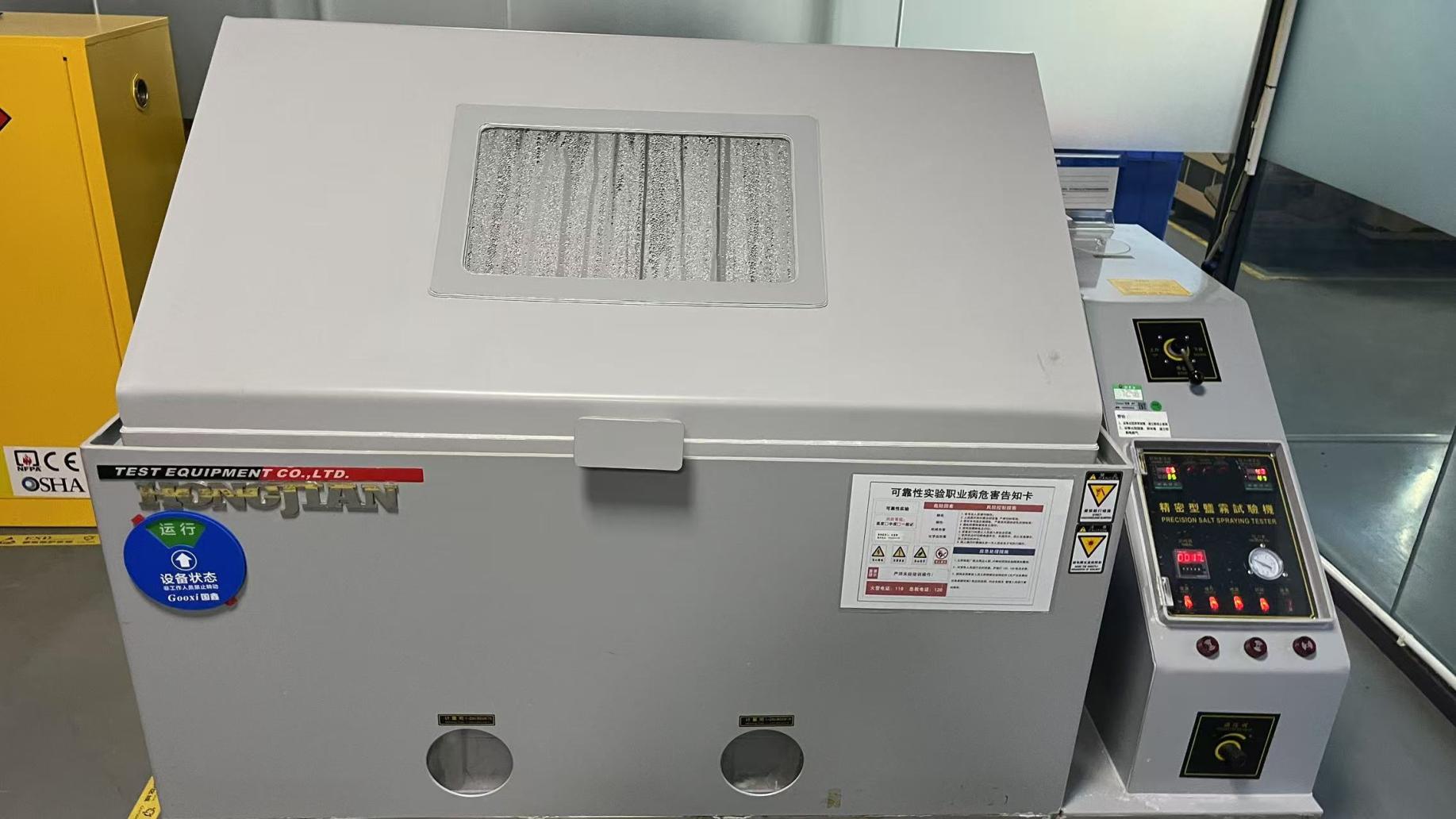
FiberQ Photonics Technology Co., Ltd. implements strict quality assurance protocols at every stage of the manufacturing process. A dedicated team of 62 experienced inspectors monitors the production cycle, from raw material inspection through progressive die stamping to final surface plating. SFP cages must undergo automated optical inspection (AOI), insertion/extraction cycle testing, and micro-ohm resistance evaluations to ensure compliant pins maintain signal integrity under thermal stress.
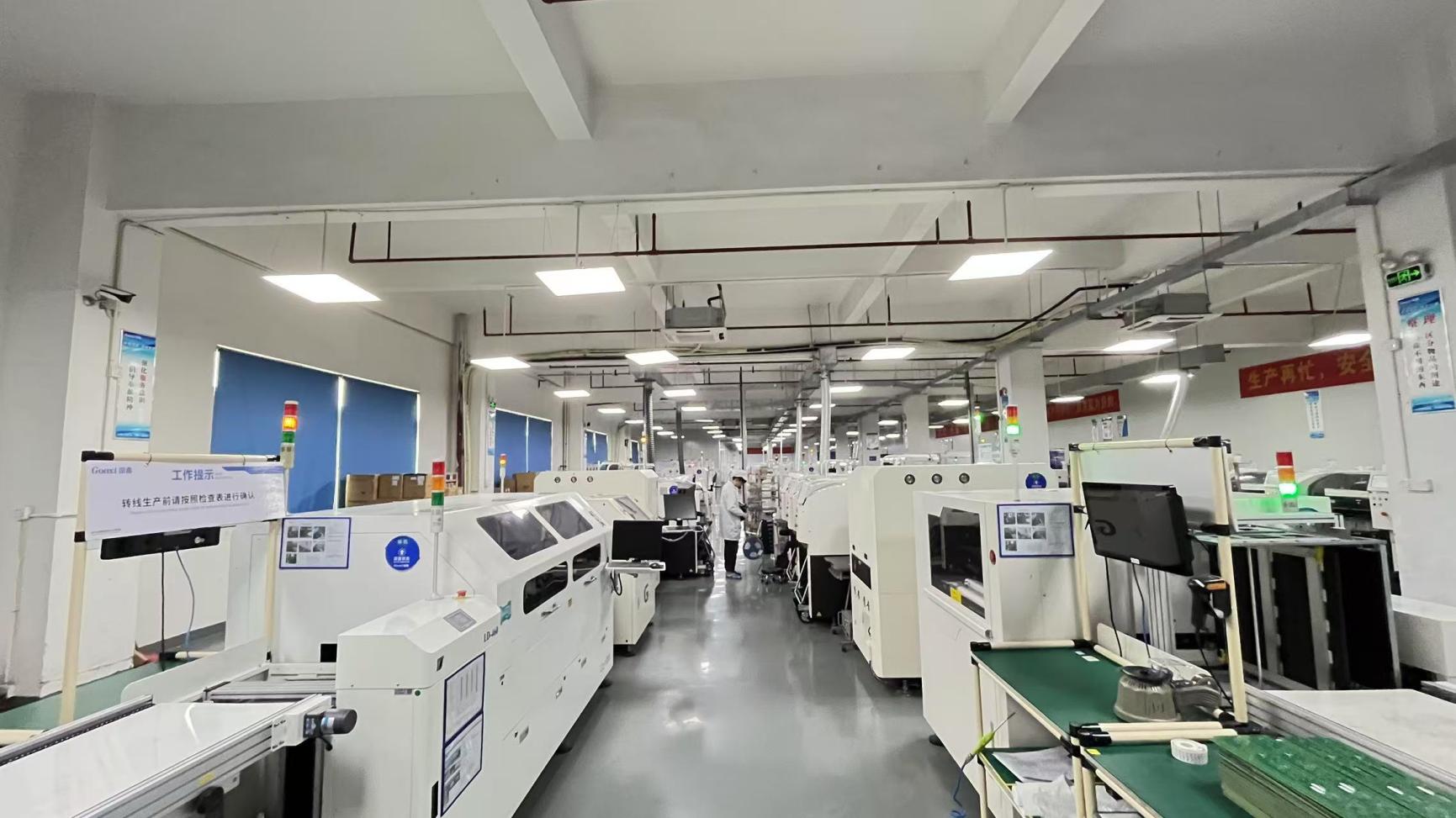
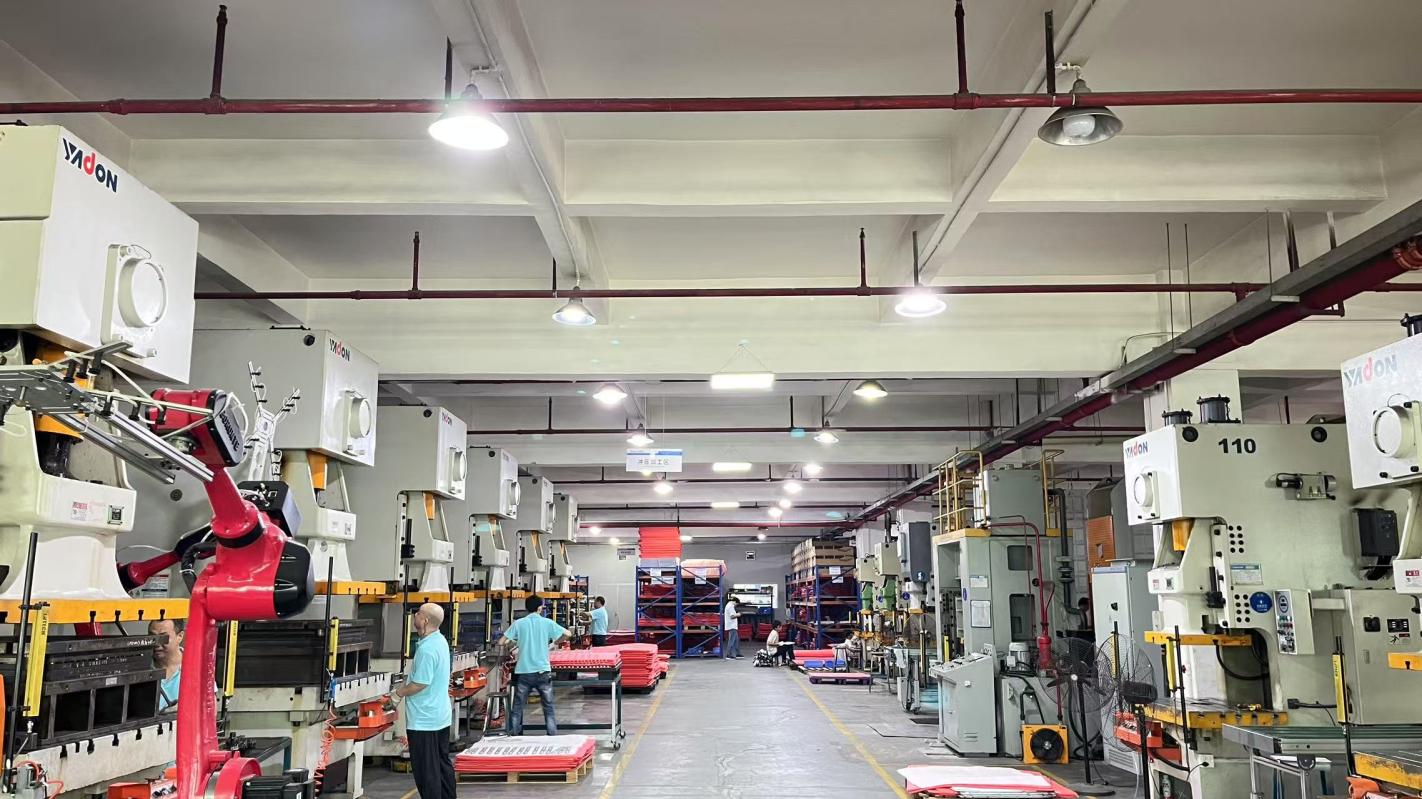
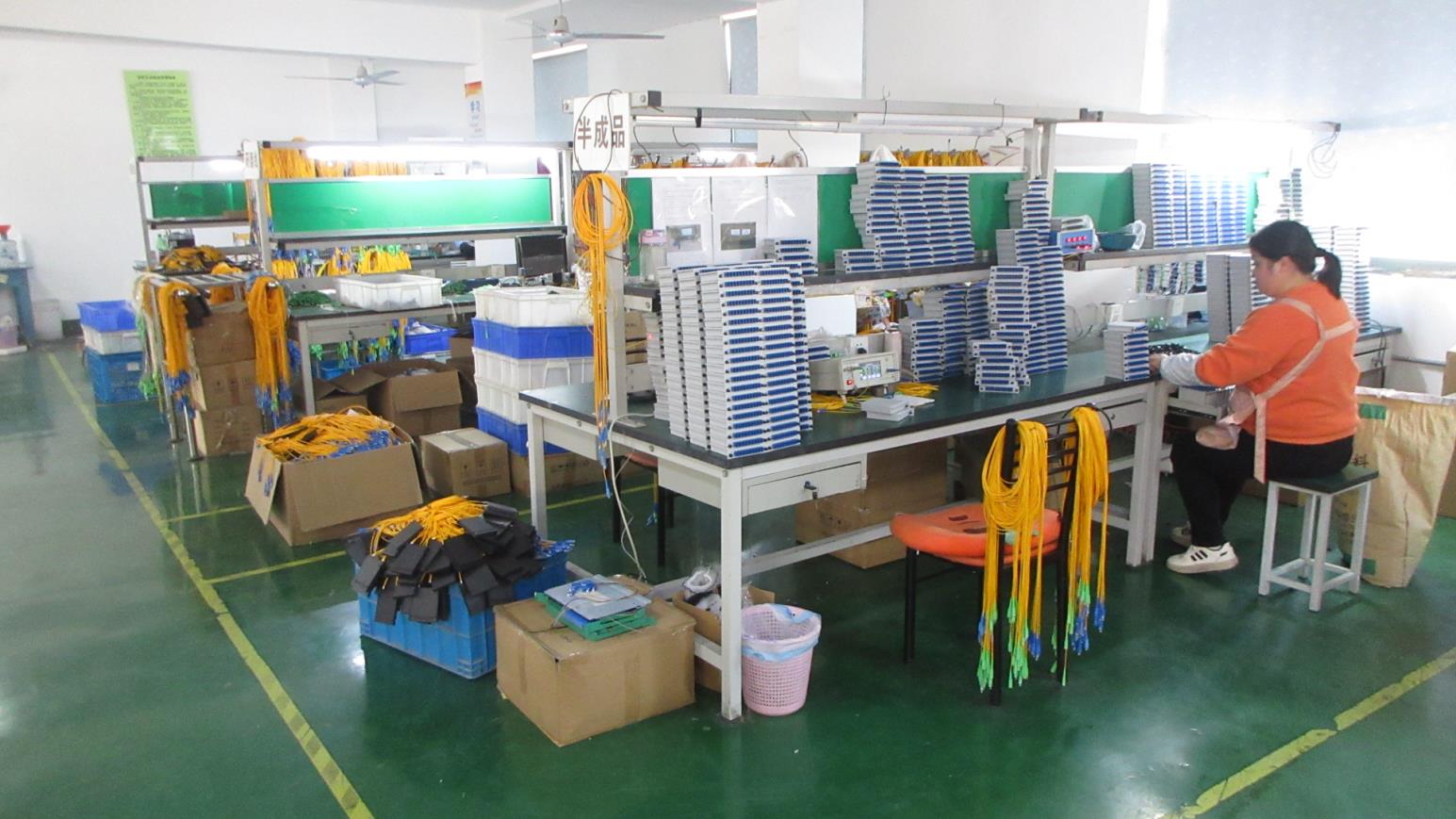
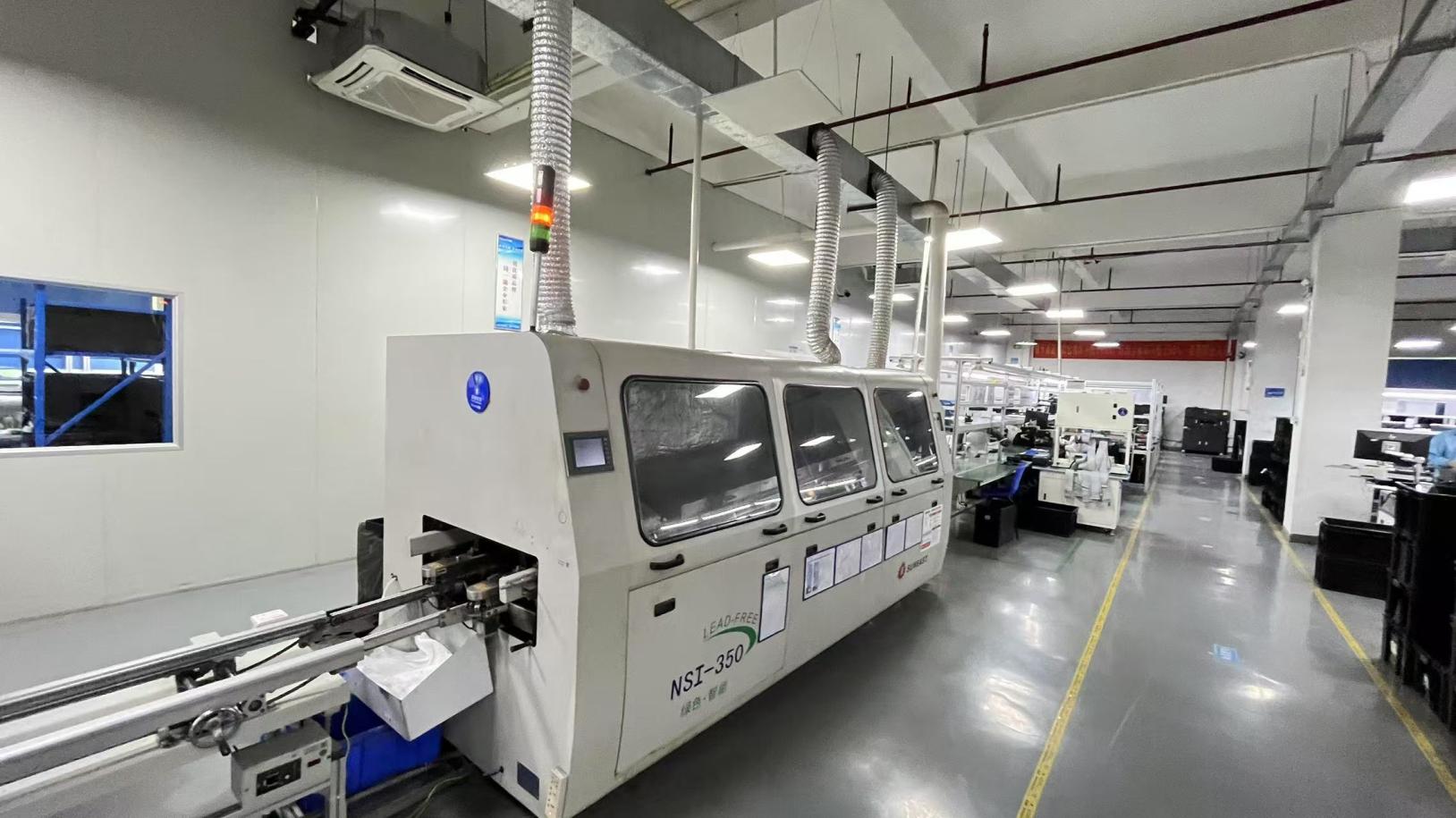
Operating a modern, automated production facility covering 12,600㎡, FiberQ integrates smart manufacturing principles (Factory 4.0) to optimize production schedules. By combining precision high-speed stamping presses with real-time quality feedback loops, we deliver both high-volume output and custom configuration flexibility. This setup allows us to manufacture custom multi-port ganged or stacked cages with specialized heat sinks and lightpipe configurations tailored to client specifications.
Our supply chain network, consisting of over 1,450 vetted partners, secures stable access to high-quality raw materials, including specialty copper-nickel-silicon alloys. This robust supply framework mitigates material cost volatility, ensuring reliable production scheduling and lead times. It helps global customers manage project timelines even amid changing trade landscapes.
Exploring the deployment of advanced interconnect shielding across diverse global environments.
In high-density environments like Northern Virginia, stacked 2xN SFP/QSFP cages with customized pin-fin heat sinks are deployed to support continuous airflow, keeping high-performance transceivers running within safe thermal limits.
Deployed in outdoor cabinets across Germany and the UK. These configurations require SFP cages with advanced environmental sealing and corrosion-resistant plating to withstand temperature swings and humidity ingress.
Used on industrial factory floors in Japan, where machinery vibrations are common. Our heavy-duty press-fit designs prevent transceiver dislocation and signal interrupts under mechanical stress.
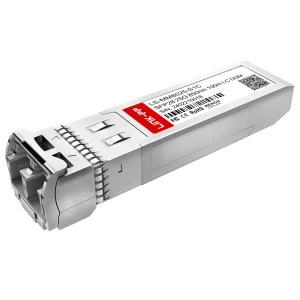
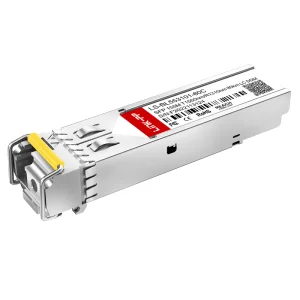
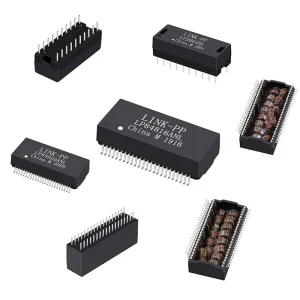
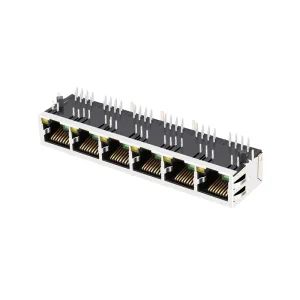
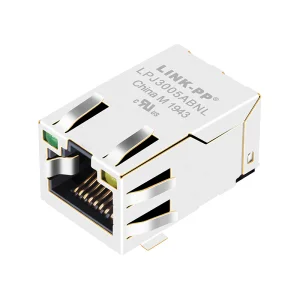
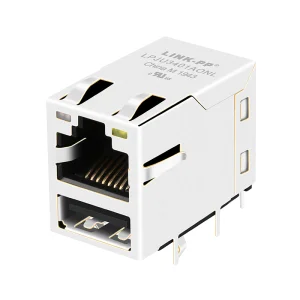
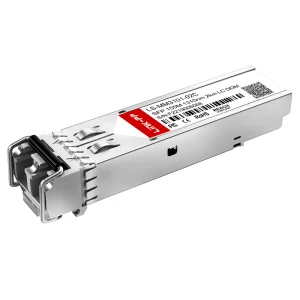
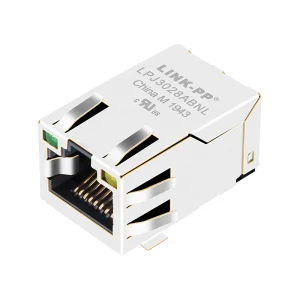
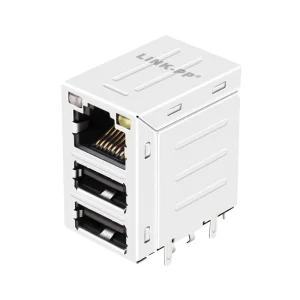
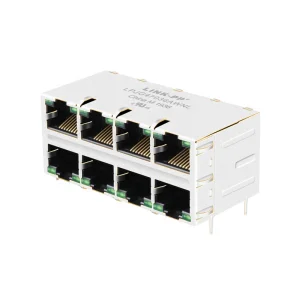
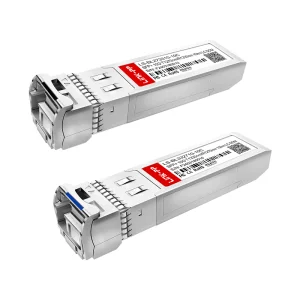
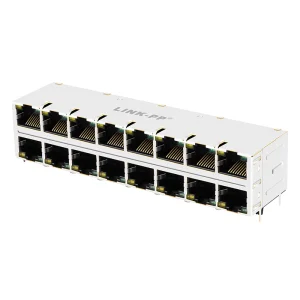
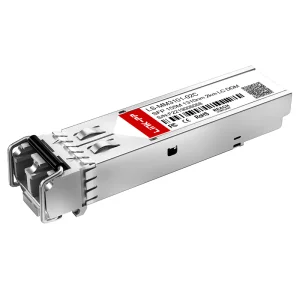
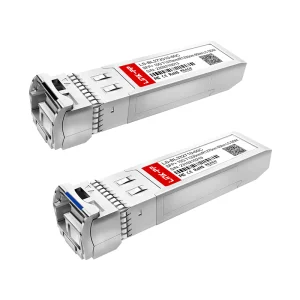
Select from our range of compatible optical transceivers, network transformers, and high-density shielded RJ45 connectors.
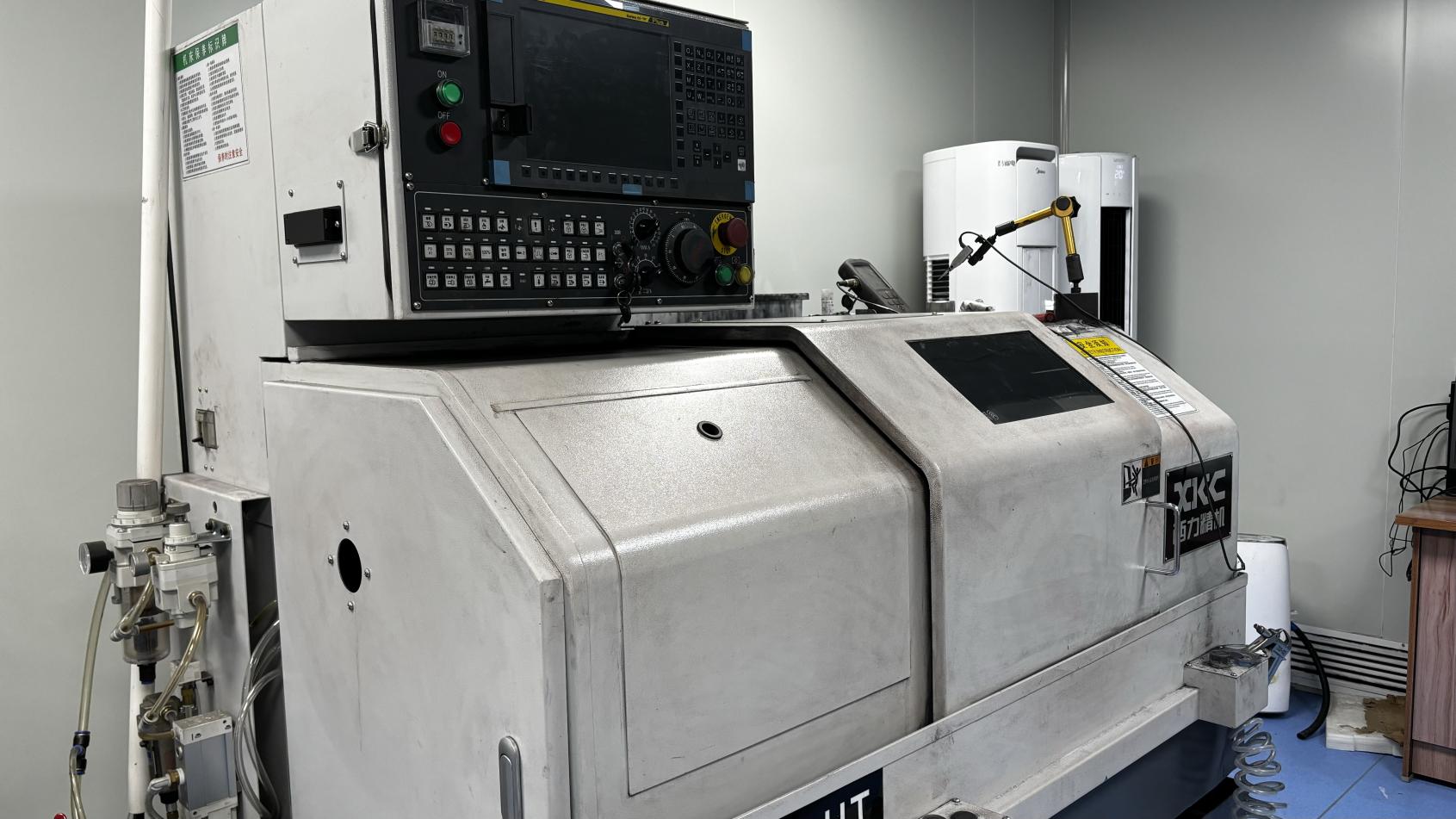
Inside our 12,600㎡ production facility, optimized for high-capacity precision assembly and optical testing.