 FiberQ
FiberQ
FiberQ
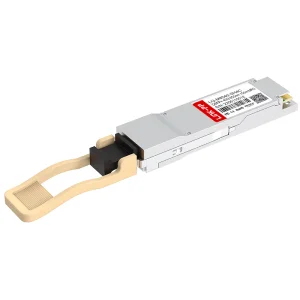
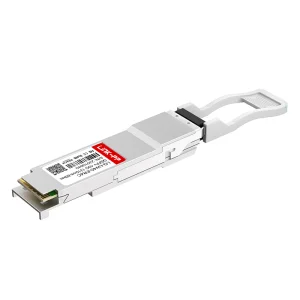
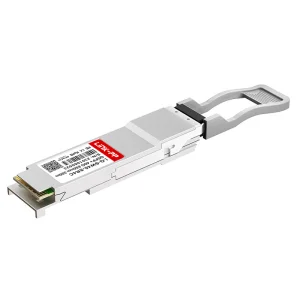
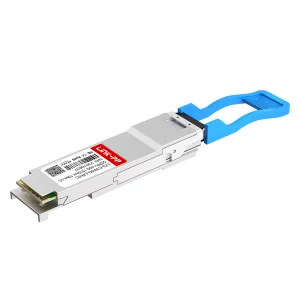
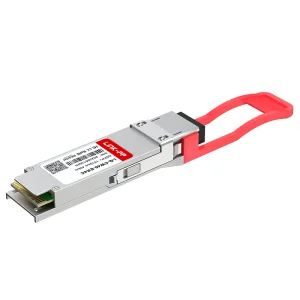
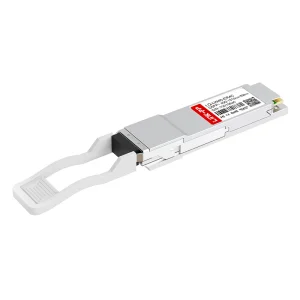
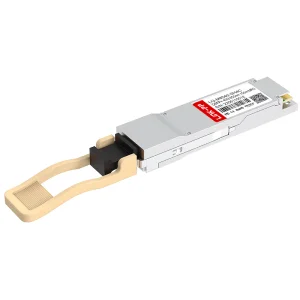
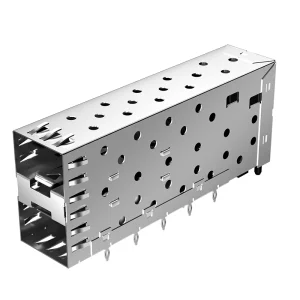
As network infrastructures scale up to accommodate high-frequency data processing, AI/ML computing workloads, and high-performance computing (HPC) clusters, finding a reliable partner for optical transport layers is crucial. FiberQ Photonics Technology Co., Ltd. is a leading manufacturer specializing in high-performance fiber optic transceivers and advanced photonic communication solutions. Since 2015, FiberQ has designed and produced cutting-edge components for global data centers, telecom networks, and high-speed interconnect applications.
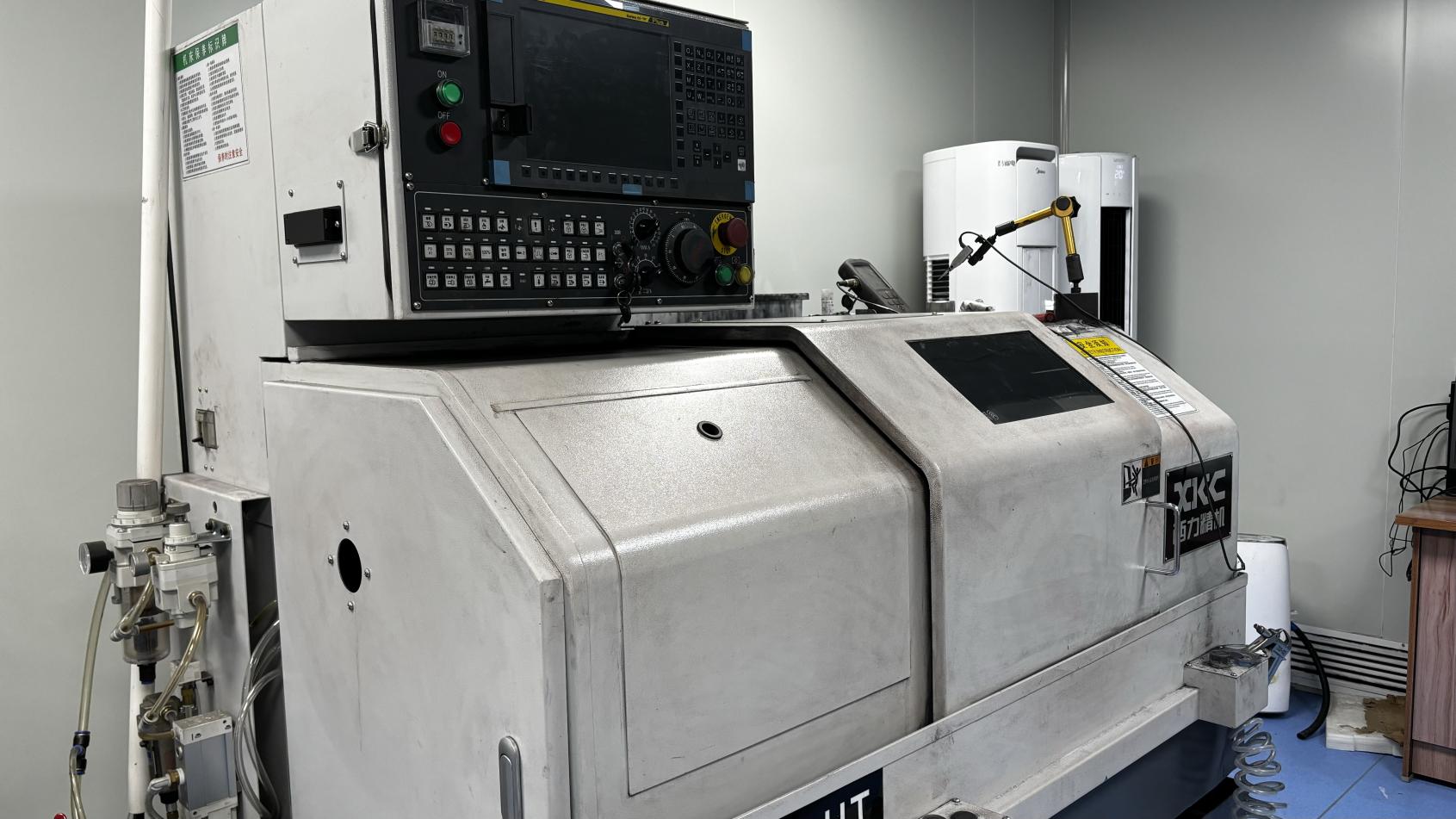
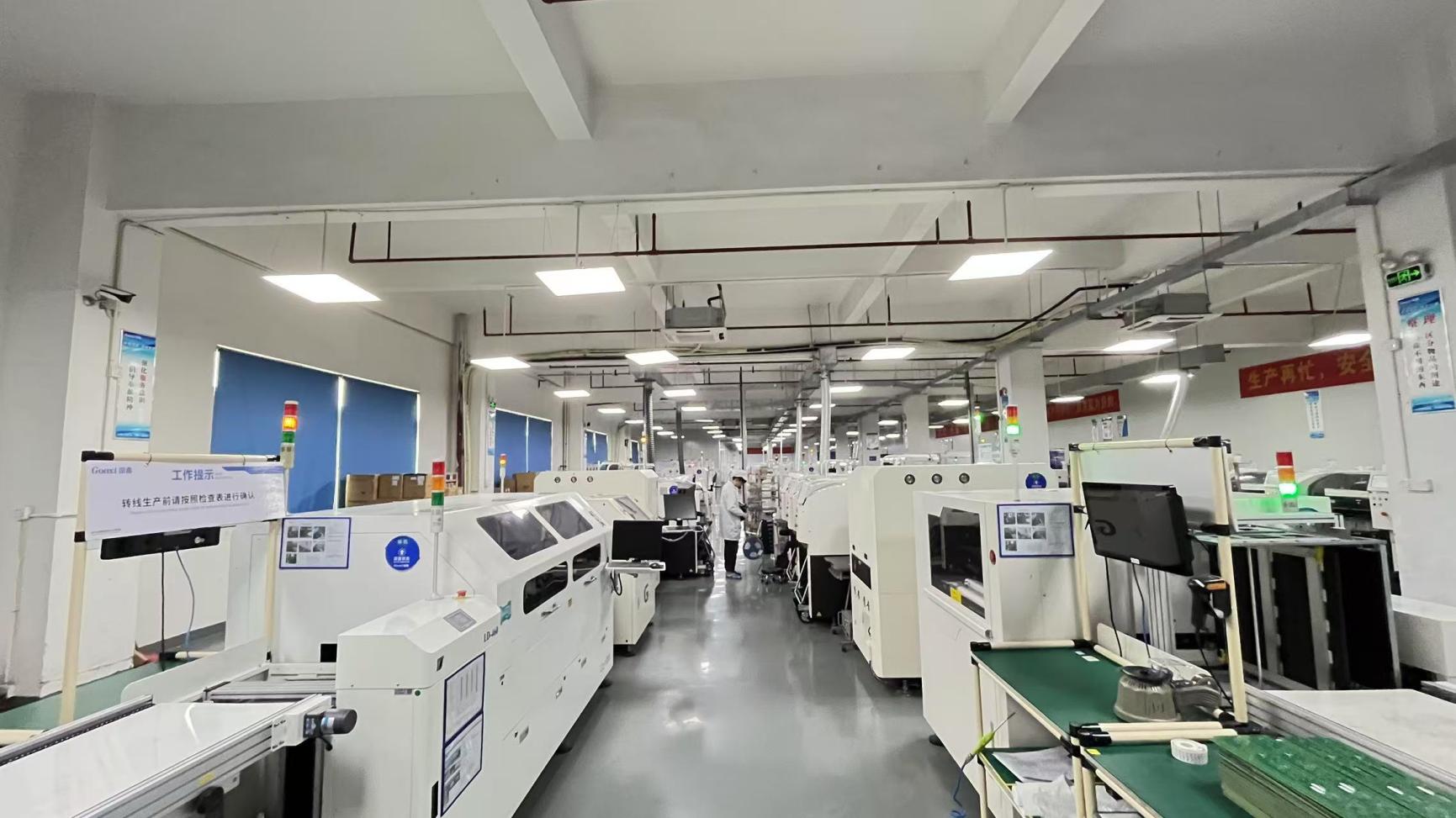
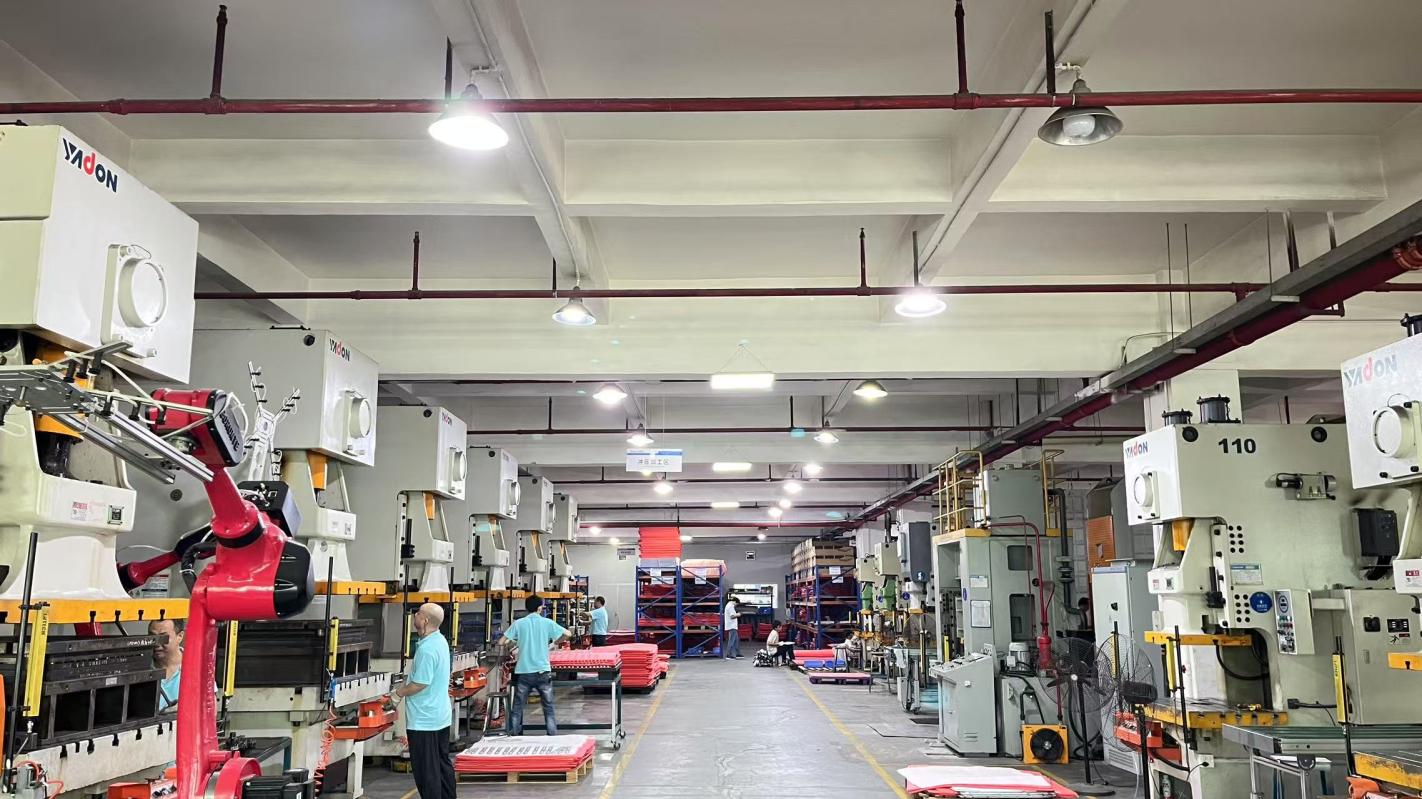
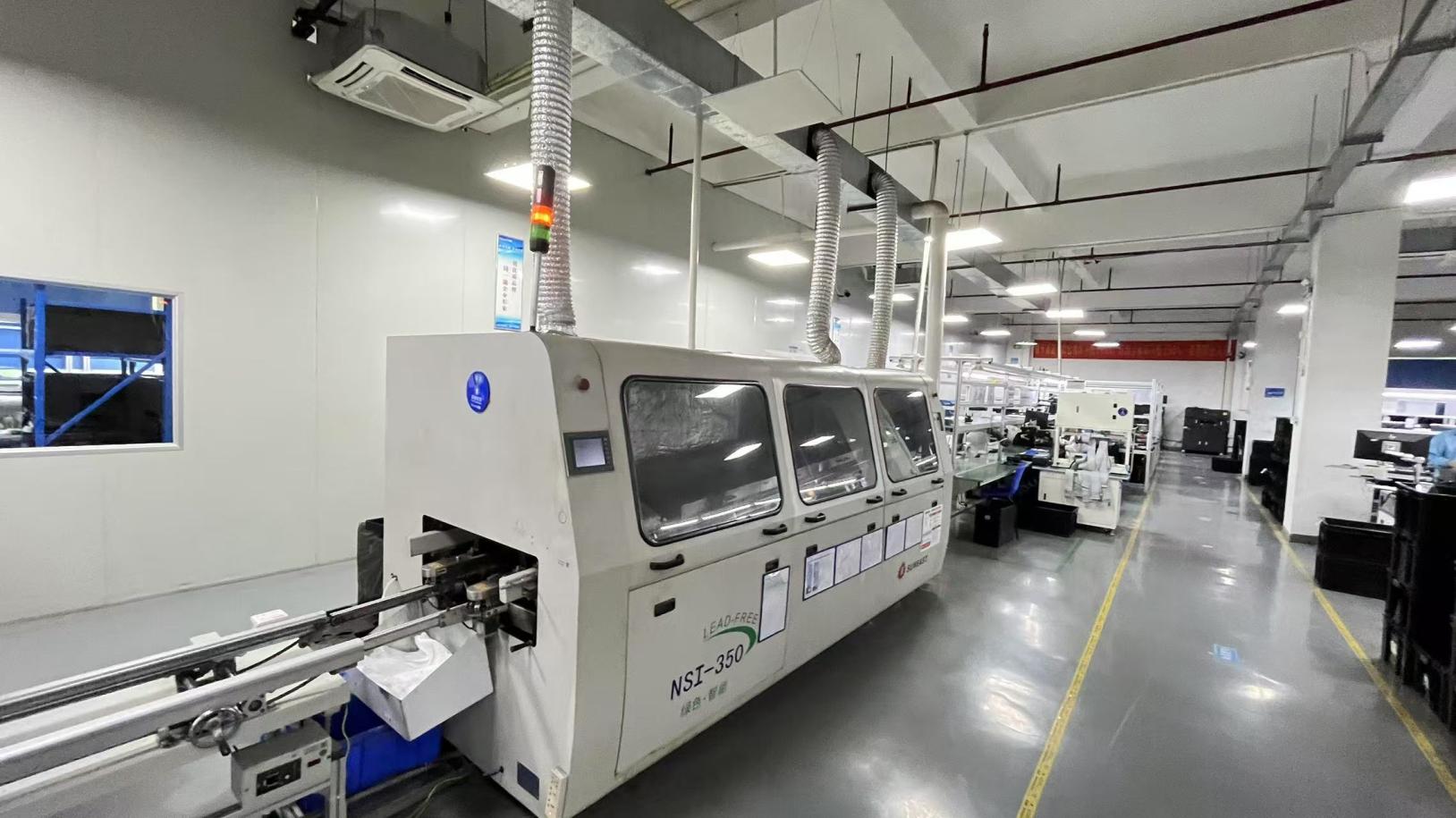
Our manufacturing philosophy is grounded in physical and optical precision. High-speed 40G QSFP+ transceivers rely on precise optoelectronic alignment and signal processing. With a state-of-the-art facility spanning 12,600㎡, we design our transceivers to comply with, or exceed, industry standard multisource agreements (MSAs). This ensures our products deliver superior thermal stability, low power consumption, and reliable Bit Error Rate (BER) performance under various operational conditions.
The Quad Small Form-factor Pluggable Plus (QSFP+) transceiver is a compact, hot-pluggable optical module used for 40 Gigabit Ethernet (40GbE) networks. It integrates four independent transmit and receive channels, each operating at 10.3125 Gbps. This aggregate bandwidth of 41.25 Gbps provides dense optical port allocation for core switches, enterprise distribution layers, and telecom transmission units.
Depending on the transmission distance and fiber cabling architecture, 40G QSFP+ modules use different physical interfaces:
| Module Type | Wavelength | Fiber Type | Connector Type | Max Link Length | Typical Power Consumption |
|---|---|---|---|---|---|
| 40GBASE-SR4 | 850nm | MMF (OM3/OM4) | MPO-12 | 100m (OM3) / 150m (OM4) | < 1.5 W |
| 40GBASE-SR BiDi | 850nm / 900nm | MMF (OM3/OM4) | Duplex LC | 100m (OM3) / 150m (OM4) | < 1.5 W |
| 40GBASE-LR4 | 1271, 1291, 1311, 1331nm | SMF | Duplex LC | 10km | < 3.5 W |
| 40GBASE-ER4 | 1271, 1291, 1311, 1331nm | SMF | Duplex LC | 40km | < 3.5 W |
| 40GBASE-ZR4 | 1271, 1291, 1311, 1331nm | SMF | Duplex LC | 80km | < 4.0 W |
While next-generation hyperscale data centers are adopting 100G, 400G, and 800G, 40G QSFP+ transceivers remain critical in B2B enterprise networking, edge nodes, and industrial computing clusters. In many distribution rings, upgrading switch infrastructure is not cost-effective. Operators prefer using 4x10G breakout configurations or direct 40G links to optimize bandwidth. Our R&D team continuously refines 40G performance, introducing newer architectures like the 40G BiDi to support these upgrades.
B2B buyers require reliable compatibility with legacy network switch hardware. FiberQ ensures our 40G QSFP+ transceivers work seamlessly with Cisco, Arista, Juniper, HPE, Dell, and other major platforms. We accomplish this by writing custom EEPROM code tailored to each switch manufacturer's proprietary OS. This eliminates vendor lock-in and reduces CapEx budgets by up to 60% compared to buying original equipment manufacturer parts.
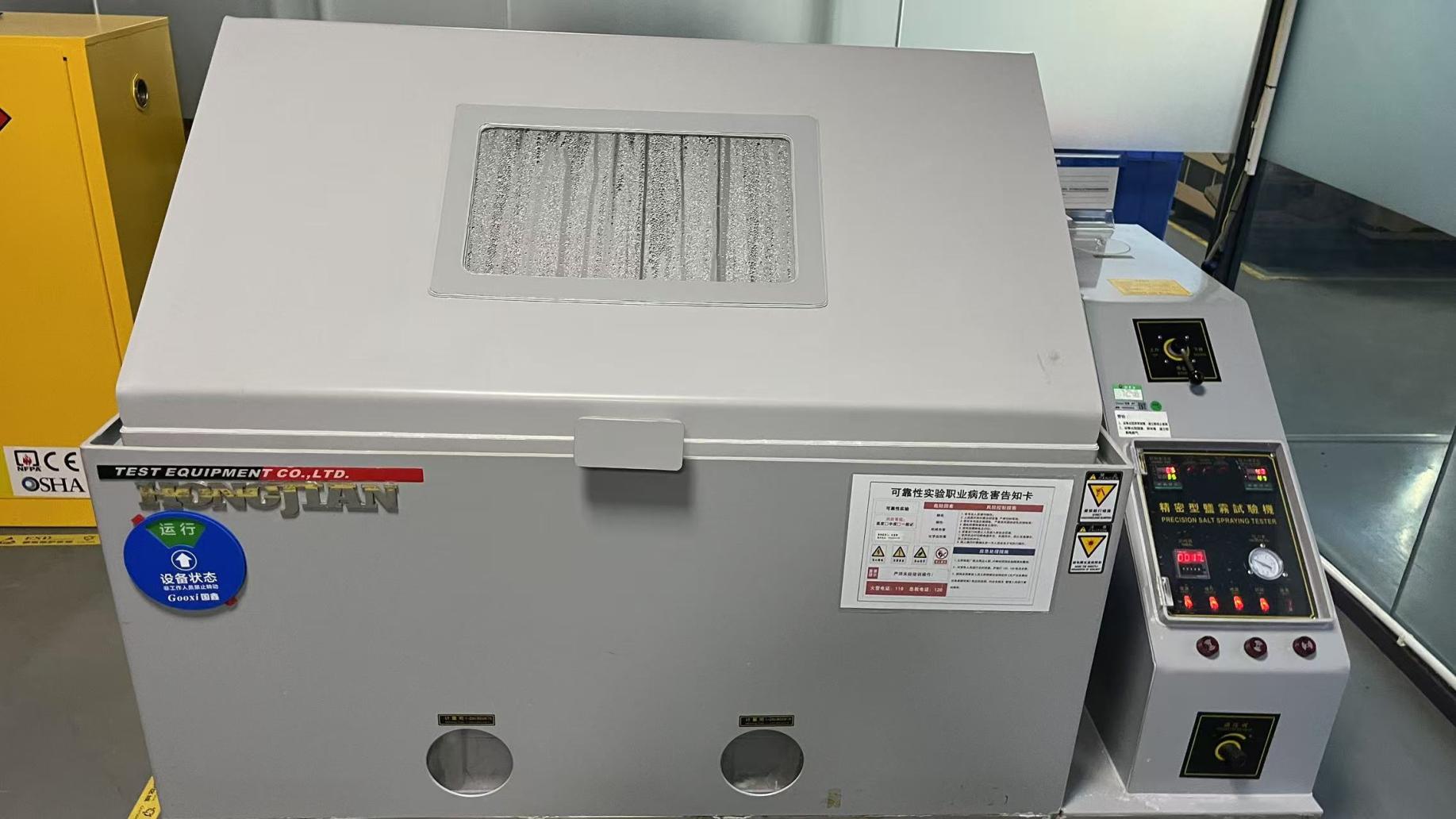
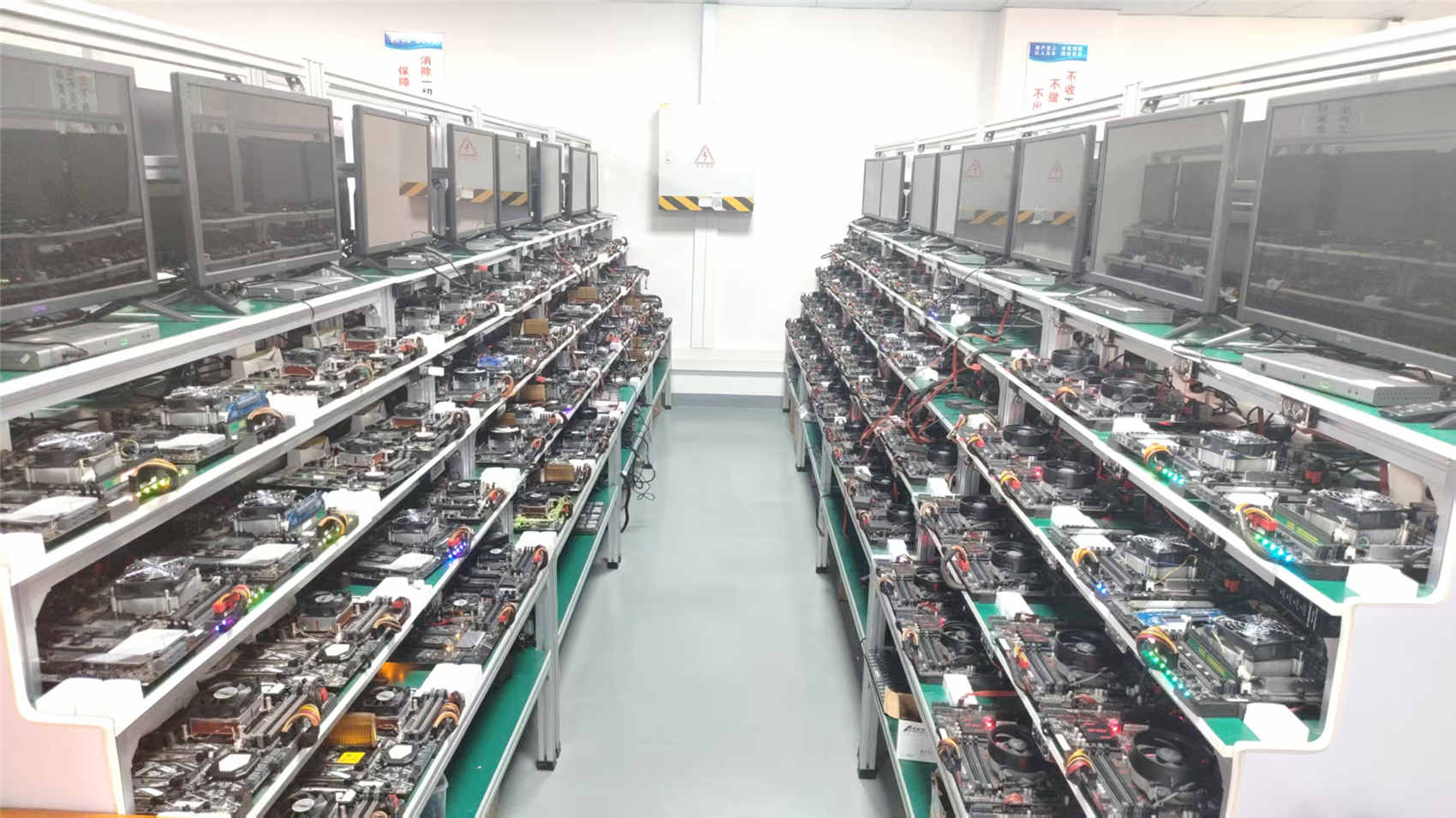
FiberQ is committed to providing reliable optical network products. With 62 experienced inspectors, our QA and QC protocols are designed to ensure every module meets industry standards. Optical transceivers can fail due to optical back-reflection, polarization discrepancies, or thermal degradation. To prevent these issues, our facility uses advanced testing equipment at every stage of production.
Our manufacturing facility features automated optical alignment tools, high-speed bit error rate testers (BERT), digital sampling oscilloscopes, and optical spectrum analyzers. These tools allow us to monitor optical eye diagrams, extinction ratios, and jitter profiles. Each transceiver undergoes 100% interoperability testing, high-temperature aging chambers, and physical cleaning protocols. This guarantees an MTBF (Mean Time Between Failures) exceeding 100,000 operational hours.
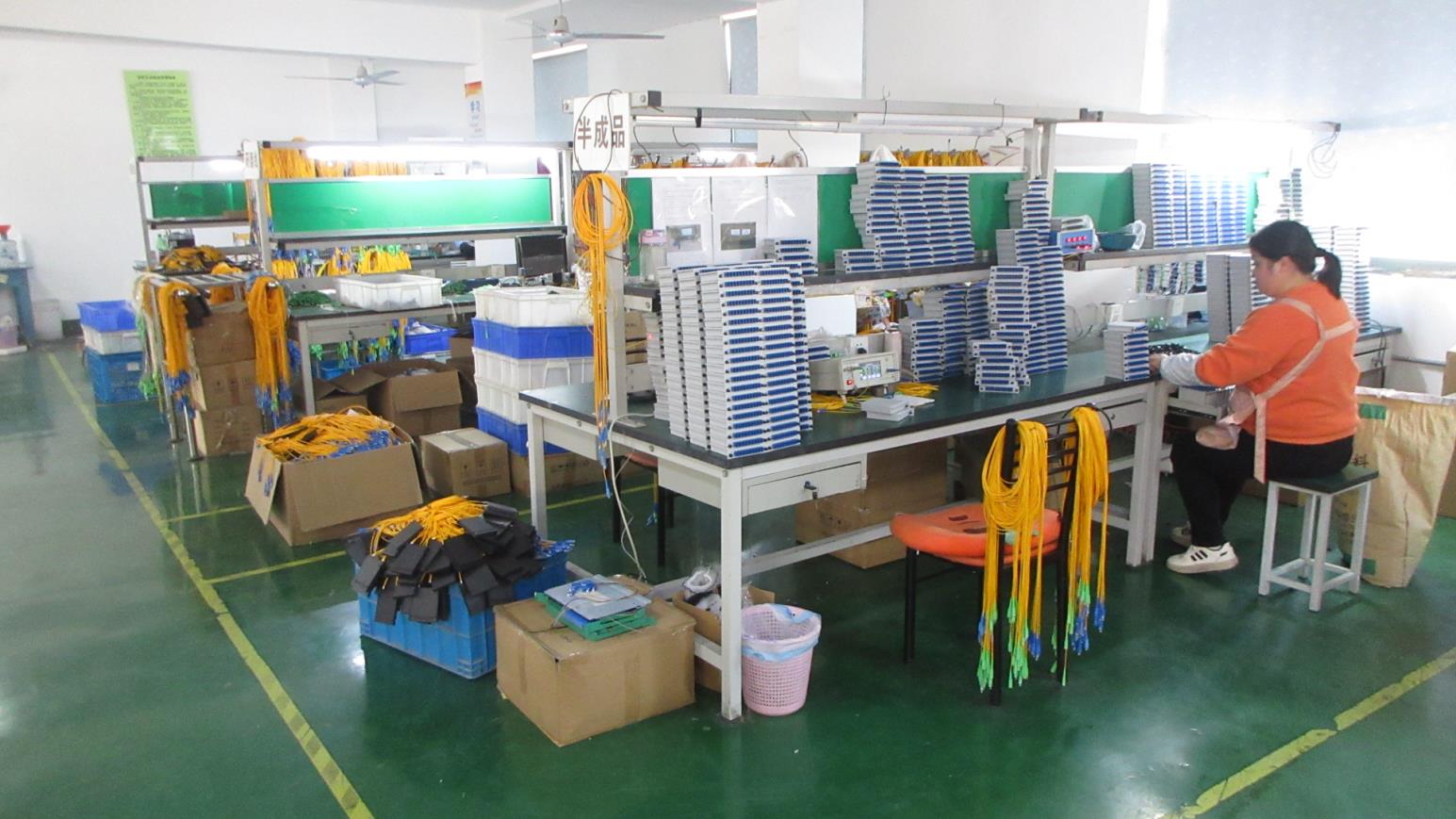
Managing international logistics and customs compliance requires deep industry experience. FiberQ operates a stable network of approximately 1,450 supply chain partners. This network guarantees steady access to critical raw materials like laser diodes, TOSA/ROSA components, and advanced PCB micro-controllers, protecting our production capacity from market fluctuations.
All FiberQ transceivers are designed and manufactured in compliance with major international safety standards:
Modules comply with FDA CDRH Laser Class 1 standards and IEC 60825-1 certifications, ensuring safe operation during live transceiver hot-plugging.
Fully compliant with FCC Part 15 Class B and CE EN 55022. This compliance ensures high shielding efficiency and prevents interference with nearby electronic systems.
Built with lead-free components in compliance with European Directive 2011/65/EU. This ensures all components meet environmental safety regulations.
Data center and telecommunication infrastructures are preparing for larger, faster data streams. As artificial intelligence, large language models (LLMs), and edge cloud computing expand, high-speed optical transceivers are adapting to meet higher performance requirements.
FiberQ continues to develop advanced optical transceivers to support these upgrades. Our R&D department is focused on designing high-speed, high-density optical hardware, including 100G, 200G, 400G, and 800G form factors. Last year alone, we introduced approximately 180 new products, demonstrating our focus on technical innovation.
Our development roadmap includes several advanced technological projects:
The SR4 transceiver uses a parallel multi-mode design that requires an MPO-12 connector, running over 8 optical fibers (4 transmit, 4 receive). The BiDi (Bidirectional) transceiver uses a duplex LC connector, transmitting two separate wavelengths (typically 850nm and 900nm) bidirectionally on the same fiber. This allows you to upgrade from 10G to 40G over existing duplex LC multi-mode cabling without needing to run new fiber patch cables.
We use an advanced EEPROM programming and verification process in our testing facility. Every transceiver is programmed with compatibility codes tailored to the host switch OS. We run interoperability checks on the specific target switch platforms to confirm that domestic and international diagnostic protocols (DOM/DDM) report accurate metrics without triggering system errors.
Our quality control team uses a multi-stage verification process: Automated Optical Performance testing for laser eye-diagram analysis, interferometric inspection of the connector end-faces to prevent signal loss, high-temperature environmental aging tests, and final manual physical checks. Our QA team is staffed by 62 experienced inspectors dedicated to maintaining product reliability.
Yes. FiberQ supports custom modifications, including wavelength configuration, thermal management adjustments, and long-range form factors. For long-distance spans, we design ER4 (40km) and ZR4 (80km) modules with cooled DML transmitters and high-sensitivity APD receivers, allowing links to operate reliably without external optical amplifiers.
Our products meet global regulatory and environmental standards, including CE, FCC Part 15, FDA CDRH Class 1 Laser Safety, RoHS, and REACH. This compliance ensures our transceivers can be integrated into enterprise networks, telecom centers, and corporate data sites worldwide.
We maintain partnerships with approximately 1,450 suppliers, which helps secure raw materials like laser diodes and optoelectronic micro-controllers. This network protects our production schedule from market shortages, allowing us to keep lead times stable for global orders.