FiberQ
FiberQ
FiberQ
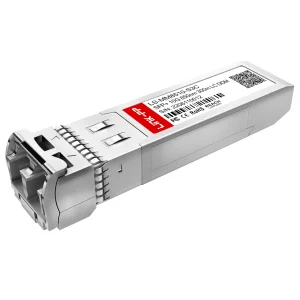
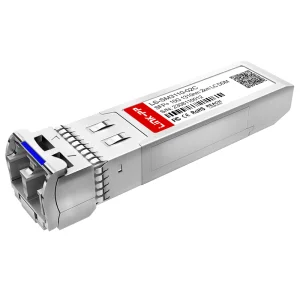
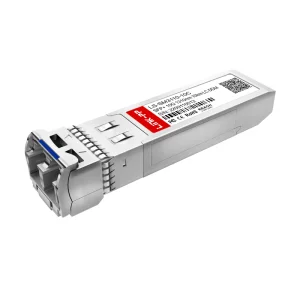
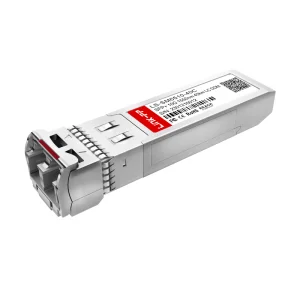
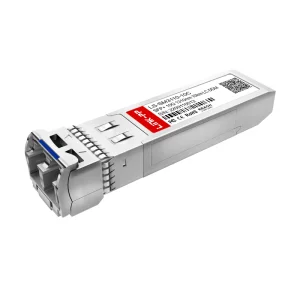
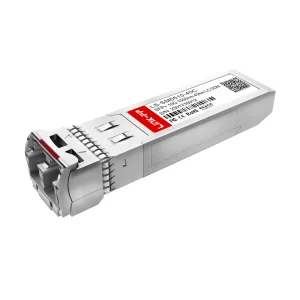
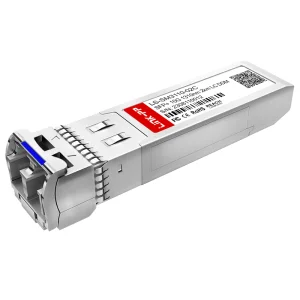
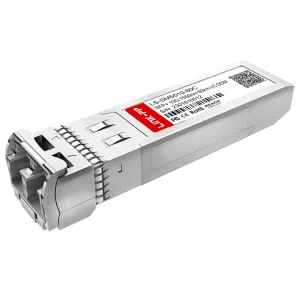
Explore our flagship single-mode and multi-mode optical transceivers engineered for enterprise networking and datacenter interconnects.
Leveraging continuous innovation, state-of-the-art infrastructure, and rigorous compliance to power global networks.
FiberQ Photonics Technology Co., Ltd. is a professional manufacturer specializing in high-performance fiber optic transceivers and advanced photonic communication solutions for data centers, telecom networks, and high-speed interconnect applications. Founded in 2015, the company has grown into a trusted global supplier with strong engineering and export capabilities.
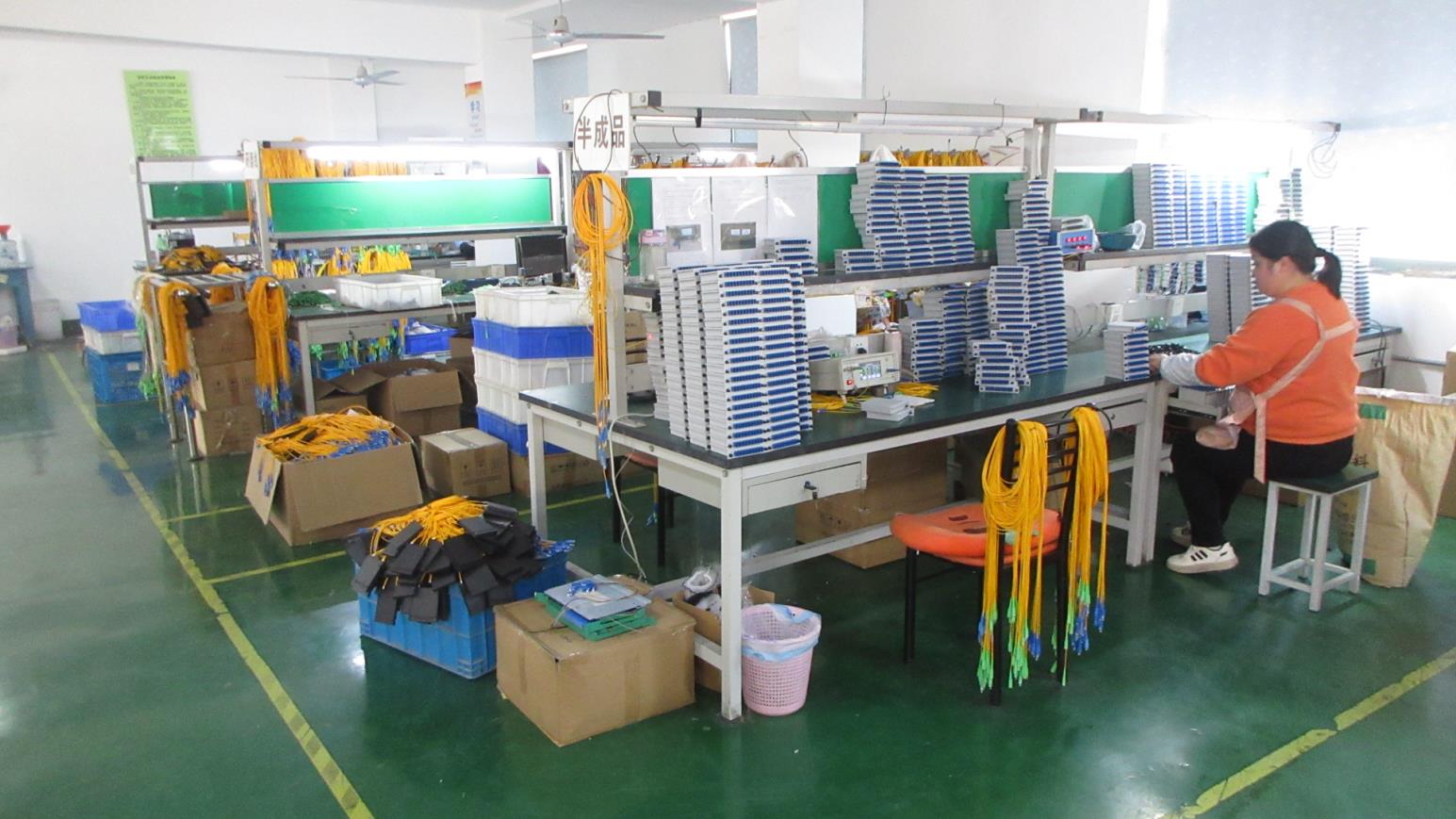
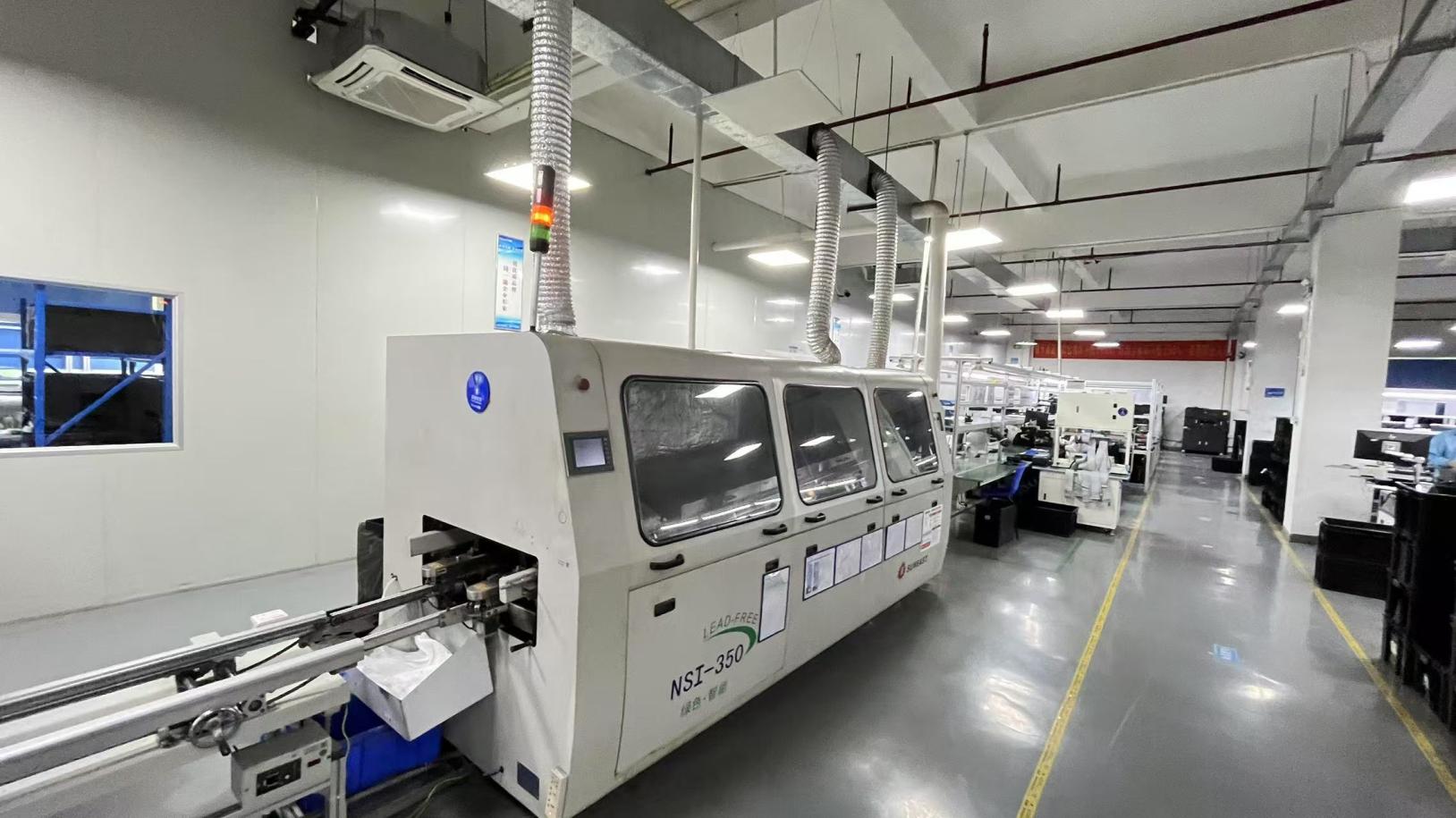
Our company operates a modern production facility covering approximately 12,600㎡, enabling scalable manufacturing, precision assembly, and strict quality control processes. With annual export revenue reaching around USD 9.5 million, FiberQ has accumulated 6 years of export experience and 12 years of industry expertise in optical communication technologies.
Quality assurance is ensured through a combination of automated optical performance testing, interferometric inspection, high-temperature aging tests, and manual quality checks. The quality control team consists of 62 experienced inspectors dedicated to maintaining product reliability and compliance with international standards.
FiberQ maintains a strong trade background focused on OEM and ODM partnerships. Its primary markets include North America, Europe, Japan, and Southeast Asia, serving telecom operators, cloud service providers, and enterprise network integrators. The company collaborates with approximately 1,450 supply chain partners to ensure stable procurement of core components and efficient production scheduling. With strong R&D capabilities, FiberQ supports advanced customization including protocol compatibility (100G/200G/400G/800G), wavelength engineering, thermal optimization, and form-factor adaptation. Our team employs around 240 R&D engineers focused on optical design, signal integrity, and high-speed hardware development. In the past year, FiberQ launched approximately 180 new products, reflecting its continuous innovation in next-generation optical communication solutions.
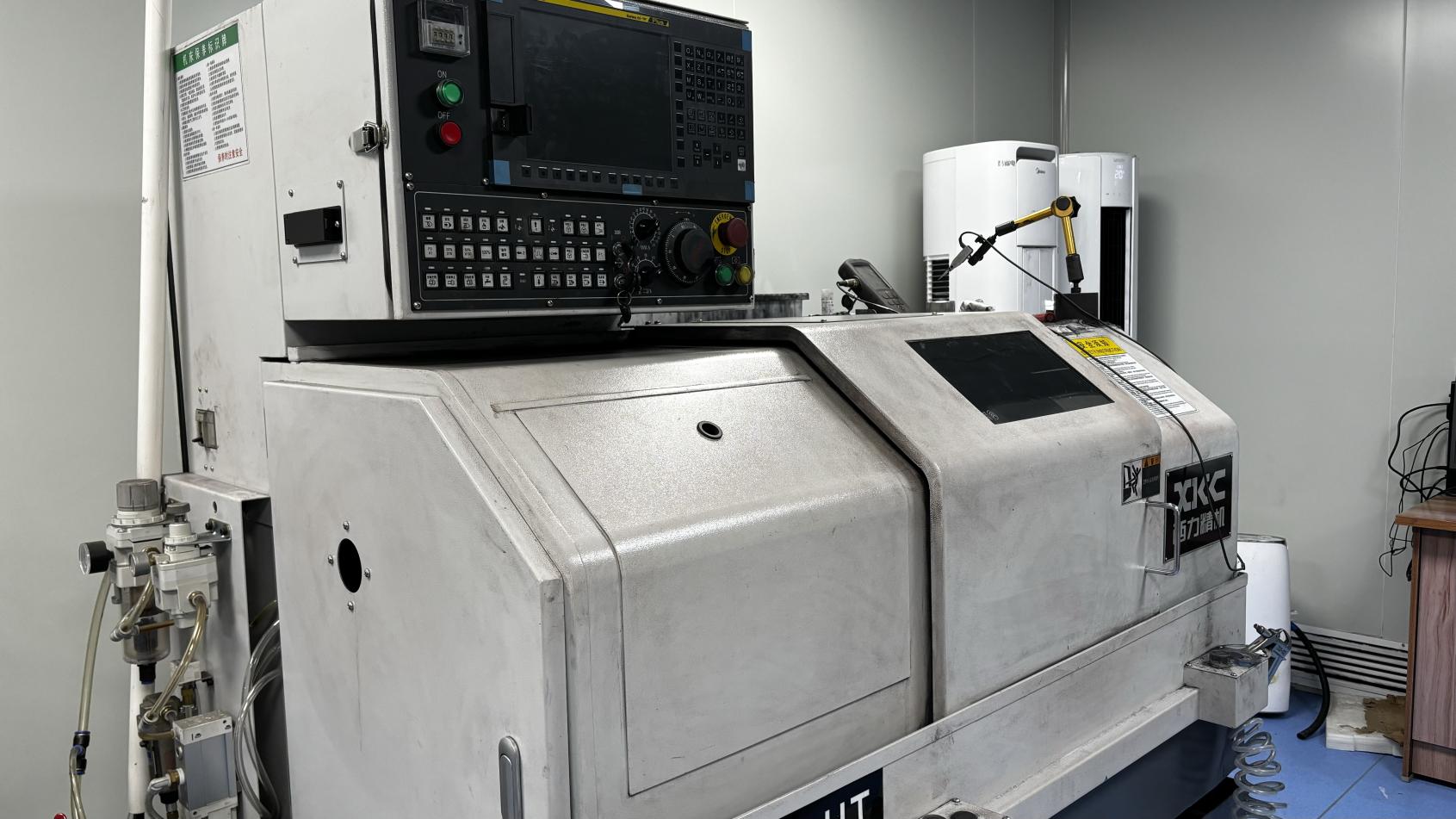
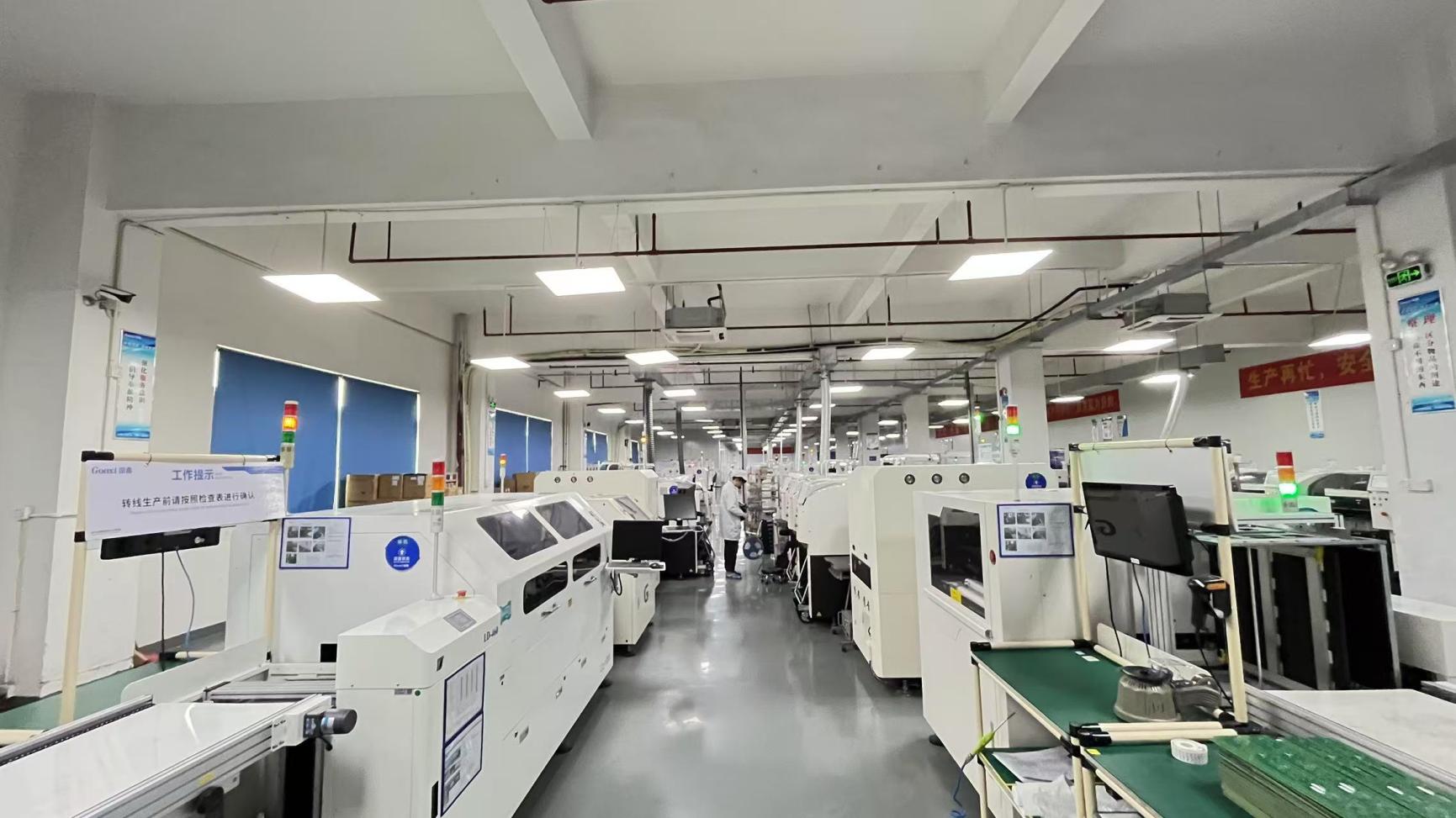

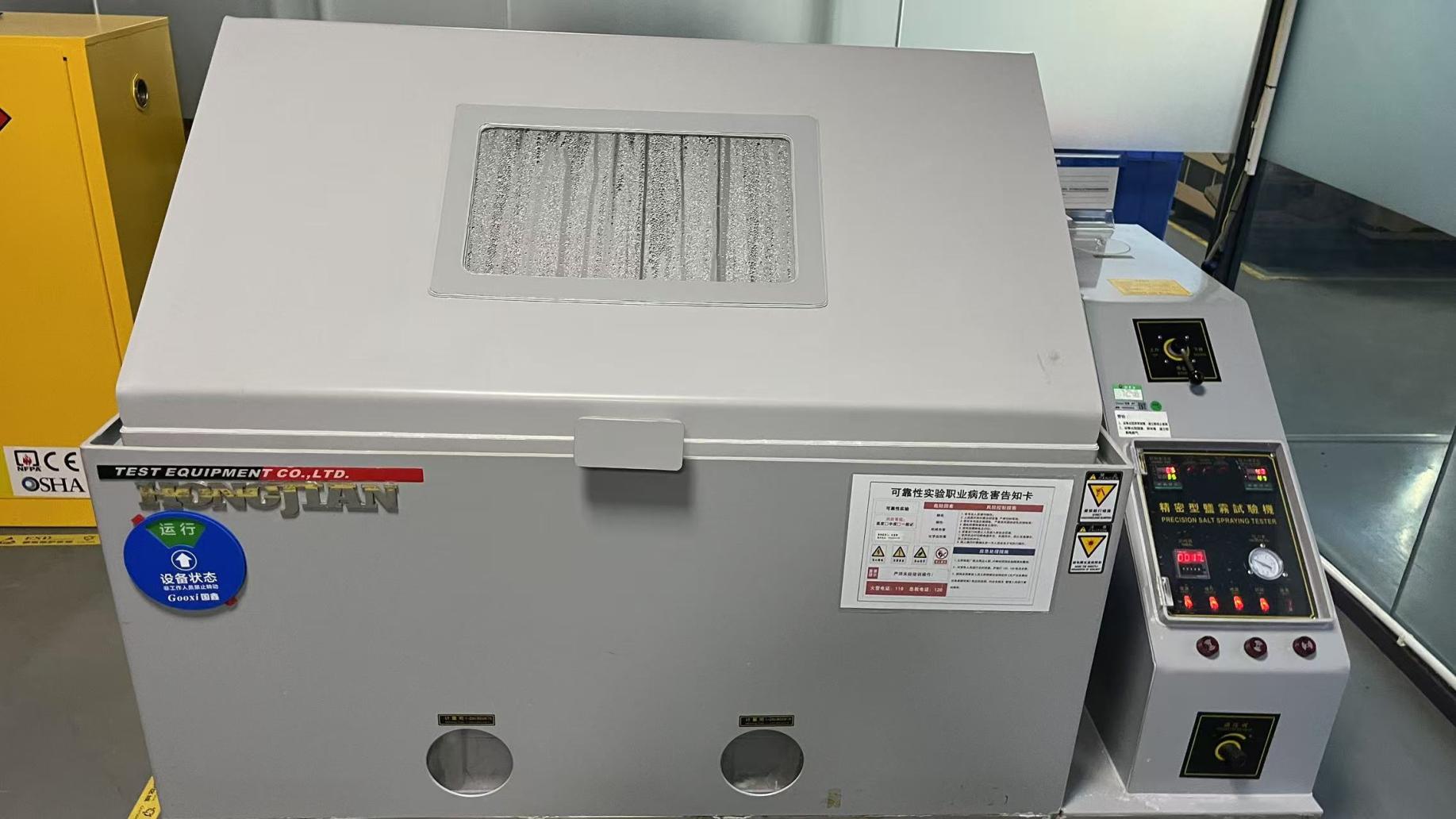
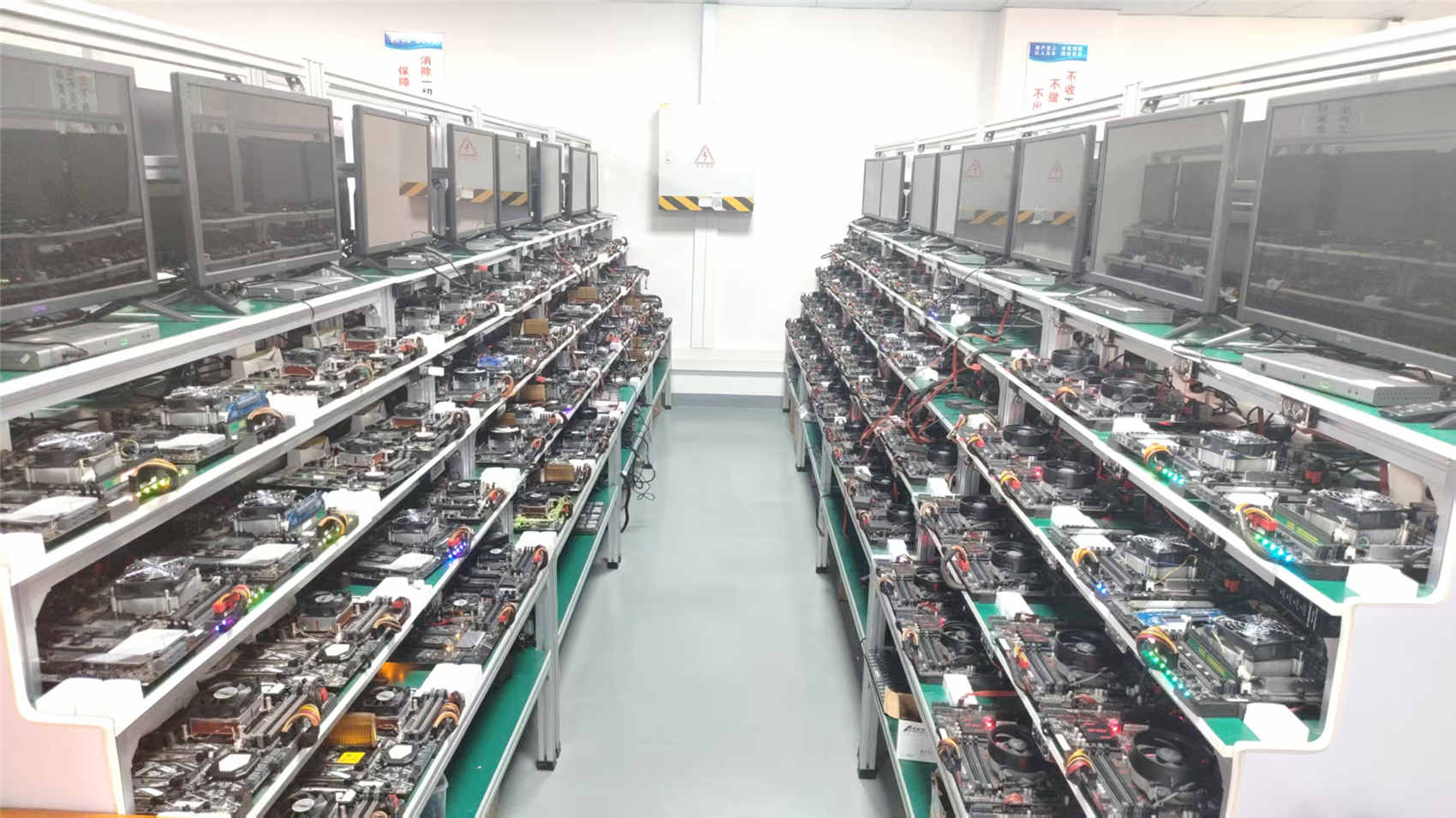
Understanding the physics, electrical interfaces, and optical sub-assemblies that govern high-speed data transmission.
The small form-factor pluggable plus (SFP+) module relies on the SFF-8431 electrical interface. While 10G SFP+ operates at a nominal line rate of 10.3125 Gbps (using 64b/66b encoding), 16G SFP+ modules are specifically designed for high-density Fibre Channel (FC) storage area networks running at 14.025 Gbps. Achieving stable performance at 16G requires enhanced high-frequency PCB board design, minimized parasitic capacitance, and precise impedance matching (100-ohm differential trace design) to prevent signal degradation over the host board interface.
The core of any high-performance module resides within the Optical Sub-Assembly. The Transmitter Optical Sub-Assembly (TOSA) utilizes either an 850nm VCSEL (Vertical-Cavity Surface-Emitting Laser) for multimode short-reach applications, a 1310nm DFB (Distributed Feedback) laser for medium distances, or an externally modulated laser (EML) for long-haul links up to 80km (10GBASE-ZR). On the receiver side, the ROSA integrates a PIN photodiode or an Avalanche Photodiode (APD) coupled with a transimpedance amplifier (TIA) to convert incoming optical signals into low-jitter electrical signals.
Under the SFF-8472 industry standard, real-time diagnostic parameters are reported via a 2-wire serial interface (I2C). DOM monitors five critical parameters: internal module temperature, transceiver supply voltage, laser bias current, transmitted optical power (Tx), and received optical power (Rx). This dynamic telemetry data allows network administrators to execute predictive maintenance, identify degrading fiber links before packet drops occur, and optimize overall network health.
How structured vertical integration and geographic clustering enable scalable, cost-competitive manufacturing.
Manufacturing optical transceivers requires a complex ecosystem of specialized component providers, assembly automation suppliers, and highly skilled test engineers. FiberQ's state-of-the-art facility in China leverages these unique geographical and infrastructural advantages to deliver unmatched market value:
Unlike assembly-only shops, FiberQ handles chip-on-board (COB) and optical alignment in-house. Our automated sub-micron optical alignment machinery allows us to couple laser dies directly to fiber capillaries, drastically reducing insertion loss and raw material overhead. This capability isolates us from component-level price fluctuations.
With an active vendor ecosystem containing over 1,450 vetted supply partners, we secure rapid turnaround on key inputs including laser diodes (VCSEL/DFB), micro-ICs, receiver components, structural metal housing, and gold-plated PCB assemblies. This minimizes procurement delays, ensuring stable shipping lead times even during supply chain shocks.
Operating a 12,600㎡ cleanroom layout with optimized manufacturing lines allows for parallel processing. We can shift between low-volume, highly customized production runs for specialized enterprise wavelengths (such as CWDM/DWDM grids) and high-volume commodity production runs (such as standard 10GBASE-SR and 10GBASE-LR) with minimal tooling delay.
Ensuring cross-border compliance, verified vendor interoperability, and localized support networks for mission-critical deployments.
Vendor lock-in is a common issue in optical networking. To guarantee compatibility, FiberQ utilizes advanced programming bays to load custom EEPROM (Electrically Erasable Programmable Read-Only Memory) signatures. Our modules are extensively tested on Cisco, Juniper, Arista, Huawei, Dell, and HP switches, matching all target vendor protocols, avoiding "Unsupported Transceiver" errors, and ensuring plug-and-play capability.
Our manufacturing plant complies with rigid international quality and environmental management systems. All transceivers undergo rigorous compliance tracking and bear the appropriate marks (CE, FCC, and RoHS). They comply with FDA CDRH Class 1 Laser Safety standards, protecting installation engineers and operators from optical radiation hazards.
Before shipment, 100% of our products undergo high-temperature aging chambers at full traffic capacity. The quality control process is managed by 62 QA inspectors who verify parameters such as center wavelength stability, side-mode suppression ratio (SMSR), optical extinction ratio, and eye-pattern contours. This rigorous testing regimen guarantees a field failure rate of less than 0.05%.
"Quality is the backbone of connectivity. Our investment in automated testing environments ensures that every single module leaving the FiberQ plant behaves exactly like an original equipment manufacturer (OEM) part, keeping operational expenses low."
How enterprises, telecommunications operators, and datacenter architects integrate our SFP+ modules.
Connecting campus switches across buildings via single-mode fiber over distances of 10km to 40km, ensuring high-speed access to central servers with minimum latency.
Deploying 16G SFP+ modules to handle rapid data replication, disk arrays, and storage-to-server interconnects, maintaining high input/output operations per second (IOPS).
Connecting Top-of-Rack (ToR) switches to spine switches using short-reach 10GBASE-SR multi-mode fibers, providing a reliable fabric for cloud virtualization.
Using industrial-temperature rated transceivers in cell towers and outdoor base stations (designed to withstand -40°C to +85°C environments) under CPRI/eCPRI protocols.
Addressing the critical questions asked by optical engineers and global procurement officers.
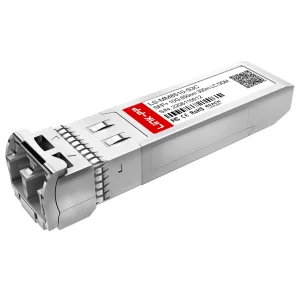
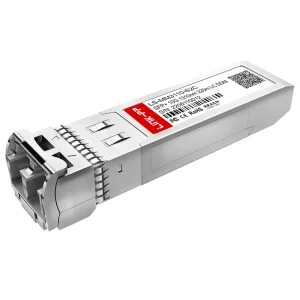
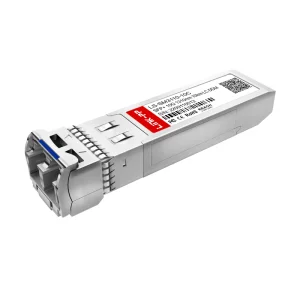
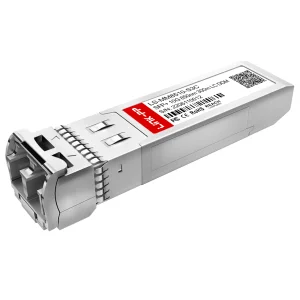
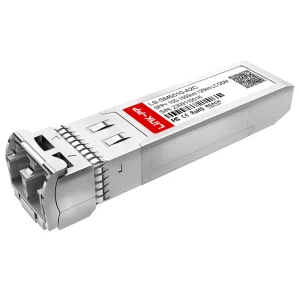
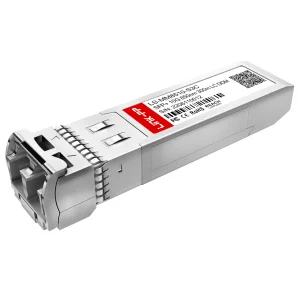
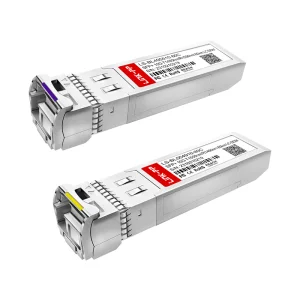
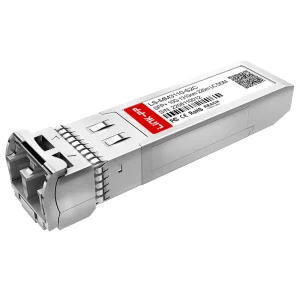
A comprehensive lineup of high-compatibility transceivers for extended range and multi-vendor networks.