FiberQ
FiberQ
FiberQ
Premium RJ45 connectors, high-speed transceivers, and advanced LAN magnetic transformers optimized for gigabit infrastructure.
In an era defined by rapid digitization, Internet of Things (IoT) expansion, and artificial intelligence workloads operating at the edge, physical layer infrastructure stands as the bedrock of global enterprise success. The demand for bandwidth is not merely rising; it is evolving structurally. Modern businesses require robust, high-performance Category 6 (Cat6) cabling architectures paired with optical-electrical transceivers to bridge localized gigabit networks with high-speed optical backbones. As a leading China Cat6 Cable Factory & Supplier, we focus on engineering structured cabling systems that minimize latency, eliminate crosstalk, and support power-hungry PoE (Power over Ethernet) devices.
While wireless networking offers convenience, structural copper cabling remains unmatched in reliability, security, and sustained throughput. Our manufacturing facility specializes in addressing the complex engineering constraints associated with Category 6 transmission parameters. Operating at standard frequencies up to 250 MHz, Cat6 provides a stable medium for 1000BASE-T (Gigabit Ethernet) and 10GBASE-T (10 Gigabit Ethernet over shorter runs), acting as the nervous system for smart office buildings, automated production floors, and carrier networks worldwide.
As signal frequency rises, issues such as Near-End Crosstalk (NEXT), Far-End Crosstalk (FEXT), and electromagnetic interference (EMI) become exponentially more destructive. To combat this, our Cat6 cabling products feature optimized physical spacing, precision twisted copper pairs, and internal spline separators. These mechanical features ensure that structural integrity is maintained under mechanical tension, preserving electrical performance parameters and complying fully with ANSI/TIA-568.2-D standards.
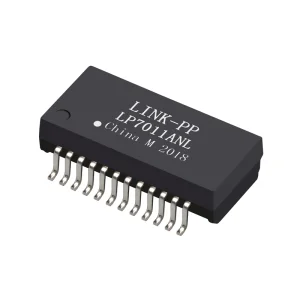
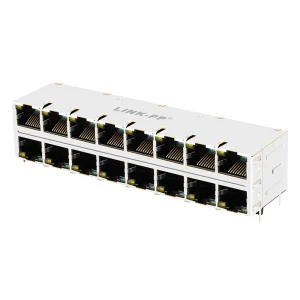
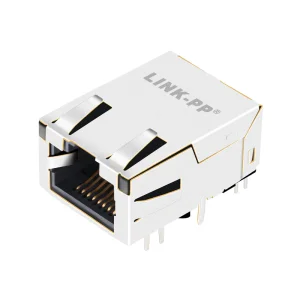
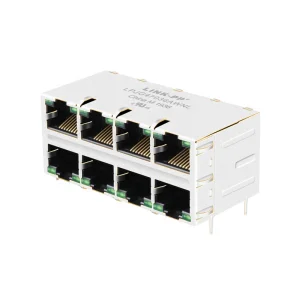
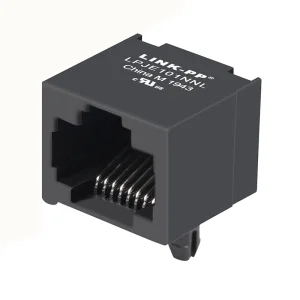
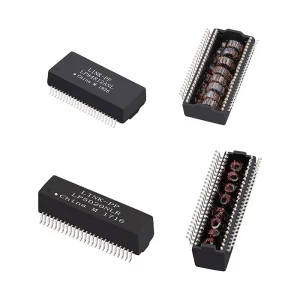
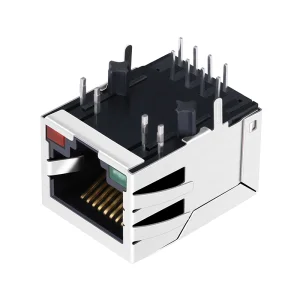
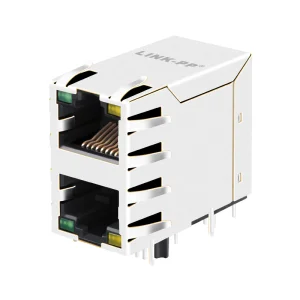
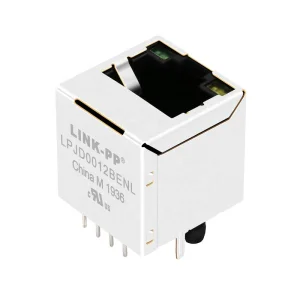
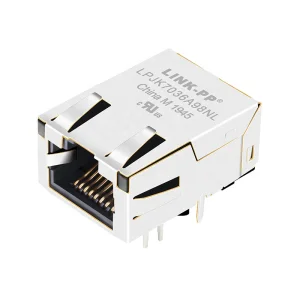
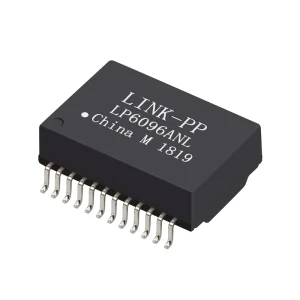
A Cat6 network channel is only as strong as its weakest termination point. This is why our manufacturing capability extends past raw cabling to the critical interface hardware: RJ45 modular jacks, integrated magnetic transformers, and SFP transceiver interfaces. By utilizing high-density magnetic isolation transformers (such as our 10G Base-T PoE Lan Magnetic Transformer), we guarantee high common-mode rejection ratios (CMRR) and ensure galvanic isolation to protect active network nodes from transient voltage surges.
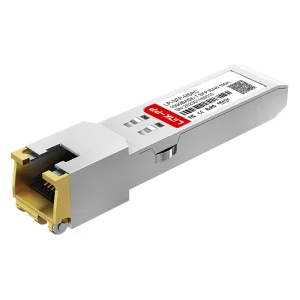
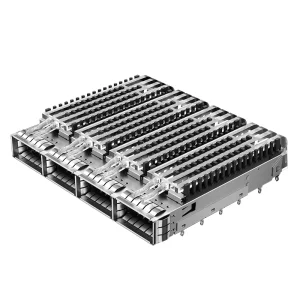
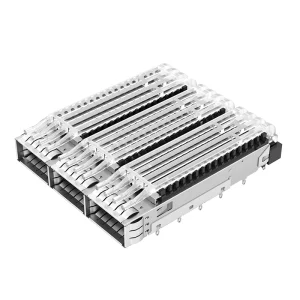
For system integrators, transitioning seamlessly between copper-based horizontal runs and optical backbones is essential. Through custom SFP transceivers and TE-compatible EMI shielded cages, our systems facilitate effortless hybrid infrastructures. This complete ecosystem perspective ensures that enterprise clients do not suffer from component mismatch issues, resulting in easier certifications during final site commission testing with systems like the Fluke DSX-8000 CableAnalyzer.
The difference between standard consumer-grade cable and industrial-grade Cat6 enterprise infrastructure lies in the metallurgy of the conductors. Cheap cables utilize Copper Clad Aluminum (CCA) which exhibits higher DC resistance, suffers from high attenuation over distances, and poses a severe fire hazard under Power over Ethernet (PoE) load due to heat generation.
We manufacture our Category 6 cabling strictly using 99.99% Oxygen-Free Solid Copper (OFC). Standardized at 23 AWG (American Wire Gauge), solid copper guarantees consistent resistance profiles, minimal return loss, and robust mechanical pull strength. It prevents signal degradation caused by skin-effect phenomena, ensuring that high-frequency packet delivery remains clean and error-free even at the 100-meter limits of standard networks.
| Parameter | Cat6 Standard Spec | Our Factory Performance |
|---|---|---|
| Conductor Material | Solid BC / CCA Allowed | 99.99% Pure Oxygen-Free Copper |
| Frequency Limit | 250 MHz | Up to 350 MHz (Extended headroom) |
| Conductor Size | 24 AWG / 23 AWG | 23 AWG Solid Copper (0.57mm) |
| PoE Compatibility | IEEE 802.3at (30W) | IEEE 802.3bt Type 4 (90W - 100W) |
Modern corporate environments deploy extensive PoE topologies supplying power directly to smart LED lighting, PTZ security cameras, digital signage, and enterprise Wi-Fi 6/7 access points. Deploying currents up to 960mA per pair (IEEE 802.3bt Type 4) forces copper conductors to generate heat. Within thick cable bundles, this heat cannot dissipate easily, raising the operating temperature of the inner cables.
Because attenuation is directly proportional to temperature (typically increasing by 0.4% per degree Celsius above 20°C for standard PVC), high-temperature bundles experience signal degradation that can lead to packet loss and network dropouts. Our Cat6 cables address this through high-performance polymers:
For multinational organizations and hyper-scale data centers, deploying networking components requires strict adherence to distinct national and international standardization frameworks. A single network layout might require CMP (Plenum-rated) configurations in North America to comply with the National Electrical Code (NEC), while requiring CPR (Construction Products Regulation) classifications such as B2ca or Cca in the European Union.
At FiberQ Photonics, our strategic market background targets high-standard regions including North America, Europe, Japan, and Southeast Asia. We provide bespoke OEM/ODM options to ensure regulatory alignment with localized fire safety codes and environmental standards.
In modern data centers, Cat6 copper connections are utilized for Out-of-Band (OOB) management networks, environmental sensors, and server console access. Our shielded (F/UTP) and unshielded (U/UTP) Cat6 lines provide excellent noise immunity within high-density server racks, resisting electromagnetic noise from nearby power lines and active equipment.
Smart factories require robust cabling to link PLCs, industrial sensors, and robotic arms with central processing units. High electromagnetic noise from heavy machinery requires ruggedized Cat6 cables paired with integrated RJ45 magnetic modules. Our products deliver consistent performance in these challenging environments, minimizing signal loss and mechanical wear.
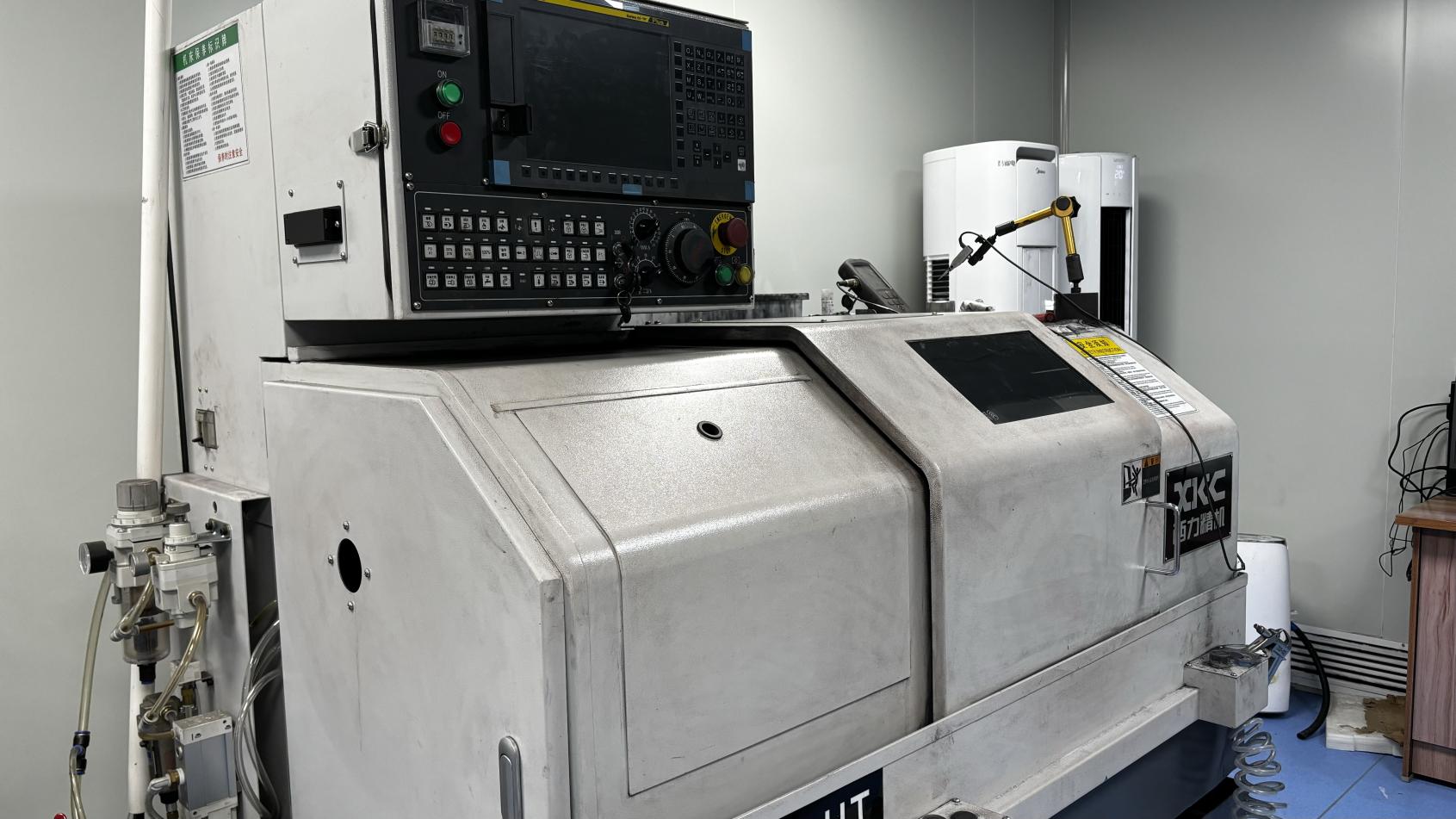
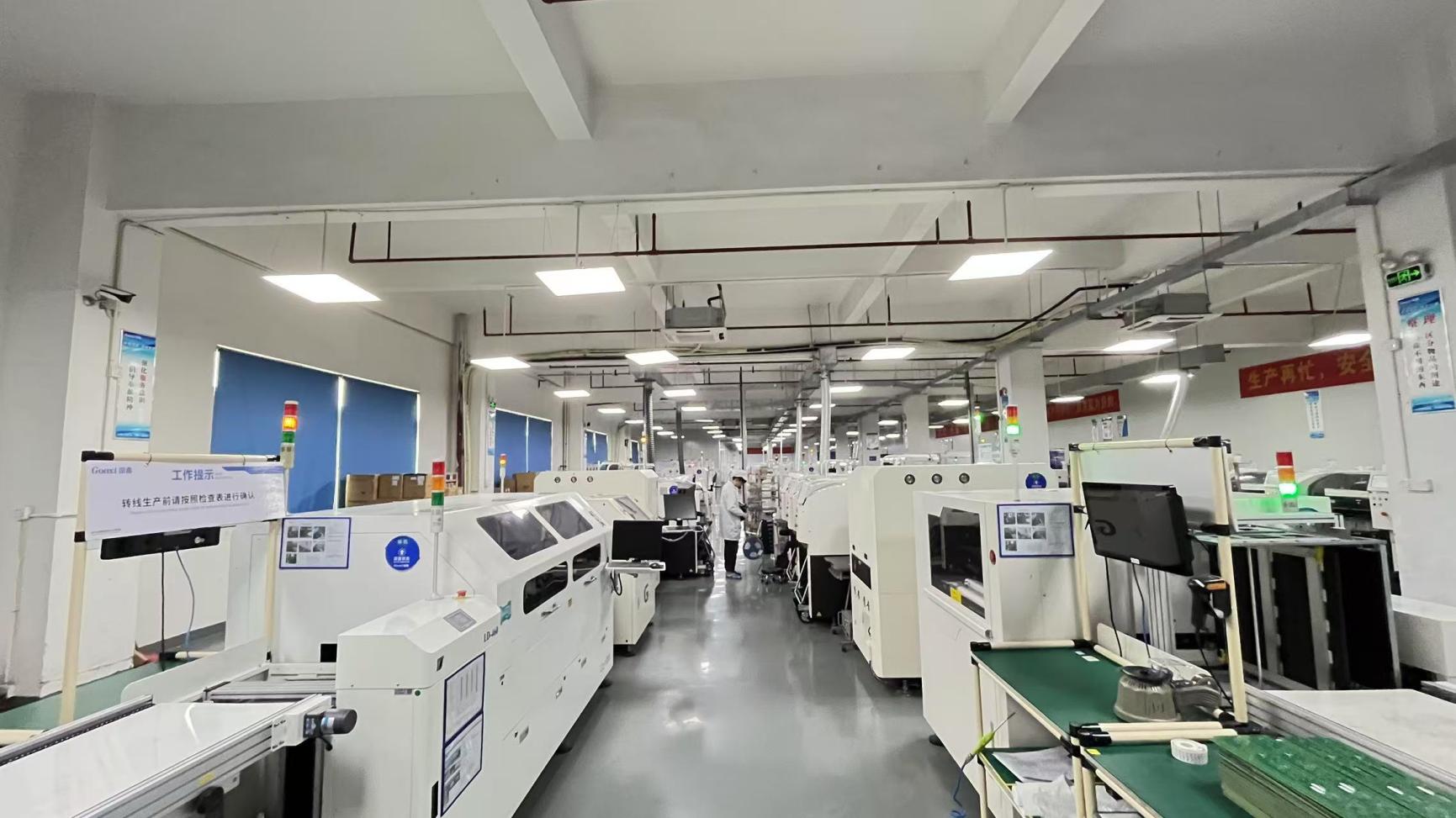
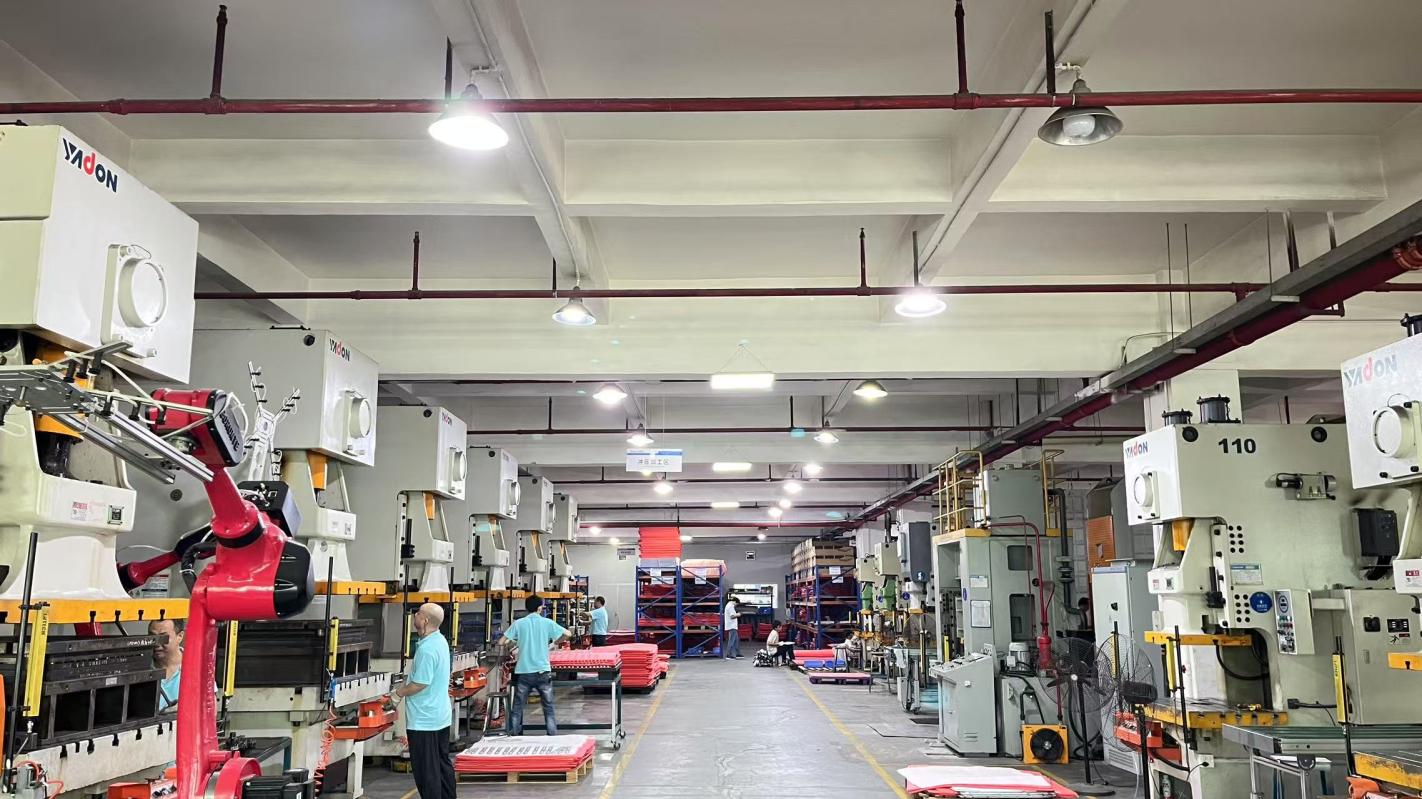
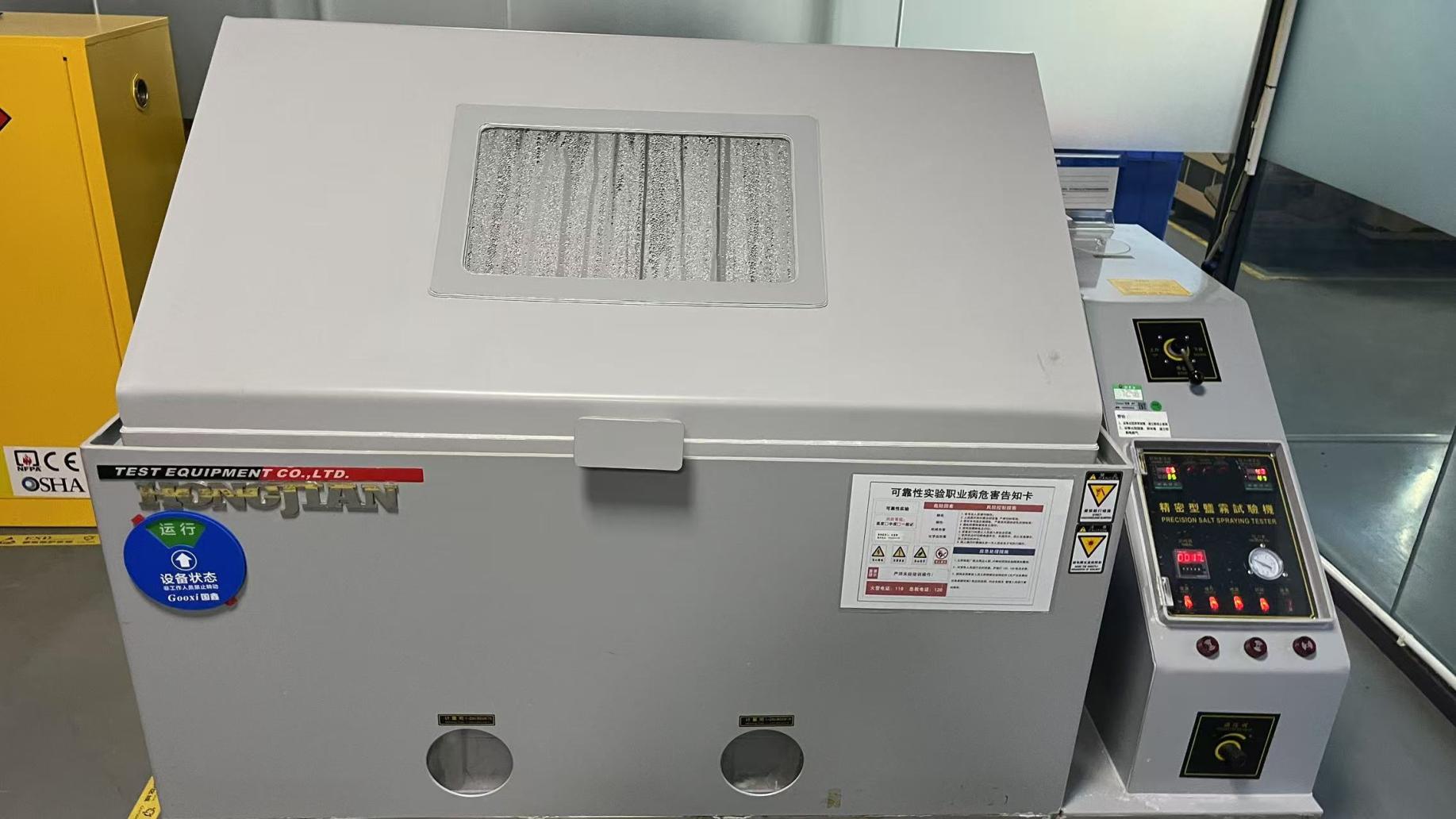
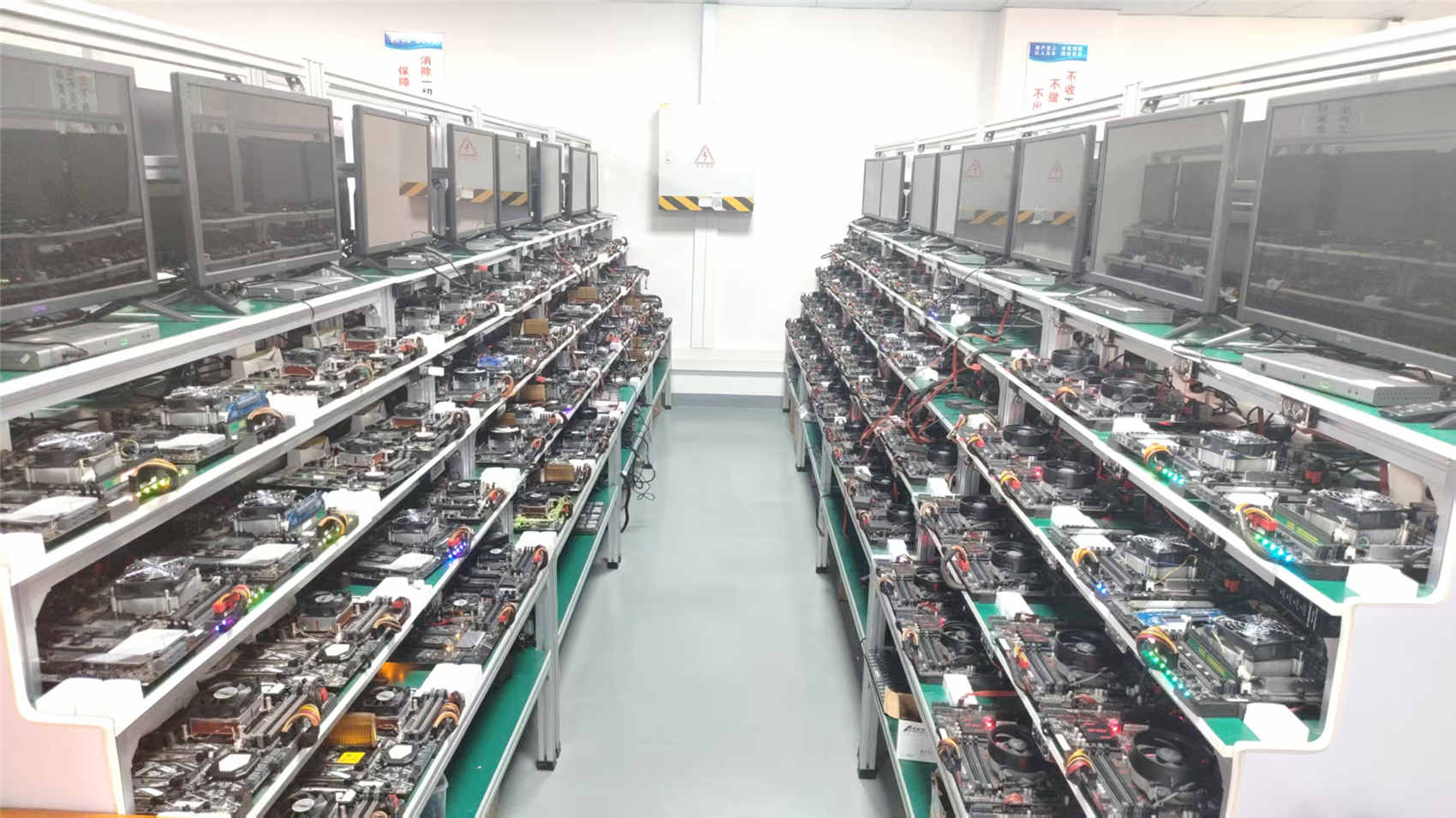
Every production run at our facility undergoes strict quality control. From automated physical testing to visual inspections, we ensure compliance with international quality standards. With over 62 quality inspectors and state-of-the-art testing equipment, we guarantee consistent quality, batch after batch.
As network bandwidth requirements scale toward 400G and 800G, copper and fiber technologies are converging. High-performance copper cables handle local connections, while fiber optics manage high-speed, long-distance data transmission.
Our continuous research and development efforts focus on this convergence. With 240 R&D engineers, we develop high-frequency connectors, advanced optical transceivers, and hybrid connectivity solutions. This integration enables system integrators to build flexible, high-capacity networks that can adapt to changing technology demands.
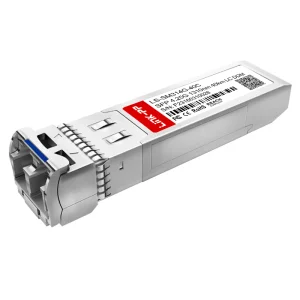
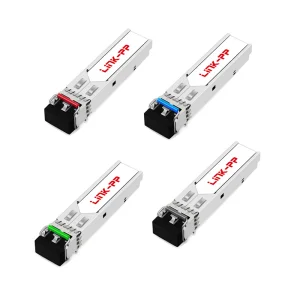
An efficient network relies on both the physical cabling and the active transceivers. We offer high-quality SFP cages and optical modules alongside our cabling products, ensuring reliable, low-latency links between copper horizontal connections and fiber optic backbones.
Expert insights on engineering compliance, mechanical configurations, and performance optimization for Category 6 infrastructure.
Cat6 is rated for frequencies up to 250 MHz and is designed for 1000BASE-T (Gigabit Ethernet) up to 100 meters, though it can support 10GBASE-T up to 55 meters in low-crosstalk environments. Cat6A (Category 6 Augmented) operates at frequencies up to 500 MHz and features tighter twists and enhanced shielding to support 10GBASE-T up to the full 100-meter channel limit.
Conductor gauge (AWG) determines the electrical resistance of the wire. 23 AWG solid copper conductors have a larger cross-sectional area and lower resistance than 24 or 26 AWG wires. Lower resistance reduces power loss as heat, making 23 AWG cables ideal for high-power PoE (IEEE 802.3bt, up to 90W) applications.
Solid copper provides superior electrical conductivity, tensile strength, and corrosion resistance. CCA has higher resistance, is more brittle, and can overheat under PoE load, which can lead to packet loss, physical damage, and fire hazards.
We verify cable performance using advanced testing platforms like the Fluke DSX-8000. These tests measure key electrical parameters, including Near-End Crosstalk (NEXT), Insertion Loss, Return Loss, and Propagation Delay, ensuring full compliance with TIA/EIA and ISO standards.
Premium SFP cages, high-frequency RJ45 connectors, and advanced transceiver components designed for high-density networking environments.
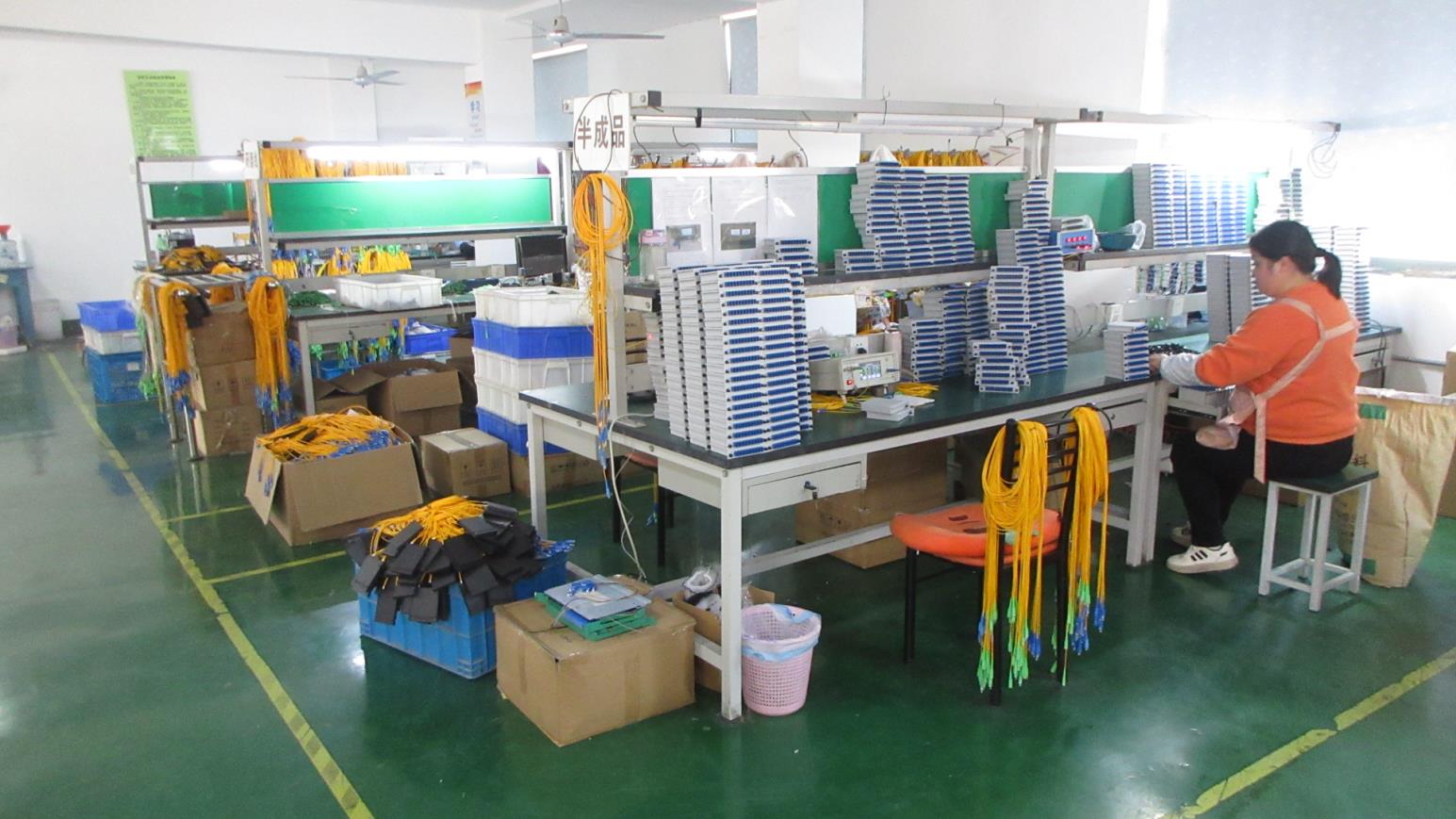
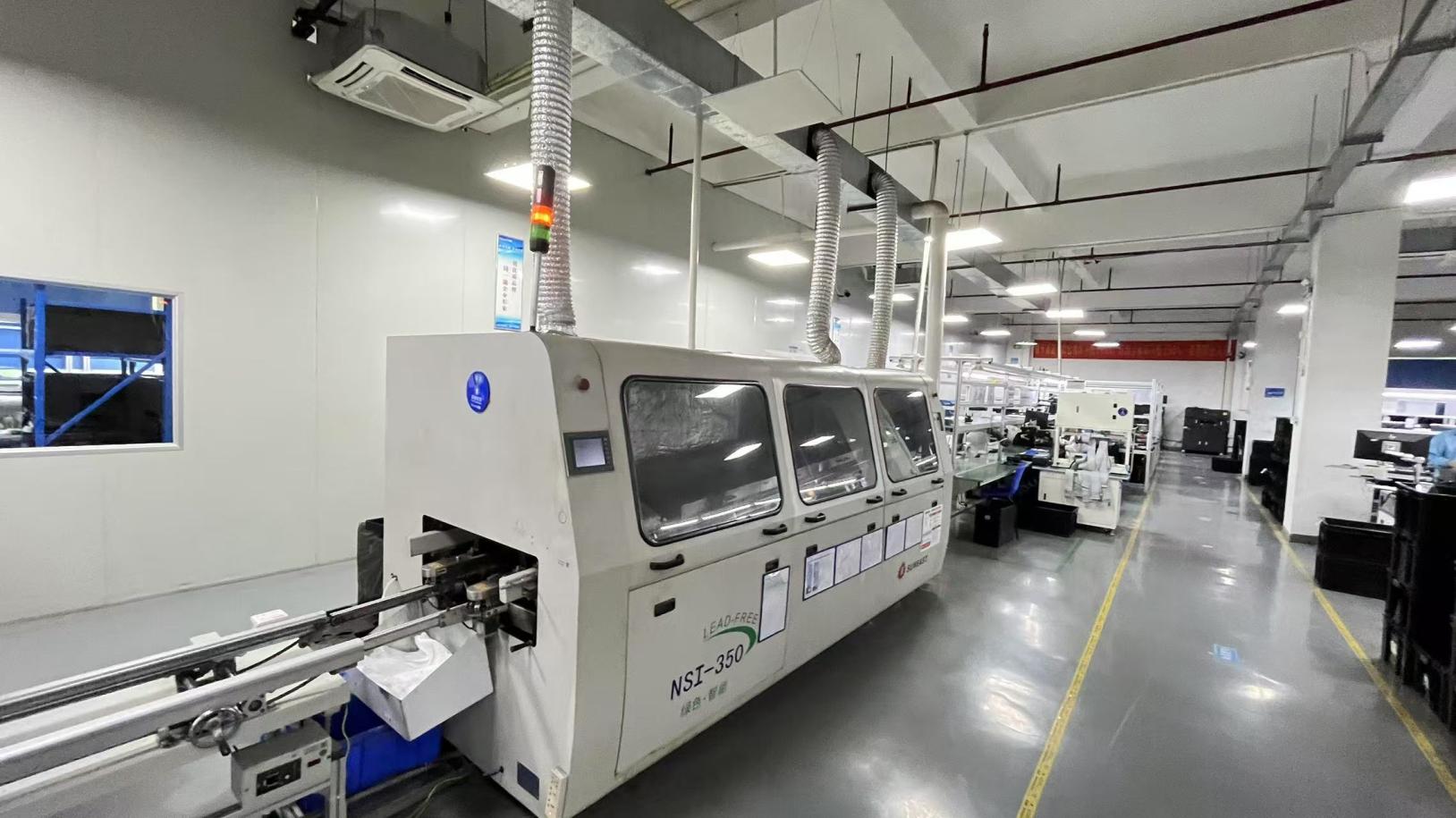
Take an inside look at our 12,600㎡ modern production facility. We use advanced high-frequency extrusion machinery, automated optical inspections, and temperature testing to ensure reliable cable performance.