FiberQ
FiberQ
FiberQ
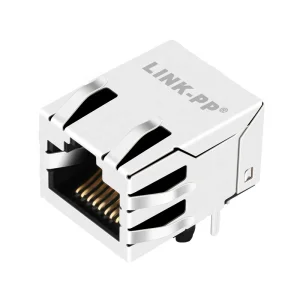
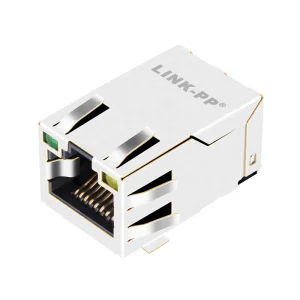
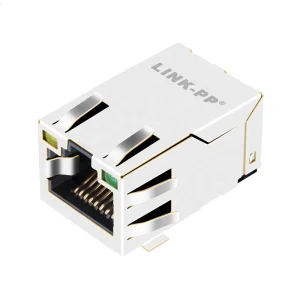
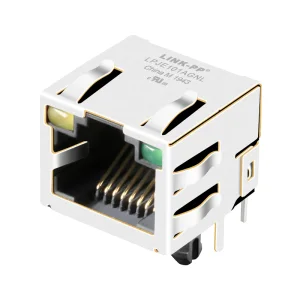
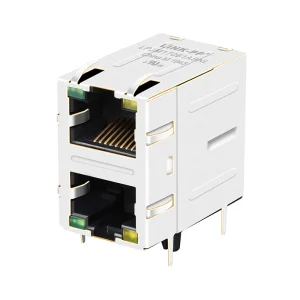
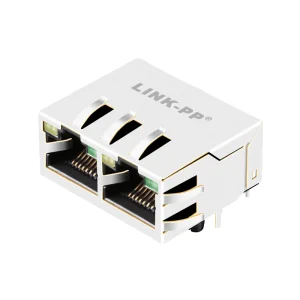
Explore our top-performing CE certified snap-in RJ45 modular jacks, magnetics-integrated sockets, and robust optical transceivers engineered to satisfy critical bandwidth criteria.
In the era of Industrial Internet of Things (IIoT), Edge Computing, and 5G densification, network reliability starts at the physical layer. The CE Certified Snap-In RJ45 Connector is no longer viewed as a simple mechanical interface. Instead, it serves as a critical junction point where electromagnetic compatibility (EMC), high-frequency signal integrity, and structural reliability intersect. Procurement managers, system architects, and network engineers operating globally are shifting toward strict compliance-first sourcing to mitigate operational risks, prevent packet loss, and ensure safety compliance across European and global corridors.
Under European regulatory frameworks, CE certification validates that components meet stringent safety, health, and environmental standards. For connectors integrated into industrial machinery, telecommunications cabinets, and smart grids, this certification indicates alignment with the Low Voltage Directive (LVD) and the Electromagnetic Compatibility (EMC) standards. Compliance minimizes the risk of signal crosstalk and thermal failure, both of which can cause system-wide downtime. Partnering with certified manufacturers guarantees that your physical layer components can withstand harsh operating environments without degradation.
Strict conformance to EN 50173, IEC 60603-7, and CE standards, preventing costly customs holds and ensuring immediate deployment in European markets.
High-integrity shielding designs paired with integrated magnetics (Magjacks) counteract external electromagnetic interference in heavy industrial spaces.
Robust snap-in mechanisms provide secure retention (up to 89 N) and maintain electrical continuity across over 750 mechanical mating cycles.
Snap-in RJ45 connectors are categorized by their mounting methodology, shielding structure, and presence of electromagnetic filtering. System designers must map these variations to the environmental context of the deployment:
| Connector Type | Typical Application | Shielding / Magnetic Integration | Key Technical Standard |
|---|---|---|---|
| SMT (Surface Mount) RJ45 Jacks | Compact PCBs, IoT Gateways, Embedded Systems | Shielded, Available with SMT Magjacks | IPC-A-610 Class 3 / RoHS |
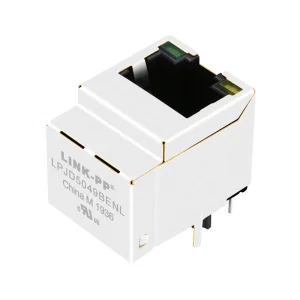
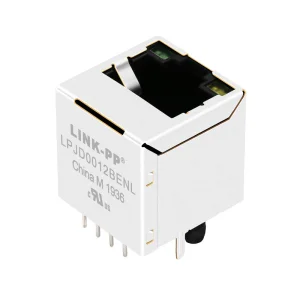
| Vertical Top-Entry RJ45 Sockets | Space-constrained panel interfaces, test rigs | Unshielded & Shielded variations | IEC 60603-7-3 |
| PoE+ / PoE++ Integrated Magnetics | IP Cameras, Access Points, Remote Switches | Full EMI isolation with LED indicator integration | IEEE 802.3at / IEEE 802.3bt |
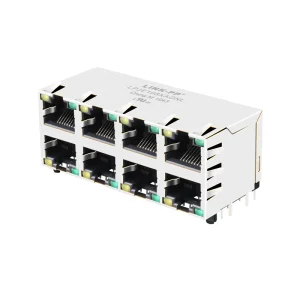
| Multi-port Modular Jacks (e.g., 2x4 Ports) | Enterprise Routers, Rackmount Switches, Datacenter Hubs | Heavy-duty tin-plated brass shielding | FCC CFR Part 68 |
Our manufacturing specifications prioritize critical mechanical and electrical tolerances. High-frequency copper transmissions (up to Category 6A / 10GBASE-T) require rigorous crosstalk mitigation. The integration of 50-microinch gold plating on the contact pins prevents oxidation, lowers contact resistance, and prevents signal degradation over decades of use.
FiberQ Photonics Technology Co., Ltd. represents the standard of engineering capability at the convergence of copper physical links and advanced optical communication interfaces. Founded in 2015, FiberQ has evolved into a global supplier specializing in high-performance photonic solutions, optical transceivers, and copper modular interconnect interfaces. Our deep-rooted competency in wavelength engineering and optical-to-electrical signal pathways enables us to manufacture snap-in RJ45 connectors with structural integrity and EMI protection.
Modern Facility Area
R&D Engineers
QC Inspectors
Annual Export Revenue
Supply Chain Partners
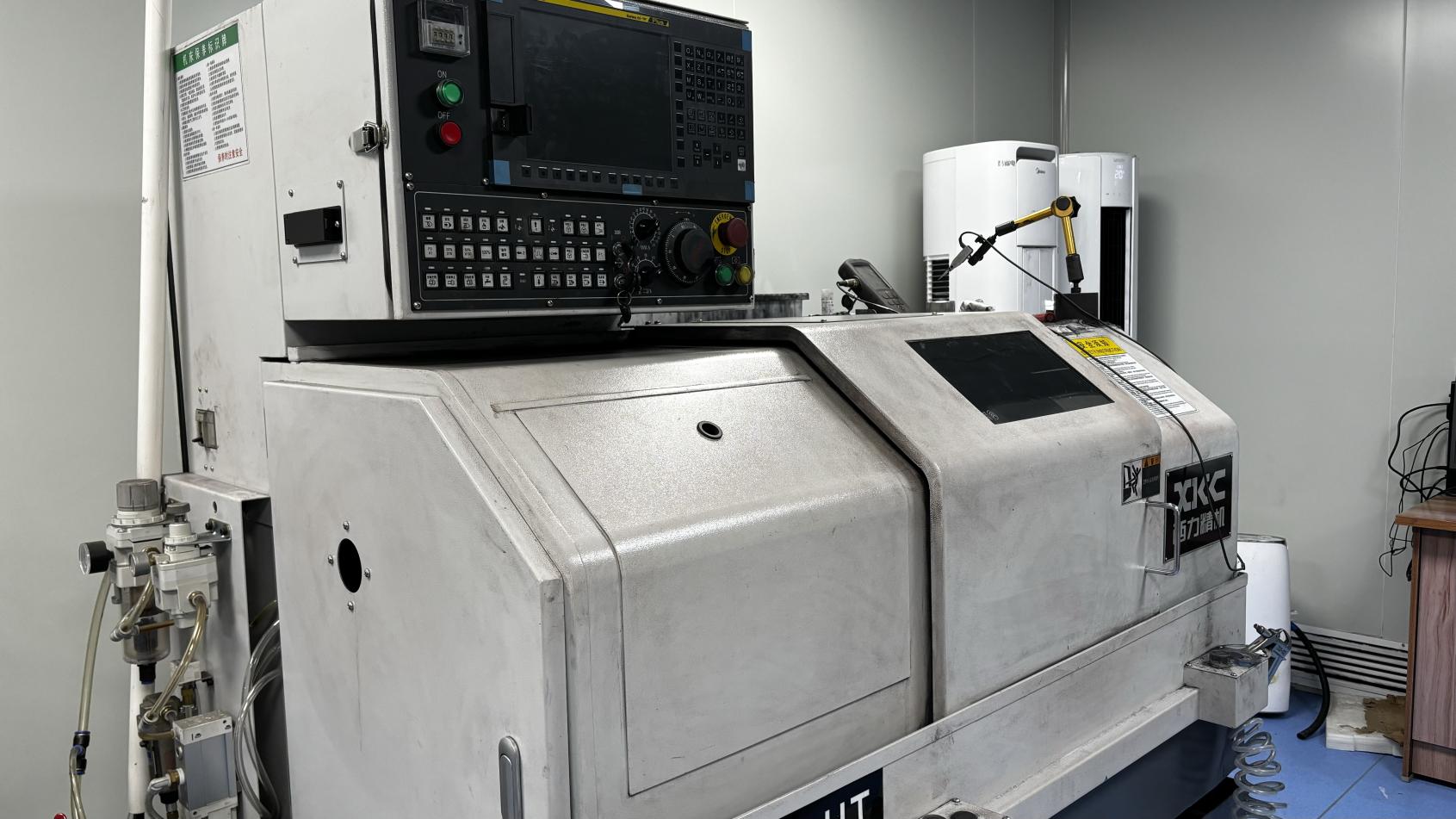
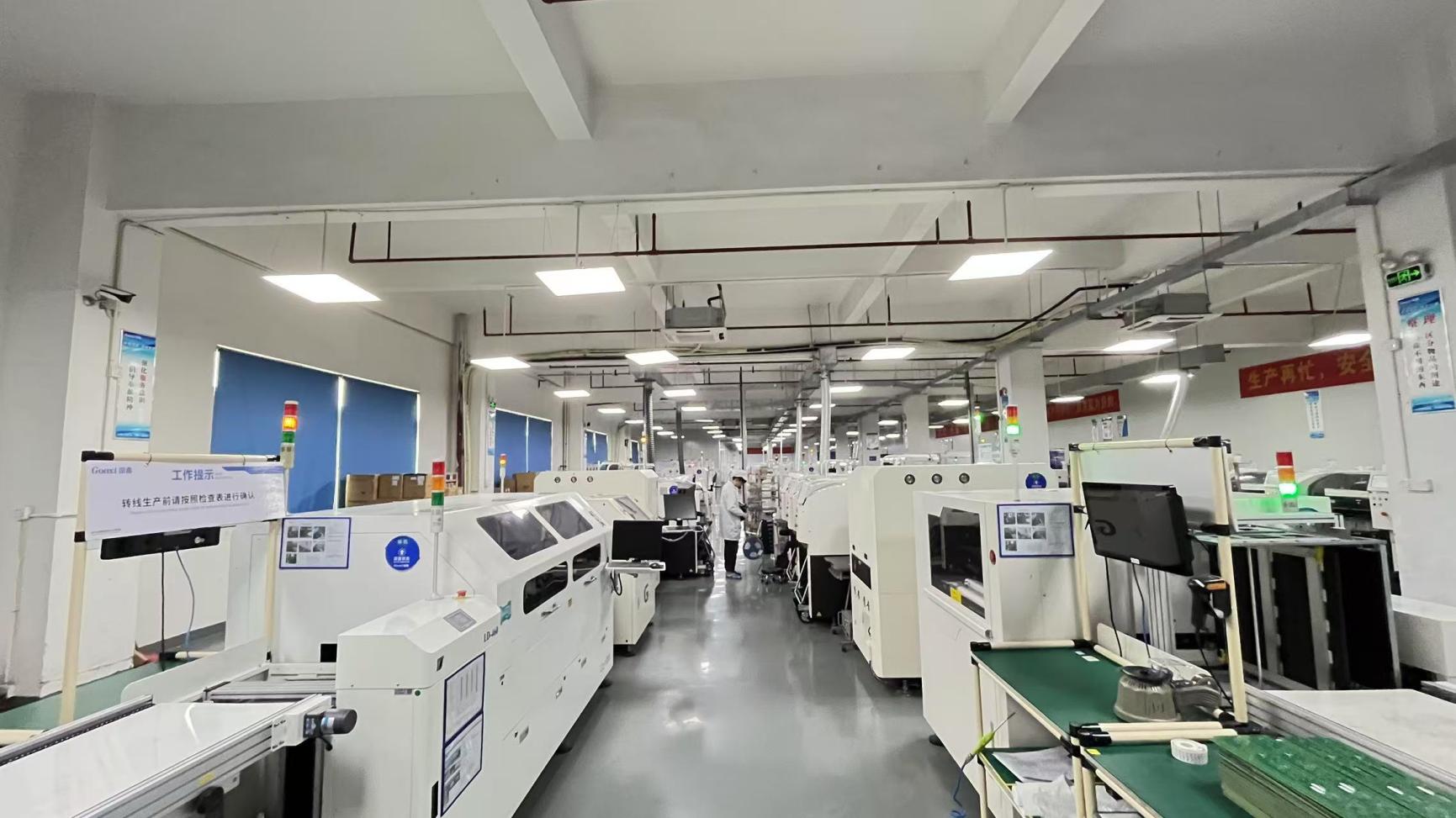
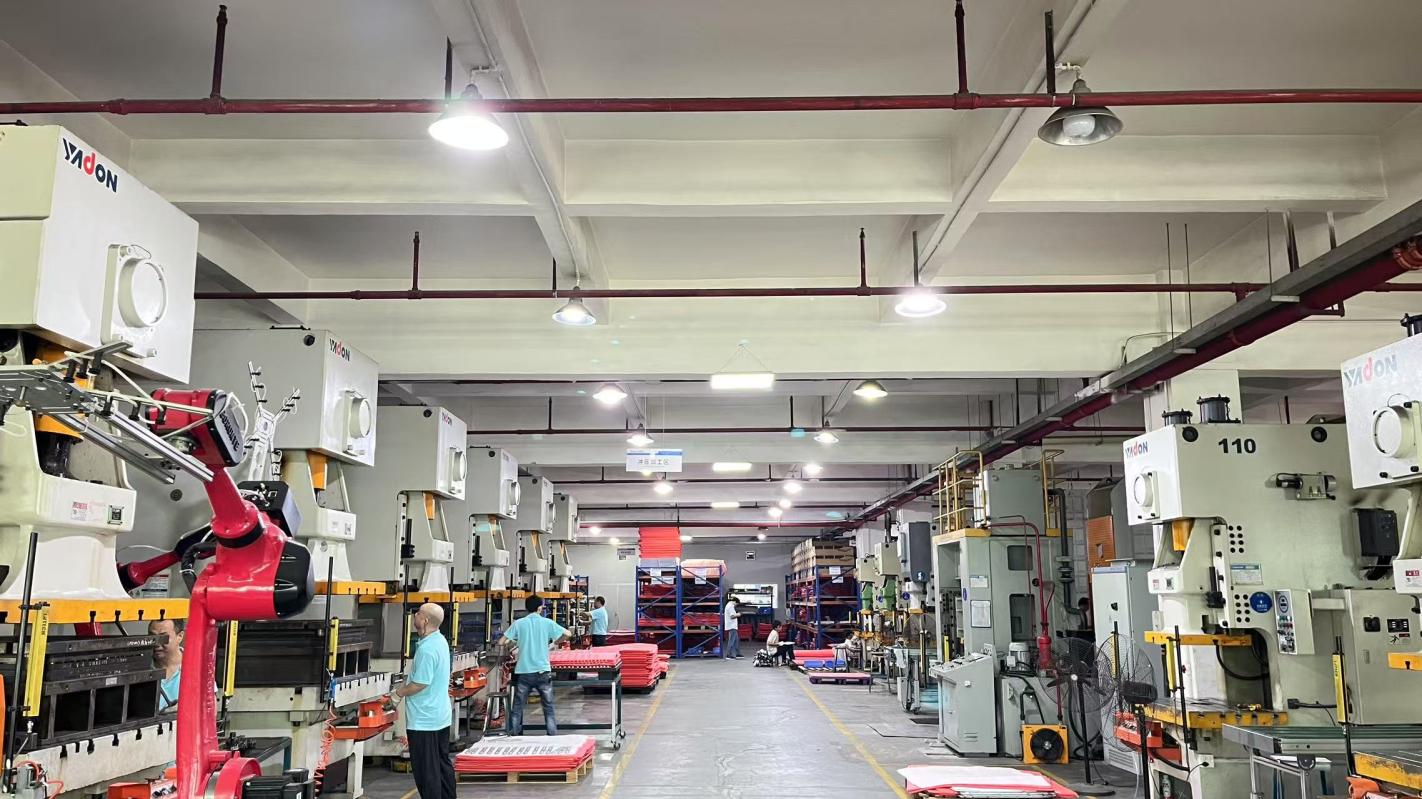
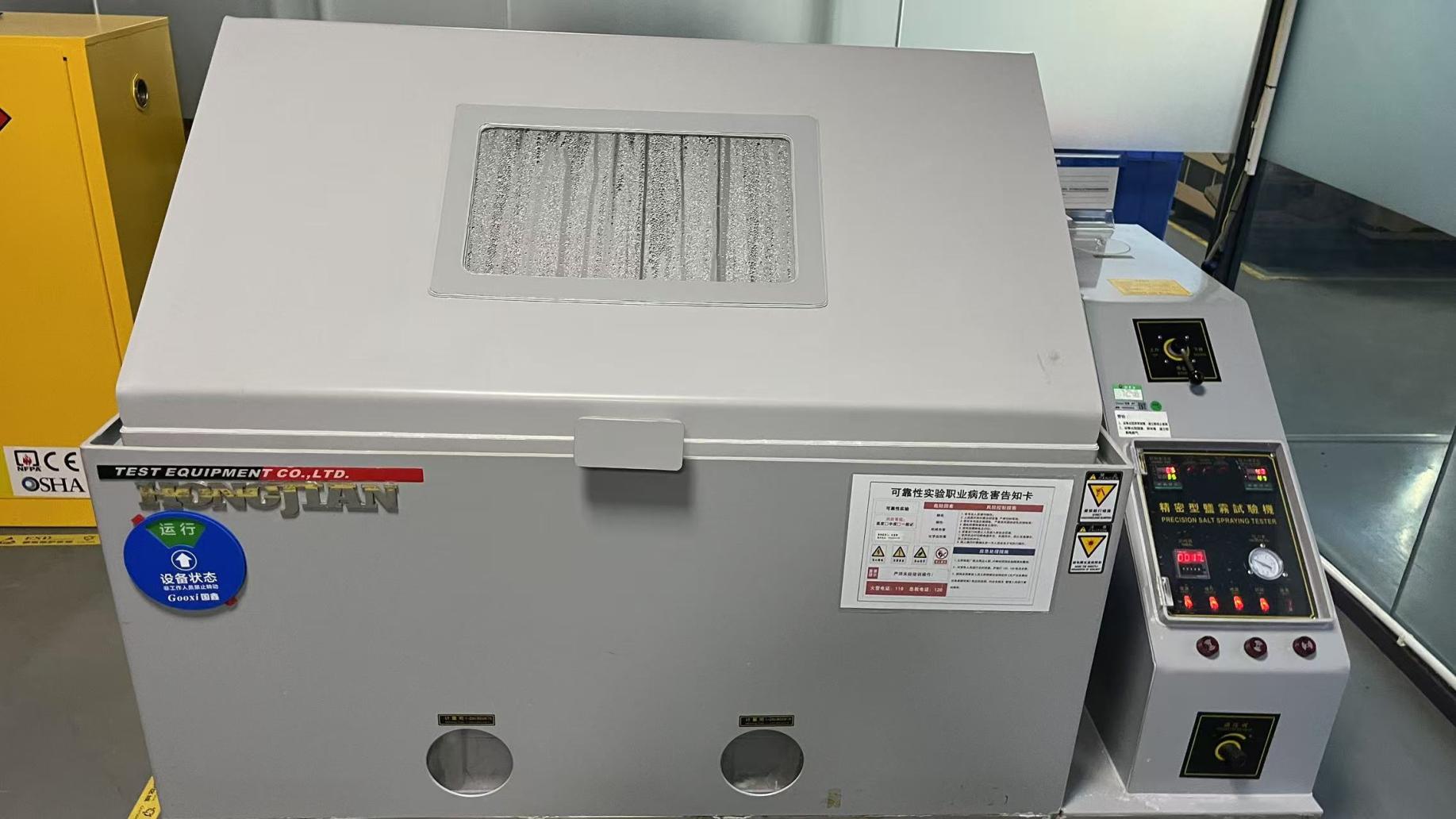
Operating a state-of-the-art 12,600㎡ production facility, FiberQ delivers high scalability, precision automatic assembly, and strict QC testing. With 12 years of industry experience in high-frequency communications, our engineers design interfaces that resolve signal bottlenecks at the network edge. FiberQ's commitment to quality control involves automated optical performance testing, high-temperature aging tests, and comprehensive mechanical validation. Our QC team of 62 experienced inspectors ensures that every single batch leaving the factory meets CE requirements.
FiberQ supports diverse OEM and ODM projects, serving data centers, global telecom operators, and system integrators. By collaborating with 1,450 trusted supply chain partners, we secure high-grade materials (such as high-temp LCP plastics, copper alloys, and optical-grade components) that maintain lead-time consistency. In the past fiscal year alone, FiberQ launched over 180 new products, demonstrating our leadership in the fast-evolving telecommunications and structured cabling sector.
A visual insight into our 12,600㎡ automated production lines, quality inspection labs, and raw materials warehousing.
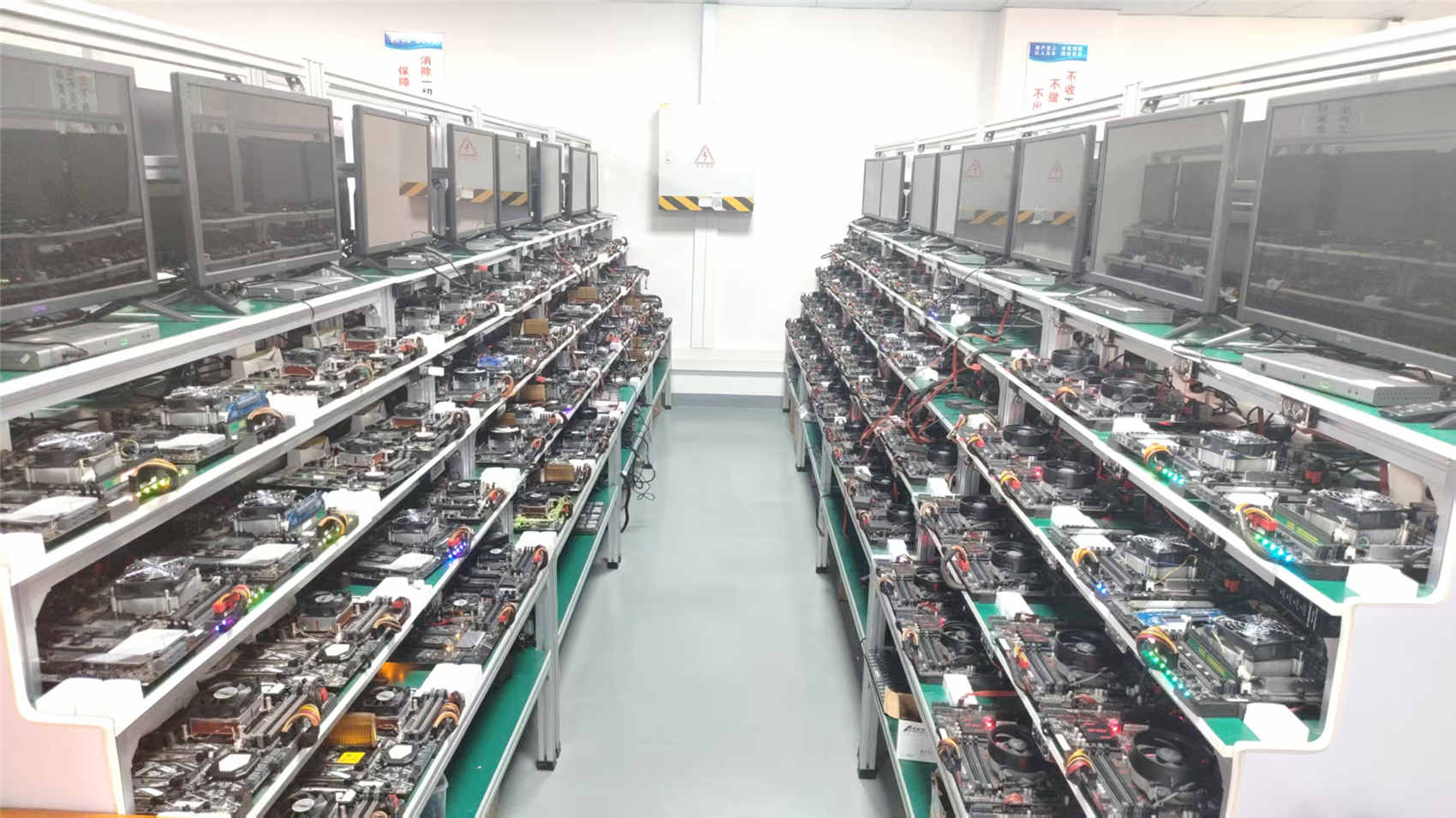
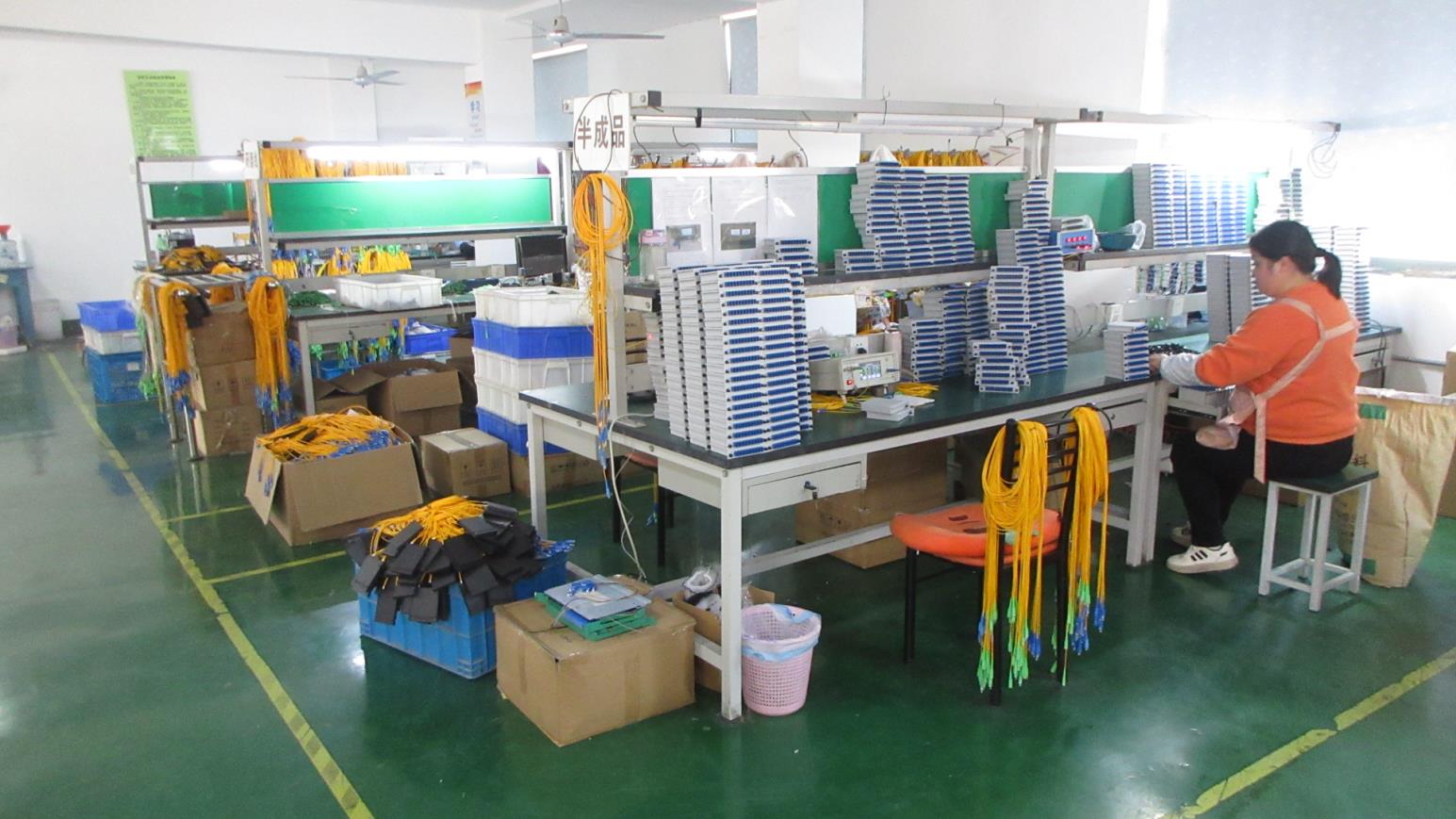
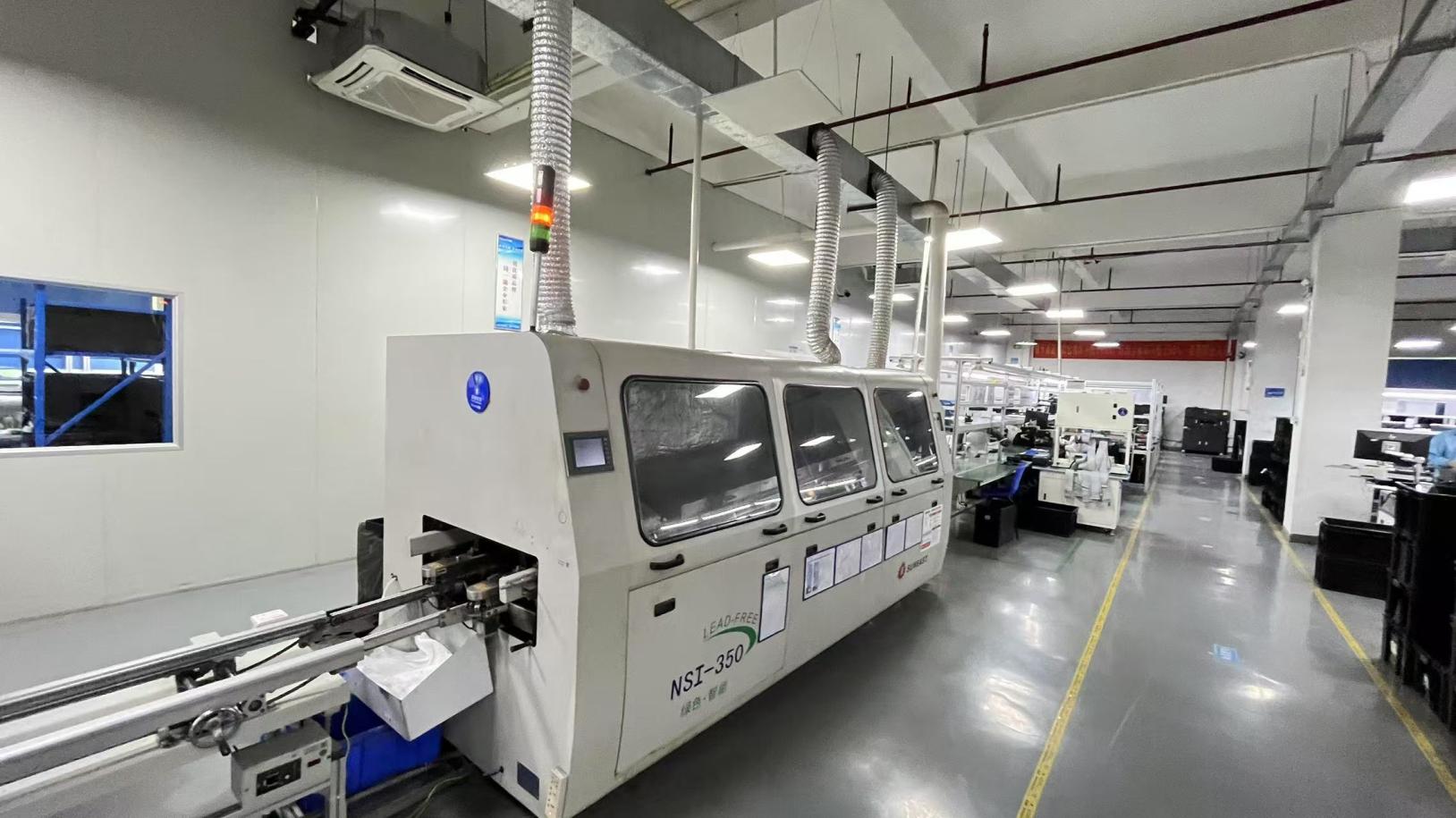
Our CE certified snap-in RJ45 sockets support diverse operational profiles, spanning from typical climate-controlled office spaces to heavy industrial floors:
FiberQ Photonics develops custom hybrid systems for enterprises deploying both optical backbones and copper client links. Our team optimizes transceiver-to-switch interfaces, minimizing signal latency and packet errors across hybrid infrastructures.
Modern networks are demanding higher bandwidth. While fiber optics handle long-distance backbone routing, copper remains the standard for edge device connectivity. Future technologies are focused on scaling copper interfaces to support higher speeds:
1. Single Pair Ethernet (SPE): Standard RJ45 configurations are shifting toward SPE protocols in industrial deployments, reducing wire weight and space while delivering data and power up to 1,000 meters.
2. Cat 8 Progression: Supporting bandwidth speeds up to 40Gbps over short distances, Cat 8 connectors rely on robust shielding designs to control alien crosstalk at frequencies of up to 2GHz.
3. Eco-friendly Polymers: Connectors are moving toward halogen-free materials and bio-based plastics to meet strict global environmental regulations like REACH.
Expert insights on certification requirements, mechanical properties, and installation configurations for ethernet hardware.
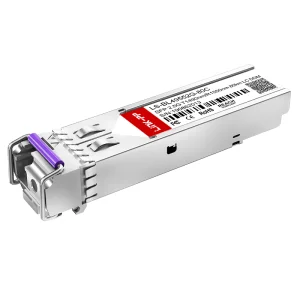
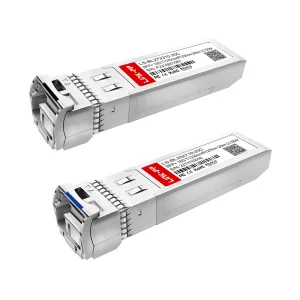
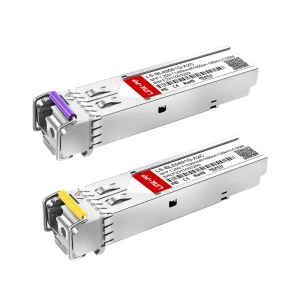
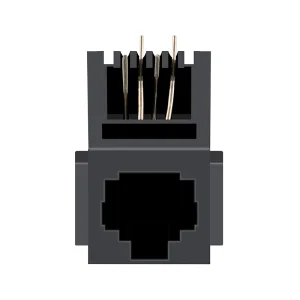
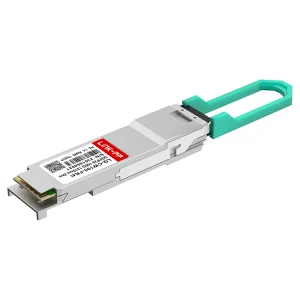
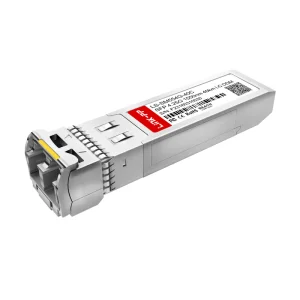
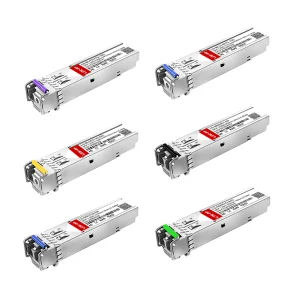
Complete your architecture with high-efficiency optical modules, vertical entry ports, and unshielded phone interfaces designed by FiberQ.