FiberQ
FiberQ
FiberQ
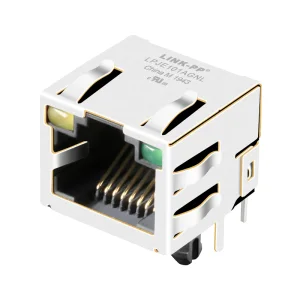
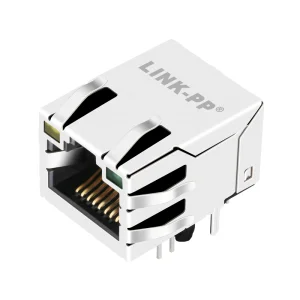
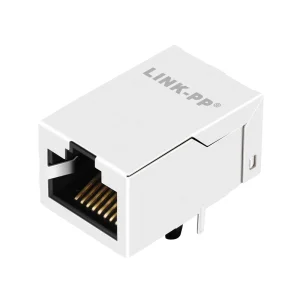
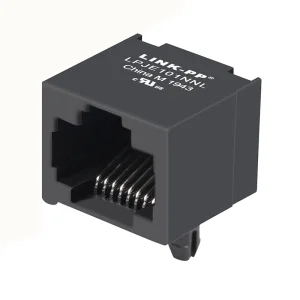
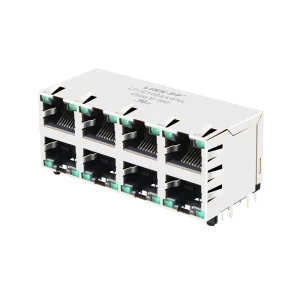
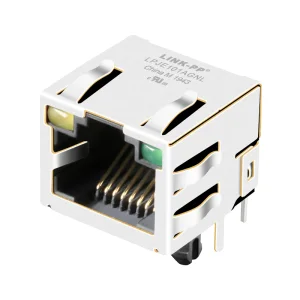
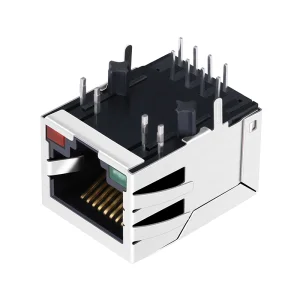
High-precision through-hole and power connectors designed for integration with external magnetic isolation boards.
In high-speed communication networks, the physical layer (PHY) transceiver typically requires magnetic isolation to prevent electromagnetic interference (EMI) and protect against voltage surges. However, design engineers in the United Kingdom increasingly specify RJ45 connectors without internal magnetics (often referred to as standard modular jacks) for highly specialized applications.
By decoupling the magnetic transformer components from the physical RJ45 jack housing, hardware designers gain the flexibility to choose external, discrete magnetics that precisely match their PHY chipsets. This design choice is vital in minimizing high-frequency crosstalk, managing complex board space allocations, and achieving stringent EMI certification standards like BS EN 55032 in the UK.
Integrating the transformer inside the connector (as seen in MagJacks) can limit thermal performance and restrict changes in the PHY layout. Non-magnetic RJ45 jacks provide several key performance advantages:
Analyzing the macroeconomic trends driving the adoption of custom networking hardware in Great Britain.
The UK is home to leading biomedical engineering clusters (Oxford, Cambridge, and London). MRI (Magnetic Resonance Imaging) suites require non-magnetic components to prevent dangerous interference with high-field magnetic environments. Connectors must be constructed strictly from non-ferrous materials to guarantee system accuracy and patient safety.
With the UK government's focus on "Made Smarter" initiatives, factories in the Midlands and North West are retrofitting legacy production lines. Shielded non-magnetic RJ45 jacks are utilized on PLC (Programmable Logic Controller) boards where specialized isolation is handled via external safety barriers to prevent hazardous industrial spikes.
Following post-Brexit transitions, compliance with UKCA (UK Conformity Assessed) marking and EU RoHS/REACH restrictions is mandatory for all network components imported into Great Britain. Manufacturers must prove trace-element declarations, particularly concerning lead, cadmium, and polybrominated biphenyls (PBBs).
Leveraging decades of specialized experience in optical communications and precise electrical connectors to serve global industrial markets.
FiberQ Photonics Technology Co., Ltd. is a professional manufacturer specializing in high-performance fiber optic transceivers and advanced photonic communication solutions for data centers, telecom networks, and high-speed interconnect applications. Founded in 2015, the company has grown into a trusted global supplier with strong engineering and export capabilities.
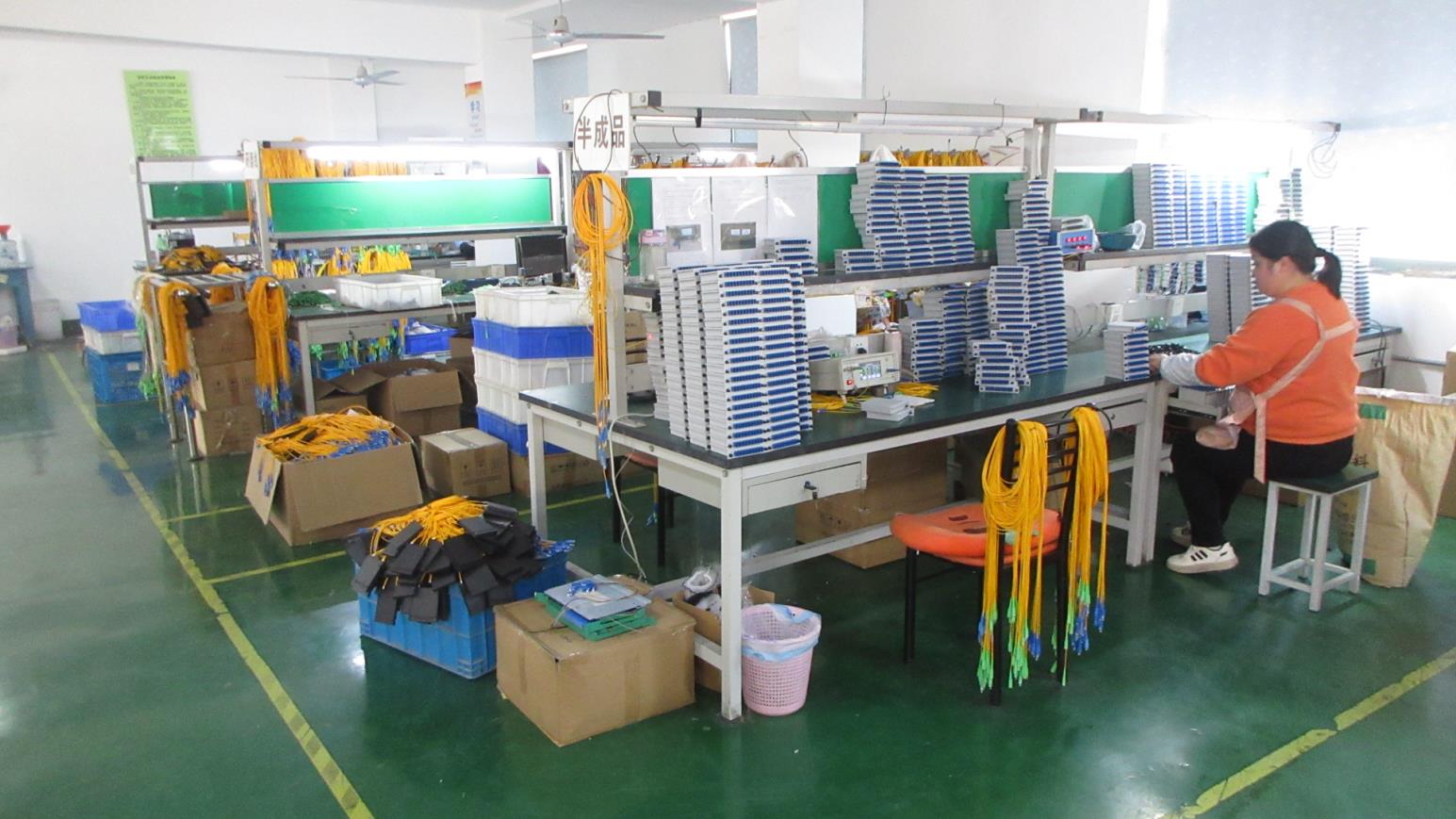
The company operates a modern production facility covering approximately 12,600㎡, enabling scalable manufacturing, precision assembly, and strict quality control processes. With annual export revenue reaching around USD 9.5 million, FiberQ has accumulated 6 years of export experience and 12 years of industry expertise in optical communication and high-speed interconnect technologies.
Our collaborative supply network consists of approximately 1,450 supply chain partners, guaranteeing a steady pipeline of raw materials, gold-plated phosphor bronze contacts, and high-temperature plastic housings (such as LCP or nylon) that resist deformation during wave and reflow soldering operations.
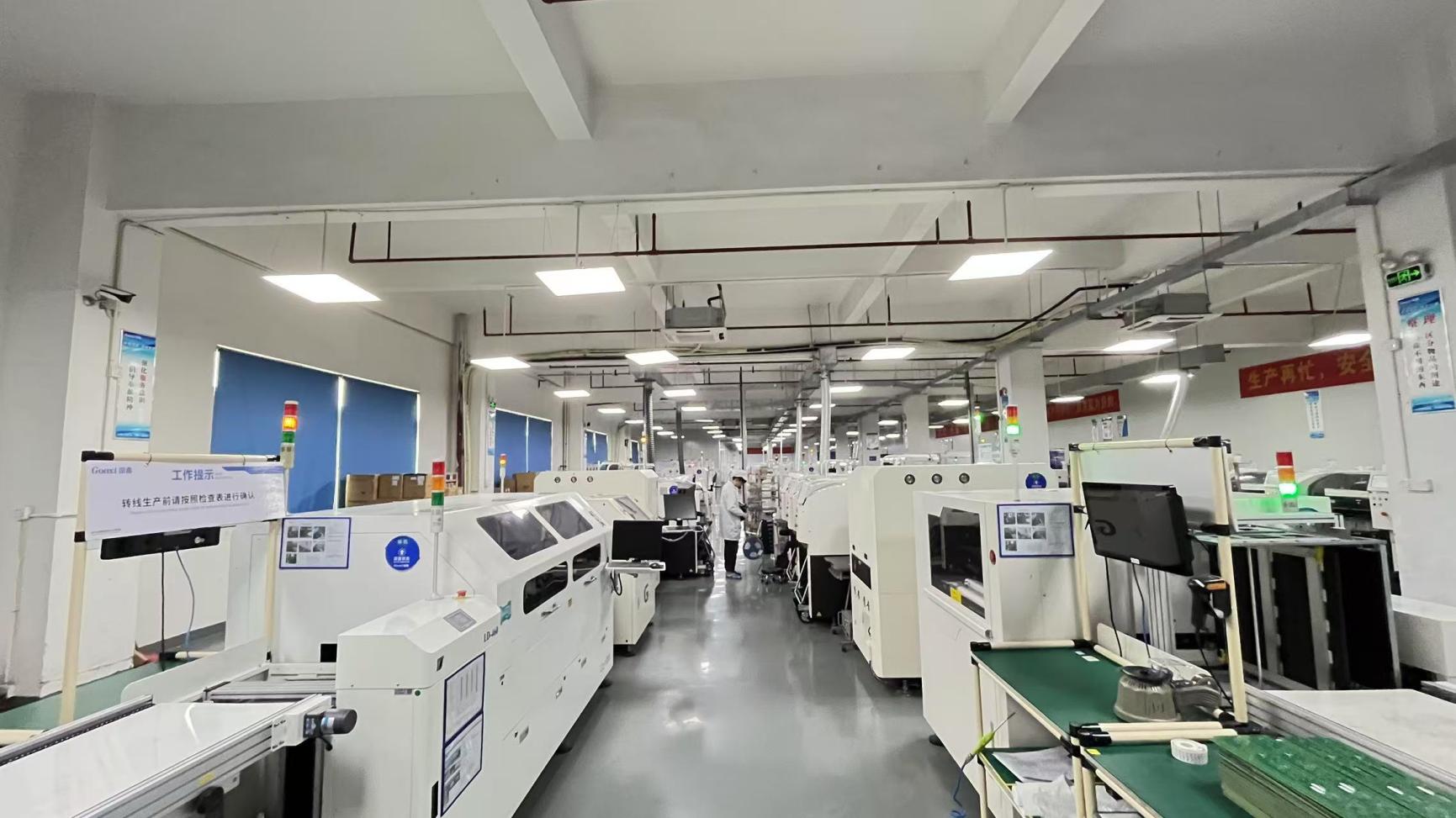
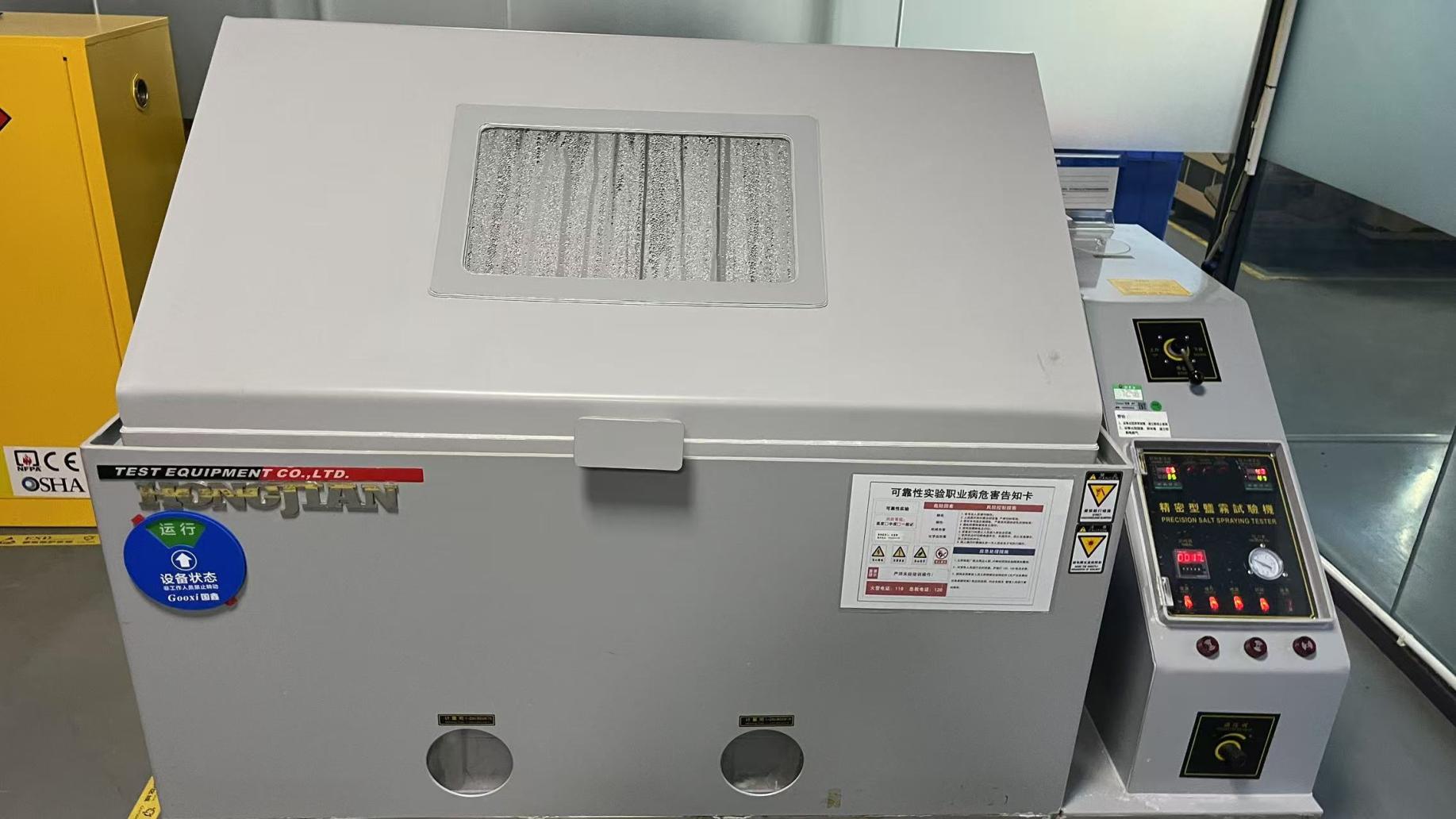
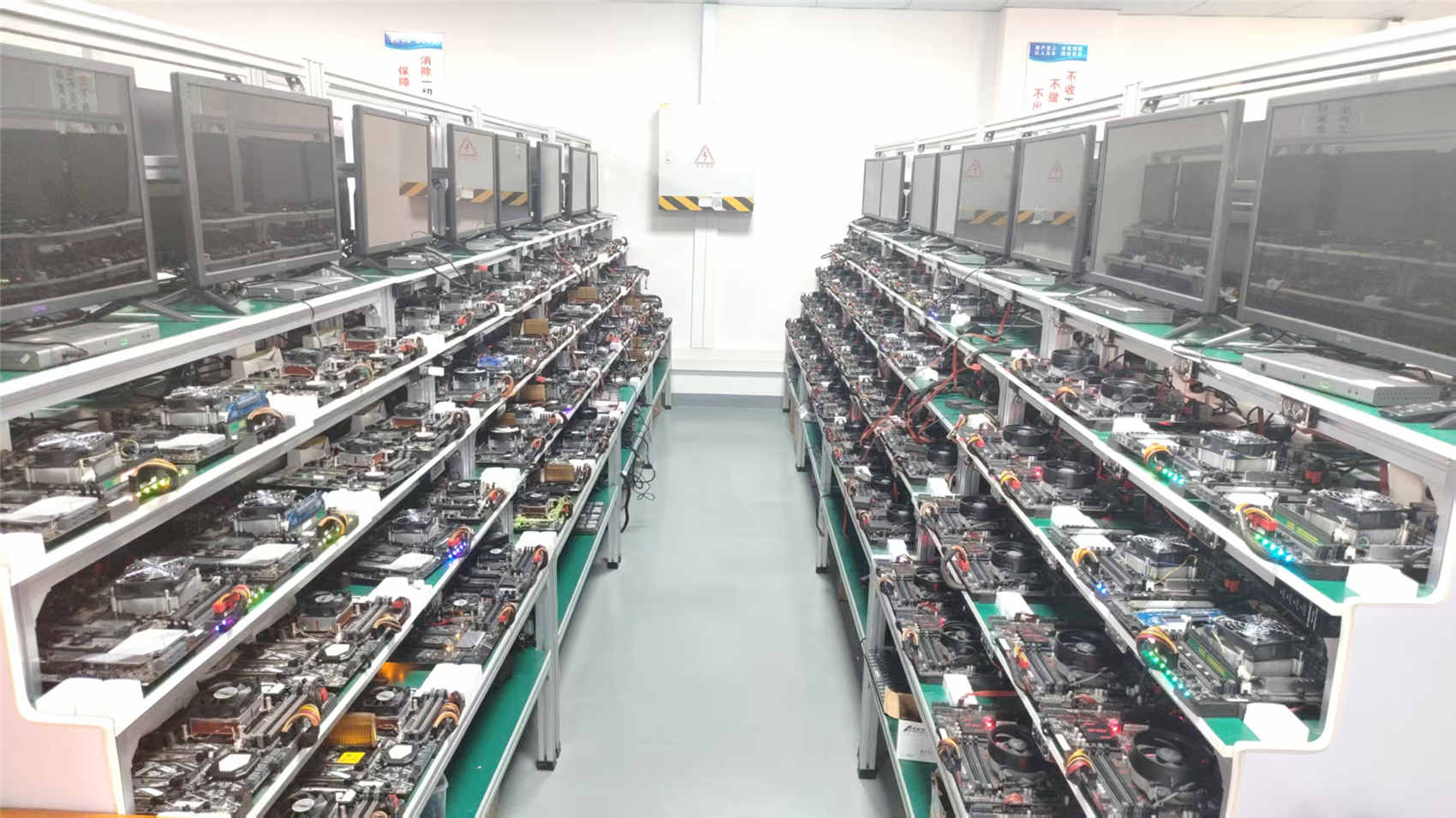
Quality assurance is ensured through a combination of automated optical performance testing, interferometric inspection, high-temperature aging tests, and manual quality checks. The quality control team consists of 62 experienced inspectors dedicated to maintaining product reliability and compliance with international standards.
With strong R&D capabilities, FiberQ supports advanced customization including protocol compatibility (100G/200G/400G/800G), wavelength engineering, thermal optimization, and form-factor adaptation. The company employs around 240 R&D engineers focused on optical design, signal integrity, and high-speed hardware development.
How automated production systems and strict quality controls offset global logistical risks.
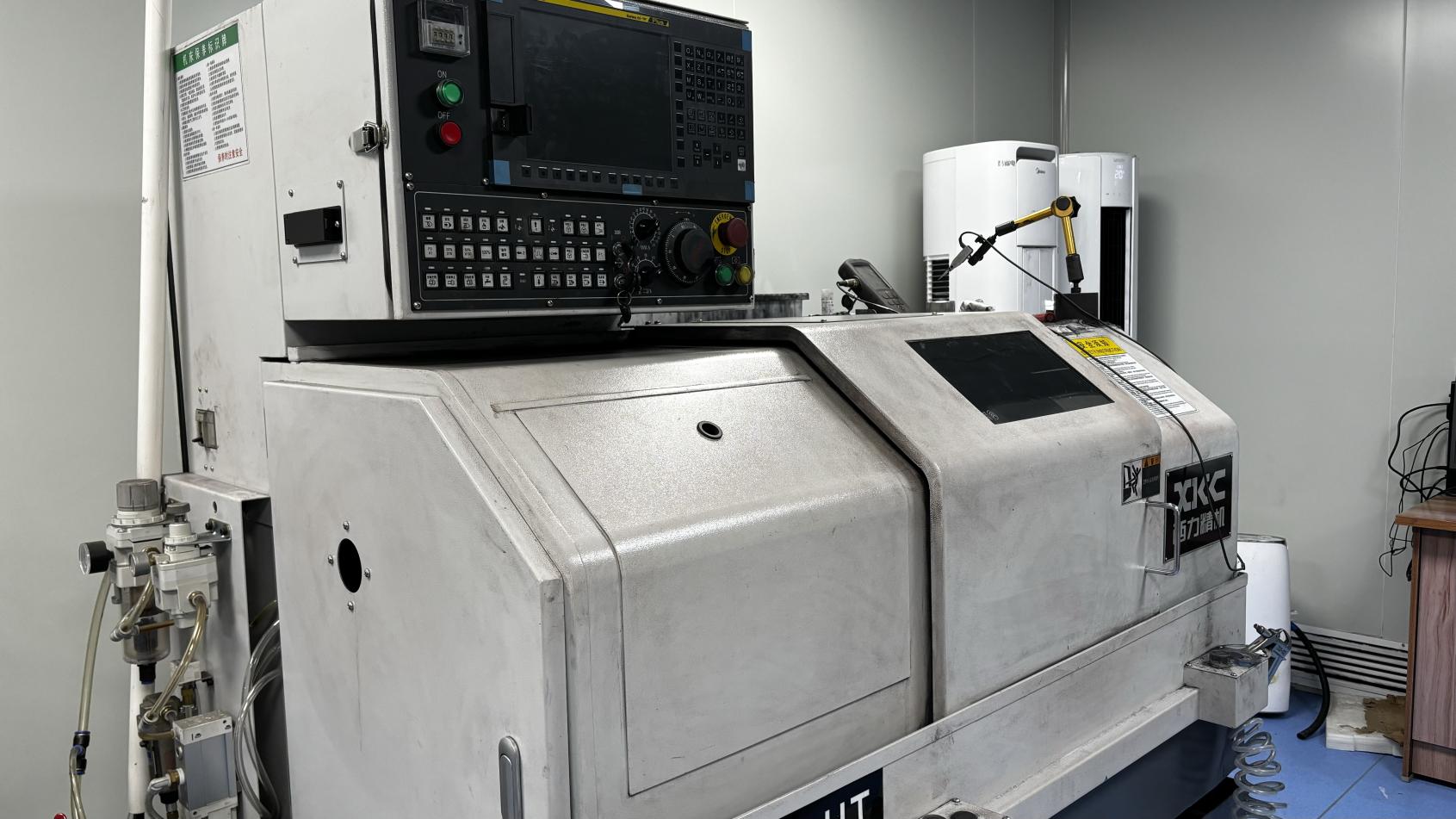
In the modern electronic components industry, manufacturing efficiency is directly linked to automation. At FiberQ’s production facility, automated stamping and plastic injection molding machines ensure that the dimensions of our RJ45 housings are accurate within tolerances of less than 0.02mm. This precision ensures consistent mechanical locking and electrical contact with standard patch cords, minimizing field failures.
For UK OEMs facing tight project deadlines and complex shipping logistics, partnering with a resilient manufacturer is essential. Our supply chain resilience model features:
Additionally, we mitigate logistics risks by coordinating with leading global freight forwarders operating out of major Chinese hubs, offering streamlined customs clearance and direct air/ocean routes to major UK ports (such as Southampton, London Gateway, and Felixstowe).
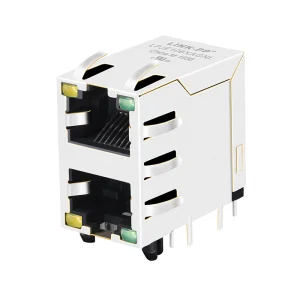
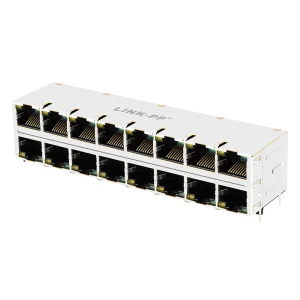
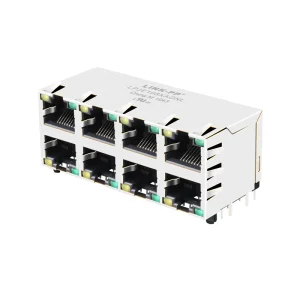
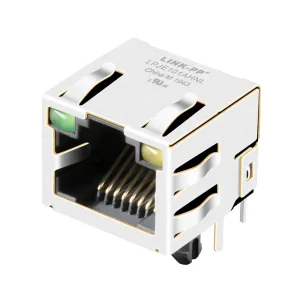
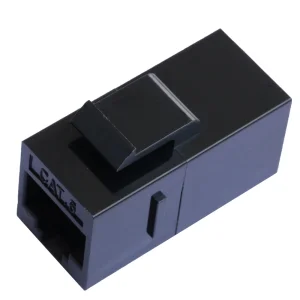
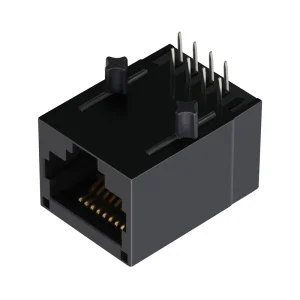
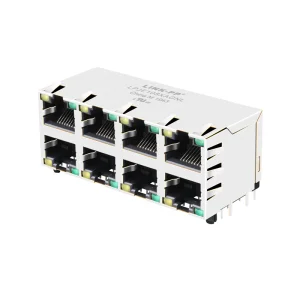
Explore our comprehensive catalog of RJ45 modular jacks without magnetics, optimized for low insertion loss and high cross-talk resistance.
A window into our advanced operations, displaying our commitment to precision fabrication, assembly line testing, and strict quality control.


How UK companies successfully deploy our non-magnetic RJ45 connectors in industrial, defense, and research infrastructure.
In offshore wind farms operating in the North Sea (near Yorkshire and Scotland), telemetry systems must endure high vibration and rapid temperature shifts. Using discrete, rugged transformers paired with our heavy-duty shielded RJ45 modular jacks allows developers to build subsea communication modules with optimal signal integrity and high physical durability.
UK rail modernization projects require extensive trackside data acquisition. Standard integrated magnetic connectors can struggle with high-vibration stresses on integrated magnetic wire-bonds. Selecting our robust through-hole non-magnetic connectors with discrete transformers offers a more durable assembly capable of handling intense vibration cycles.
The aerospace cluster centered around Bristol requires components that comply with strict weight limits and EMI performance. By utilizing our low-profile vertical RJ45 modular jacks without magnetics, defense contractors can place custom filters on lightweight, multi-layered daughterboards to reduce cabin weight while maintaining stable communications.
Clear, engineer-led responses regarding specification, mounting, and performance parameters of non-magnetic RJ45 jacks.
An RJ45 with magnetics (often termed a MagJack or ICM) contains miniature isolation transformers and common mode chokes integrated inside the plastic housing. An RJ45 without magnetics is simply a physical connector containing lead pins and gold-plated copper contacts, leaving the magnetic isolation to be managed by discrete components on the host PCB.
Designers specify non-magnetic connectors when using high-performance or non-standard PHY chips that require custom turns ratios, when trying to fit within restricted vertical height constraints, or when isolating circuitry in harsh environments like medical imaging systems (MRI) or high-voltage sub-stations, where external isolation transformers must meet special creepage and clearance distances.
To prevent oxidization and guarantee reliable mating cycles in humid UK environments, we offer gold plating options ranging from standard Gold Flash up to 50 micro-inches (50u") over nickel underplating. Our standard specification for industrial-grade networking gear is typically 30u" or 50u".
Yes. However, because the connector contains no internal magnetics, the current-carrying capability and isolation required for PoE (IEEE 802.3af/at/bt) must be managed by the discrete transformer and injection circuitry designed on your PCB. Our contacts are rated to handle currents up to 1.5A per pin, matching standard PoE requirements.
Yes. We manufacture our connectors using high-temperature thermoplastic materials (such as Liquid Crystal Polymer - LCP) that can withstand lead-free reflow profile peaks of up to 260°C. This ensures compatibility with modern SMT assembly lines used by contract manufacturers in the UK and Europe.
Leveraging our team of 240 R&D engineers, we can customize the shielding configurations, physical housing dimensions, LED color combinations, and mounting tab styles. We also offer customized electrical pins to match proprietary board footprints, ensuring seamless drop-in replacements for discontinued legacy components.
Get in touch with our global application engineering team to request physical samples, step files, 3D CAD models, or custom design consultations tailored to your industrial requirements.
Send Inquiry Now