FiberQ
FiberQ
FiberQ
Engineered for critical network interfaces, high isolation, and maximum signal integrity in local infrastructure developments.
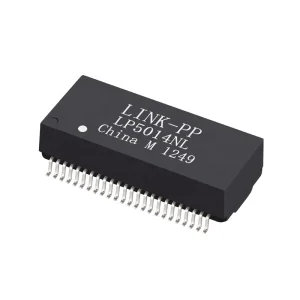
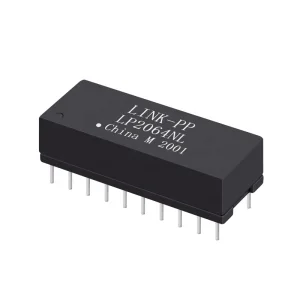
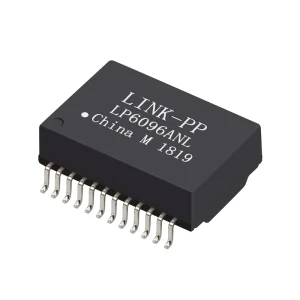
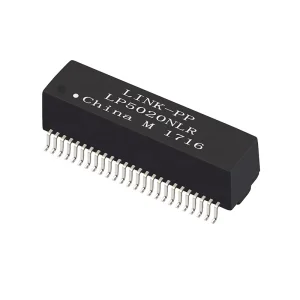
Azerbaijan is positioned as a pivotal hub along the Trans-Caspian East-West fiber-optic communication corridor. The government's strategic focus on the "Smart Karabakh" and "Smart Village" concepts, combined with massive investments in automated logistics at the Alat Free Economic Zone (AFEZ) and Port of Baku, has driven exponential growth in the demand for rugged industrial Ethernet systems. In these extreme contexts, reliable LAN Transformers form the foundation of physical-layer networking hardware.
From the automated SCADA systems monitoring pipeline pressures across SOCAR networks to the multi-gigabit switches running metro lines in Baku, electrical isolation and noise rejection are not optional. Our advanced LAN magnetics are engineered to satisfy this industrial imperative, offering superior immunity to high-voltage spikes, lightning surges, and electromagnetic interference (EMI) typical of heavy petroleum processing and power distribution environments.
Deep dive into signal integrity, common-mode noise suppression, and physical isolation protocols.
Our LAN transformers provide galvanic isolation up to 1500Vrms or 2250Vdc, exceeding the strict IEEE 802.3 standard. This isolates local equipment from grounding loop faults and high electrical surges typical of heavy industrial zones in Sumqayit.
Supporting PoE, PoE+, and PoE++ standards (up to 90W per channel). Optimized internal copper wire dimensions ensure low DC resistance, preventing thermal dissipation issues in sealed outdoor junction boxes.
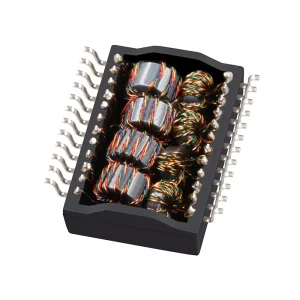
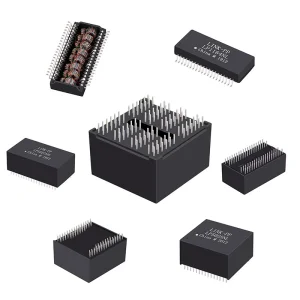
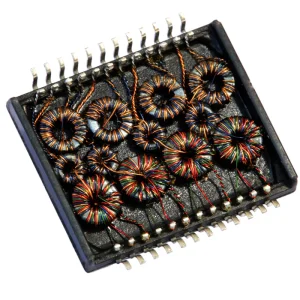
Equipped with high-permeability toroidal cores, offering exceptional suppression of common-mode noise. This ensures zero packet loss in close proximity to massive turbines and drilling machinery.
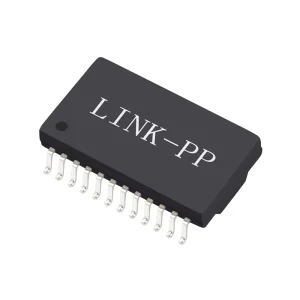
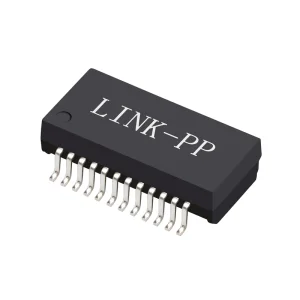
In high-speed copper networking (10/100/1000 Base-T and 10G Base-T), physical copper cables act as long-wire antennas, picking up massive electrostatic and electromagnetic noise. The LAN Transformer functions as both a filter (via balanced common-mode chokes) and a safety barrier (via 1:1 ratio isolation toroids). Inferior magnetics suffer from high leakage inductance and interwinding capacitance, leading to signal distortion (increased Jitter) and high bit-error rates. By sourcing premium magnetic modules, network device builders in Baku ensure stable physical-layer performance and prolonged life cycles of expensive PHY transceivers.
Modern Production Facility
R&D Optical & Magnetic Engineers
New Products Launched Annually
Supply Chain Partners
Through strategic alignments with specialized Chinese manufacturing ecosystems, such as FiberQ Photonics Technology Co., Ltd., Azerbaijani telecommunications integrators gain access to elite engineering and scaling efficiencies. Operating a sophisticated facility spanning 12,600 square meters, FiberQ specializes in high-speed optical transceivers alongside complex integrated communications components. This synergy provides direct pathways for procurement, allowing localized customization of magnetic layouts for custom hardware switches.
Leveraging 12 years of industry experience and an export infrastructure that serves North America, Europe, and Japan, FiberQ maintains absolute resilience against components shortages. Working alongside 1,450 vetted partners ensures high-purity ferrite cores, premium copper magnet wires, and high-temp liquid crystal polymers are consistently stocked, eliminating shipping delays for massive logistics projects in Alat.
We support advanced adaptation of pin footprints, specialized high-density multi-port layouts (Dual/Quad configurations), and custom temperature ratings (-40°C to +125°C) to withstand the extreme climate changes of the Caspian basins.
Our testing facilities employ state-of-the-art vector network analyzers (VNA) to execute sweeping Insertion Loss, Return Loss, and Crosstalk tests up to 500 MHz, assuring compliance with Category 6A cabling protocols.
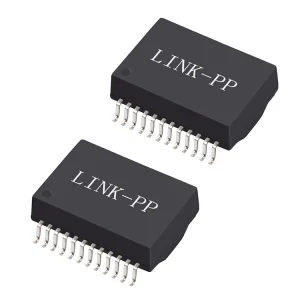
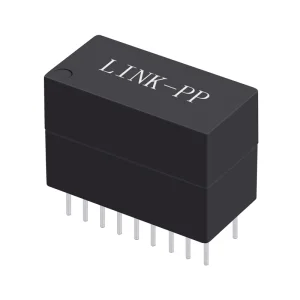
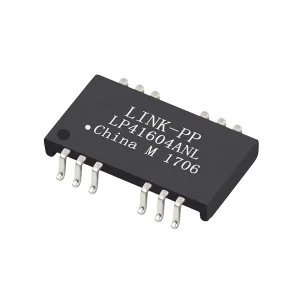
Explore our full line of magnetic modules designed for telecom backplanes, server NICs, and outdoor media converters.
Take a virtual tour inside our advanced fabrication lines where raw cores transition to certified networking components.
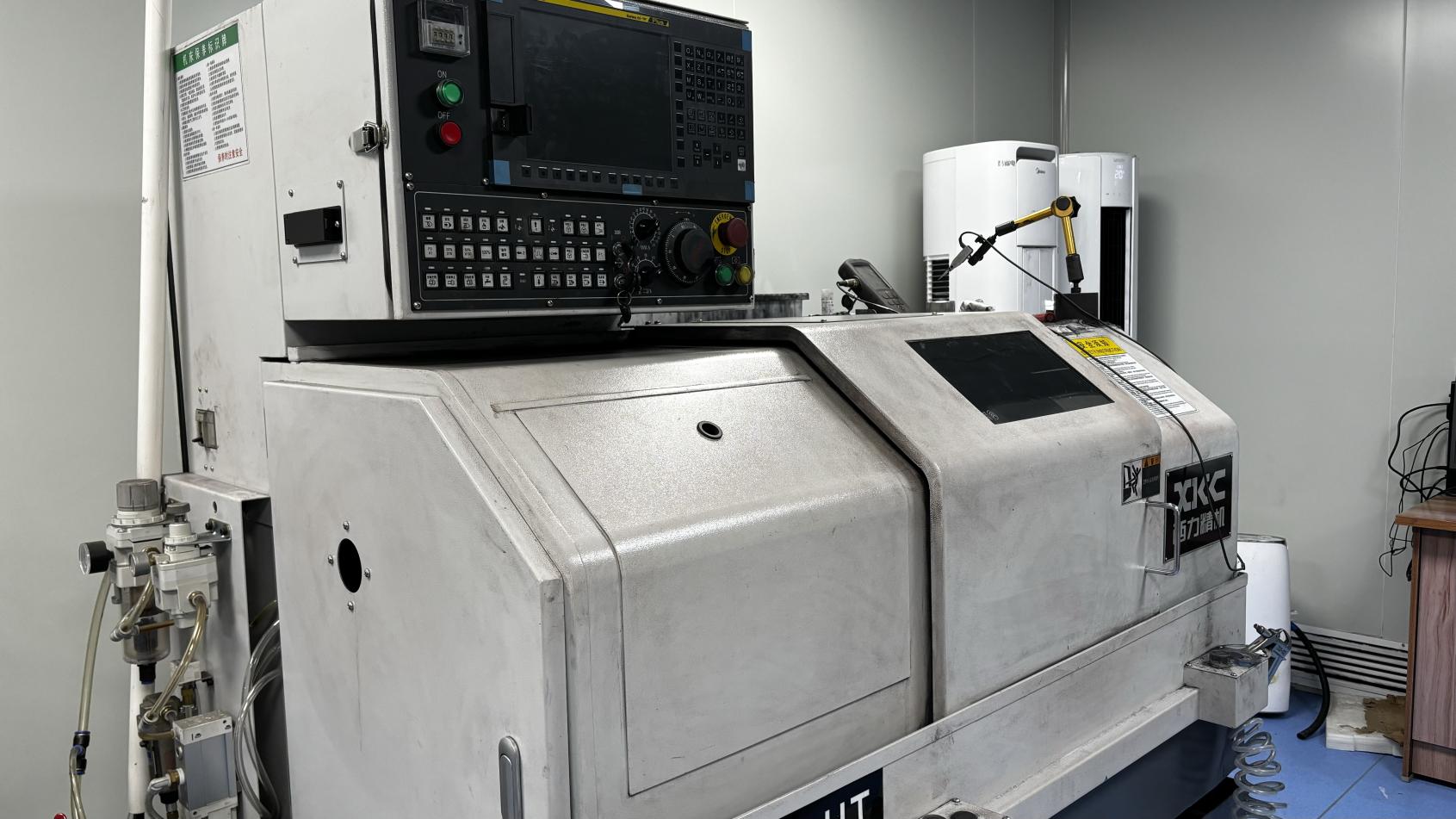
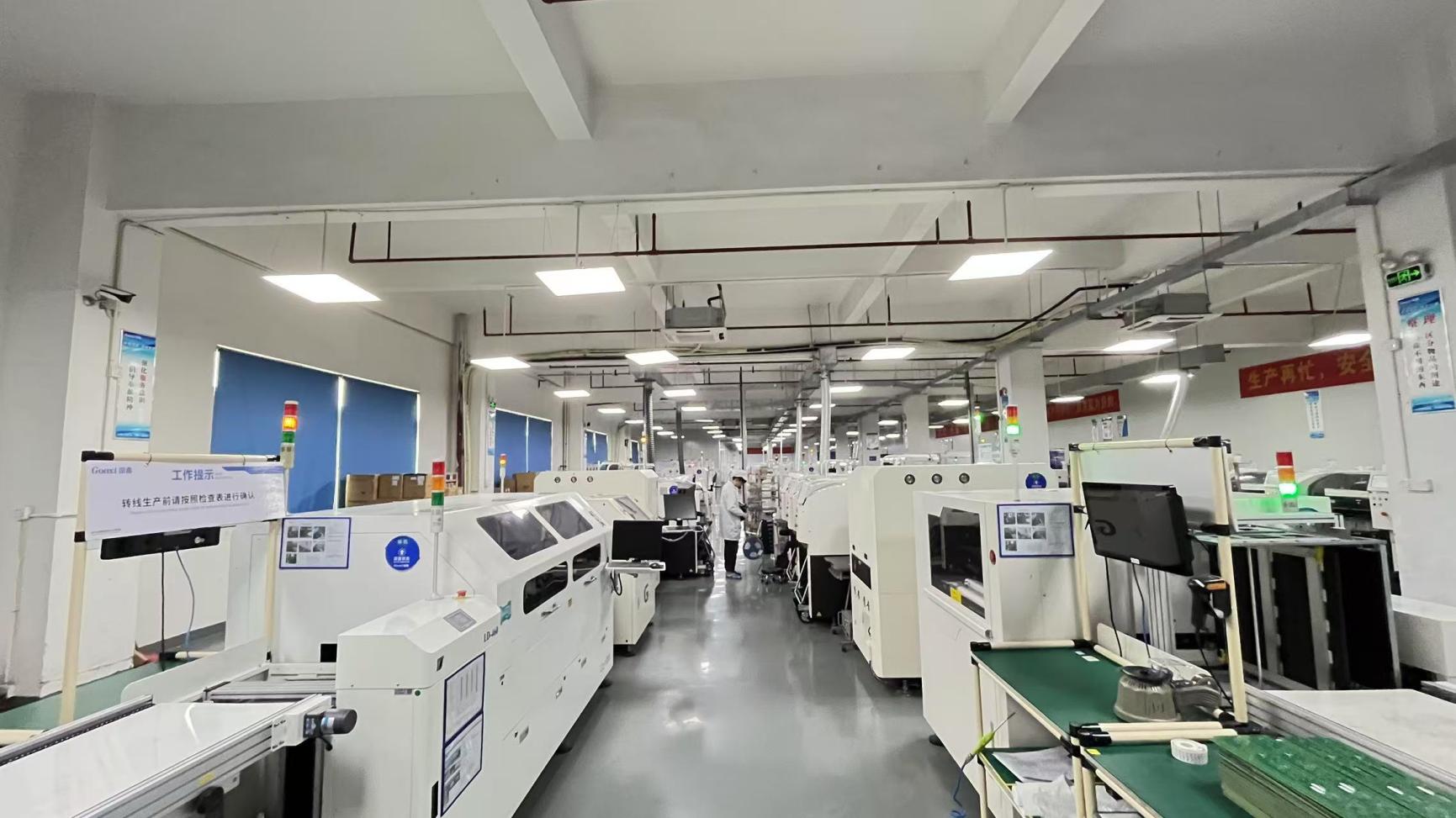
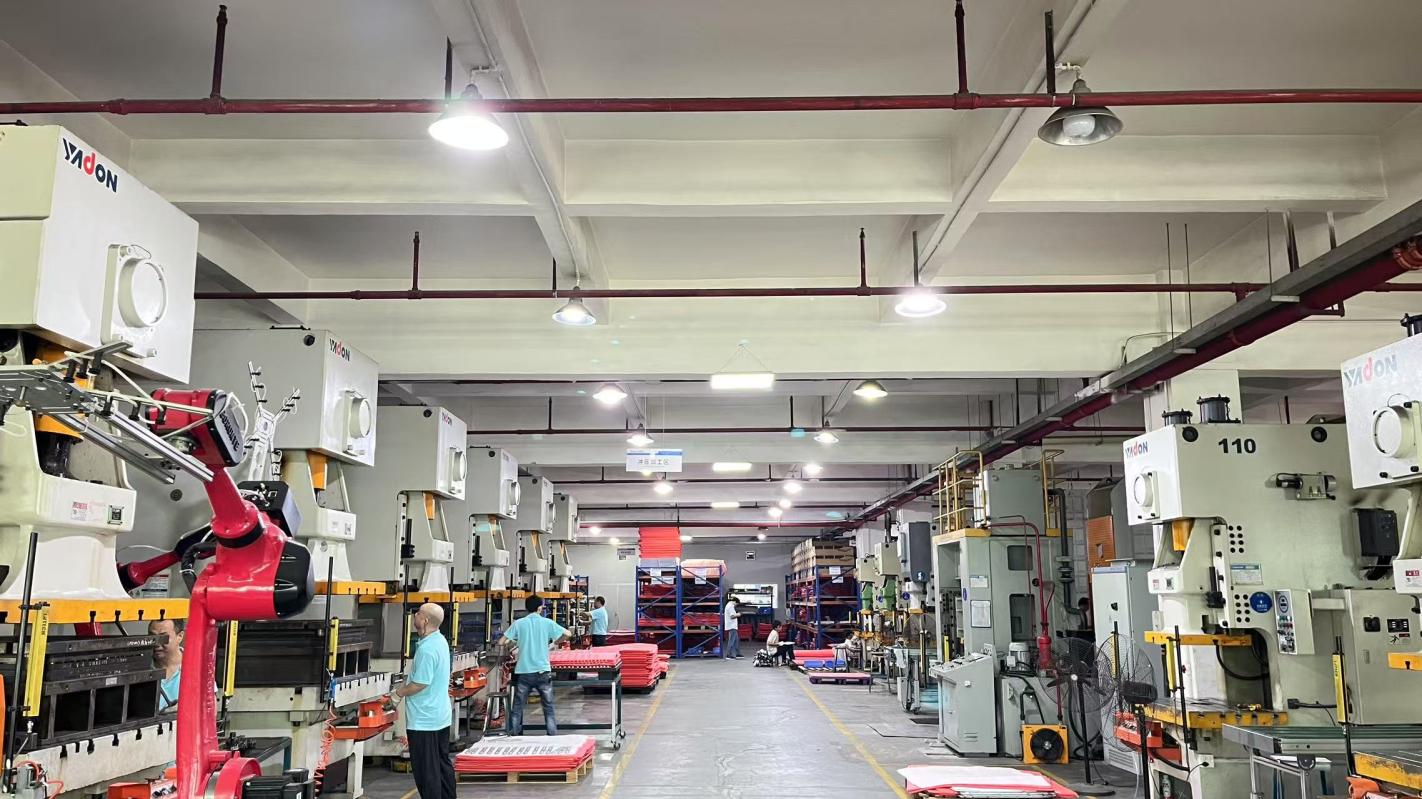
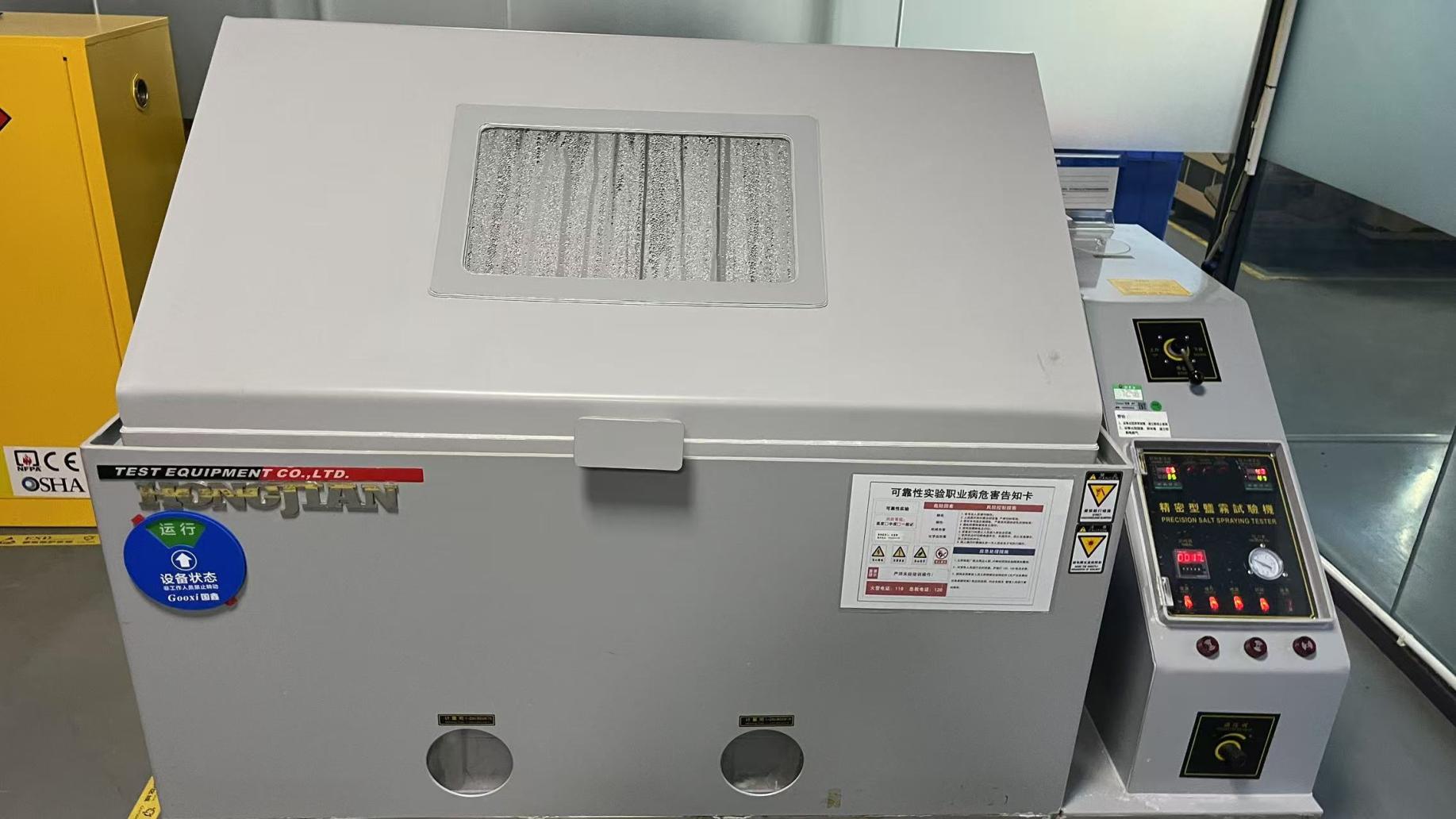
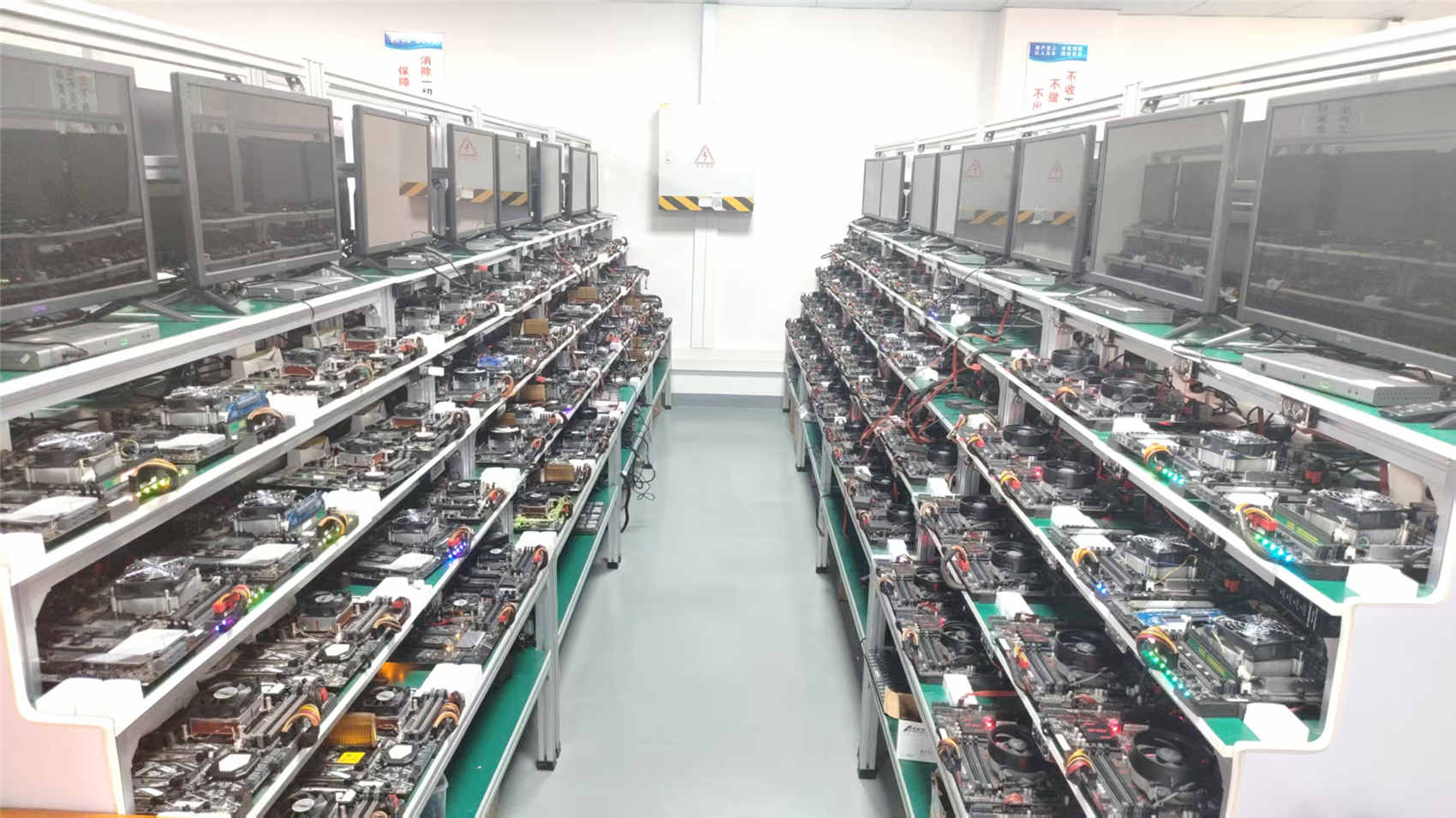
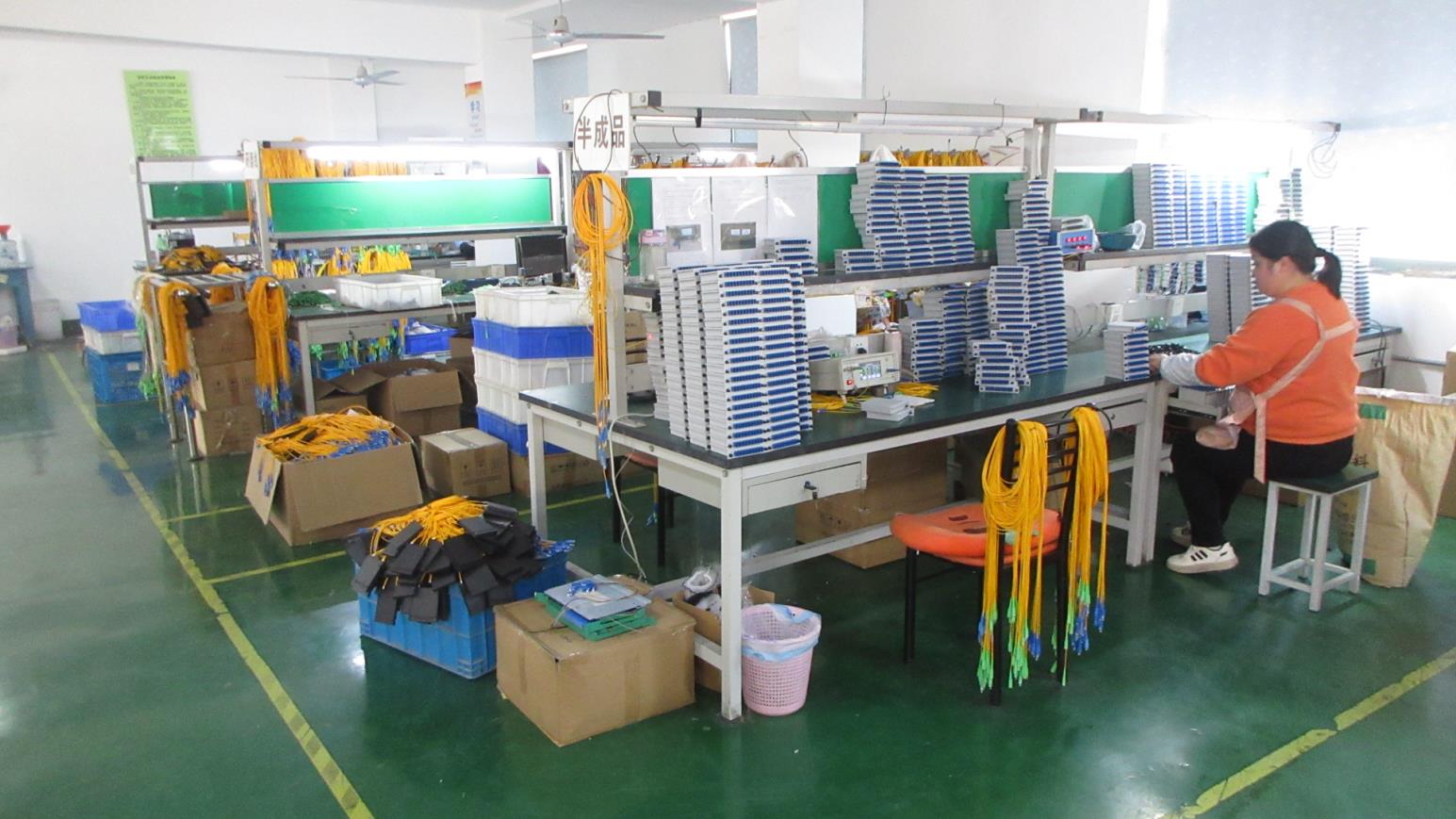
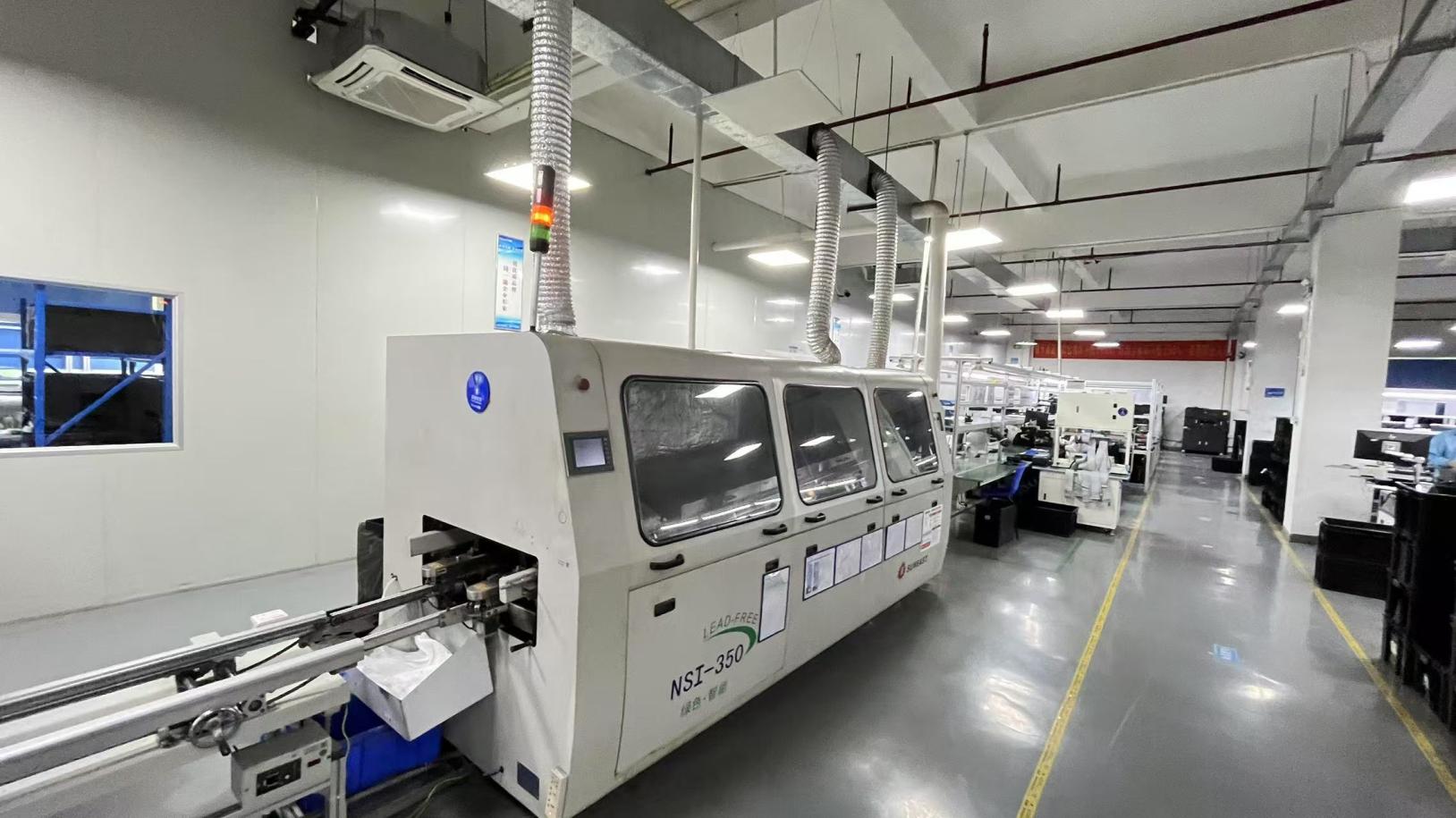
Operating a production center certified to ISO 9001:2015 and ISO 14001:2015 parameters, our group implements rigorous testing structures. Each batch is subjected to mechanical vibration analysis, continuous high-temp operating life (HTOL) tests at 85°C for 1000 hours, and strict S-parameter qualification (Insertion Loss, Return Loss, Crosstalk). This degree of process controls minimizes defects to under 50 PPM, establishing a trusted supply line for telecom and energy companies across Azerbaijan.
The networking environment in Azerbaijan is transitioning from legacy Fast Ethernet to Gigabit and Multi-Gigabit infrastructures. Standard 1G systems are rapidly giving way to 2.5G, 5G, and 10G Base-T architectures. Higher bandwidth requires operating at higher frequencies (up to 500 MHz for 10G), which introduces complex electromagnetic challenges like inter-channel crosstalk and higher Insertion Loss.
To navigate this, our engineering teams are deploying advanced wire-winding methods alongside high-permeability, high-frequency MnZn (Manganese-Zinc) ferrite materials. Furthermore, the advent of Single Pair Ethernet (SPE) under IEEE 802.3cg/bu is set to transform the automation space, reducing cabling weight and physical footprint by transmitting data and power (PoDL) over a single pair of copper wires. This is expected to be key for Karabakh's remote smart sensor projects.
Expert answers regarding electrical specifications, compliance, and custom hardware integration.
A: Thermal stability and high isolation are critical. You must ensure the module has an operating temperature range of -40°C to +85°C. For electrical specs, verify the isolation voltage meets or exceeds 1500Vrms. The common-mode choke should offer high impedance over the specific noise frequency band of the adjacent machinery, and the insertion loss should stay below 1.1 dB across the operating bandwidth to avoid signal attenuation.
A: A PoE-compatible LAN transformer utilizes center-tapped windings to inject DC current. The current flows in opposite directions through the two halves of the primary winding, creating opposing magnetic fields that cancel each other out. This prevents core saturation. If the current in the two paths becomes unbalanced (due to resistance mismatch), saturation can occur, leading to data packet loss. This highlights the importance of precision winding tolerances.
A: Yes, replacing discrete components with an ICM (RJ45 with built-in magnetics) saves up to 50% of PCB space and improves EMI shielding, as the metal housing of the RJ45 acts as a Faraday cage. However, you must carefully map the pin assignments, as the internal trace layout differs from discrete transformer circuits. We provide conversion schematics for standard PHY designs.
A: Hand-wound toroidal cores show variation in spacing between wires, which changes leakage inductance and capacitance. Automated winding machines place wire turns with high precision. This guarantees consistent electrical metrics across all channels, minimizing crosstalk and return loss variations in multi-port applications.
A: Absolutely. All LAN transformers are manufactured using lead-free solder processes and meet RoHS directive requirements. We also ensure full compliance with EU REACH regulations to facilitate easy import into the EU and adjacent markets via Azerbaijan's trade networks.
A: For customized designs (e.g., custom pin configurations or specialized isolation ratings), the R&D engineering phase takes approximately 2-3 weeks for sampling. Once prototype testing is approved by the client, mass production and shipment can be completed within 4-6 weeks, backed by our robust China supply network.