FiberQ
FiberQ
FiberQ
Engineered for direct-solder reliability in high-altitude mines, electrical substations, and regional telecommunication backbones.
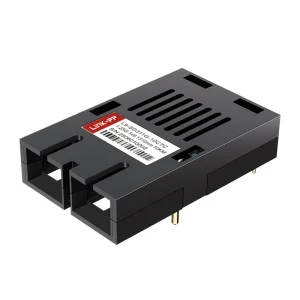
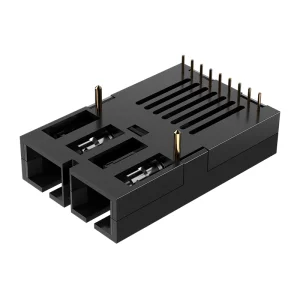
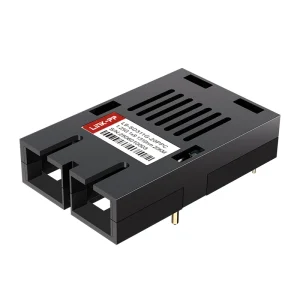
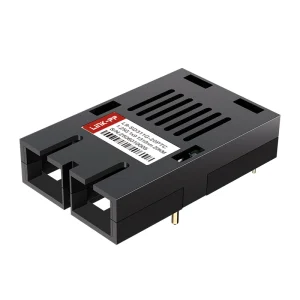
As Chile undergoes a massive digital transformation, driven by initiative-based programs such as the Fibra Óptica Nacional (FON) and the Fibra Óptica Austral (FOA), reliable physical networking layers have never been more critical. While modern high-speed data centers in the Santiago Metropolitan Region adopt pluggable modules like SFP28 and QSFP28, heavy industrial sectors, utility grids, and regional transport infrastructure rely heavily on the robust, time-tested 1x9 transceiver format.
Chile's geography presents extreme challenges: from the bone-dry, high-altitude Atacama Desert in the north, home to massive copper and lithium mining facilities (such as Escondida and Chuquicamata), to the sub-zero temperatures and high humidity of Patagonia in the south. The 1x9 physical layout, featuring a single row of nine pins soldered directly onto system PCBs, provides unmatched physical stability against thermal expansion, high vibration, and shock. This reliability makes it indispensable for SCADA systems, industrial Ethernet switches, and substation communication protocols operating in these regions.
The global optical communication landscape is rapidly advancing toward 400G and 800G, yet industrial legacy networks require continuous supply security for components like the 1x9 form factor. Many Tier-1 international component manufacturers have phased out production of legacy 1x9 components to prioritize high-margin hyper-scale optical units. This leaves a severe supply gap for telecommunications equipment manufacturers (OEMs), defense contractors, and industrial automation system integrators worldwide.
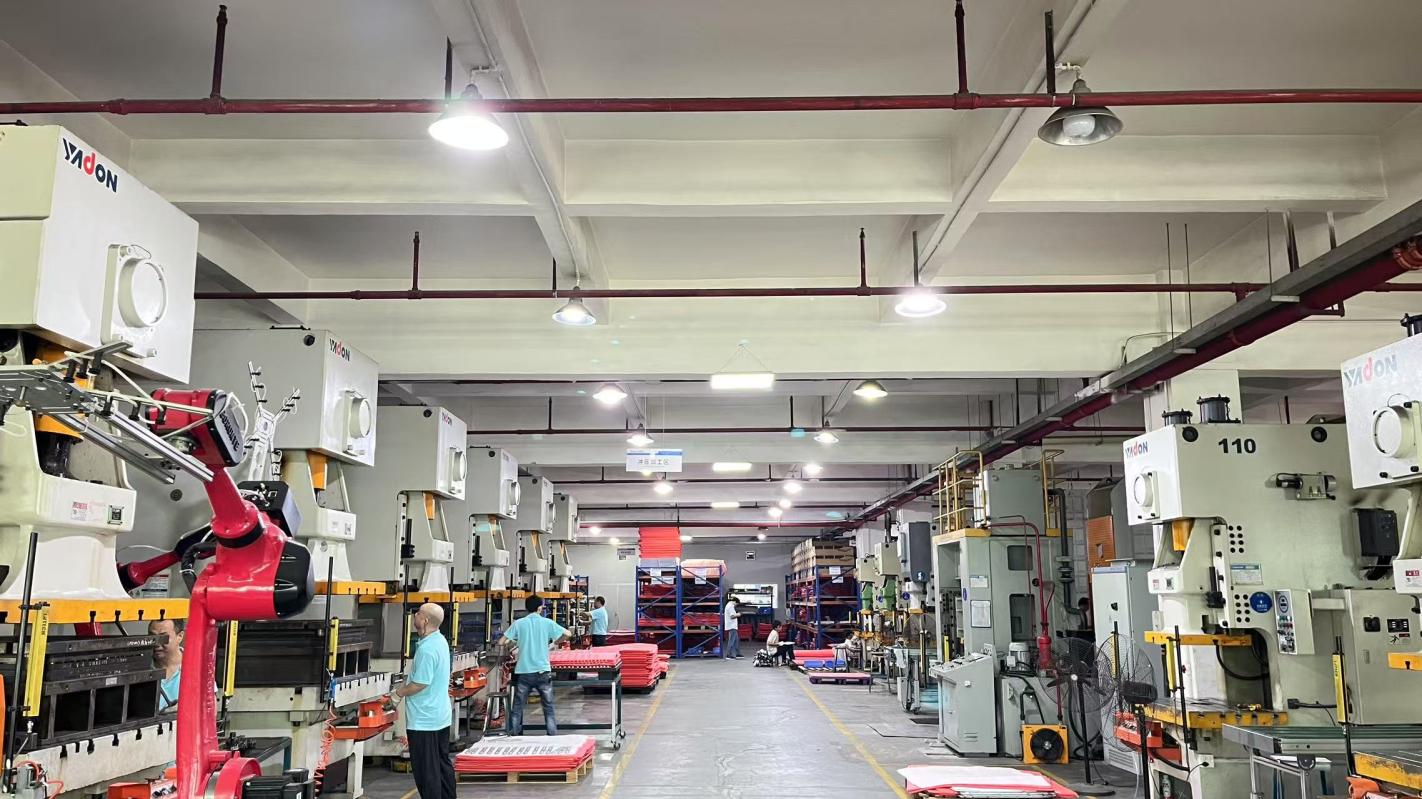
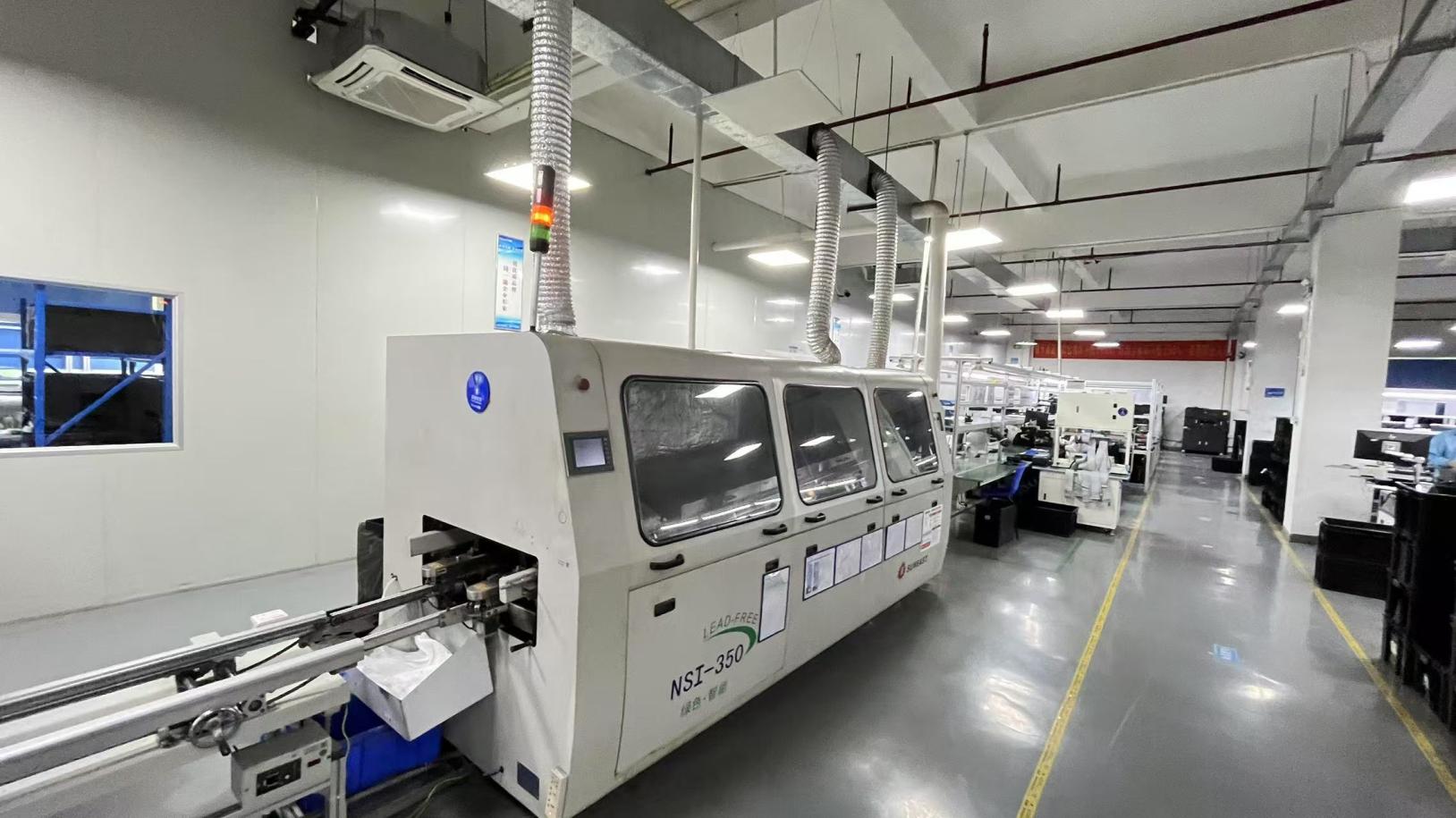
As a leading global exporter, FiberQ Photonics Technology Co., Ltd. addresses this critical gap. With a state-of-the-art 12,600m² manufacturing facility and a robust network of 1,450 supply chain partners, we guarantee the continuous supply and customization of 1x9 optical modules. We blend historic legacy form factors with modern laser technology (including DFB and VCSEL transmitters) to provide high-performance modules that meet current standards of signal integrity and power efficiency, ensuring long-term support for critical infrastructure.
Understanding the optical physics and mechanical integrity that define FiberQ's 1x9 components.
Our 1x9 optical transceivers are built using high-performance optical sub-assemblies (OSA). We utilize Transmitter Optical Sub-Assemblies (TOSA) with highly stable DFB (Distributed Feedback) lasers for long-distance single-mode applications (up to 80km) and VCSEL/FP lasers for short-reach multimode networks. The Receiver Optical Sub-Assembly (ROSA) employs high-sensitivity PIN photodiodes or Avalanche Photodiodes (APD) to ensure excellent receiver sensitivity even under severe link attenuation.
Unlike pluggable SFP transceivers that utilize microcontrollers to report digital diagnostic monitoring (DDM/DOM), which can occasionally hang under severe electromagnetic interference (EMI), our 1x9 modules utilize pure analog-driven circuitry. This guarantees instant system boot times, zero software-related transceiver hangs, and complete immunity to EMI generated by massive mining excavators and power grid switches.
How our technology powers the critical nodes of Chile's industrial sectors.
In high-altitude mining networks, fiber optics provide galvanic isolation and complete EMI immunity. Our 1.25G and 155M 1x9 modules are embedded in ruggedized field switches and PLC panels, transmitting real-time sensor data from flotation tanks, conveyor belts, and massive crushers back to central control stations without signal decay.
Subway environments require extremely low latency and maximum reliability for automatic train control (ATC) and signaling systems. Our 1x9 modules are installed along trackside signaling units, ensuring uninterrupted data flow between moving train sets and regional command hubs, ensuring maximum safety for millions of commuters.
Northern Chile hosts some of the world's most sensitive optical and radio telescopes (ALMA, VLT). Localized telemetry networks must not emit RF noise. The low-radiation, shielded designs of FiberQ 1x9 transceivers prevent data transmission interference with sensitive radio-astronomical receivers.
Importing highly specialized telecommunication hardware into Chile requires navigating specific regulations set by the Subsecretaría de Telecomunicaciones (Subtel) and customs authorities. Under the provisions of the China-Chile Free Trade Agreement, import tariffs on telecom equipment can be reduced to zero, provided that proper Certificate of Origin documents (Form F) are supplied during customs clearance at major Chilean ports like Valparaíso, San Antonio, or Santiago’s Pudahuel Airport (SCL).
FiberQ provides complete regulatory support for South American importers, including:
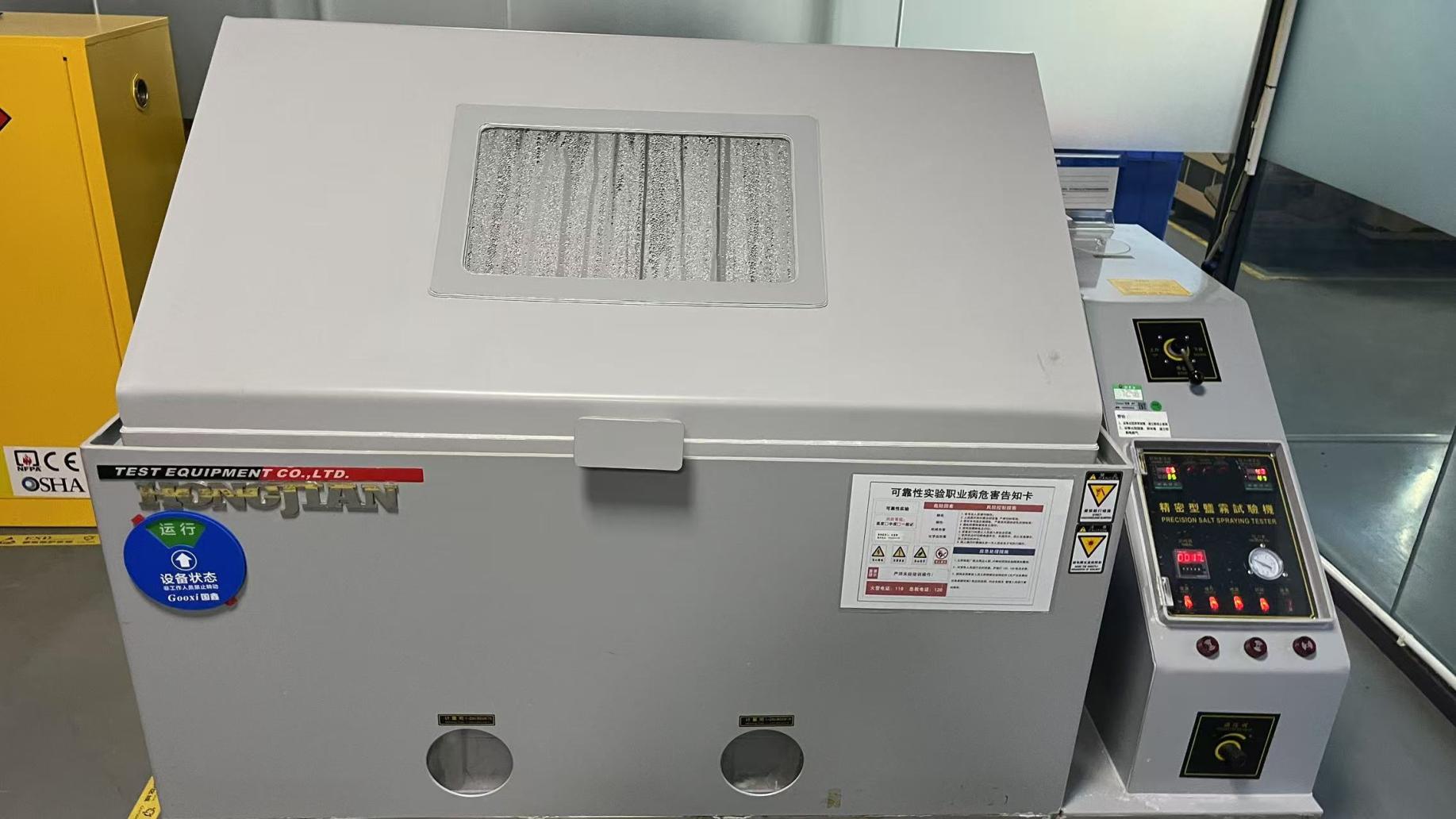
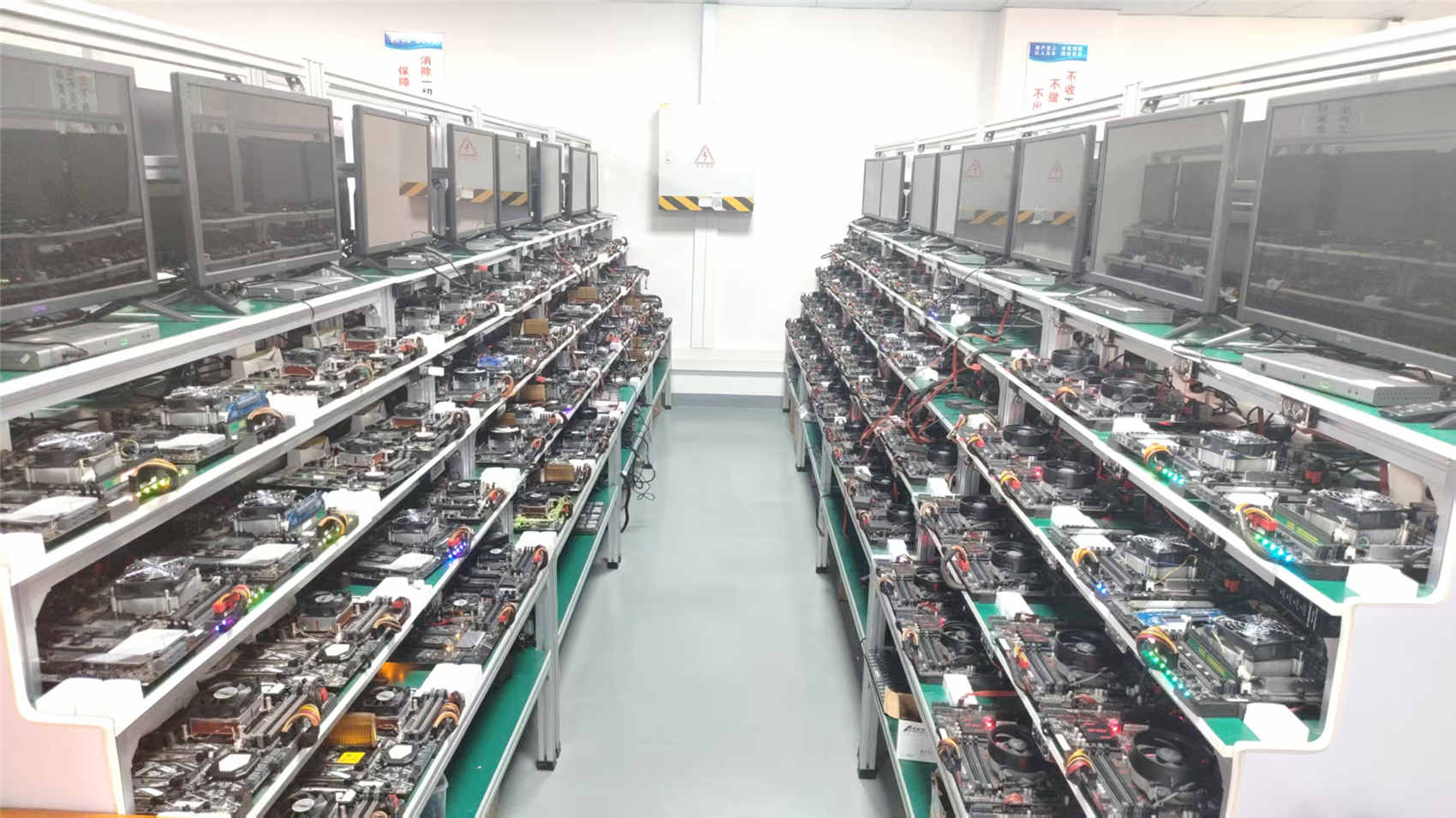
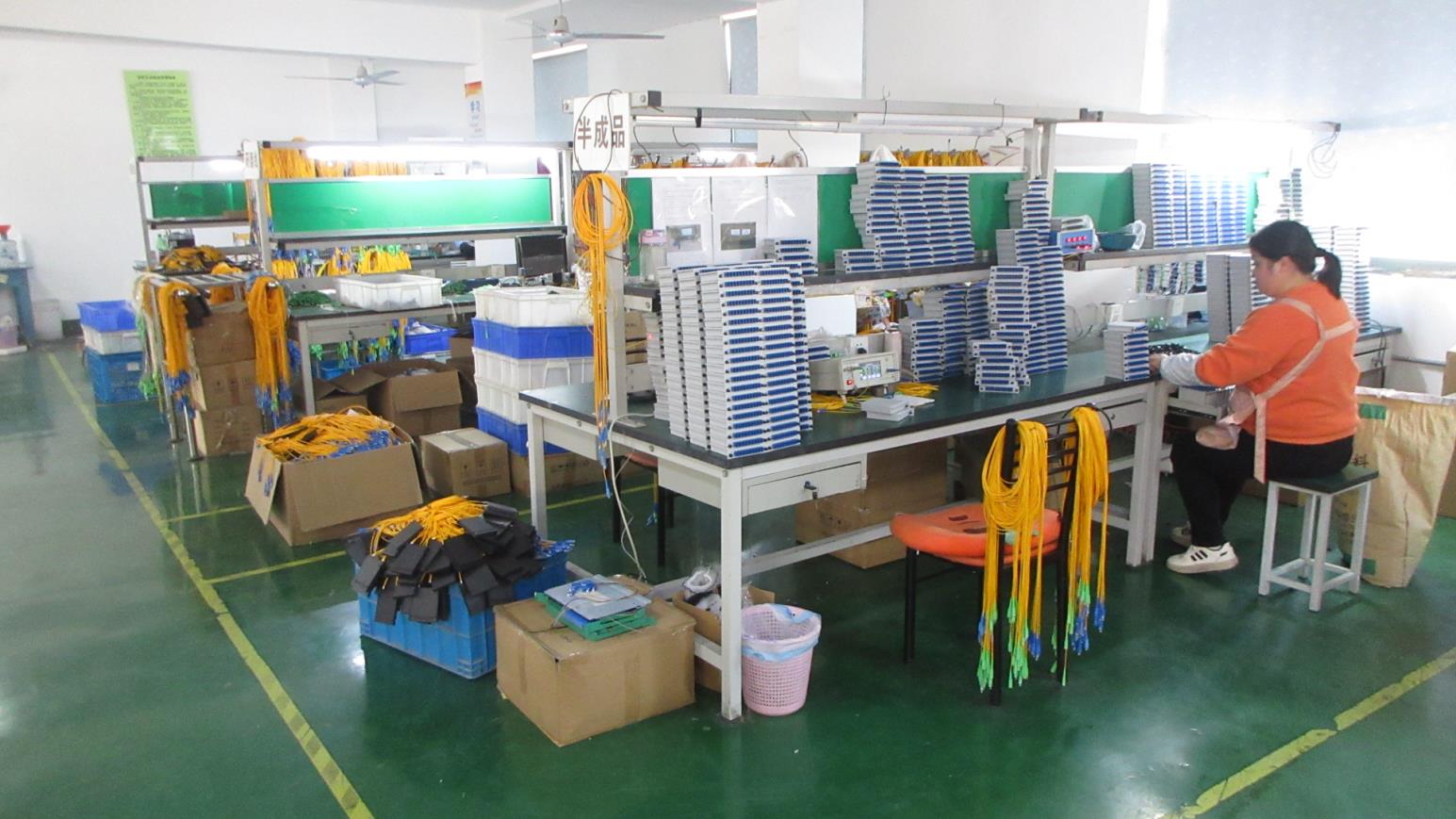
Our commitment to excellence is backed by rigorous testing, skilled inspectors, and state-of-the-art facilities.
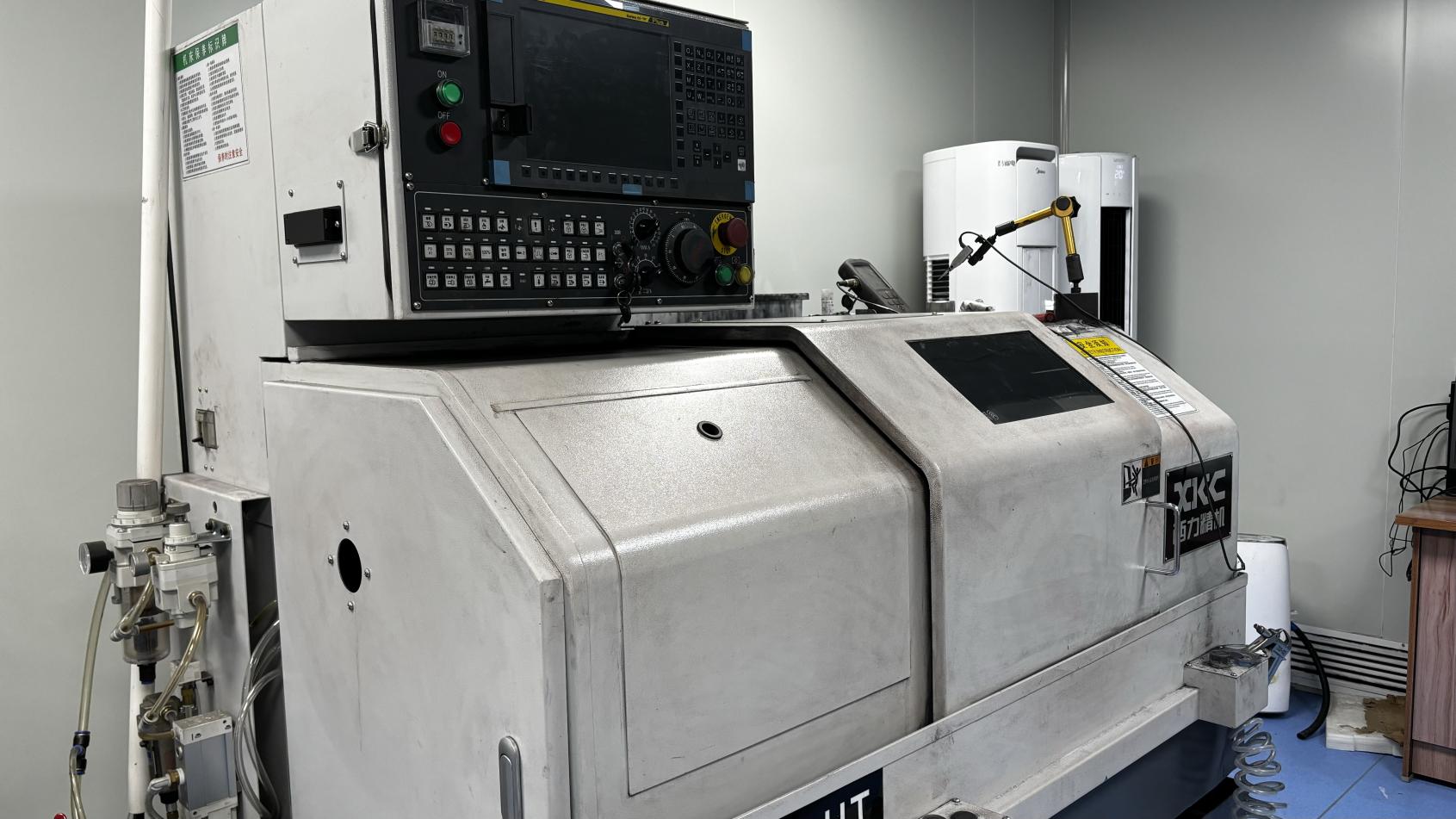
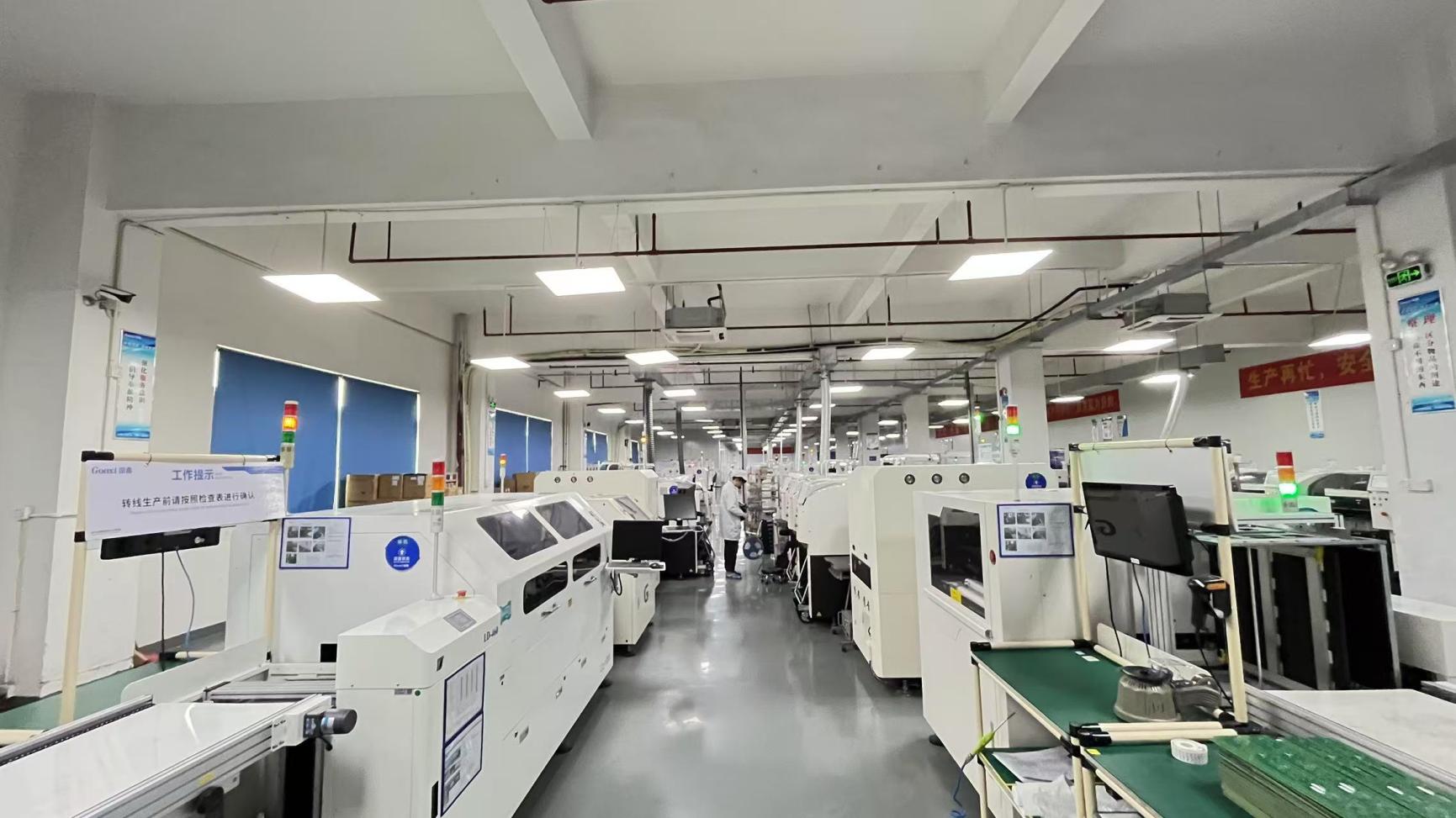
Founded in 2015, FiberQ Photonics has evolved into a powerhouse of optical communication engineering. Our 62 quality control inspectors implement a rigorous QA protocol, including automated optical performance testing, high-temperature aging tests, and multi-stage interferometric inspection of optical interfaces. We ensure every 1x9 transceiver has optimal extinction ratios and minimum insertion loss before leaving our production lines.
In the past year alone, our 240+ R&D engineers successfully designed and rolled out 180 new products, keeping our clients at the cutting edge of high-speed interconnect technology.
Core components designed to optimize legacy networks and next-generation links across South American industries.
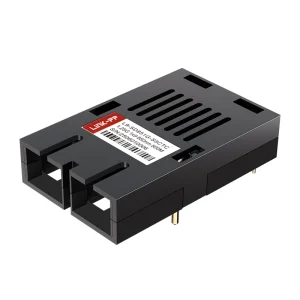
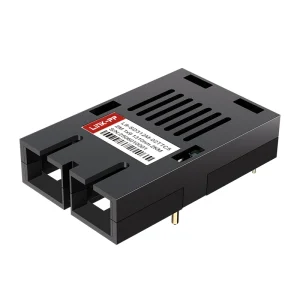
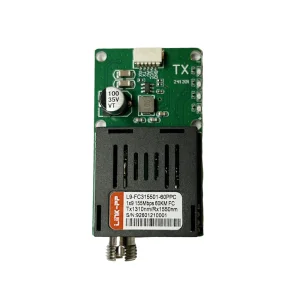
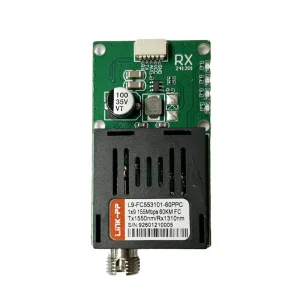
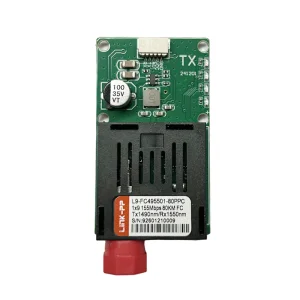
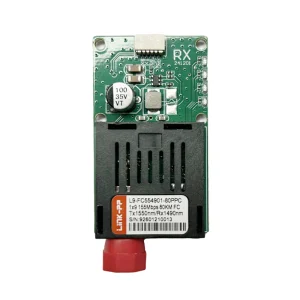
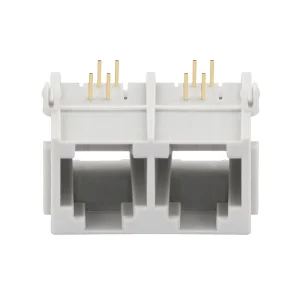
Completing the industrial fiber-to-the-board and Ethernet interface requirements for modern systems.
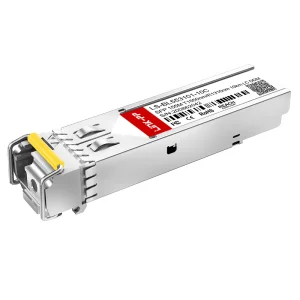
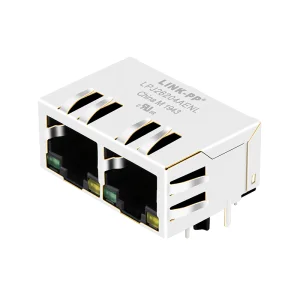
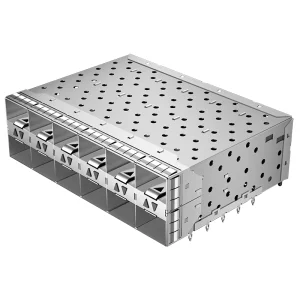
As networks face transition pressure over the next decade, industrial system architects face a critical challenge: replacing massive, functioning legacy hardware to integrate SFP or QSFP form factors is cost-prohibitive and introduces operational risks. The technical consensus among network growth engineers favors maintaining the 1x9 infrastructure for control lines and SCADA loops, while deploying media converters to interface with fiber backbones.
FiberQ is actively designing hybrid media conversion modules that bridge legacy 1x9 systems with high-speed SFP/SFP+ active nodes. This strategy extends the service life of existing control cabinets in Chilean rail signaling networks and industrial mills, ensuring backward compatibility while lowering capital expenditure (CAPEX).
Technical clarifications for system engineers, network integrators, and procurement officers serving the Chile market.