FiberQ
FiberQ
FiberQ
In the era of hyper-scale cloud computing, artificial intelligence workloads, and distributed edge networks, the underlying physical infrastructure determines network scalability, reliability, and maintenance cost efficiency. While transceivers, active switches, and central processing elements drive raw bandwidth metrics, the physical connectivity interface, primarily managed via high-density patch panels, forms the critical topology backbone. Patch panels act as the primary cross-connect layer, establishing safe structural cabling interfaces that mitigate mechanical strain on sensitive optical switch components while providing organized routing pathways.
As networks scale to support Terabit-scale capacities, passive components have evolved from simple termination boxes into highly engineered cable management ecosystems. Enterprise procurement teams, network architects, and data center engineers must navigate the transition from traditional copper interfaces (such as Cat6 and Cat6A) to ultra-high-density optical solutions (such as MPO/MTP breakouts). Choosing the right patch panel manufacturer goes beyond finding a simple metal bracket; it requires identifying a partner capable of delivering structural integrity, precise insertion loss controls, and future-ready pathway paths.
"Modern hyperscale topologies demand zero physical failure points. The insertion of patch panel layers directly protects high-value active network equipment by shifting structural and manual handling stress onto modular cross-connect networks."
Direct patch cabling between servers and core switches introduces significant risks during network reconfigurations. Regular manual interventions can damage active ports on high-cost equipment. By routing connection links through a structured patch panel, engineers isolate mechanical wear to easily replaceable, low-cost optical or copper patch cords. Additionally, structured cabling facilitates logical grouping, which reduces diagnostic times and optimizes cooling airflow by eliminating cable bundles that block hot/cold aisles.
Selecting the optimal interconnect path requires balancing electrical and optical performance parameters against physical space limits, thermal footprints, and transmission distance needs. Copper-based cabling platforms (such as Cat6A and Cat8) remain crucial for local enterprise networks and Power-over-Ethernet (PoE++) devices. However, optical systems (such as LC duplex and MPO/MTP connectors) are essential for high-capacity backbone networks.
In dense copper patch panel installations, Alien Crosstalk (ANEXT)—electromagnetic coupling between adjacent ports—is the primary cause of signal degradation and packet retransmissions. High-grade patch panels address this issue using cast metal housings, individual shielded ports, and integrated grounding bars. For optical links, spatial alignment becomes the key parameter. Precise manufacturing tolerances at the sub-micron level prevent lateral misalignment, fiber end-face separation, and angular tilt. These factors are critical to preventing signal reflection and ensuring low insertion loss across high-speed connections.
Procuring network hardware for multi-site global rollouts involves complex supply chain challenges. Enterprise buyers face several common bottlenecks: long lead times for raw silica and plastic polymers, fluctuating freight costs, regional customs delays, and inconsistent component quality. When scaling infrastructure across different continents, standardizing patch panels, optical transceivers, and RJ45 jacks becomes a major operational challenge.
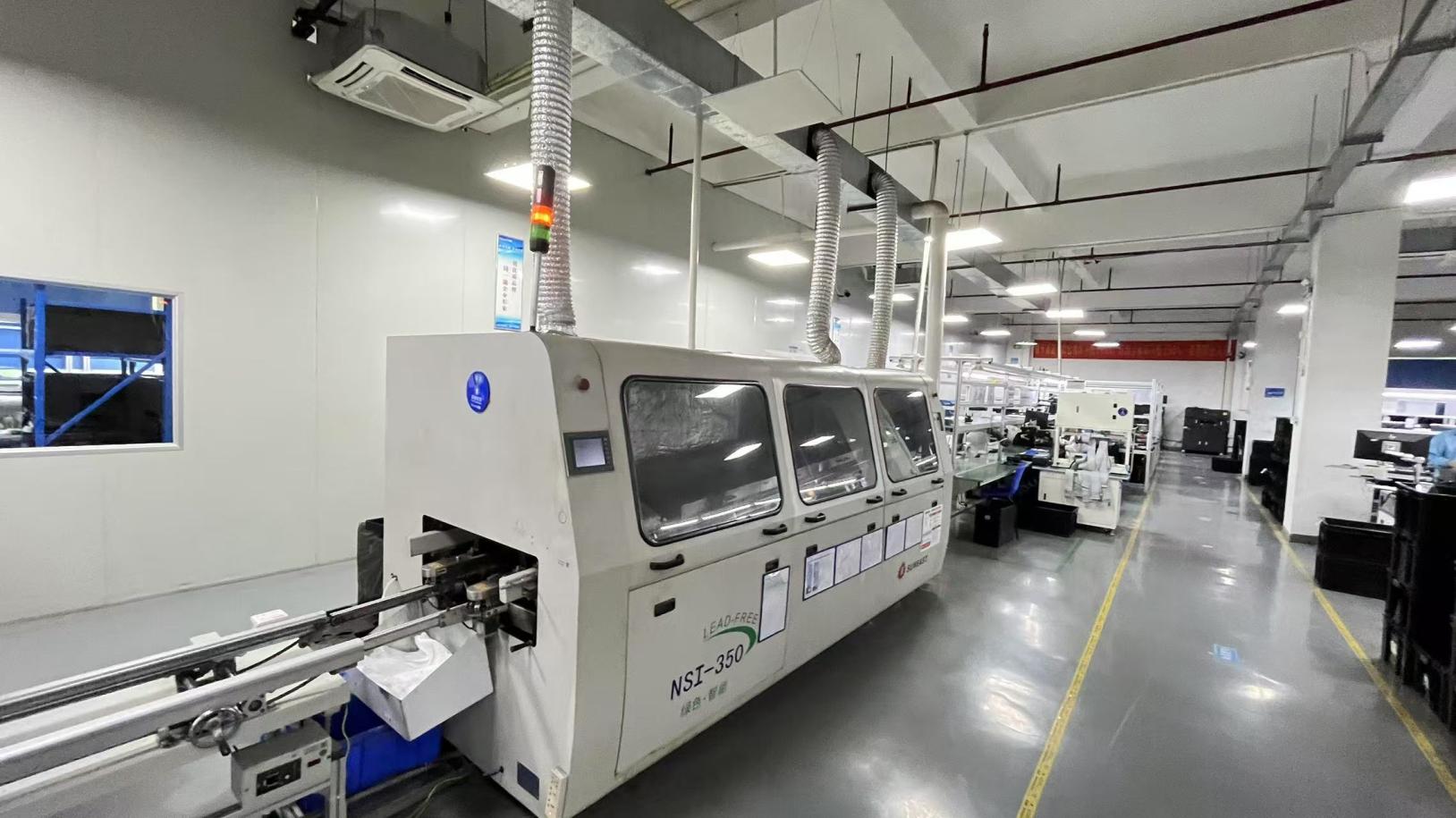
FiberQ Photonics Technology Co., Ltd. addresses these challenges through a vertically integrated supply chain, a modern 12,600㎡ manufacturing facility, and strategic partnerships with over 1,450 component vendors. By maintaining buffer stocks of key raw materials—including optical ferrules, high-grade plastics, and transceivers chipsets—we minimize project lead times. This reliable setup ensures a stable supply of core components even during periods of high global demand.
For multinational corporations and government agencies, compliance with regulatory frameworks is non-negotiable. Sourcing hardware requires adherence to regional directives such as RoHS (Restriction of Hazardous Substances) and REACH (Registration, Evaluation, Authorisation and Restriction of Chemicals), which restrict toxic materials in network cabinets. Additionally, infrastructure deployments often require country-of-origin documentation (such as TAA compliance for US federal contracts). FiberQ ensures full compliance by tracking and certifying every step of our manufacturing process, from raw materials to final assembly.
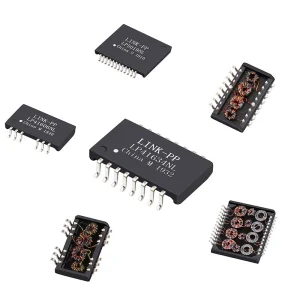
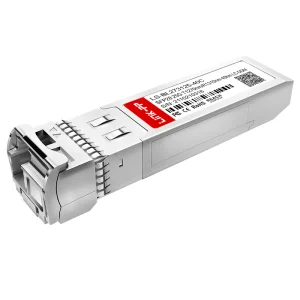
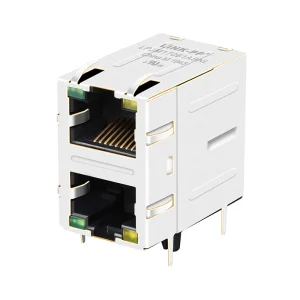
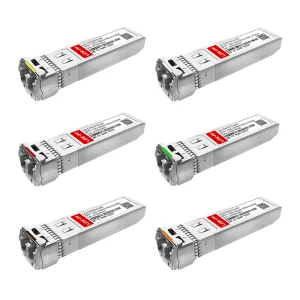
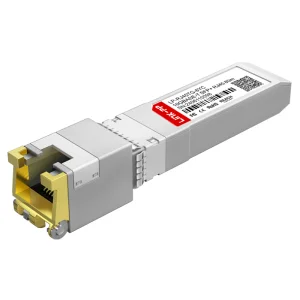
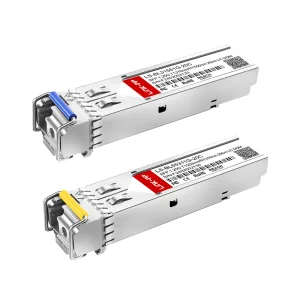
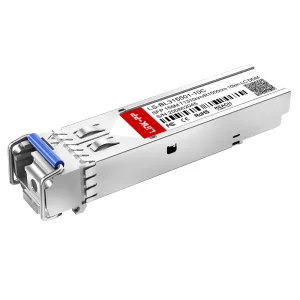
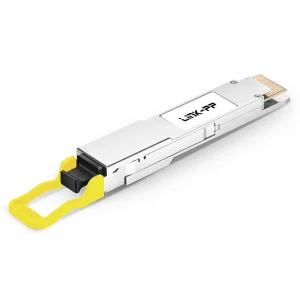
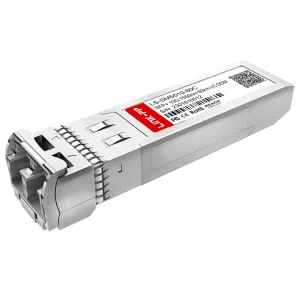
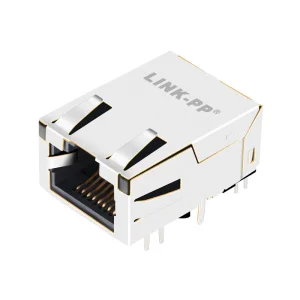
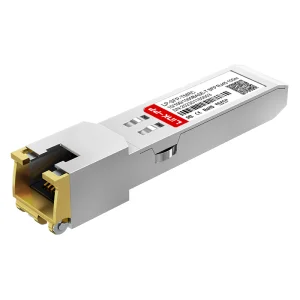
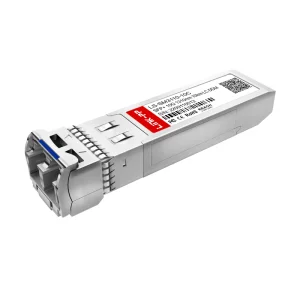
Founded in 2015, FiberQ has evolved into a global supplier by combining production capacity with rigorous quality control. Operating from our 12,600㎡ manufacturing center, we oversee the production of optical transceivers, discrete network transformers, and high-density copper and fiber patch panel components. Our quality control system is backed by 62 dedicated inspectors, ensuring compliance with international ISO 9001:2015 standards.
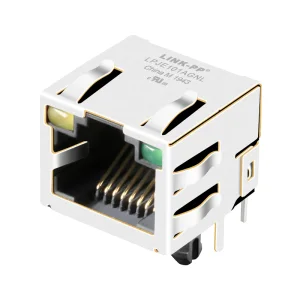
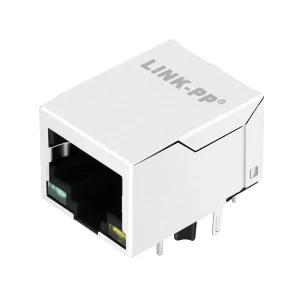
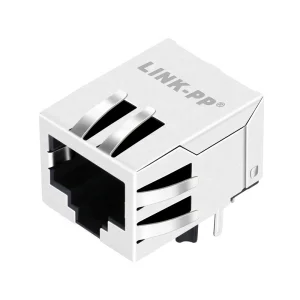
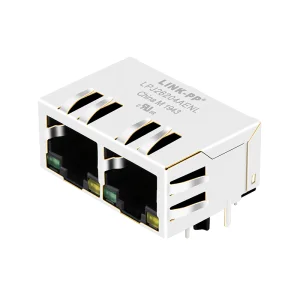
To verify the mechanical and optical reliability of our products, we perform automated testing at multiple production stages. For optical assemblies, 3D interferometers measure fiber end-face geometry, checking parameters like radius of curvature, fiber height, and apex offset. For copper components and magnetic RJ45 connectors, automated test equipment (ATE) checks electrical continuity, insulation resistance, insertion loss, and return loss. These processes ensure consistent performance across all product lines.
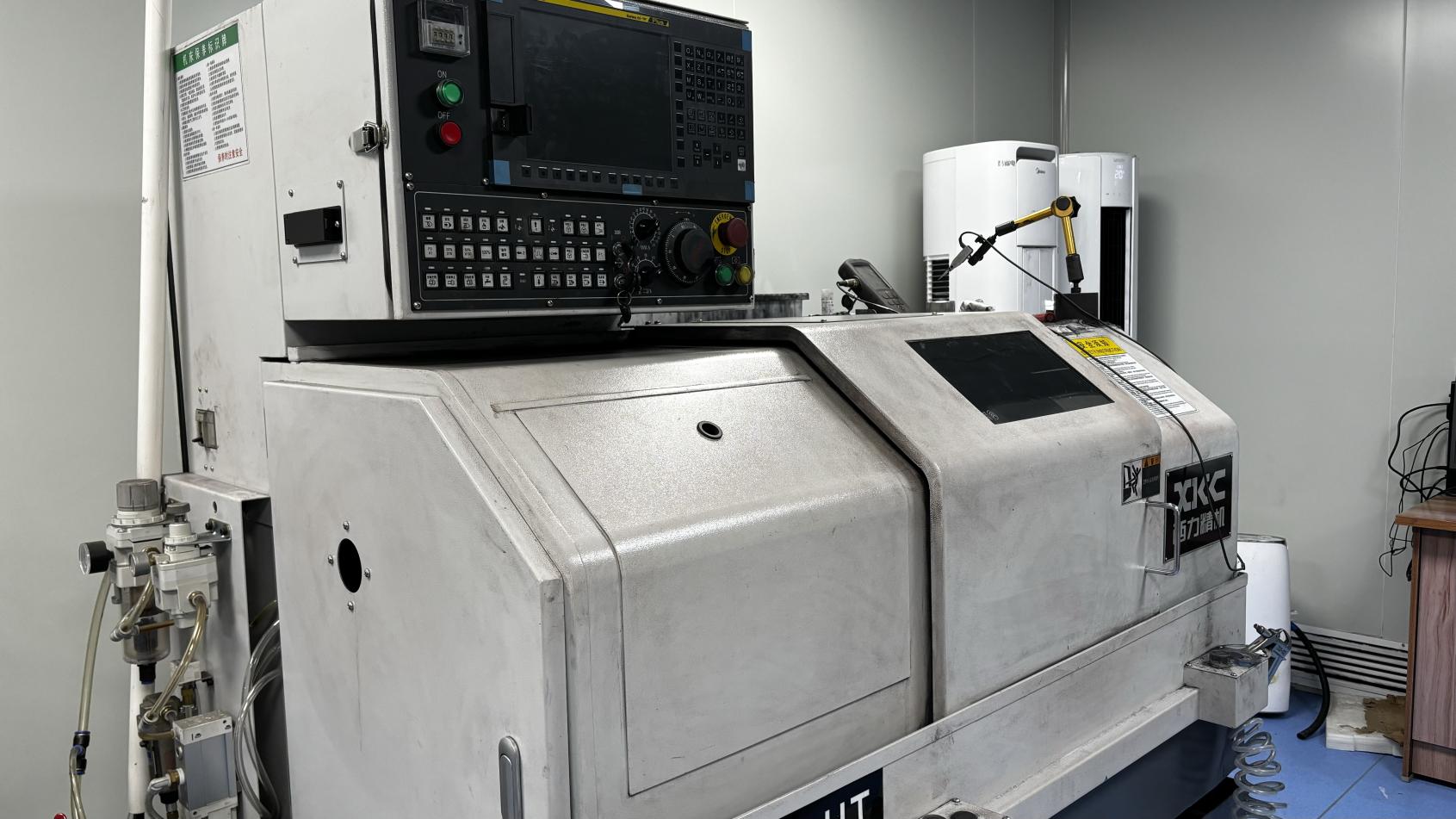
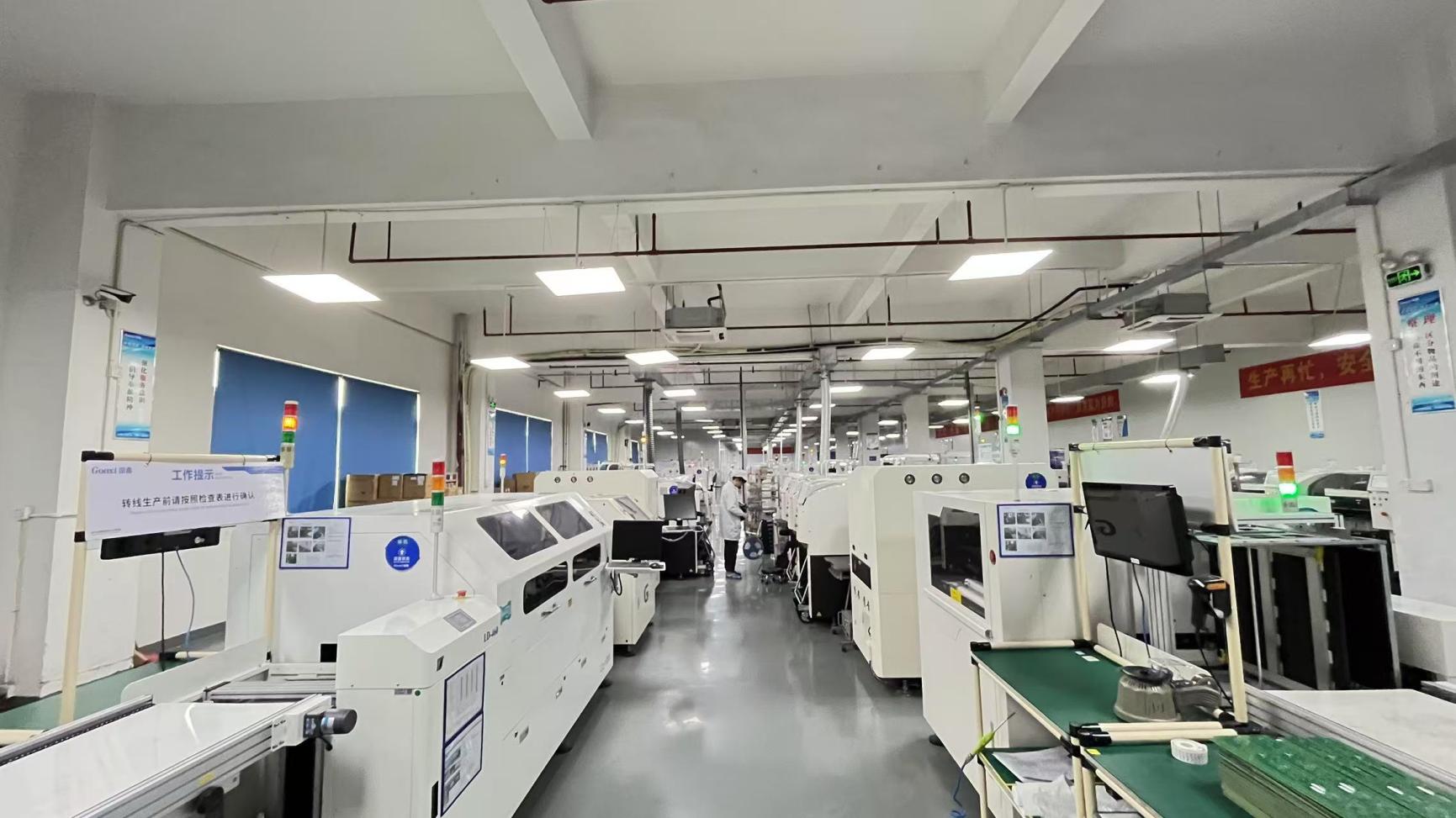
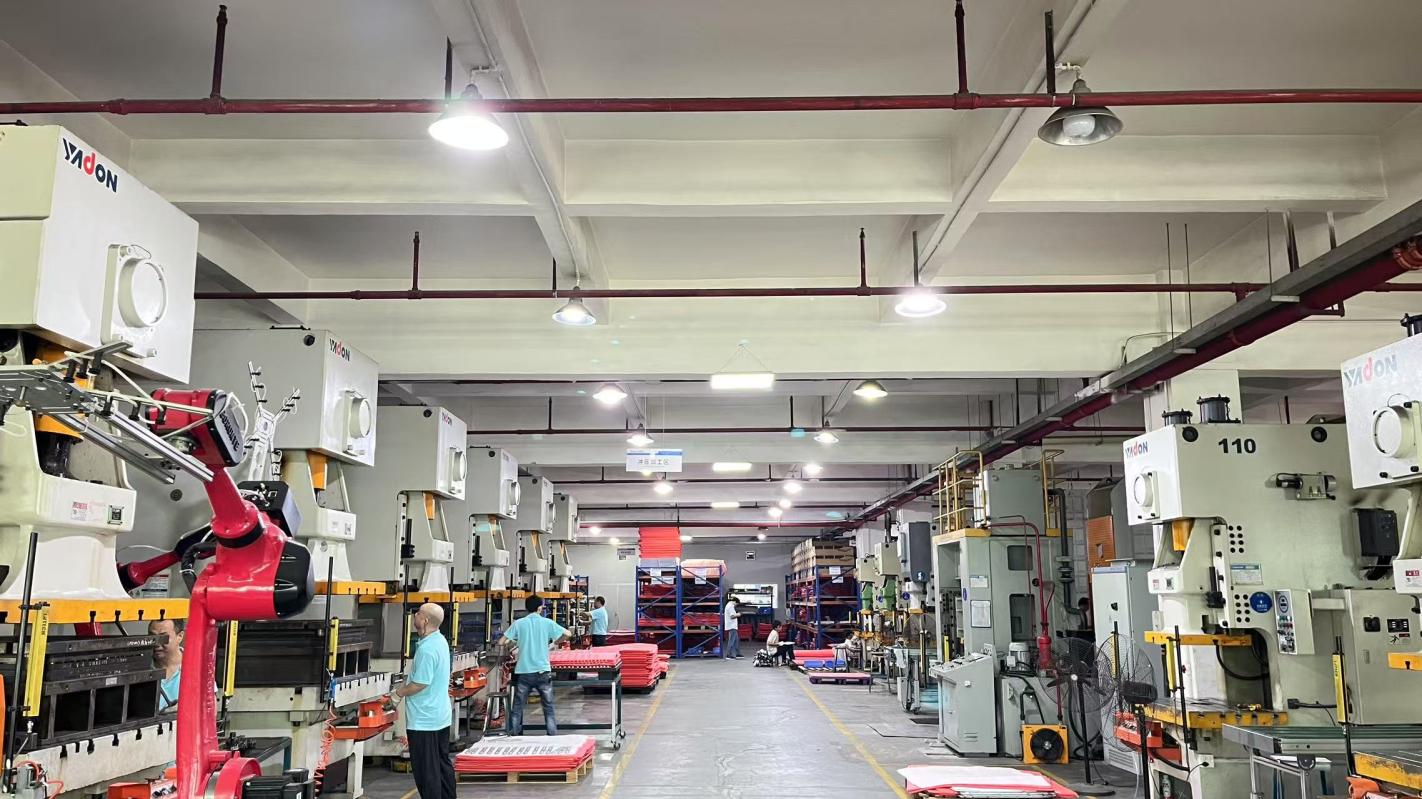
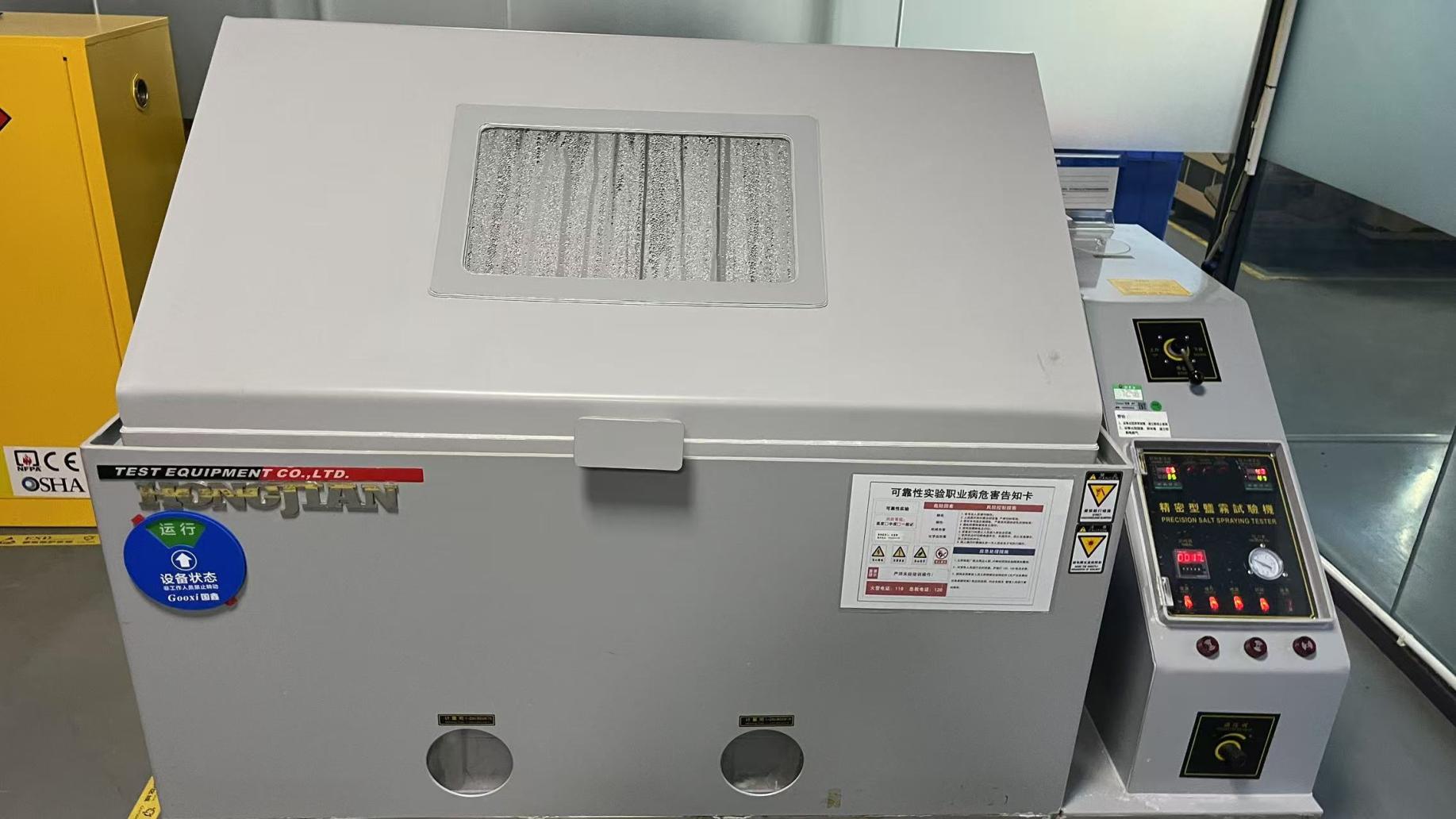
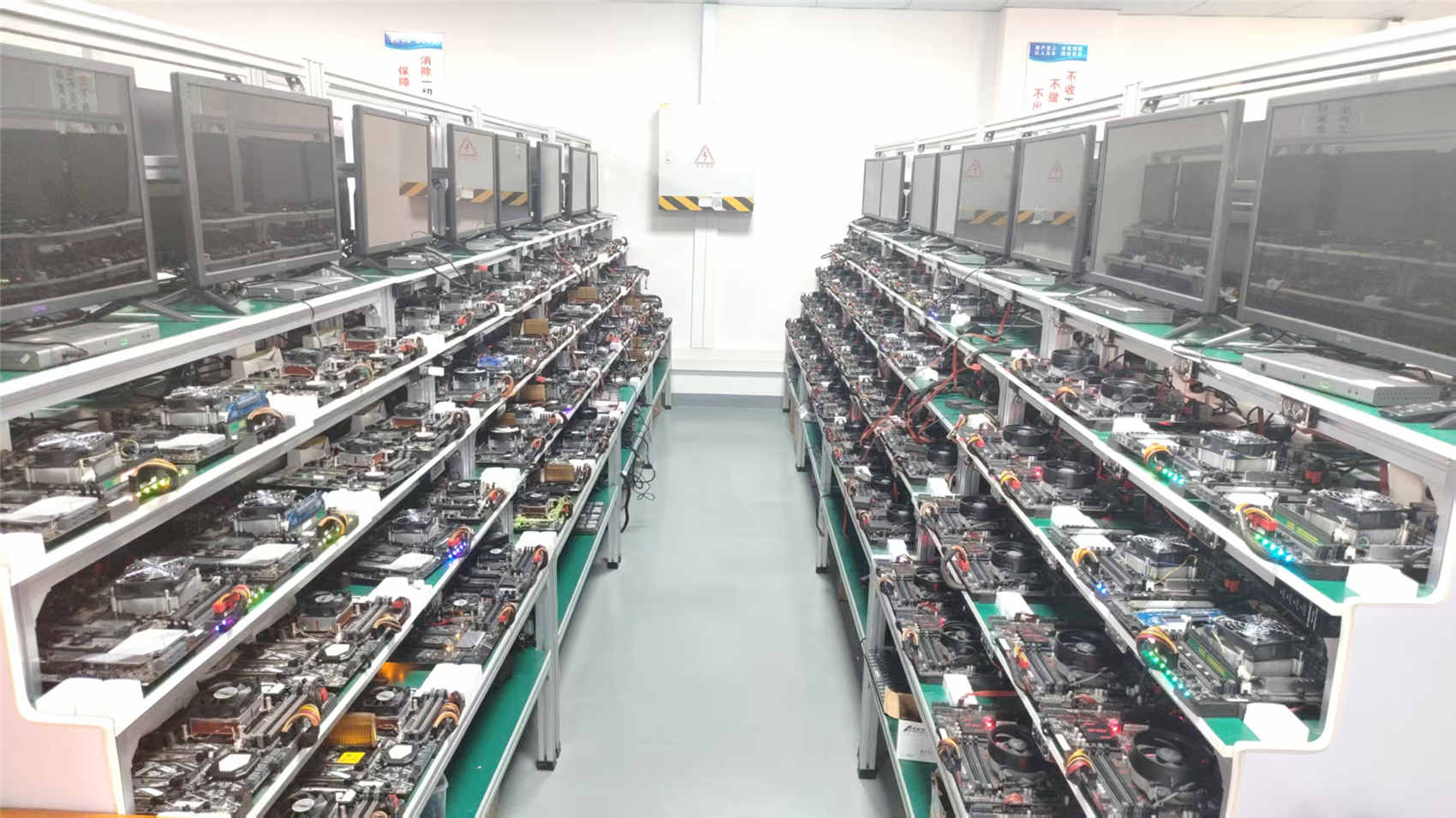
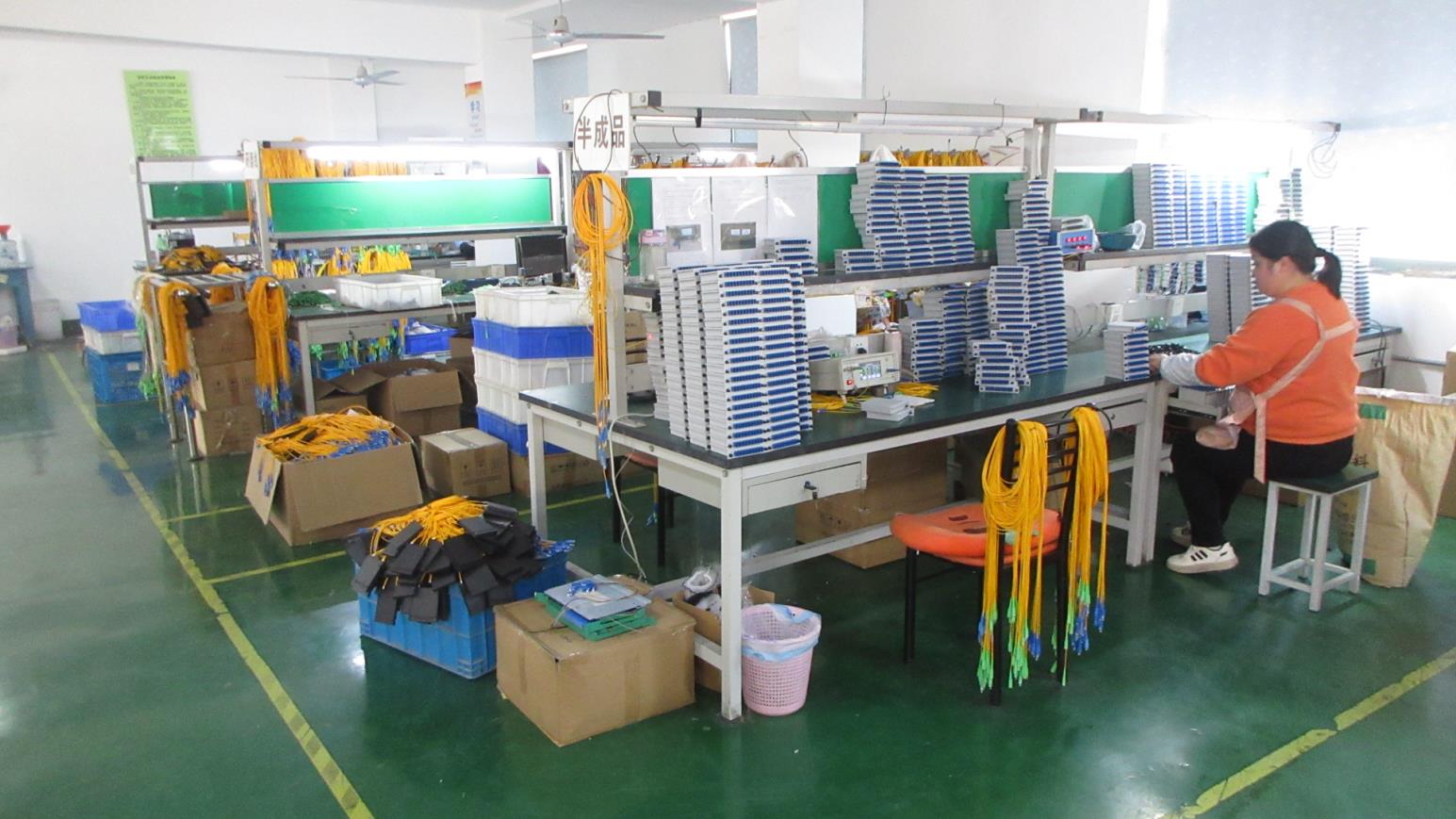
A key advantage of partnering with FiberQ is our extensive OEM/ODM capabilities, supported by an engineering team of 240 R&D professionals. Last year, our team developed and introduced 180 new products. This allows us to offer tailored solutions, including custom multi-port layouts, custom EEPROM firmware programming for optical transceivers to ensure multi-vendor compatibility (Cisco, Juniper, Arista), and specialized rugged enclosures for harsh industrial environments.
Enterprise and cloud networks are on a clear path toward higher bandwidth, lower latency, and greater power delivery. In data centers, the transition from 100G and 400G infrastructures to 800G and 1.6T systems is driving changes in physical cabling designs. This shift increases the demand for ultra-high-density optical distribution frames (ODFs) and patch panels that use smaller connector footprints, such as SN, CS, and MDC connectors.
In parallel, Co-Packaged Optics (CPO) technology is bringing optical interfaces closer to active silicon components. This change shifts the traditional role of transceiver modules toward optical patch panels and external laser source inputs (ELS). At the same time, enterprise LANs are seeing increased adoption of high-power PoE (IEEE 802.3bt Type 4), which can deliver up to 90-100W of DC power over copper links. This transition requires copper patch panels and RJ45 modules designed to dissipate heat effectively, preventing performance drops in large cable bundles.
"Managing the physical cabling layer remains essential. As transceivers migrate to the silicon package through CPO, the fiber patch panel serves as the primary gateway, routing high-density optical pathways directly to the switch chassis."
FiberQ's R&D efforts focus on these emerging developments. By optimizing optical alignment tolerances, developing space-saving multi-port designs, and improving the thermal performance of RJ45 magnetic connectors, we help ensure your physical layer infrastructure is ready to support next-generation network standards.
Deploying infrastructure globally requires efficient logistics and localized support. FiberQ exports to key regional markets, including North America, Europe, Japan, and Southeast Asia. We maintain regional distribution partnerships to help manage customs clearing and provide local warehousing, ensuring timely delivery for complex rollouts.
We stand behind our products with comprehensive Service Level Agreements (SLAs) and technical guarantees. All passive patch panel assemblies, structured copper products, and optical transceivers undergo functional verification before shipment. We also provide direct access to our field application engineers (FAEs) for troubleshooting, helping clients quickly resolve installation or compatibility questions.