FiberQ
FiberQ
FiberQ
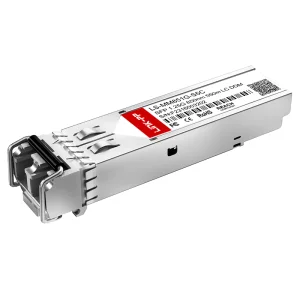
High-reliability transceivers, cages, and network connectors engineered for modern carrier networks and enterprise cloud data centers.
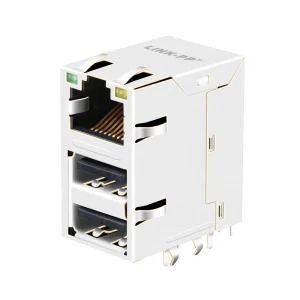
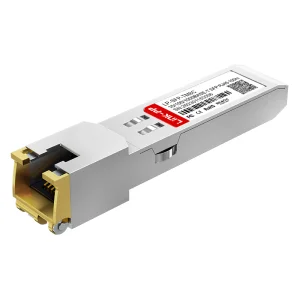
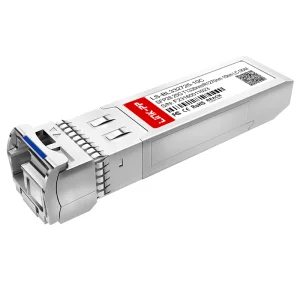
In modern telecommunications and high-speed enterprise networking, Single Mode SFP (Small Form-factor Pluggable) modules serve as the foundational backbone for long-distance data transmission. Unlike multi-mode fibers, which utilize wider core diameters prone to modal dispersion, single-mode optical systems utilize a narrow glass core (typically 9 µm) designed to carry a single ray of light (mode) directly. This structural property completely eliminates modal dispersion, enabling data transfer over spans ranging from 10 kilometers up to 80 kilometers and beyond without significant signal degradation.
As enterprise architectures migrate toward high-speed interconnect regimes (such as 25G, 100G, and 400G), selecting the proper SFP transceiver and establishing robust partnerships with certified manufacturing facilities becomes a mission-critical objective. Network engineers must look past basic data sheets and evaluate vendors on rigorous validation processes, Multi-Source Agreement (MSA) standards compliance, firmware customization capabilities, and structural reliability under dynamic heat loads.
Single Mode SFP transceivers rely on highly precise optical semiconductor lasers—namely Fabry-Perot (FP), Distributed Feedback (DFB), and Electro-absorption Modulated Lasers (EML). The choice of laser directly impacts the spectral width and thermal stability of the transceiver, dictating the maximum link budget and dispersion tolerance over standard G.652 single-mode optical fiber.
Combining structural engineering, rigorous testing, and industrial-scale manufacturing capability to deliver high-reliability transceivers globally.
FiberQ Photonics Technology Co., Ltd. is a professional manufacturer specializing in high-performance fiber optic transceivers and advanced photonic communication solutions for data centers, telecom networks, and high-speed interconnect applications. Founded in 2015, the company has grown into a trusted global supplier with strong engineering and export capabilities.
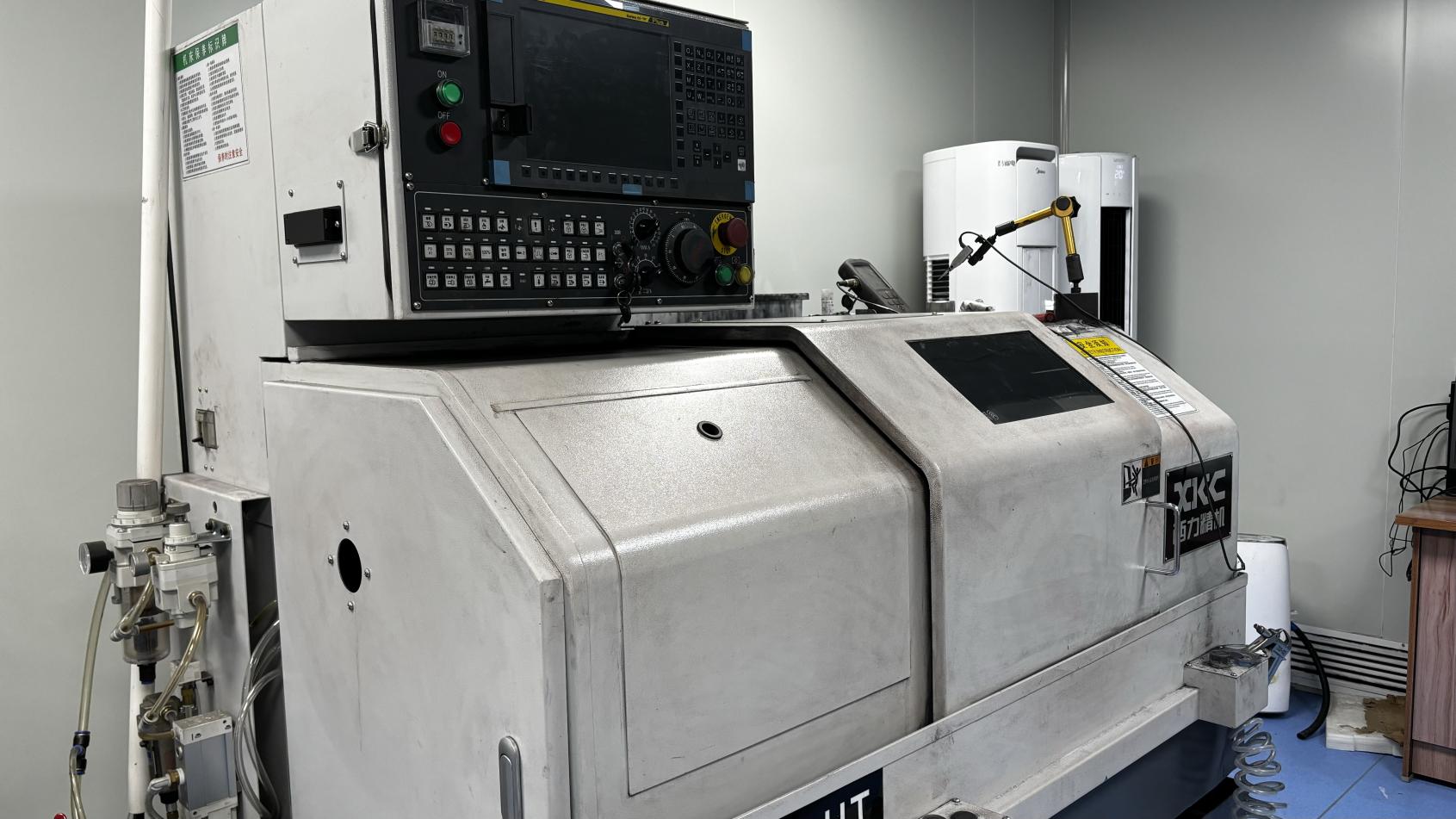
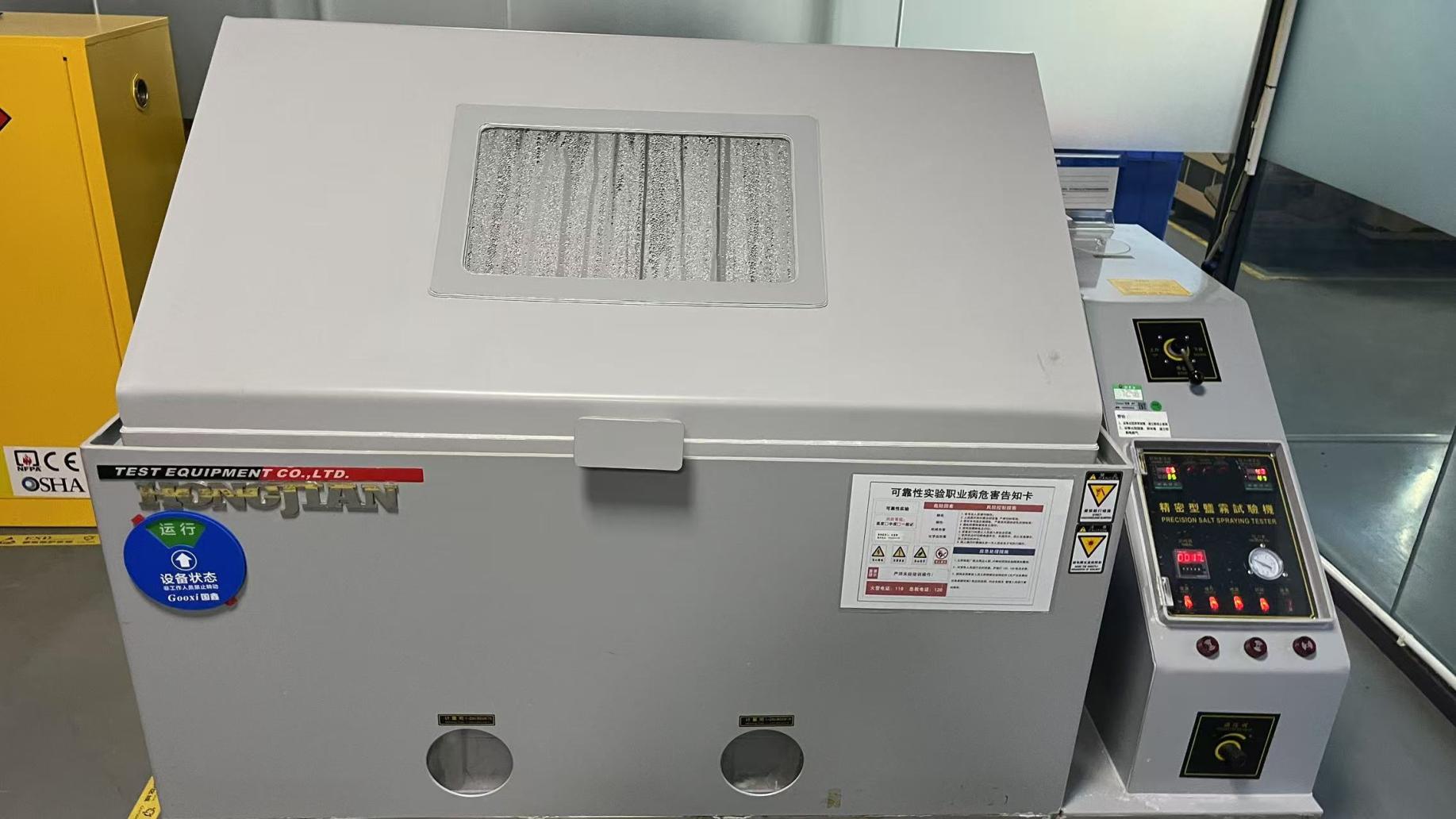
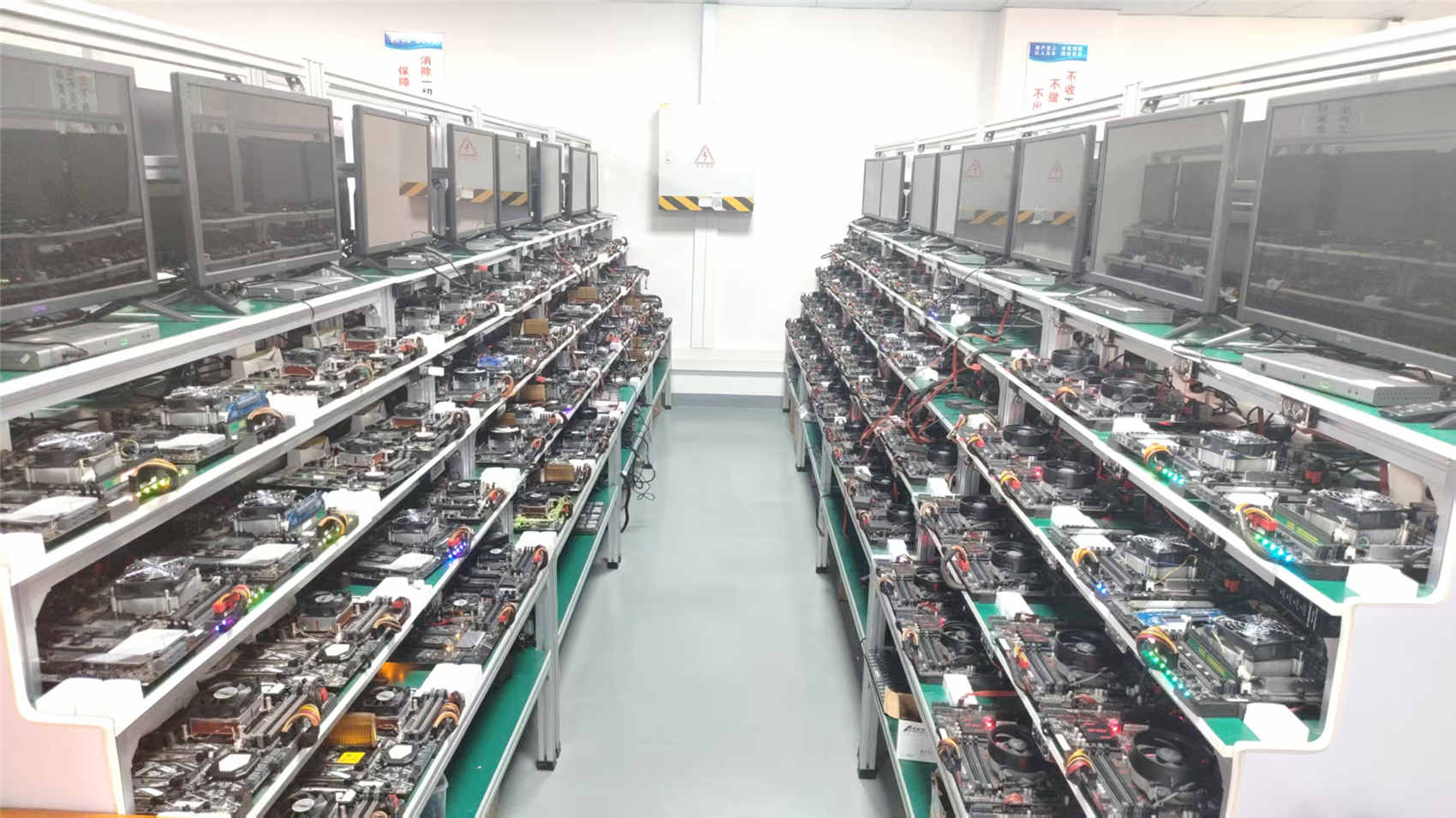
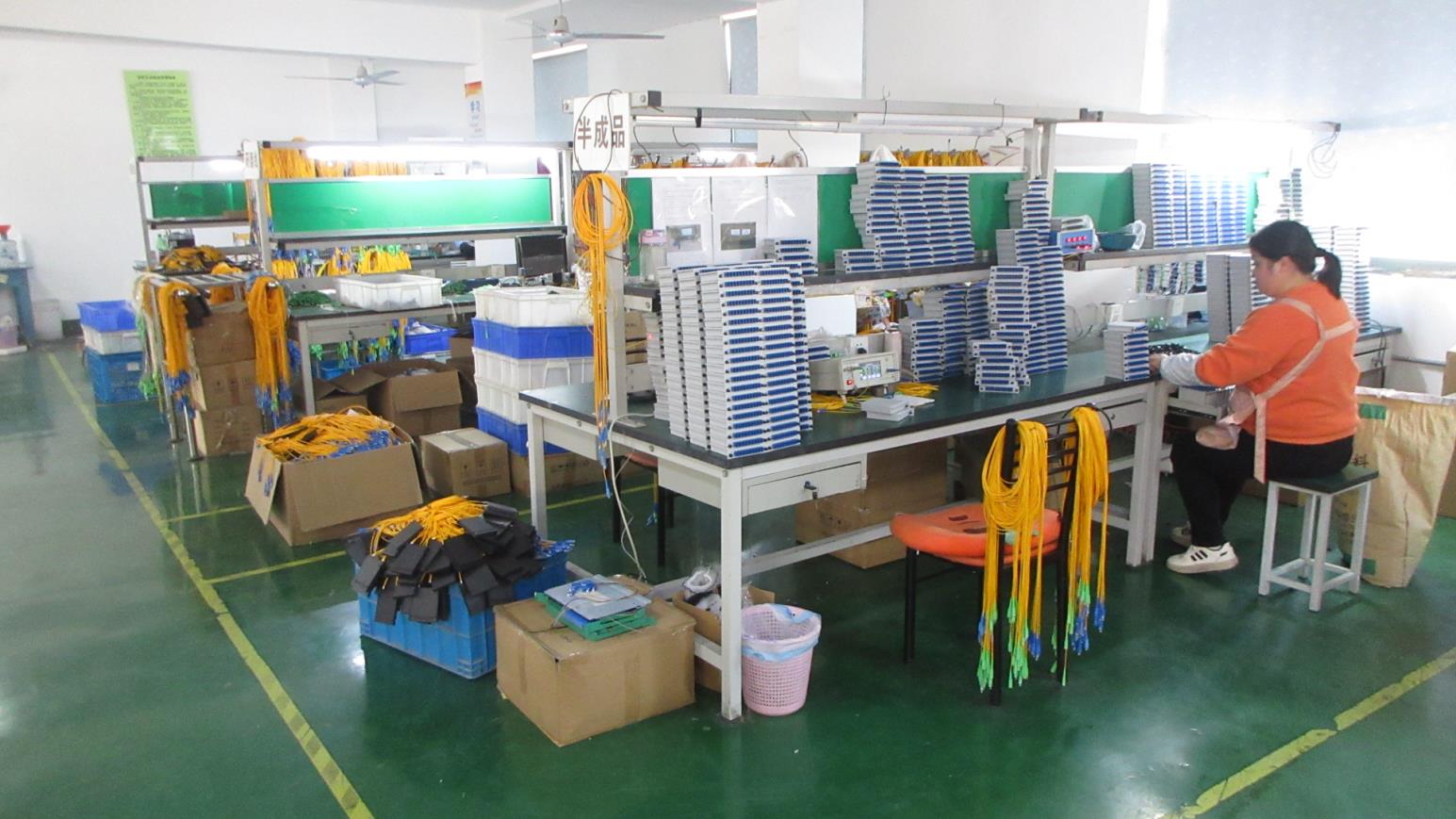
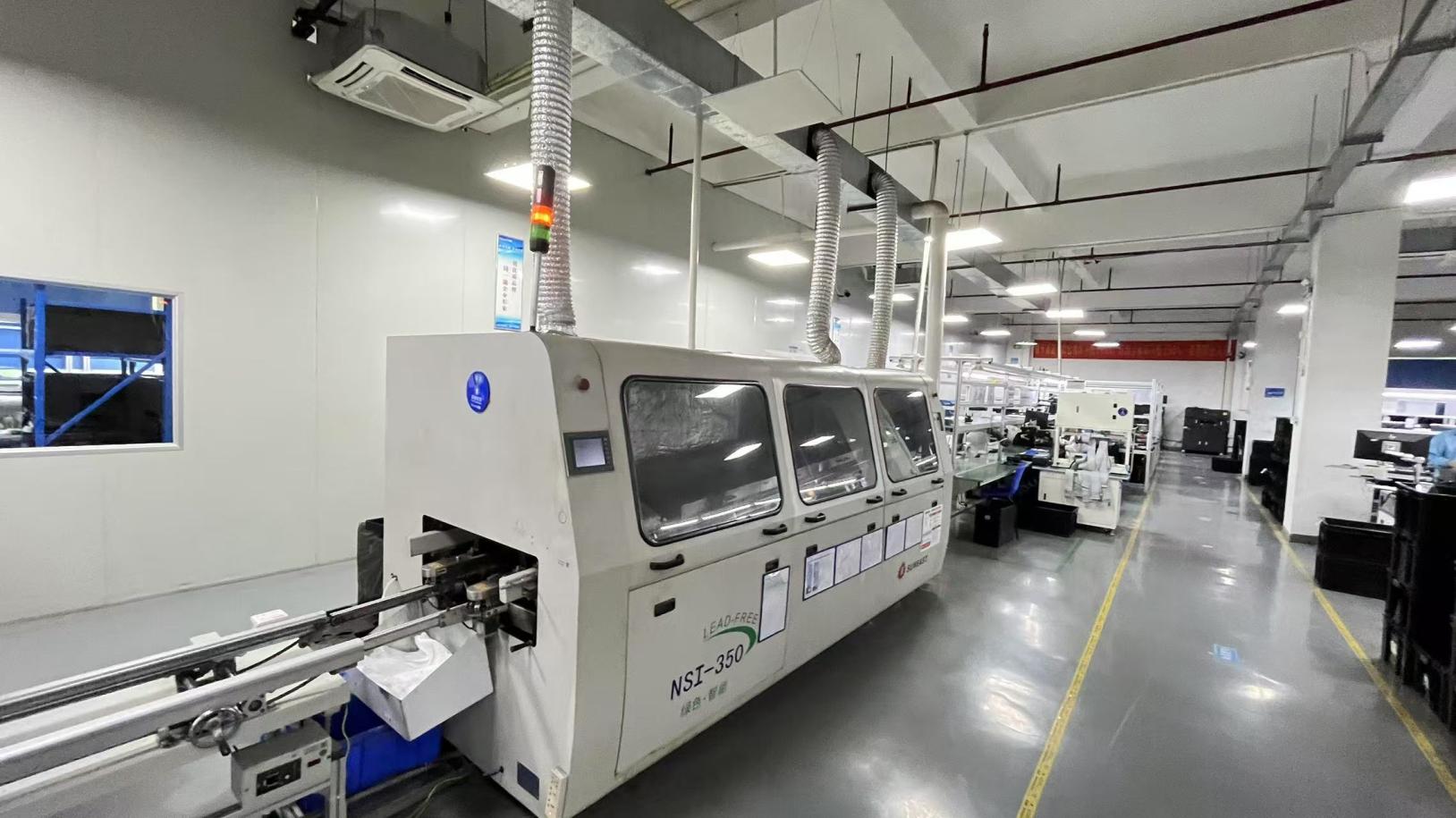
Operating out of a modern, vertically integrated 12,600㎡ production facility, FiberQ has developed the capabilities required for precision optical sub-assembly (OSA) design, automated die bonding, and gold-wire bonding. The facility supports scalable manufacturing, high-precision automatic alignment, and strict quality control processes. This production framework has enabled FiberQ to achieve an annual export revenue of approximately USD 9.5 million, backed by 6 years of international trade operations and 12 years of industry-specific engineering experience in high-speed optical communications.
Backed by a specialized department of 62 QC inspectors executing real-time Bit Error Rate (BER) assessments, optical eye diagram verification, and 100% active temperature cycling tests.
Over 240 R&D engineers focused on custom protocol compatibility (10G/25G/100G/400G), thermal management, and optical transmission optimization, launching 180+ new SKUs annually.
Operating an integrated distribution network utilizing over 1,450 upstream and downstream suppliers to maintain continuous material flows to North America, Europe, Japan, and Southeast Asia.


Sourcing Single Mode SFP transceivers from China provides significant strategic benefits for global technology buyers. This advantage is rooted in complete vertical integration, clustering of optoelectronic material suppliers, and specialized engineering labor pools. Centered around industrial regions like Wuhan's Optoelectronic Valley and Shenzhen's manufacturing clusters, the supply chain offers unique structural benefits:
FiberQ leverages this industrial ecosystem by pairing a network of 1,450 supply chain partners with strict quality assurance practices to manage material costs while meeting international regulatory standards.
Understanding technical trade-offs between optical transceiver architectures to make informed decisions for your network topology.
| Transceiver Form Factor & Type | Typical Wavelength (nm) | Fiber Cable Class | Max Transmission Distance | Data Rate Range | Primary Industrial Use-Case |
|---|---|---|---|---|---|
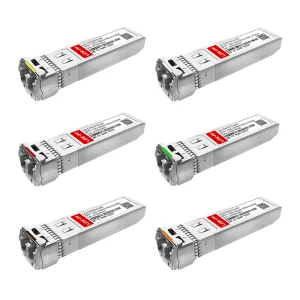
| 10G CWDM SFP+ Duplex | 1270 - 1610 nm | Single Mode (SMF - G.652) | 40 km - 80 km | 10 Gbps | Metropolitan transport networks & ISP backhaul rings |
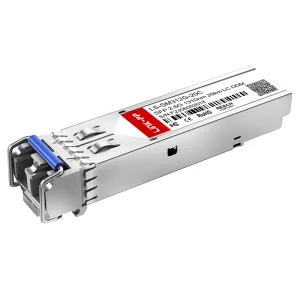
| 2.5G SFP Transceiver | 1310 nm | Single Mode (SMF - G.652) | 20 km | 2.5 Gbps | GPON OLT links, high-speed FTTH, industrial controls |
| 25G BiDi SFP28 | 1330-TX / 1270-RX | Single Mode Simplex | 10 km | 25 Gbps | 5G Front-haul radio access networks & cloud data links |
| 1.25G SFP MMF (SX) | 850 nm | Multi-Mode (MMF - OM3/OM4) | 550 m | 1.25 Gbps | Intra-rack data center switching, local area networks |
| Gigabit ZX SFP | 1550 nm | Single Mode (SMF - G.652) | 80 km | 1.25 Gbps | Long-haul regional utility grids and campus backbones |
Sourcing optical hardware globally requires strict adherence to international electrical, safety, and environmental standards. For telecom carriers and cloud service providers, hardware security is just as important as optical performance. Optical transceivers and modular components must pass extensive testing, including CE, FCC, RoHS, and REACH certifications. These standards verify that components operate within regulatory EMI limits, are manufactured without hazardous substances, and are safe for deployment.
Additionally, laser-emitting modules must comply with FDA CDRH and IEC 60825-1 Class 1 laser safety standards, ensuring that under normal operating conditions, emissions do not present eye-hazard risks to technicians. FiberQ addresses these requirements by conducting structural verification on every production batch and providing fully trace-tested components.
A common concern for enterprise buyers is the management of post-purchase support and deployment issues across different time zones. Successful manufacturers mitigate this by utilizing local value-added resellers (VARs), field application engineering networks, and rapid-response firmware customization processes:
The transceiver industry is undergoing rapid changes driven by increasing bandwidth demands from artificial intelligence clusters, machine learning frameworks, and edge computing nodes. Sourcing strategies are adapting to keep pace with these emerging technological developments:
Traditional transceivers assemble discrete lasers, optical modulators, and detectors onto a single platform. Silicon Photonics integrates these optical functions directly onto a silicon microchip. This technology simplifies the assembly process, reduces manufacturing costs at scale, and lowers power consumption per gigabit of transmitted data.
As switch processing speeds exceed 51.2 Tbps, the electrical traces connecting the switch ASIC to pluggable optical transceivers face physical signal integrity limits. Co-Packaged Optics addresses this by moving the optoelectronic conversion engines onto the same substrate as the switch silicon, reducing transmission losses and system power requirements.
Data centers account for a notable share of global electricity usage, prompting operators to implement strict power envelopes for network components. Modern transceivers utilize energy-efficient digital signal processors (DSPs) and automatic shutdown mechanisms for unused ports to reduce overall thermal loads and operating costs.
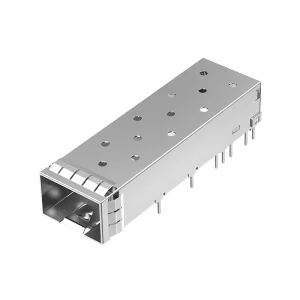
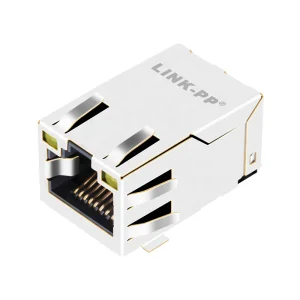
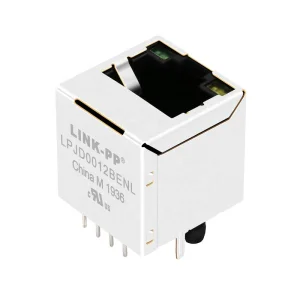
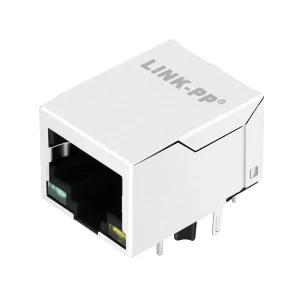
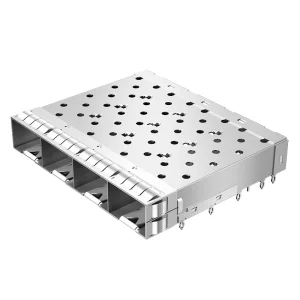
High-performance mechanical cages and board-mounted connectors designed to maintain signal integrity and support proper heat dissipation in network interfaces.
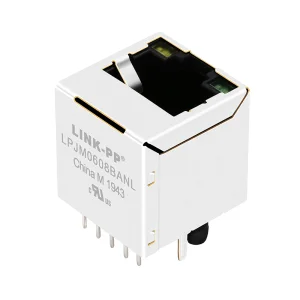
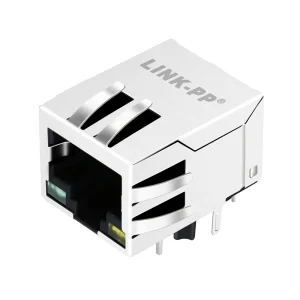
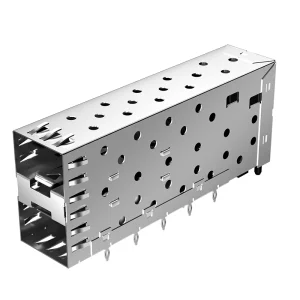
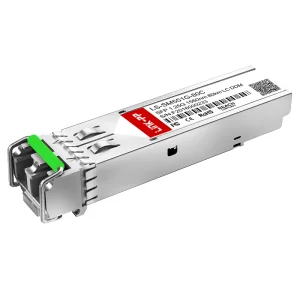
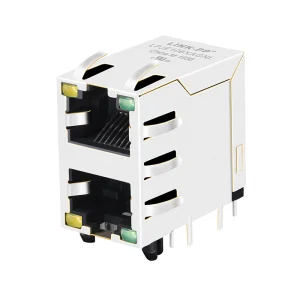
Direct answers to technical queries, compatibility standards, and supply chain considerations for optical transceivers.
The difference lies in the optical core diameter of the connected fiber and the light emission wavelength. Single-mode SFPs operate on a thin 9/125 µm glass core using long-wavelength lasers (typically 1310nm or 1550nm), which prevents light dispersion and enables transmission distances of 10km to 80km. Multi-mode SFPs use 50/125 µm or 62.5/125 µm cores with 850nm or 1300nm VCSEL lasers, which are limited to short-range links (typically under 550m) due to modal dispersion.
OEM switches check the transceiver's non-volatile memory (EEPROM) for specific vendor codes and checksums. A qualified supplier like FiberQ can program compatible EEPROM signatures (such as Cisco, Arista, or Moxa) during production, allowing the transceiver to pass the switch's system integrity checks and initialize without ports being disabled.
DOM (also called DDM) tracks real-time transceiver health parameters, including optical output power (TX), received optical power (RX), internal operating temperature, transceiver supply voltage, and laser bias current. Accessing these metrics via SNMP allows operators to identify optical path degradation or fiber contamination before a link failure occurs.
Sourcing guidelines recommend requiring CE and FCC certifications for electromagnetic compatibility (EMI), RoHS and REACH compliance for environmental safety, and FDA CDRH Class 1 or IEC 60825-1 certifications to verify laser radiation safety. Manufacturers should also operate under ISO 9001 quality management systems.
Standard duplex transceivers require two physical fiber strands: one to transmit (TX) and one to receive (RX). BiDi transceivers use wavelength-division multiplexing (WDM) diplexers to transmit and receive on different wavelengths (e.g., 1310nm TX and 1550nm RX) over a single optical fiber strand. This configuration allows network operators to double the capacity of their existing fiber infrastructure without laying additional cables.