FiberQ
FiberQ
FiberQ
High-performance components engineered for low latency, zero packet loss, and robust multi-vendor compatibility.
FiberQ Photonics Technology Co., Ltd. is a premier global manufacturer specializing in high-performance fiber optic transceivers and advanced photonic communication systems. Since our founding in 2015, we have committed to bridging the gap between high-volume manufacturing efficiency and strict R&D-driven custom solutions. We supply hyperscale data centers, telecommunications carriers, and global systems integrators with modules built to outperform standard MSA expectations.
South Korea is globally recognized for its hyper-connected telecom infrastructure and its leading role in early-stage 5G SA and impending 6G testing. Driven by the South Korean government’s national "K-Cloud Initiative"—which aims to foster indigenous AI semiconductors and hyper-scale datacenters—the requirements for optical interconnects have undergone a tectonic shift.
Techno-hubs like Pangyo Valley demand low-latency, high-density transceivers (400G/800G) capable of handling LLM training workloads without thermal throttling.
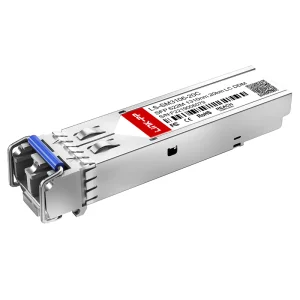
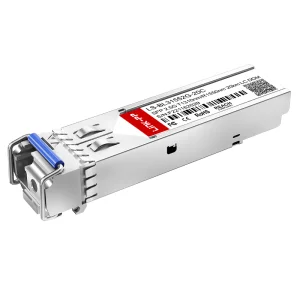
National carriers including KT, SK Telecom, and LGU+ depend on stable, low-latency BiDi and WDM SFP modules to link macro base stations and edge nodes efficiently.
Imports into Korea must meet strict KC (Korea Certification) guidelines and demonstrate compliance with safety and EMI criteria required for public sector deployments.
As bandwidth densities double every 18 to 24 months, FiberQ is leading the transition away from traditional discrete optics toward integrated platforms. The demand for 800G QSFP-DD/OSFP and the developmental work on 1.6T transceivers require deep integration of Silicon Photonics (SiPh) and Co-Packaged Optics (CPO) architectures.
| Technology Generation | Form Factor & Interface | Typical Reach & Laser Source | Primary South Korea Application |
|---|---|---|---|
| 100G Ethernet | QSFP28 (LR4, SR4, ZR4, CWDM4) | 10km to 80km (EML/DML) | Enterprise Backbones, K-Cloud Edge Locations |
| 400G Ethernet | QSFP-DD, OSFP (FR4, DR4) | 2km to 10km (SiPh / EML) | Core Router Ports, Hyperscale Spine-Leaf Links |
| 800G Next-Gen | QSFP-DD 800, OSFP800 (DR8, 2xFR4) | 500m to 2km (SiPh + PAM4 DSP) | AI LLM Clusters, Naver/Kakao Next-gen DCs |
| 1.6T Future | OSFP-XD (Direct Drive/CPO) | Up to 2km (Silicon Photonics integrated) | 6G R&D Hubs, Ultra-Dense HPC Nodes |
Modern Korean hyperscale sites suffer from severe energy challenges, with cooling costs accounting for up to 40% of standard OPEX. By utilizing Silicon Photonics integration and implementing optimized DSP architectures, FiberQ transceivers reduce typical power consumption by up to 18% per gigabit compared to standard legacy alternatives.
Our smart factory spans a dedicated 12,600㎡ space, utilizing advanced automation for component placement, active optical alignment, and high-frequency testing. This automated setup helps shield global supply chains from price volatility and component shortages.
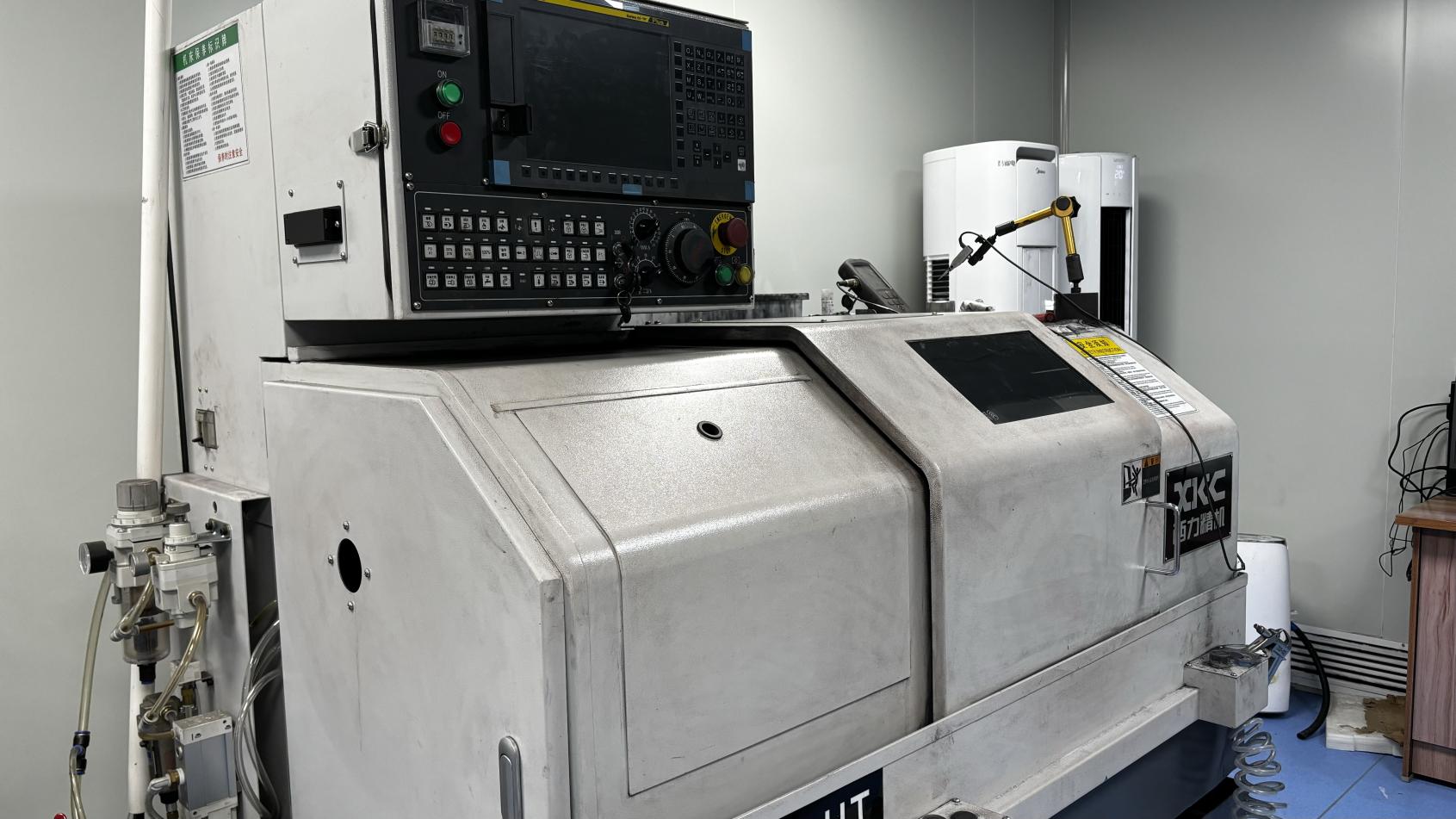
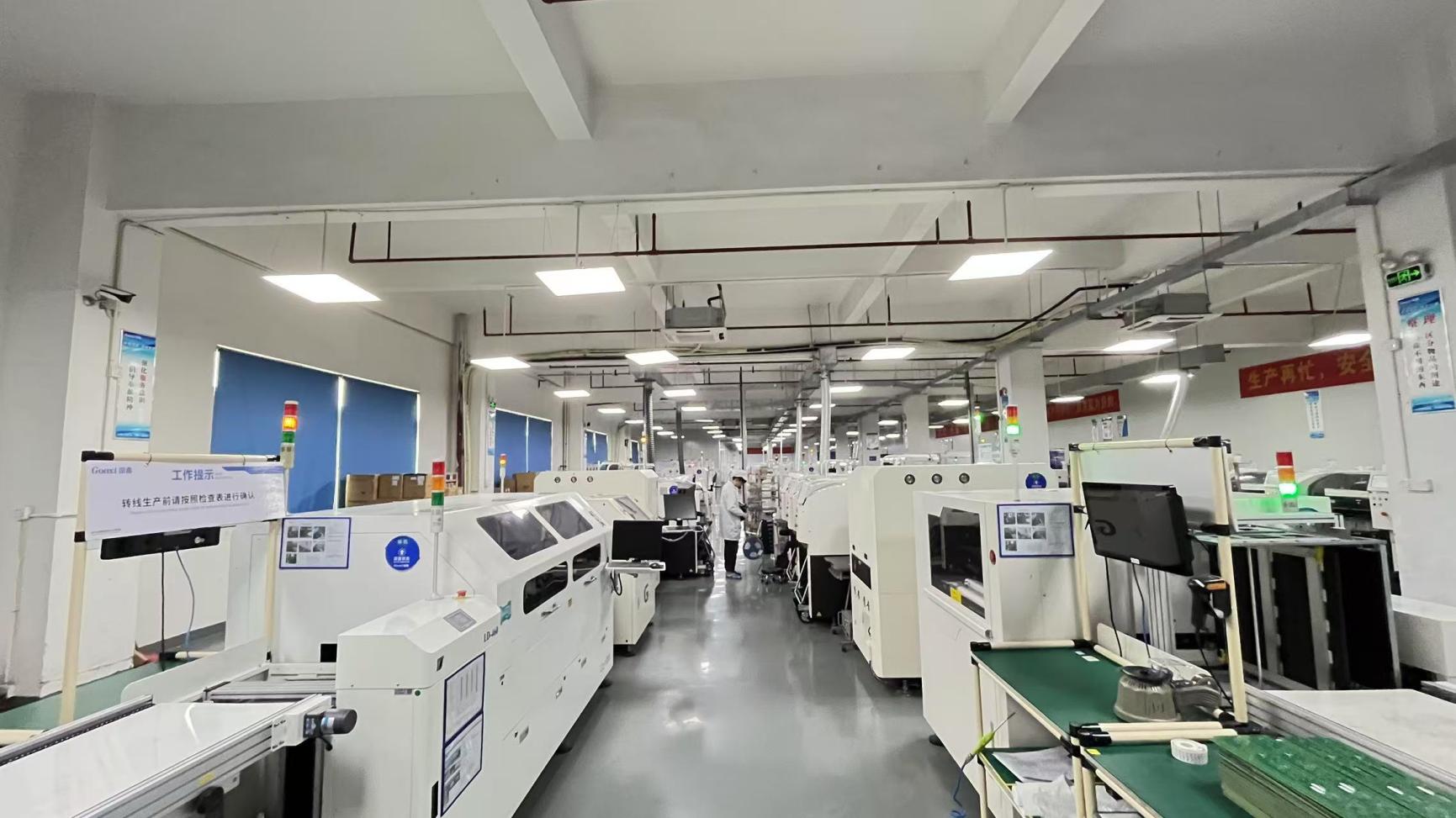

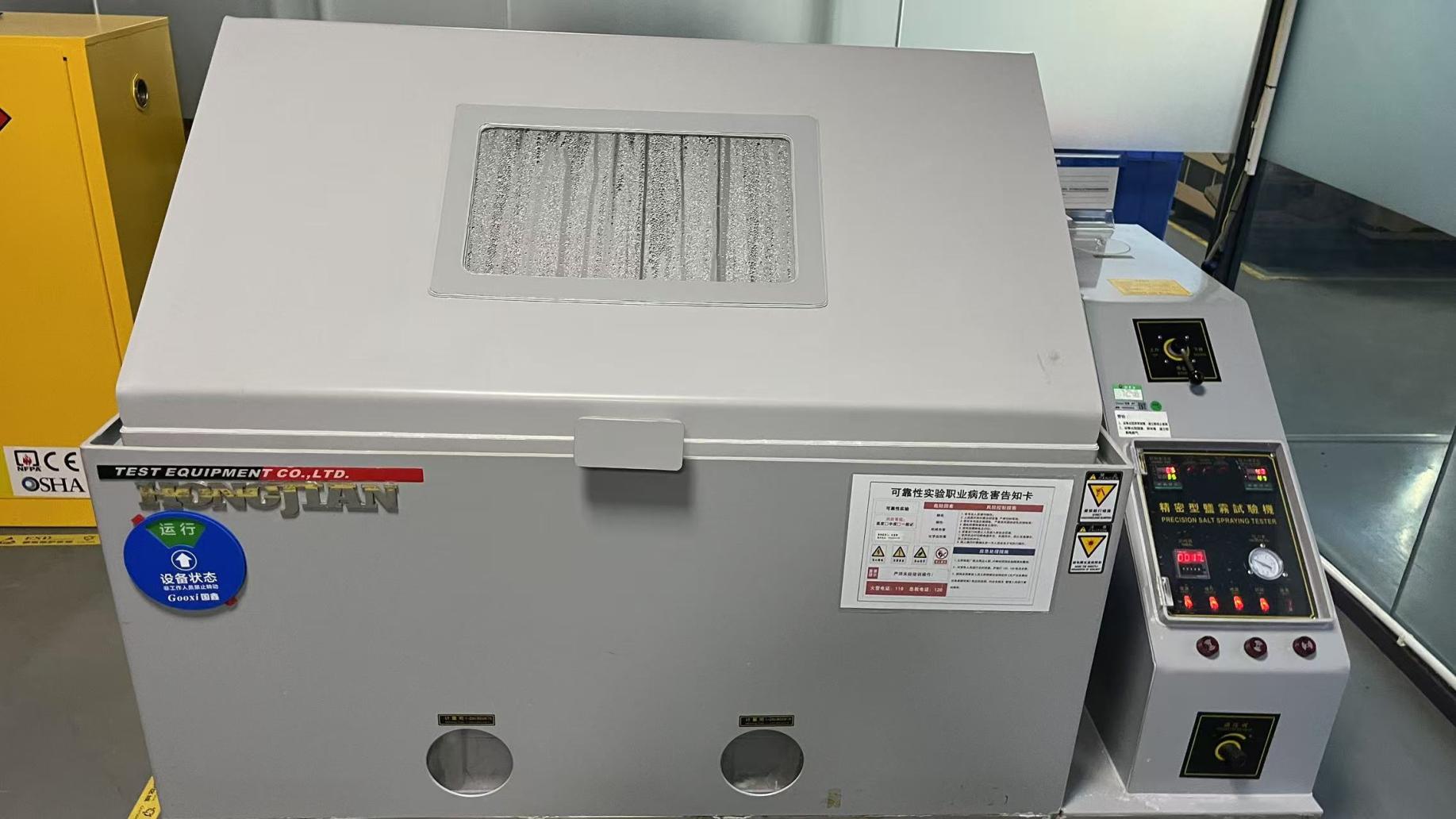
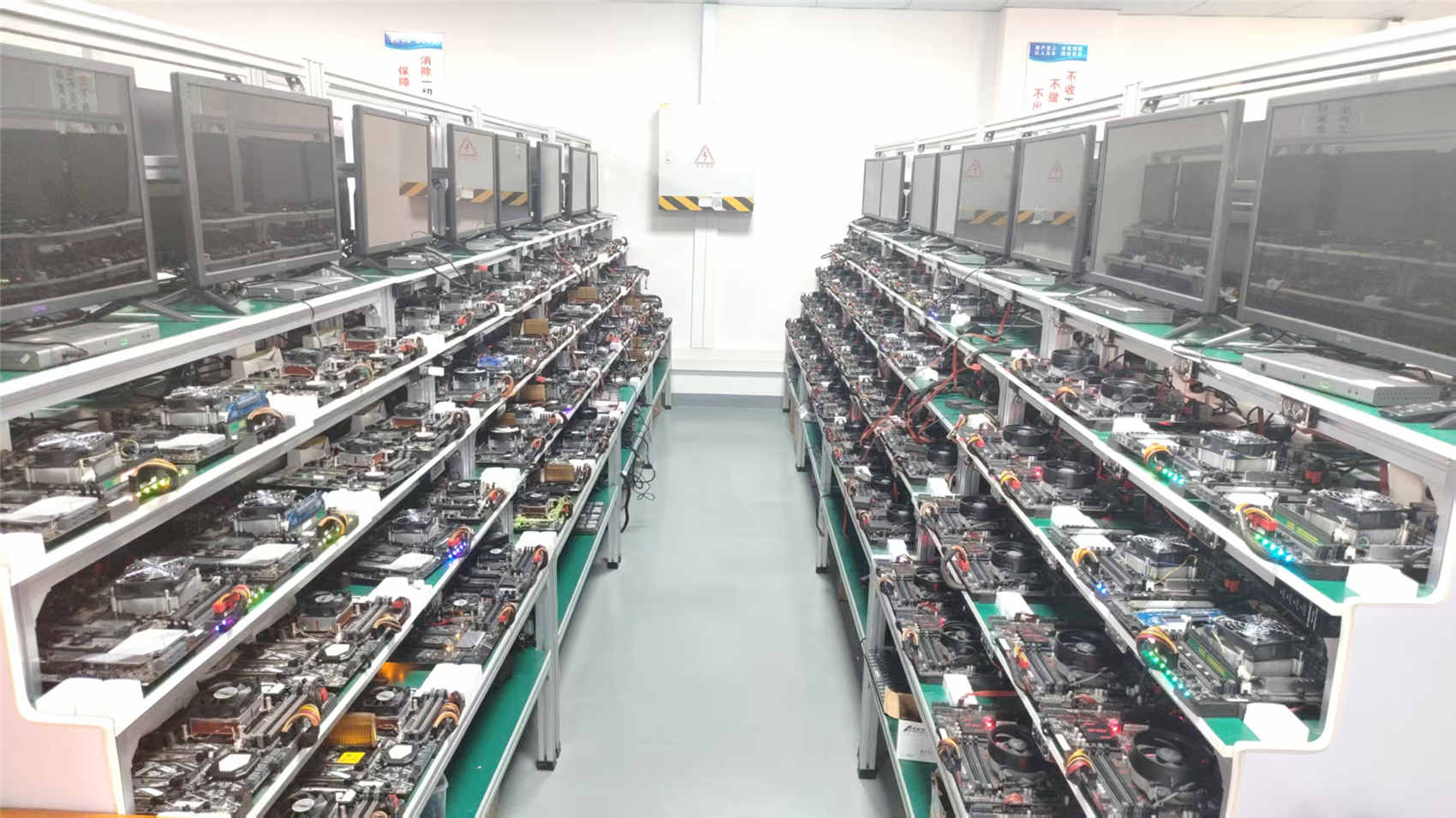
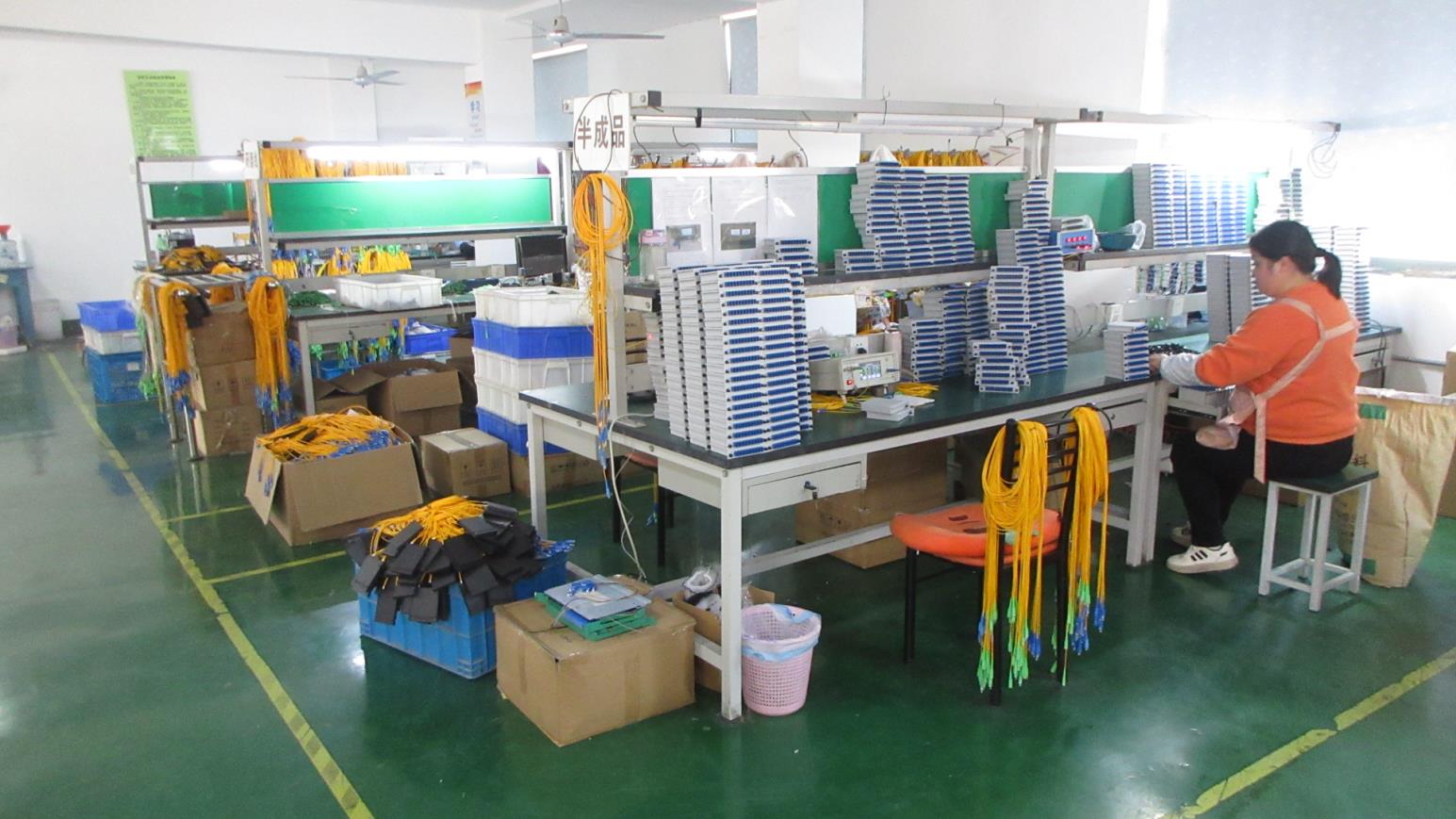
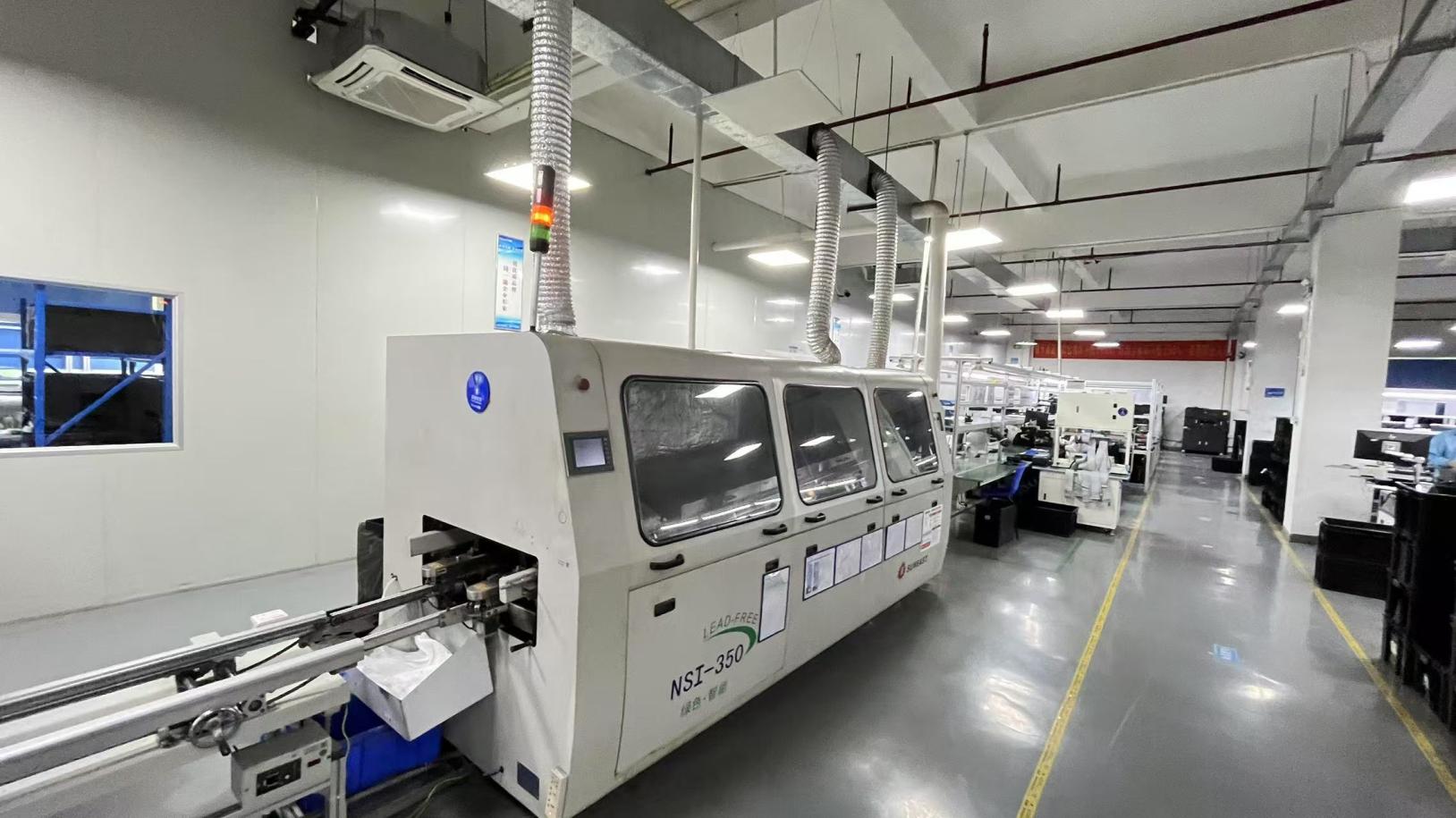
Every single transceiving module undergoes a rigorous, multi-stage testing process before packaging. We employ 62 dedicated QC inspectors who oversee:
FiberQ supplies more than just individual transceivers. We offer comprehensive, high-bandwidth interconnect packages designed for specialized deployment scenarios across the Korean peninsula.
High-density 100G, 400G, and 800G transceivers optimized for spine-and-leaf fabrics. Support for ultra-low Bit Error Rates (BER) to maximize uptime across major Korean server facilities.
BiDi and DWDM architectures designed to help operators maximize their existing fiber lines, supporting rapid data transport between cell sites and central offices.
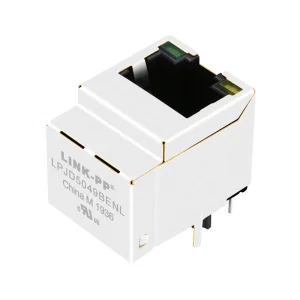
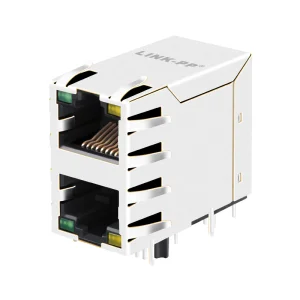
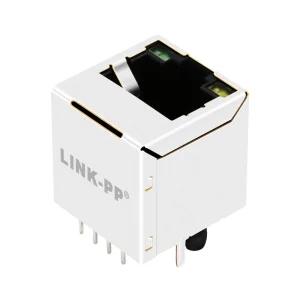
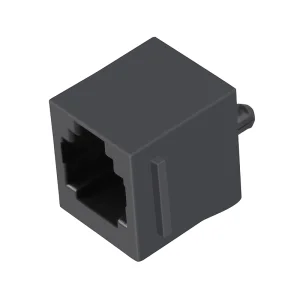
Industrial-grade, temperature-resistant transceivers and robust RJ45 magnetic modules built to withstand high levels of EMI and vibration in automated manufacturing hubs.
For Korean companies, hardware procurement involves strict regulatory requirements. FiberQ provides full support to ensure our products meet local standards, helping minimize international supply chain risks.
Our entire product range complies with RoHS, CE, and FCC requirements. We actively assist our partners in South Korea with getting KC certification for large-scale enterprise and government projects.
With 240 R&D engineers, we specialize in custom hardware modifications. This includes programming custom EEPROM compatibility profiles, selecting specific wavelengths, and optimizing thermals for non-standard enclosures.
Answers to common technical, logistics, and compliance questions from Korean network engineers and buyers.
We maintain a comprehensive testing lab featuring current-generation switches from Cisco, Arista, Juniper, and Zyxel. We customize each module's EEPROM coding to ensure seamless integration and avoid port errors or CLI warnings.
For in-stock components, shipments typically arrive at Incheon or Busan ports within 3 to 5 business days via air freight. Large custom OEM orders generally ship within 2 to 4 weeks depending on the configuration.
Yes, our modules meet the electrical and electromagnetic compatibility standards required for KC certification. We work closely with our Korean partners to provide the test reports and schematics needed for approval.
Yes, our R&D team can customize laser wavelengths, configure custom diagnostic monitoring thresholds (DDM), and optimize the optical power budget to match the demands of your fiber network.
Whether you need high-density transceivers for a new datacenter buildout or customized SFP modules for local telecom nodes, our engineering team is here to help.
Send Inquiry NowExplore our full line of network components, engineered for long-term reliability and compatibility with Korean infrastructure standards.