FiberQ
FiberQ
FiberQ
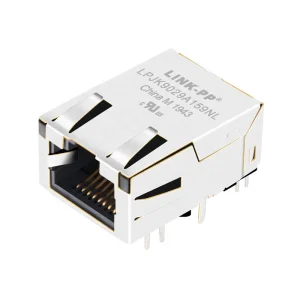
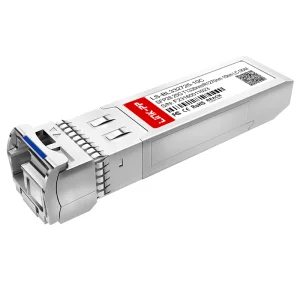
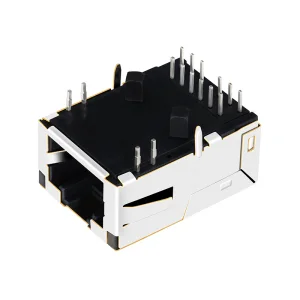
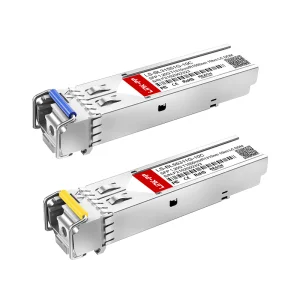
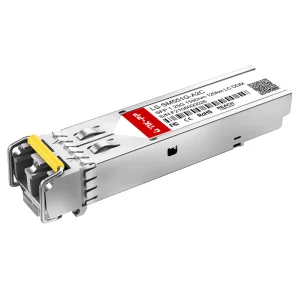
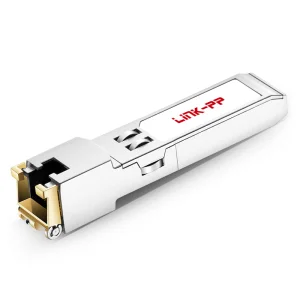
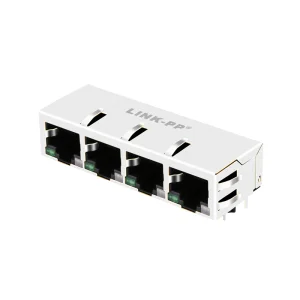
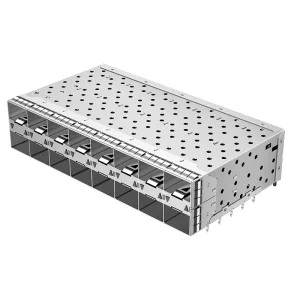
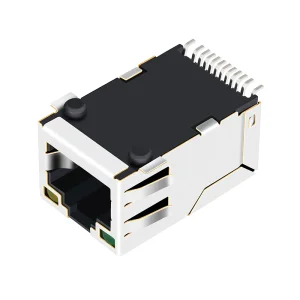
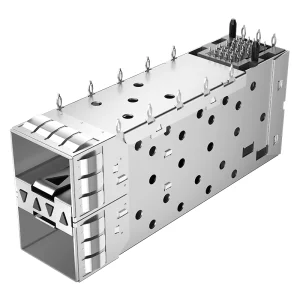
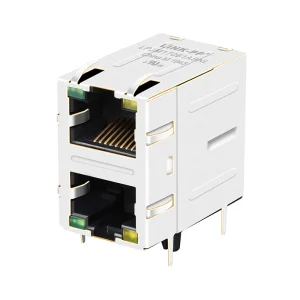
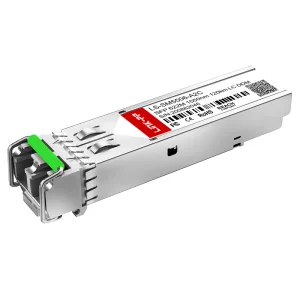
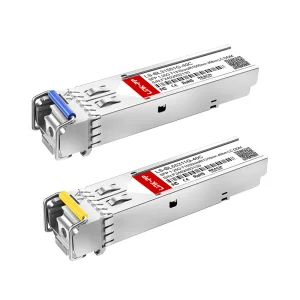
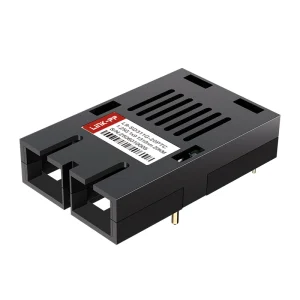
Explore our primary selection of magnetic RJ45 jacks, SFP transceivers, and copper modular interconnects designed for 5G backhaul, enterprise routing, and server chassis networks.
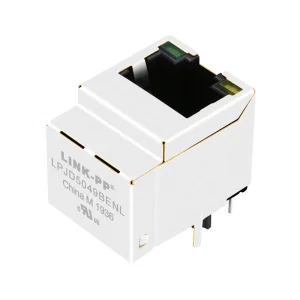
As global telecom and edge networks transit into higher bandwidth regimes, modular connectors serve as critical physical nodes. Designing reliable, EMI-hardened, and thermally optimized RJ45 systems requires deep technical understanding.
The standard RJ45 modular jack has evolved significantly from its origin in telephone systems. Today, RJ45 ports handle multi-gigabit Ethernet traffic up to 10Gbps and carry high-power electrical loads through Power over Ethernet (PoE/PoE++/IEEE 802.3bt). System designers must prioritize impedance matching, return loss minimization, and mechanical durability when selecting modular jack suppliers.
Modern Ethernet networks require modular jacks equipped with integrated magnetics—commonly referred to as MagJacks. These component modules incorporate isolation transformers, common mode chokes, and electrostatic discharge (ESD) capacitors into a single metal-shielded housing. By moving the magnetics inside the jack, system designers save PCB real estate, minimize high-frequency cross-talk, and achieve compliance with IEEE 802.3 Ethernet isolation requirements.
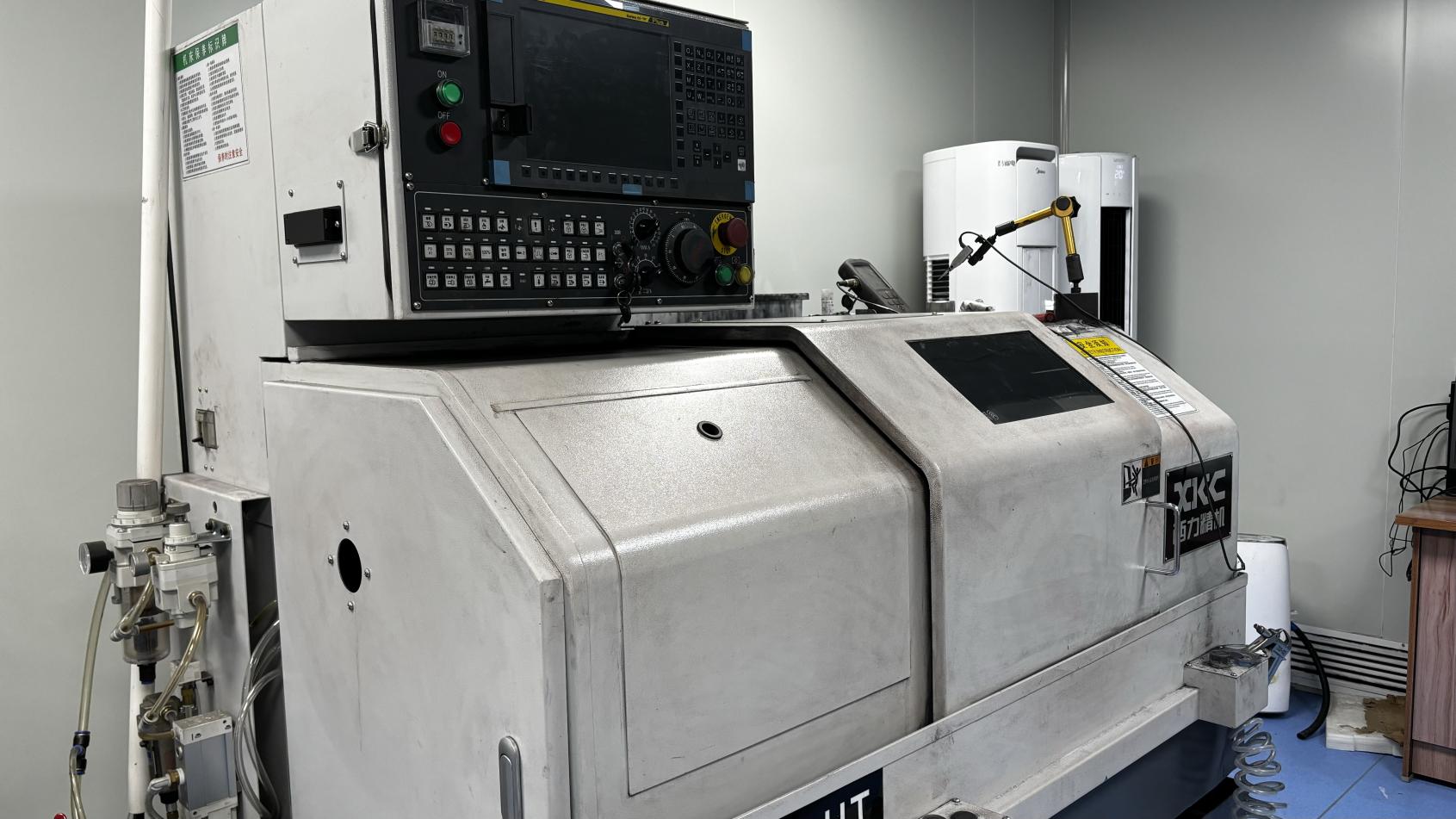
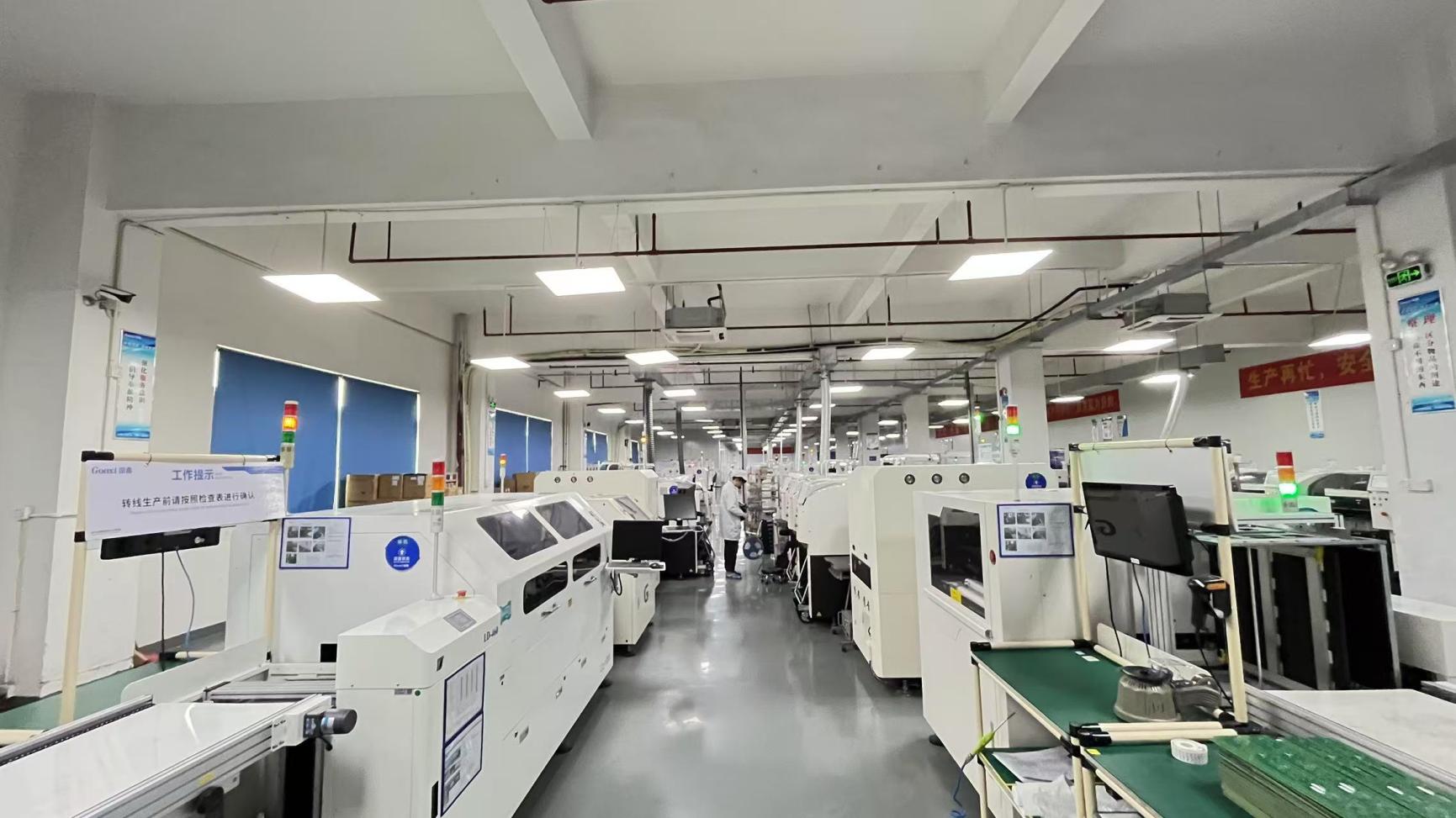
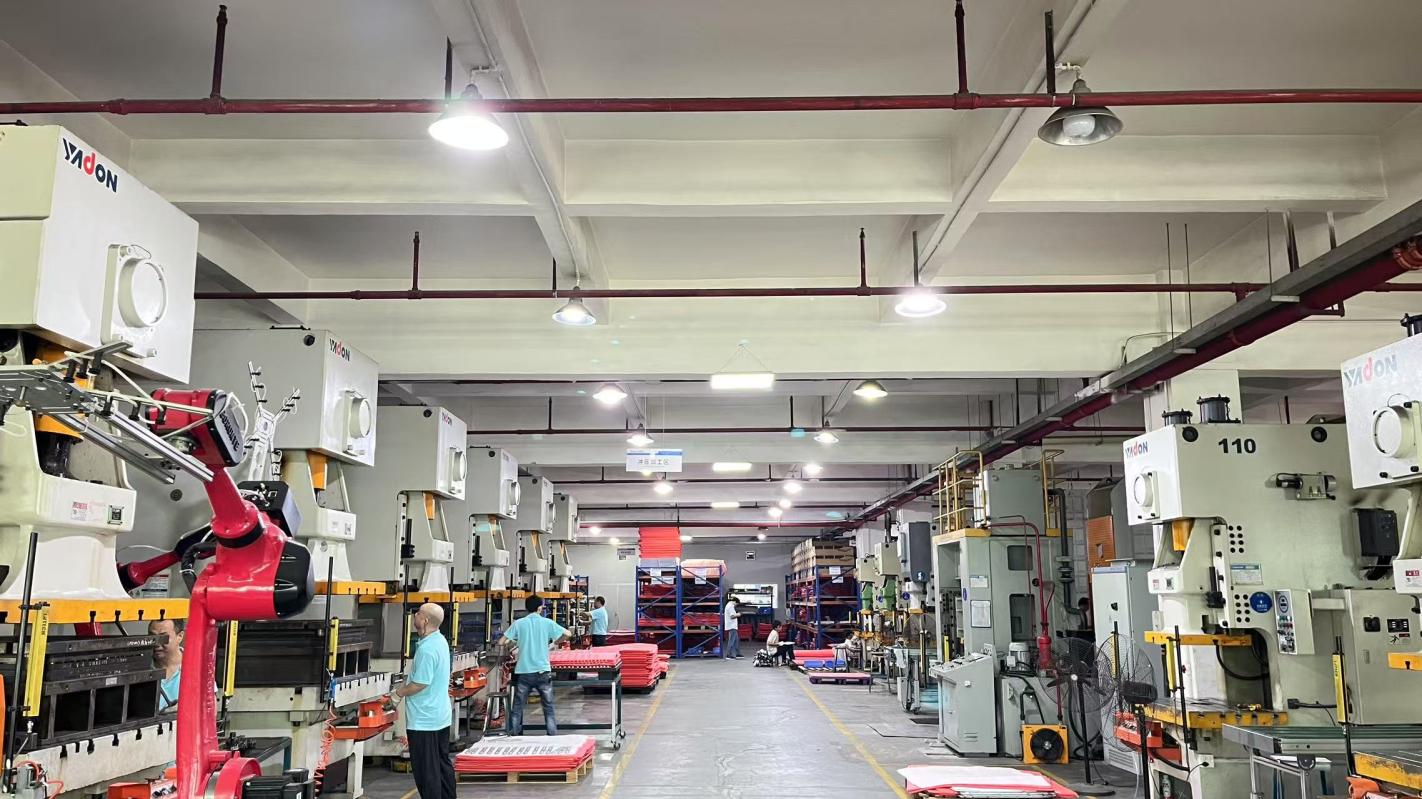
Purchasing components from top Chinese factories provides significant supply chain advantages. Southern China's electronics manufacturing ecosystem features complete vertical integration. Raw copper refining, precision metal stamping, high-tolerance plastic injection molding, and automated assembly are concentrated in close geographical proximity.
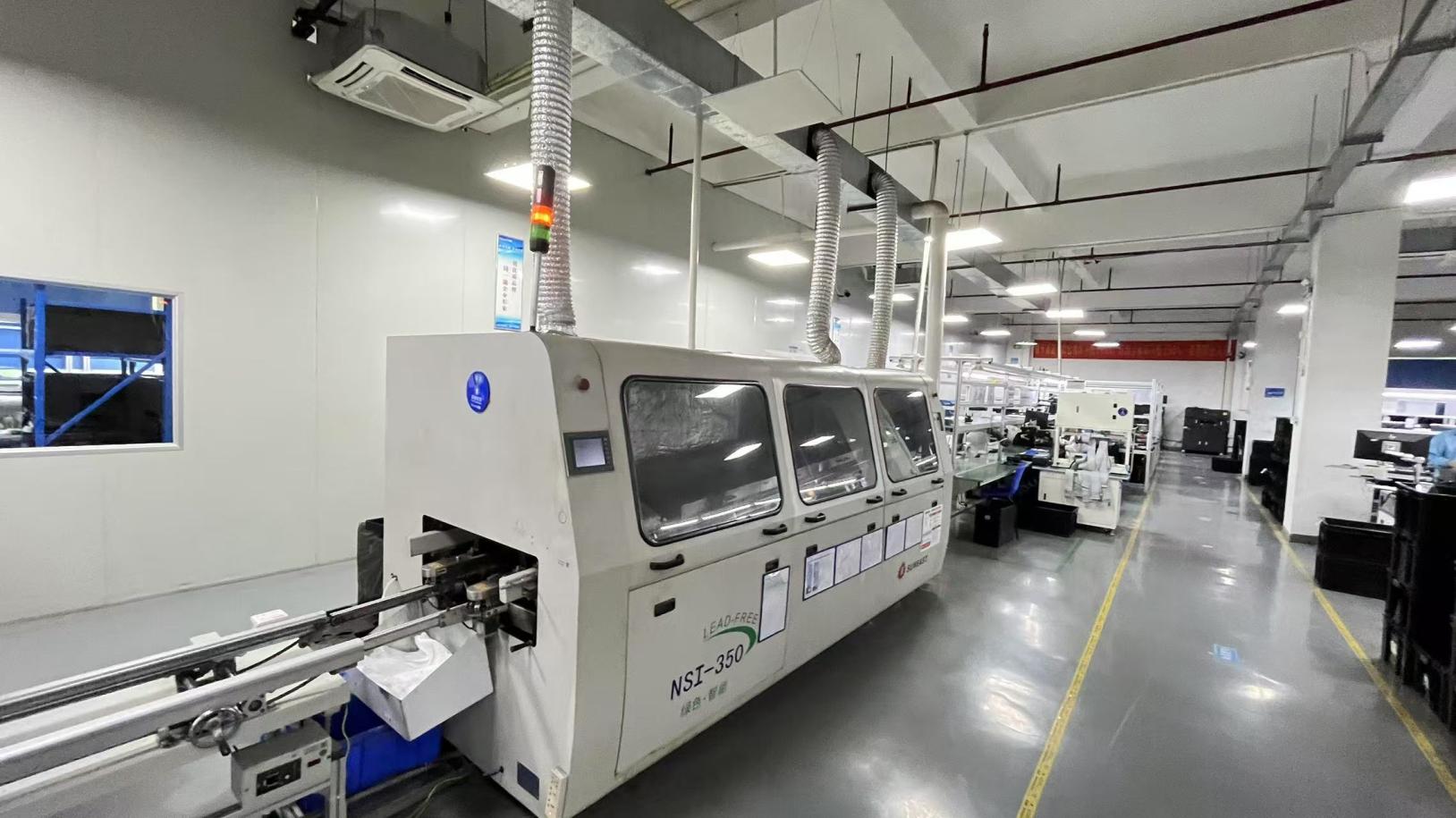
This structural proximity reduces raw material logistics delays and speeds up product iteration cycles. In addition, these specialized facilities utilize high-speed automated winding machines for the micro-transformers used in magnetic RJ45 connectors. This automated approach ensures consistent electrical performance, minimizes insertion loss variance, and prevents assembly defects common to manual wire wrapping.
High-reliability applications in telecommunications, aerospace, and medical instrumentation demand rigorous vendor validation protocols. System designers must confirm that modular jacks comply with international standards including RoHS, REACH, UL 94V-0 (flammability), and FCC Part 68 requirements. Failure to verify these compliances can lead to regulatory delays or premature component failures under harsh conditions.
A key focus for quality managers is checking the integrity of EMI shielding. Unshielded RJ45 jacks can leak electromagnetic radiation, degrading nearby high-frequency signals and failing FCC compliance testing. Premium modular jacks feature tin-plated brass shells with multiple grounding tabs (EMI fingers) to ensure low impedance contact with the product chassis.
The rise of automated factories, AI data processing, and smart building networks is driving demand for higher data transmission speeds. While standard 10/100 Mbps and 1G RJ45 interfaces are still common in legacy systems, new projects are moving toward 2.5G, 5G, and 10G Base-T configurations. This shift requires connectors with tighter physical tolerances, lower internal cross-talk, and advanced PCB trace layouts.
Moreover, modern IoT architectures rely heavily on PoE (Power over Ethernet). Under the IEEE 802.3bt standard, connectors must support up to 90W-100W of power while transmitting high-speed data. This power load generates heat inside the modular jack. Quality manufacturers address this by using engineering plastics with high glass-transition temperatures (Tg) and designing contact structures that prevent electrical arcing during under-load unplugging.
Different operating environments present unique challenges for RJ45 modular jack designs. Standard designs may perform well in climate-controlled server rooms but fail in harsher environments:
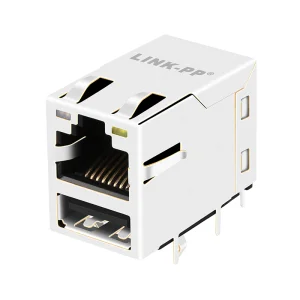
Enterprise procurement teams often require customized connector solutions. FiberQ supports custom pinouts, variable LED color configurations, integrated USB/RJ45 combo designs, and custom-molded plastic housings. This flexibility helps hardware engineers resolve mechanical interference issues within tight device enclosures.
Our team of 240 R&D engineers supports customer projects from initial conceptual 3D CAD modeling through high-frequency simulation and structural prototype testing to final production. In the past year alone, FiberQ introduced 180 new products, demonstrating a strong commitment to engineering innovation.
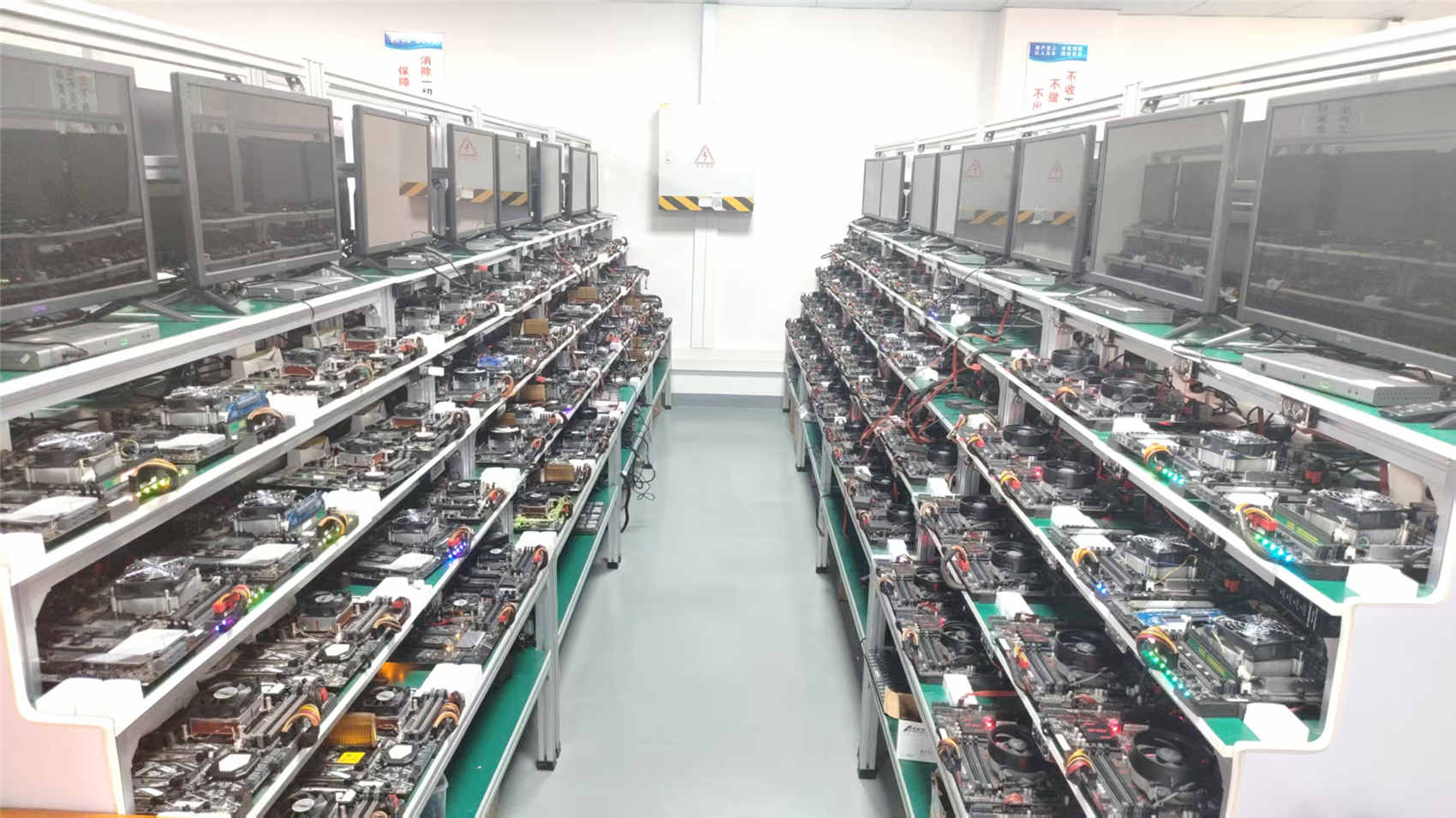
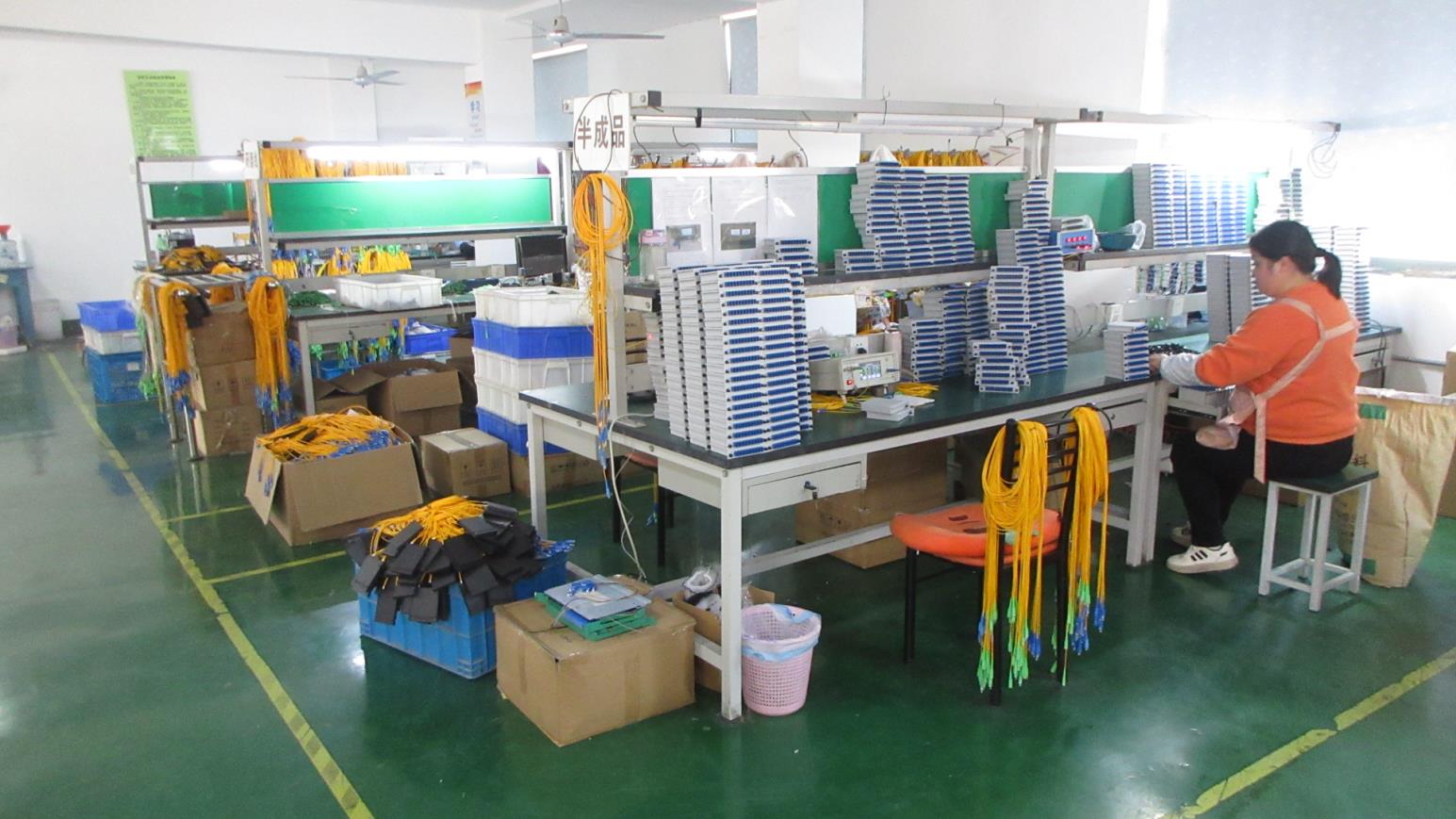
Operating a modern 12,600㎡ facility with 62 dedicated quality control inspectors. We maintain stable partnerships with over 1,450 supply chain vendors to ensure reliable component delivery.
Complete your product layout design with our high-density SFP+ cages, hybrid USB/RJ45 combo jacks, and long-range optical transceiver links.
Answers to common engineering and sourcing questions regarding product specification, signal isolation, and manufacturing standards.
An RJ45 modular jack with integrated magnetics (often called a MagJack) contains isolation transformers, common-mode chokes, and resistors/capacitors inside the metal shield. This integration saves PCB space, improves EMI shielding by keeping high-frequency signals contained, and helps prevent electromagnetic interference. Non-integrated modular jacks require these discrete components on the main PCB board, which increases layout space and can expose signals to external noise.
Gold plating prevents contact oxidation and minimizes electrical wear over time. Standard consumer-grade connectors typically use flash gold plating, which is prone to rapid wear. For industrial-grade and telecom systems, we recommend 30μ" or 50μ" gold-plated contacts. This thickness helps ensure the connector maintains low contact resistance and can withstand the industry-standard minimum of 750 insertion cycles without signal degradation.
Under the IEEE 802.3bt standard, PoE++ devices can transmit up to 90W-100W of electrical power through the network cable. This electrical load generates heat within the connector pin contacts. High-quality modular jacks manage this through contacts with low electrical resistance, high-temperature plastic housings (such as LCP or Nylon-9T), and physical spacing designs that dissipate heat and prevent high-temperature damage.
FiberQ provides complete OEM and ODM customization services. We support custom pin configurations, variable LED indicator colors, tab-up or tab-down housing orientations, low-profile and vertical entry packaging, multi-port ganged layouts (such as 1xN or 2xN), and specialized SFP/RJ45 combination connectors. Our engineering team can work from your custom mechanical layouts to design and manufacture components that meet specific device requirements.
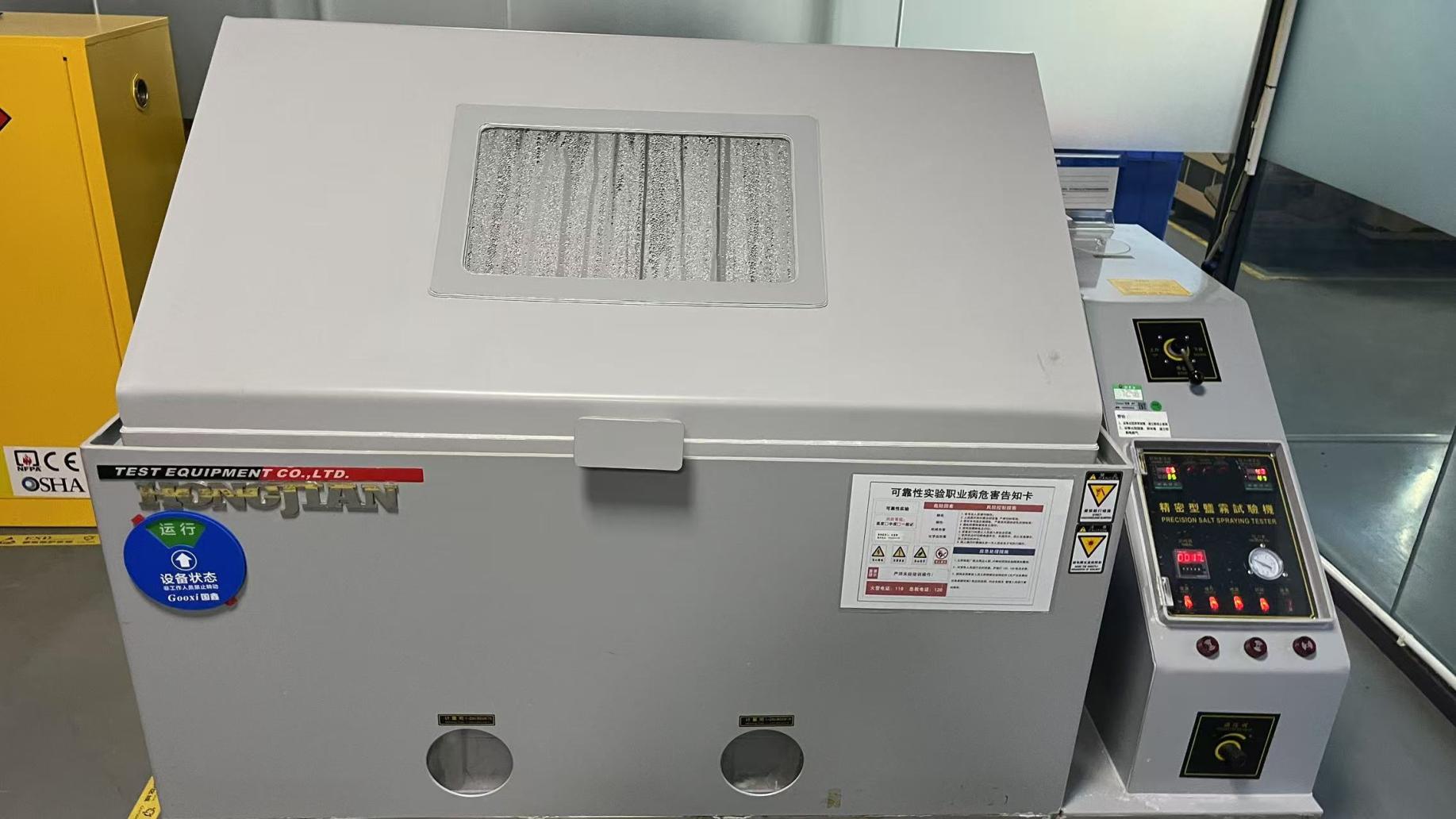
Our quality control team utilizes automated testing systems, network analyzers, and environmental chambers. Every batch of magnetic connectors undergoes high-voltage isolation testing, insertion loss and return loss validation, and cross-talk screening. We also conduct environmental tests, including salt-spray exposure for corrosion resistance and high-temperature aging chambers, to ensure performance in harsh environments.
All of our interconnect and transceiver products comply with international environmental and safety standards, including RoHS and REACH. Our manufacturing facility operates under ISO 9001 quality management guidelines, and all components are tracked to ensure material verification and regulatory compliance during export processes.