FiberQ
FiberQ
FiberQ
Engineered for high signal integrity and mechanical durability, these select copper and fiber connection interface components establish reliable pathways for modern networks.
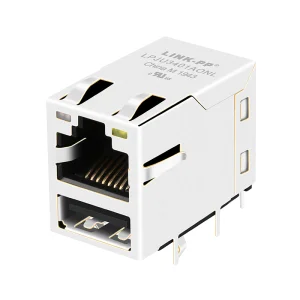
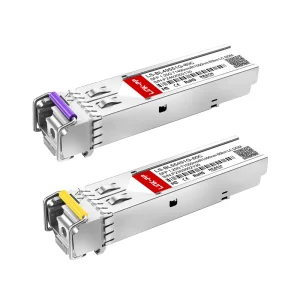
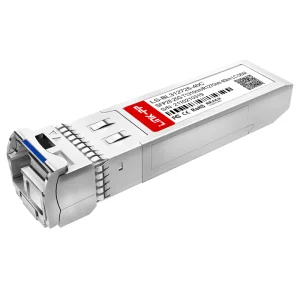
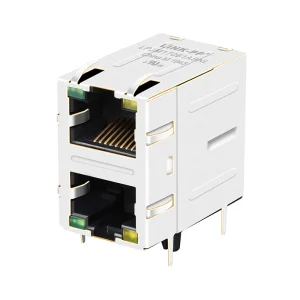
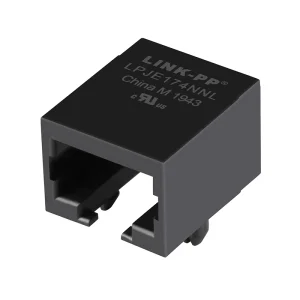
In structured cabling systems, the Unshielded RJ45 connector (8P8C modular plug/jack) represents the backbone of standard horizontal LAN deployments. Unlike its shielded counterparts (STP), the unshielded RJ45 connector (UTP) relies strictly on balanced differential signaling and precision cable twisting to counteract Electromagnetic Interference (EMI) and Near-End Crosstalk (NEXT).
From a mechanical design perspective, these components are engineered using advanced thermoplastics, typically high-grade Polycarbonate (PC) conforming to UL 94V-0 flammability ratings. The electrical pathway is established through phosphor bronze contact pins, plated with varying thicknesses of hard gold (ranging from 3u" for entry-level consumer lines to 50u" for telecommunication-grade infrastructure). This gold plating prevents oxidization and ensures stable contact resistance below 20mΩ over a minimum lifespan of 750 mechanical mating cycles.
Advanced internal staggered wire alignment matrices minimize parasitic capacitance between adjacent conductors, critical for achieving Cat6 and Cat6A channel performance parameters.
Precision-molded polymer housings maintain uniform dielectric constants across various humidity and temperature profiles, eliminating localized impedance anomalies.
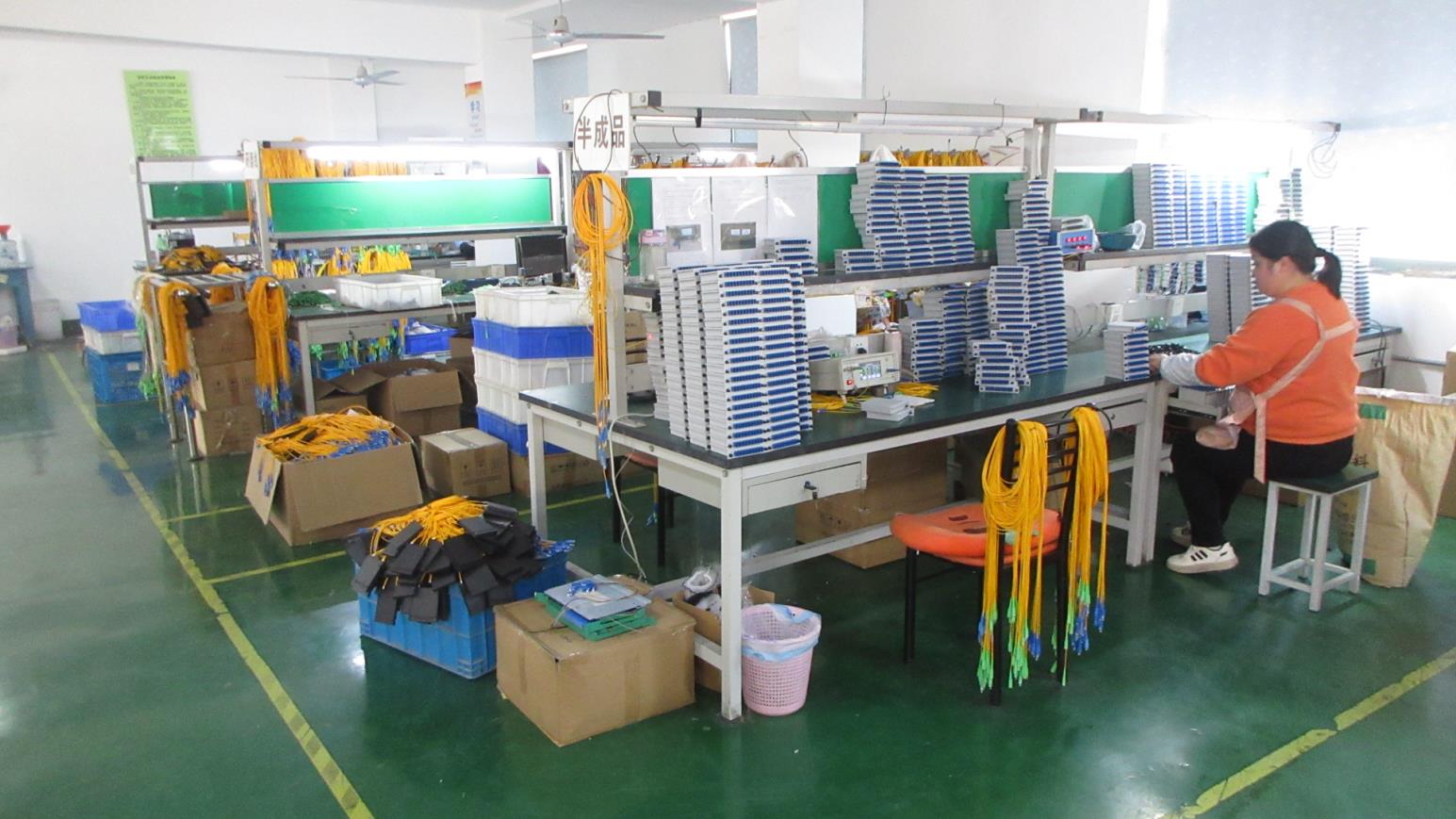
Unique mechanical designs facilitate direct assembly and automated punch-down in factory settings, mitigating operator error and ensuring long-term field stability.
Global network device manufacturers and telecommunications infrastructure companies lean heavily on Chinese industrial hubs (specifically in Guangdong, Zhejiang, and Jiangsu provinces) for passive components and optoelectronics sourcing. The strategic advantages span multiple vectors:
Chinese production zones operate complete domestic supply networks. Sourcing factories have immediate access to specialized copper alloys, precise chemical compounds for flame-retardant plastics, and high-frequency automated testing apparatus. This minimizes latency in design-to-prototype cycles.
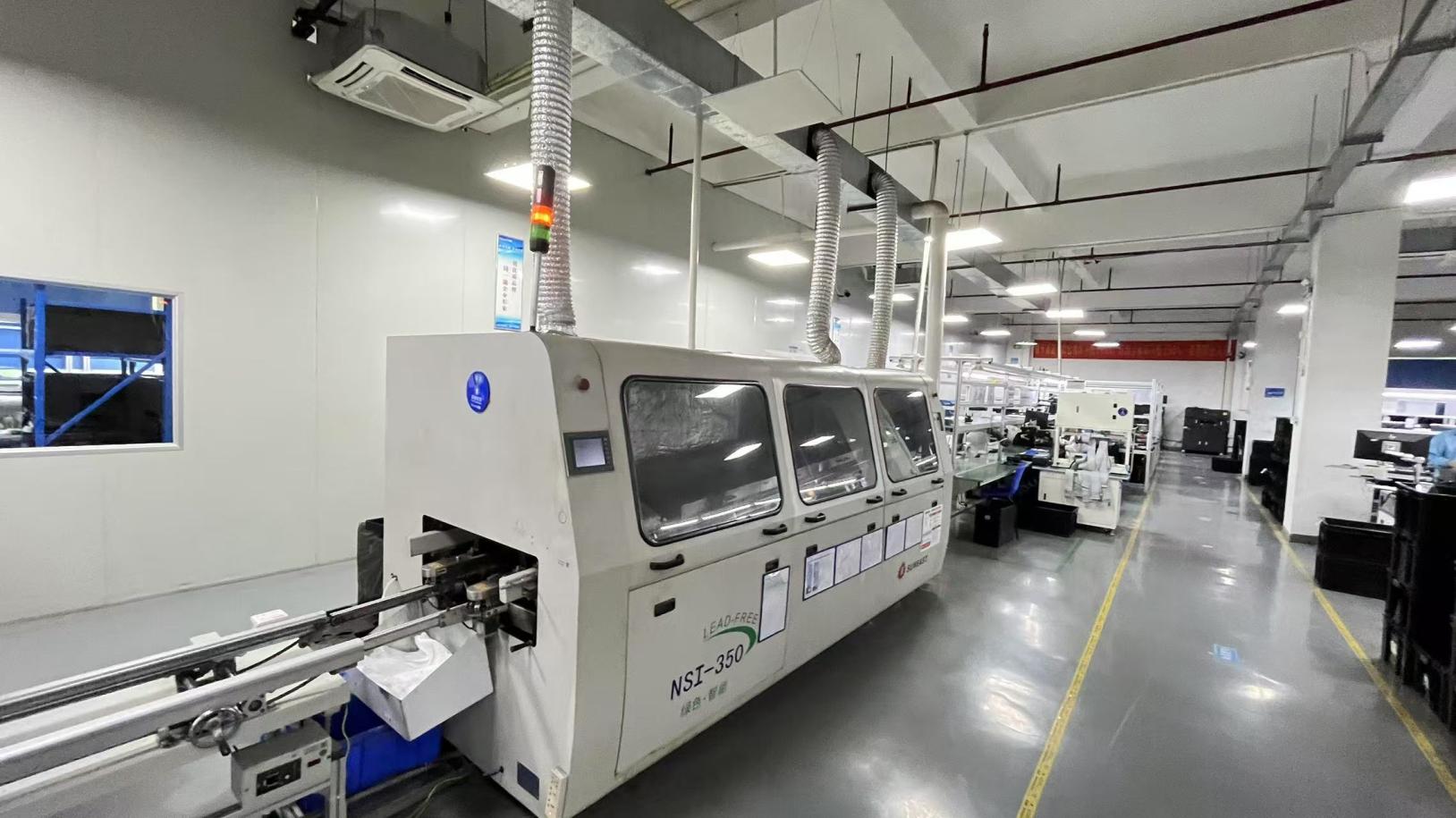
To offset rising labor costs, leading Chinese factories deploy high-speed terminal insertion robots and automated optical inspection (AOI) lines. These technologies verify dimensional tolerances and gold-plating thickness in real-time, achieving defect rates below 100 PPM.
Top suppliers align their production facilities with ISO 9001, ISO 14001, and UL certification requirements. They offer flexible OEM/ODM engagement models, customizing parameters such as LED illumination configurations and PoE thermal dissipation structures.
The ethernet connector and optical transceiver sector is undergoing rapid evolution. Key macro trends driving design changes include:
As networks deliver up to 90W–100W of DC power over standard UTP cables, connectors experience localized thermal dissipation challenges. Next-generation unshielded jacks incorporate specialized physical contact designs that prevent arcing damage at the contact point during hot plugging.
With 10GBASE-T copper networking standardizing in edge compute centers, unshielded RJ45 components must maintain low Insertion Loss (IL) and Return Loss (RL) at frequencies up to 500MHz. Engineers optimize internal physical geometry to suppress internal crosstalk without heavy shielding layers.
Global buyers enforce RoHS, REACH, and WEEE directives. Sourcing shifts toward bio-based, halogen-free engineering plastics that emit minimal toxic fumes in case of fire, while maintaining high mechanical strength for long lifecycle systems.
Unshielded modular jacks and transceivers serve distinct networking roles across different deployment scales.
In typical office infrastructure, unshielded Cat6 RJ45 cabling is standard. The lack of metallic shielding reduces installation labor costs, avoids issues with grounding loops, and lowers overall material expenses while providing 1Gbps to 5Gbps connectivity.
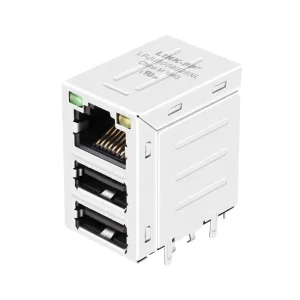
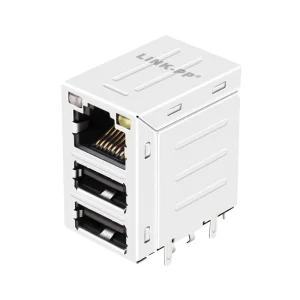
With the proliferation of IP cameras, wireless access points, and smart lighting controllers, unshielded RJ45 jacks with integrated LEDs are key to enabling rapid status diagnostics directly at the physical connection port.
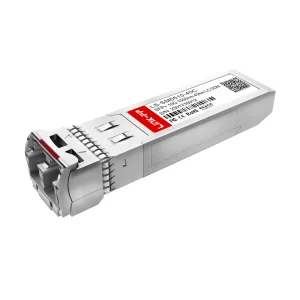
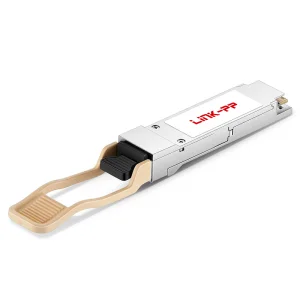
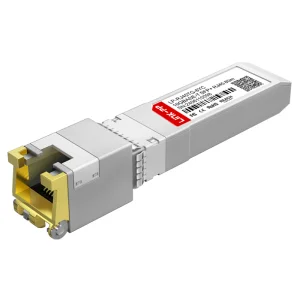
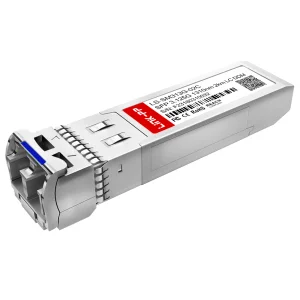
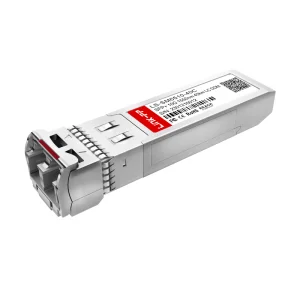
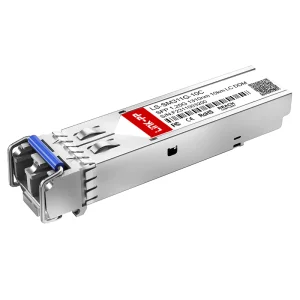
Where copper reaches its length limits, fiber transceivers (such as SFP+, SFP28, and QSFP56 modules) bridge the gap. They convert electrical signals to optical signals, linking core switches over distances ranging from 100 meters to 80 kilometers.
FiberQ Photonics Technology Co., Ltd. is a professional manufacturer specializing in high-performance fiber optic transceivers and advanced photonic communication solutions for data centers, telecom networks, and high-speed interconnect applications. Founded in 2015, the company has grown into a trusted global supplier with strong engineering and export capabilities.
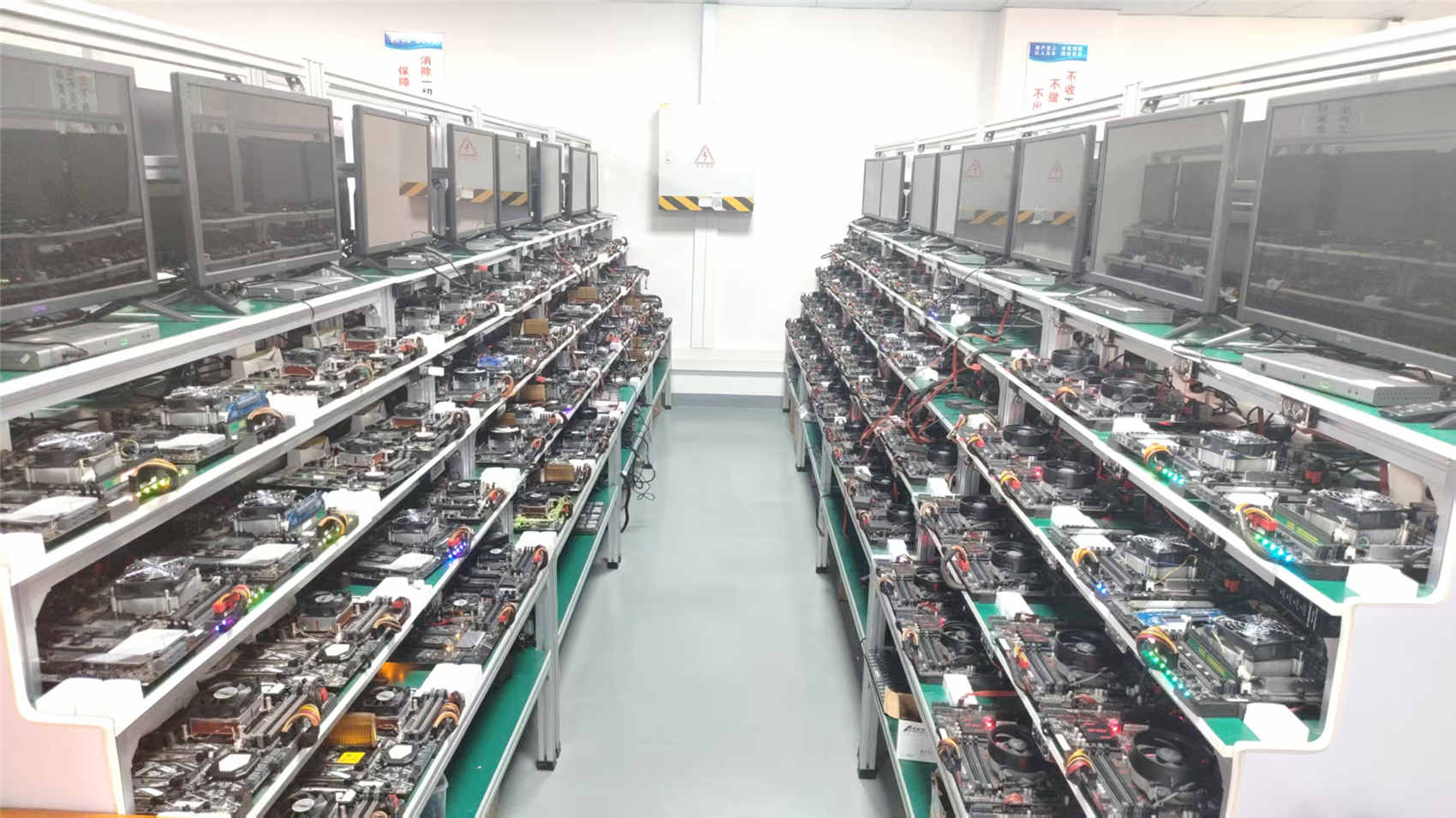
The company operates a modern production facility covering approximately 12,600㎡, enabling scalable manufacturing, precision assembly, and strict quality control processes. With annual export revenue reaching around USD 9.5 million, FiberQ has accumulated 6 years of export experience and 12 years of industry expertise in optical communication technologies.
Quality assurance is ensured through a combination of automated optical performance testing, interferometric inspection, high-temperature aging tests, and manual quality checks. The quality control team consists of 62 experienced inspectors dedicated to maintaining product reliability and compliance with international standards.
FiberQ maintains a strong trade background focused on OEM and ODM partnerships. Its primary markets include North America, Europe, Japan, and Southeast Asia, serving telecom operators, cloud service providers, and enterprise network integrators. The company collaborates with approximately 1,450 supply chain partners to ensure stable procurement of core components and efficient production scheduling. Its main customer base includes data center operators, telecom carriers, network equipment vendors, and system integrators.
With strong R&D capabilities, FiberQ supports advanced customization including protocol compatibility (100G/200G/400G/800G), wavelength engineering, thermal optimization, and form-factor adaptation. The company employs around 240 R&D engineers focused on optical design, signal integrity, and high-speed hardware development. In the past year, FiberQ launched approximately 180 new products, reflecting its continuous innovation in next-generation optical communication solutions.
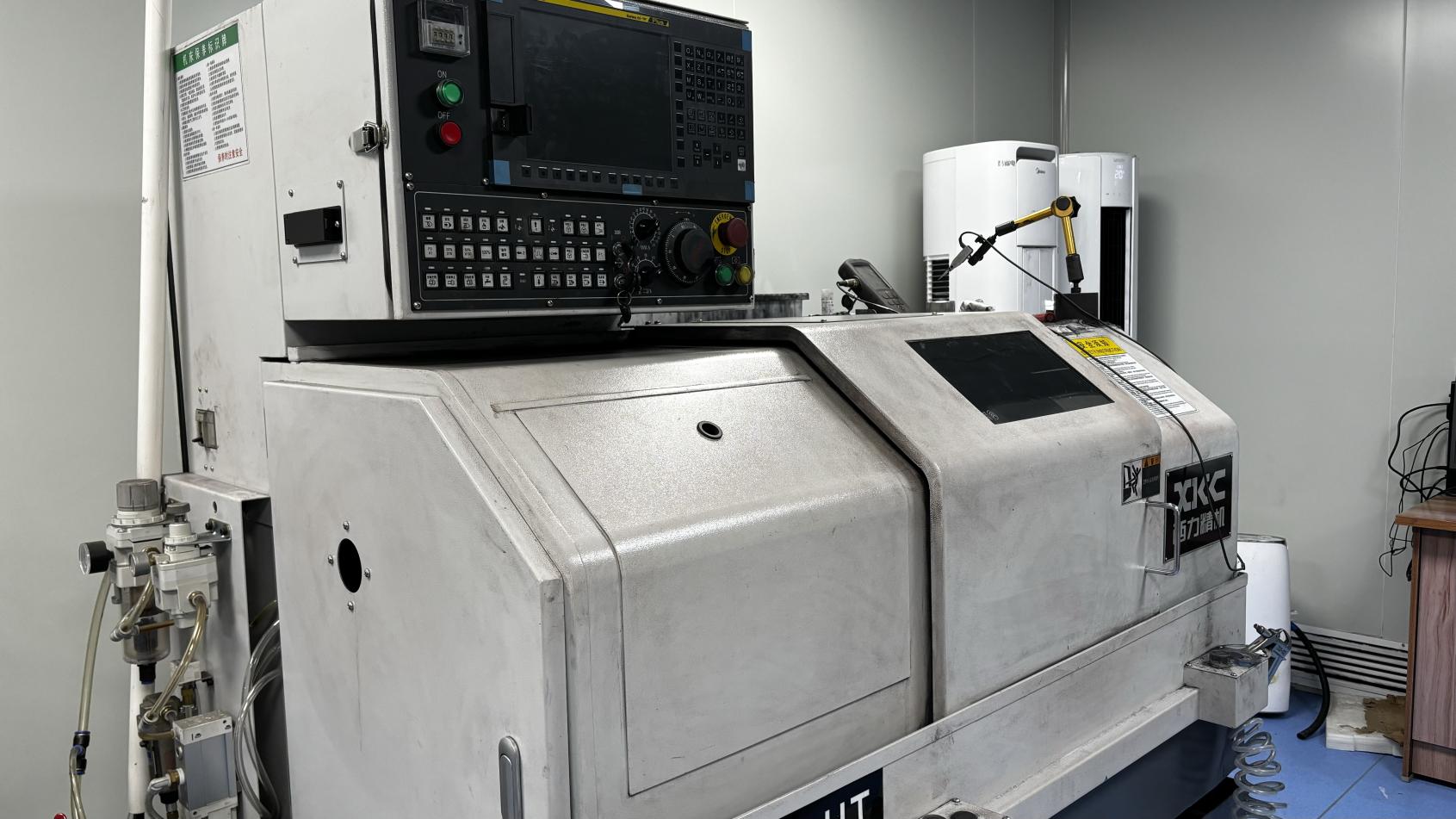
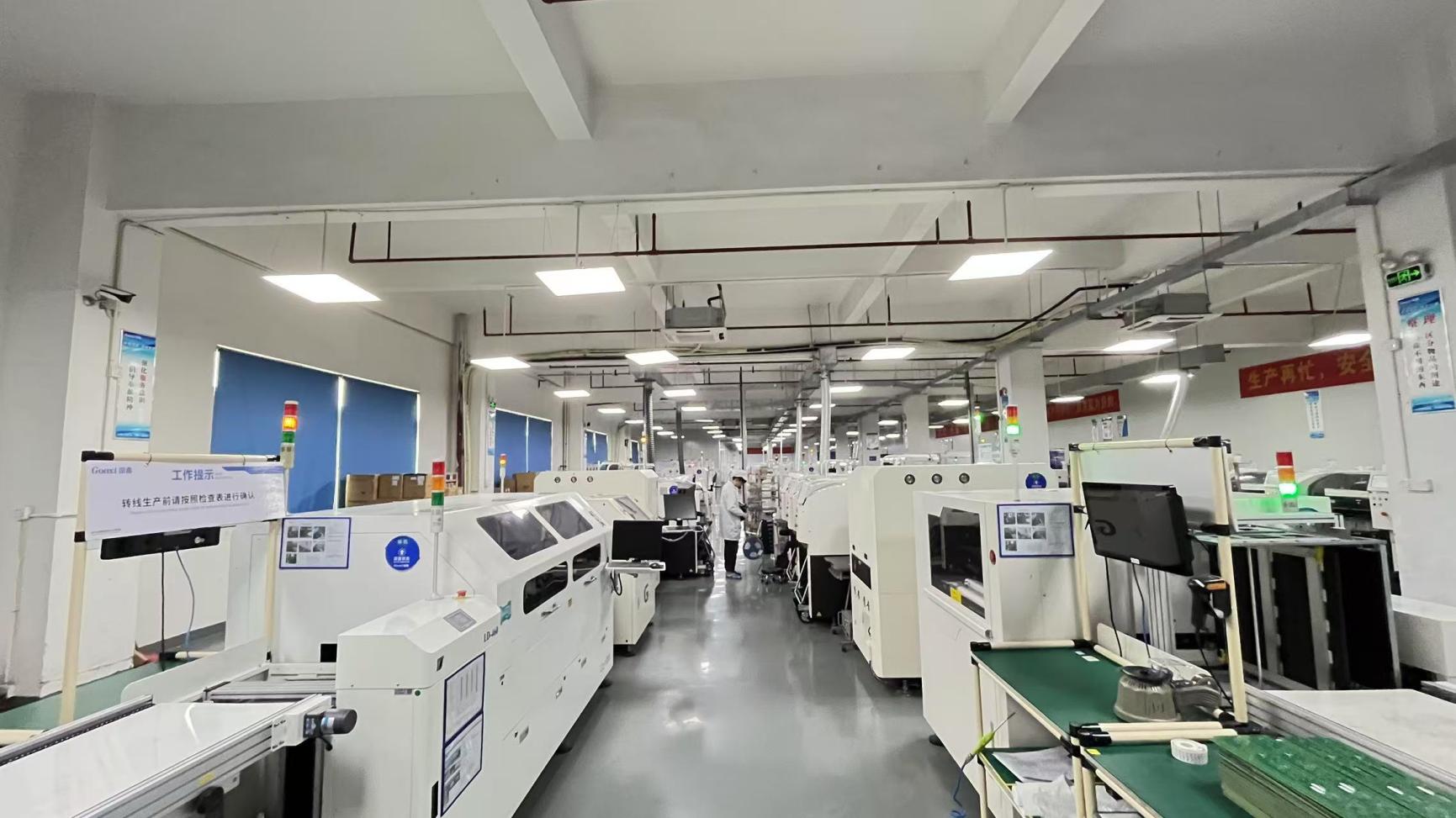
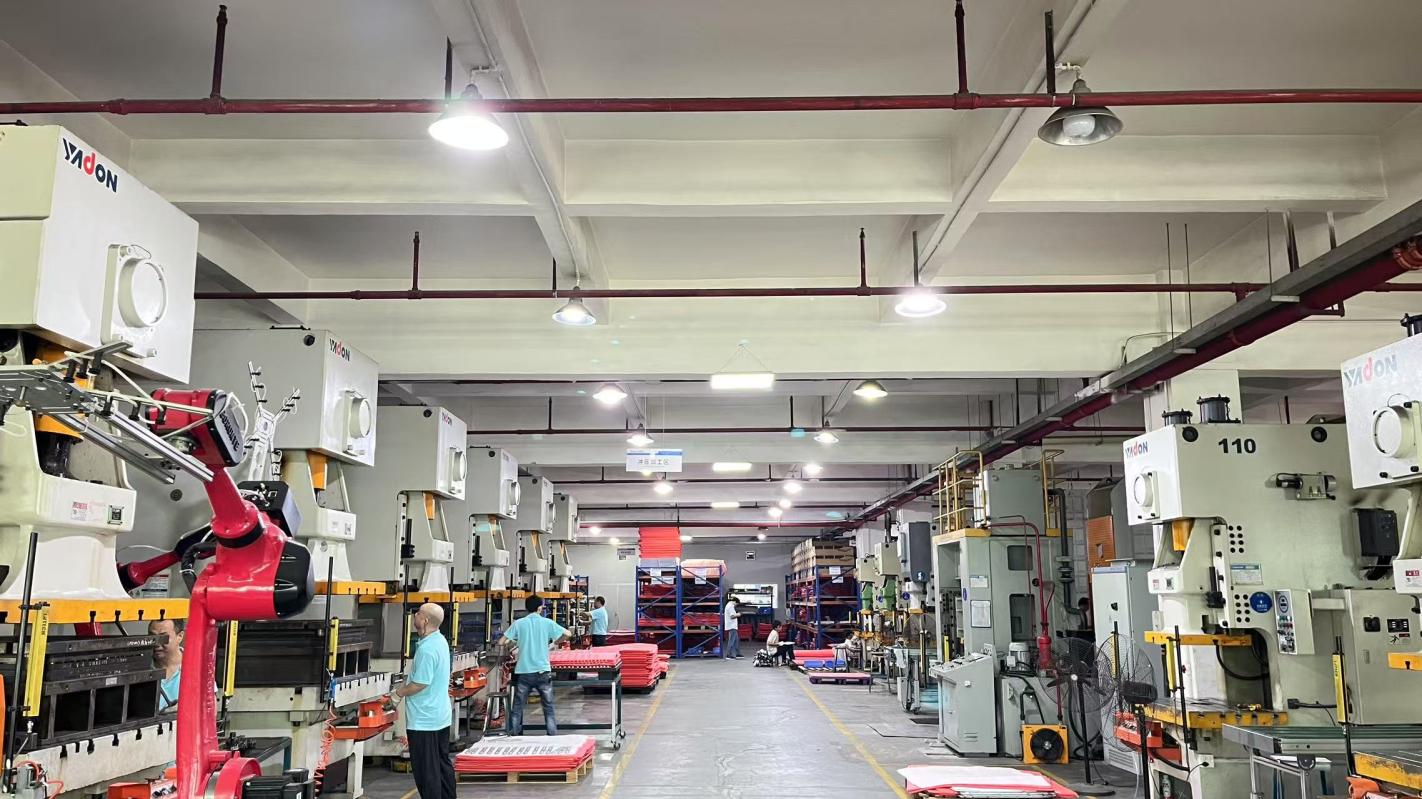
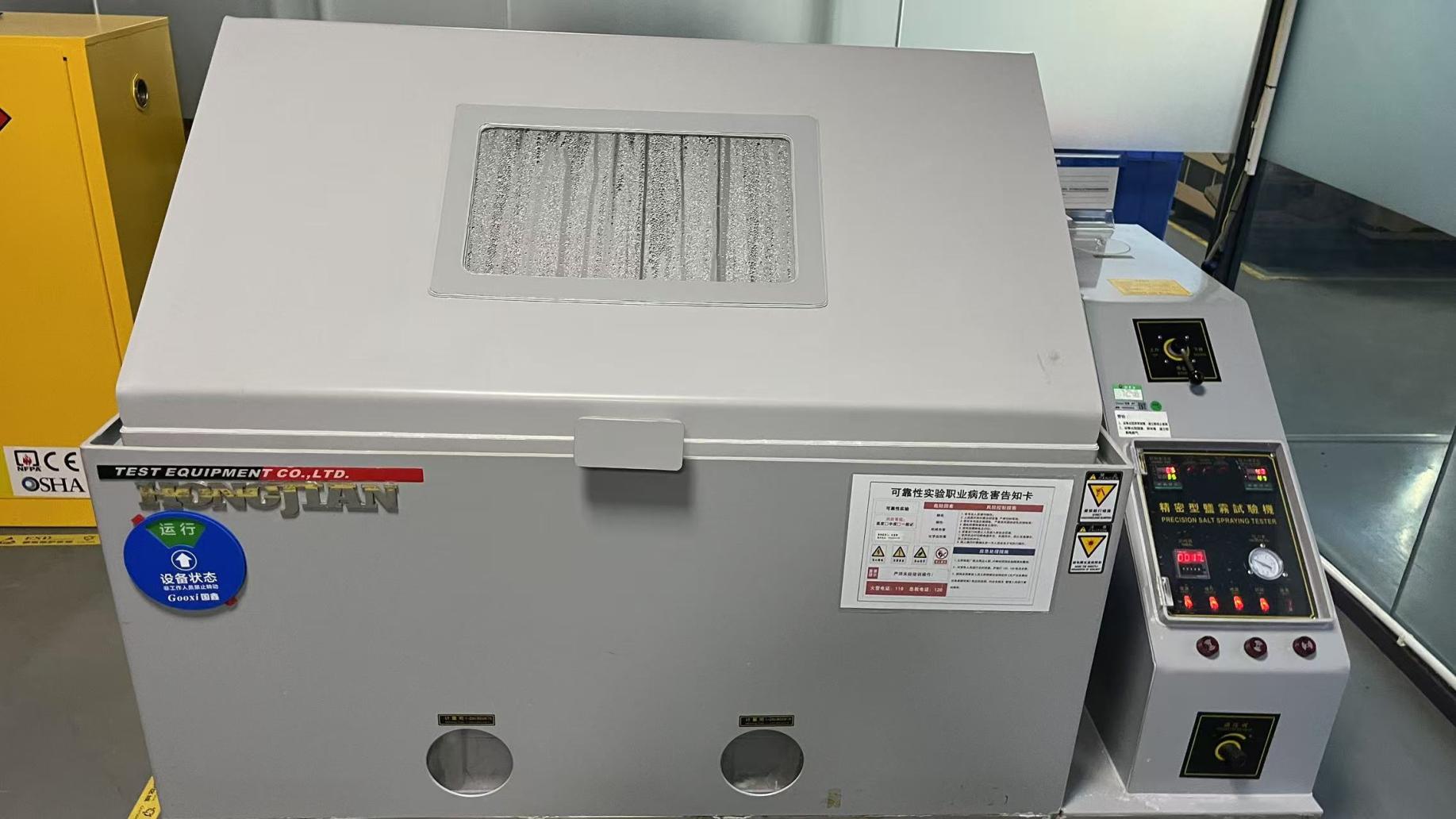
When evaluating high-volume connector and transceiver factories, procurement managers should verify the following parameters to ensure product quality and supply chain resilience:
Detailed answers to key technical questions concerning RJ45 and optical network connectivity components.
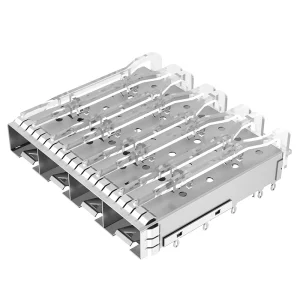
Explore this curated selection of modular jacks, fiber optical modules, and mechanical cages designed for enterprise networking environments.