FiberQ
FiberQ
FiberQ
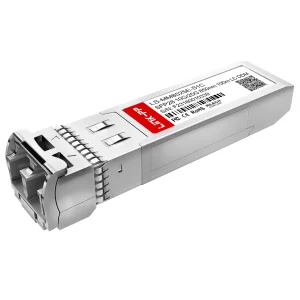
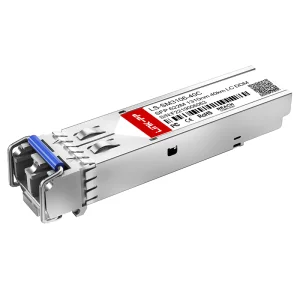
The global high-speed optical communications ecosystem is undergoing a paradigm shift. With the explosive rise of generative AI, deep learning models, hyper-converged databases, and edge computing nodes, the volume of data moving within and between data centers is growing exponentially. In this landscape, the SFP (Small Form-factor Pluggable) transceiver module is no longer a simple peripheral; it is the fundamental link that determines the overall bandwidth capacity, latency, and power efficiency of modern digital networks.
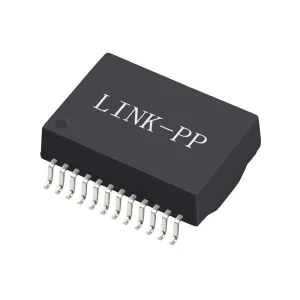
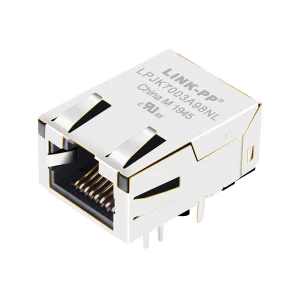
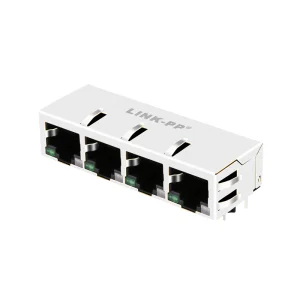
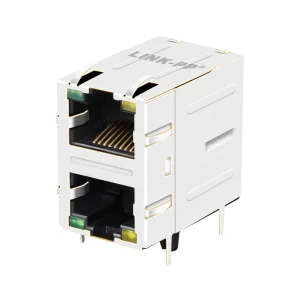
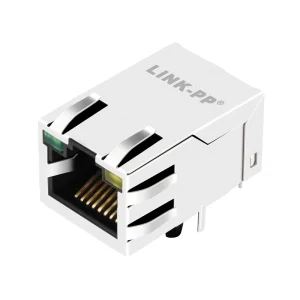
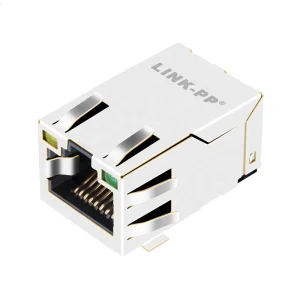
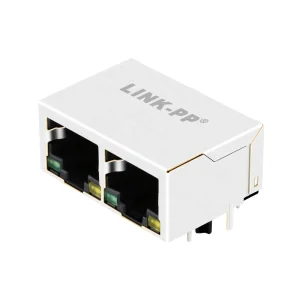
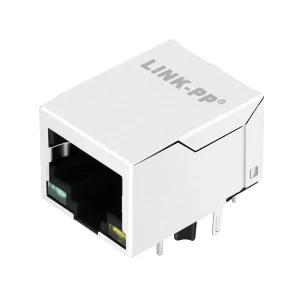
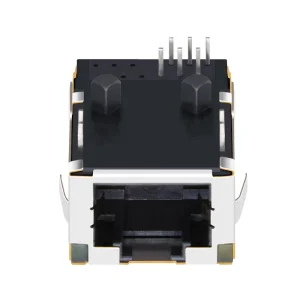
Top-tier SFP transceiver module manufacturers must address complex design trade-offs. Achieving high data density and low optical power budgets requires deep expertise in optical physics, precision optoelectronics packaging, and signal integrity. Today, industry innovators are utilizing advanced coherent optics, Wavelength Division Multiplexing (WDM), and specialized copper interlinks (like Magjack connectors) to maximize throughput while minimizing the physical and thermal footprints of network switches.
Currently, the optical transceiver market is highly centralized around key manufacturing clusters. As telecommunications carriers deploy 5G stand-alone core networks and cloud providers upgrade to 400G and 800G optical lines, the demand for reliable SFP, SFP28, QSFP28, and QSFP-DD form factors has reached historic highs. High quality, MSA compliance, and localized logistical support have become the three key pillars for telecom operators selecting their OEM/ODM partners.
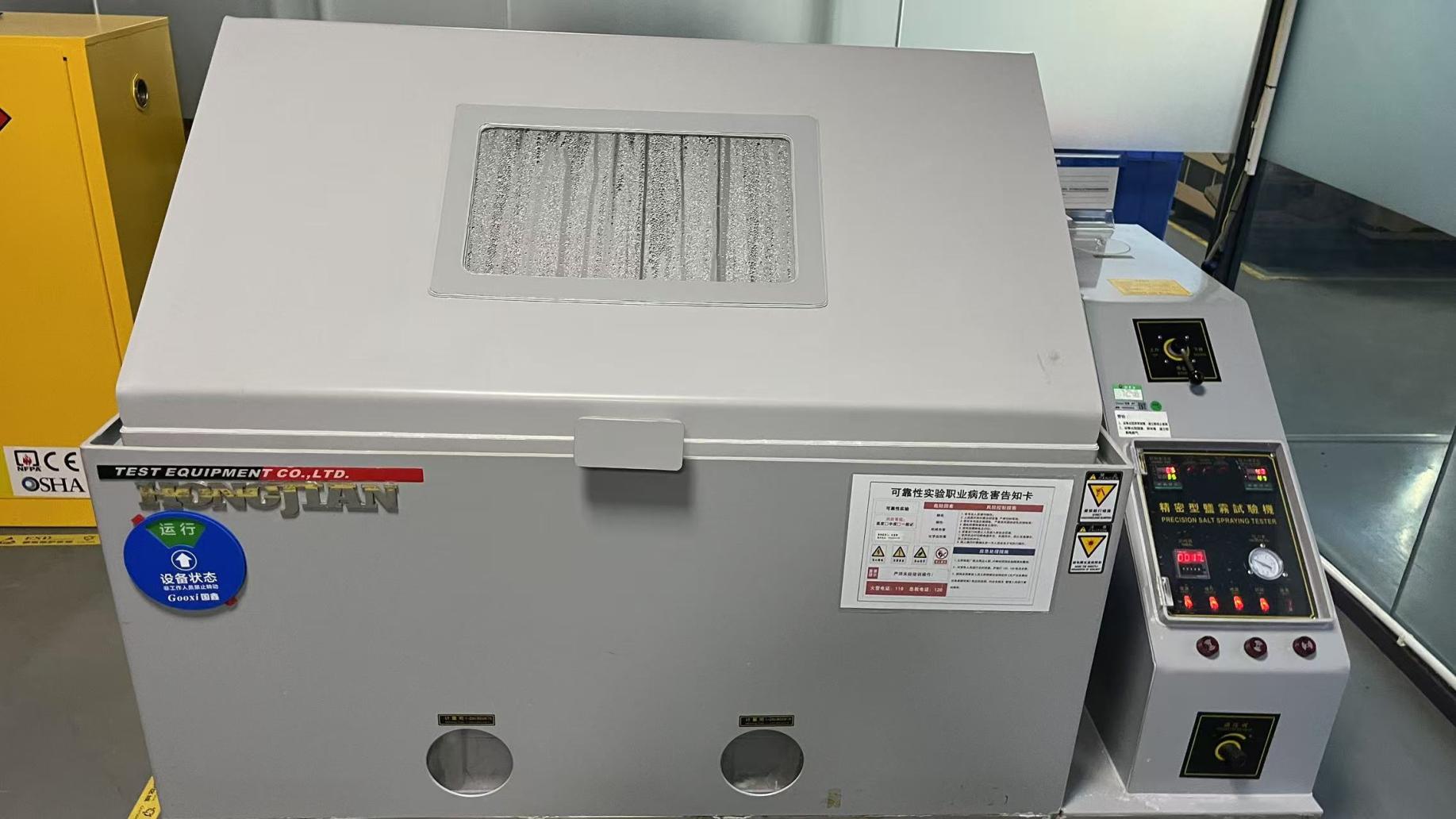
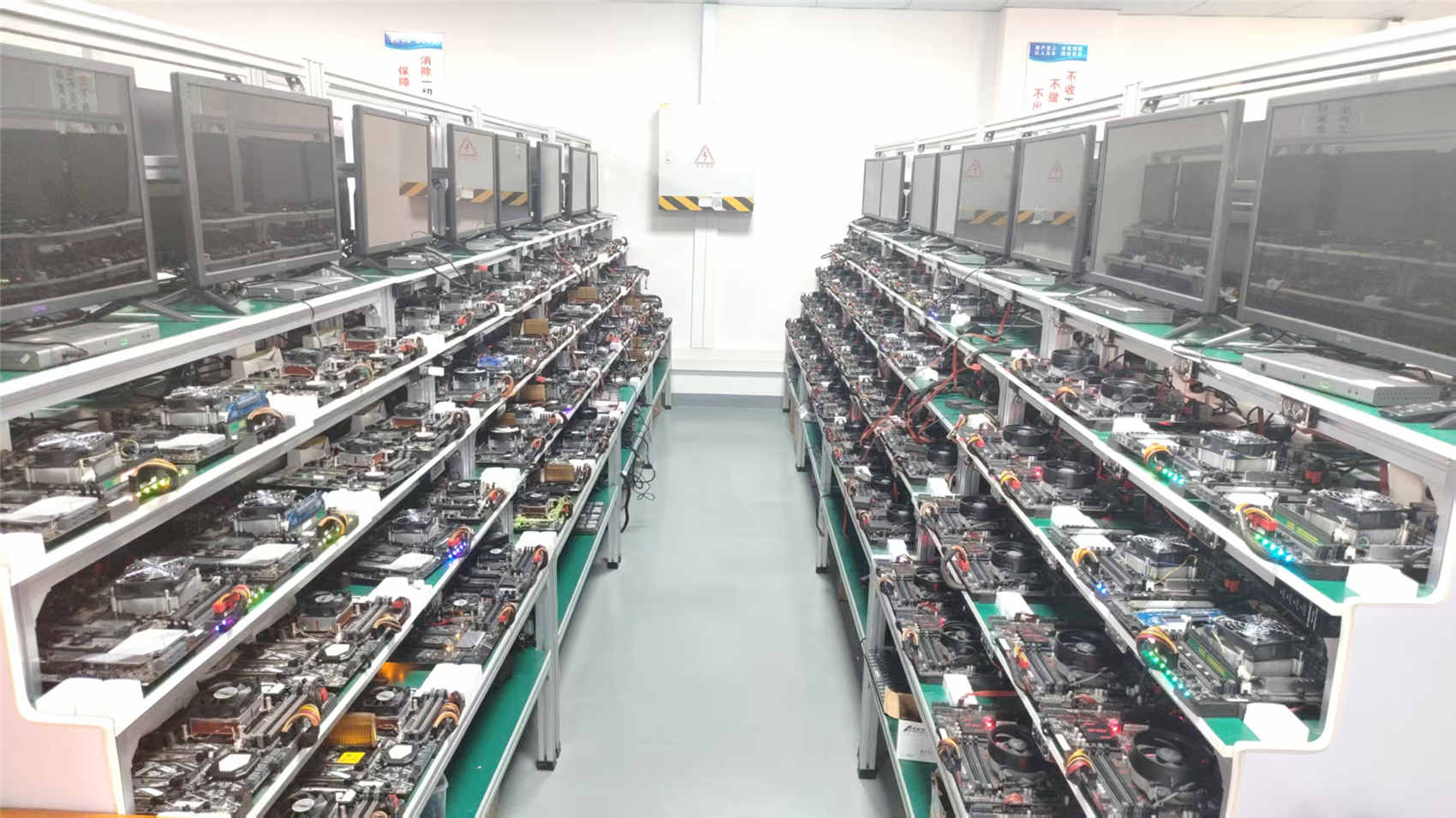
To establish search authority under Google's Quality Rater Guidelines, hardware manufacturers must demonstrate real-world physical capabilities. Real-world testing protocols (including eye-diagram validation, high-temperature testing, and optical spectrum analysis) are essential to verify transceiver performance before deployment in critical network environments.
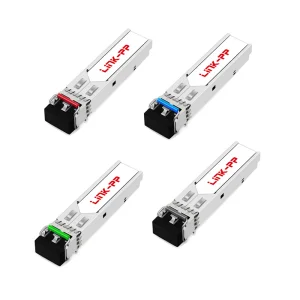
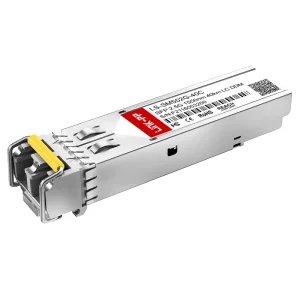
Upgrading from standard 10 Gbps SFP+ channels to 25 Gbps SFP28 form factors is standard practice for modern corporate campuses and regional datacenters. Operating over single-mode (SMF) and multi-mode (MMF) fiber links, SFP28 provides a cost-effective, high-bandwidth path by maximizing signal-to-noise ratios and utilizing improved clock-and-data recovery (CDR) architectures.
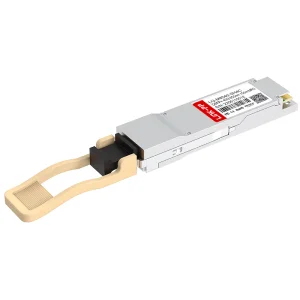
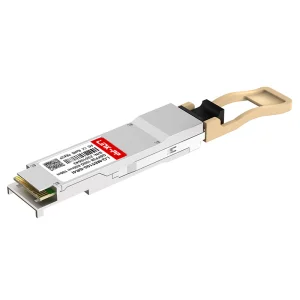
Hyperscale infrastructure relies on QSFP28 and QSFP-DD interfaces to cluster compute nodes. By leveraging 4-lane or 8-lane parallel configurations with PAM4 modulation, these modules can transmit up to 400 Gbps. Our manufacturing process ensures low Insertion Loss (IL) and high Return Loss (RL) at the fiber connectors, minimizing bit error rates (BER).
Looking ahead, future standards will transition from pluggable modules toward integrated Silicon Photonics and Co-Packaged Optics (CPO). This architecture integrates optical engines directly onto the network switch ASIC substrate, reducing interconnect distance, minimizing signal degradation, and cutting power consumption by up to 30% compared to traditional pluggable transceivers.
In modern storage area networks (SAN) and high-performance computing (HPC) nodes, transceivers link hundreds of switches and servers. These connections require low-power, high-density links, which are often served by multi-mode QSFP28 modules or active optical cables (AOCs) for short-run connections.
In telecommunication infrastructure, long-reach transceivers (single-mode, up to 40km or 80km) are deployed in Central Offices and base stations. These modules require high wavelength stability, and often utilize CWDM or DWDM multiplexing over duplex LC fiber connections to maximize physical fiber bandwidth.
Industrial networking environments present demanding operating conditions. SFP modules deployed in manufacturing facilities, power utility grids, and rail transportation networks must operate reliably across wide temperature ranges (-40°C to +85°C) and feature robust ESD protection.
China continues to be the global manufacturing hub for advanced optoelectronic assemblies. The concentration of component vendors, specialized precision mechanical suppliers, high-accuracy injection molding providers, and packaging houses creates an efficient manufacturing ecosystem that reduces lead times and lowers manufacturing overhead.
At FiberQ Photonics Technology Co., Ltd., we utilize this consolidated supply chain to maintain consistent quality and rapid time-to-market. Our factory network includes over 1,450 audited partners, ensuring a stable supply of high-grade optical subassemblies (TOSA/ROSA) even during periods of global component volatility. Our domestic logistics infrastructure also enables direct shipping routes to major international hubs, helping to reduce transit times and shipping costs.
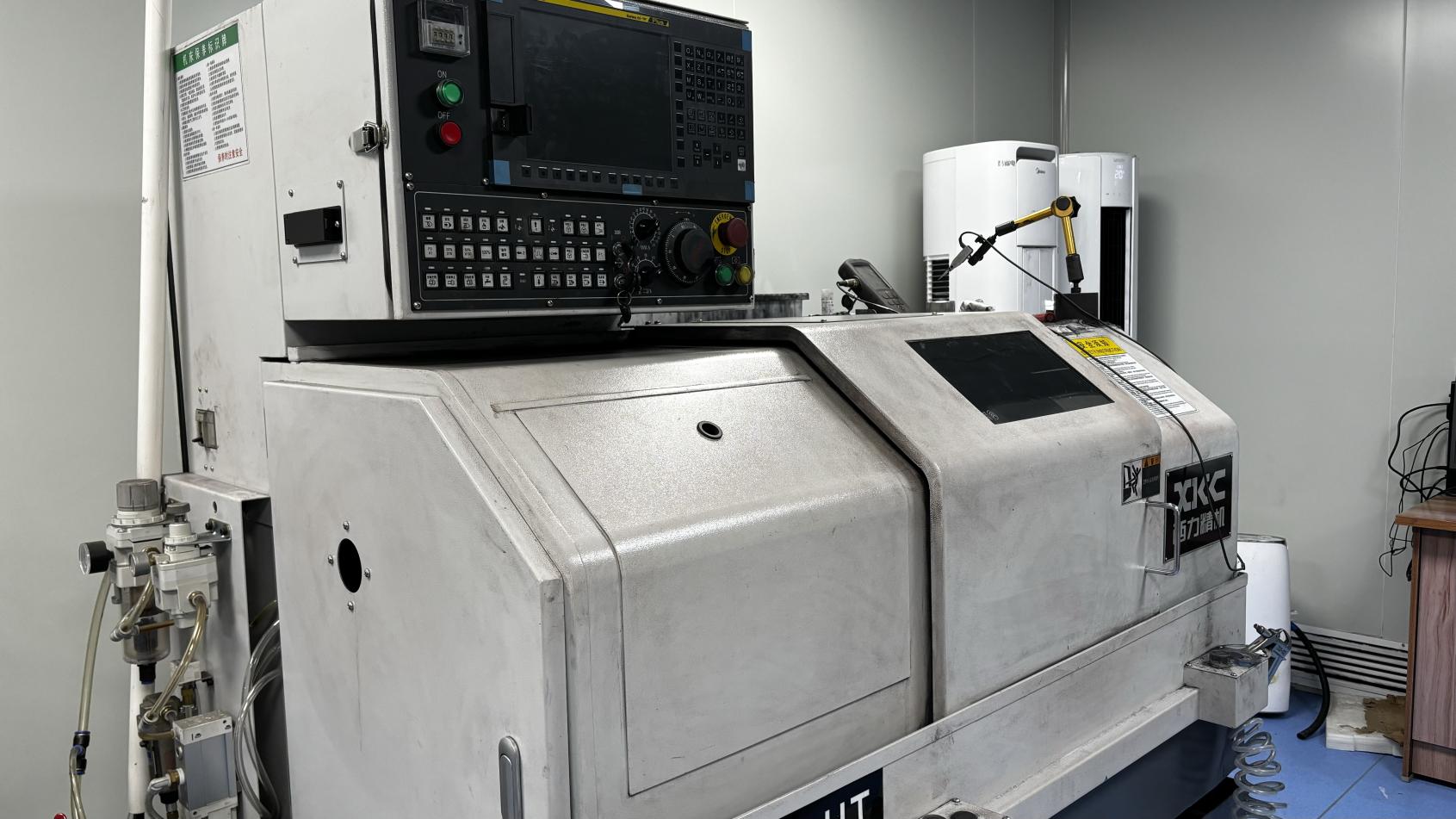
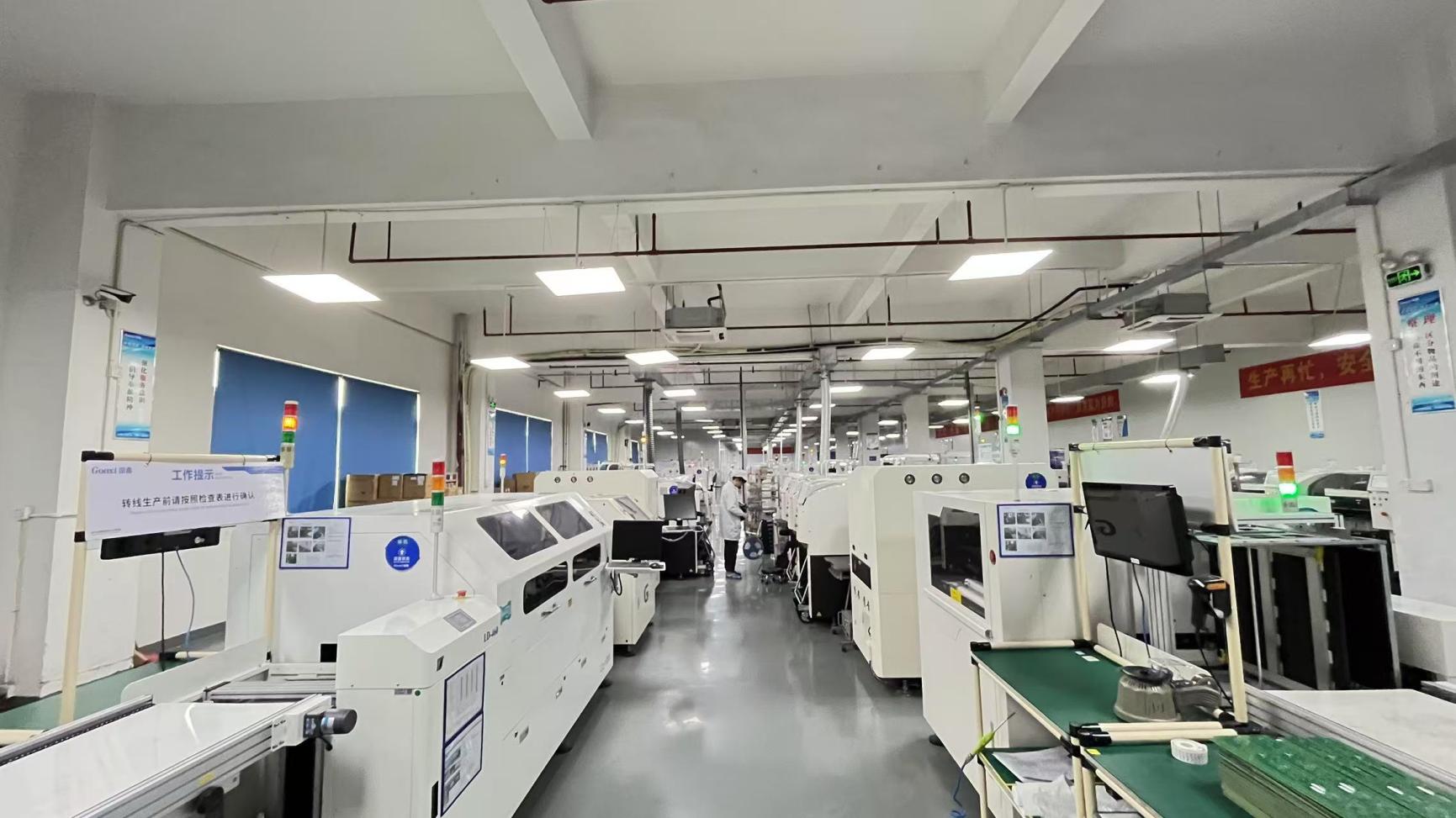
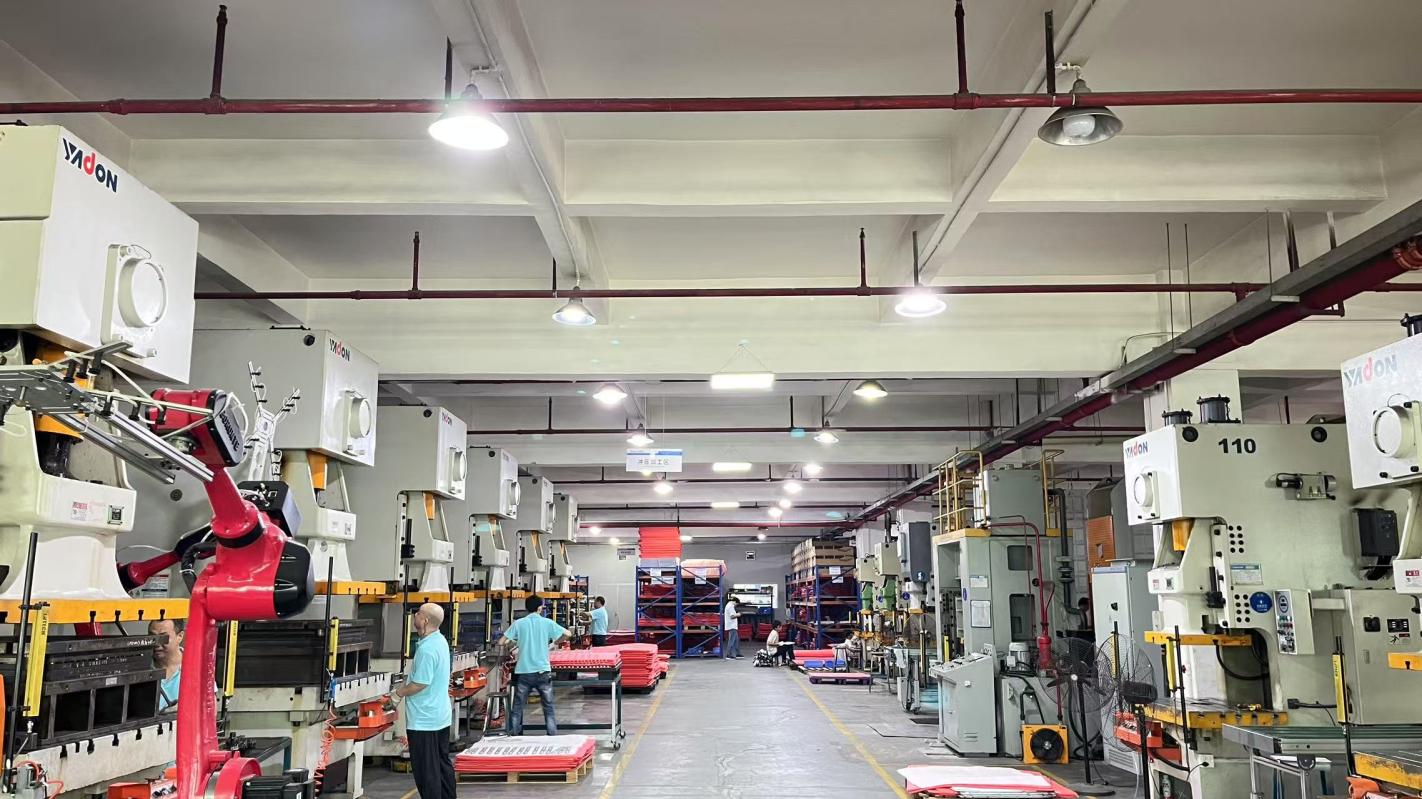
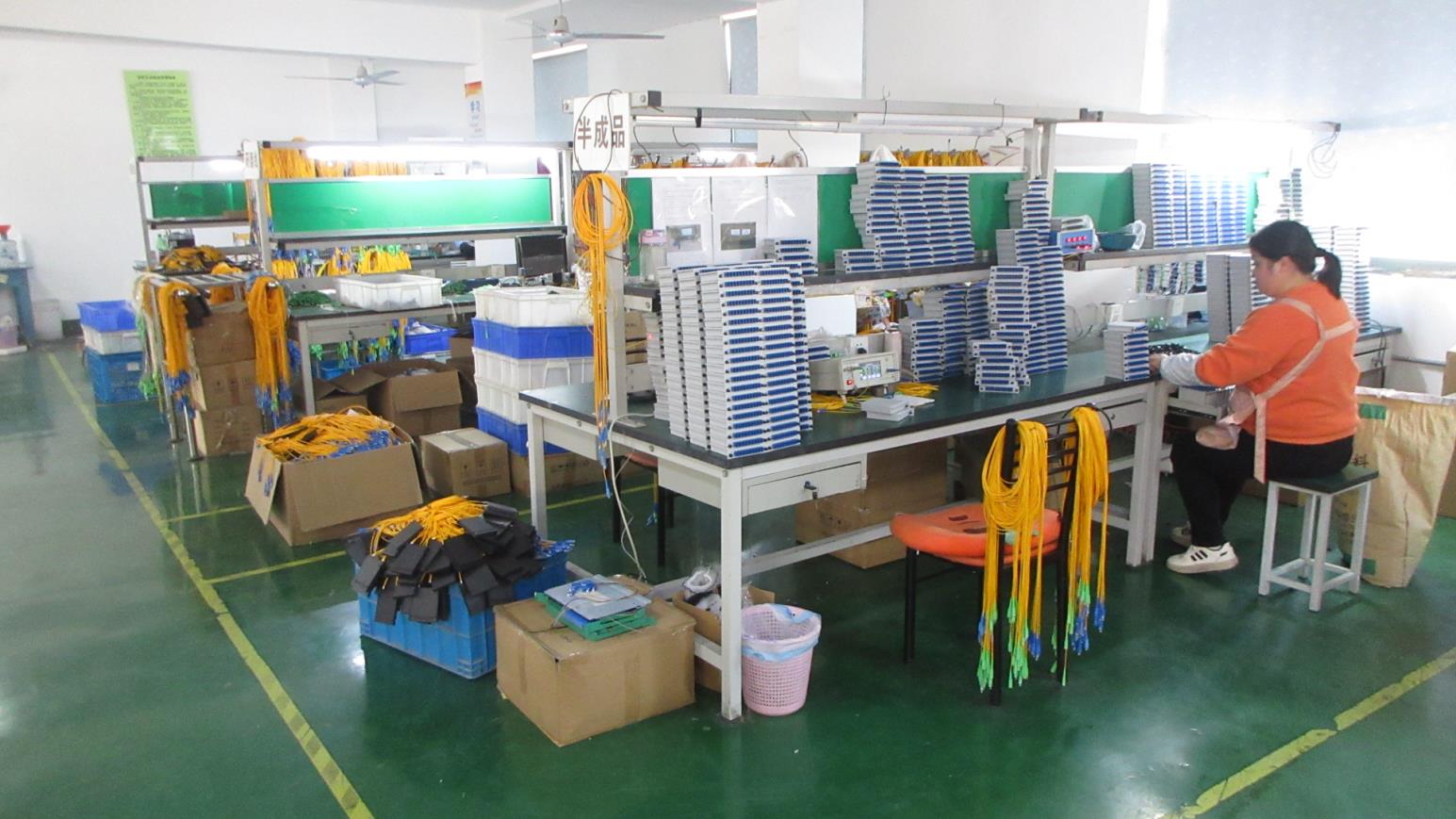
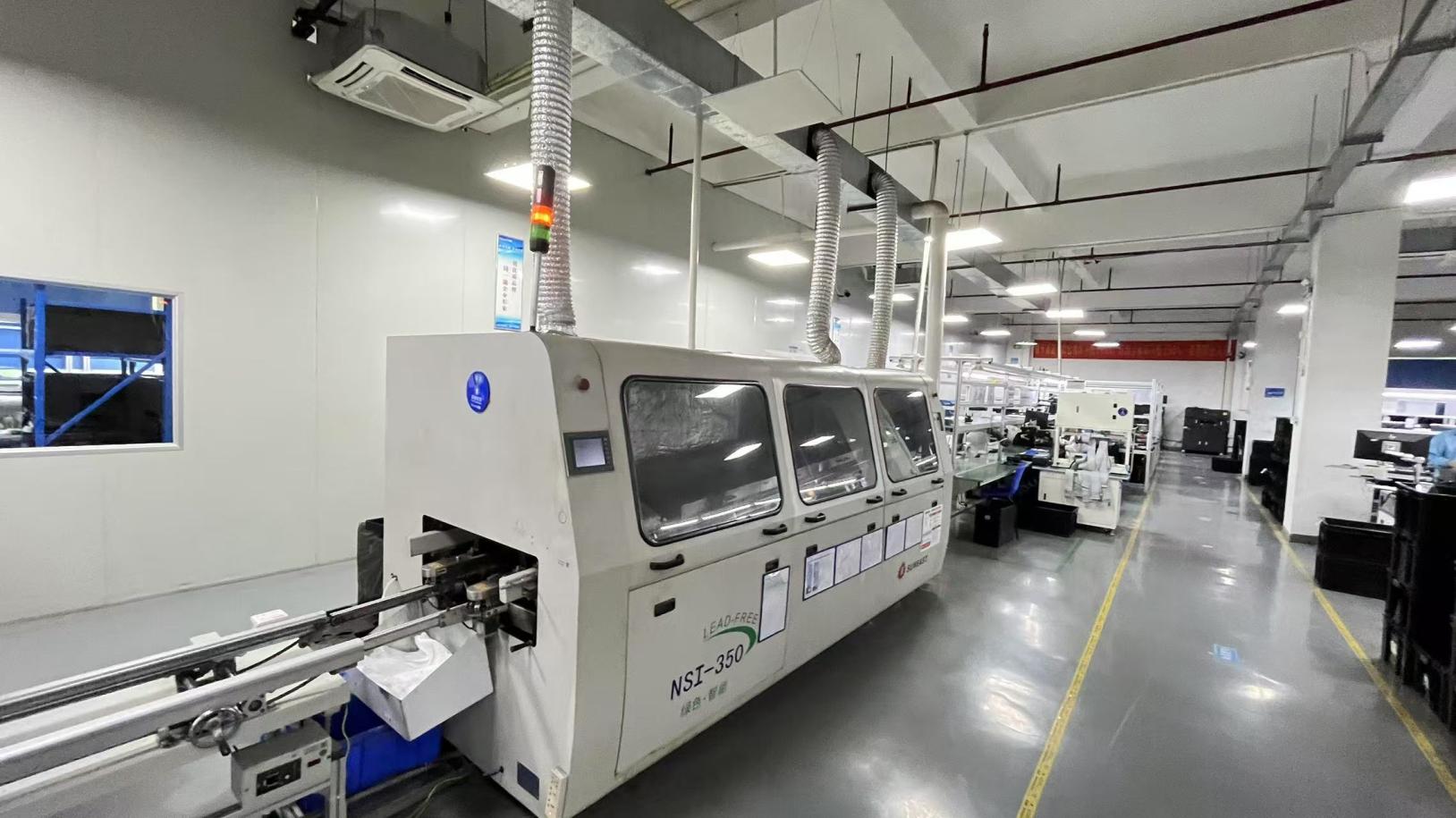
Additionally, our 12,600㎡ manufacturing facility integrates automated optical testing, automated optical alignment systems, and cleanroom packaging spaces. By utilizing advanced automated inspection equipment rather than relying solely on manual testing, we achieve consistent manufacturing quality and maintain low return rates for high-speed fiber applications.
Maintaining supply chain integrity requires tracking and optimizing key operational performance metrics. We focus on three core areas:
In high-speed communication systems, maintaining compliance with global standards is essential to ensure safety and system interoperability. The global optical module industry relies on Multi-Source Agreements (MSA) to standardize form factors, pinout configurations, electric-optical interfaces, and management channels. FiberQ transceivers comply with these standards, ensuring compatibility with major routing, switching, and security platforms.
Our OEM/ODM services are designed to accommodate custom customer specifications. Our engineering team can develop custom optical designs, modify form factors, write specialized firmware for multi-vendor host compatibility, or optimize thermal configurations for specific device designs. Our 240 R&D engineers work directly with customer technical leads to design and manufacture components that meet their specific requirements.
To ensure global compliance, our product lines are certified to meet international electrical and safety standards:
Founded in 2015, FiberQ Photonics Technology Co., Ltd. has developed into a trusted global manufacturer of high-performance fiber optic transceivers and photonic communication components. Our 12,600㎡ facility enables scalable manufacturing, precision assembly, and strict quality control. With USD 9.5 million in annual export revenue, 6 years of export experience, and 12 years of industry history, we deliver reliable, high-speed solutions to data centers, telecom operators, and system integrators worldwide.
MSA stands for Multi-Source Agreement. It is a formal agreement between competitive manufacturers to standardize SFP, SFP+, SFP28, and QSFP form factors. Compliance ensures that modules are physically, electrically, and programmatically compatible across hardware brands, allowing operators to deploy transceivers in third-party equipment without encountering vendor-lock firmware restrictions.
Single-Mode fiber (SMF) utilizes a small core (typically 9µm) that allows a single ray of light to propagate. It is designed for long distances (up to 40km or 80km) due to its lower signal dispersion. Multi-Mode fiber (MMF) has a larger core (50µm or 62.5µm) that allows multiple modes of light to travel. MMF is typically used for shorter distances (typically up to 100m or 300m) in local networks or intra-datacenter environments.
DDM (Digital Diagnostic Monitoring) / DOM (Digital Optical Monitoring) provides real-time access to operating parameters. These include optical output power, receiver input power, laser temperature, transceiver operating voltage, and bias current. Network administrators can monitor these metrics to detect potential hardware failures or signal degradation before they lead to unexpected network downtime.
Different wavelengths exhibit varying levels of attenuation and dispersion over fiber links. Common short-reach systems use 850nm wavelengths over multi-mode fiber. Medium-reach and long-reach applications use 1310nm wavelengths, while ultra-long-reach networks deploy 1550nm wavelengths. 1550nm offers the lowest attenuation over single-mode fiber, making it suitable for long-distance transmissions.