FiberQ
FiberQ
FiberQ
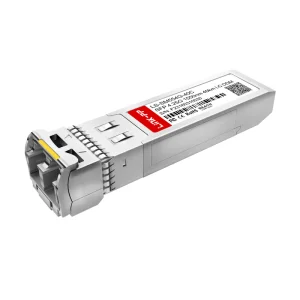
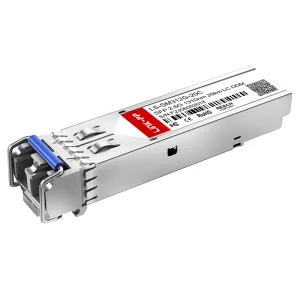
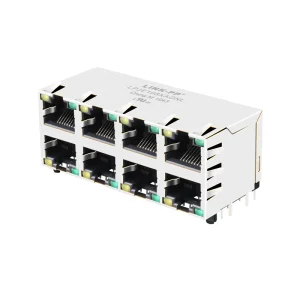
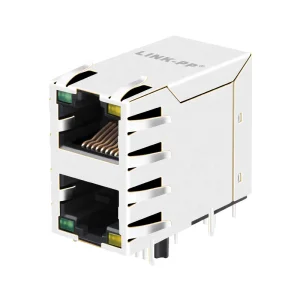
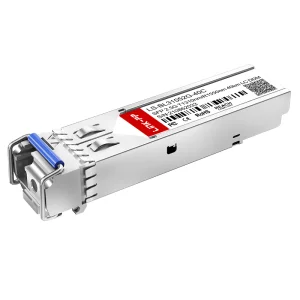
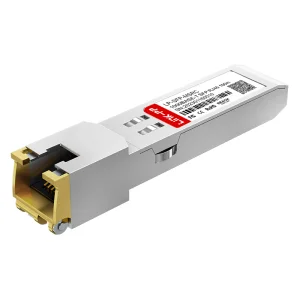
Explore our primary collection of optical transceivers, EMI shielded cages, and RJ45 Ethernet connectors engineered for carrier-grade applications.
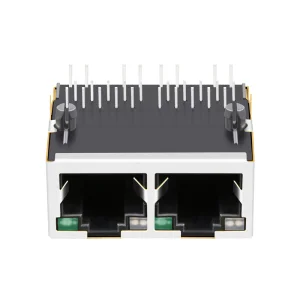
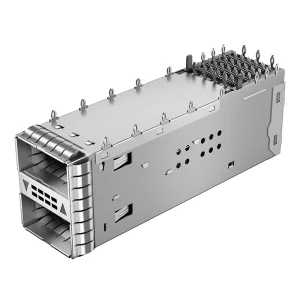
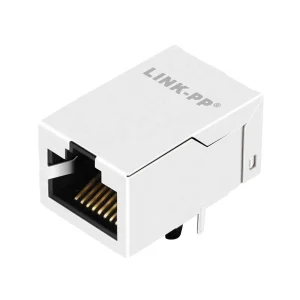
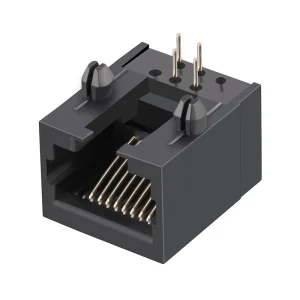
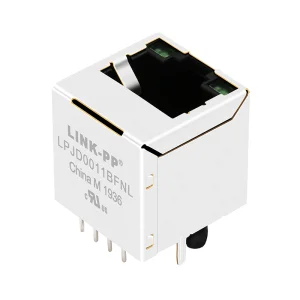
The global networking landscape is undergoing a massive migration toward Multi-Gigabit Ethernet (2.5G/5G/10G) and high-frequency communication protocols. At the physical layer (PHY), standard modular jacks are no longer sufficient to mitigate high-speed electromagnetic interference (EMI) and return loss. Modern RJ45 bridge connectors and Integrated Connector Modules (ICMs) serve as the vital link bridging the gap between PCB signals and standard network cabling.
By incorporating magnetics—such as isolation transformers, common-mode chokes, and ESD protection elements—directly inside the connector body, engineers can preserve signal integrity over long transmission paths while shielding delicate internal circuitry from voltage spikes and static discharge.
Additionally, the emergence of Power over Ethernet (PoE, PoE+, and PoE++ IEEE 802.3bt) has transformed the role of the humble RJ45. Contemporary bridge connectors must handle up to 90 watts of continuous electrical power while maintaining optimal heat dissipation and minimal contact resistance. In high-density switches, server systems, and optical network terminals (ONTs), using a specialized OEM/ODM supplier allows companies to customized pin configurations, LED indicators, and shielding tabs to ensure perfect system integration.
Support for 2.5G, 5G, and 10G Base-T speeds with tight impedance matching (100 ohms nominal) and optimized lead frames to minimize NEXT and FEXT crosstalk.
Engineered with balanced magnetic winds capable of delivering up to 90W (up to 1A per pair) of power without core saturation or excessive thermal load.
Integrated EMI fingers, copper alloy shells, and spring tabs ensuring optimal grounding to the chassis panel, attenuating high-frequency noise spikes.
How procurement specialists and hardware designers evaluate OEM/ODM partners for critical networking projects.
Global procurement teams in North America, Europe, and Japan look for more than just a component vendor. They require strategic partners capable of providing information gain—such as simulation data (S-parameter files), thermal modeling, and compliance documentation. The selection criteria for RJ45 connectors and optical modules involve rigorous mechanical and electrical stress testing:
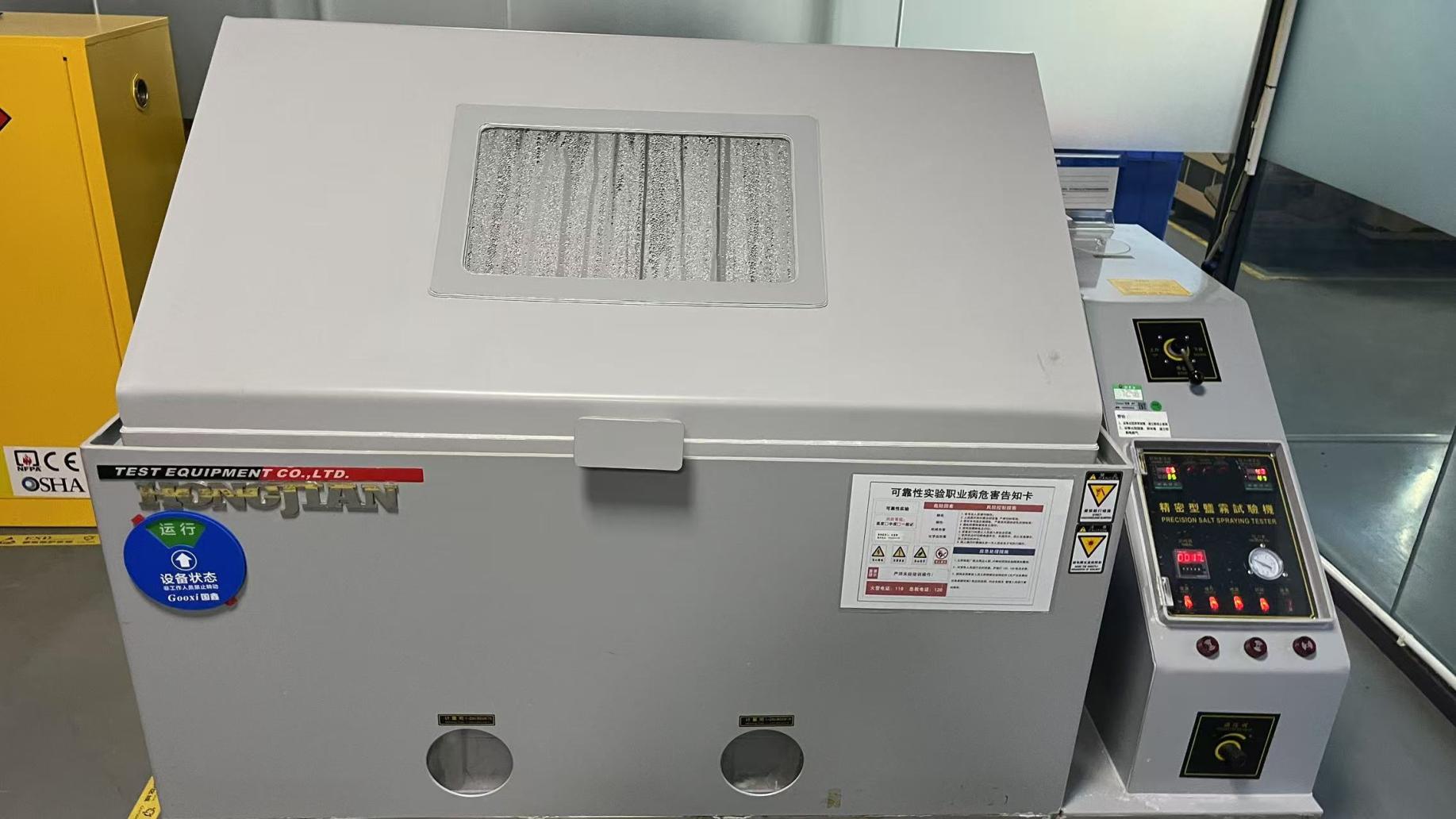
Ensure your component suppliers support the following engineering verification phases:
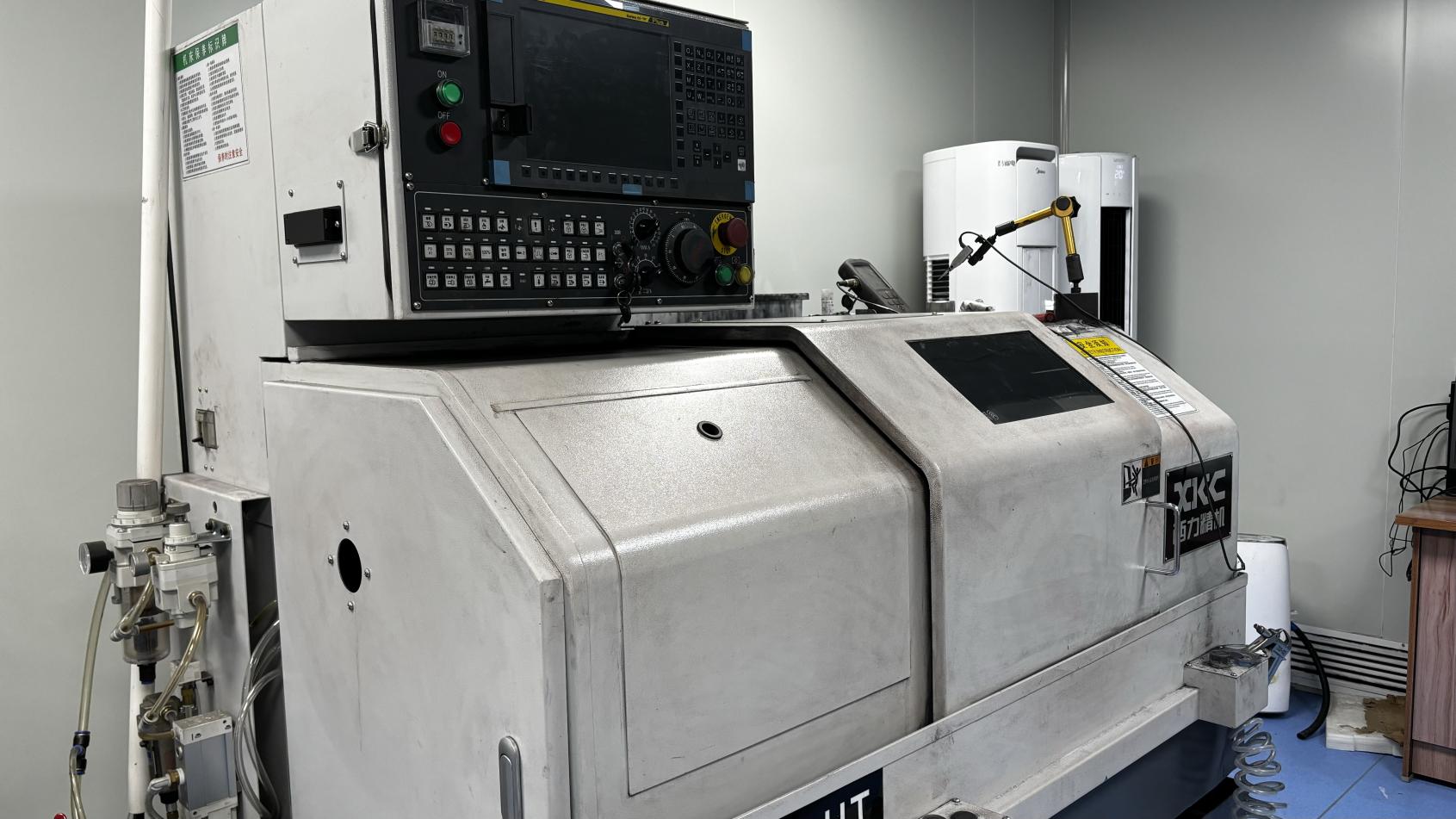
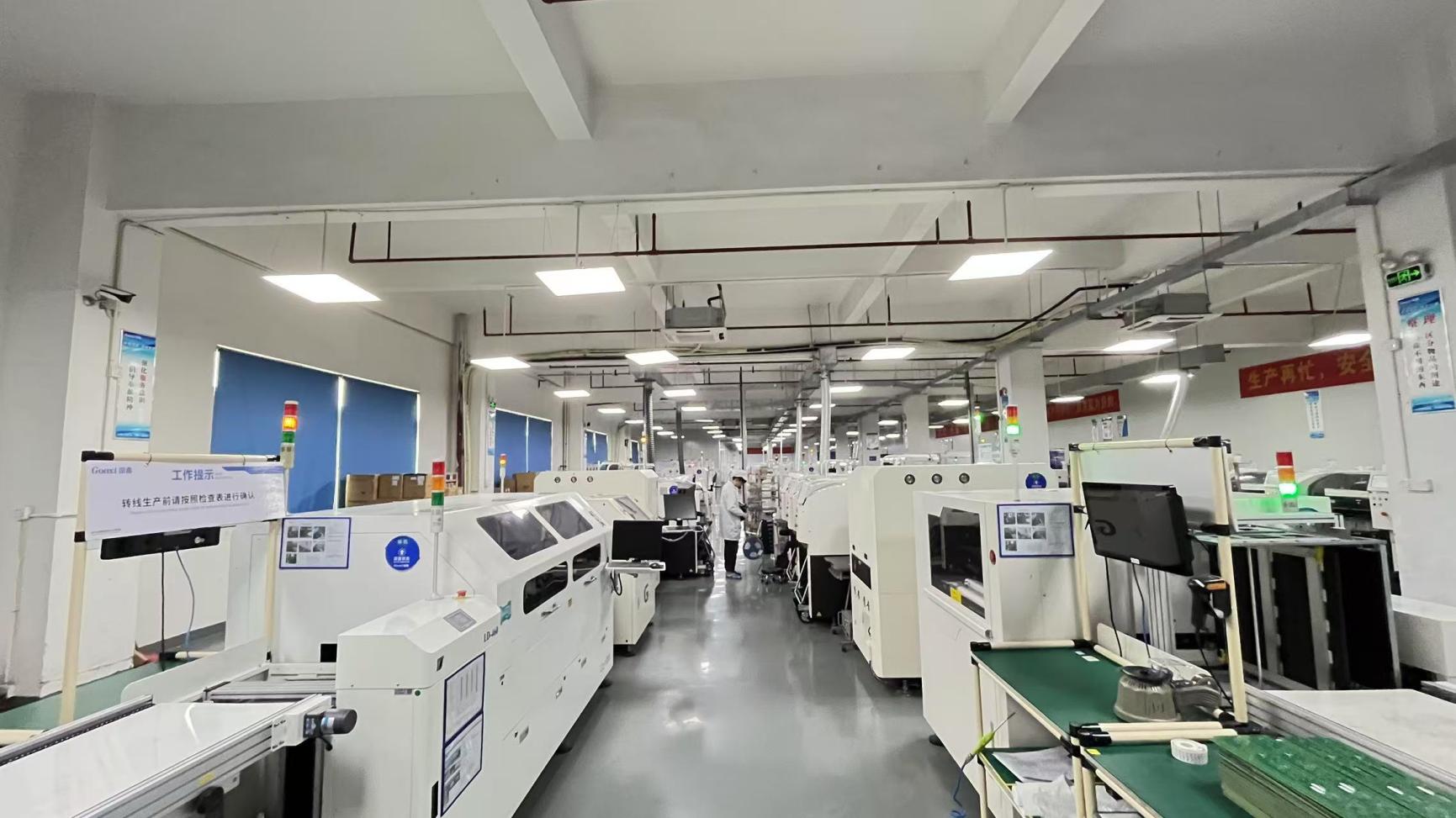
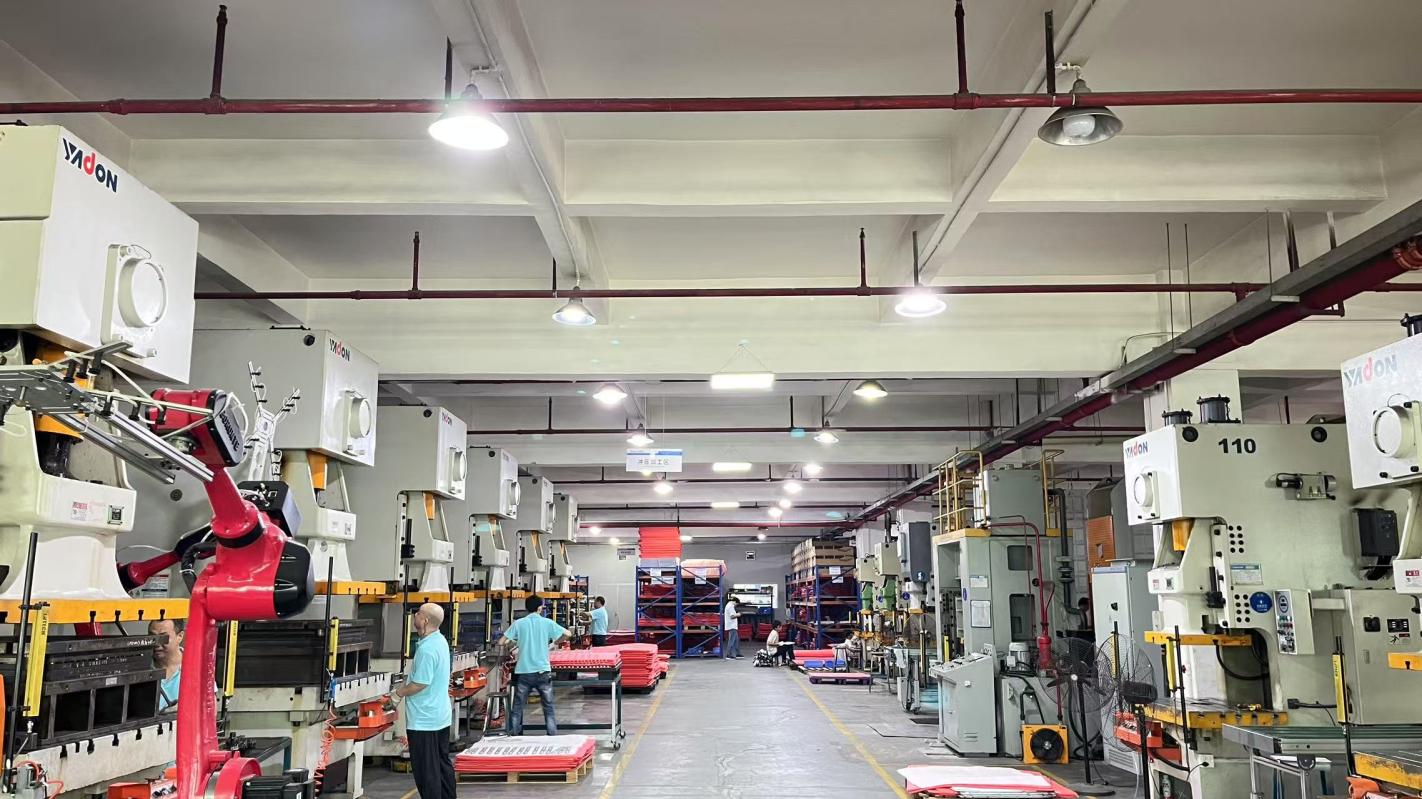
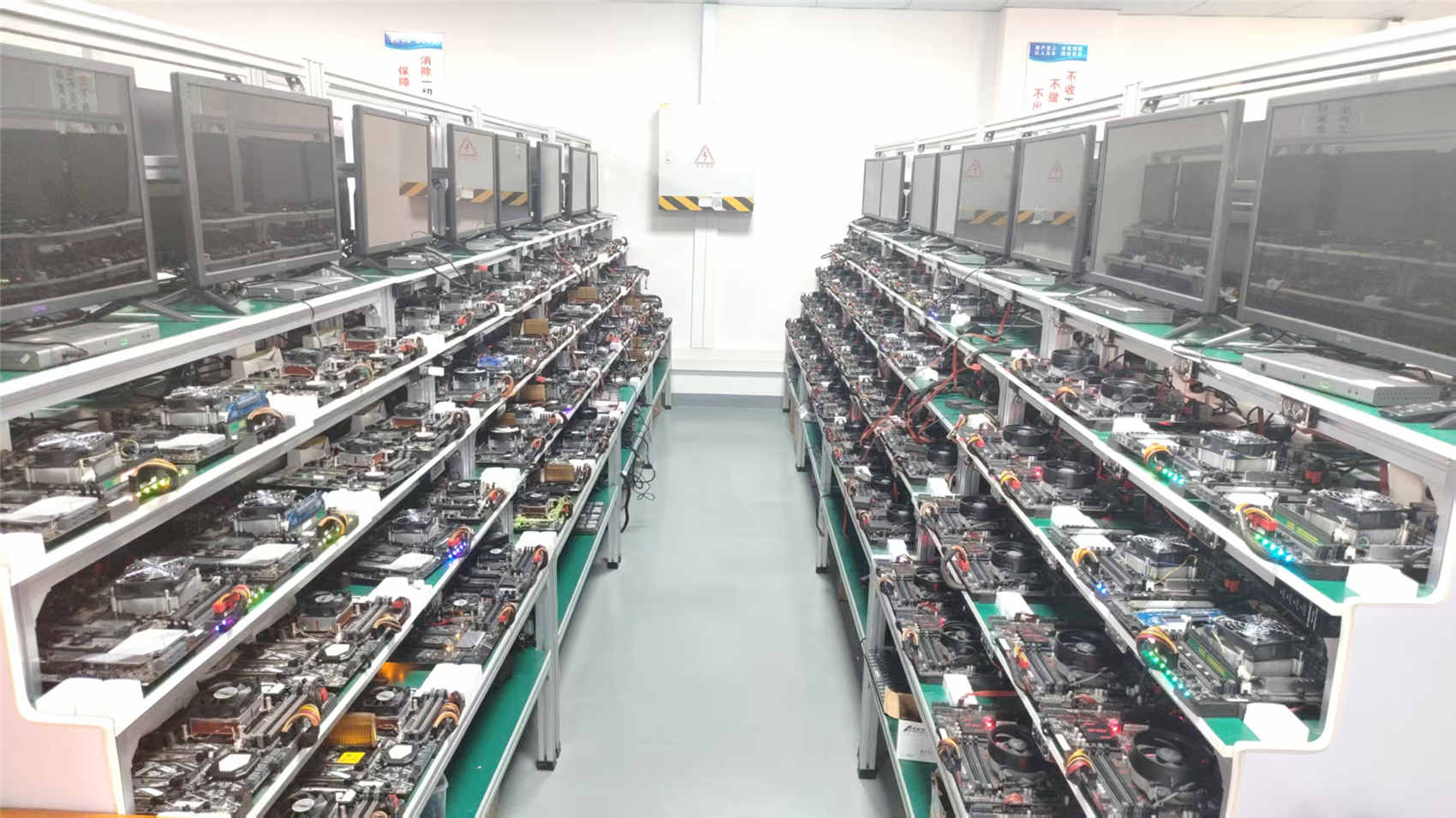
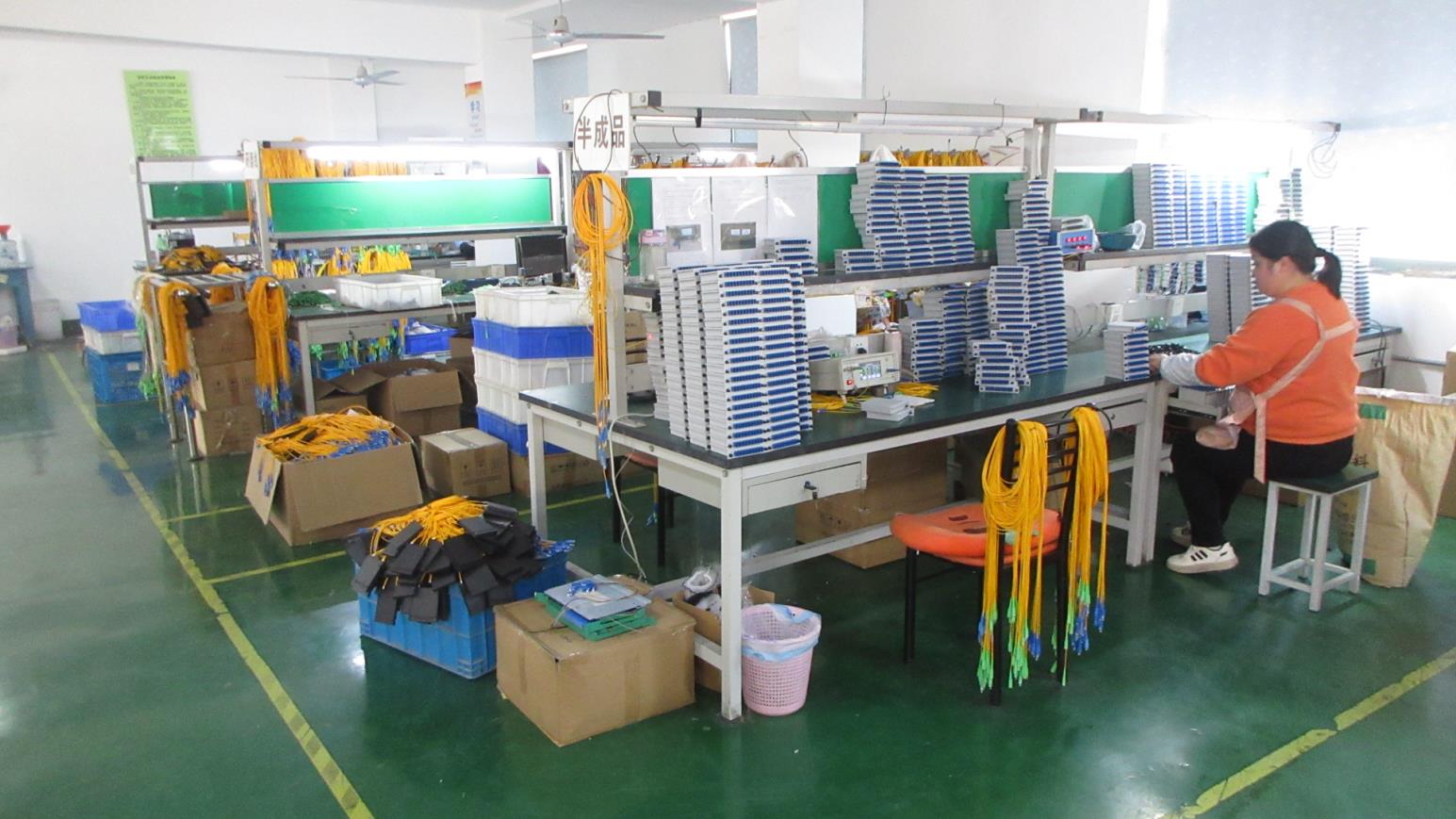
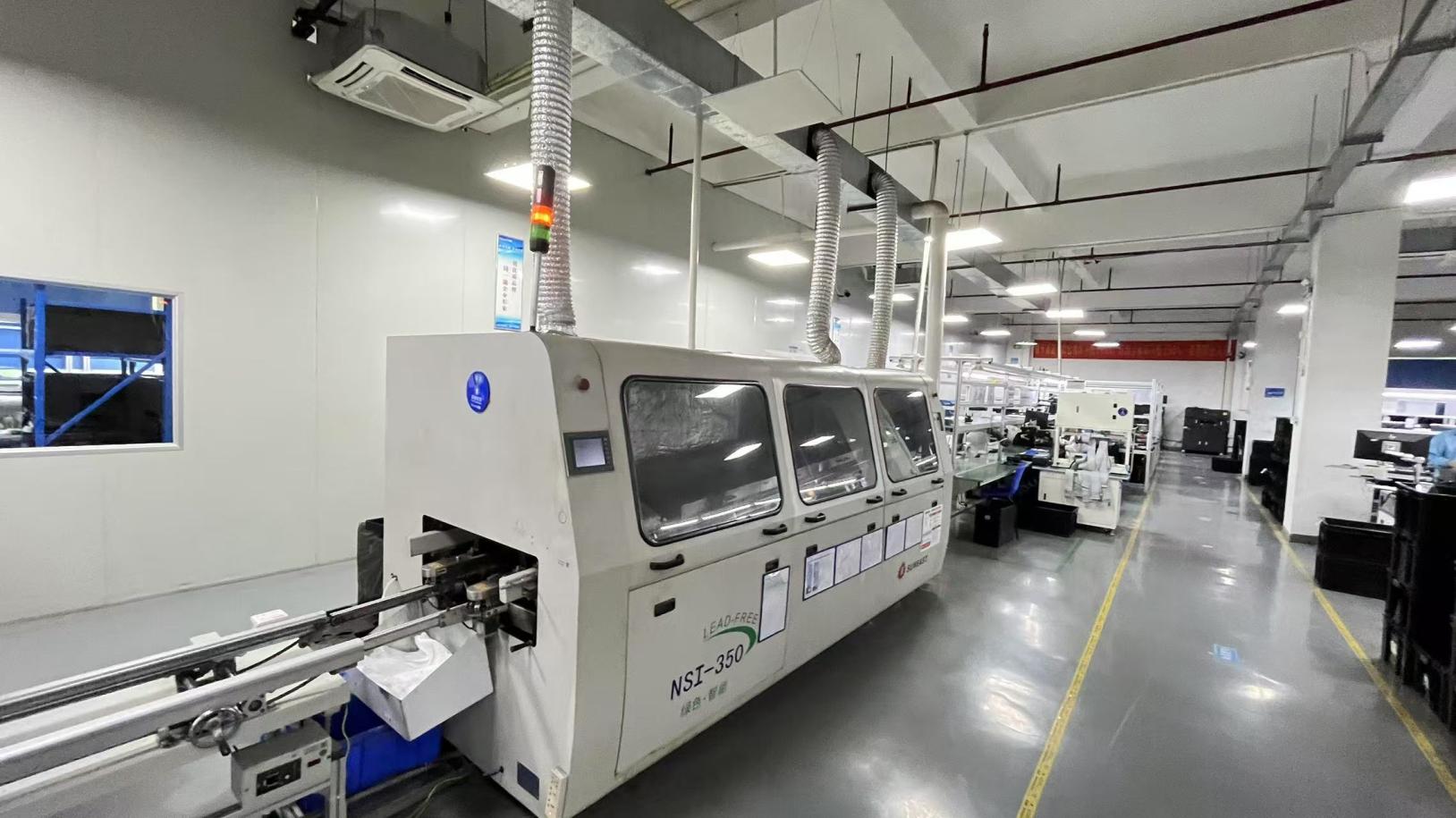
Founded in 2015, FiberQ Photonics Technology Co., Ltd. has evolved from a specialized optical module designer into an integrated digital factory. Our manufacturing facility spans approximately 12,600㎡, incorporating automatic terminal insertion machines, visual inspection cameras, and high-frequency network analyzers.
By coordinating with our extensive ecosystem of approximately 1,450 supply chain partners, we secure high-grade raw resins (such as LCP or PBT), phosphor bronze alloys, and premium LEDs even during global market fluctuations. This comprehensive supply chain resilience ensures shorter lead times, stable unit costs, and highly predictable delivery schedules for global OEM/ODM contracts.
Quality control is the bedrock of our reliability. We maintain a dedicated QA team of 62 experienced inspectors, using specialized test flows including automated optical performance testing, interferometric inspection, high-temperature aging tests, and manual optical QC checks.
With an annual export revenue of USD 9.5 million and cumulative industry experience spanning 12 years, FiberQ matches top-tier global standards with Chinese manufacturing speed and commercial flexibility.
From dense enterprise switching fabrics to rugged industrial edge computing nodes.
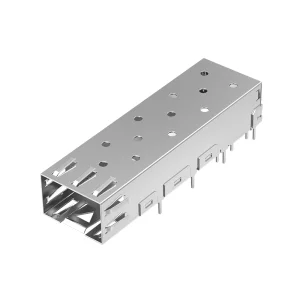
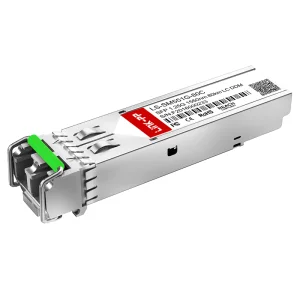
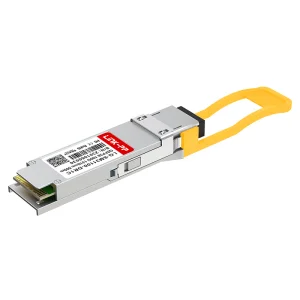
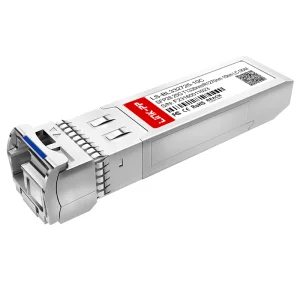
Ensuring ultra-low latency and zero bit error rates (BER). Our EMI shielded cages (zQSFP+/SFP) and high-speed optical transceivers provide the direct interconnects between servers and core leaf-spine switches.
Harsh manufacturing floors require robust connections. Our vertical and tab-up RJ45 connectors with integrated magnetics defend PLCs and robotic arms against ground loop currents and EMI noise.
Supporting remote radio heads (RRH) and microcells. Waterproof configurations, advanced surge protection, and high-temp tolerance safeguard hardware up to the top of cell tower antennas.
Engineered replacements for TE Connectivity, Amphenol, Pulse Electronics, and Molex form-factors.
Direct, engineering-focused answers to clarify design parameters, testing cycles, and compatibility questions.
Integrated magnetics (often called ICMs or Magnetic Jacks) combine the physical RJ45 socket with isolation transformers and common-mode chokes. This consolidation improves space efficiency on the host PCB (saving up to 50% of real estate) and reduces electromagnetic interference (EMI). The integrated shielding and short paths within the connector body provide superior signal integrity, essential for Multi-Gigabit Ethernet (2.5G/5G/10G) speeds, while meeting standard isolation requirements of 1500V AC.
Our engineering team designs connectors and optical cages matching exact industry-standard physical footprints (such as SFP, SFP28, QSFP28, and TE replacement assemblies). Pin pitches, mechanical latch configurations, light pipe placement, and shield tab heights are engineered to be 100% pin-compatible drop-in replacements. We provide 3D CAD step files and footprint patterns for verification prior to purchase to ensure zero-risk integration.
Yes. Through our ODM services, we modify internal magnetic wire gauges and transformer core properties to support PoE (IEEE 802.3af), PoE+ (IEEE 802.3at), or PoE++ (IEEE 802.3bt, up to 90W/100W per port). This prevents the magnetic cores from saturating due to DC bias current, avoiding packets loss and protecting critical physical-layer components.
For standard housing variations (such as unique LED configurations or color changes), tooling adjustment takes approximately 10 to 15 days. For completely new mechanical structures, our 240 R&D engineers can supply initial CADs within 3 days, working samples in 4 weeks, and mass production delivery within 6 to 8 weeks. Customer logo laser marking and customized tray/tape-and-reel packaging are managed seamlessly under our ISO9001 certification.
Operating across a 12,600㎡ modern workspace, ensuring high precision, automated assembly, and strict QC testing protocols.