FiberQ
FiberQ
FiberQ
Explore our leading selection of integrated magnetic jacks, SFP modules, and high-speed cages optimized for modern networking systems.
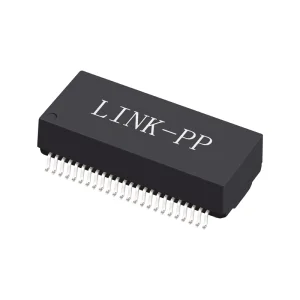
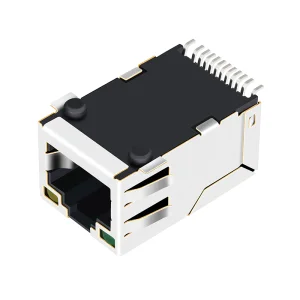
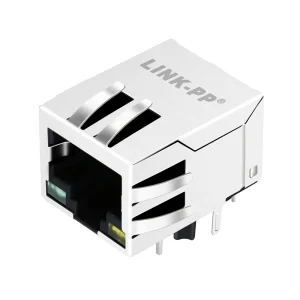
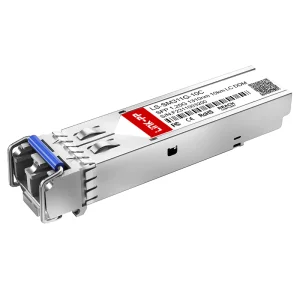
In the contemporary digital landscape, the exponential growth of cloud computing, artificial intelligence (AI) processing pipelines, and high-frequency edge computational clusters has driven demands for high-throughput bandwidth. Standard optical module frameworks require flawless interoperability, exceptionally low latency, and robust thermal dynamics. As a primary China wholesale SFP optical module supplier and exporter, FiberQ Photonics Technology Co., Ltd. leads this evolution by providing enterprise-grade, MSA-compliant optoelectronic solutions designed for standard-critical networks.
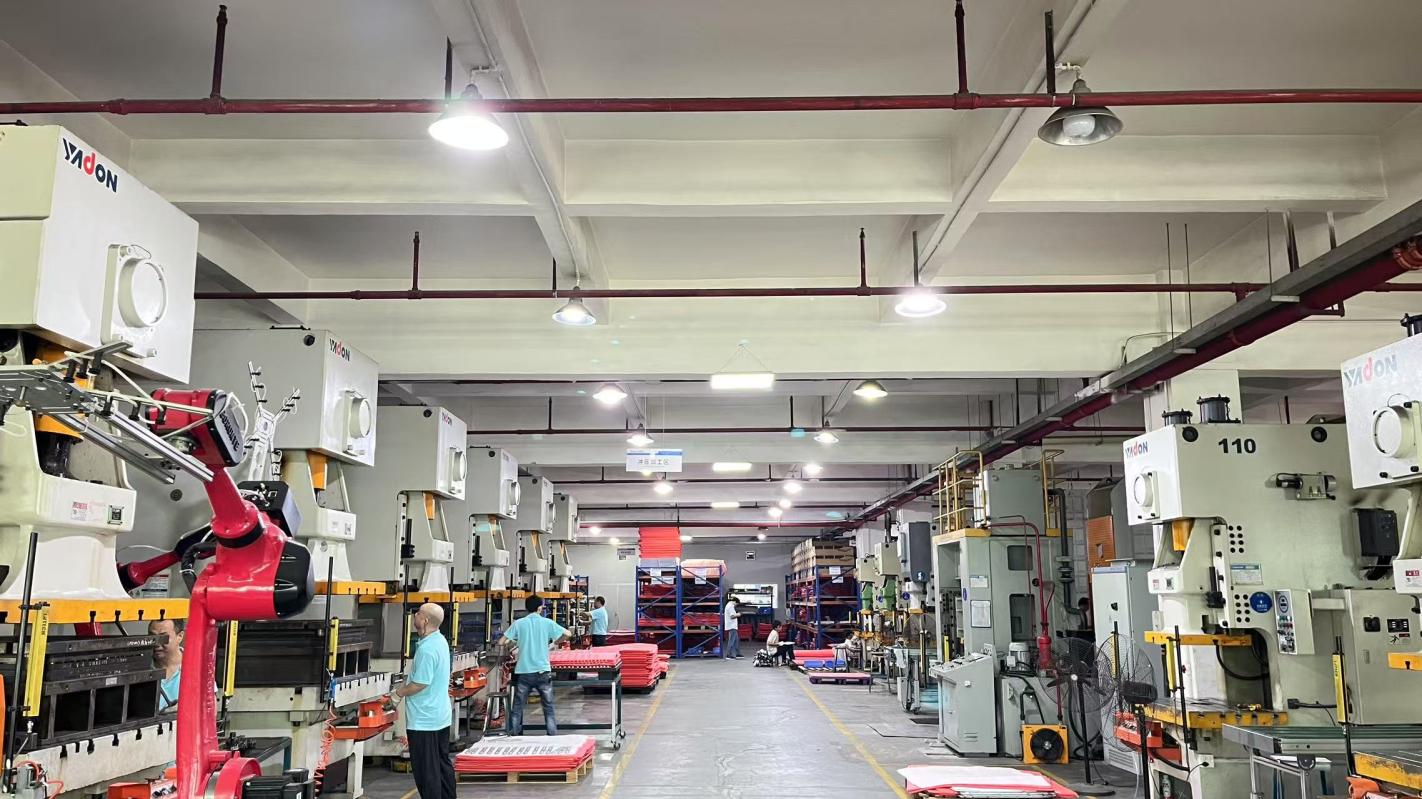
Established in 2015, FiberQ Photonics represents a convergence of deep R&D experience and large-scale manufacturing precision. With an operating facility spanning 12,600m², FiberQ supports next-generation multi-source agreement (MSA) architectures, ensuring direct hardware and firmware compatibility with networks using platforms like Cisco, Arista, Juniper, and HPE Aruba. Our engineering workflows optimize insertion losses, signal margins, and electromagnetic interference (EMI) shields to guarantee reliable packet delivery in high-density core switches and metropolitan DWDM ring networks.
Verifiable indicators of our production capacities, quality assurance efforts, and export reach.
Solving the complexities of multi-platform integration, firmware locks, and total cost of ownership (TCO) optimization.
Hyperscale networks run on mixed hardware architectures. FiberQ transceivers are configured with EEPROM tables that write vendor-specific serialization data, matching check-codes for seamless operation without warnings.
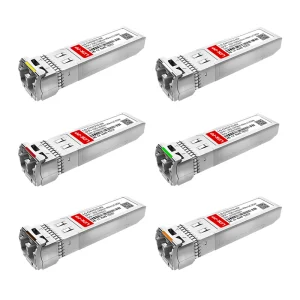
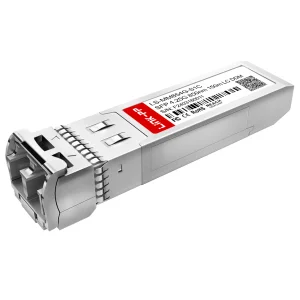
With power budgets shrinking, our SFP modules limit power consumption to under 1.0W for standard 10G/25G modules. This minimizes thermal stress on adjacent switch ports and reduces system cooling costs.
Digital Diagnostic Monitoring Interface (DDMI) standard SFF-8472 is supported. This allows operators to track optical output power, input power, temperature, bias current, and supply voltage in real time.
Procurement teams face challenges with long lead times from tier-one manufacturers and uncertified generic imports. FiberQ Photonics addresses this through a stock program and managed supply chains. By partnering with 1,450 component suppliers, we secure access to key laser arrays (VCSEL, DFB, EML) and transimpedance amplifiers (TIA). This stabilizes production and shortens lead times for wholesale shipments to North America, Europe, Japan, and Southeast Asia.
The shift toward high-speed interconnects: How FiberQ enables 10G, 25G, 100G, and future-proofed 400G/800G pathways.
| Form Factor | Data Rate Capabilities | Common Wavelengths | Max Transmission Distance | Primary Industrial Use-Case |
|---|---|---|---|---|
| SFP / SFP+ | 1.25G to 10G / 16G FC | 850nm, 1310nm, 1550nm, CWDM/DWDM | Up to 80km (SMF), 300m (MMF) | Enterprise LAN, Campus Backbones, Metronet Rings |
| SFP28 | 25G / 32G FC | 850nm, 1310nm, BiDi (1270nm/1330nm) | 10km - 20km (SMF) | 5G Front-haul Networks, Next-Gen Leaf-Spine Datacenters |
| QSFP28 | 100G (4 x 25G) | 850nm (SR4), 1310nm (LR4, CWDM4) | 10km (LR4), 2km (CWDM4), 100m (SR4) | Hyperscale Interconnects, Spine-to-Spine Core Links |
| QSFP-DD / OSFP | 400G / 800G (PAM4 / Coherent) | CWDM, LAN-WDM, Coherent DWDM | Up to 120km (ZR Coherent), 2km (FR4) | AI / Machine Learning Clusters, Core Cloud Backbones |
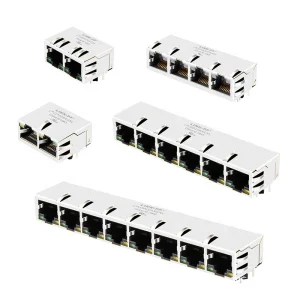
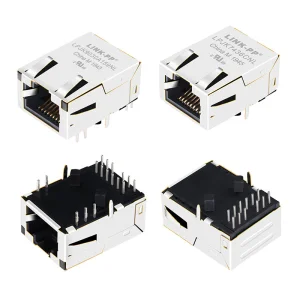
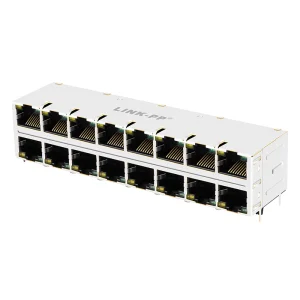
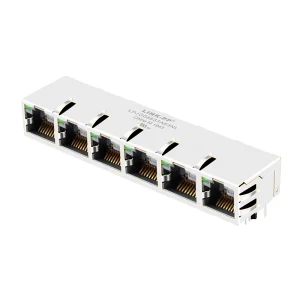
Integrating shielded RJ45 magnetic connectors and low-profile vertical SMT ports for short-reach edge networks, paired with 1G/10G SFP transceivers for mid-reach operations.
Transitioning to BiDi (Bidirectional) and CWDM/DWDM single-mode architectures to double fiber capacity without installing new cabling, optimizing infrastructure budgets.
Deploying integrated optics and PAM4 modulation to scale bandwidth beyond 400G and 800G, supporting high-throughput cloud datacenters and AI processing pipelines.
Customized network physical layer deployment plans designed for specific enterprise demands.
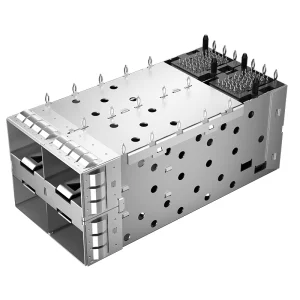
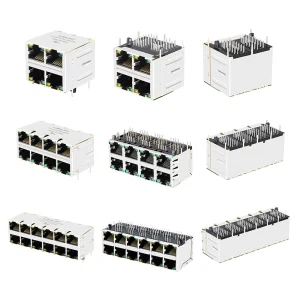
Modern Tier-3 and Tier-4 datacenters require leaf-spine physical layouts. High-density fiber panels demand low power draw and low heat generation to prevent thermal cascading. FiberQ SFP+ and QSFP28 modules feature integrated Digital Diagnostics (DOM) to monitor transceiver health and prevent link failures. In addition, our EMI-shielded SFP+ cages and multi-port stacked RJ45 connectors ensure clean signal paths for top-of-rack (ToR) switches.
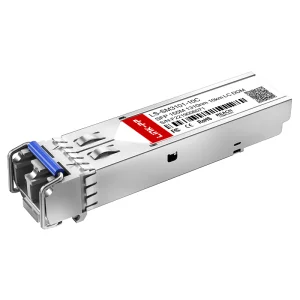
Telecom infrastructure requires optical devices that withstand wide operating temperatures. FiberQ industrial-grade transceivers operate from -40°C to 85°C, ensuring reliable performance in uncooled outdoor cabinets. By deploying our BiDi (single-fiber bidirectional) LC SFP transceivers, telecom operators can double their fiber deployment density and reduce cabling costs for Metro Ethernet and FTTH GPON backhauls.
Large-scale corporate networks require stable connections across multiple switch platforms. FiberQ provides customized EEPROM coding to enable seamless compatibility. Combined with our shielded multi-port RJ45 connectors featuring integrated magnetics (Magjacks), we deliver stable connections from edge devices to the core switch chassis, eliminating packet loss and grounding issues.
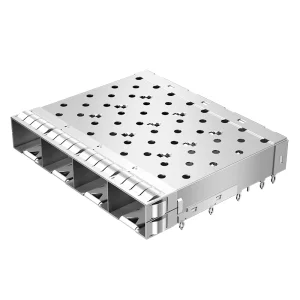
Industrial environments present hazards like electromagnetic noise, vibrations, and voltage spikes. FiberQ’s integrated magnetic RJ45 connectors offer 1500Vrms isolation and ESD shielding. Combined with our robust SFP cages, they protect physical layer circuitry from electrical transients and maintain data link stability.
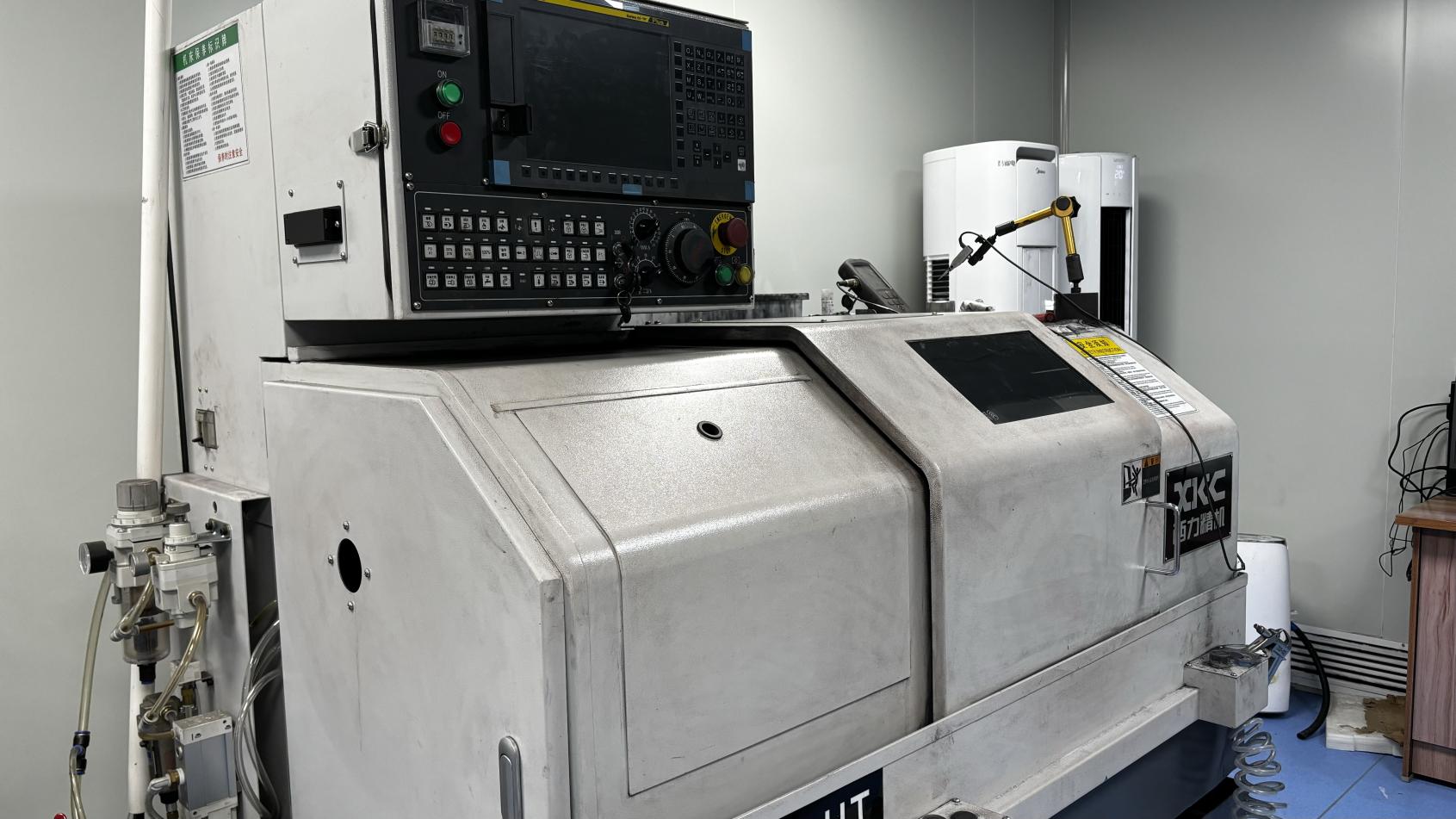

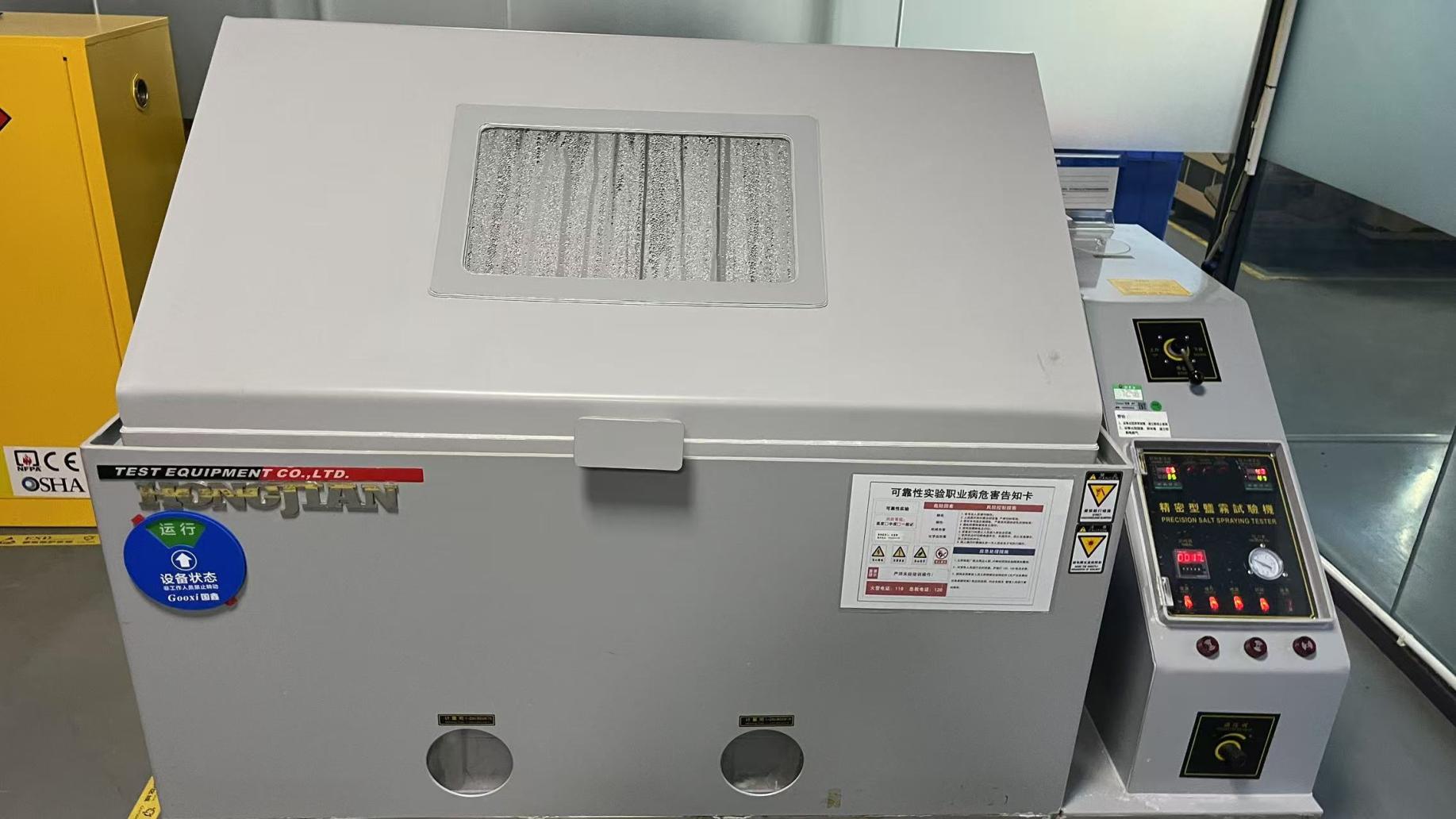
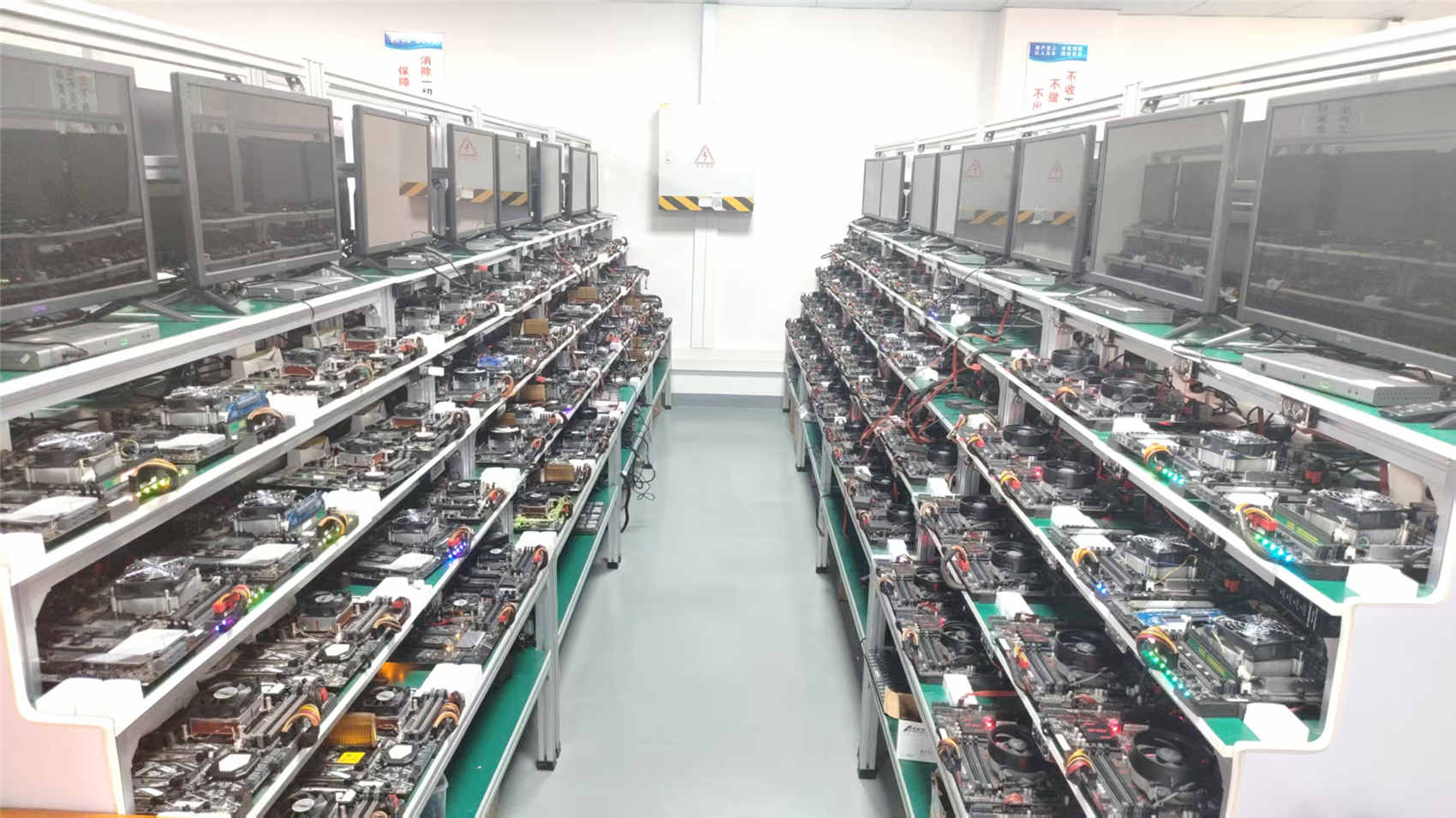

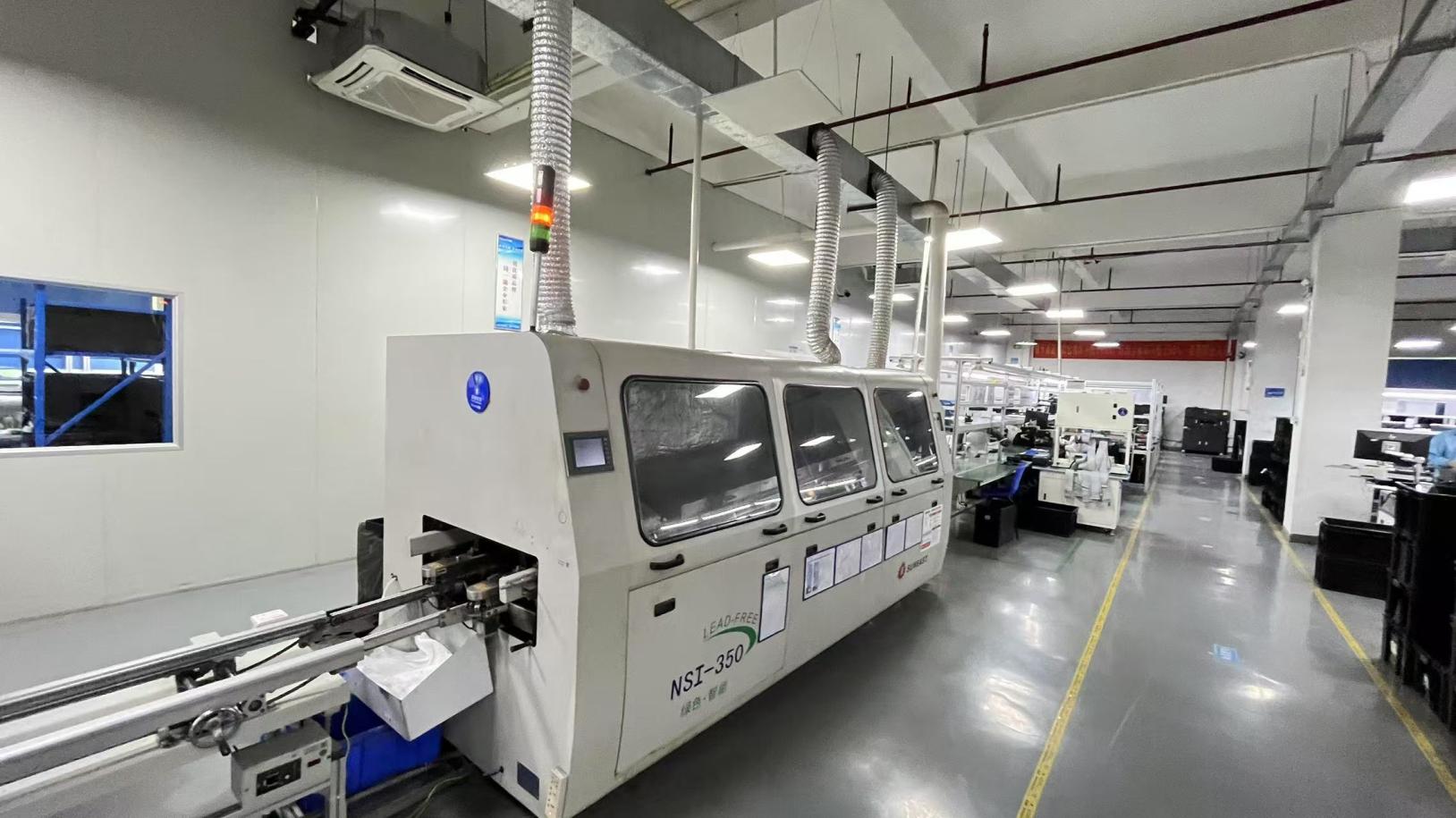
Quality assurance is the foundation of network reliability. A single link failure in a core data center can cause service interruptions and financial losses. FiberQ implements a multi-stage testing workflow overseen by our 62 experienced QC inspectors.
Our verification processes check mechanical, electrical, and optical properties to ensure long-term stability:
FiberQ transceivers and interconnects comply with international safety, environmental, and engineering standards, facilitating import customs and site clearance processes:
| CE / FCC / RoHS | Certified Compliant |
| MSA Standards | SFF-8472 / SFF-8431 |
| Laser Class | Class 1 Laser Eye Safe |
| UL Flammability | 94V-0 Rated Plastics |
| ESD Protection | EN 61000-4-2 Level 4 |
Key technical considerations for procurement managers, network architects, and system engineers.
Multi-Source Agreements (MSA) are standards established by a consortium of optical component manufacturers. They define the physical dimensions, electrical interfaces, and signaling mechanisms of optical modules (such as SFF-8431 for SFP+ and SFF-8472 for diagnostic monitoring). Following MSA guidelines ensures that transceivers from different manufacturers are physically and electrically interchangeable. This prevents vendor lock-in and allows operators to integrate third-party modules into standard networking hardware.
Third-party SFP compatibility issues are typically caused by proprietary host firmware requirements rather than hardware mismatches. Hosts check for specific vendor signatures and check-codes in the transceiver's EEPROM. FiberQ's engineering team decodes these requirements and codes matching firmware profiles into the EEPROM of our compatible transceivers. We test each module on active host devices in our compatibility lab to ensure seamless operation without errors or warnings.
The primary differences lie in the core diameter and optical transmission properties:
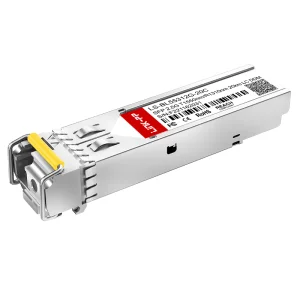
Standard duplex optical transceivers use one fiber port for transmitting (TX) and a second for receiving (RX). BiDi transceivers use a single fiber strand for both transmitting and receiving by employing Wavelength Division Multiplexing (WDM) couplers. They transmit and receive at different wavelengths, such as 1270nm-TX/1330nm-RX and 1330nm-TX/1270nm-RX. BiDi modules must be deployed in matching pairs. They allow operators to double their fiber capacity without running new physical cables.
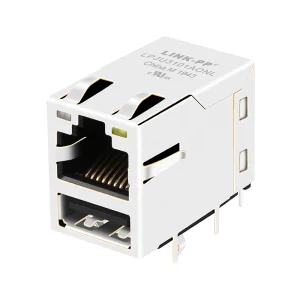
Standard RJ45 jacks require external passive filtering components on the motherboard to manage signal integrity. Integrated magnetic RJ45 connectors (Magjacks) integrate these isolation transformers, common-mode chokes, resistors, and capacitors directly into the connector housing. This saves board space, improves EMI shielding, prevents ground loops, and provides 1500Vrms isolation protection for physical layer chips.
Select from our certified range of filter components, high-speed SFP modules, and press-fit cages.