FiberQ
FiberQ
FiberQ
Engineered for high data-throughput, minimum latency, and robust EMI shielding across enterprise and industrial environments.
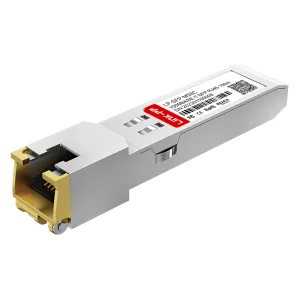
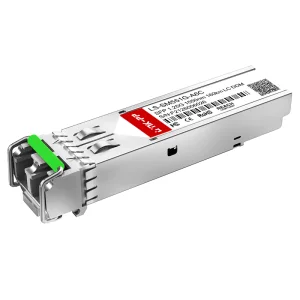
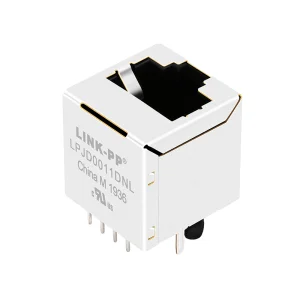
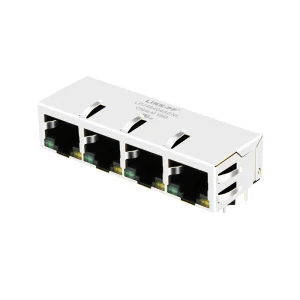
Analyzing the critical role of physical layer media conversion and electro-optical integration in modern enterprise infrastructure.
As corporate campuses, metropolitan network edges, and automated smart factories grow, standard copper Ethernet links encounter strict distance limits (100 meters). Media Converters and transceiver interfaces bridge this gap by seamlessly translating electrical copper signals into light waves over single-mode or multi-mode fiber optic links. Our products ensure that high-frequency optical transceivers operate without degradation, allowing networks to span up to 160km with zero signal reconstruction latency.
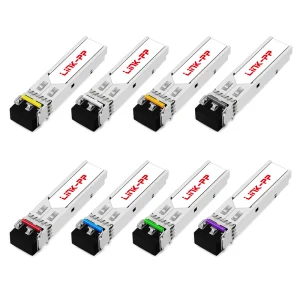
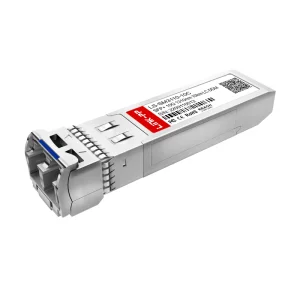
Next-generation deployments require highly integrated solutions. FiberQ Photonics Technology Co., Ltd. supplies high-performance fiber optic transceivers and advanced photonic communication components designed to withstand electromagnetic interference (EMI). Whether deploying high-density 10G/25G SFP28 setups or preparing backhauls for 100G to 800G optical structures, system compatibility and thermal dissipation are critical. We design connectors, cages, and optical transceivers with precise dimensional tolerances to minimize insertion loss.
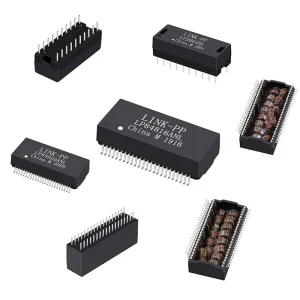
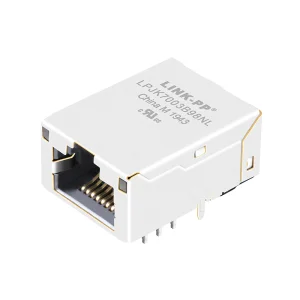
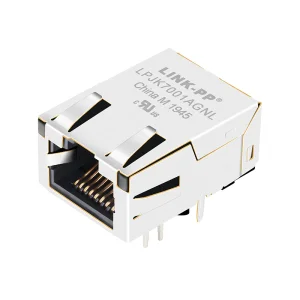
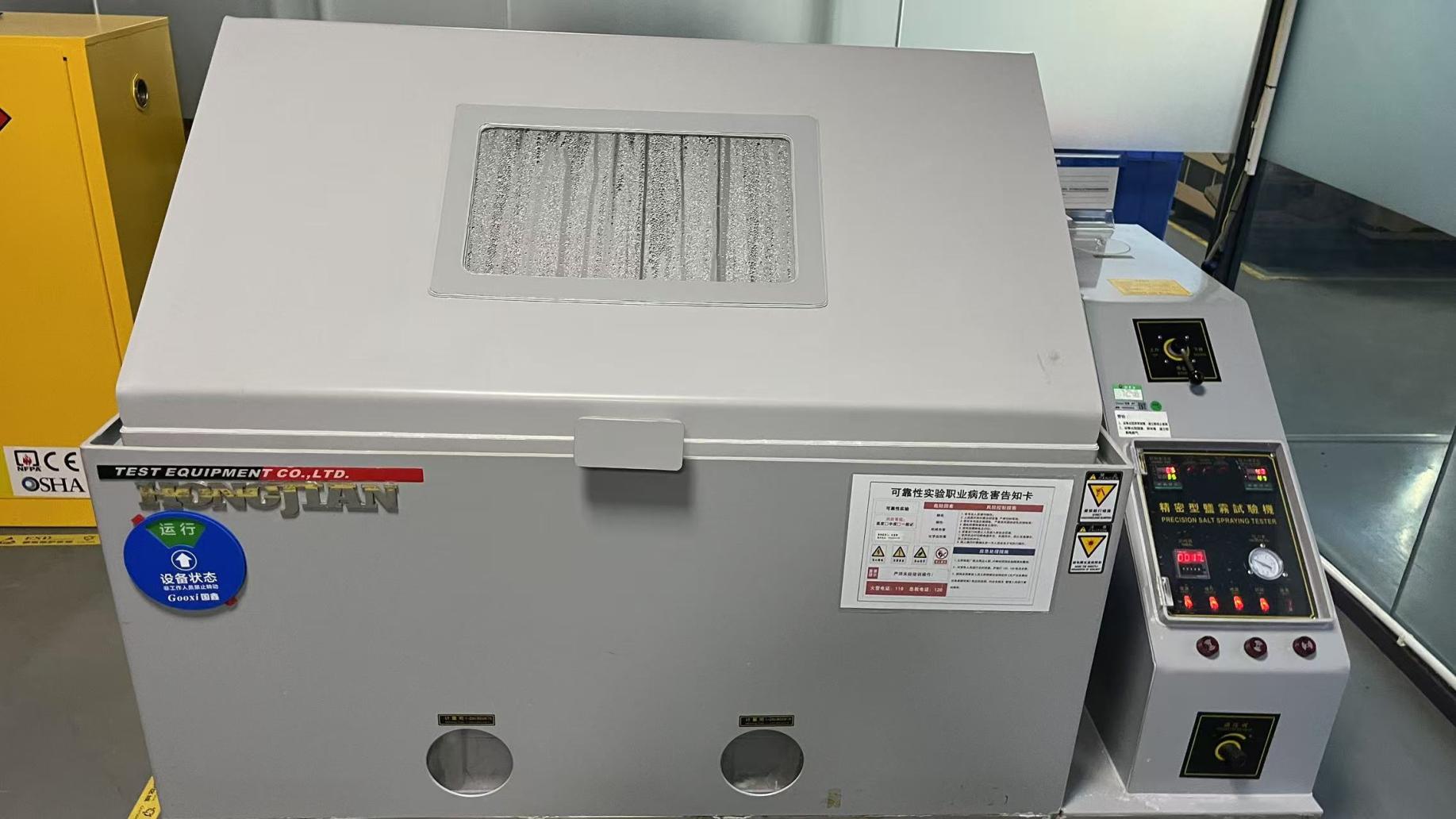
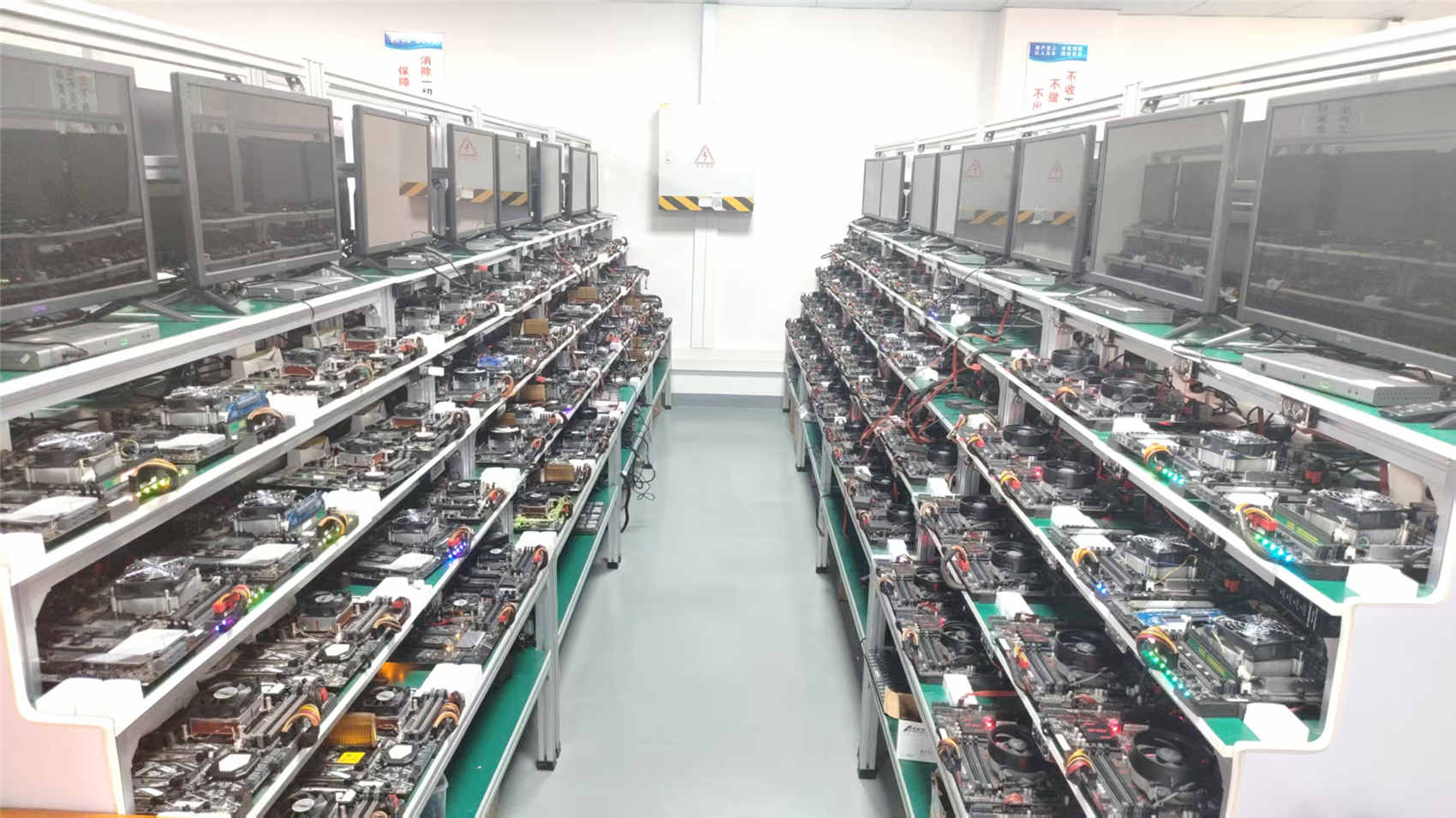
High-speed network adapters and media conversion nodes require reliable physical structures. FiberQ’s production facility is backed by 62 quality control inspectors executing a multi-tier verification process. From automated optical performance profiling and precise interferometric end-face evaluation to long-term high-temperature aging chambers, we verify that every single SFP, SFP28 module, magnetic transformer, and RJ45 jack meets rigorous international standards before export.
A trusted global manufacturer specializing in optical communications and reliable hardware components.
FiberQ Photonics Technology Co., Ltd. manufactures high-performance optical communication assemblies, connectors, and networking components.
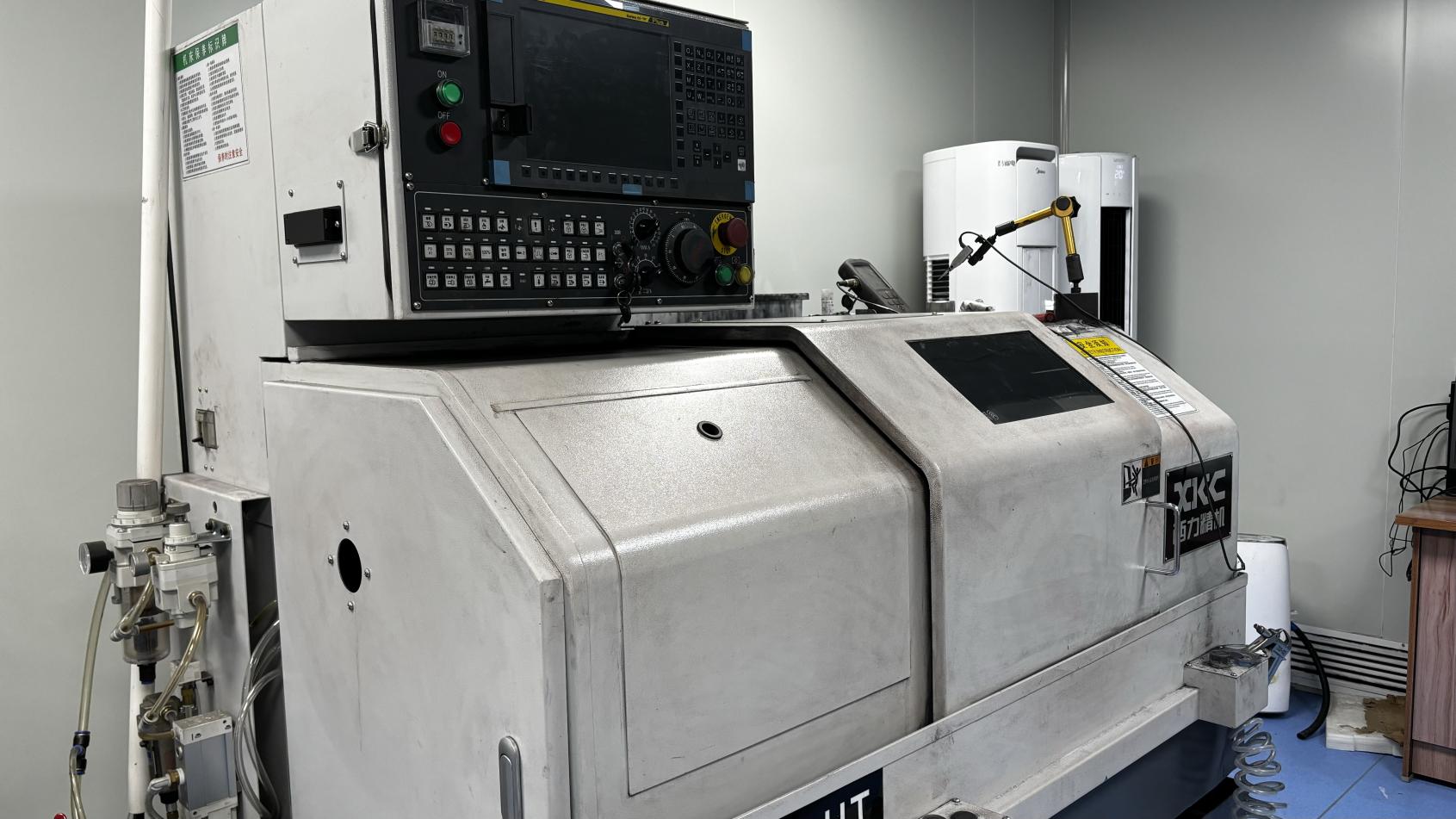
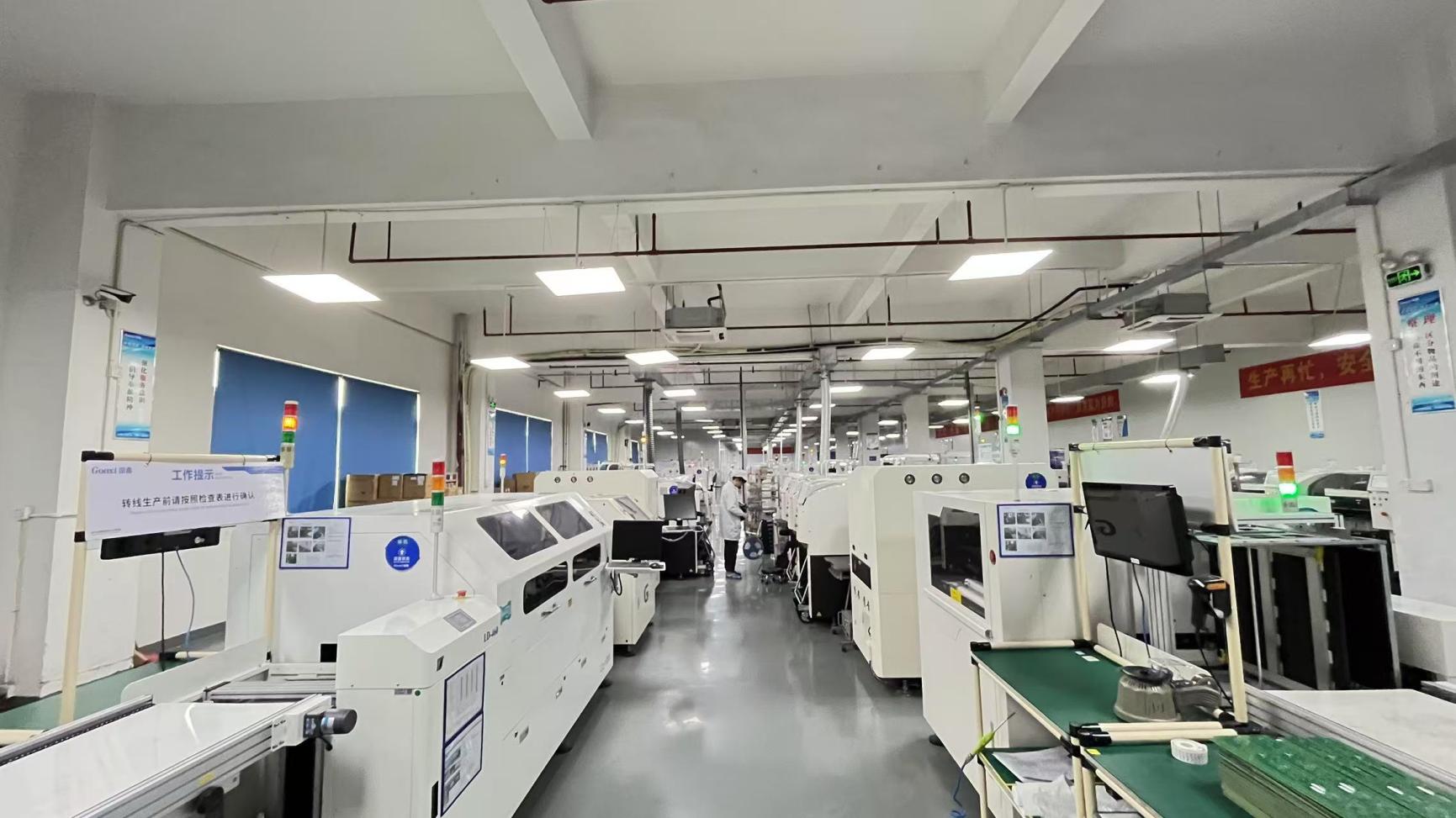
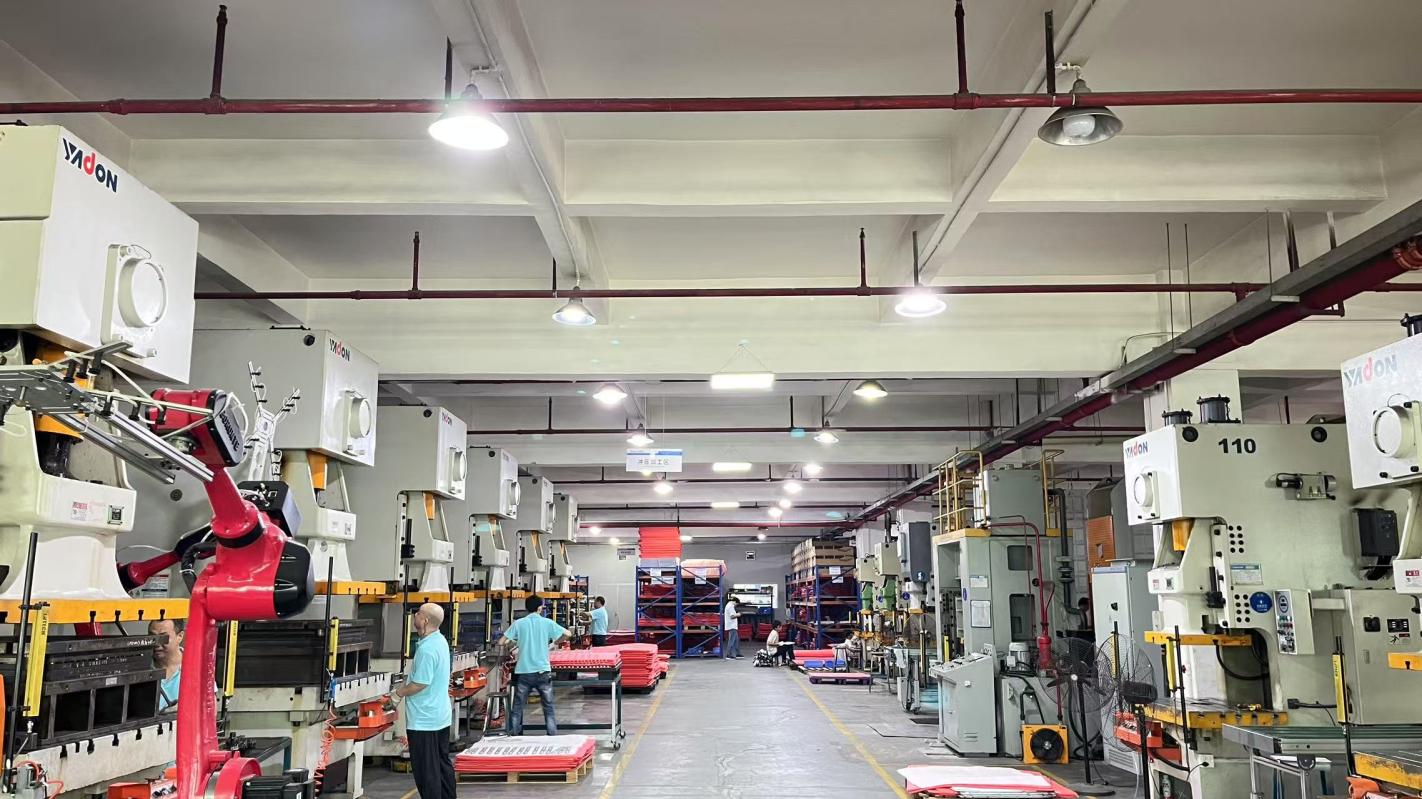
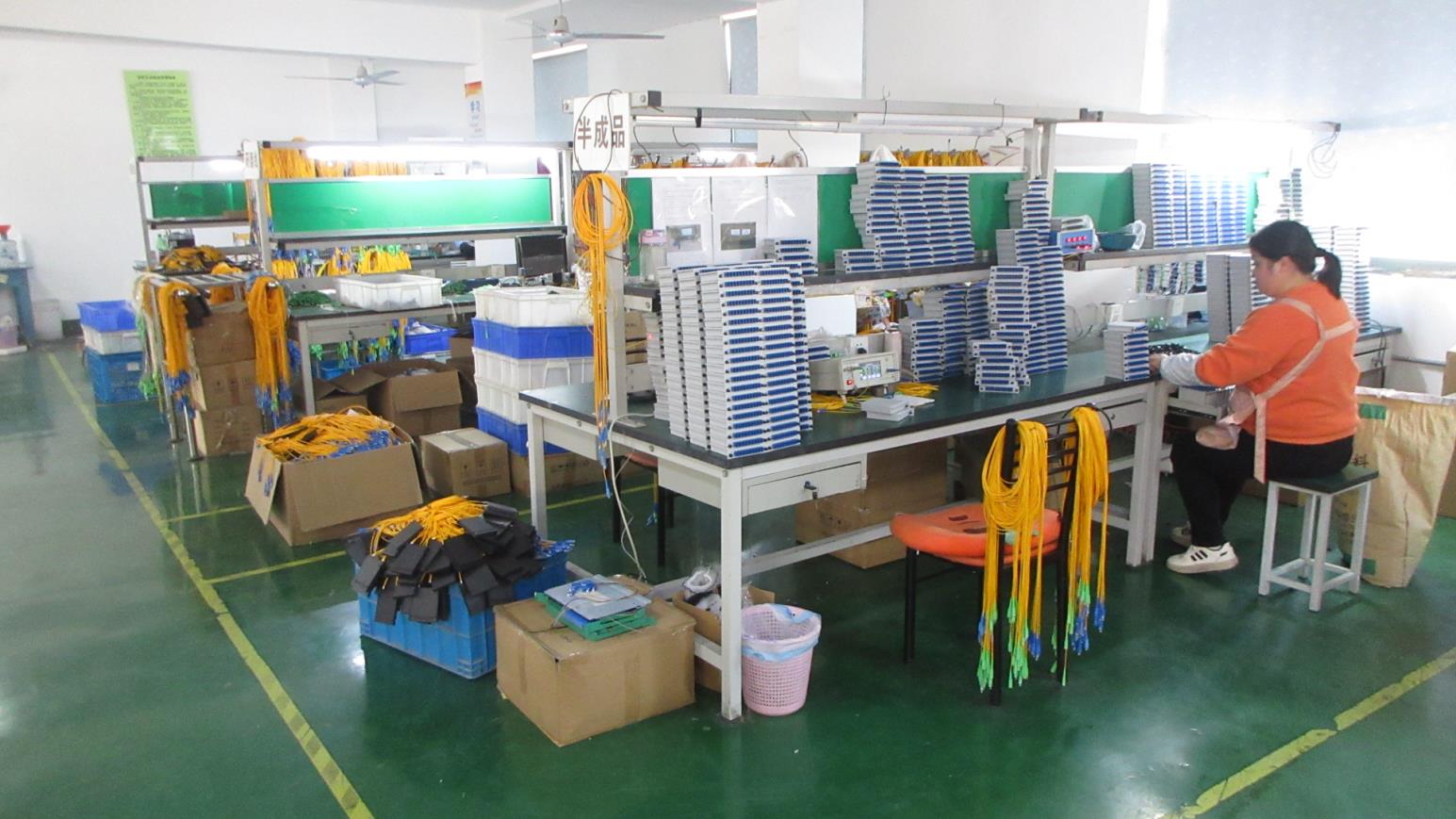
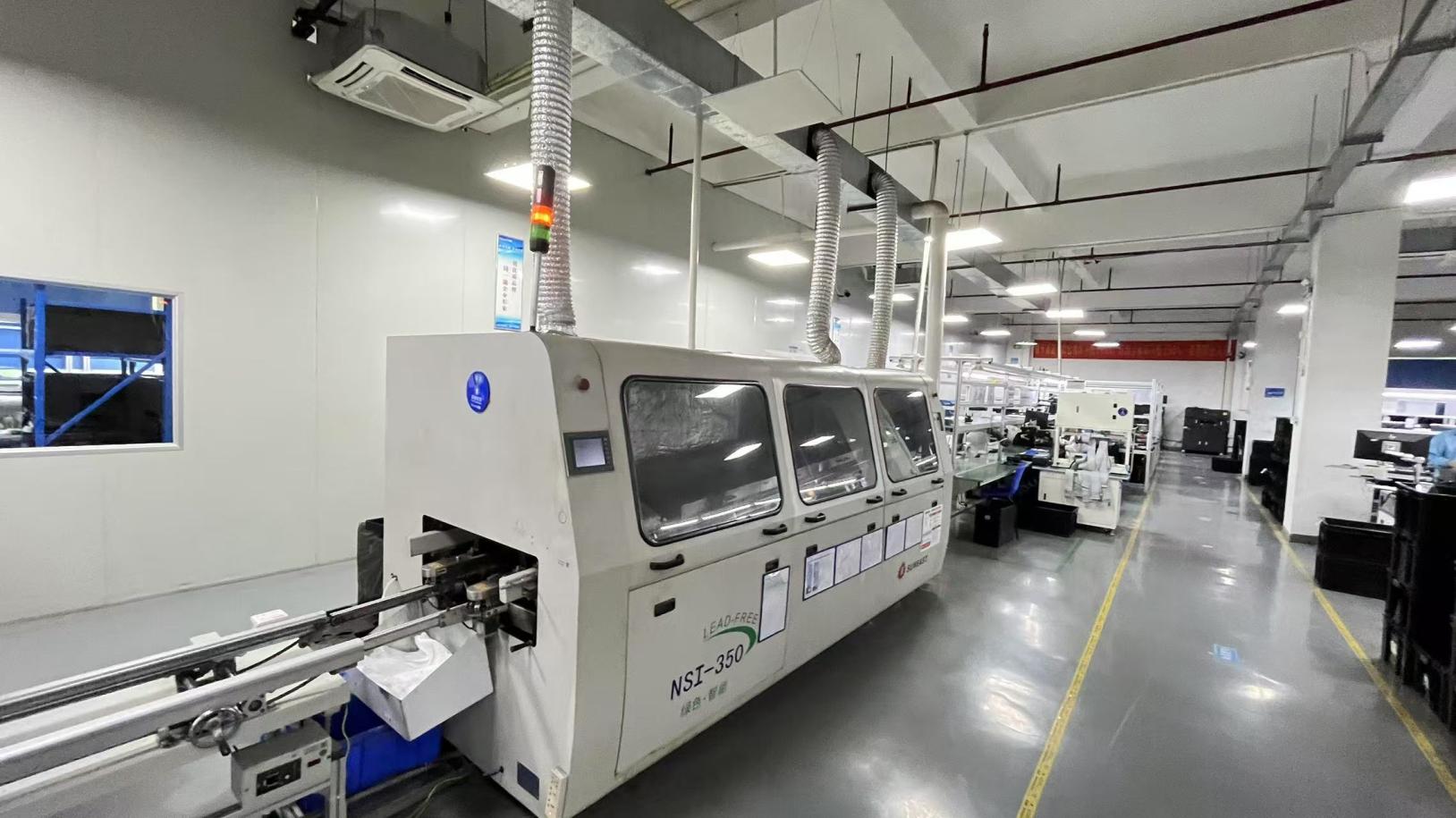
Operating a modern 12,600m² facility, we combine automated precision assembly line technologies with rigorous testing. We hold extensive OEM and ODM partnerships with telecom operators, enterprise integrators, and global data centers. Our expert engineering support ensures custom configurations, specific wavelength mapping, protocol compatibilities, and long-life durability across North American, European, Japanese, and Southeast Asian markets.
Our dedicated engineering teams provide rapid prototyping and validation loops for tailored applications:
In the past year alone, our active R&D team launched 180+ new products to meet evolving network architectures.
A visual look inside our cleanrooms, automated optical testing labs, and assembly facilities.
How systems globally implement FiberQ media conversion and optical interfaces to maintain system reliability.
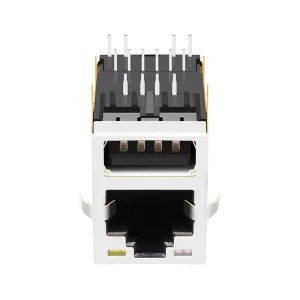
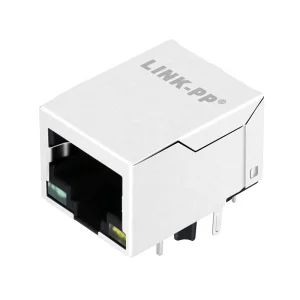
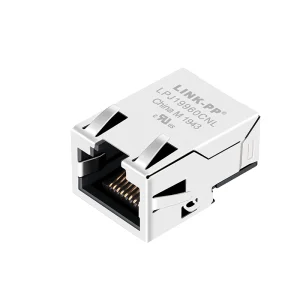
Industrial plants require resilient networks amidst intense electromagnetic noise from variable frequency drives, induction furnaces, and high-voltage relays. Our media converters translate standard copper Ethernet backbones to noise-immune fiber optic lines, maintaining data integrity in extreme environments. Combined with our PoE Single Port SMT RJ45 Connectors and Magnetic Transformers, we help remote cameras, IoT sensors, and PLCs operate reliably on the manufacturing floor.
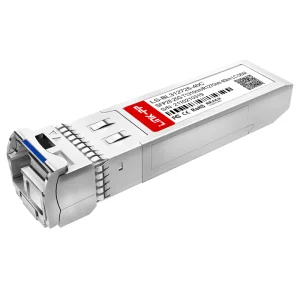
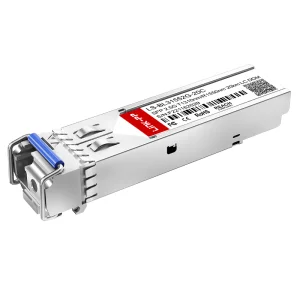
Fiber-to-the-Home (FTTH) and metro networks depend on long-reach transceivers to connect central offices with customer premises. The 1000BASE-ZXC Duplex LC SMF Transceiver provides a 160km transmission span over single-mode fiber at 1550nm without the need for active inline optical repeaters. This reduces operational costs for telecom companies. In addition, our BiDi (Bidirectional) SFP modules double fiber density by transmitting and receiving data on a single optical strand.
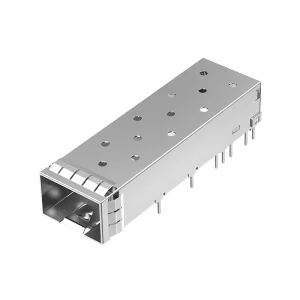
In modern data centers, top-of-rack (ToR) switches require low latency, minimal thermal dissipation, and robust EMI cages. Utilizing our TE Compatible SFP+ Cages alongside 25G SFP28 LWDM Transceivers allows data center architects to design high-density networking racks that handle massive computational queries with minimal packet loss. The integrated DDM (Digital Diagnostic Monitoring) technology allows real-time health checks of temperature, laser power, and receiver sensitivity.
Our facility sits in a central optical communications hub, allowing us to source and assemble parts with high agility. Our supply chain network of over 1,450 partners ensures we always have access to raw components, glass substrates, laser diodes, and high-frequency PCBs.
This supply-chain depth protects our production schedules from unexpected market shortages. Our centralized location allows us to offer shorter production lead times, custom labeling, and flexible shipping options through nearby international ports in Shenzhen, Guangzhou, and Hong Kong. We handle bulk production volumes while maintaining low pricing and predictable delivery dates.
"Stable raw materials sourcing and streamlined customs clearance mean we can consistently reduce lead times by 20% compared to standard industry averages."
As global networks transition from 10G/25G to 100G, 400G, and 800G interconnect designs, optical integration is shifting toward Silicon Photonics. FiberQ is investing in silicon photonics engineering to bundle modulator and optical receiver circuits directly onto silicon chips, drastically reducing energy draw and manufacturing costs.
Our technical roadmap includes:
At FiberQ, compliance is built directly into our product development cycle. Our optical modules adhere strictly to Multi-Source Agreement (MSA) standards. This ensures plug-and-play compatibility with network switches, routers, and host systems from major vendors.
We offer pre-sales validation, custom firmware adjustments for unique switch environments, and remote technical support. All our products are CE, FCC, RoHS, and REACH certified, meeting the strict import and environmental guidelines required in North America, Europe, and Asia.
Our quality control team works under strict guidelines to ensure stable hardware operation:
Detailed technical answers to common queries regarding optical-to-copper conversion, compatibility, and component integration.
Multi-Source Agreement (MSA) standards define the mechanical envelope, electrical interface, and pin layouts for optical transceivers. Selecting MSA-compliant modules ensures compatibility across host hardware platforms, preventing vendor lock-in and guaranteeing reliable communication within your switch configurations.
Single-mode fiber (SMF) has a narrow core (typically 9μm) that allows light to travel in a single path, reducing modal dispersion over long distances. It is ideal for carrier installations up to 160km. Multi-mode fiber (MMF) has a wider core (typically 50μm or 62.5μm) that supports multiple light paths. This makes it a cost-effective choice for shorter campus runs of up to 550 meters.
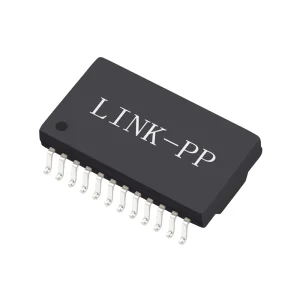
Magnetic transformers (such as our LAN Magnetic Transformers) isolate the physical network cable from internal controller chips. They block common-mode noise, suppress electro-magnetic interference (EMI), and prevent damage to internal networking chips from static discharges or voltage surges.
Bidirectional (BiDi) transceivers use Wavelength Division Multiplexing (WDM) to transmit and receive data on different wavelengths (for example, 1310nm TX and 1550nm RX) over a single optical fiber. This halves the amount of physical fiber cabling required, making it an efficient solution when fiber capacity is limited.
High-density optical transceivers generate heat during high-speed data transmission. We address this by using custom-designed metal cages, low-draw internal ICs, and thermal interface materials (TIMs) that efficiently conduct heat away from the optical components. This helps keep operating temperatures within safe limits, ensuring long-term performance.
Browse our selection of LWDM transceivers, telecom transformers, EMI cages, and low-profile RJ45 hardware components.