FiberQ
FiberQ
FiberQ
High-performance transceivers engineered for deployment in metropolitan carrier backbones, corporate intranets, and industrial Ethernet frameworks across Montevideo, Maldonado, and Free Trade Zones.
Uruguay has emerged as one of the most technologically advanced nations in Latin America. Spearheaded by the state-owned operator Antel, the country possesses a highly dense fiber-to-the-home (FTTH) broadband network that reaches over 85% of households. This high penetration rates, paired with regional connectivity nodes such as the Tannat submarine cable system, have turned Montevideo into a prominent tech hub. Financial parks like Zonamerica and the Aguada Free Zone demand zero-latency data transmission and high-density copper-to-fiber routing.
As corporate infrastructures modernize, the integration of multi-port RJ45 connectors and reliable 1.25G SFP transceiver modules becomes paramount. High-speed local networks (LANs) and edge networks require industrial-grade connectivity components to bridge copper legacy systems with multi-gigabit fiber backbones. Particularly, the agricultural automation sector, maritime logistics at the Port of Montevideo, and national power utilities (UTE) require robust components that can withstand marine salinity, thermal fluctuations, and continuous vibrational stresses.
While global markets push towards 100G and 400G configurations, the 1.25G SFP (Small Form-factor Pluggable) architecture remains a cornerstone of municipal networks, rural gigabit expansions, and industrial control cabinets in Uruguay. These optical modules provide the perfect cost-to-performance ratio for long-distance runs (up to 160km) across the country's interior regions, where laying massive high-bandwidth backplanes is economically unviable.
Furthermore, local network deployments leverage multi-port RJ45 configurations for copper switches, transitioning to single-mode or multi-mode SFP transceivers at boundary routers. Ensuring clean electromagnetic shielding (EMI protection) and high-quality gold plating in RJ45 connectors is vital to eliminate transmission errors caused by industrial machinery and power lines common in Uruguay's manufacturing plants and packaging facilities.
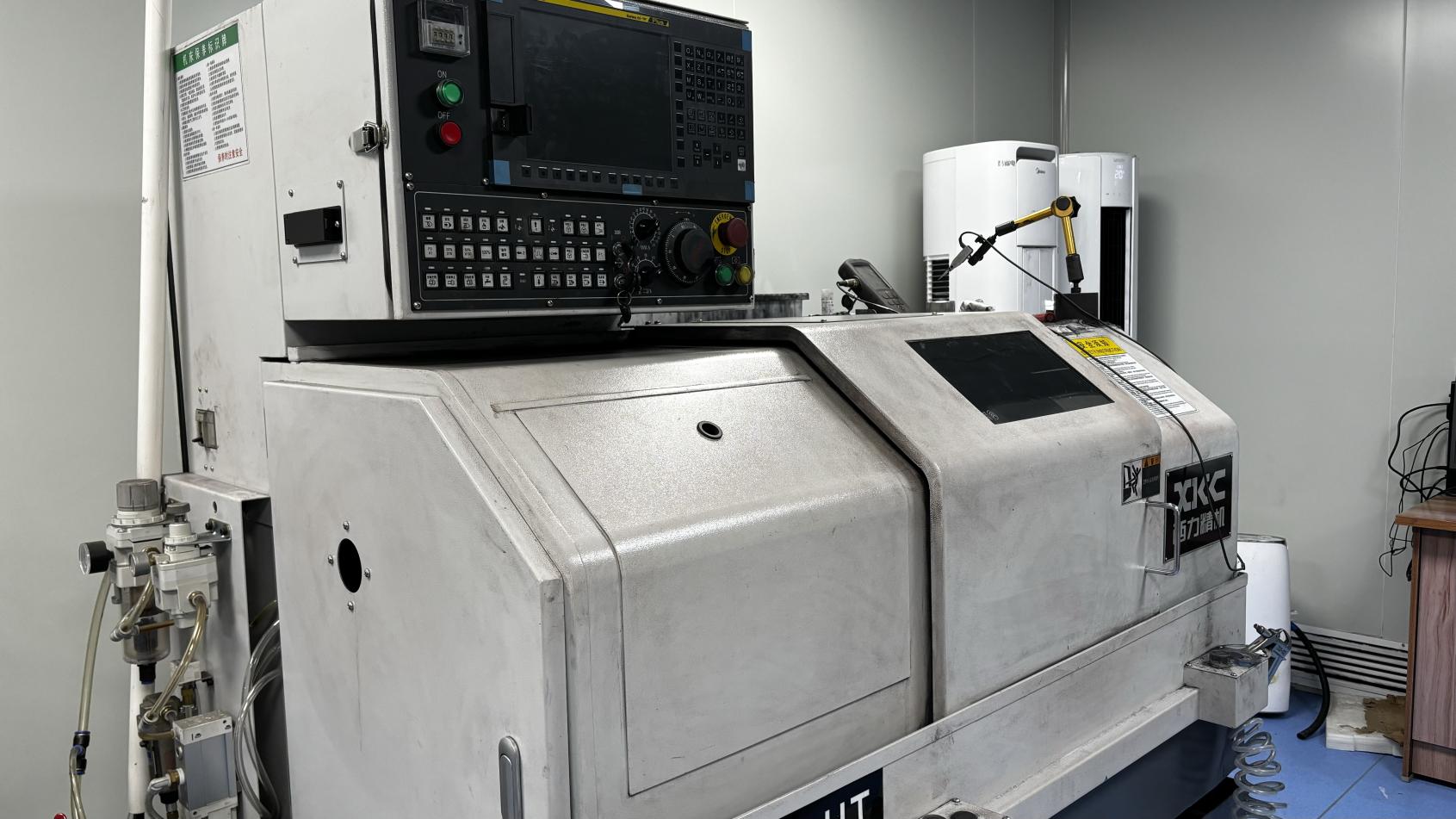
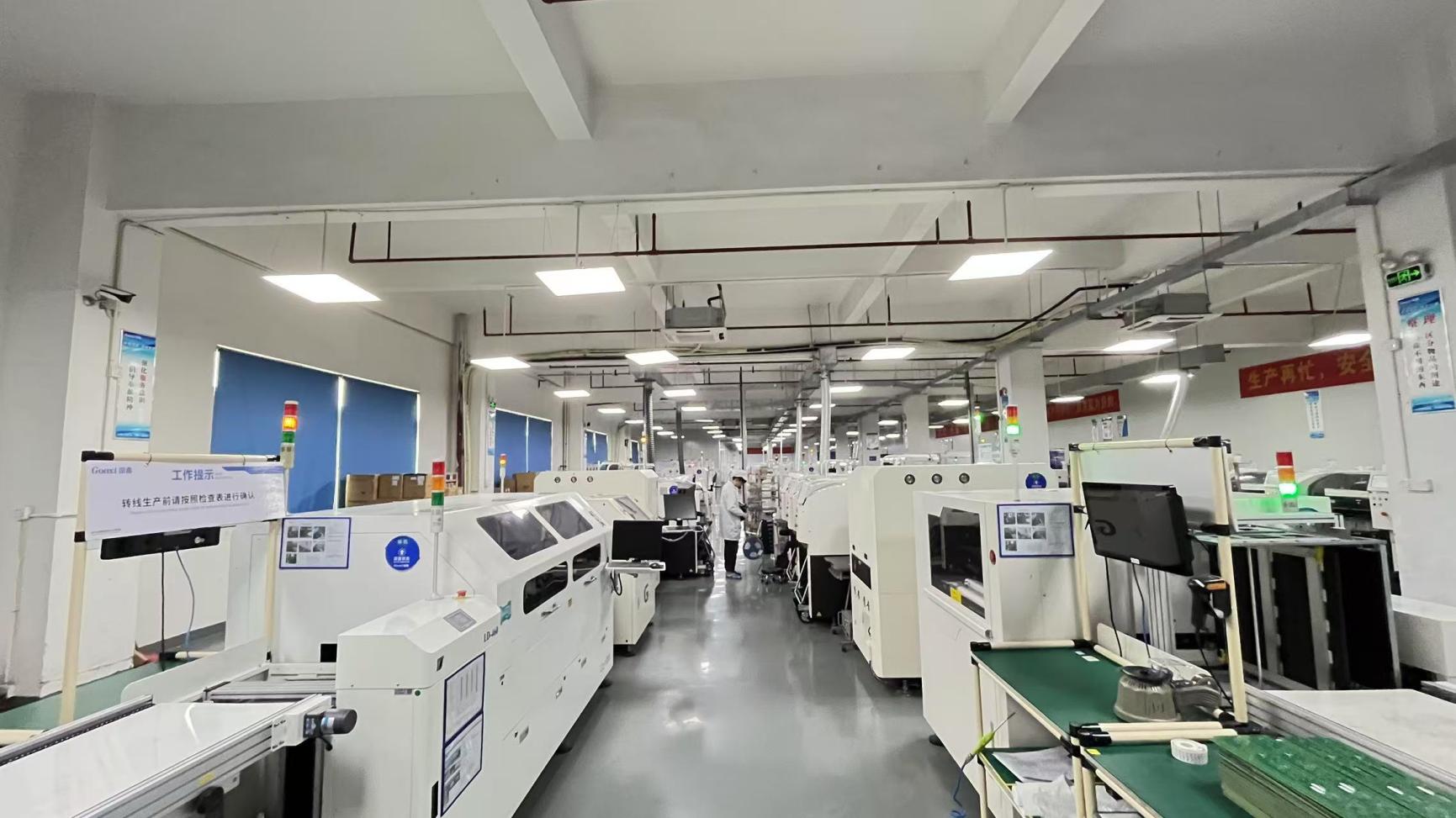
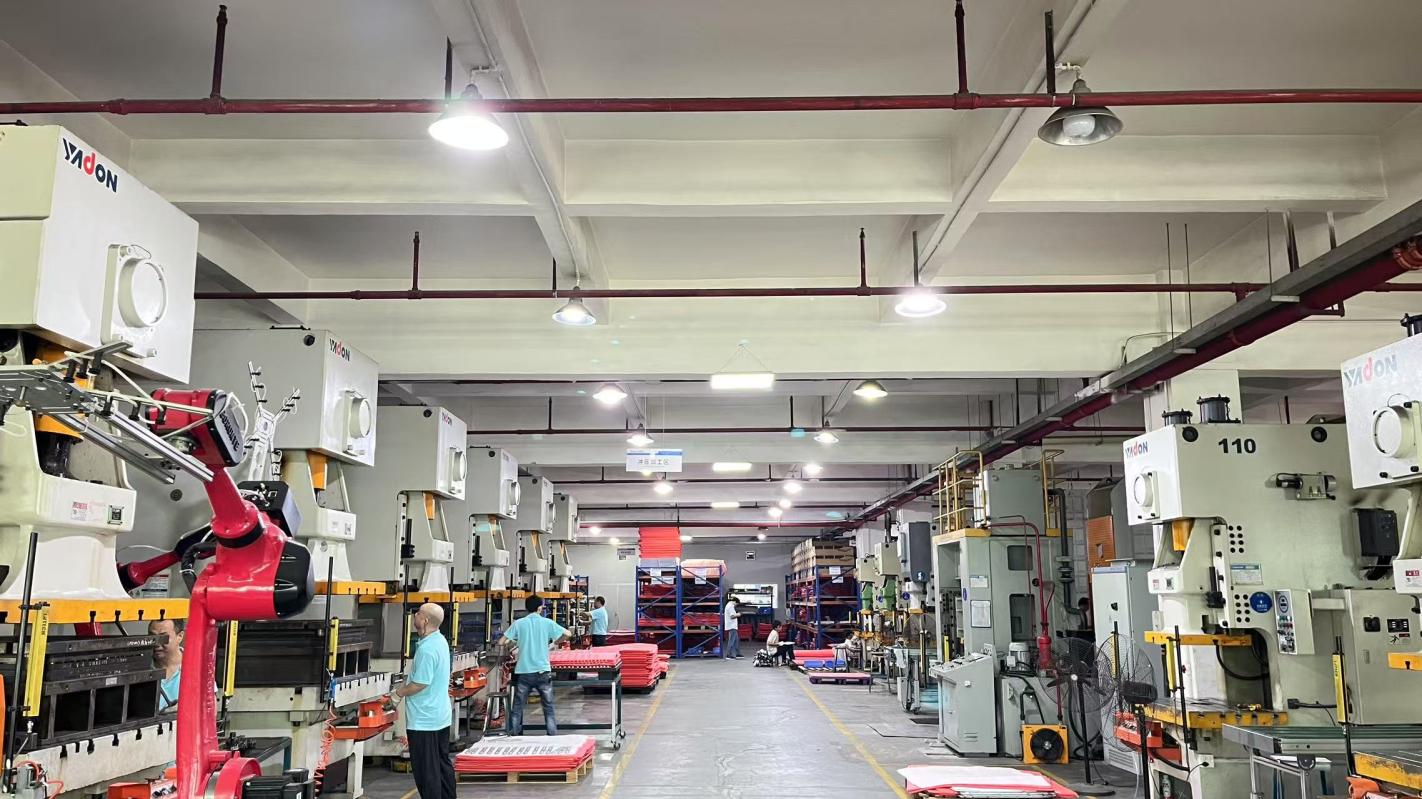
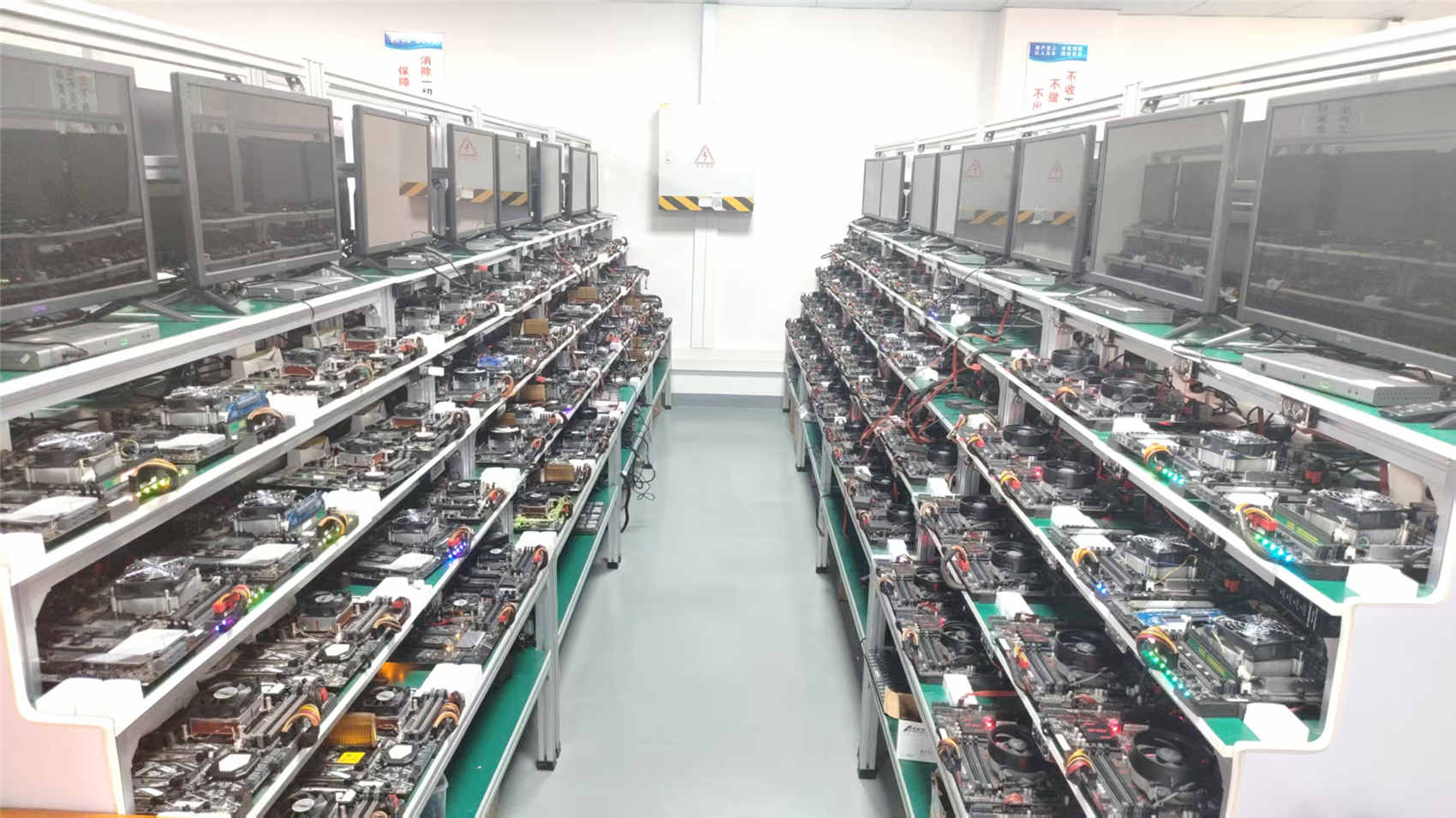
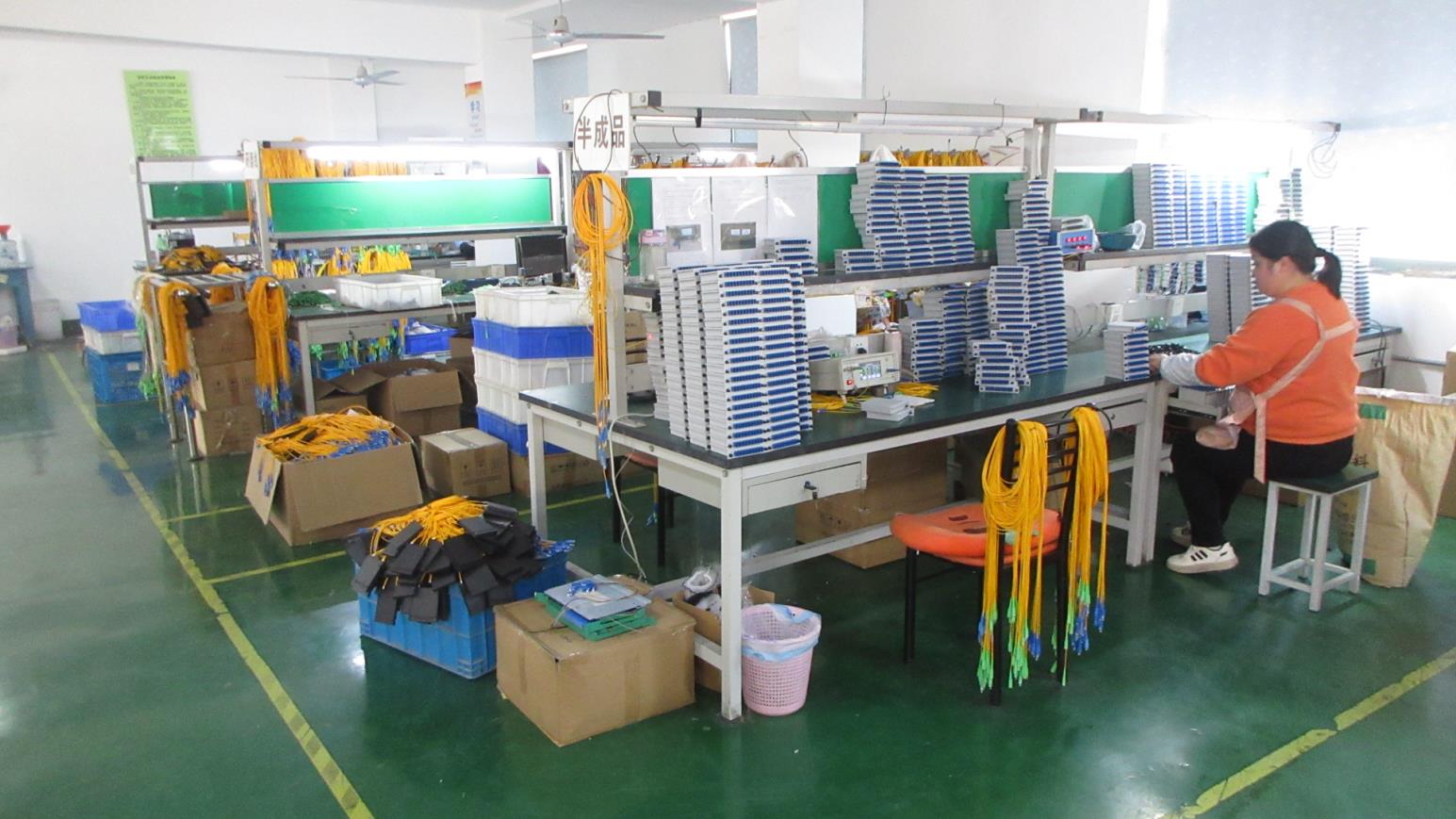
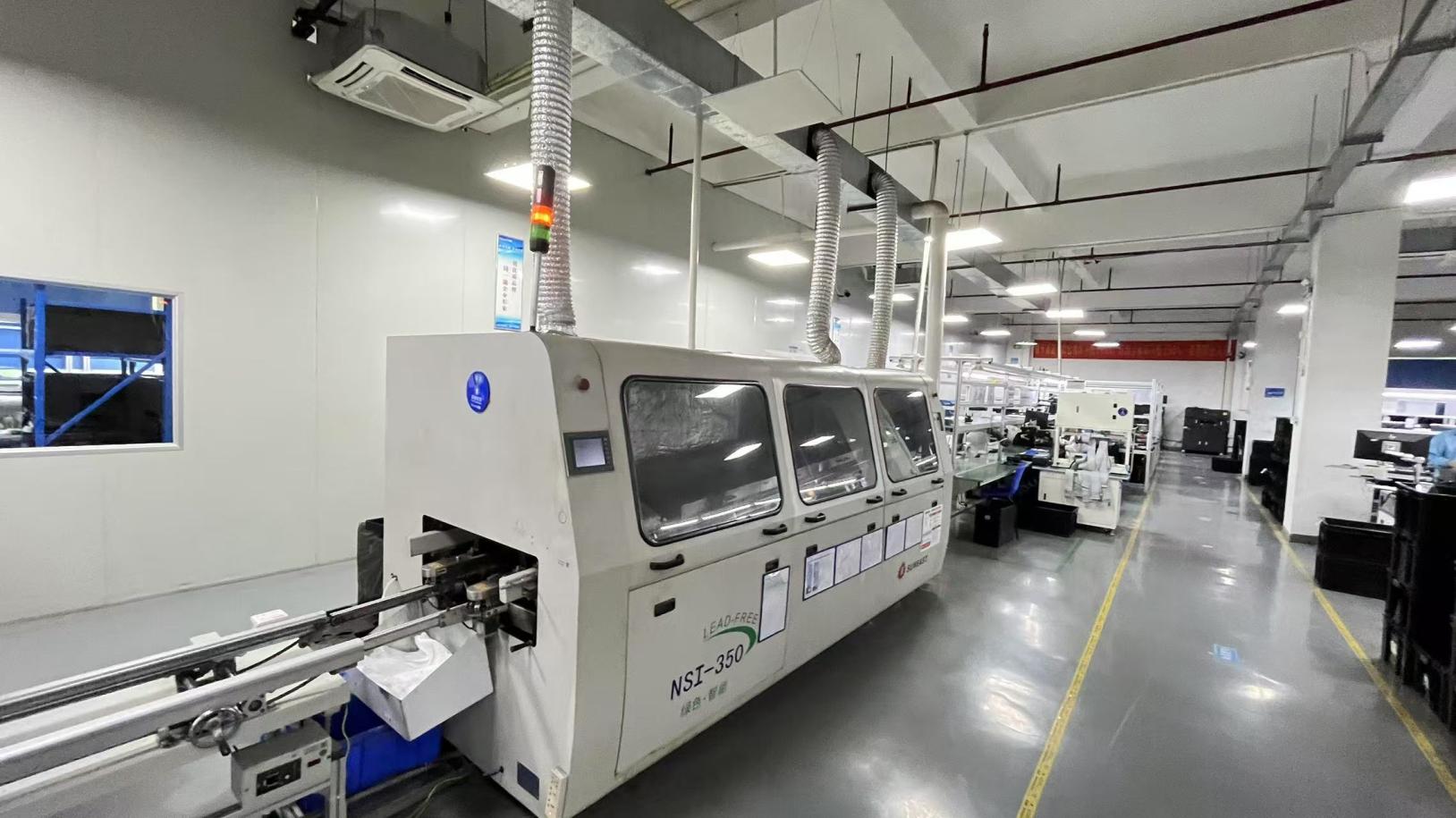
As a leading brand under FiberQ Photonics Technology Co., Ltd., we bring unmatched expertise as high-end fiber optic transceiver manufacturers. Founded in 2015, we operate a modern production facility spanning 12,600㎡. Our highly optimized production lanes manage a diverse portfolio, ensuring high availability of 1.25G SFP transceivers and custom multi-port RJ45 connectors that meet global standardization criteria (IEEE 802.3, MSA compliance).
We boast a robust network of 1,450 supply chain partners, guaranteeing that high-grade optical diodes, specialized PCBAs, and robust shielding components are consistently sourced. With 12 years of industry experience and 6 years of direct export experience, we understand the logistical and customs frameworks of South American destinations, streamlining direct shipping lines to Montevideo port or Carrasco International Airport.
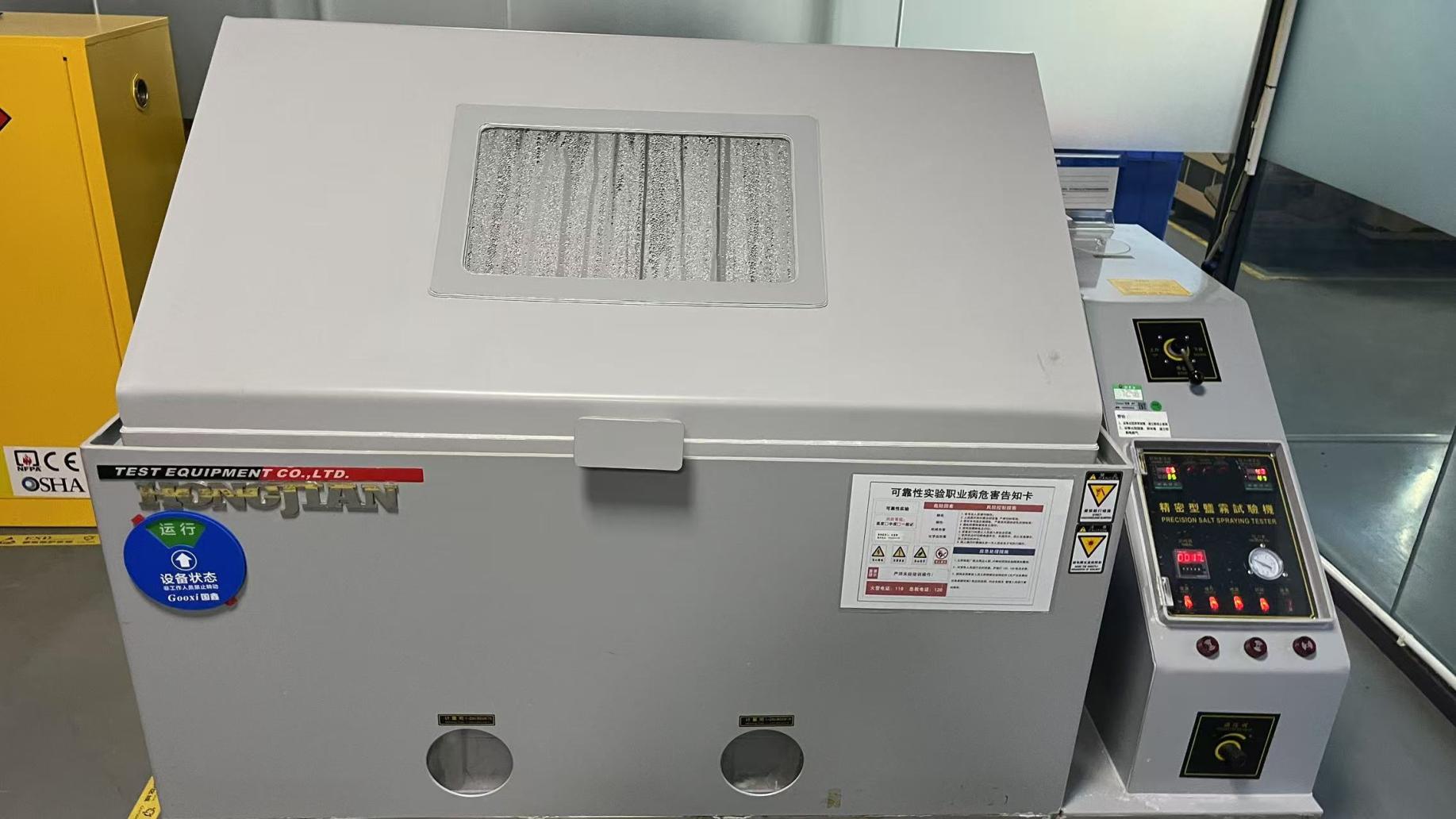
Reliability is our highest metric. FiberQ deploys a specialized quality control structure comprised of 62 experienced inspectors. Every single transceiving module undergoes rigorous automated optical testing, physical eye-pattern analysis, high-temperature thermal cycling, and manual compatibility sweeps against target switch architectures (Cisco, Juniper, Huawei, Mikrotik, HP, and more).
Our commitment to continuous improvement is backed by our 240 R&D engineers who design tailored optical systems, optimize thermal distribution in transceiver housings, and engineer resilient multi-port RJ45 configurations. Over the past year alone, our R&D teams have engineered and launched 180 new products, keeping our clients at the cutting edge of physical layer communications.
How FiberQ transceivers and multi-port connectors drive performance in real-world Uruguayan operations.
Heavy cranes, RTGs, and logistic terminals utilize multi-port RJ45 connections integrated with 1.25G SFP transceivers to manage telemetry, real-time cameras, and tracking databases back to server rooms without packet loss in maritime climates.
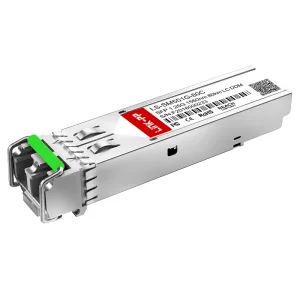
Connecting remote silos and automated dairy farms in departments like Colonia and Soriano requires long-reach optical transceivers. 1000BASE-ZX modules (up to 80km/120km) deliver steady data links without expensive repeaters.
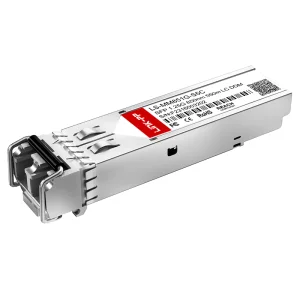
Modern financial data centers utilize multi-mode dual-fiber transceivers (850nm MMF) and high-density copper patch systems to process massive, low-latency financial transactions for international corporations operating under tax-free schemes.
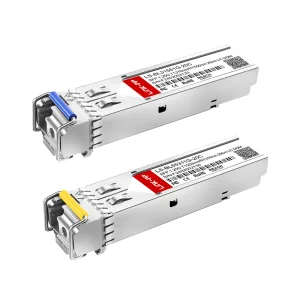
Bridging residential neighborhoods to central offices requires cost-effective 1310nm/1550nm BiDi single-mode transceivers. These save fiber resources by utilizing a single fiber core for bidirectional upstream and downstream data transmission.
A professional manufacturer specializing in high-performance fiber optic transceivers and advanced photonic communication solutions.
FiberQ Photonics Technology Co., Ltd. is a professional manufacturer specializing in high-performance fiber optic transceivers and advanced photonic communication solutions for data centers, telecom networks, and high-speed interconnect applications. Founded in 2015, the company has grown into a trusted global supplier with strong engineering and export capabilities.
The company operates a modern production facility covering approximately 12,600㎡, enabling scalable manufacturing, precision assembly, and strict quality control processes. With annual export revenue reaching around USD 9.5 million, FiberQ has accumulated 6 years of export experience and 12 years of industry expertise in optical communication technologies.
Quality assurance is ensured through a combination of automated optical performance testing, interferometric inspection, high-temperature aging tests, and manual quality checks. The quality control team consists of 62 experienced inspectors dedicated to maintaining product reliability and compliance with international standards. FiberQ maintains a strong trade background focused on OEM and ODM partnerships. Its primary markets include North America, Europe, Japan, and Southeast Asia, serving telecom operators, cloud service providers, and enterprise network integrators.
The company collaborates with approximately 1,450 supply chain partners to ensure stable procurement of core components and efficient production scheduling. Its main customer base includes data center operators, telecom carriers, network equipment vendors, and system integrators. With strong R&D capabilities, FiberQ supports advanced customization including protocol compatibility (100G/200G/400G/800G), wavelength engineering, thermal optimization, and form-factor adaptation. The company employs around 240 R&D engineers focused on optical design, signal integrity, and high-speed hardware development. In the past year, FiberQ launched approximately 180 new products, reflecting its continuous innovation in next-generation optical communication solutions.
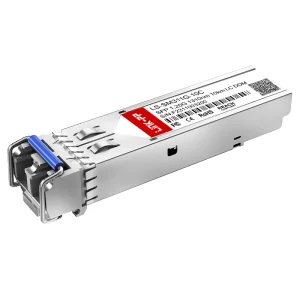
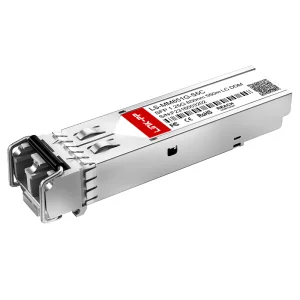
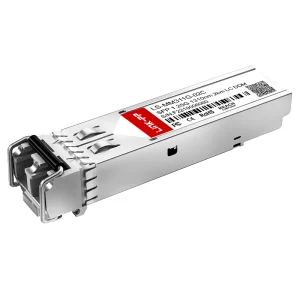
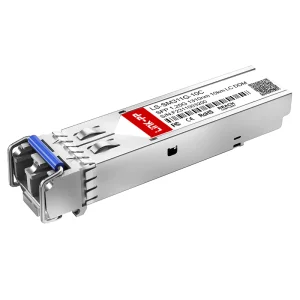
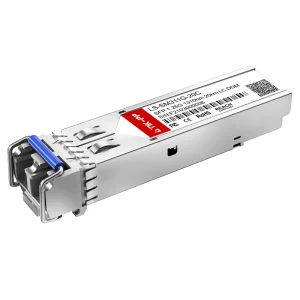
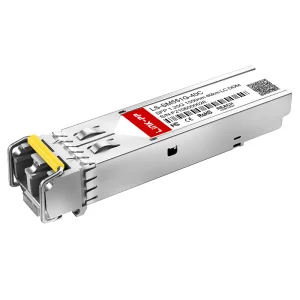
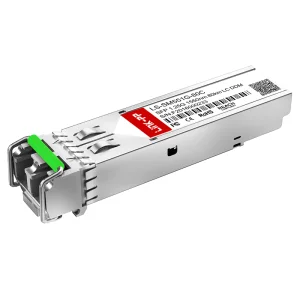
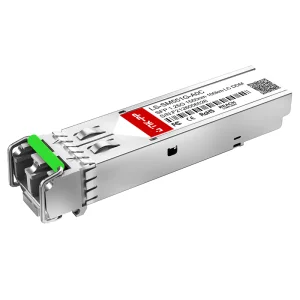
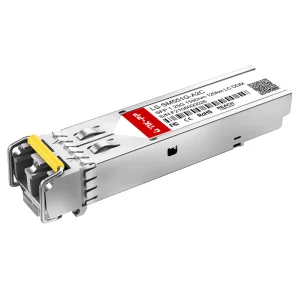
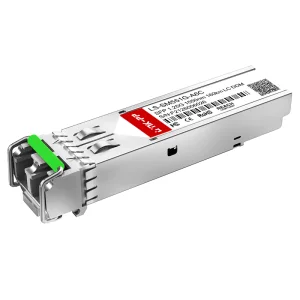
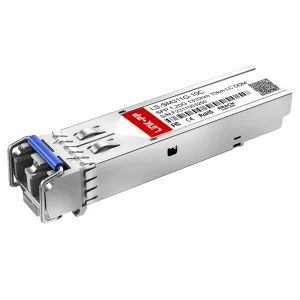
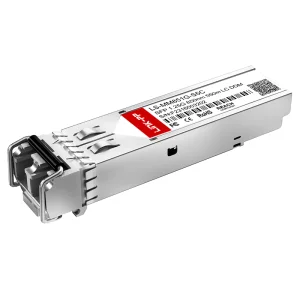
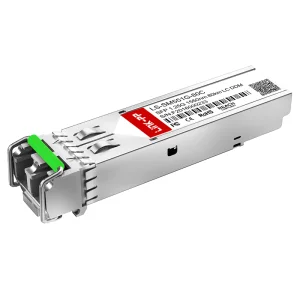
Explore our full line of compatible SFP modules ranging from multi-mode 550m systems to ultra-long distance 160km single-mode transceivers.
Essential answers for network architects and sourcing directors purchasing networking components for Uruguayan infrastructures.
Whether you are designing a high-capacity telecom backbone or procuring multi-port RJ45 connectors for a manufacturing facility in Uruguay, FiberQ offers technical support, customized firmware coding, and competitive bulk pricing. Speak to an optical systems engineer today.
Send Inquiry Now