FiberQ
FiberQ
FiberQ
Engineered for compact PCB designs, smart meters, local networking hubs, and telecommunications modules deployed in Nigeria's expanding telecom networks.
Nigeria is currently experiencing an unprecedented surge in broadband expansion and digital economy infrastructure development. Guided by the Nigerian National Broadband Plan (NNBP), telecom carriers and local manufacturers are investing heavily in network equipment, smart metering, and consumer premises equipment (CPE). In these high-performance environments, space is the premium commodity.
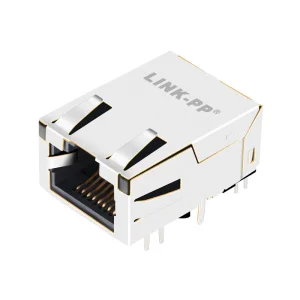
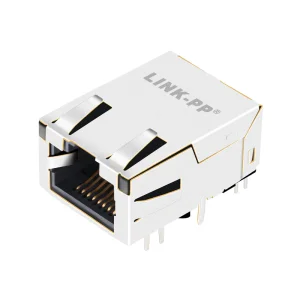
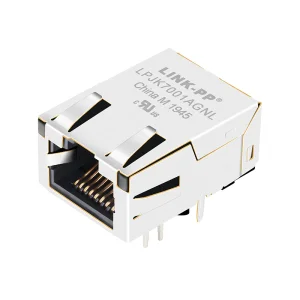
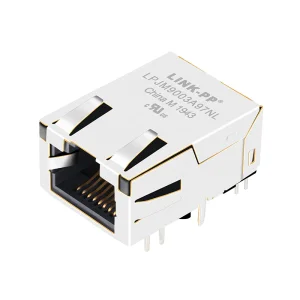
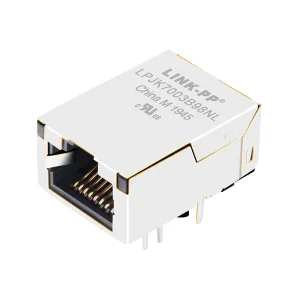
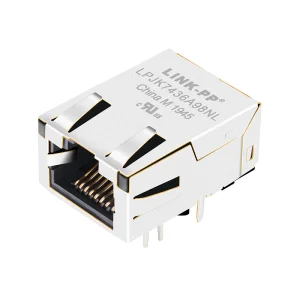
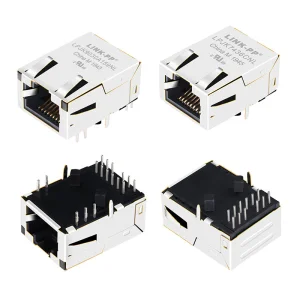
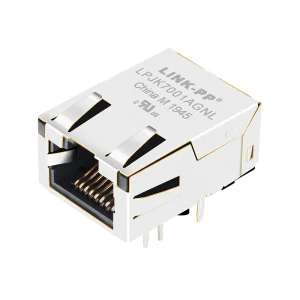
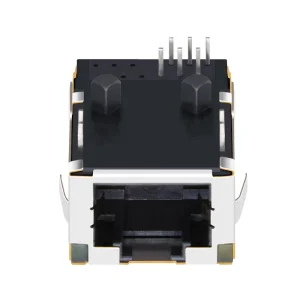
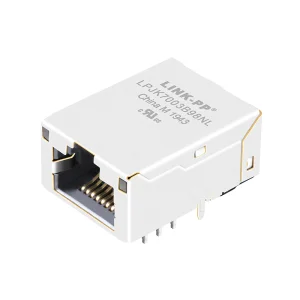
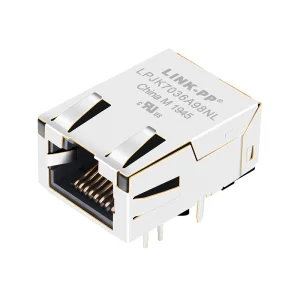
Low-profile RJ45 connectors solve critical PCB design limitations by reducing physical height without sacrificing performance. This engineering whitepaper outlines the integration of low-profile magnetic RJ45 jacks in Nigerian telecom and industrial projects, analyzing the harsh tropical conditions (humidity, high temperatures) and providing robust technical guidelines for procurement teams seeking direct-from-factory sourcing.
Understanding the critical physical, electrical, and thermal properties required for components deployed across Sub-Saharan infrastructure networks.
Tropical deployment exposes networking hardware to ambient temperatures exceeding 40°C inside outdoor telecom cabinets. Our low-profile RJ45 jacks feature high-temp thermoplastic LCP (Liquid Crystal Polymer) housings rated up to 260°C for reflow soldering. Advanced brass shielding with nickel-plating ensures maximum EMI suppression, reducing packet drops in electromagnetically noisy urban centers.
Power quality in Nigeria is prone to surges and noise. By utilizing low-profile RJ45 connectors with integrated magnetic modules (1:1 turn ratios, common-mode chokes), design engineers gain isolated high-voltage protection up to 1500V AC. This safeguards the central PHY chip from electrostatic discharges (ESD) and line surges on local LAN lines.
Coastal cities like Lagos experience high relative humidity and saline mist, which accelerates copper oxidation. Direct-from-factory components with 50 micro-inches (50μ") of gold plating over nickel at the contact interface guarantee less than 20mΩ contact resistance throughout a minimum lifespan of 750 mating cycles.
| Parameter / Feature | Standard Specification | Importance in Nigerian Infrastructure |
|---|---|---|
| Operating Temperature | -40°C to +85°C Industrial Grade | Prevents component degradation inside non-airconditioned telecom cabinets. |
| Dielectric Withstanding Voltage | 1,500 Vrms minimum (standard isolation) | Protects network cards from power surges during local grid fluctuation. |
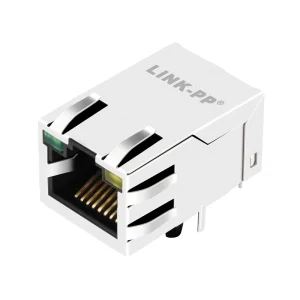
| LED Configuration Options | Bi-color (Green/Yellow), Single, or Without LEDs | Visual status diagnostics for local network technicians during troubleshooting. |
| Base-T Support Standards | 10/100, Gigabit (1G), 2.5G, 5G, and 10G Base-T | Supports high-throughput legacy hardware up to modern optical fiber drop-points. |
| Gold Plating Thickness | Flash, 6u", 15u", 30u", 50u" Options | 50u" selection prevents salt-air corrosion in coastal cities like Lagos and Port Harcourt. |
Established in 2015, FiberQ Photonics Technology Co., Ltd. has developed into a reliable manufacturing group specializing in optical and electrical communication interconnect solutions. Our modern 12,600㎡ production facility is built for high-capacity, high-precision assembly, serving network hardware OEM and ODM partners globally.
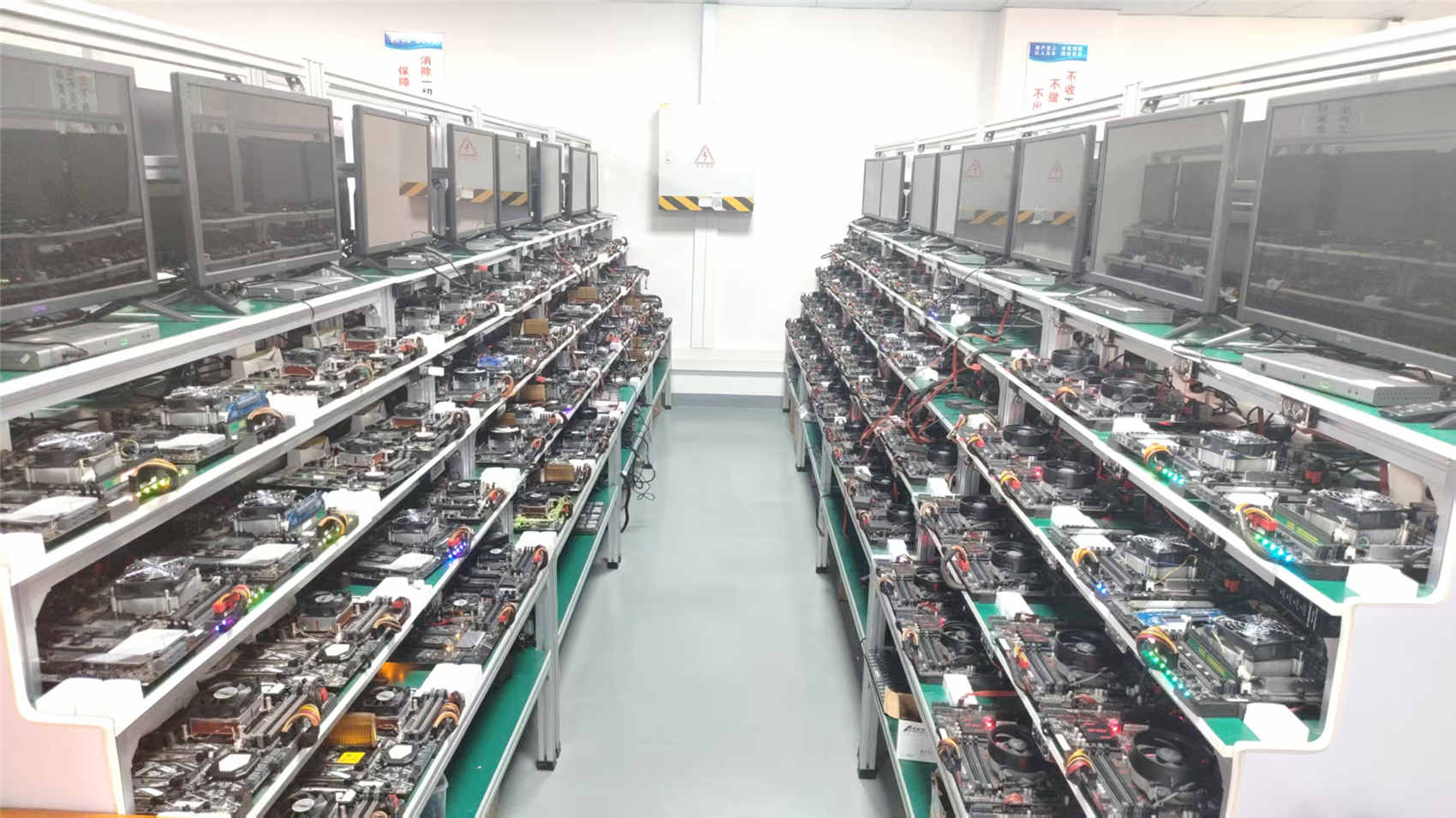
Operating with 12 years of industry experience and 6 years of direct global exporting, we ensure compliance with international standardizations. To guarantee absolute field reliability, our dedicated division of 62 quality control inspectors oversees multi-stage verification including automated optical performance testing, high-temperature aging tests, and precise interferometric physical inspections.
By bypassing regional middlemen, Nigerian technology companies can buy directly from our state-of-the-art facilities. We offer custom electrical engineering compatibility, protocol matching (from basic 100M Ethernet up to advanced 10G high-speed interconnects), and flexible color LED selections.
Facilitating seamless logistics and conforming to regulatory guidelines for electronics imported into Nigeria.
All electronic components imported into Nigeria must comply with the Standards Organisation of Nigeria Conformity Assessment Programme (SONCAP). As a global supplier, our production processes align with the following standards:
We optimize shipment structures to ensure components reach local production facilities securely:
Insights into high-speed copper interconnects and their development trends within modern digital communication matrices.
As telecom networks deploy 5G microcells across major cities like Lagos, Port Harcourt, and Abuja, the demand for compact backhaul interfaces grows. The transition from legacy Gigabit Ethernet (1000 Base-T) to Multi-Gigabit (2.5G/5G/10G Base-T) over copper requires significant shielding modifications inside low-profile RJ45 connectors to mitigate cross-talk (NEXT & FEXT) and return loss at high frequencies (up to 500 MHz).
Furthermore, the integration of Power over Ethernet (PoE/PoE+/PoE++) inside low-profile magnetic jacks demands advanced thermal management and robust contact designs to prevent electrical arcing during disconnection under load. Our engineering teams are actively designing the next generation of integrated magnetics to support up to 90W of power delivery while maintaining a slim physical profile on space-constrained PCB boards.
Explore our complete range of low-profile magnetic jacks, LED-integrated configurations, and high-speed shielded female RJ45 connectors.
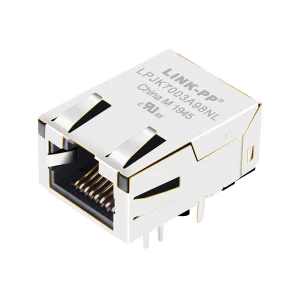
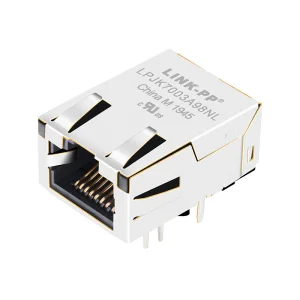
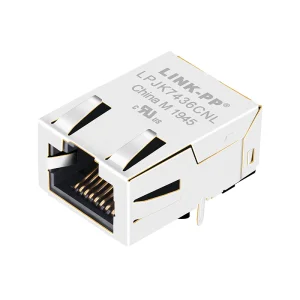
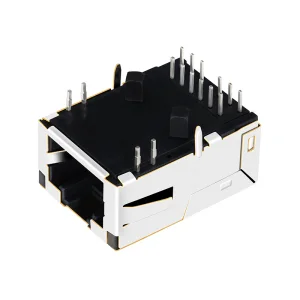
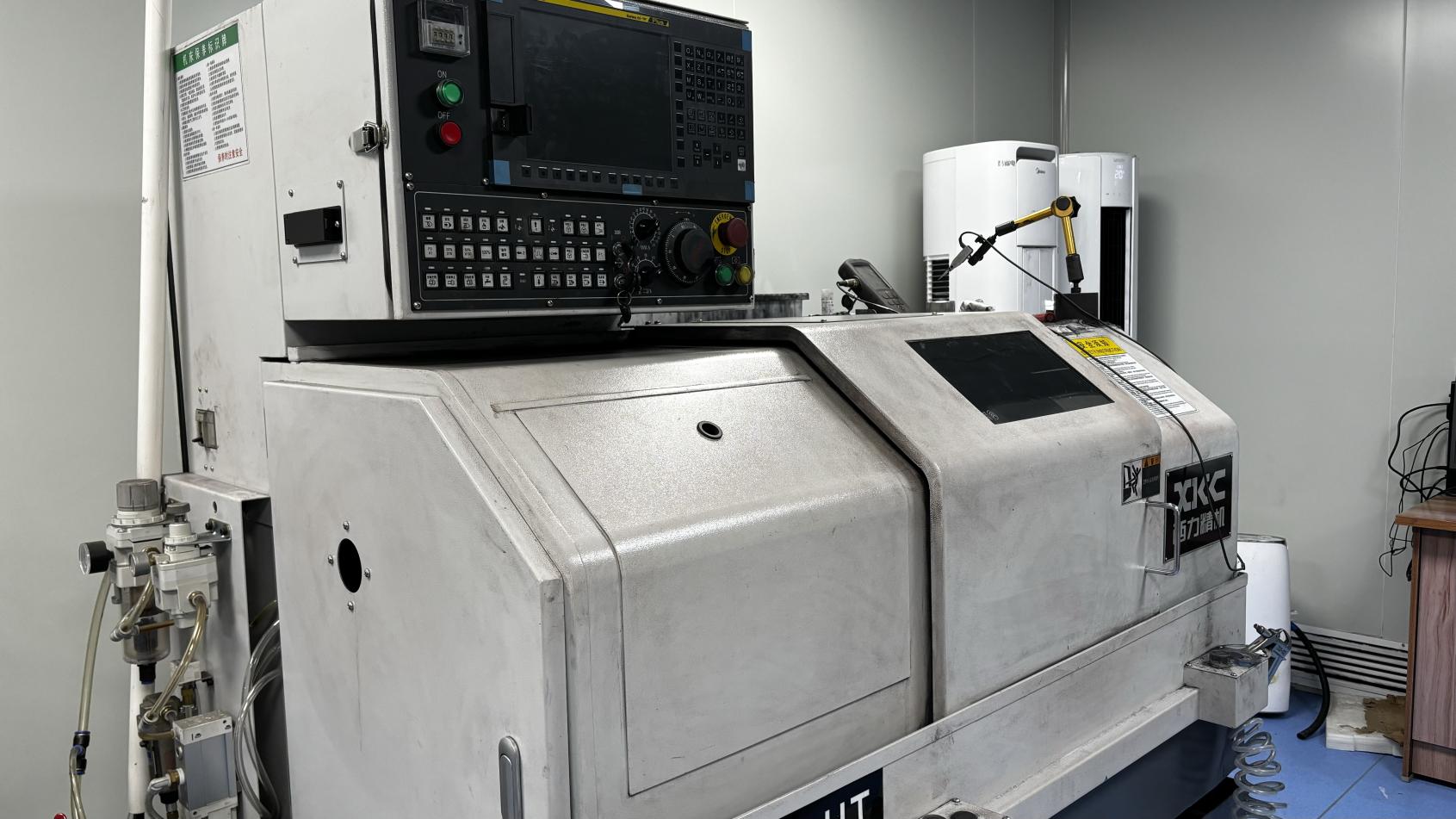
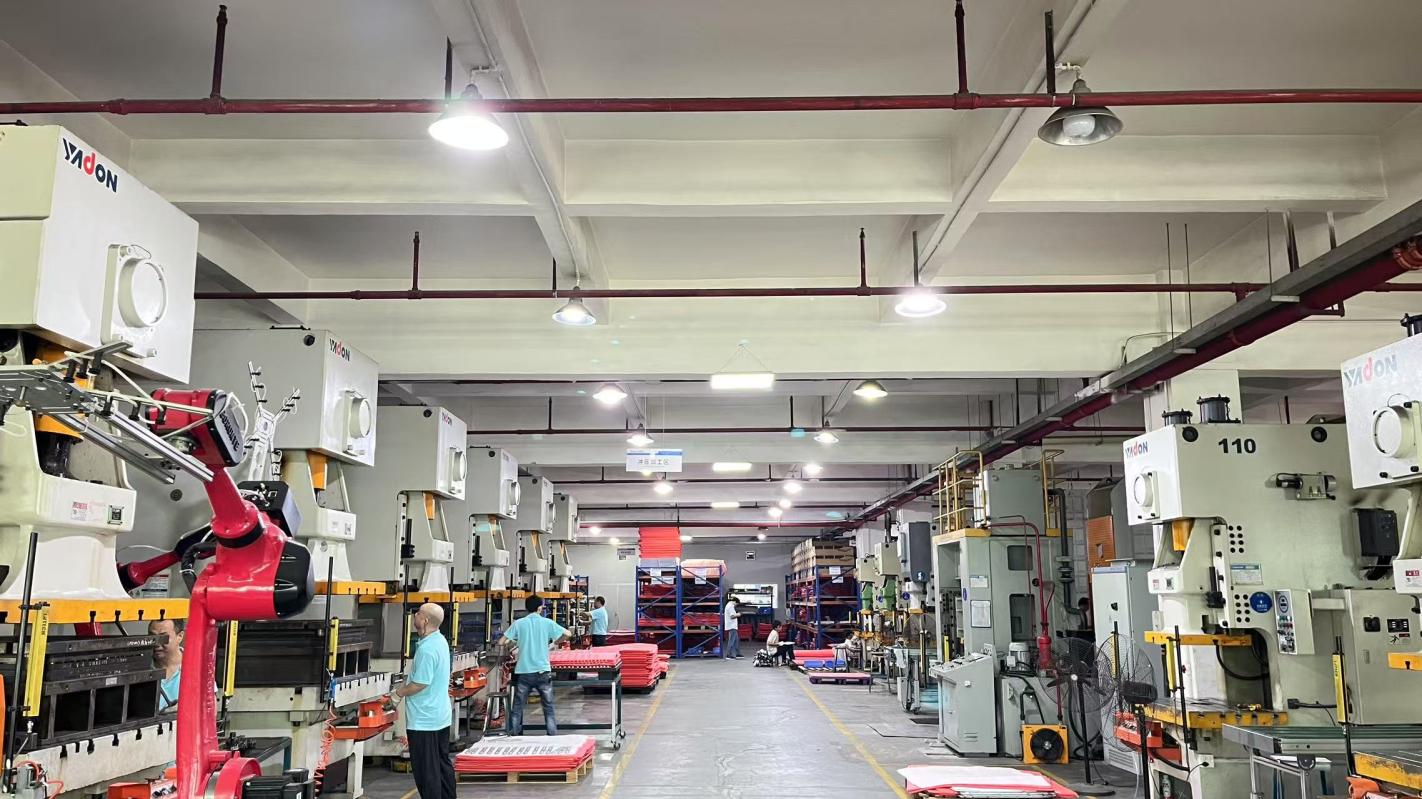
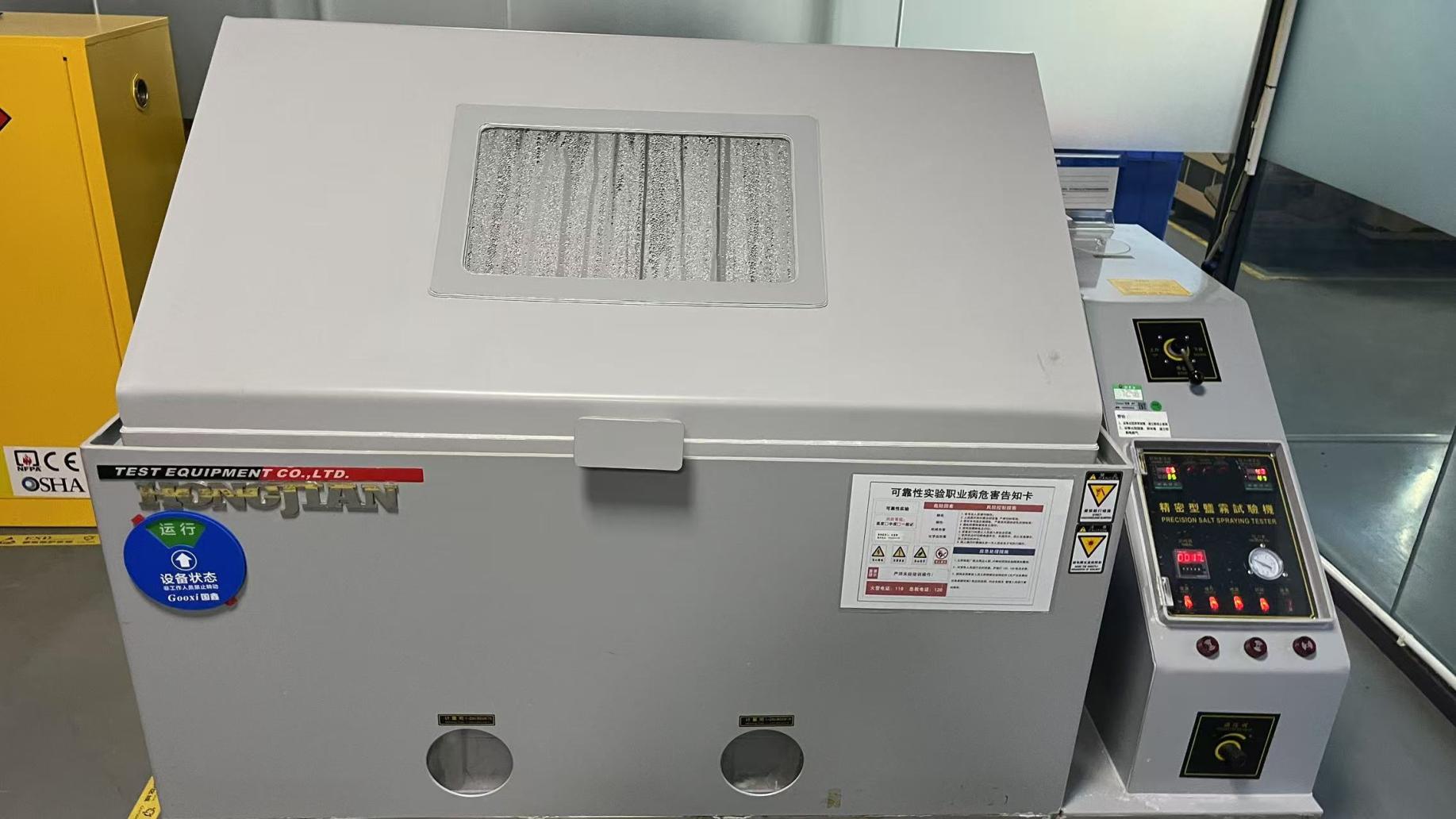
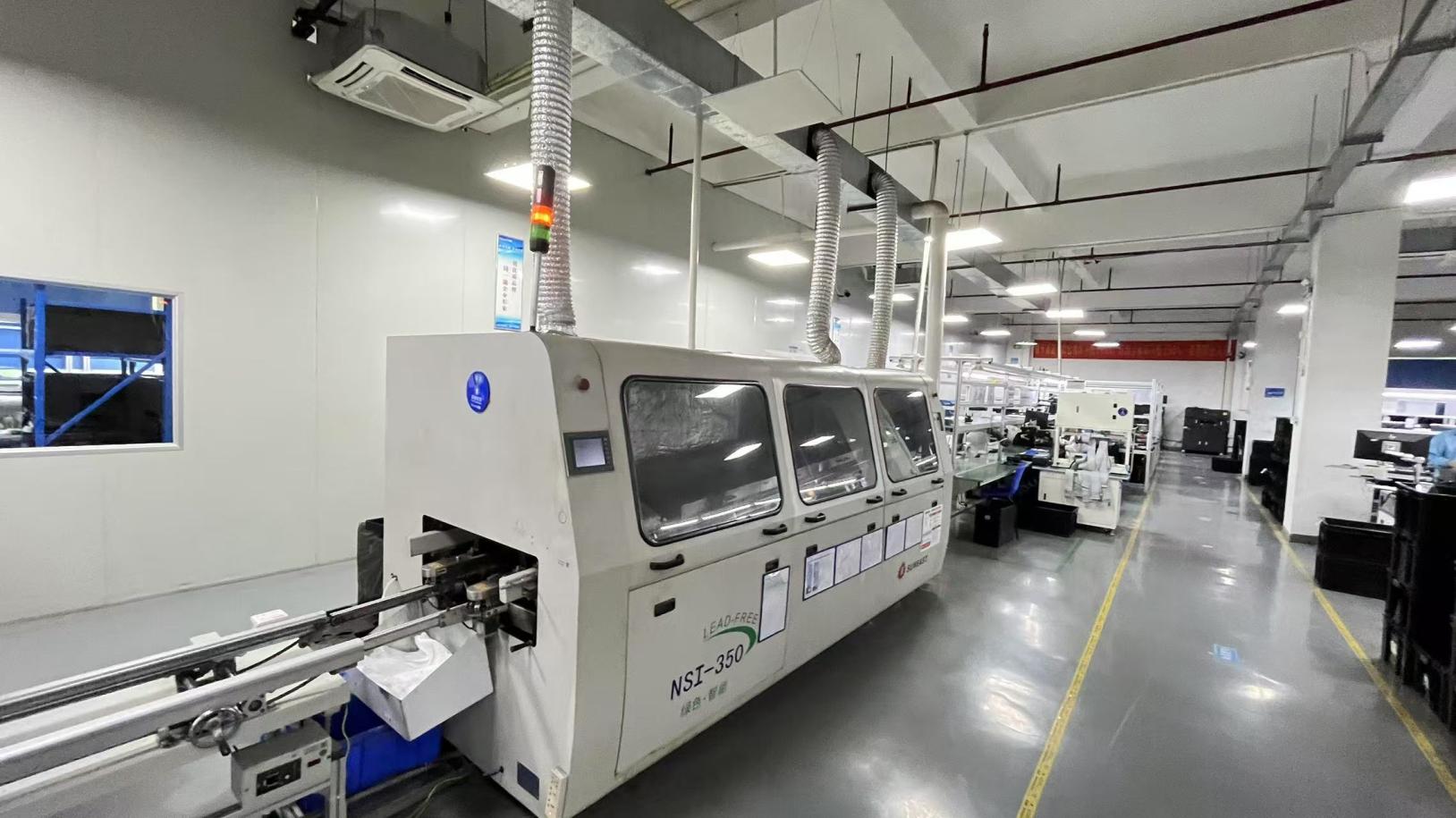
A look inside our 12,600㎡ facility showcasing optical and high-speed electronic manufacturing, quality assurance inspection, and advanced assembly laboratories.


Addressing engineering specifications, customization services, global standards compliance, and shipping logistics for regional procurement departments.
Standard RJ45 connectors generally have heights ranging from 13.5mm to 16.5mm off the PCB. Low-profile RJ45 modular jacks compress this dimension down to under 11.5mm (and in some ultralow variations, down to 8.5mm to 9.5mm), making them ideal for space-critical applications such as thin 1U servers, small IoT gateways, and compact smart meters.
Integrated magnetics contain discrete toroid transformers and common-mode chokes built directly into the metal shielding of the connector jack. This isolates physical networks up to 1500V, protecting delicate PHY transceiver IC chips from electro-static discharge (ESD), transient voltage spikes, and common-mode grid noise, which improves link stability in environments with variable power control.
Yes. Many models are specifically optimized to support IEEE 802.3af (PoE, 15.4W) and IEEE 802.3at (PoE+, 30W) applications. If your project demands high-power PoE++ (up to 90W), our engineering team can custom design the internal transformer pin layout and optimize thermal dissipation margins to prevent local heat concentration.
To resist oxidative degradation, we utilize high-purity phosphor bronze contacts plated with up to 50 micro-inches (50μ") of gold over a nickel underplate. This configuration passes standardized ASTM B117 salt spray testing, maintaining low electrical contact resistance even under high-humidity, high-saline coastal atmospheric conditions.
For standard models, production takes approximately 2 to 3 weeks. Custom adjustments (LED changes, proprietary transformer windings) add about 1 to 2 weeks to development. Air cargo delivery to Lagos requires 5-7 working days, while bulk sea transport takes approximately 30-45 days.
Absolutely. Our manufacturing systems comply with ISO 9001:2015. All communication connectors comply with UL safety certifications, standard IEC 60603-7 parameters, and RoHS and REACH environmental guidelines. We provide standard technical datasheets and inspection certificates to facilitate local SONCAP clearance processes.
We supply diverse configuration options including green, yellow, orange, and red LEDs in single or bi-color options. These are physically isolated from the internal magnetic coils to prevent signal crosstalk, giving technicians a clear view of physical link and packet traffic status.
Yes, we support local research and design. We offer free engineering samples to qualified system integrators, design teams, and telecommunication hardware engineers to verify mechanical fit and electrical performance before committing to volume manufacturing agreements.
Partner directly with FiberQ for volume discounts, customized engineering support, and high-reliability interconnect solutions certified for global infrastructure deployment.
Send Inquiry Now