FiberQ
FiberQ
FiberQ
A Technical Assessment of 40G QSFP+ Architecture Deployment in Modern South Asian Data Ecosystems
Sri Lanka's ICT sector is undergoing a profound structural shift. Driven by initiatives like Port City Colombo's financial zone, extensive regional fiber deployments by Sri Lanka Telecom (SLT-MOBITEL), and the proliferation of private cloud nodes, network architects face unprecedented bandwidth pressures. The transition from legacy 10G SFP+ links to high-density 40G and 100G pipelines has moved from a future roadmap to a present-day operational mandate.
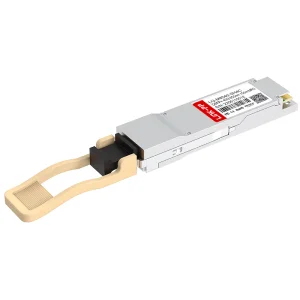
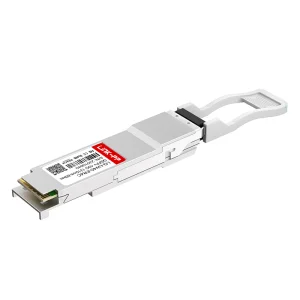
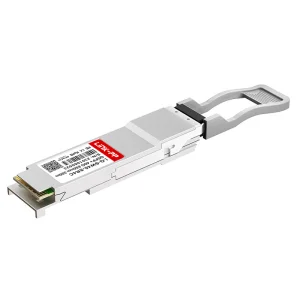
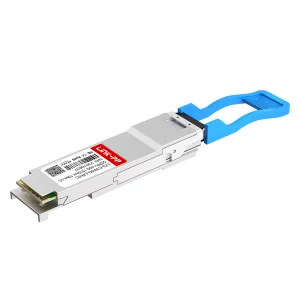
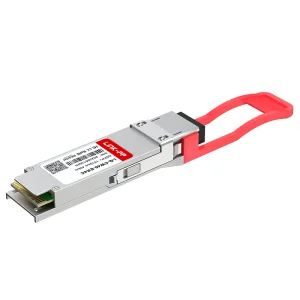
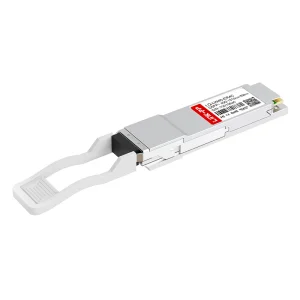
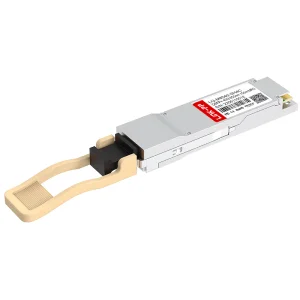
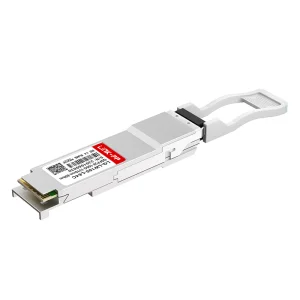
In this landscape, the 40G QSFP+ (Quad Small Form-factor Pluggable Plus) transceiver module serves as the critical workhorse. By utilizing four independent transmission channels—each running at 10 Gbps—these interfaces allow local telecom carriers and large enterprises to scale backplanes, optimize fiber density, and drastically reduce the cost-per-bit. However, deploying optical components in Sri Lanka introduces unique environmental and supply chain challenges, ranging from tropical humidity levels to strict import compliance and regulatory testing protocols set by the Telecommunications Regulatory Commission of Sri Lanka (TRCSL).
Engineered for Sri Lanka’s Telecom Carrier Core Networks and High-Performance Enterprise Server Farms
Sri Lanka's coastal locations, especially near Colombo's shipping hubs, exhibit average relative humidity levels exceeding 85% year-round. This severe atmosphere introduces moisture ingress hazards for active optical components. For optical transceivers, dust particles mixed with moisture can create micro-deposits on the LC or MPO fiber connector interfaces, scattering the 850nm/1310nm laser beams and causing severe packet drops.
To counteract this, FiberQ's 40G QSFP+ transceivers employ state-of-the-art hermetic sealing technologies and gold-plated pins. This protects the internal Distributed Feedback (DFB) lasers and optical sub-assemblies from degradation, ensuring an operational lifetime exceeding 100,000 hours even in non-air-conditioned edge-computing cabinets deployed across the Jaffna or Trincomalee provinces.
When enterprise engineering groups buy 40G infrastructure, the primary point of failure is compatibility. A standard Cisco, Juniper, or Huawei switch has strict EEPROM encryption verification. If a third-party transceiver doesn't have custom code, the switch port shuts down automatically.
FiberQ Photonics utilizes an in-house programming database containing over 140 mainstream switch vendor algorithms. This allows us to write vendor-specific compatibility code directly onto the MCU of each 40G QSFP+ module shipped to Sri Lankan integrators.
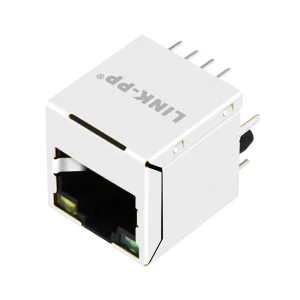
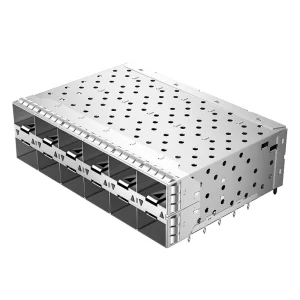
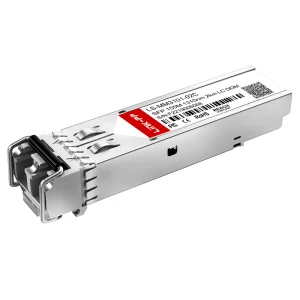
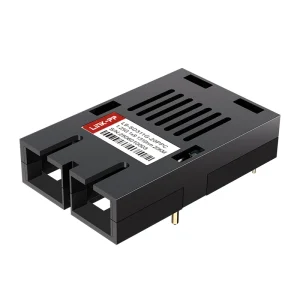
From Long-Distance 40G/100G Uplinks to Legacy SFP Modules and Industrial Connectors
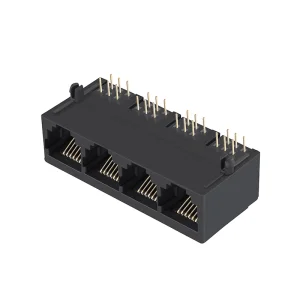
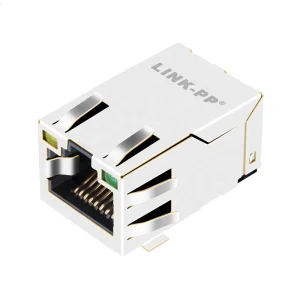
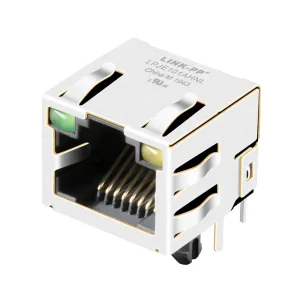
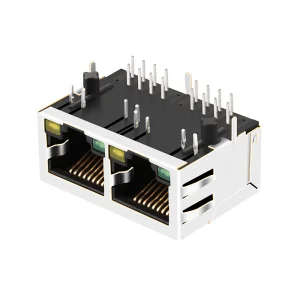
Ensuring End-to-End Carrier Integration from Central Office Fiber to Customer Premise Copper Distribution
A Globally Certified High-Performance Photonic Transceiver Manufacturer with Scaled Customization Capabilities
FiberQ Photonics Technology Co., Ltd. is a professional manufacturer specializing in high-performance fiber optic transceivers and advanced photonic communication solutions for data centers, telecom networks, and high-speed interconnect applications. Founded in 2015, the company has grown into a trusted global supplier with strong engineering and export capabilities.
Operating a state-of-the-art production facility of approximately 12,600㎡, FiberQ supports large-scale industrial runs and precise component alignment. With an annual export revenue exceeding USD 9.5 million, FiberQ combines 6 years of direct export compliance experience with 12 years of industry-leading R&D expertise.
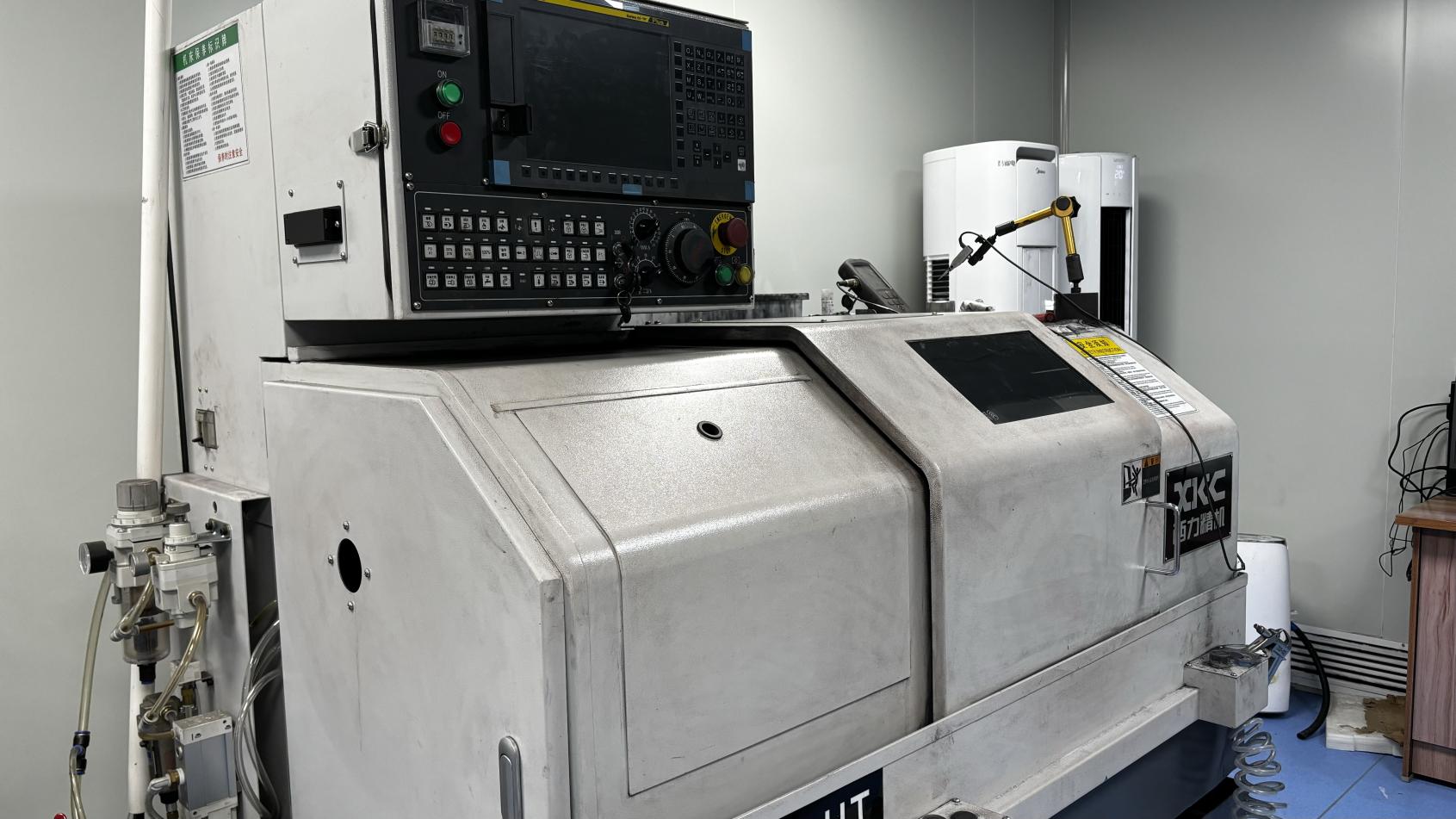
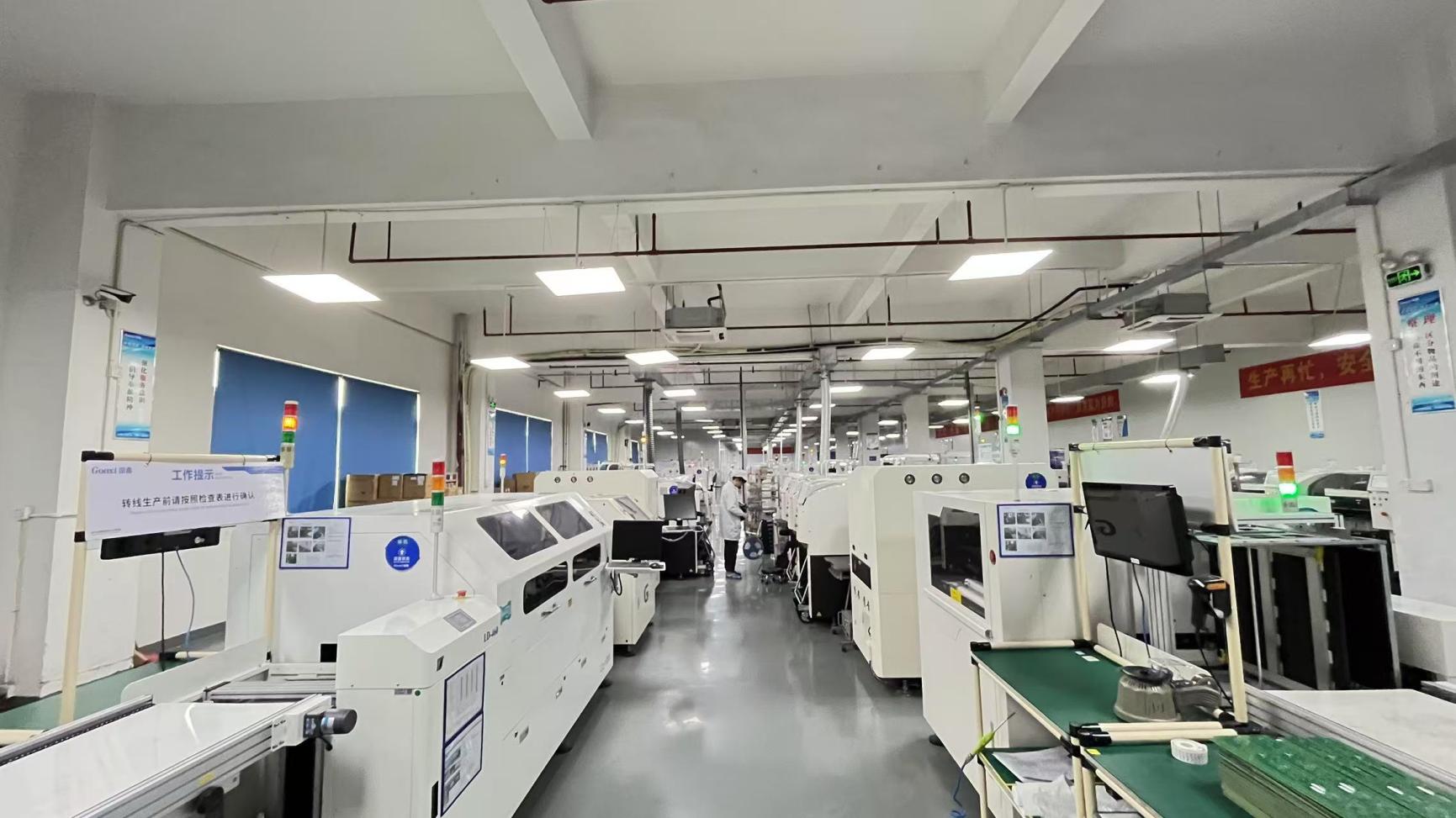
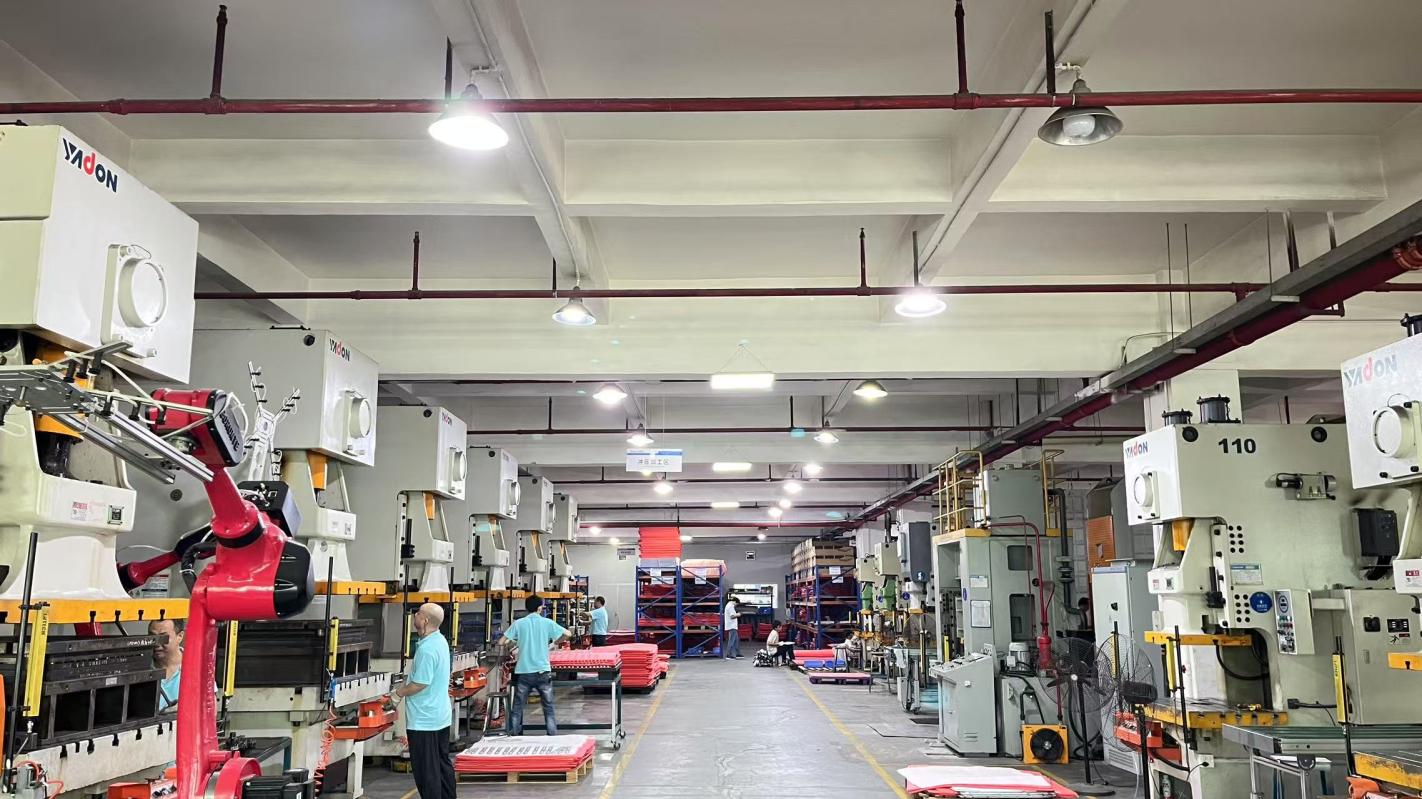
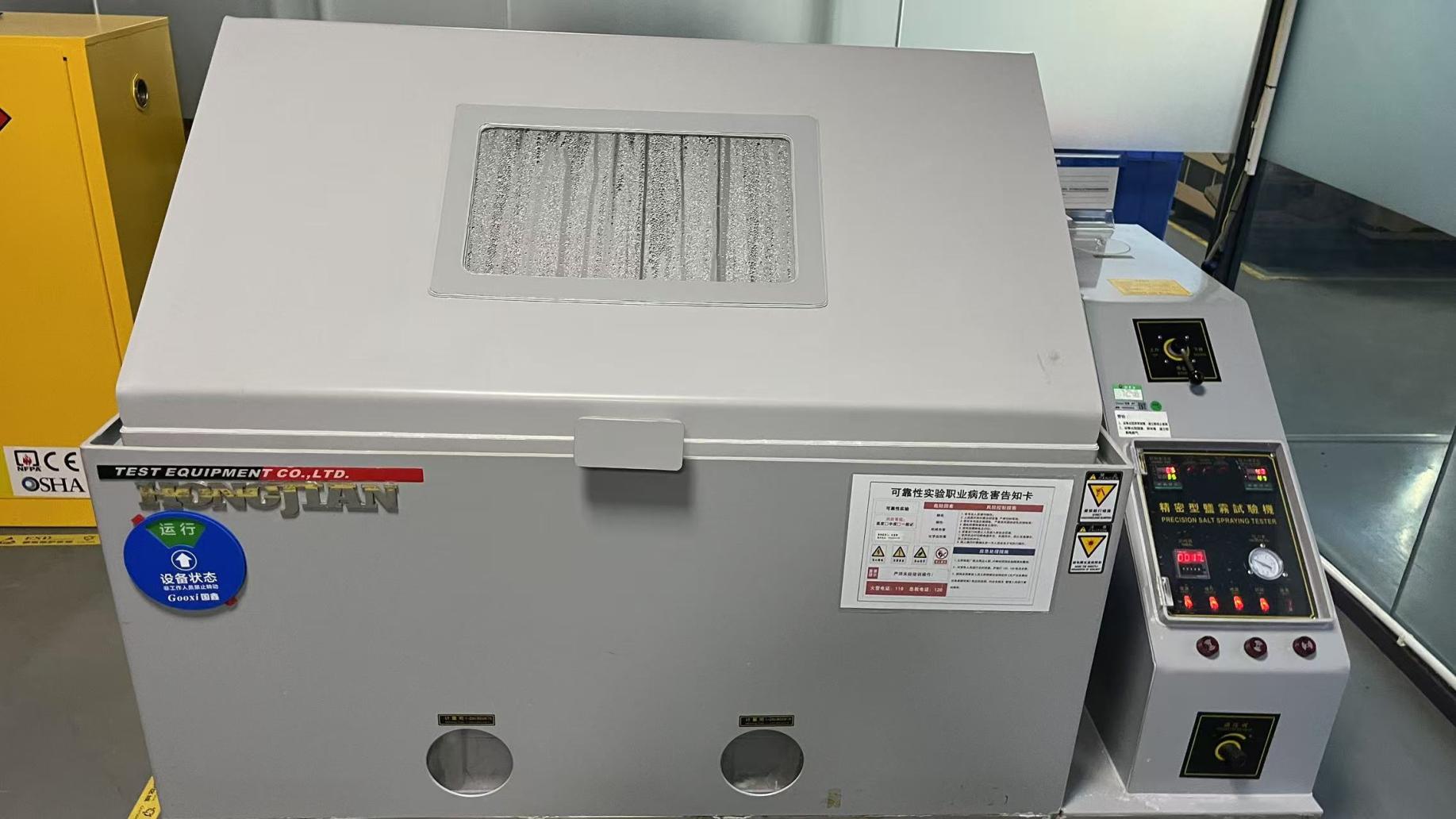
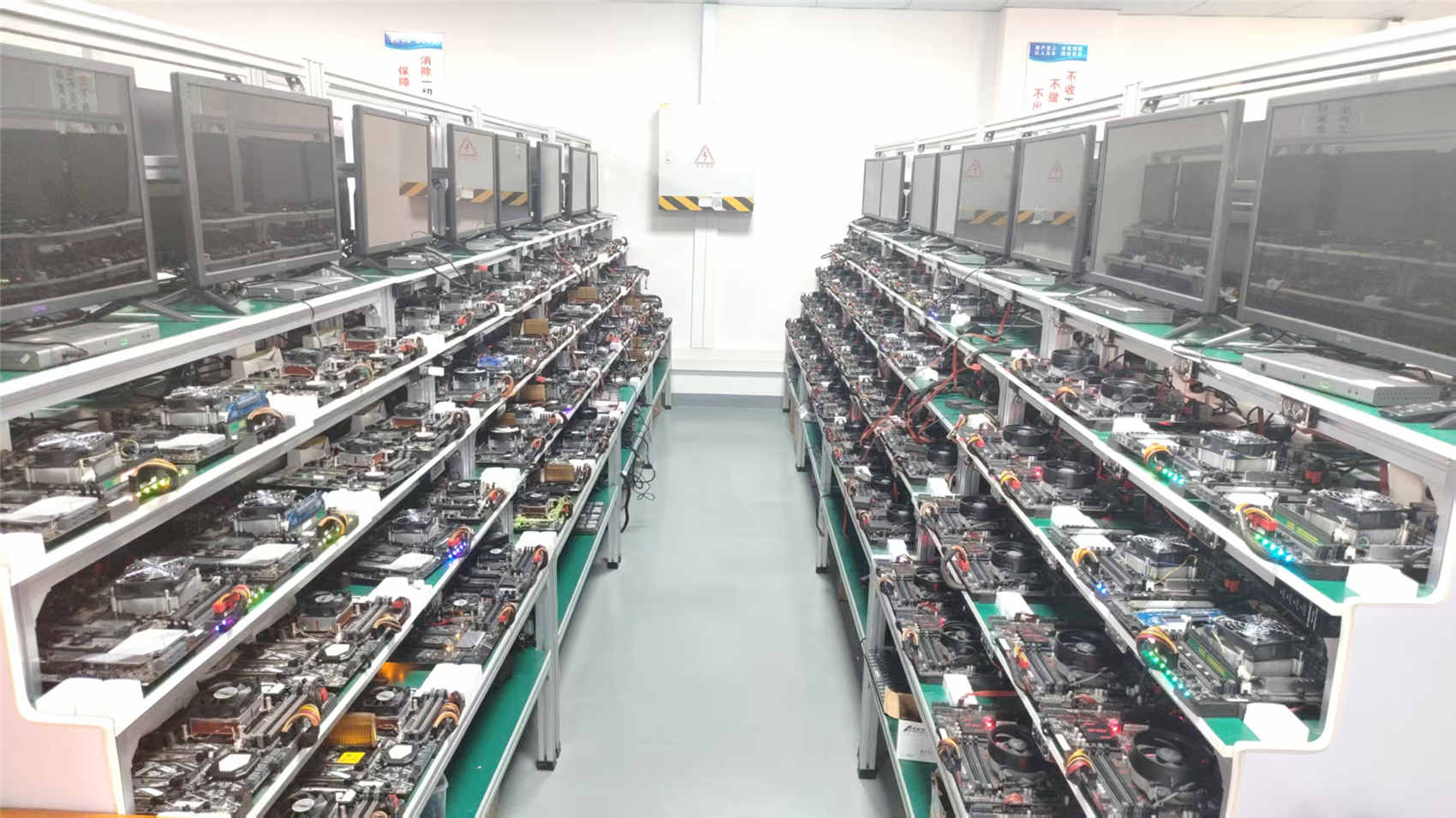
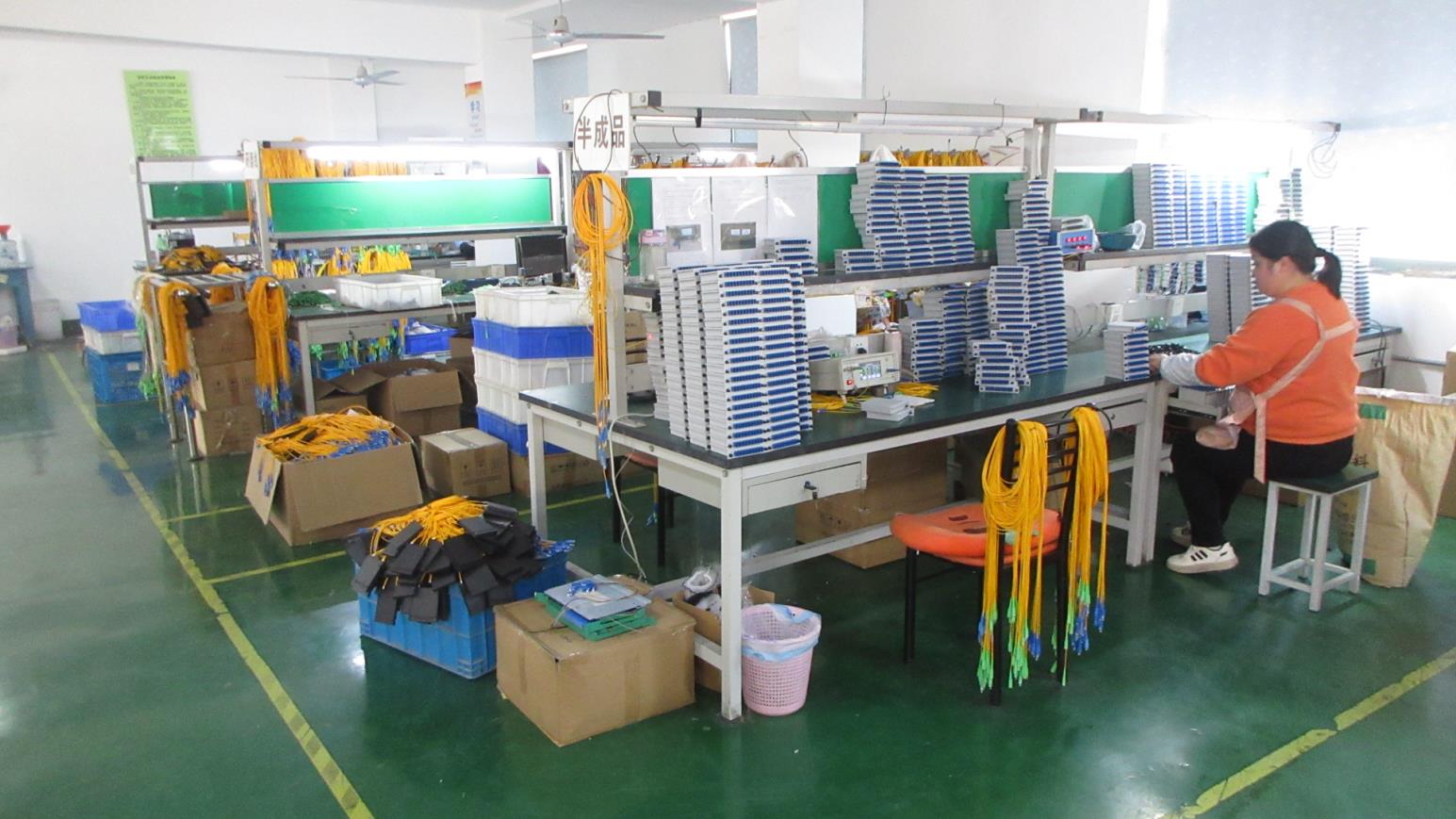
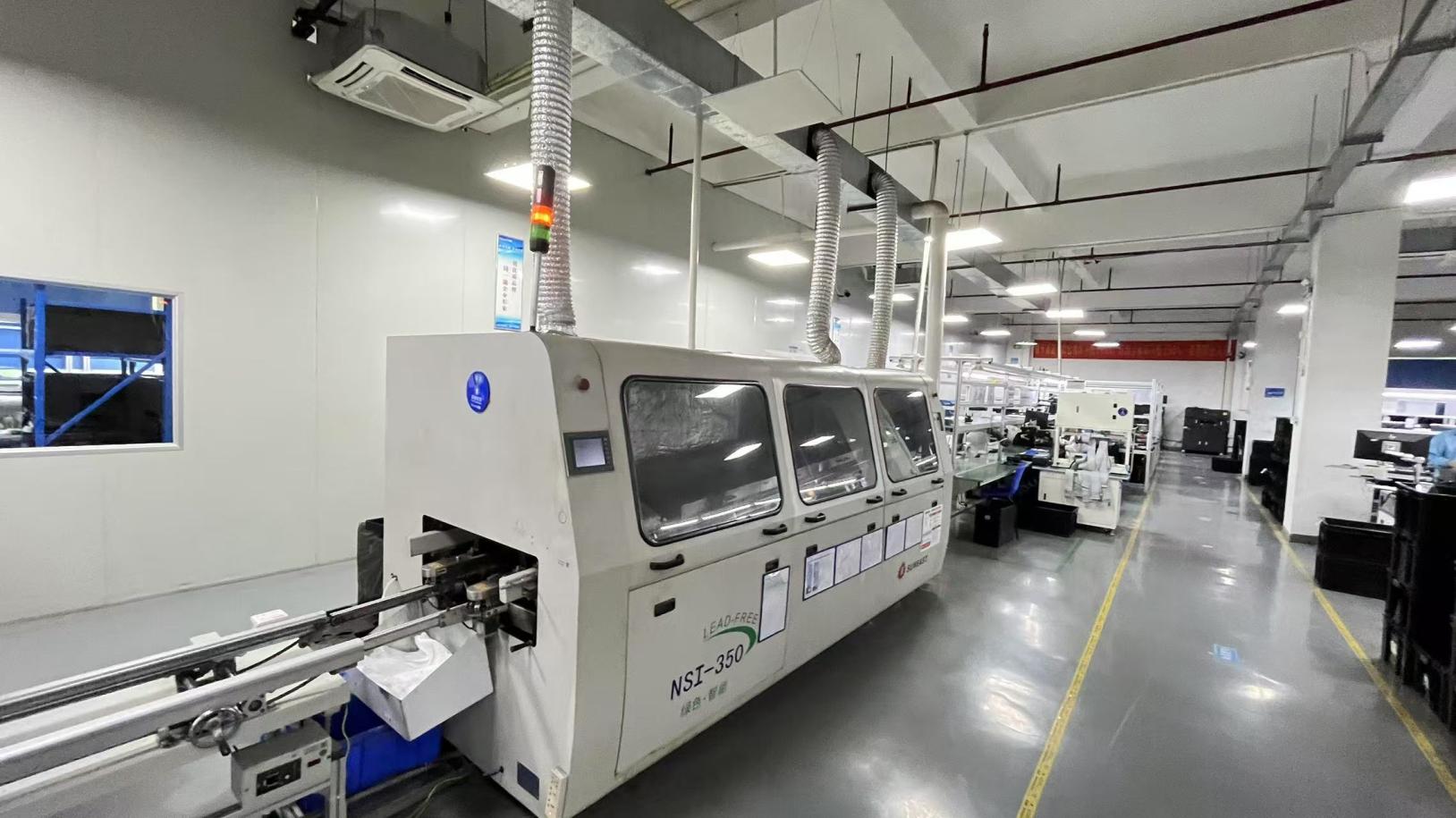
Quality assurance is systematically executed via Automated Optical Performance Testing, Interferometric Inspections to verify fiber core geometry, High-Temperature Dynamic Aging Chambers simulating extreme outdoor network nodes, and manual inspections. The department consists of 62 dedicated inspectors ensuring zero-defect deployments for critical trunk links.
Our OEM/ODM services enable complete compatibility engineering (with global switch brands), custom wavelength spacing, thermal architecture enhancement, and custom-designed form factors. Empowered by 240 R&D engineers, FiberQ launched over 180 new telecom products last year alone, driving innovation throughout the international transceiver market.
Understanding Future Bandwidth Demands for Local Internet Service Providers and Industrial Nodes
A major benefit of deploying 40G QSFP+ modules is system backward-compatibility. Using a standard MPO-12 to 4x LC breakout fiber assembly, network engineers can split a single 40G switch port into four 10G SFP+ channels. This configuration allows ISPs in Colombo to slowly update legacy distribution switches without performing a costly wholesale replacement of physical infrastructure.
As data demands shift toward 400G and 800G, traditional NRZ modulation (used in 40G) is replaced by PAM4 (Pulse Amplitude Modulation 4-Level) and coherent detection. While 40G QSFP+ remains the most cost-effective solution for regional loops under 80km, local telecom teams must structure their fiber layouts to support higher dispersion management and lower insertion loss tolerances required by future PAM4 technologies.
With a supply network comprising over 1,450 partners, FiberQ guarantees component availability and price stability even during global chip shortages. Our engineering support includes:
Addressing Common Engineering, Compliance, and Logistic Inquiries from Sri Lankan Buyers
Whether you are designing a high-capacity campus backbone in Kandy, expanding carrier facilities in Colombo, or upgrading legacy switches to 40G/100G lanes, our technical sales engineers will help you select the exact optical configuration you need.
Send Inquiry Now