FiberQ
FiberQ
FiberQ
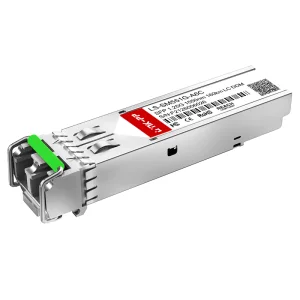
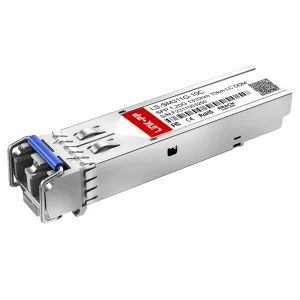
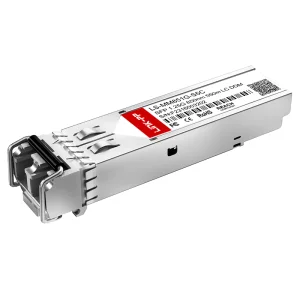
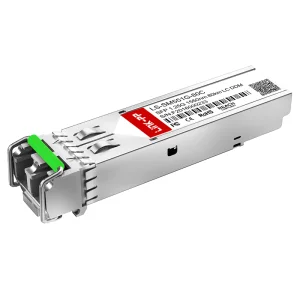
Optimized gigabit optical solutions engineered to interface seamlessly with regional enterprise switch nodes and carrier access networks.
Seattle, Washington is a premier global epicentre of cloud computing and software architecture, housing the main headquarters and strategic infrastructure hubs of tech titans. With massive multi-tenant data center spaces in Tukwila, SeaTac, Kent, and extensive regional fiber connections spanning the Cascades into the hyper-scale zones of Eastern Washington, the regional optical landscape is exceptionally complex.
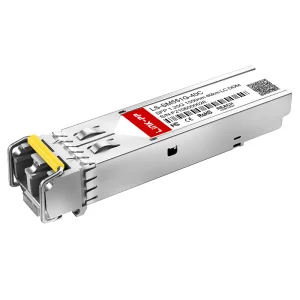
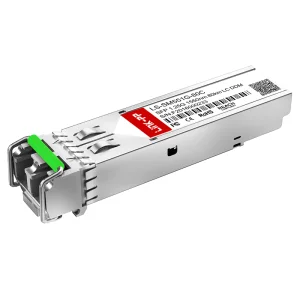
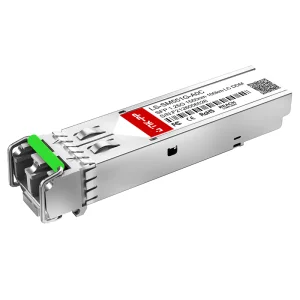
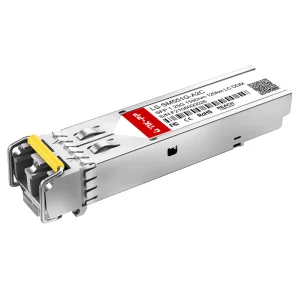
While hyper-scale data transmission commands 100G, 400G, and 800G pathways, 1.25G SFP (Small Form-factor Pluggable) modules remain critical components for metropolitan access rings, industrial automation, municipal network links, and edge distribution nodes. Municipal infrastructure, such as the Seattle IT Department’s extensive dark fiber networks and King County’s Institutional Network (I-Net), relies heavily on robust 1.25G optical interfaces to maintain cost-efficient, long-term operational resilience for regional institutions, utilities, and marine transport networks.
Furthermore, local industrial giants operating in aviation logistics, clean energy transmission, and maritime shipping at the Port of Seattle require optical interfaces that can withstand harsh, humid climates. This demands transceiver components built with exceptional thermal resilience, reliable optoelectronics, and strict Multi-Source Agreement (MSA) compatibility to prevent high-cost system downtime.
Within Seattle's technology corridor, 1.25G SFP transceivers are primarily deployed in three crucial edge architecture scenarios:
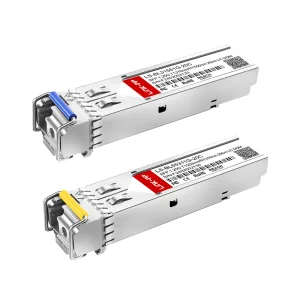
By leveraging advanced technologies such as Bidirectional (BiDi) simplex transmission, network engineers can double optical fiber capacity on existing runs, providing immediate CAPEX relief to regional service providers facing dense metropolitan infrastructure limitations.
Engineered to link high-speed switch ports to standard local copper networks and legacy fiber infrastructures across Seattle.
Selecting the appropriate 1.25G SFP module requires a precise understanding of the physical layers governing optical fiber transmission. Single-Mode Fiber (SMF) and Multimode Fiber (MMF) require different laser configurations to prevent signal degradation over distance:
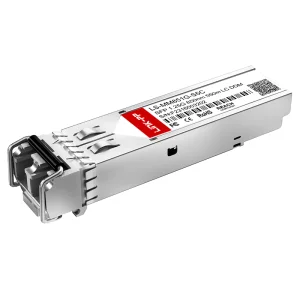
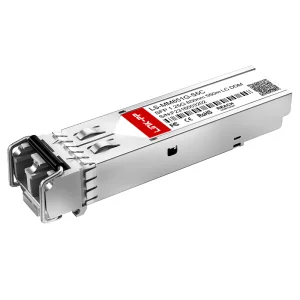
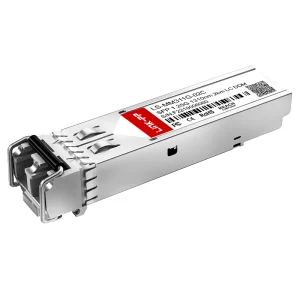
Multimode Fiber (MMF): Utilizing 850nm VCSEL (Vertical-Cavity Surface-Emitting Laser) transmitters, MMF systems are designed for short-range transmission (up to 550m). These systems are widely used in enterprise datacenters because they feature larger core diameters (50μm or 62.5μm) that simplify connection alignment and lower installation costs.
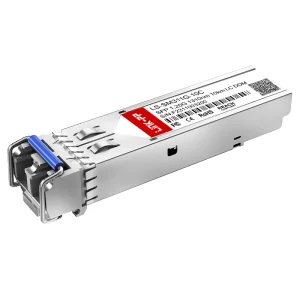
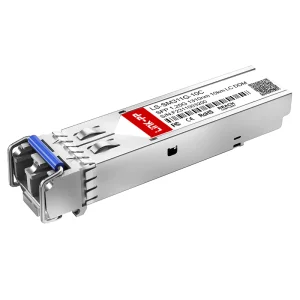
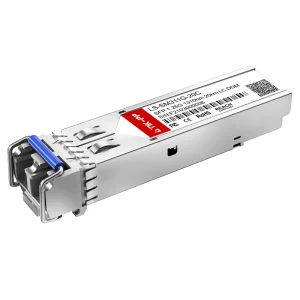
Single-Mode Fiber (SMF): To achieve longer distances (from 10km up to 160km), SMF utilizes Fabry-Perot (FP) or Distributed Feedback (DFB) lasers operating at 1310nm or 1550nm. The narrow core of single-mode fiber (9μm) limits modal dispersion, allowing light signals to travel long distances with minimal attenuation.
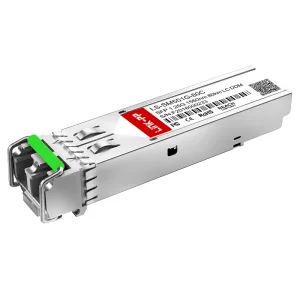
For long-distance runs (such as the 1000BASE-EZX 120km or 1000BASE-ZXC 160km modules), managing chromatic dispersion is critical. FP and DFB lasers operating at 1550nm minimize signal loss, preserving pulse integrity over long optical links without requiring inline amplifiers.
For network operations centers (NOCs) managing large enterprise infrastructure, manual port troubleshooting is costly and inefficient. Advanced 1.25G SFP modules feature Digital Optical Monitoring (DOM), also known as Digital Diagnostic Monitoring (DDM), in accordance with the industry-standard SFF-8472 specification.
DOM allows real-time measurement of key physical parameters, enabling engineers to monitor transceiver health directly from the switch console:
Implementing DOM-capable transceivers helps Seattle operators reduce dispatch costs (truck rolls) and meet strict Service Level Agreements (SLAs) for network uptime.
How FiberQ Photonics balances high-efficiency production with strict quality control to supply critical telecom infrastructure.
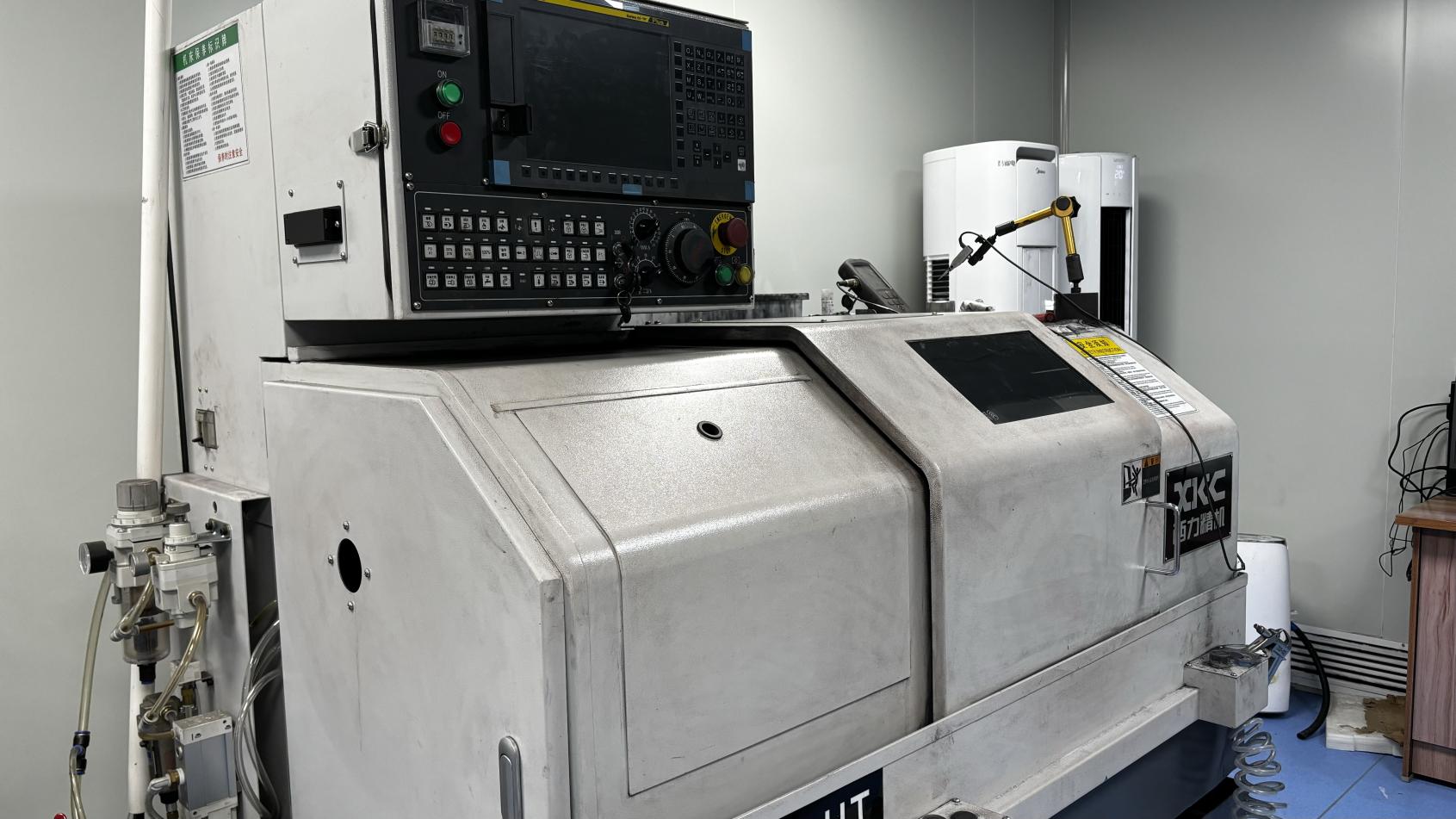
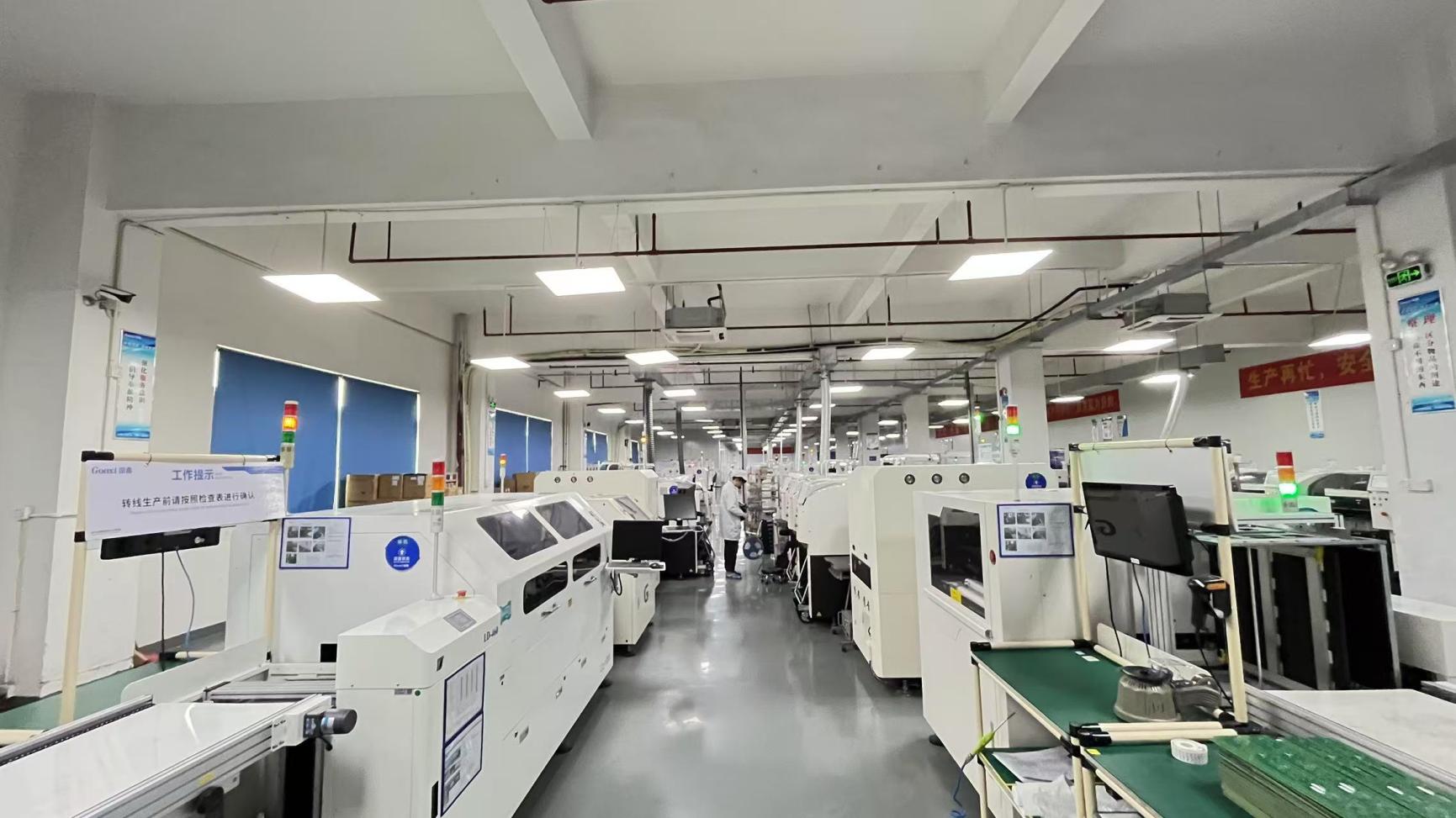
As a leading developer in advanced optical communication, FiberQ Photonics Technology Co., Ltd. operates a modern 12,600㎡ manufacturing facility designed for precision optical assembly and high-volume production. We control manufacturing costs while maintaining high quality, allowing us to supply reliable optical solutions to competitive markets like Seattle.
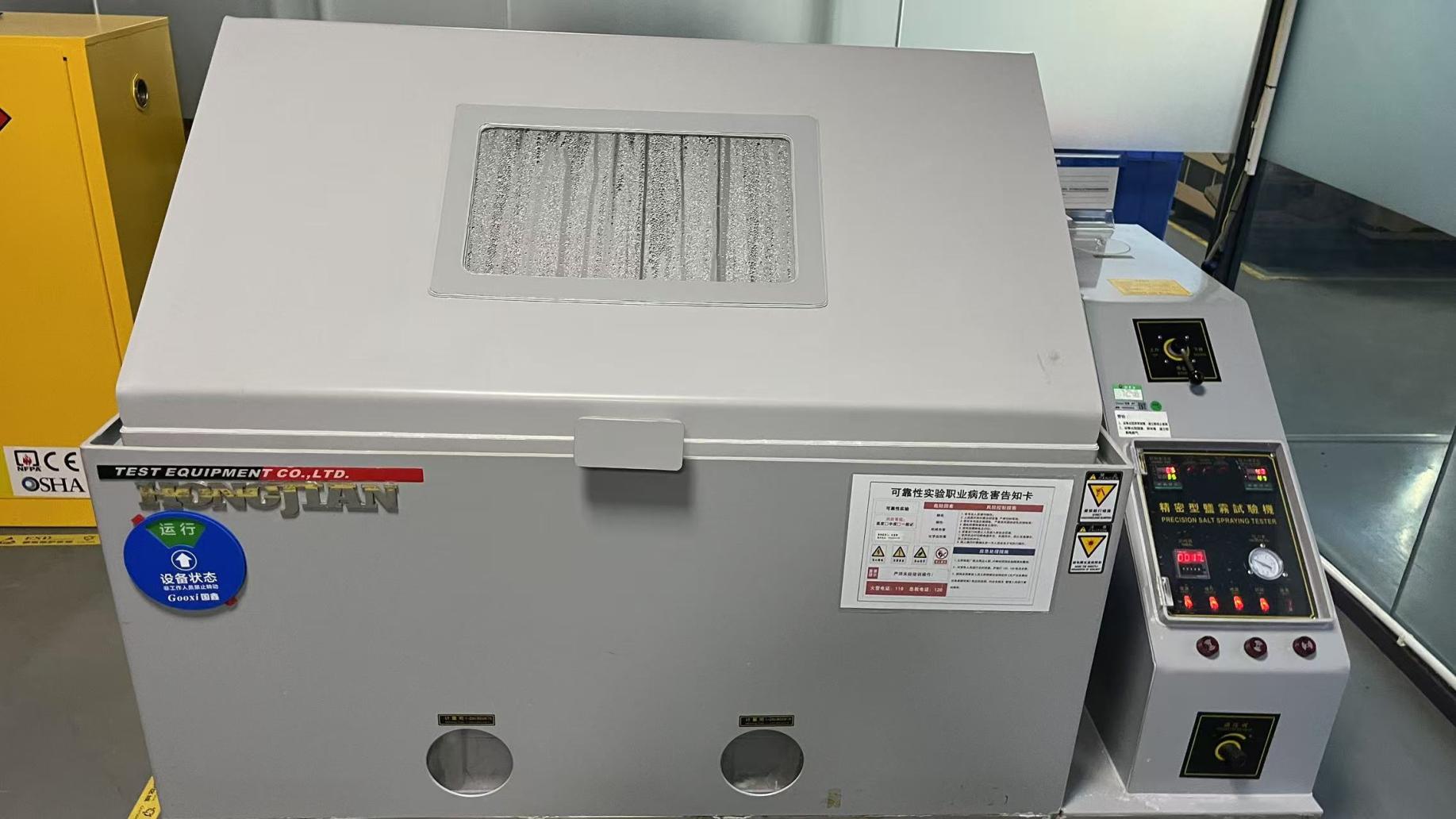
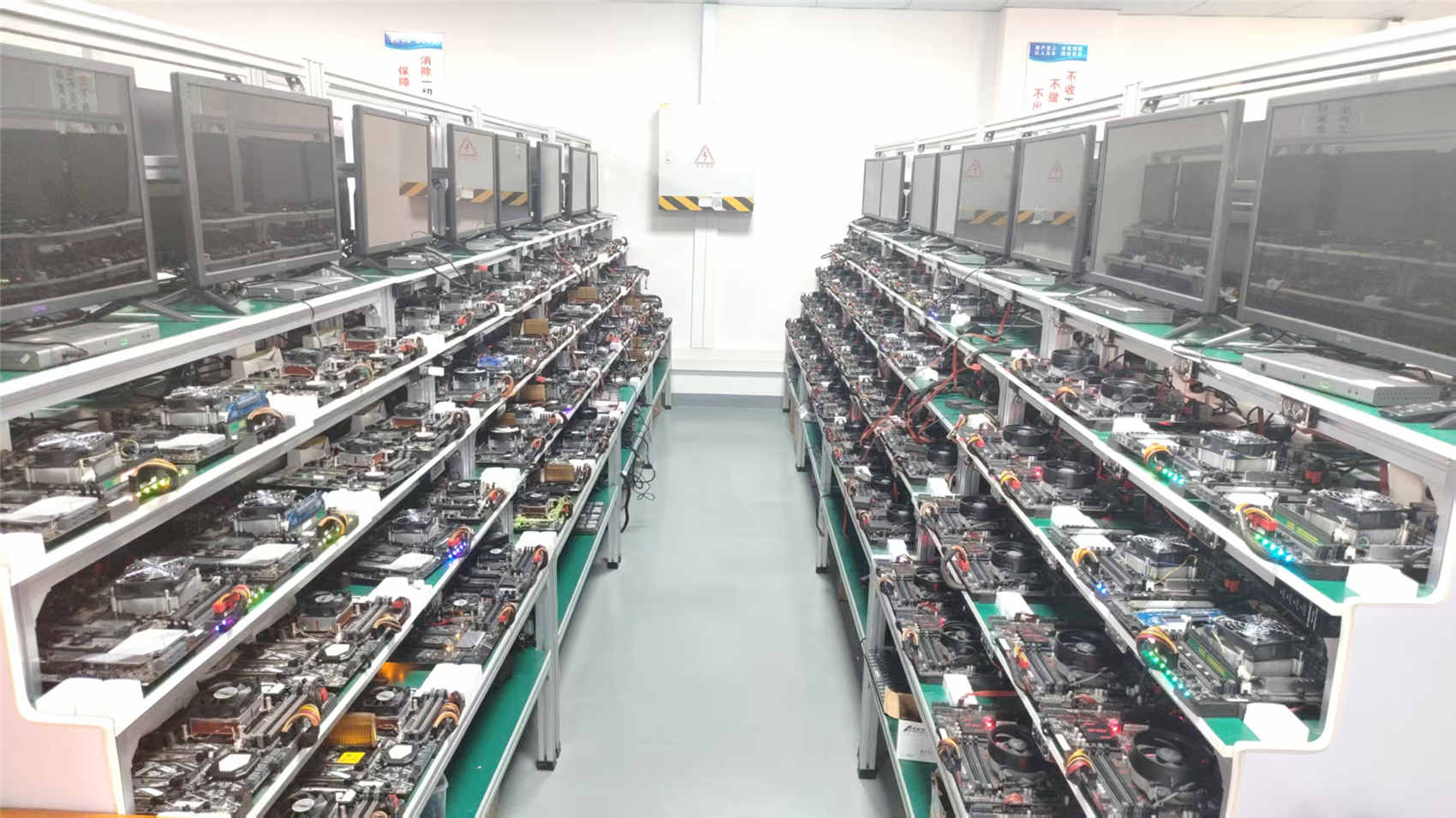
Each SFP module undergoes a rigorous, multi-stage testing process to ensure reliability under varying environmental conditions:
Managed by a dedicated team of 62 experienced quality control inspectors, FiberQ ensures that every transceiver shipped meets global telecommunication standards.
Navigating global supply chain volatility is a critical priority for IT procurement teams in the Pacific Northwest. FiberQ Photonics maintains deep integration with approximately 1,450 trusted supply chain partners. This broad network ensures stable access to core optoelectronic components, such as high-grade InGaAs photodetectors and premium laser diodes, shielding our clients from sudden market shortages.
With an annual export value of approximately USD 9.5 million, FiberQ possesses over 6 years of international trade experience and 12 years of industry engineering experience. This allows us to offer customized solutions for complex multi-vendor network designs:
Backed by 240 specialized R&D engineers, FiberQ introduced approximately 180 new products last year, continuously adapting to the evolving demands of the optical communication industry.
High-power, specialized SFP modules designed for long-distance transport, multi-vendor switching networks, and complex fiber-to-the-node architectures.
A common challenge in large enterprise networks is hardware locks implemented by major switch manufacturers. System upgrades often fail when generic transceivers are rejected by host switches running proprietary network operating systems.
FiberQ resolves this issue through our custom EEPROM coding solutions. Our engineers customize the internal microcontroller coding on our SFP modules, ensuring compatibility across a wide range of platforms:
By complying with SFP Multi-Source Agreement (MSA) standards, our modules integrate seamlessly into multi-vendor environments. This allows operators to scale their networks without being locked into expensive proprietary accessories.
Deployments in Seattle municipal, government, and educational networks must comply with strict national and international standards. Our manufacturing processes are designed to meet these safety, quality, and environmental requirements:
FCC Part 15 Class B Compliance: Prevents electromagnetic interference with nearby wireless networks, which is critical in dense corporate office corridors.
RoHS & WEEE Directive Alignment: Minimizes hazardous substances in production, ensuring components are environmentally responsible and meet strict regional recycling regulations.
Additionally, FiberQ transceivers carry the CE mark, indicating they meet safety, health, and environmental standards for global markets. This ensures they conform to the high standards expected by IT directors in the Pacific Northwest.
An inside look at our 12,600㎡ modern manufacturing center, dedicated optical testing rooms, and high-volume assembly lines.

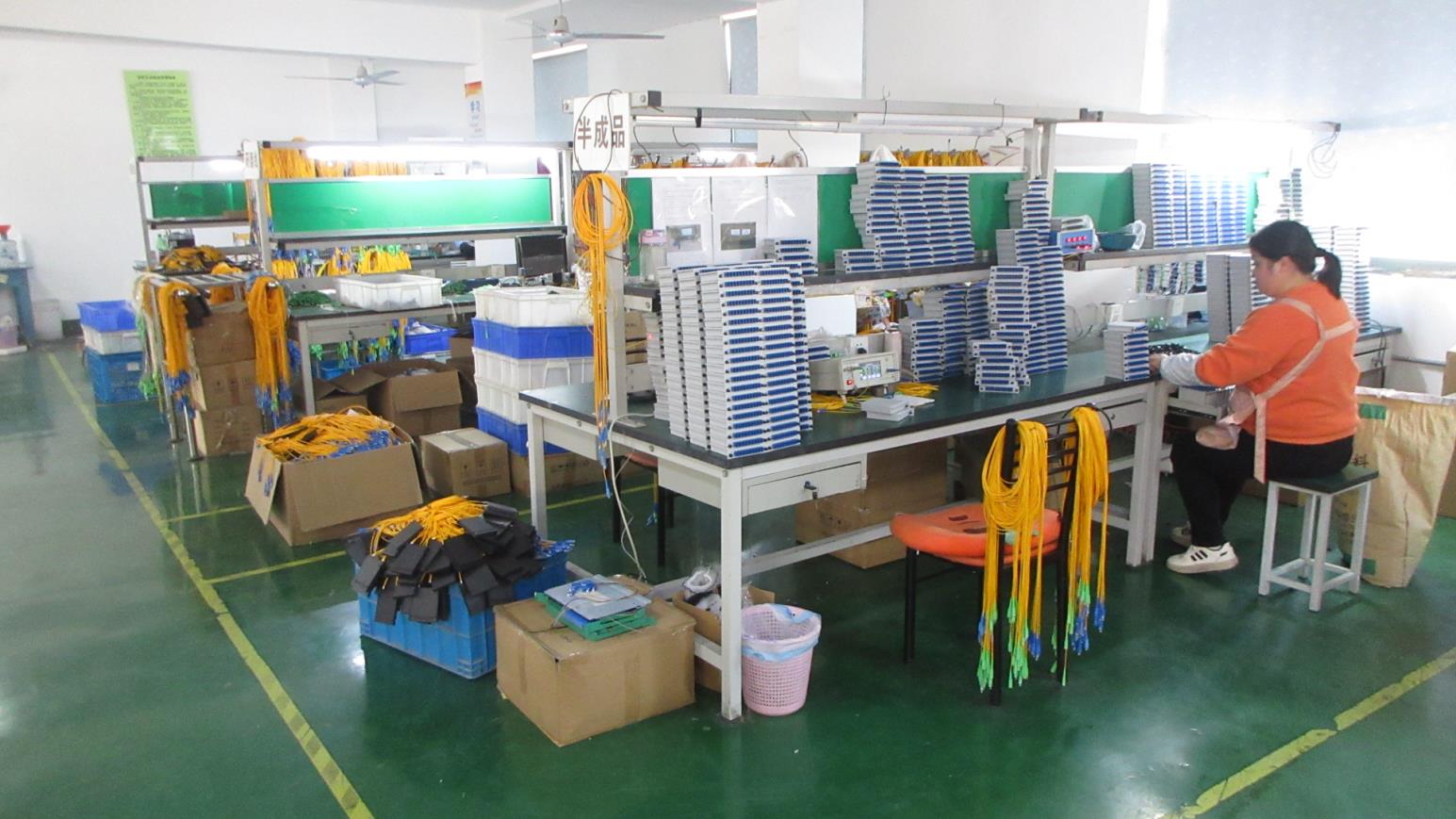
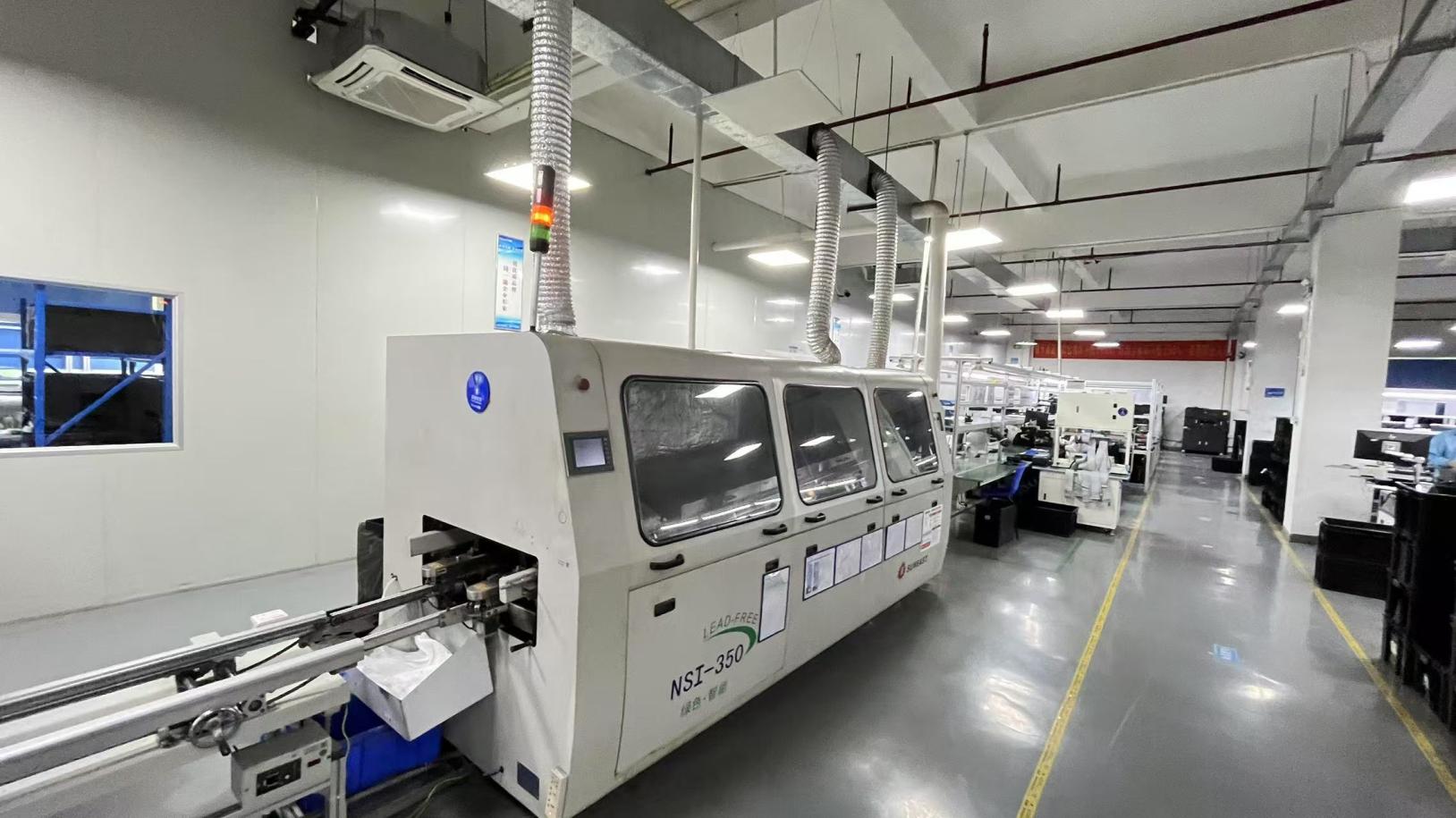
Answers to technical and logistics questions regarding the deployment of 1.25G SFP modules in municipal and enterprise networks.
Yes. Our transceivers are configured with custom EEPROM coding before shipment. This ensures compatibility with most major networking brands, including Cisco (Catalyst and Nexus systems), Arista, Juniper, HP, and Ubiquiti, allowing them to pass all hardware verification tests without generating port errors.
Duplex SFP modules use two dedicated fiber strands—one for transmitting (TX) and one for receiving (RX). BiDi (Bidirectional) SFP modules transmit and receive signals over a single fiber strand by using Wavelength Division Multiplexing (WDM) (for example, transmitting at 1310nm and receiving at 1550nm). This allows network operators to double the bandwidth capacity of existing fiber infrastructure without laying new cables.
Yes. Many of our 1.25G SFP transceivers include DOM capabilities that meet the SFF-8472 standard. This feature provides network administrators with real-time telemetry on key parameters like transmitter output power, received optical power (RSSI), laser bias current, module operating temperature, and supply voltage.
We work with global express shippers (DHL, FedEx, UPS) and major freight forwarders to ensure reliable delivery to the Pacific Northwest. With over six years of export experience and standardized customs clearing procedures, we maintain predictable shipping timelines for both ongoing projects and urgent inventory needs.
Our optical transceivers are compliant with international standards, carrying FCC Part 15 (Class B), CE, RoHS, and WEEE marks. This ensures compatibility with environmental and electromagnetic emissions standards for use in public, enterprise, and government networks.
Our quality control process includes automated optoelectronic testing, interferometric fiber-end inspection, high-temperature aging chambers, and multi-vendor compatibility verification. With 62 dedicated quality control inspectors, we test every batch of transceivers to ensure stable performance and low failure rates.