FiberQ
FiberQ
FiberQ
Engineered for exceptional compatibility and reliable optical transit across Manila's campus and enterprise networks.
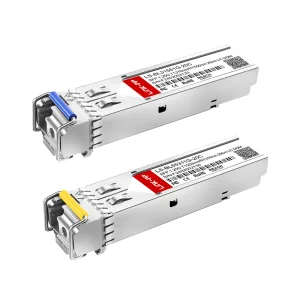
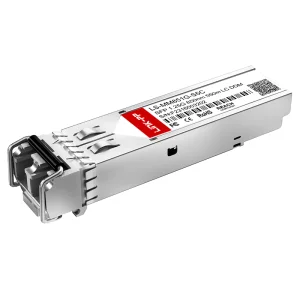
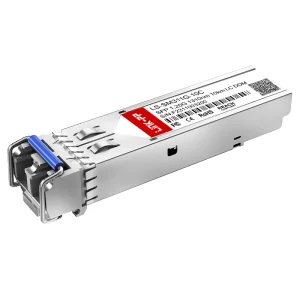
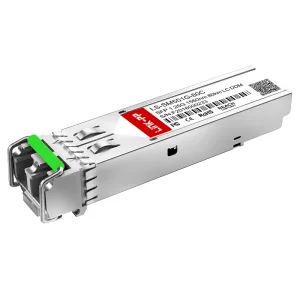
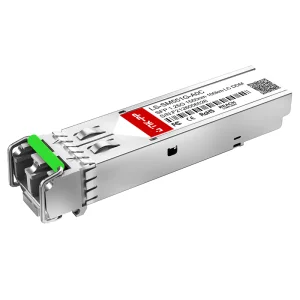
Metro Manila is the economic epicentre of the Philippines, witnessing a monumental transformation powered by rapid digitalization, massive infrastructure projects under the national broadband frameworks, and a skyrocketing demand for high-capacity enterprise connections. Makati, Bonifacio Global City (BGC), and Ortigas Center host hundreds of Fortune 500 enterprises, massive Business Process Outsourcing (BPO) hubs, and hyperscale data centers. To support this relentless volume of data transit, robust telecommunication architectures must leverage highly reliable optical transceiver solutions.
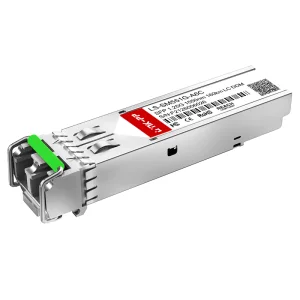
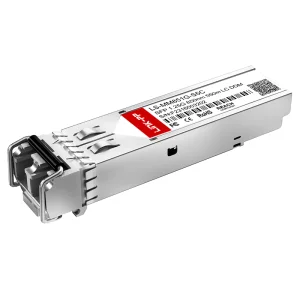
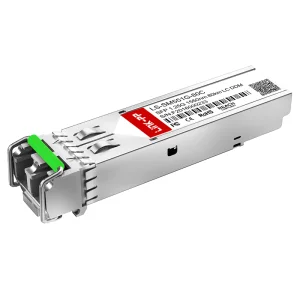
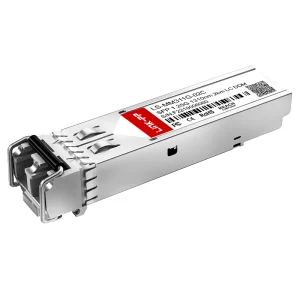
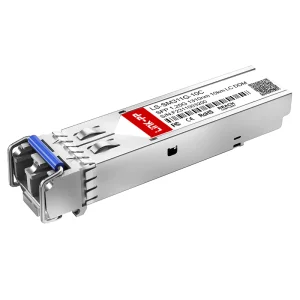
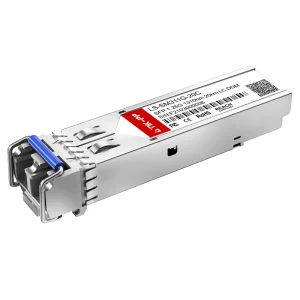
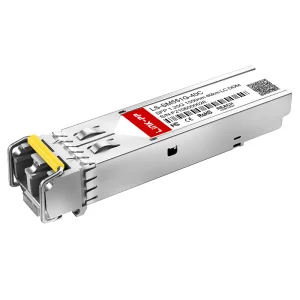
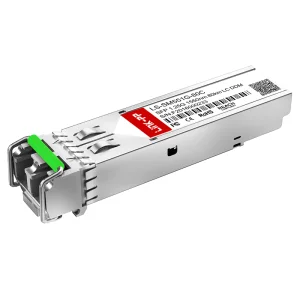
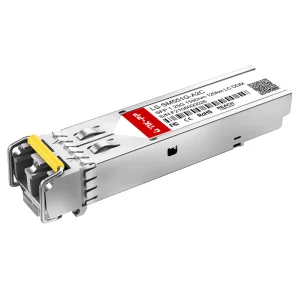
While next-generation networks are evolving toward 100G, 400G, and even 800G in data center backbones, the 1.25G SFP (Small Form-factor Pluggable) module remains the absolute workhorse for access layers, Gigabit Ethernet (GbE) deployments, FTTH (Fiber-to-the-Home) GPON/EPON architectures, and local enterprise area networks. It is the cost-effective, hyper-compatible standard that links distribution routers to local switches, remote office terminals, and security monitoring setups across Metro Manila's complex industrial landscape.
The BPO sector operates 24/7/365, meaning network downtime translates directly to financial loss. SFP modules must deliver absolute reliability. FiberQ's 1.25G SFP transceivers support digital optical monitoring (DOM) to allow network administrators in Manila to trace temperature, voltage, and laser currents in real-time, preventing failures before they interrupt continuous operations.
From CCTV traffic monitoring arrays along EDSA to communication frameworks inside the LRT and MRT transit systems, 1.25G fiber modules act as critical bridge elements. Using multi-mode systems for short distance terminal hubs and single-mode variants for long-distance link extensions up to 160km, Manila's systems operate smoothly under demanding tropical environments.
Tailored for critical enterprise routing, campus fiber loops, and long-range metropolitan networks.
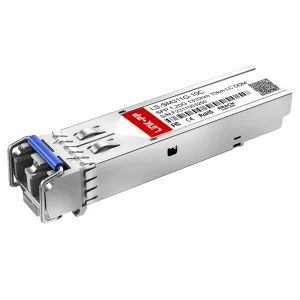
Deploying telecommunication hardware in the Philippines presents unique geographic and environmental challenges. Network operators in Metro Manila must source hardware engineered to endure severe local realities:
| Transceiver Parameter | Commercial Grade (Indoor Hubs) | Industrial Grade (Outdoor/Enclosures) | Relevance to Metro Manila Deployments |
|---|---|---|---|
| Operating Temp | 0°C to 70°C | -40°C to 85°C | Essential for roadside traffic boxes and unconditioned telecom closets. |
| Humidity Profile | 5% to 85% Non-condensing | 5% to 95% Condensing (sealed) | Resists moisture-induced optical path clouding during monsoon seasons. |
| MTBF Rating | >1,000,000 Hours | >3,500,000 Hours | Guarantees 24/7 operation in remote cell tower sites. |
| DOM Support | Optional / Standard | Mandatory with Calibration | Provides diagnostic telemetry (Rx/Tx power, temperature) to NOCs. |
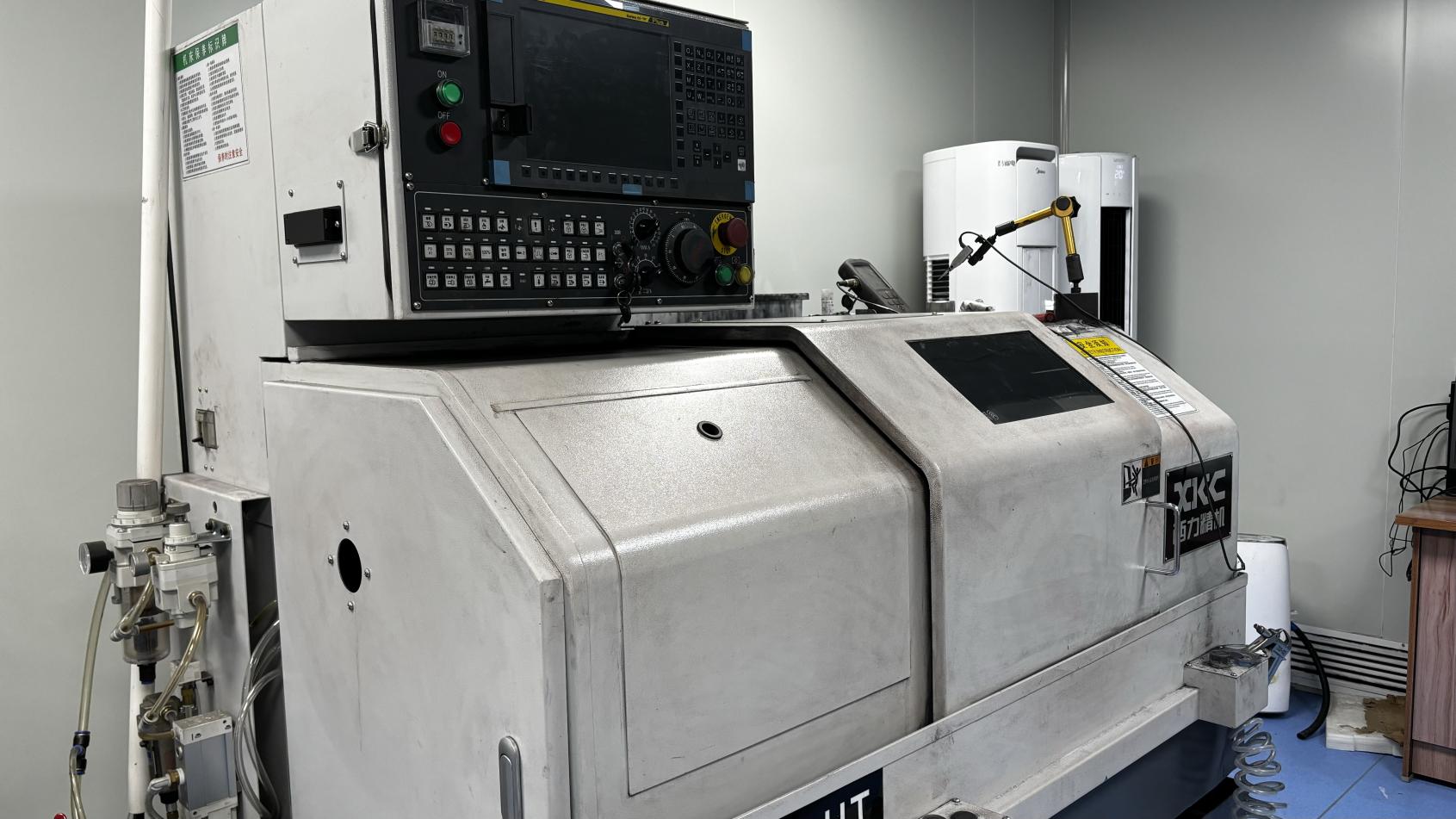
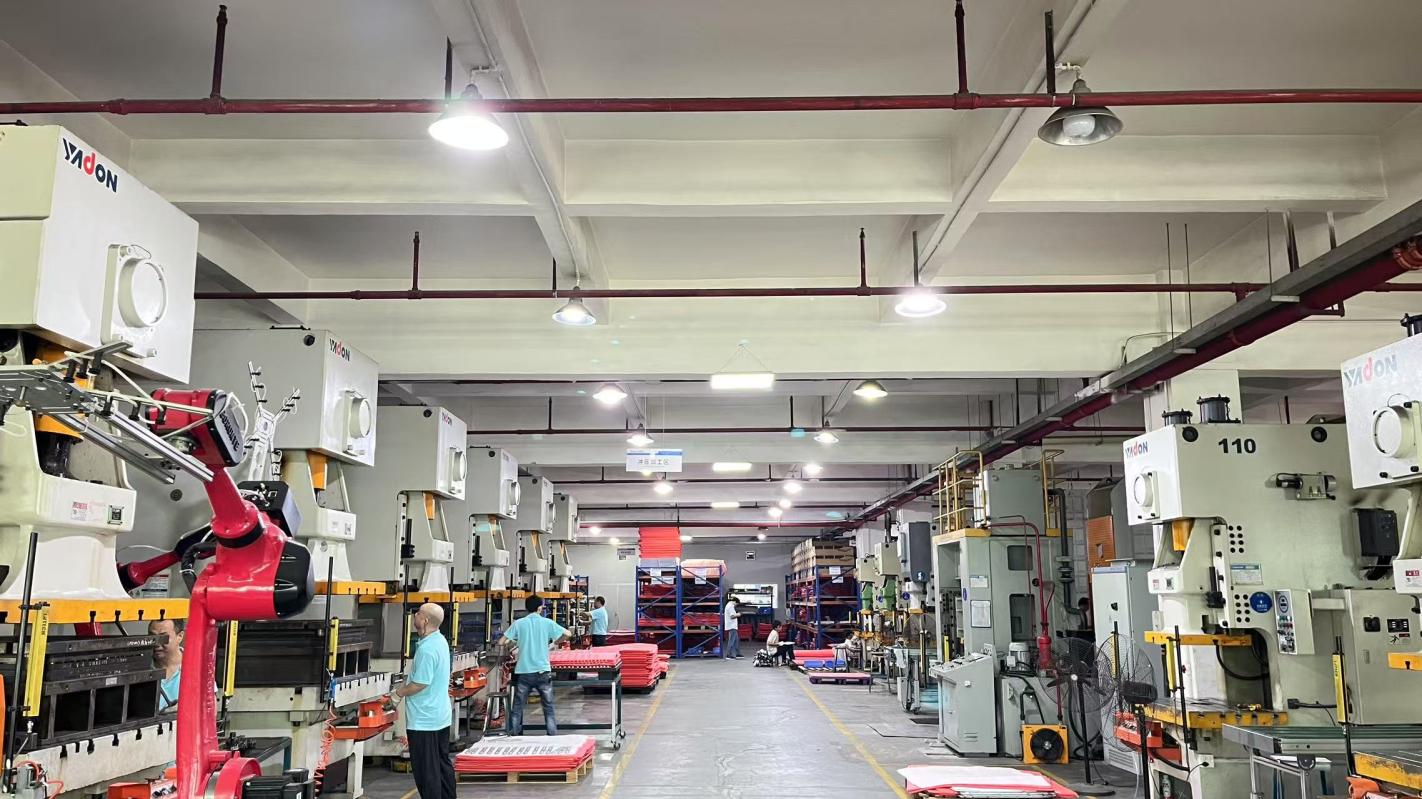
While Manila remains a massive procurement and consumption hub, the vast majority of premium optical components are exported from high-tech manufacturing corridors in China. FiberQ Photonics Technology Co., Ltd. is a leading global developer and OEM/ODM manufacturer specializing in optical communication components, offering direct-to-Manila logistics, competitive price-to-performance metrics, and high compliance standards.
Founded in 2015, FiberQ has quickly expanded its footprint to become an elite partner for data center operators, system integrators, and telecom carriers globally. Backed by 12 years of industry expertise and 6 years of deep-water global export operations, our manufacturing philosophy is grounded in technical superiority, strict automated inspection, and vast customization options.
Our scalable output is powered by robust supply chain linkages consisting of over 1,450 trusted component partners, guaranteeing uninterrupted access to top-grade laser diodes (TO-CANs), optical sub-assemblies (TOSA/ROSA), and high-reliability microcontroller chips. With an R&D team of 240 engineers, FiberQ stays at the cutting edge of industry technology, launching over 180 innovative designs last year to support high-speed networks reaching up to 400G and 800G architectures.
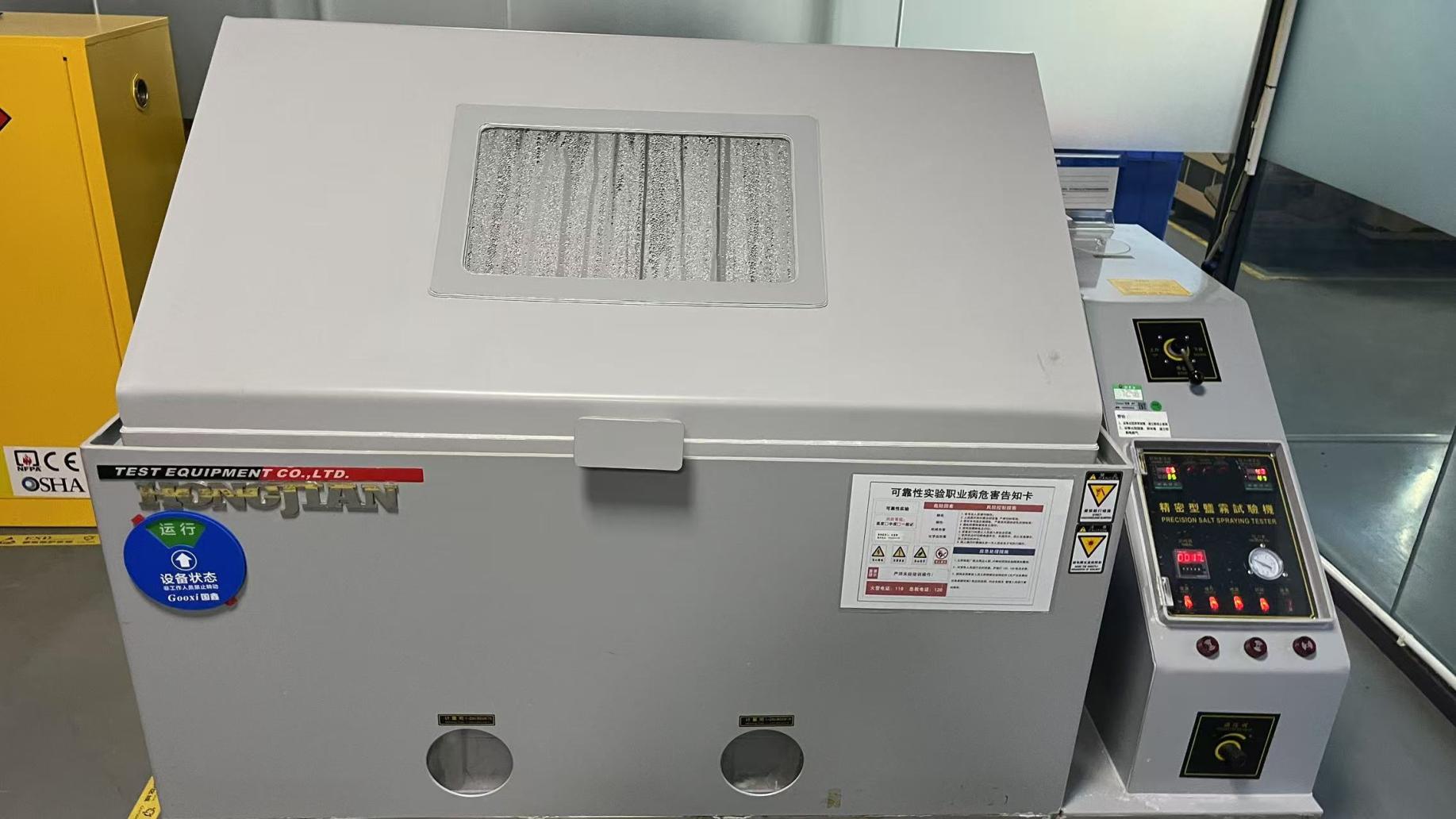
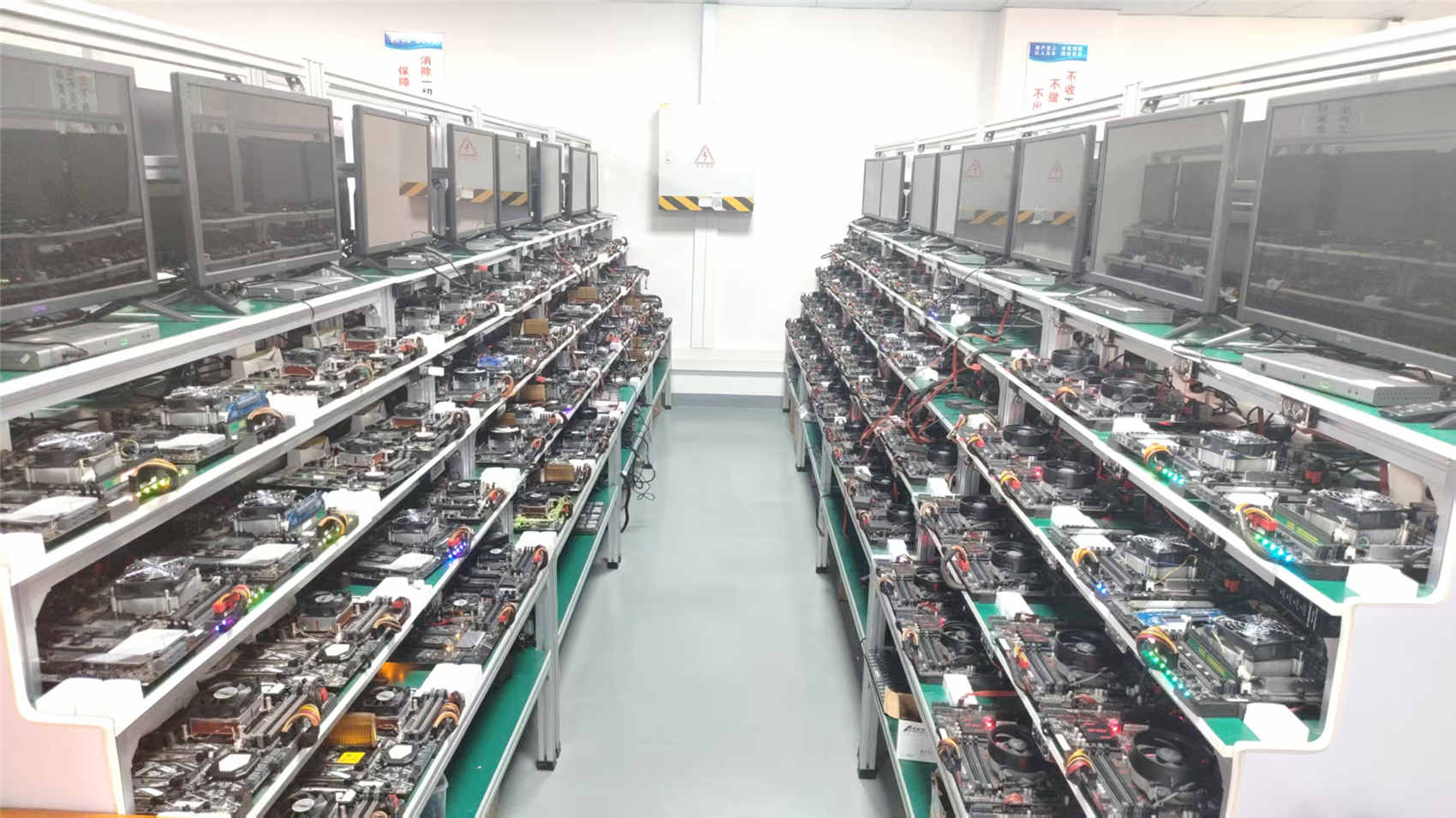
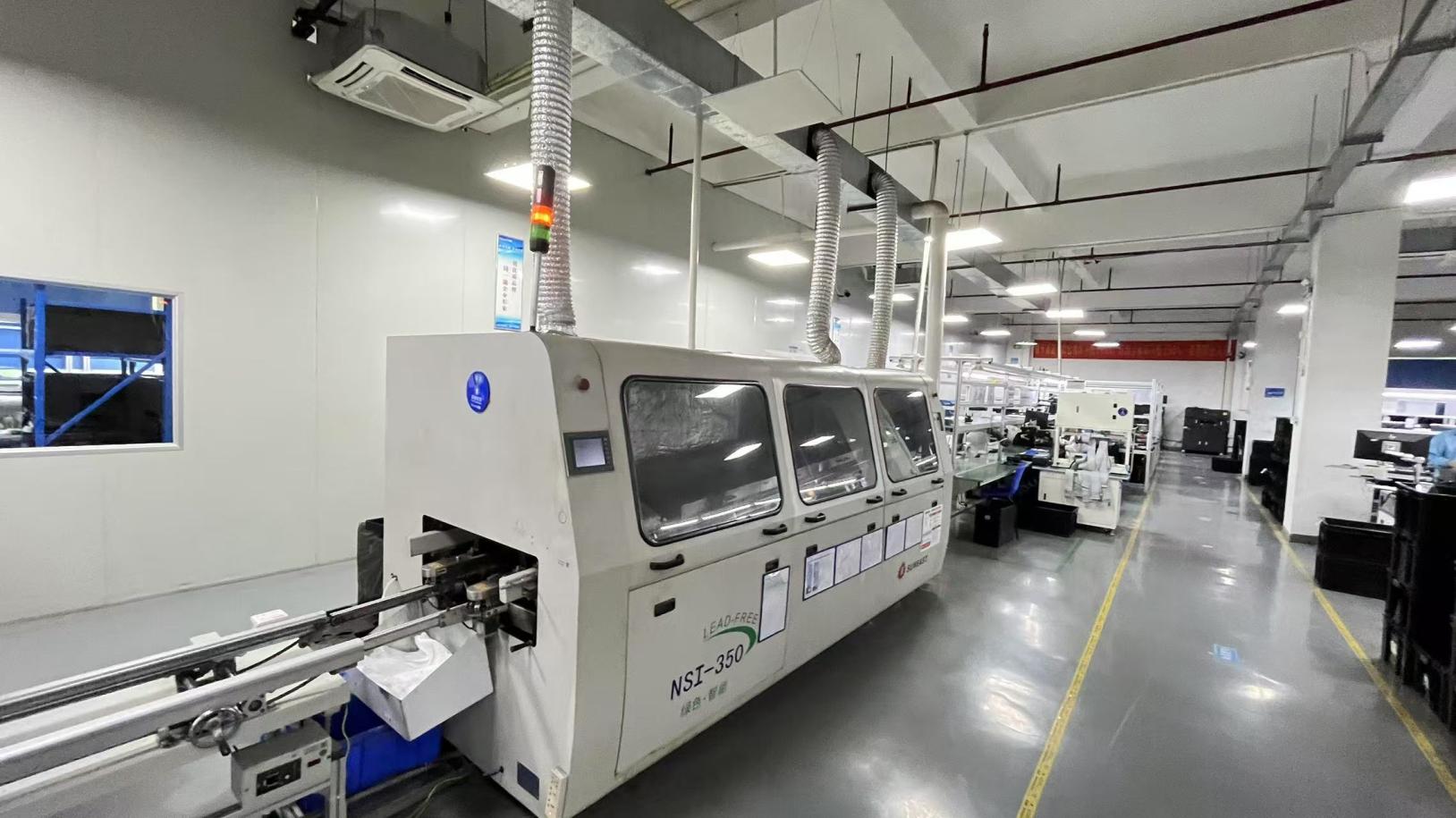
Every batch of SFP transceivers destined for Manila undergoes rigorous testing processes: automated optical performance validation, eye-diagram metrics assessment, high-temperature aging chambers exposure, and exhaustive compatibility programming. Our 62-person QC inspection team guarantees that every module matches original equipment standards, preventing compatibility issues with host routers from Cisco, HP, Huawei, Juniper, Mikrotik, and Ubiquiti.


As global networks adapt to accommodate massive data streams from AI, IoT, and cloud-native applications, the design requirements for 1.25G SFP transceivers are shifting. The focus is on energy conservation, long-range transport stability, and cost-containment. When planning fiber network installations in Manila, the following trends should be considered:
Modern data center switches host hundreds of SFP ports. High module power consumption generates excessive heat, driving up cooling costs. Today's high-efficiency 1.25G transceivers are optimized to consume under 0.8W per module, allowing large-scale switch panels to operate cooler and more efficiently, saving significant operational expenses over years of service.
In urban areas where fiber infrastructure is dense, installing new fiber cables is expensive and time-consuming. Bidirectional (BiDi) transceivers utilize Wavelength Division Multiplexing (WDM) to transmit and receive signals over a single strand of fiber (using separate channels like 1310nm-TX and 1550nm-RX). This effectively doubles existing fiber capacity without the need for additional physical fiber installation.
Modern SFP designs rely heavily on DOM technology (conforming to SFF-8472 standards). It allows local engineers to proactively monitor key parameters like optical input/output power, operating temperature, laser bias current, and transceiver voltage. Real-time access to these diagnostic metrics simplifies troubleshooting and prevents sudden outages in critical enterprise connections.
Explore our high-reliability transceivers designed for long-haul transmission, high-density links, and diverse protocol integrations.
Get authoritative insights on importing, programming, and deploying optical transceivers in the Philippine market.
Yes, absolutely. Most switches deployed in Manila networks (such as Cisco, MikroTik, HP, and Juniper) run specific vendor firmware that checks for an EEPROM signature on the transceiver. FiberQ performs custom EEPROM compatibility programming in-house. We customize the vendor code, serial numbers, and signatures to ensure seamless plug-and-play integration on your specific network equipment.
Using express air freight (such as DHL, FedEx, or air cargo brokers), transit time from our facility to Manila is generally 3 to 5 business days. For larger bulk orders, sea freight to the Port of Manila takes approximately 10 to 14 days, providing a highly cost-effective logistical option for major telecom infrastructure projects.
The choice depends on the physical distance between your network nodes. For short links within a single building or server room (under 550m), Multi-Mode (850nm) is highly economical. For links extending between offices, across business districts (BGC to Makati), or for long-range telecom routes, Single-Mode modules (operating at 1310nm or 1550nm) are necessary to carry signals over distances ranging from 10km up to 160km without signal degradation.
FiberQ operates a fully equipped, ISO9001-certified manufacturing facility. We support deep custom projects including customized wavelength plans, specialized temperature ranges, and firmware matching for proprietary systems. Every single unit undergoes extensive automated testing and environmental burn-in before shipping, ensuring it meets strict international telecommunication standards.