FiberQ
FiberQ
FiberQ
Explore our leading network components, optimized for data-center optical transmission, high-density PoE delivery, and fast copper deployment.
An in-depth analysis of signal attenuation optimization, EMI mitigation, and thermodynamic endurance in high-density enterprise environments.
Traditional RJ45 crimp configurations suffer from localized physical inconsistencies, leading to significant degradation in Return Loss and Crosstalk parameters. The emergence of Toolless RJ45 connectors addresses this variability by standardizing the physical termination process. By integrating a mechanical lever or hinged housing, toolless connectors apply uniform, omnidirectional pressure on the Insulation Displacement Contacts (IDC). This design ensures that every conductor of a Cat6A or Cat8 copper cable is terminated with exact penetration depths, minimizing contact resistance and preventing accidental conductor damage.
From an electrical engineering standpoint, toolless connectors optimize the internal conductor untwisting mechanism. By bringing the jacket of the cable closer to the IDC contacts, the amount of untwisted wire is reduced to under 1.5mm. This preserves the differential signal balance of high-frequency twisted pairs, maintaining a substantial NEXT (Near-End Crosstalk) margin of at least 3dB above ANSI/TIA-568.2-D standards at frequencies up to 500 MHz (Cat6A) and 2000 MHz (Cat8).
Features V-shaped phosphor bronze contacts with 50-micro-inch gold plating over a nickel barrier layer. This metallurgy guarantees a gas-tight connection, preventing oxidation and maintaining stable contact resistance below 20mΩ through at least 750 mating cycles.
Constructed with die-cast zinc alloy casing providing 360-degree shielding coverage. Attenuation values exceed 40dB from 1MHz to 1GHz, neutralizing electromagnetic and radio frequency interference in high-density cable pathways.
Specifically rated for Type 4 Power over Ethernet applications, delivering up to 90W/100W of power. The mechanical configuration resists thermal degradation and contact pitting caused by spark arcs when unplugging under load.
How toolless RJ45 connectors solve critical deployment challenges across various industrial, commercial, and telecommunication sectors.
In manufacturing plants and factory floors, machinery generates heavy electromagnetic noise. Standard plastic connectors often fail due to structural stress and interference. Our zinc-die cast toolless RJ45 connectors provide robust, vibration-resistant termination for Industrial Ethernet (EtherCAT, PROFINET, Modbus-TCP) nodes, establishing secure connections in harsh environments.
Modern building automation relies on a complex grid of IoT sensors, IP surveillance cameras, and Wi-Fi 6E/7 access points. Deploying hundreds of endpoints requires rapid, error-free field terminations. Toolless designs enable technicians to terminate cables directly at the device location without carrying bulky crimp tools, significantly reducing labor hours and installation costs.
For high-frequency copper networks running 10GBASE-T, patch cords must maintain precise channel balance. Using field-terminable toolless connectors allows for custom-length patch cables that minimize slack, optimize airflow, and reduce the overall attenuation budget in high-density equipment racks.
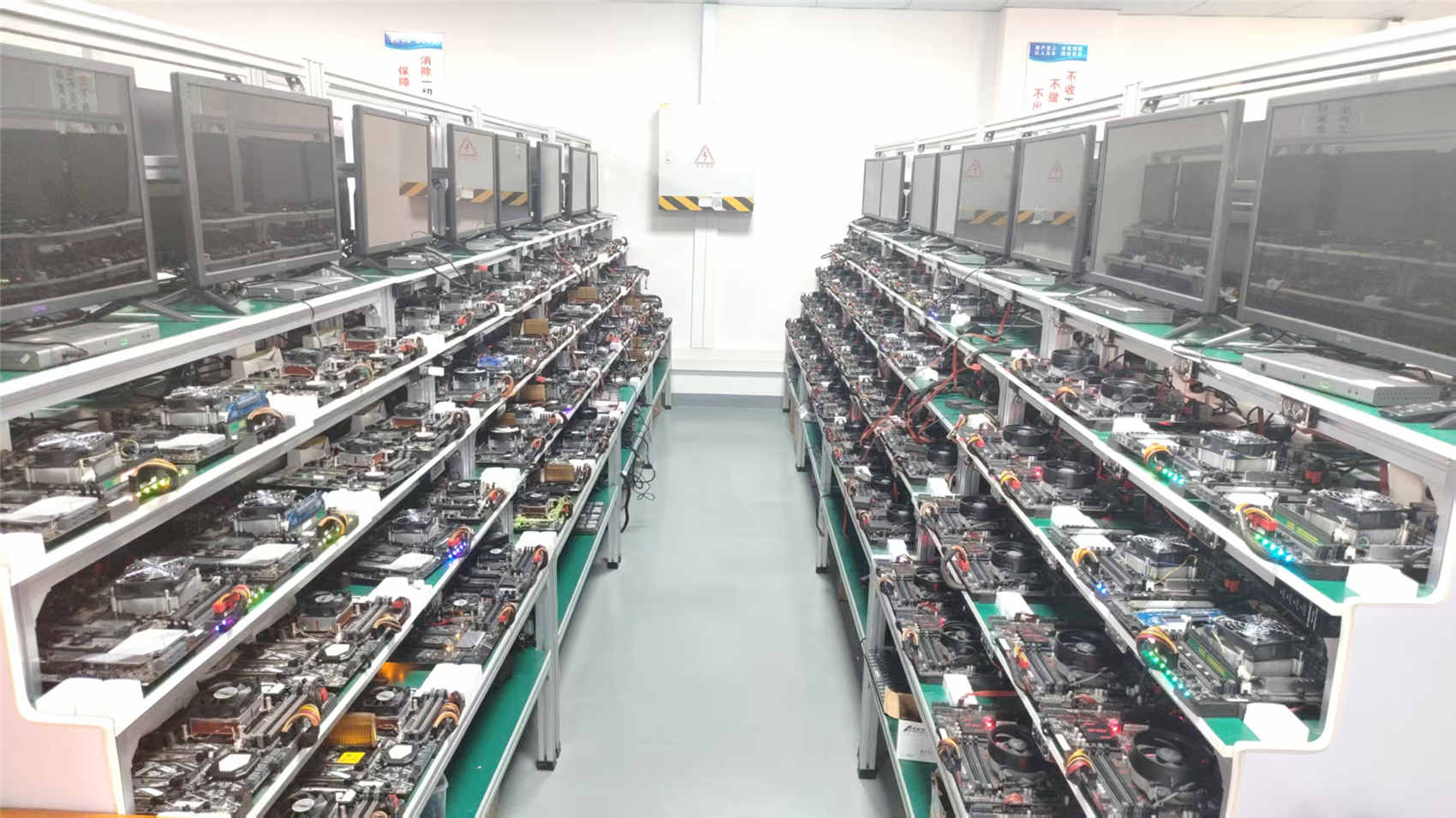
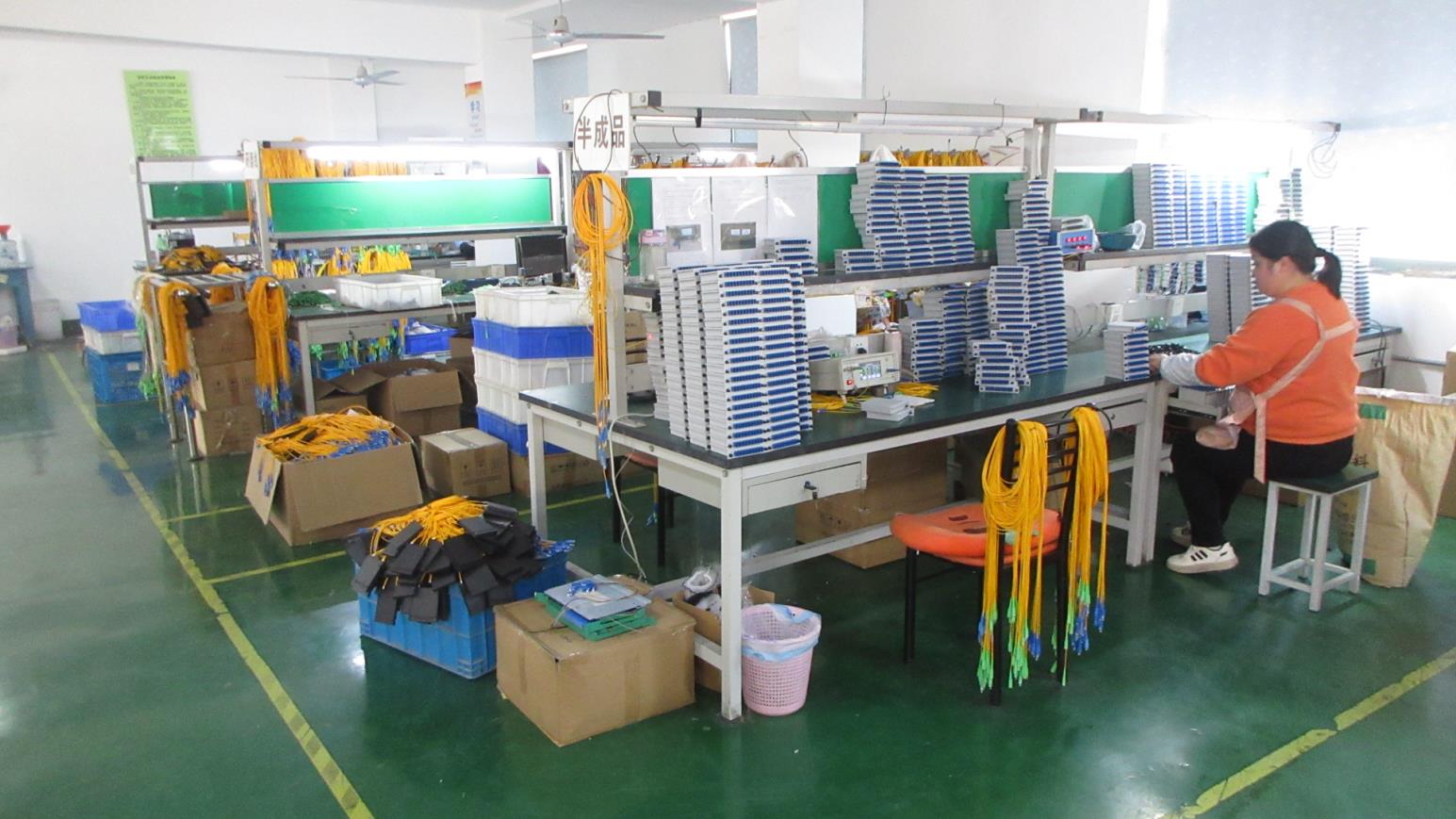
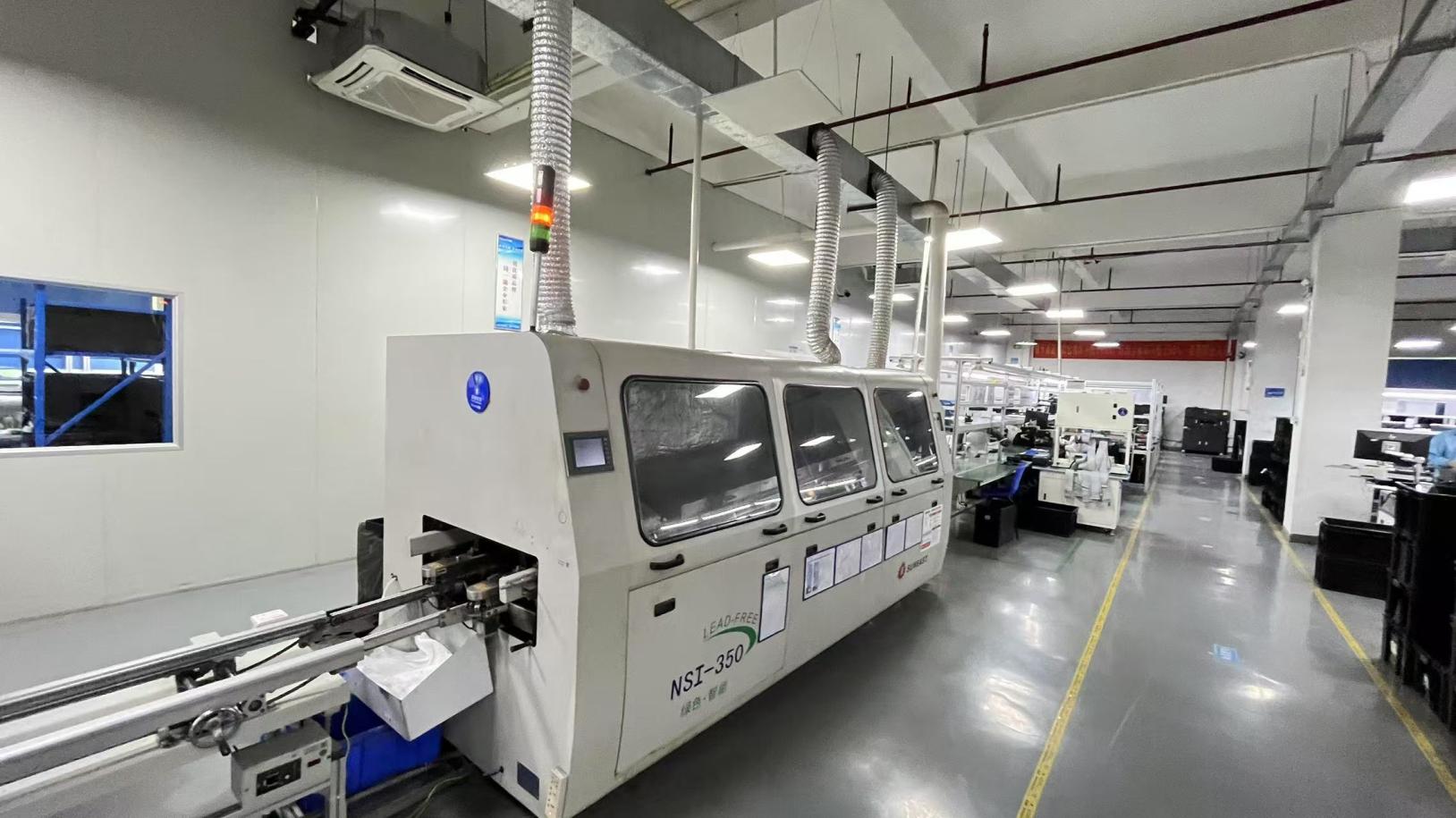
Operating a state-of-the-art facility engineered for global distribution, high-mix low-volume customization, and rigorous quality control.
Founded in 2015, FiberQ Photonics Technology Co., Ltd. has evolved from an optical transceiver specialist into a global leader in high-performance network connection systems. Leveraging our 12 years of industry experience and deep engineering expertise, we provide high-bandwidth physical infrastructure components to telecom operators, enterprise integrators, and cloud providers globally.
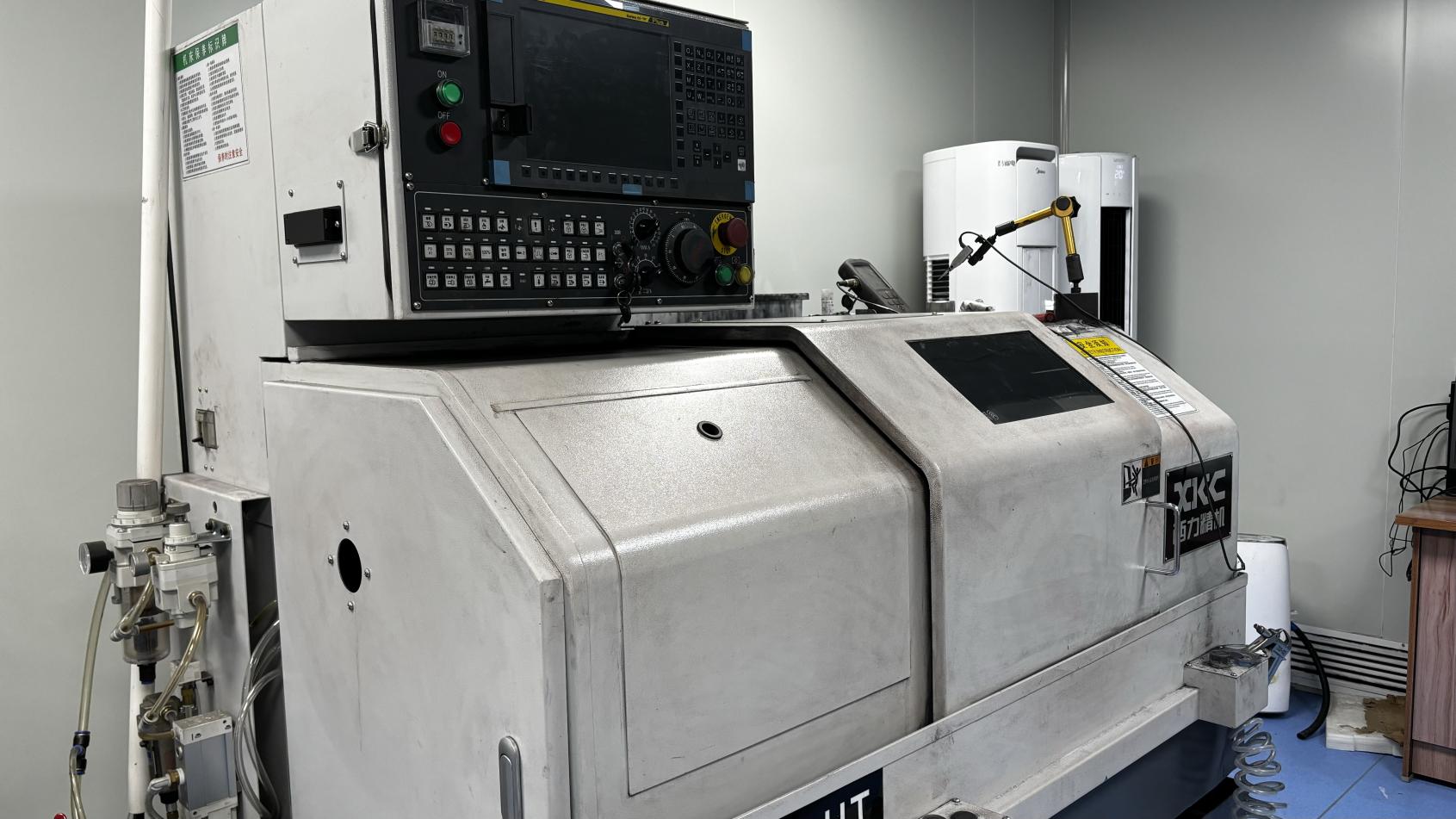
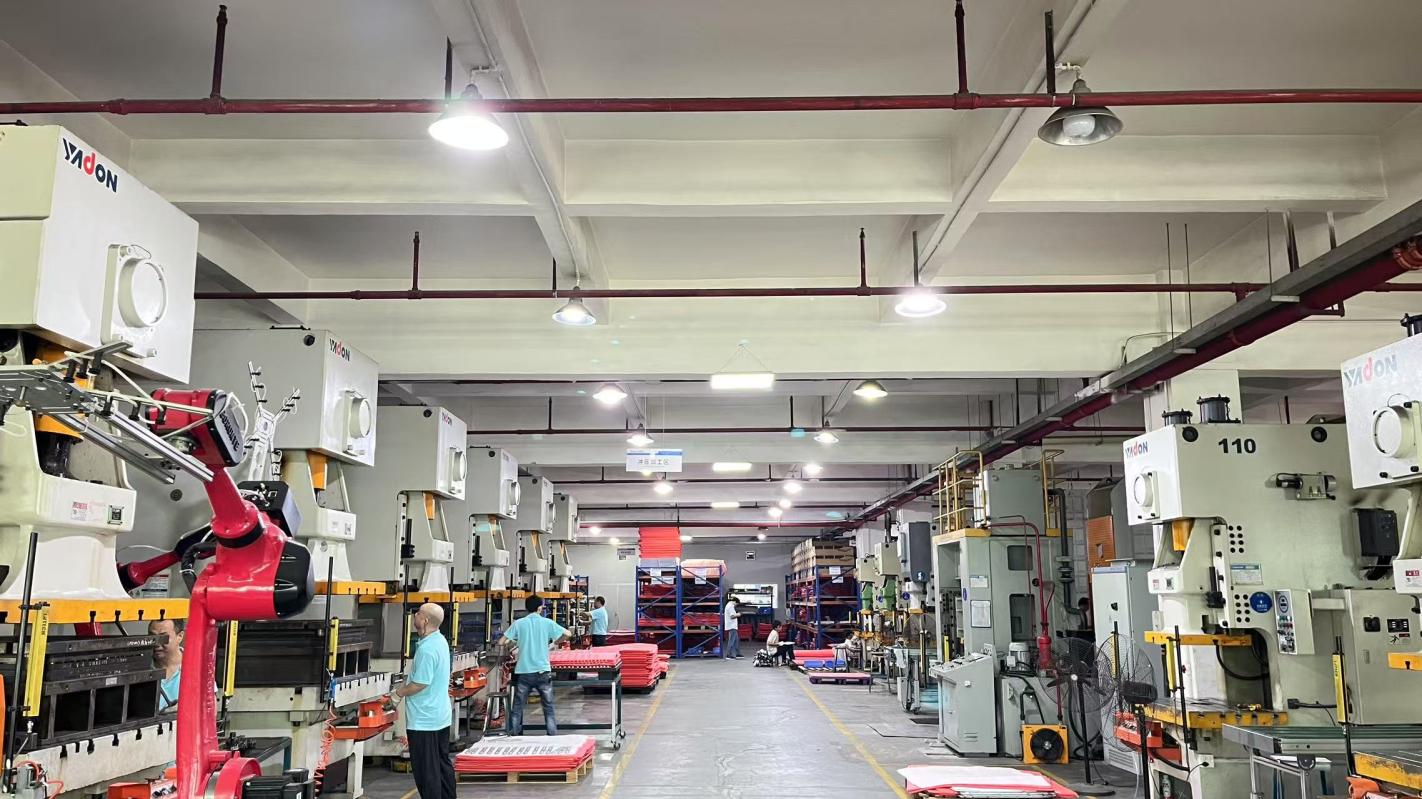
Our integrated manufacturing base covers approximately 12,600m², equipped with automated stamping, precision plastic injection molding, and automated contact insertion machines. By sourcing raw materials and components from over 1,450 vetted supply chain partners, we ensure structural price stability, immediate component availability, and rapid manufacturing scale-up even during global logistics bottlenecks.
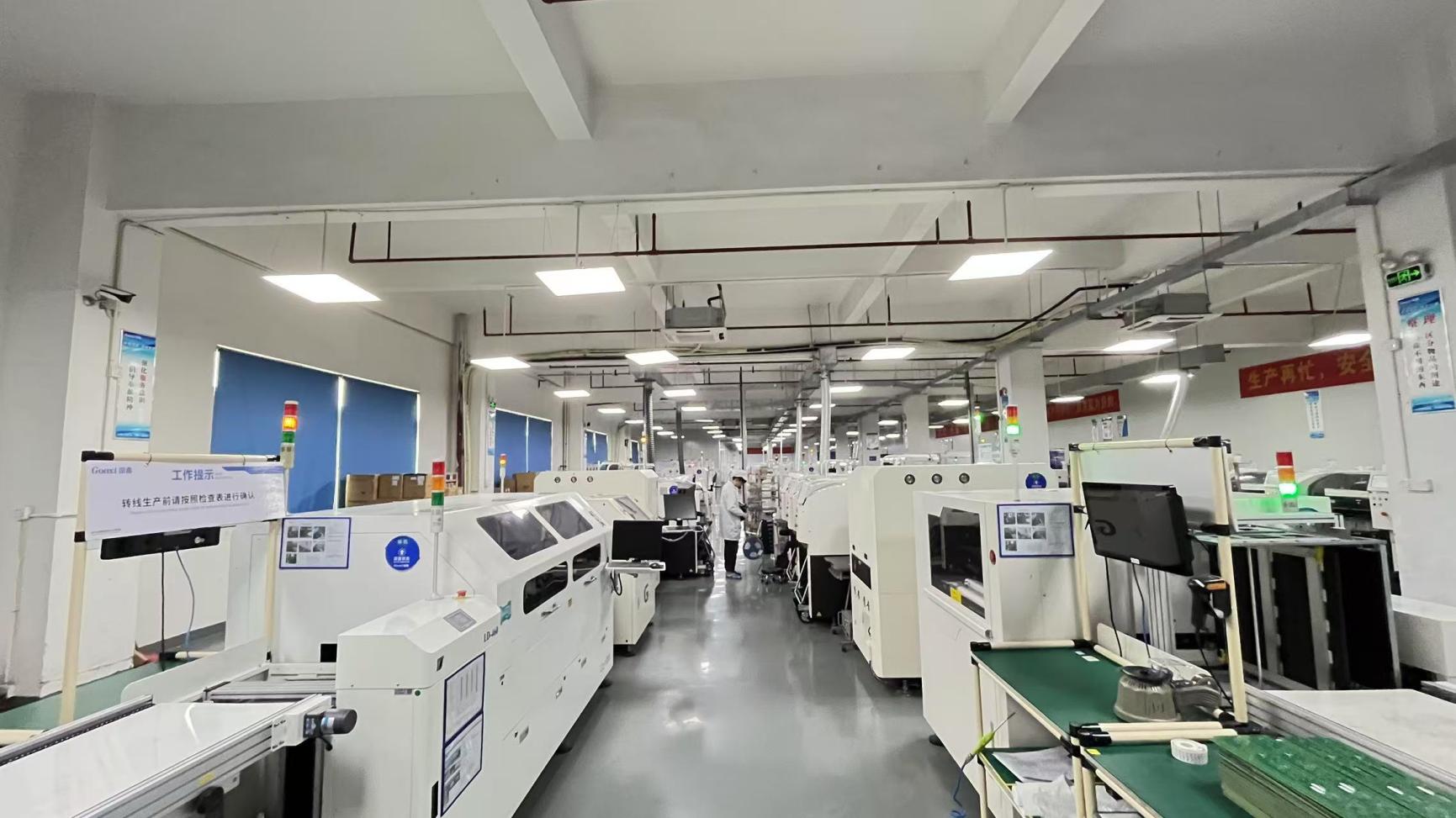
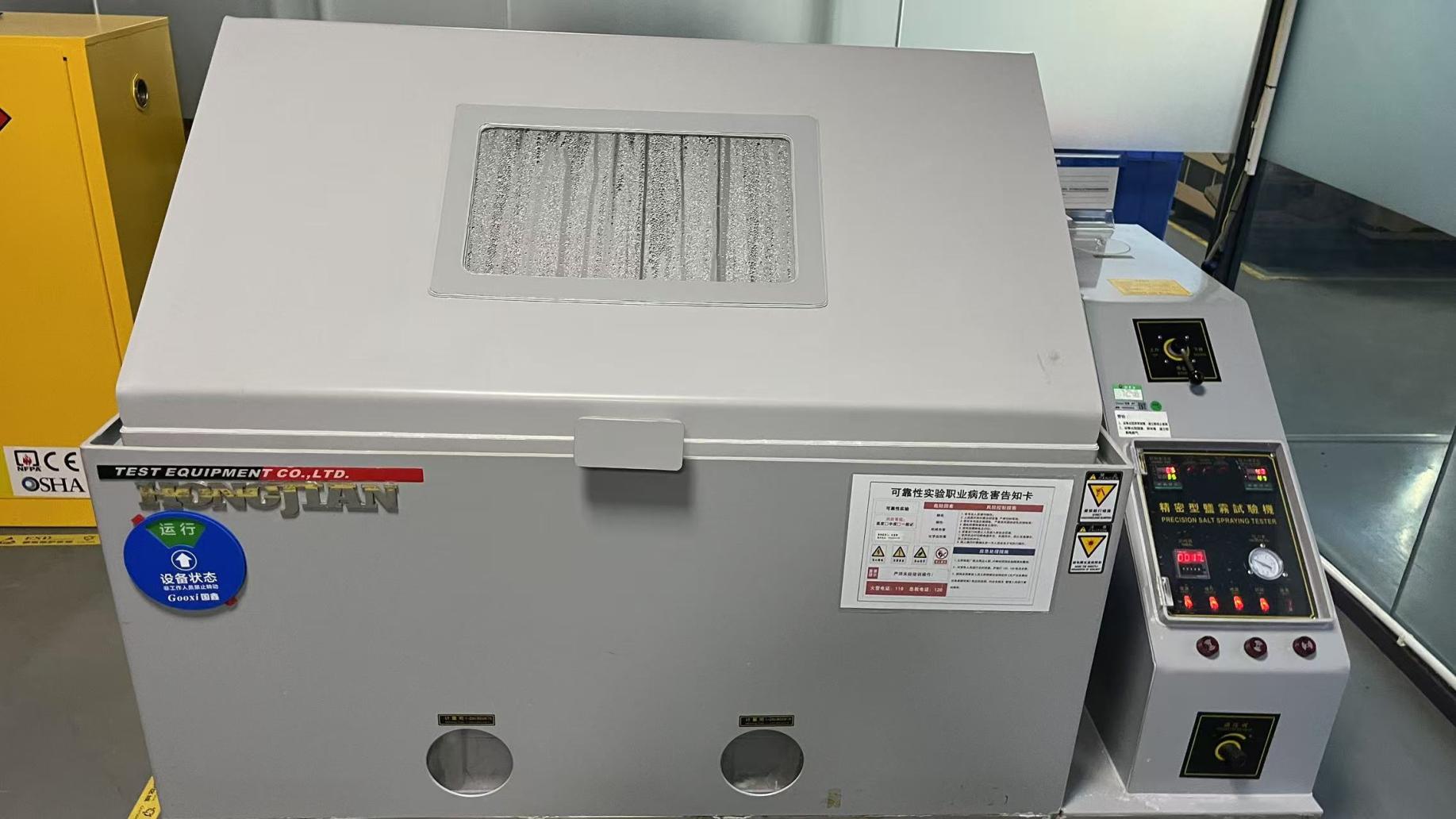
Quality assurance is embedded in our DNA. Our facility operates under cleanroom protocols with 62 dedicated quality inspectors managing automated optical performance testing, high-temperature aging chambers, and interferometric inspections. Every production run is certified to meet and exceed ISO9001 and international performance metrics.
How the physical layer is adapting to support high-frequency transmission, hybrid fiber-copper integration, and extreme edge computing.
We are optimizing current toolless designs to support bandwidths up to 2000 MHz for next-generation Class II channels. Through rigorous contact configuration adjustments, we aim to maintain return loss performance for 25Gbps and 40Gbps over short copper runs up to 30 meters.
As networks demand both raw bandwidth and power delivery (PoE), our R&D team is developing hybrid patch systems. These systems combine high-speed optical transceivers with copper power delivery channels, enabling one-cable solutions for active remote nodes and outdoor cellular installations.
Integrating miniature diagnostic sensors within the connector housing to track real-time physical connection status, temperature fluctuations under heavy PoE load, and continuity issues. This enables predictive maintenance in critical automation networks.
Ensuring complete compatibility with international standards and providing expert localized engineering services to streamline deployment.
All our toolless RJ45 connectors conform strictly to ANSI/TIA-568.2-D, ISO/IEC 11801 Class Ea, and CENELEC EN 50173-1 specifications. Products undergo third-party testing (GHMT, ETL) to verify link and channel compliance in high-speed networks.
We strictly adhere to EU RoHS, REACH, and WEEE directives. The plastic materials used in our housings carry a UL 94V-0 flammability rating, preventing flame spread in critical vertical risers and plenum environments.
With distribution hubs in North America, Europe, and Asia-Pacific, we provide fast shipping, import customs clearance support, and local engineering consultation for complex systems integration.
In-depth technical answers addressing wire gauge limits, performance margins, shielding properties, and installation configurations.
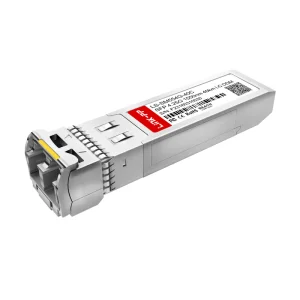
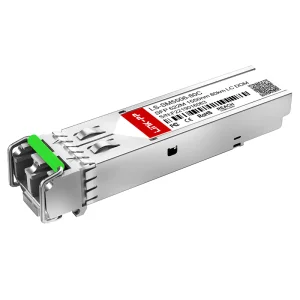
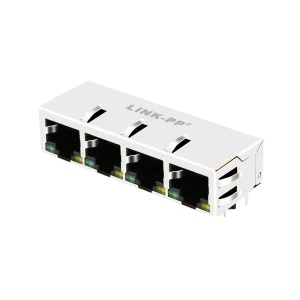
Complete your hybrid transmission architectures with our high-durability magnetic RJ45 jacks, SFP+ cages, and optical transceivers.