FiberQ
FiberQ
FiberQ
High-performance optical transceivers and copper modules designed to support high-throughput fiber & Ethernet aggregation.
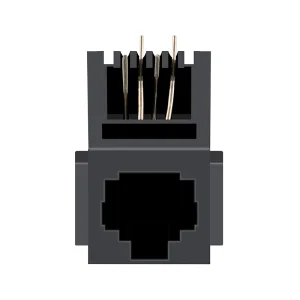
In the era of hyper-scale data centers, intelligent building systems, and localized IoT deployments, the fusion of data transmission and DC electrical power delivery over a single copper cable—known as Power over Ethernet (PoE)—has become a cornerstone of structural efficiency. Central to this physical layer infrastructure is the PoE RJ45 Connector and Magnetic Jack, which serves as the critical node governing signal filtering, electromagnetic compatibility, and power division.
Modern applications demand architectures capable of delivering Gigabit-plus speeds (ranging from 1G, 2.5G, 5G up to 10G Base-T) while concurrently conducting up to 90W/100W of electrical energy under the IEEE 802.3bt (PoE++) standard. Achieving this dual objective requires high-precision manufacturing, optimized layout engineering, and a strict compliance regime. When procurement and design teams audit manufacturers, they must verify parameters such as internal component separation, isolation transformer design, thermal dissipation under high continuous current, and mechanical shielding tolerances.
"Integrating magnetics directly into the RJ45 housing (Integrated Connector Modules / ICMs) minimizes parasitic capacitance, improves return loss, and shields delicate physical layer transceivers (PHY) from power line surges. Understanding this is key to selecting the right supplier for long-term deployments."
System integrators and equipment manufacturers demand robust, reliable, and standardized connectivity solutions to address shifting infrastructure requirements.
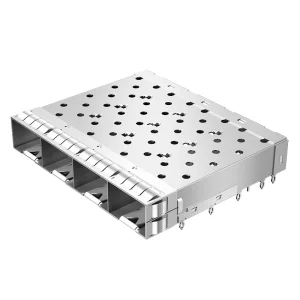
Equipment designers require multi-port ganged configurations (such as 2x1, 2x4, and 2x8 stacked layouts) that minimize PCB footprint footprint while maintaining structural integrity and preventing mechanical warping during wave assembly.
Under PoE++ workloads, heat generation inside localized transformers increases significantly. Procurement agents seek vendors offering connectors constructed with high-grade liquid crystal polymers (LCP) and high-quality copper contacts to manage temperatures effectively.
With high-speed lines running adjacent to power channels, electromagnetic interference (EMI) is a persistent challenge. Advanced internal shielding, integrated decoupling capacitors, and grounding tabs are essential features for clean signal transmission.
As network demands evolve toward multi-gigabit speeds and smarter power management, connectivity technology continues to transform.
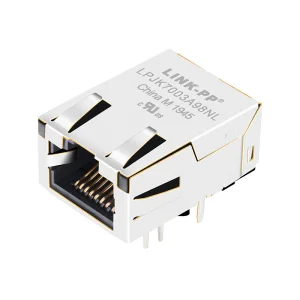
Transitioning from discrete components to integrated magnetic jack solutions (ICMs). Standardizing 10/100/1000 Base-T with embedded LEDs and common-mode rejection chokes to decrease PCB space usage.
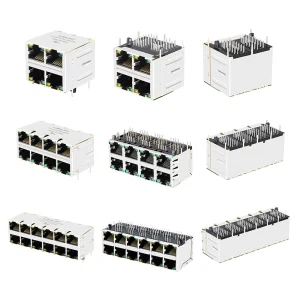
Development of 2.5G, 5G, and 10G Base-T stacked connectors (2x1, 2x2, 2x4 up to 2x8) to handle high port density on switch and router backplanes, featuring PoE+ and PoE++ power supply paths.
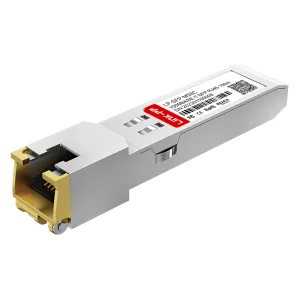
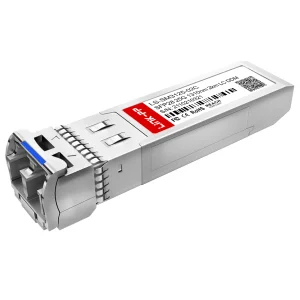
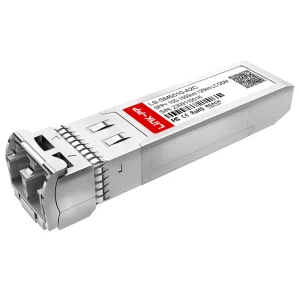
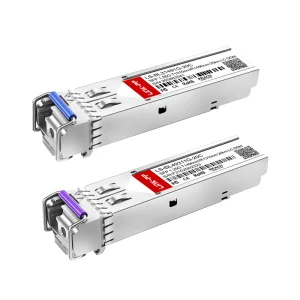
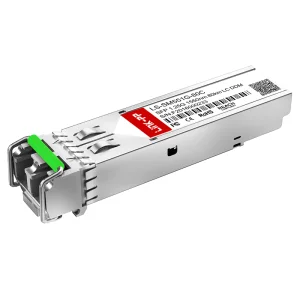
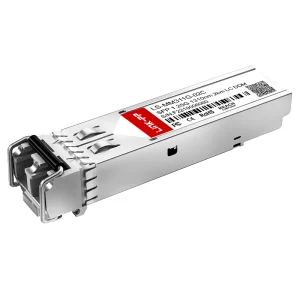
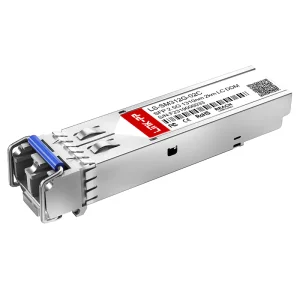
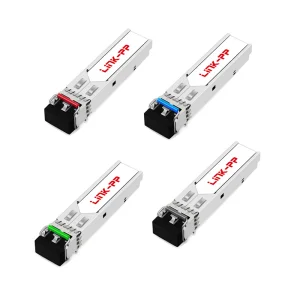
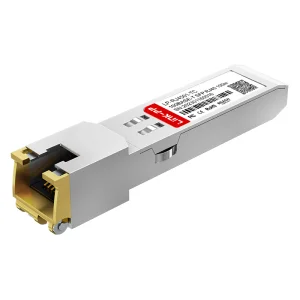
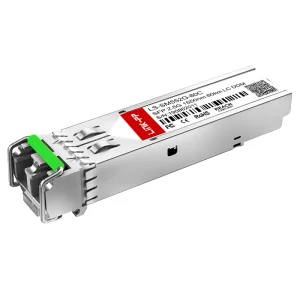
Integrating RJ45 PHY directly inside hot-pluggable optical enclosures (SFP/SFP+ SFP28 formats) to allow easy media conversion at the switch port level, simplifying physical network modifications.
PoE RJ45 connectors are key building blocks in industrial automation, enterprise network architectures, and smart infrastructure deployments.
Deploying high-power outdoor pan-tilt-zoom (PTZ) IP surveillance cameras, public informational displays, and modern wireless access points (Wi-Fi 6E/7) relies on stable PoE++ delivery. Reliable connectors protect devices against voltage fluctuations and mechanical stress.
Factory floors expose components to vibrational stress and thermal changes. RJ45 connectors with integrated magnetics must meet strict specifications, featuring gold-plated contacts and robust EMI shielding to avoid communication loss in high-voltage environments.
Structured cabling and compact patch panels require low-profile connectors with clean crosstalk attenuation. Integrating optical transceivers and copper modules allows operators to manage both fiber and copper cabling systems efficiently.
With extensive experience in optical and copper communication technologies, FiberQ delivers dependable components and reliable supply chain support.
FiberQ Photonics Technology Co., Ltd. is a professional manufacturer specializing in high-performance fiber optic transceivers and advanced photonic communication solutions for data centers, telecom networks, and high-speed interconnect applications. Founded in 2015, the company has grown into a trusted global supplier with strong engineering and export capabilities.
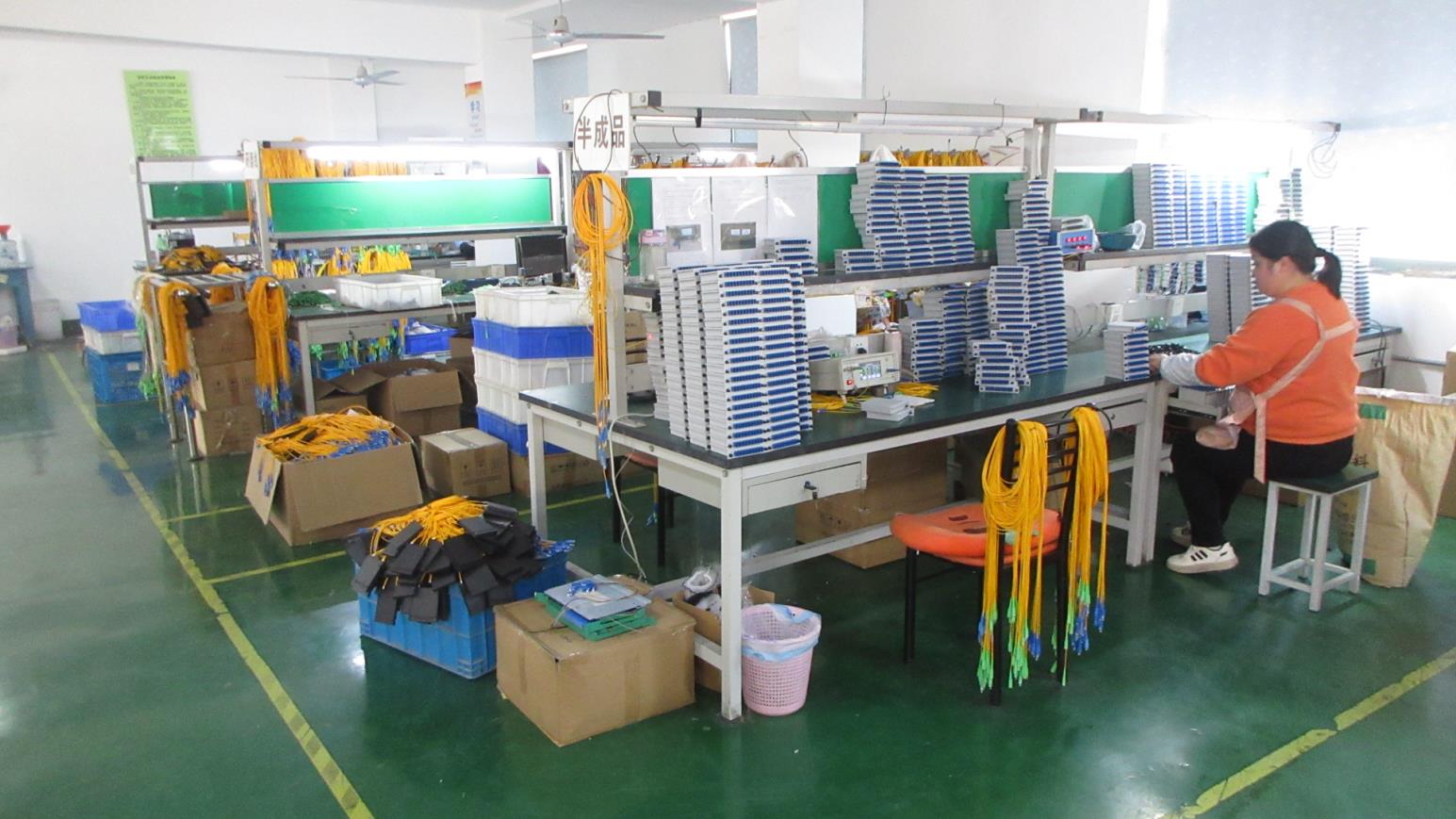
The company operates a modern production facility covering approximately 12,600㎡, enabling scalable manufacturing, precision assembly, and strict quality control processes. With annual export revenue reaching around USD 9.5 million, FiberQ has accumulated 6 years of export experience and 12 years of industry expertise in optical communication technologies.
Quality assurance is ensured through a combination of automated optical performance testing, interferometric inspection, high-temperature aging tests, and manual quality checks. The quality control team consists of 62 experienced inspectors dedicated to maintaining product reliability and compliance with international standards.
FiberQ maintains a strong trade background focused on OEM and ODM partnerships. Its primary markets include North America, Europe, Japan, and Southeast Asia, serving telecom operators, cloud service providers, and enterprise network integrators.
The company collaborates with approximately 1,450 supply chain partners to ensure stable procurement of core components and efficient production scheduling. Its main customer base includes data center operators, telecom carriers, network equipment vendors, and system integrators. With strong R&D capabilities, FiberQ supports advanced customization including protocol compatibility (100G/200G/400G/800G), wavelength engineering, thermal optimization, and form-factor adaptation. In the past year, FiberQ launched approximately 180 new products, reflecting its continuous innovation in next-generation optical communication solutions.
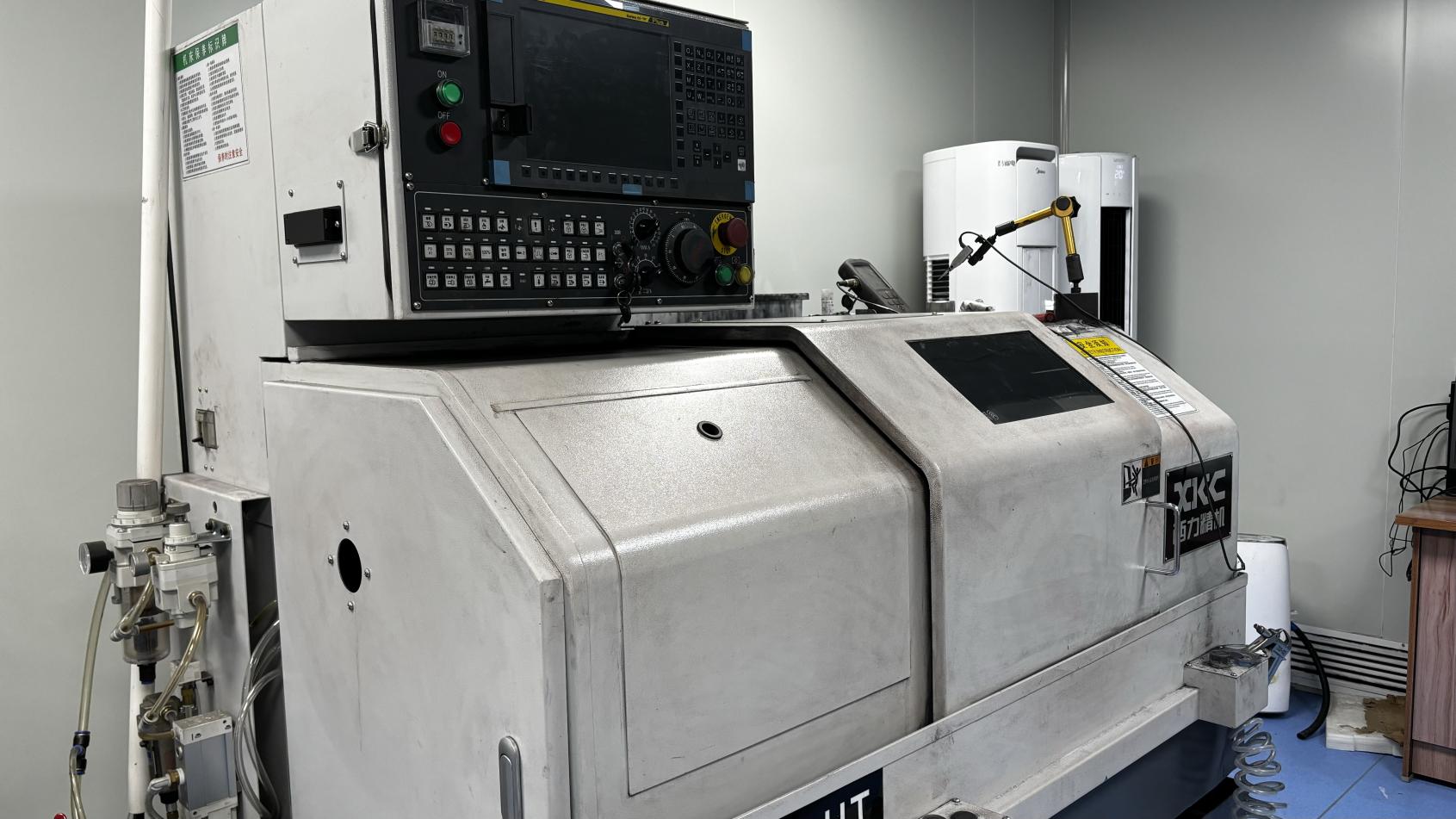
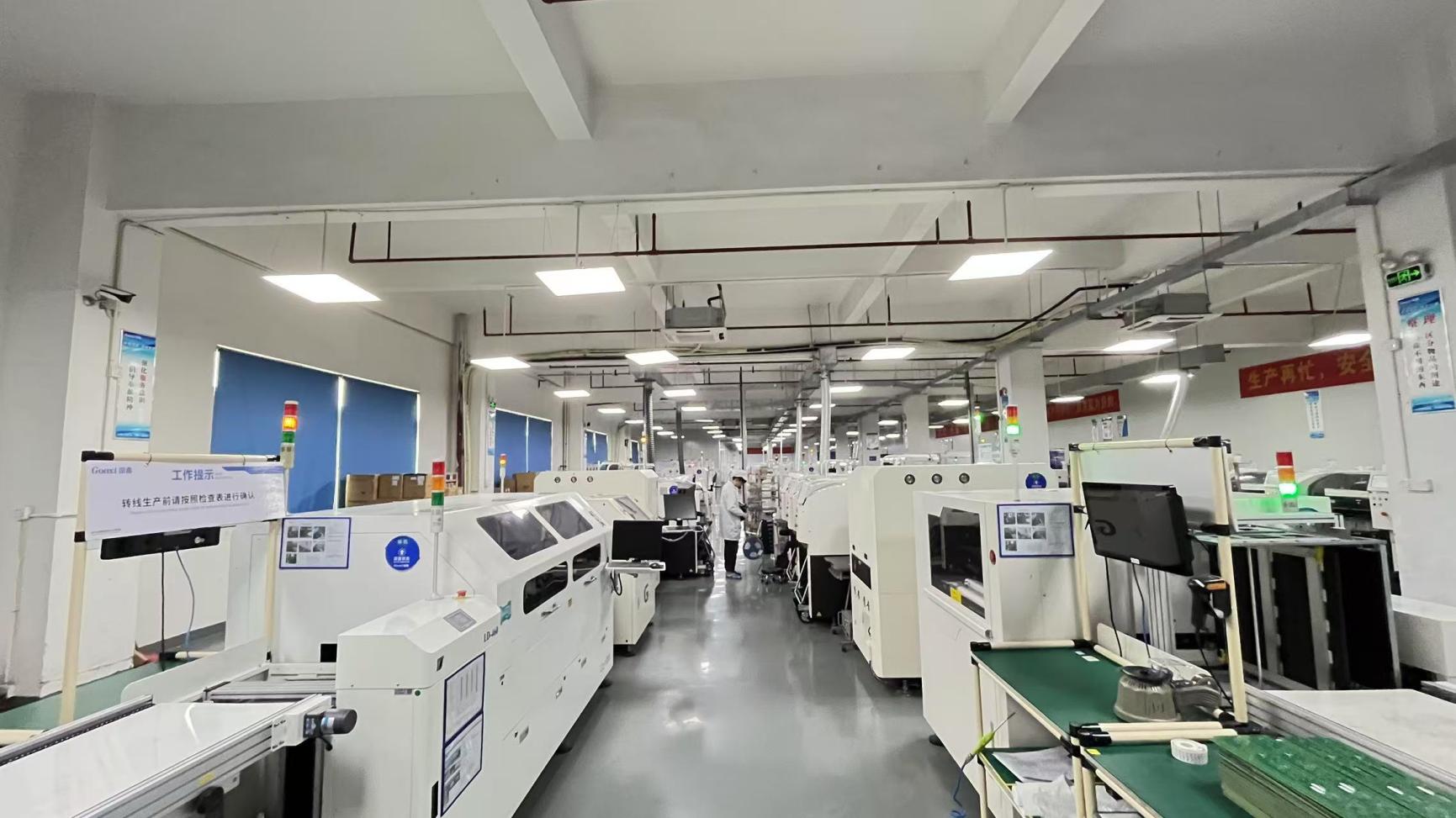

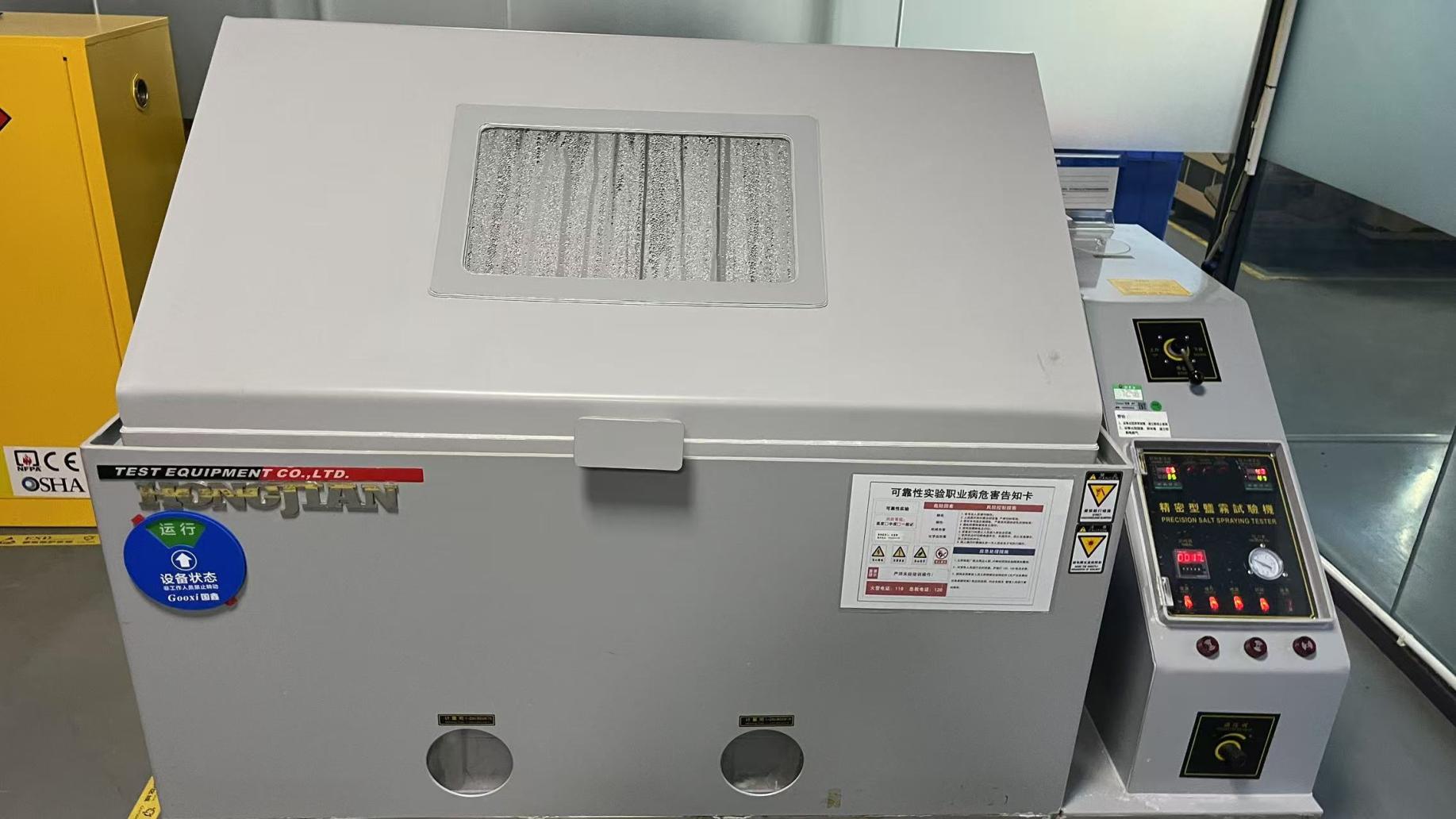
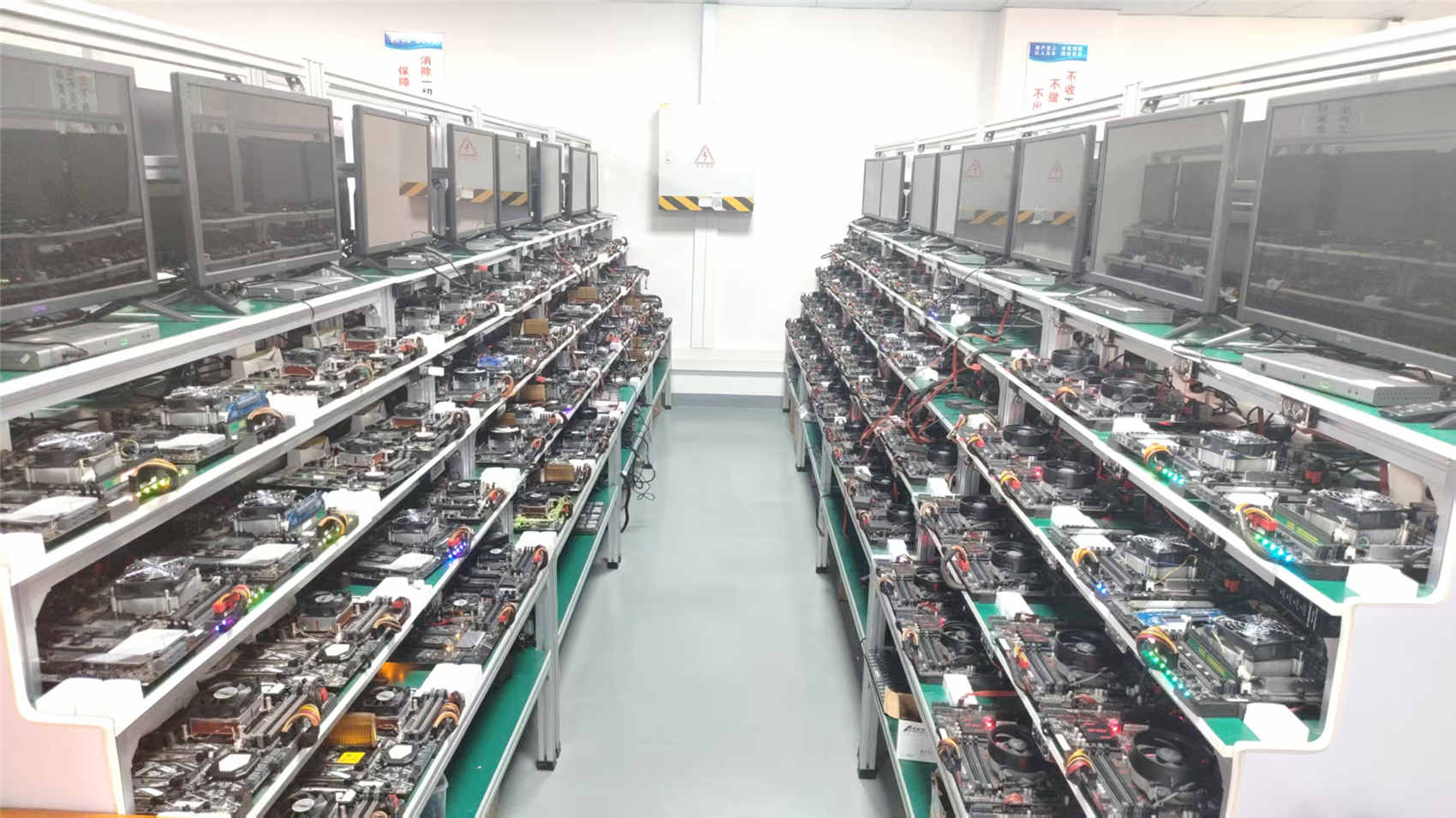

To supply high-speed networks in North America, Europe, Japan, and Southeast Asia, products must meet strict regulatory and compliance requirements. Every copper and fiber interconnect component is designed, tested, and certified to meet the following industry standards:
FiberQ maintains active technical support teams across major markets to assist with custom PCB design, layout verification, and impedance matching. We work closely with client engineering departments to ensure components integrate smoothly with their end devices.
Frequently asked questions regarding high-speed PoE RJ45 connectors, optical-to-copper integration, and network planning.
Standard RJ sockets, stacked PCB connectors, and high-performance transceivers for data centers and commercial communication systems.