FiberQ
FiberQ
FiberQ
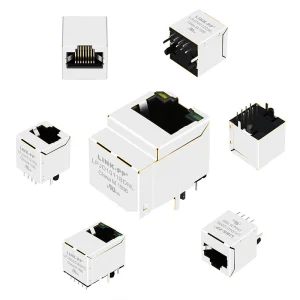
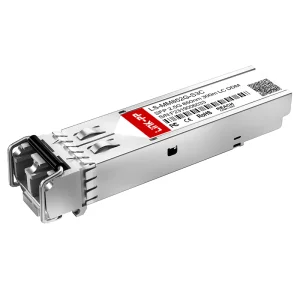
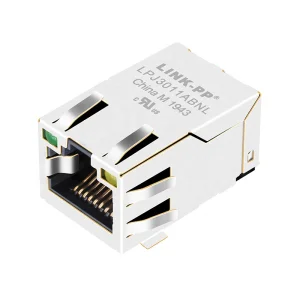
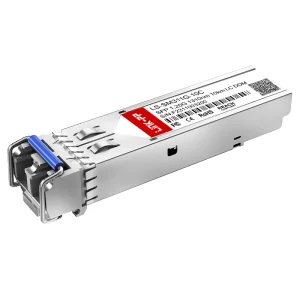
Explore our leading network interfaces, optical transceivers, and heavy-duty RJ45 magnetic modules designed for maximum signal integrity.
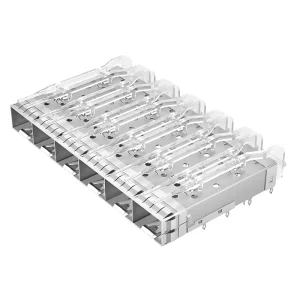
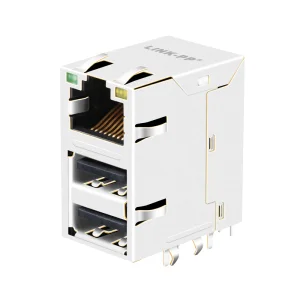
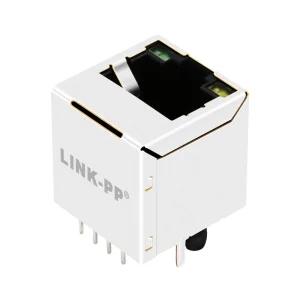
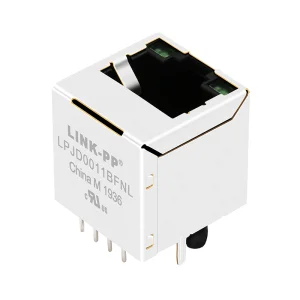
In modern telecommunications, data traffic demands are growing exponentially. Edge data centers, multi-tenant units (MTUs), and smart offices require highly flexible cable deployment options. An Ethernet Splitter acts as a fundamental tool for structured cabling, enabling installers to route multiple network segments over a single run of twisted-pair copper cable. However, ensuring high performance at this physical junction requires more than simple wiring—it demands precision-engineered magnetics, robust EMI shielding, and galvanic isolation.
FiberQ Photonics Technology Co., Ltd. bridges the gap between optical long-haul networking and copper-based localized terminal distributions. With our deep-rooted expertise in physical-layer component engineering, we offer solutions that mitigate the typical speed limits, crosstalk, and power delivery issues associated with standard network splitters.
Poorly manufactured splitters cause high insertion loss and return loss, which leads to packet drops, auto-negotiation failure, and speed drops. By leveraging advanced manufacturing techniques developed for our optical transceivers and high-speed SFP cages, FiberQ ensures that every copper connector and splitter maintains strict impedance matching (100 Ohms) and minimal crosstalk (NEXT/FEXT).
Our commitment to continuous innovation is backed by 240 R&D engineers who are preparing network interfaces for the requirements of tomorrow.
While traditional splitters focus on 10/100/1000 Mbps Base-T configurations, the next wave of local networks is shifting to Multi-Gigabit (2.5G/5G/10G) systems. We are designing high-speed magnetic modules to support higher frequency bands with minimal signal degradation.
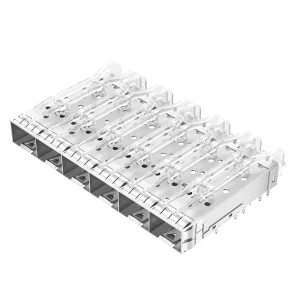
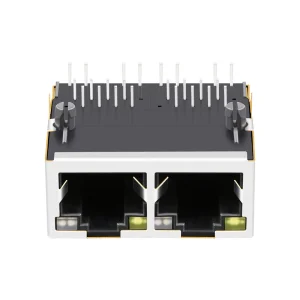
We are reducing the size of physical-layer components. Our design roadmap includes stacked RJ45 connectors with integrated magnetics and SFP+ cages with built-in light pipes, enabling system designers to double port densities without increasing chassis size.
As IoT deployments spread to industrial fields, networks face electrical transients, surge damage, and ground loops. We are integrating advanced magnetic transformers into our Ethernet sockets to protect upstream hardware up to 1.5kV AC isolation.
Enterprise capacity backed by rigorous R&D and a robust international footprint.
Tailored physical connection setups across various environments, from smart workspaces to automated manufacturing lines.
On the modern factory floor, Ethernet cables run alongside high-voltage machinery, exposing network lines to massive electromagnetic interference (EMI). Under these conditions, basic plastic RJ45 splitters fail immediately.
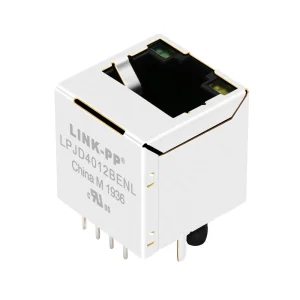
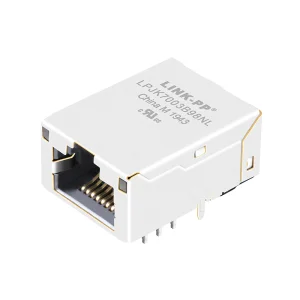
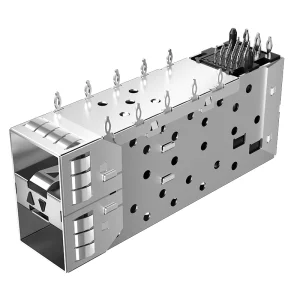
FiberQ's ruggedized connectors—such as our through-hole EMI shielded cages and shielded magnetic RJ45 connectors—are built with heavy-duty metal shells to ground electrostatic charges. They enable reliable splitting for industrial protocols like EtherCAT, Profinet, and Modbus/TCP, ensuring automated arms and PLC controllers maintain constant communication.
Running separate copper cables for every IP camera, VoIP phone, and wireless access point (AP) inside corporate buildings is costly and time-consuming. Using a high-quality Ethernet splitter can halve copper cabling costs by running two data channels down a single Cat5e/6 line.
Our solutions ensure compatibility with power delivery standards. The internal wiring maintains safe power levels, preventing splitters from overheating or short-circuiting when transmitting power alongside Gigabit Ethernet data.
FiberQ is located in China's optical and electronic communication hub, which gives us access to a complete supply chain ecosystem. Collaborating with over 1,450 supply chain partners allows us to source raw materials, silicon, high-grade copper wires, and shielding alloys quickly, protecting our customers from global supply disruptions.
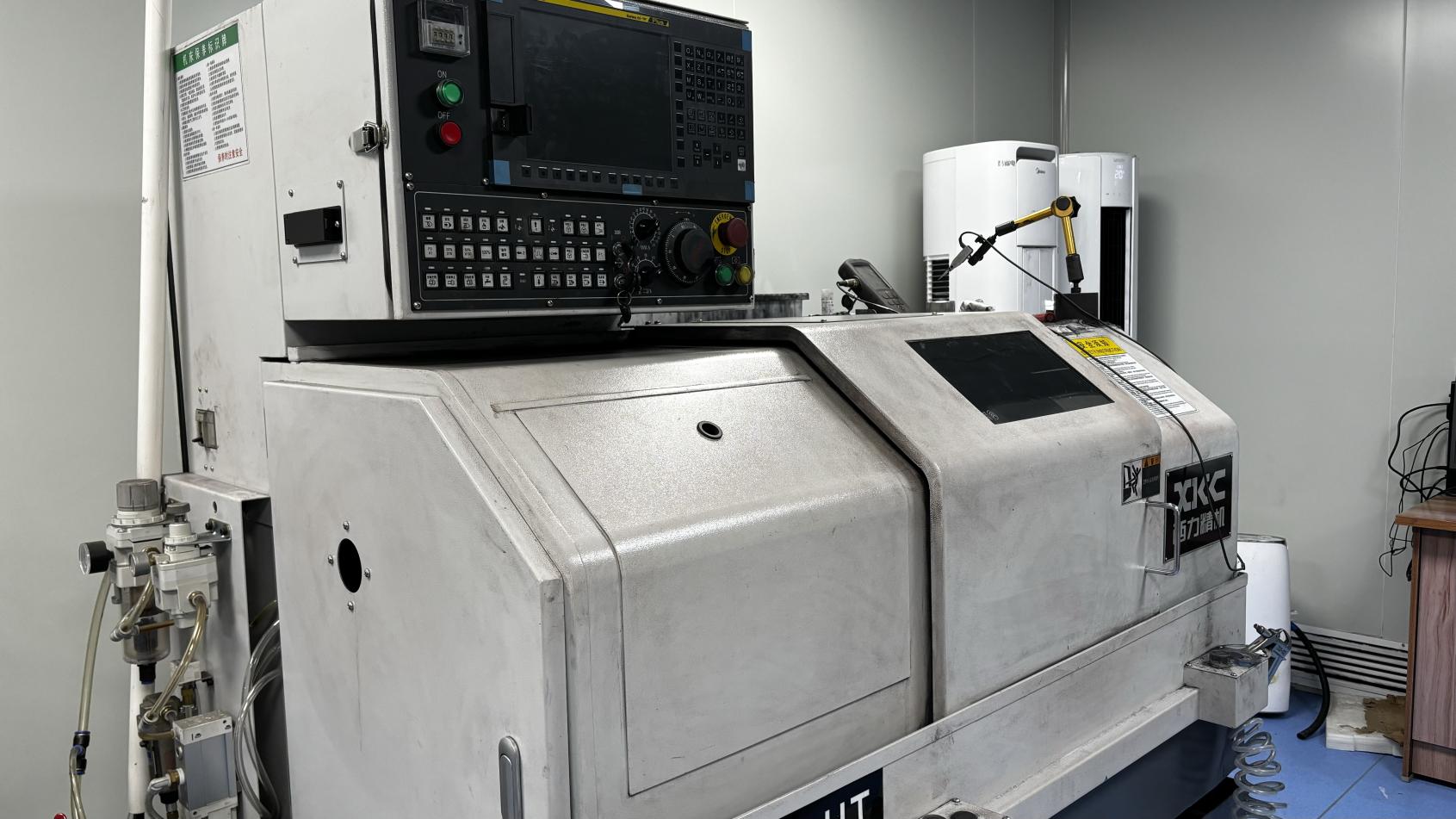
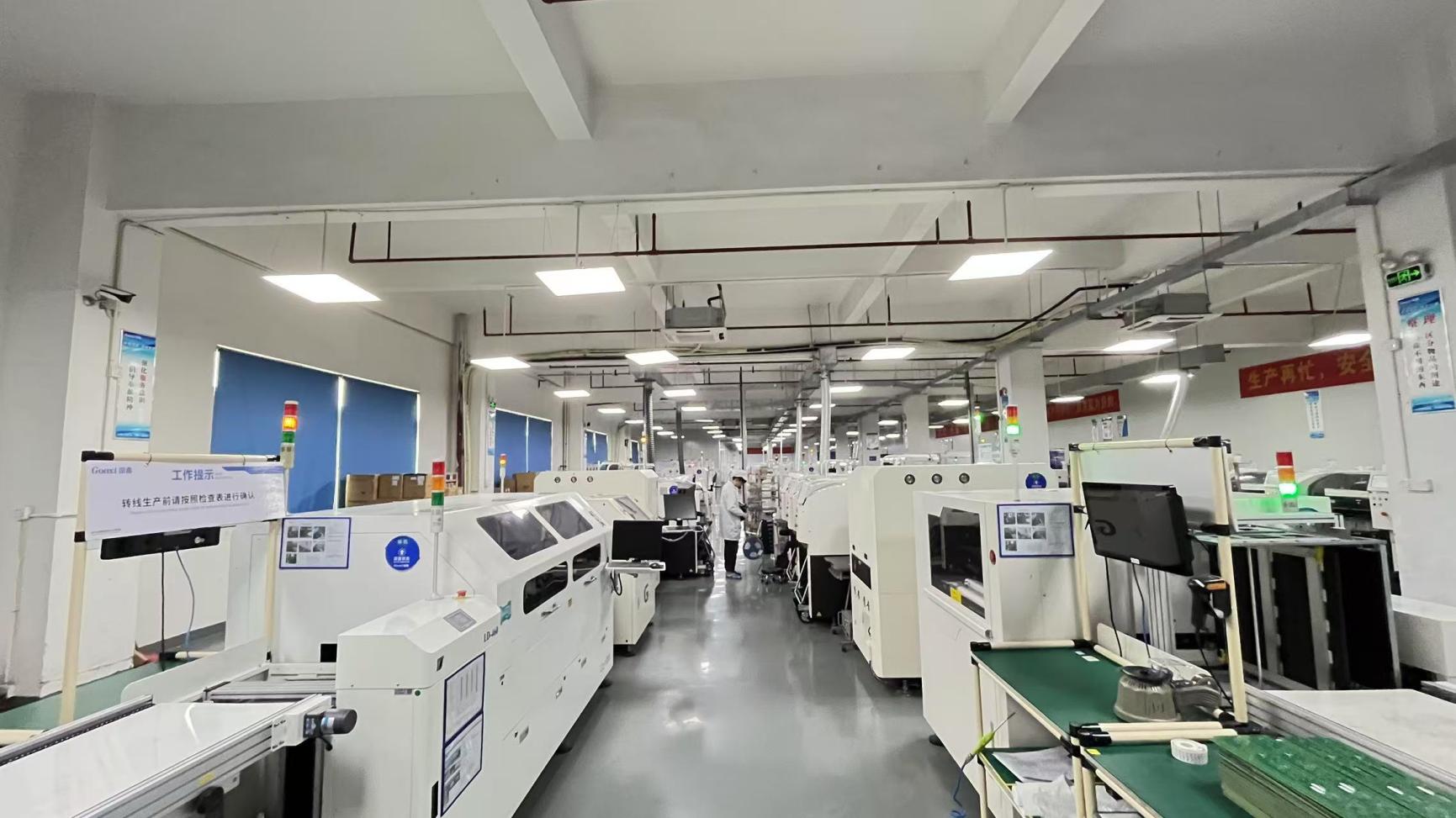
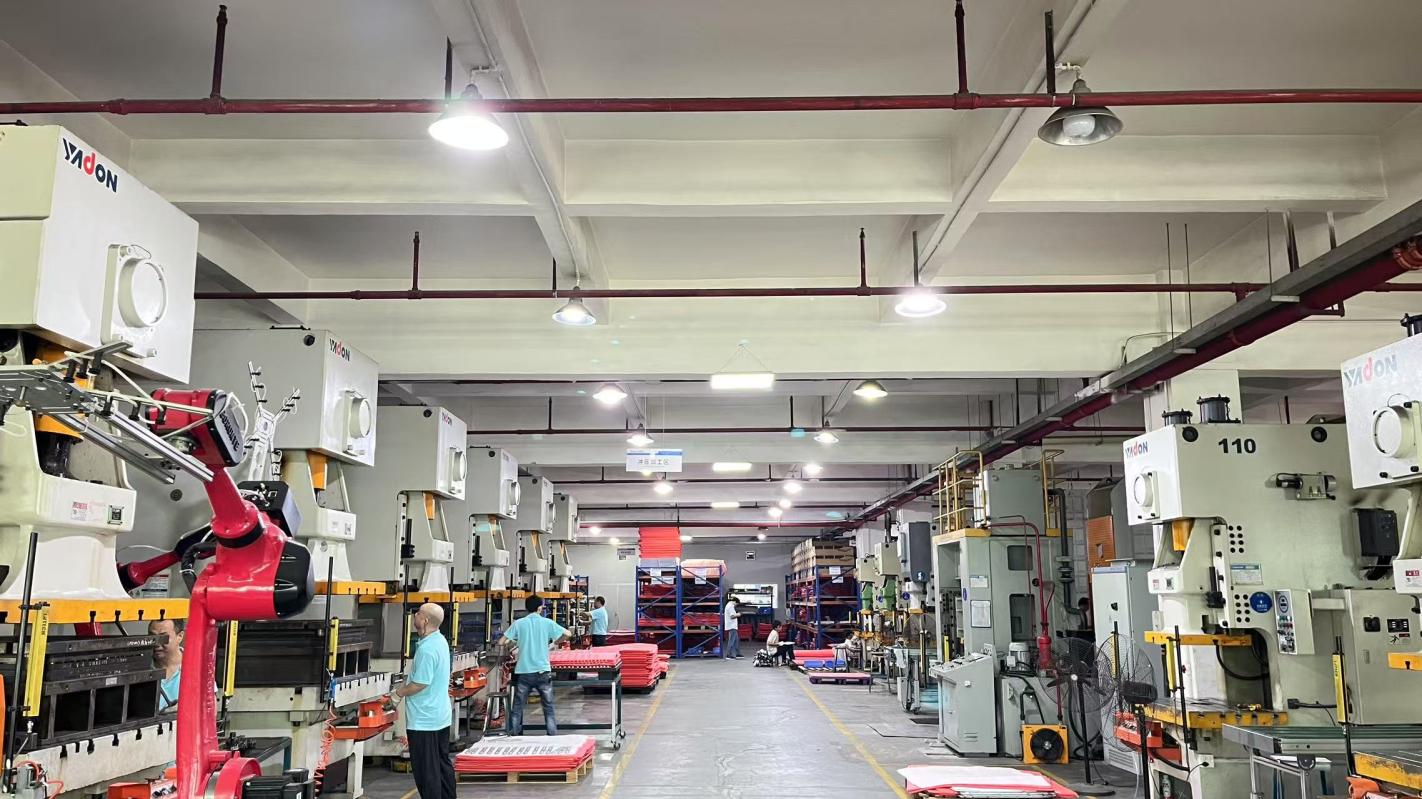
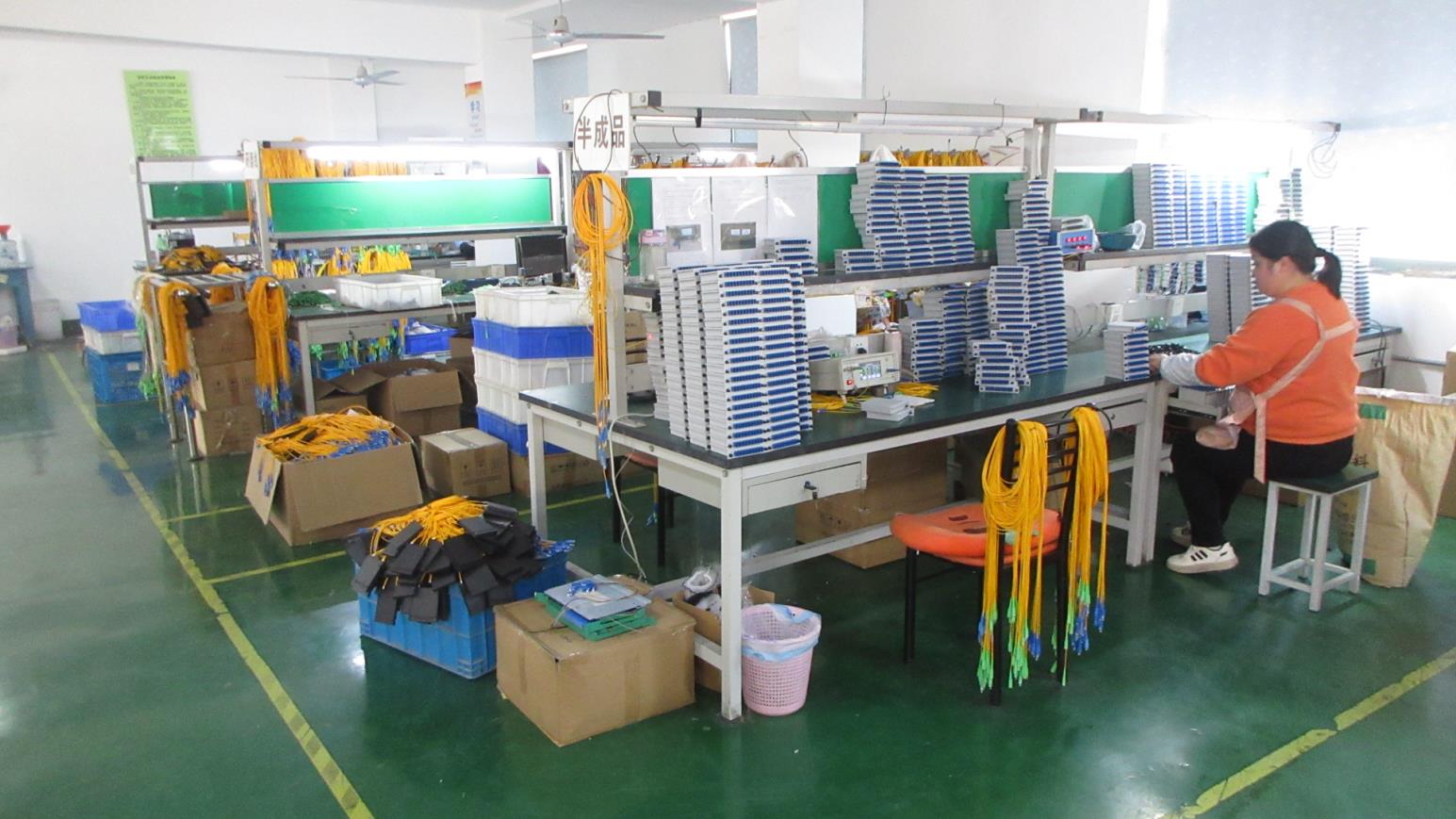
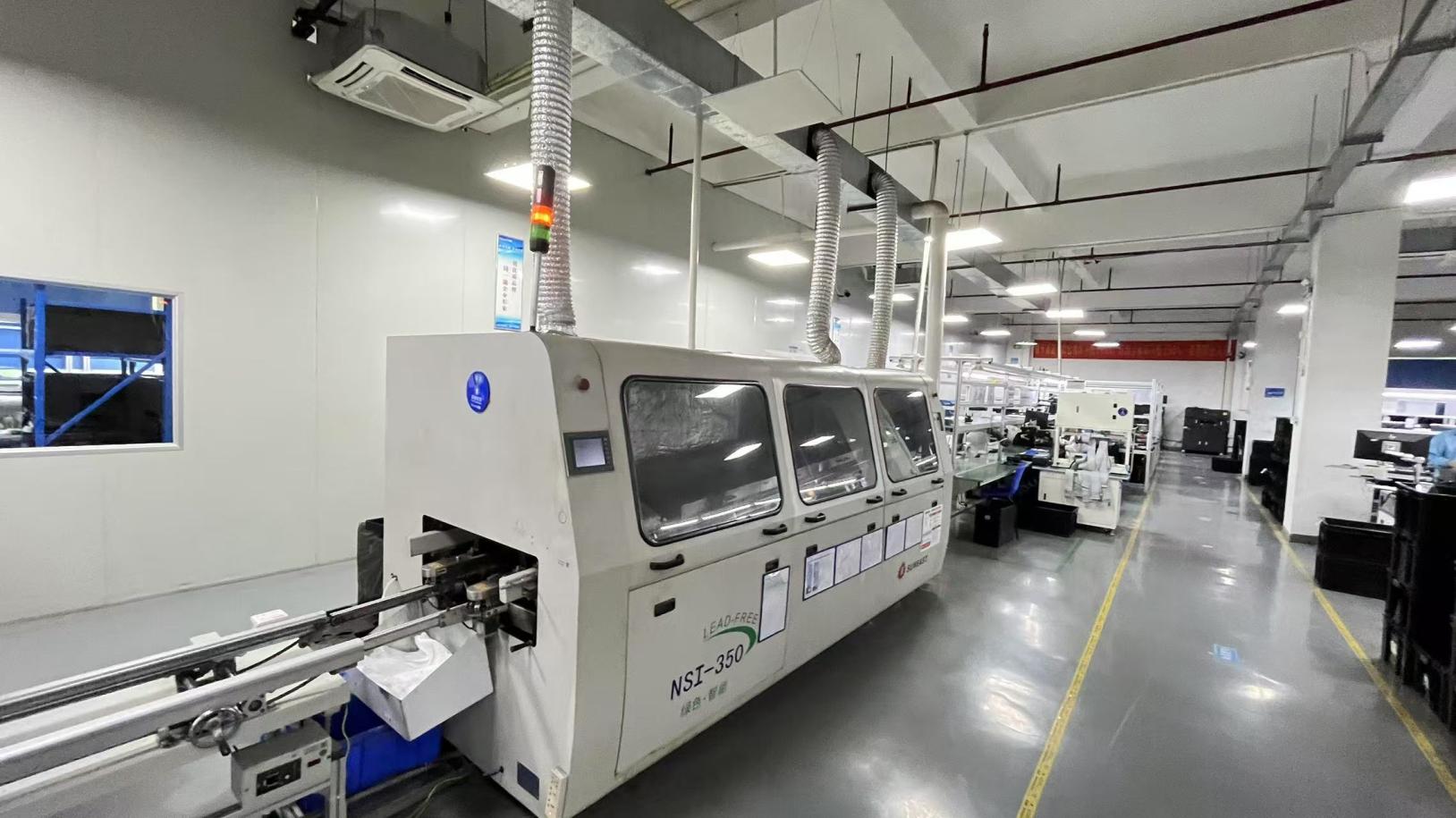
Operating a 12,600㎡ modern facility, we integrate injection molding, SMT assembly, automated winding of magnetic coils, and automated optical testing on a single site. This localized concentration of expertise minimizes production bottlenecks, reduces manufacturing costs, and speeds up product delivery times compared to regional competitors.
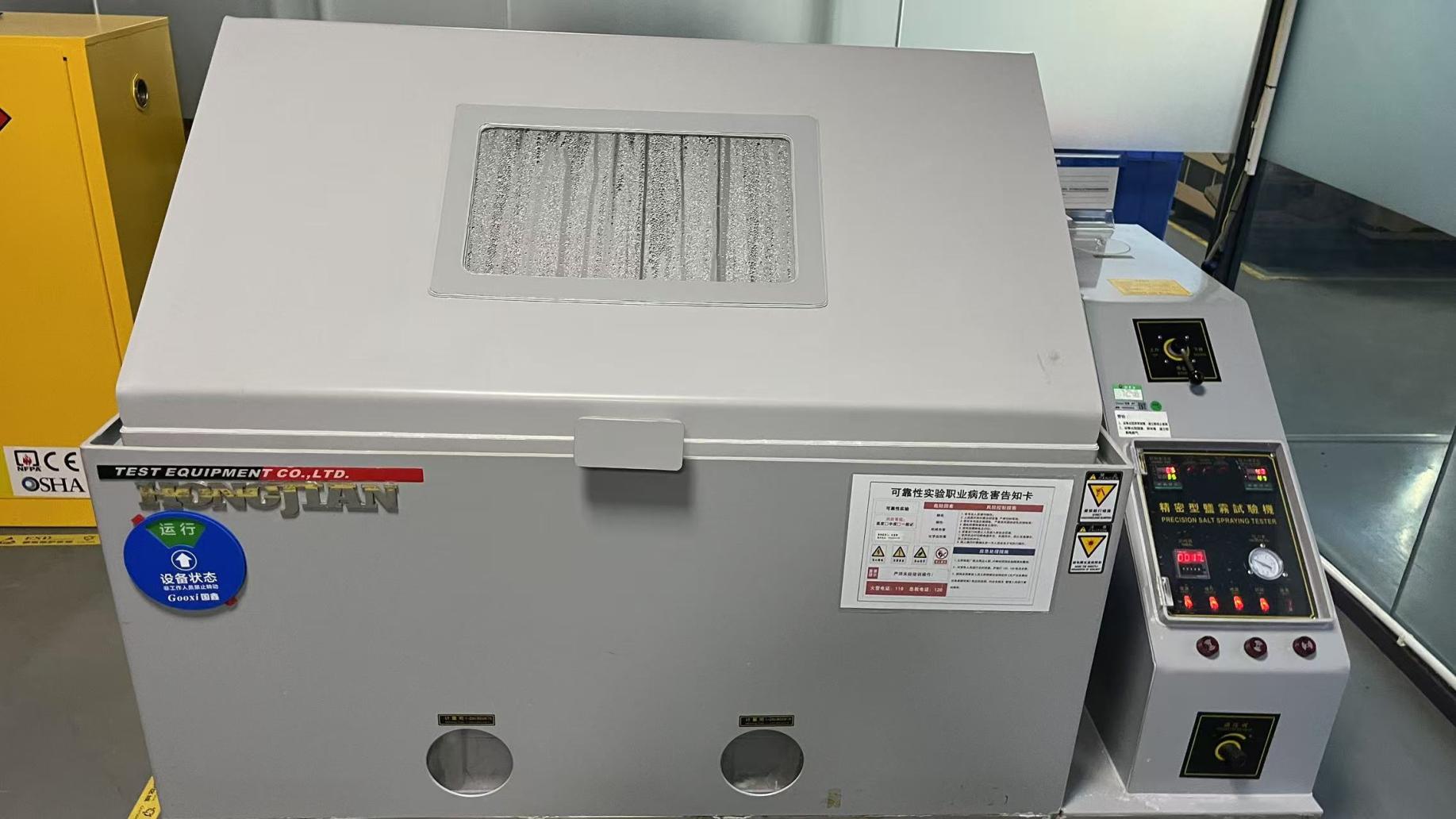
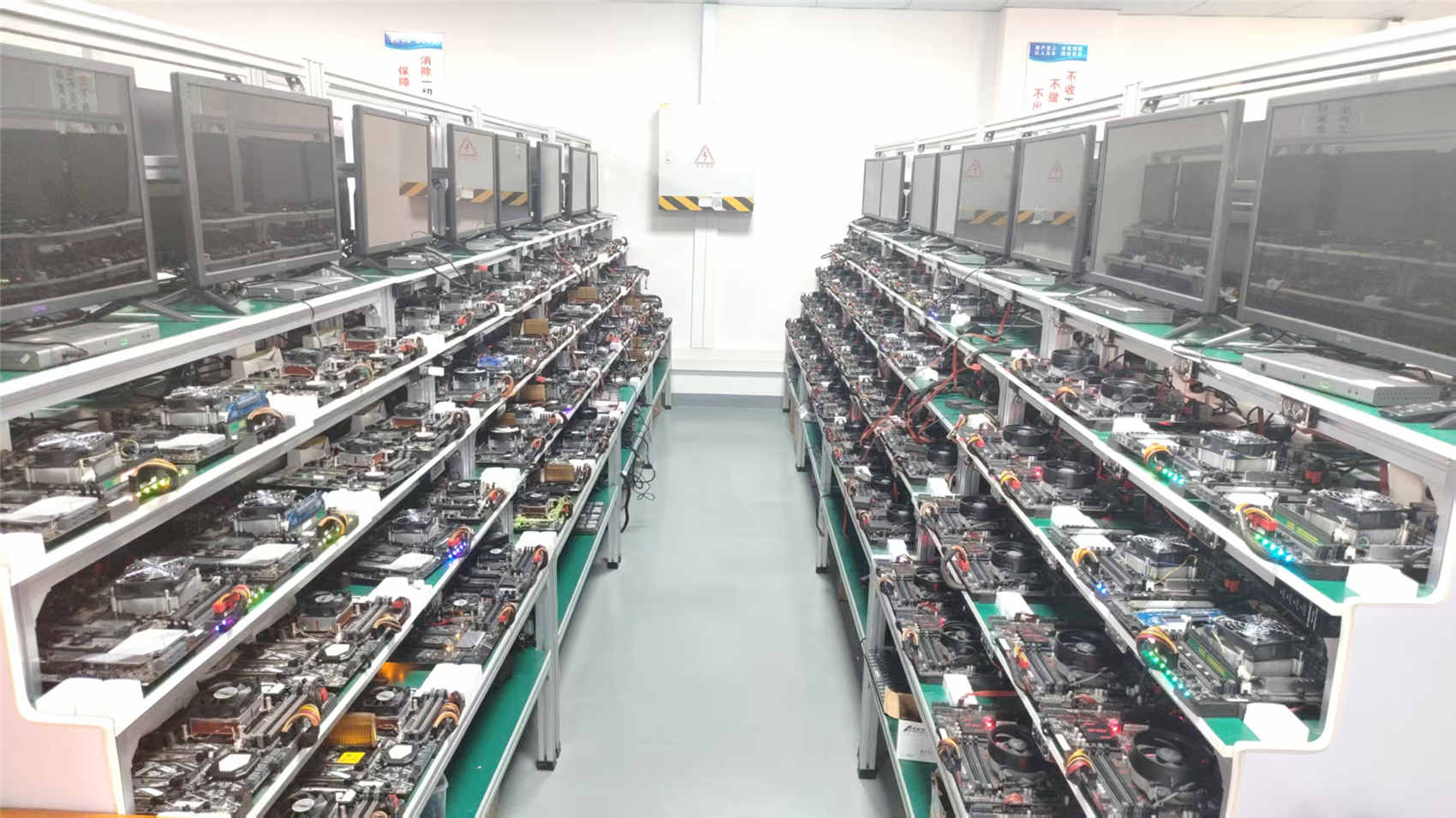
Maintaining product quality across high-volume production requires continuous testing. Our quality control division employs 62 experienced inspectors who use a combination of advanced testing procedures:
Exporting high-frequency telecom equipment requires meeting strict regulatory standards. All FiberQ components are designed and tested to comply with international market requirements:
No two networks are exactly alike. FiberQ supports deep customization of physical components, including optical transceivers and modular RJ45 designs. Our services cover:
Expert answers to common questions about physical-layer network splitters, performance limits, and configuration standards.
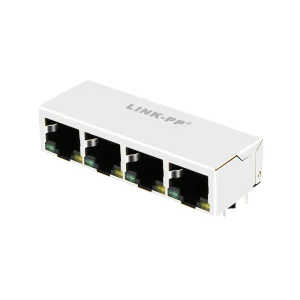
Browse our complete catalog of transceivers, low-profile sockets, and multi-port interfaces designed for reliable high-speed networking.