FiberQ
FiberQ
FiberQ
High-performance network adapters and optical components designed to reduce latency and maintain signal integrity in enterprise networks and data centers.
The global infrastructure is shifting through a fundamental transformation, propelled by the computation demands of artificial intelligence (AI), machine learning (ML), high-frequency trading (HFT), and dense virtualization ecosystems. At the heart of this revolution lies the physical and data link layers—interfaces where high-performance Ethernet Adapters, active optical transceivers, and advanced electromagnetic shielding are vital to preventing bottlenecks.
As enterprise computing transitions rapidly from 10G to 400G and 800G transmission pipelines, physical network interfaces must balance power optimization with signal integrity. Real-world applications demand interconnect solutions that resist insertion loss, return loss, and electromagnetic interference (EMI). Whether deployable in sub-sea telecommunication centers, industrial automation grids, or hyperscale cloud facilities, physical layer reliability is paramount. In this complex, globalized market, sourcing network equipment is no longer just a transaction; it requires partnering with an engineering authority capable of delivering scalable, compliant, and durable hardware solutions.
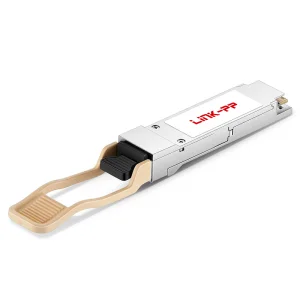
Sustaining parallel GPU networking structures through ultra-low latency optical transceivers (up to 800G) and EMI-shielded cage arrays designed for intense data flow.
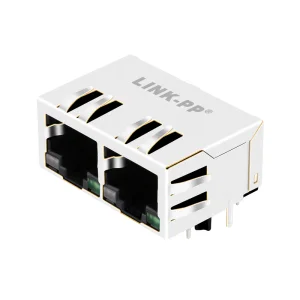
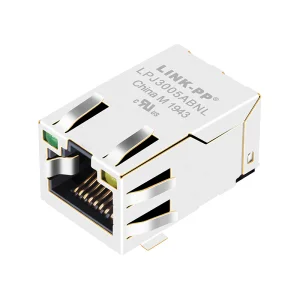
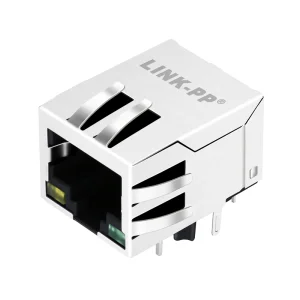
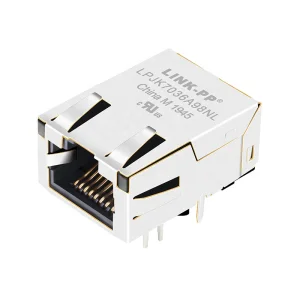
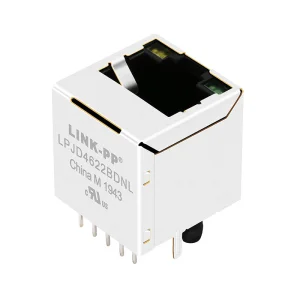
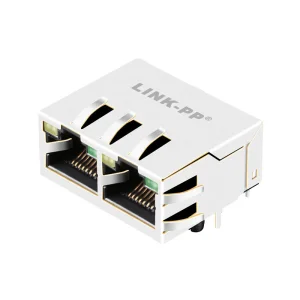
Ruggedized magnetic RJ45 connectors with integrated PoE capabilities (up to 30W/60W) to power and connect remote smart factory sensors and programmable controllers.
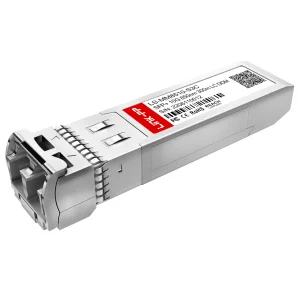
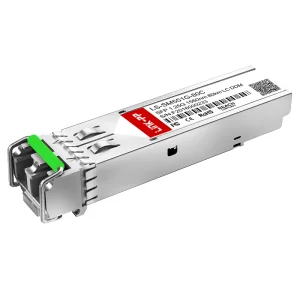
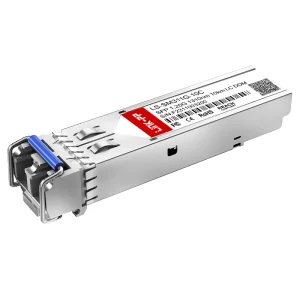
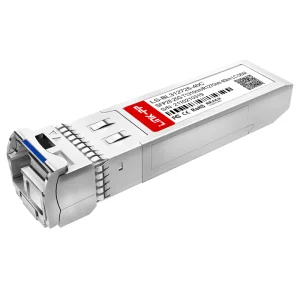
Long-haul single-mode duplex SFP+ modules supporting 10km to 80km transmission loops for metropolitan area networks and edge communications.
Bridging engineering design and manufacturing scale to fulfill global enterprise requirements.
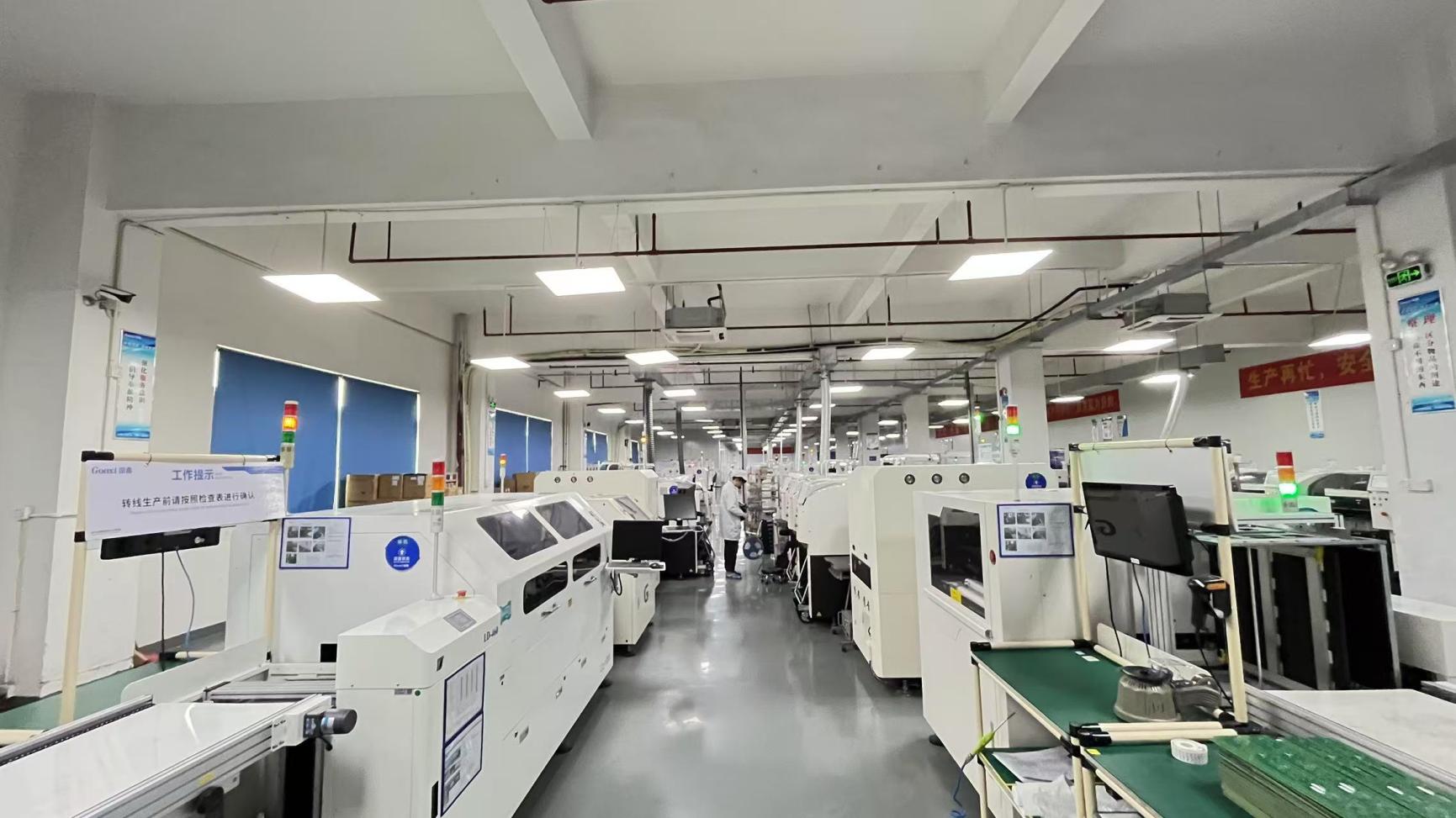
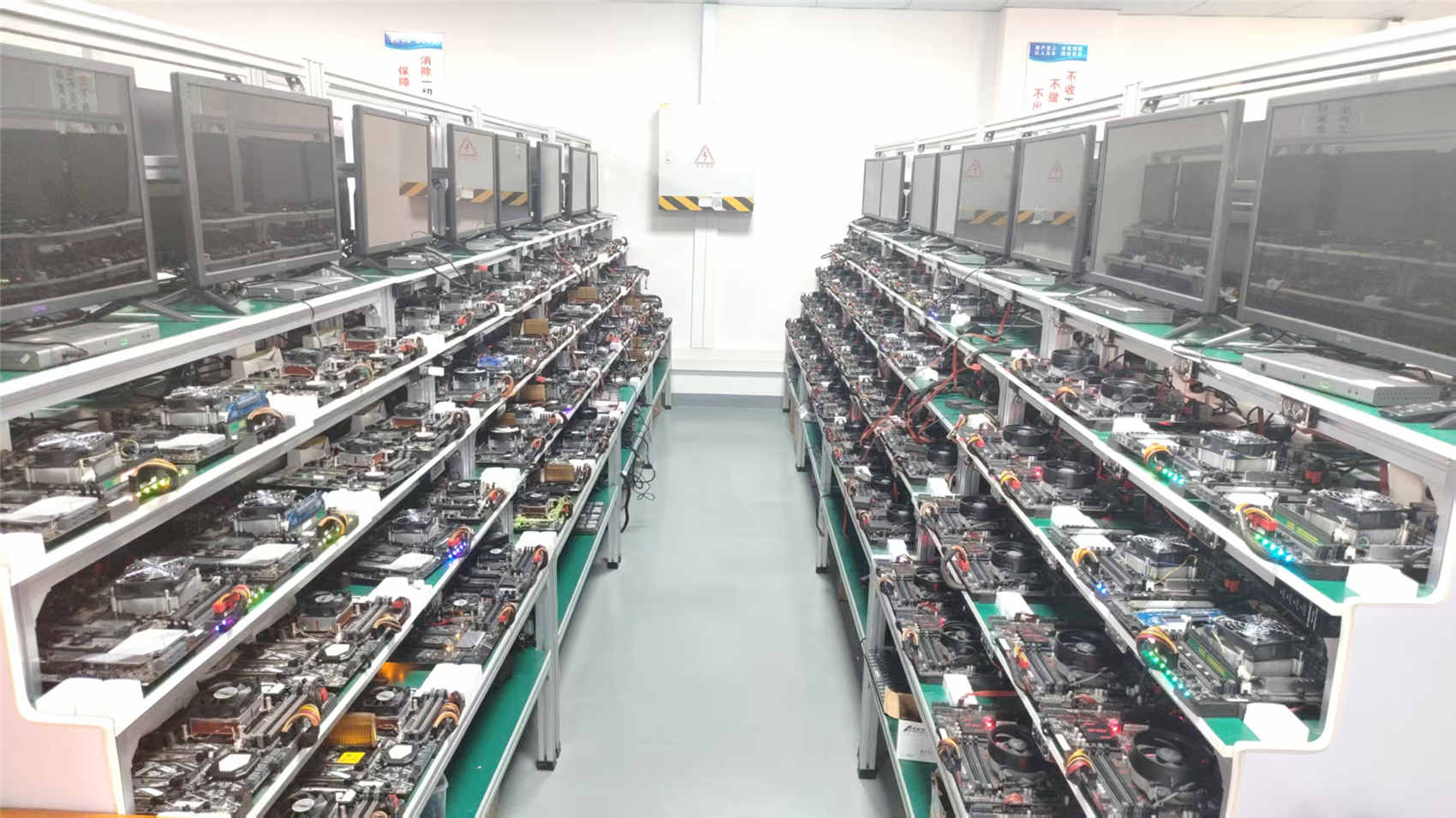
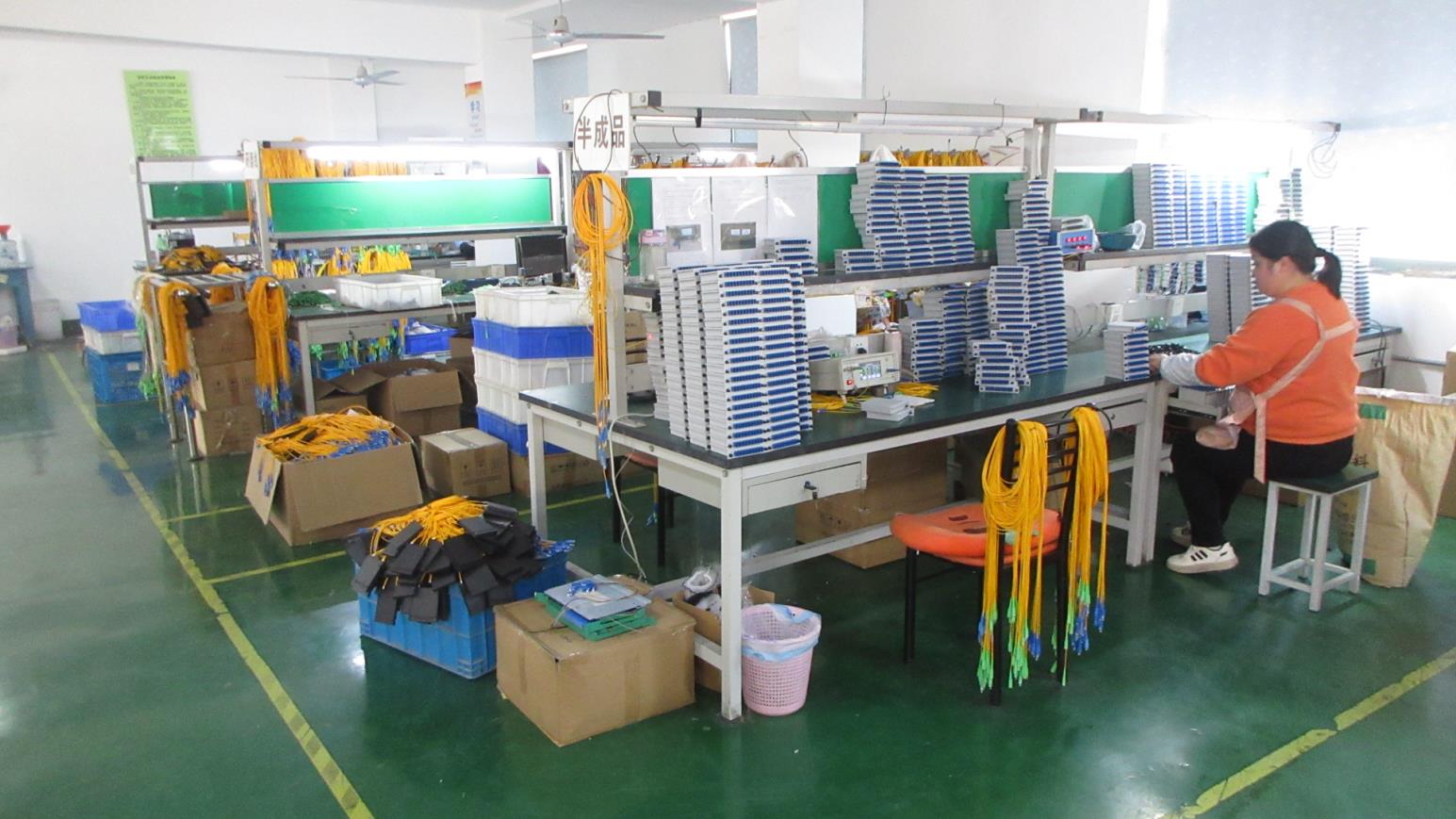
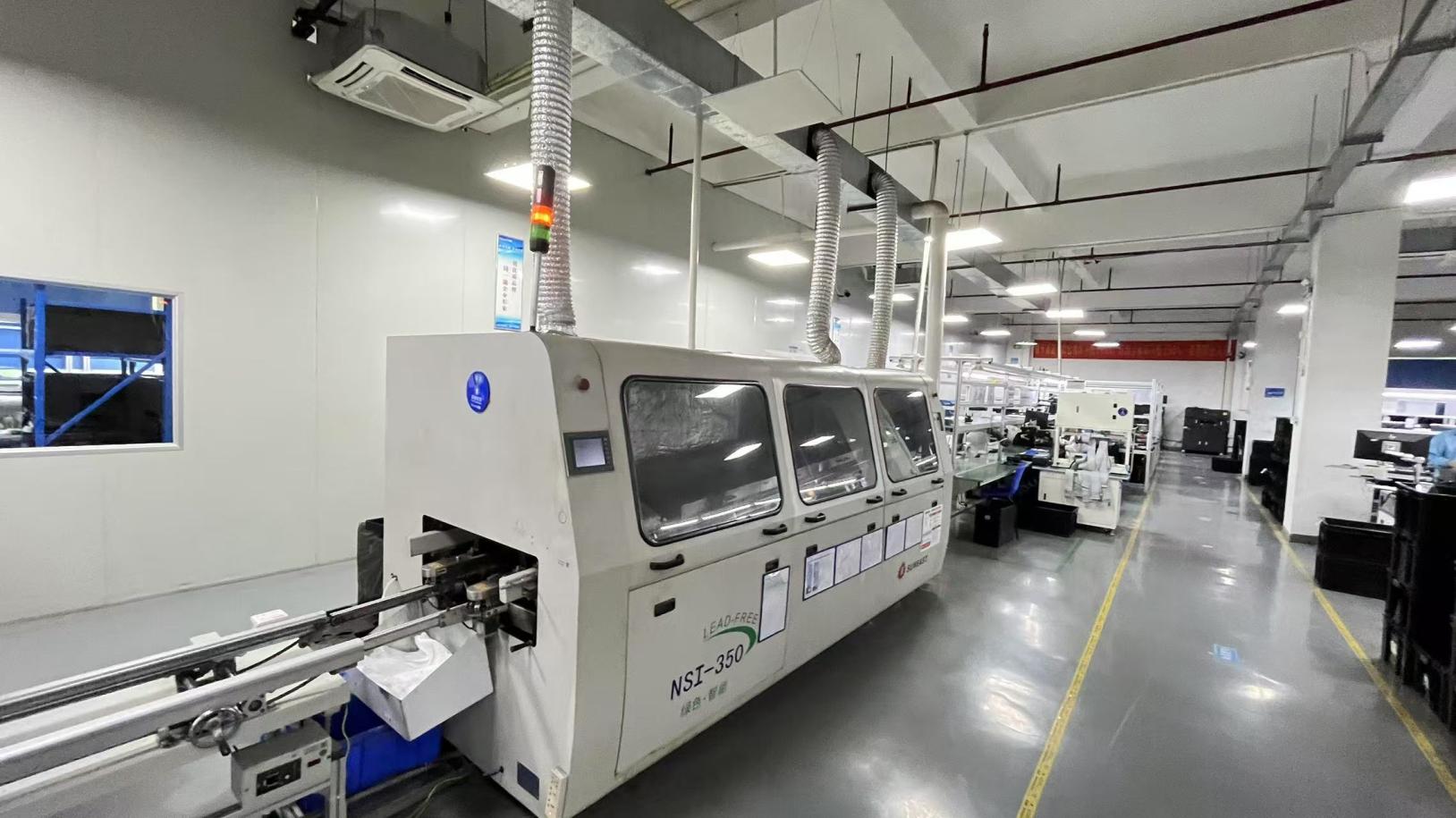
Founded in 2015, FiberQ Photonics Technology Co., Ltd. has evolved into a global supplier and exporter of high-performance fiber optic transceivers, integrated RJ45 connectors, and key physical layer network hardware. With a production facility spanning approximately 12,600㎡, we combine automated precision assembly line technologies with rigorous testing routines to ensure reliability in every batch.
Supported by a robust infrastructure of over 1,450 supply chain partners, FiberQ ensures consistent raw material sourcing and manufacturing scheduling, even during challenging global semiconductor cycles. This integrated ecosystem enables us to maintain a dynamic R&D pipeline—introducing around 180 new products annually to keep pace with evolving network protocols and standards.
How FiberQ engineers components to survive demanding thermal, mechanical, and electrical conditions.
Ethernet adapters depend on three major component categories to process, shield, and transmit data. Understanding the engineering choices behind these elements is key to optimizing system-level performance.
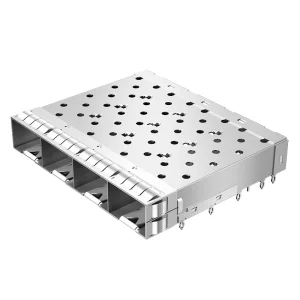
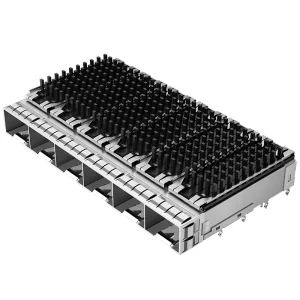
High-frequency signal transmission creates electromagnetic fields that can cause crosstalk and electromagnetic interference (EMI). FiberQ’s SFP+ and QSFP cages, including replacements for industry-standard TE Connectivity models, utilize through-hole press-fit configurations with multi-point EMI spring fingers. Made from high-grade copper alloys with nickel plating, these cages provide grounding contact points to contain radiation and isolate adjacent channels.
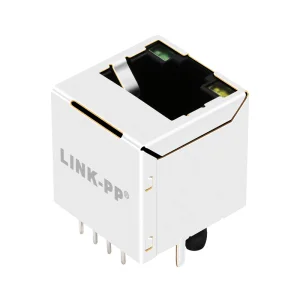
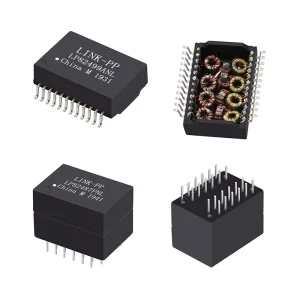
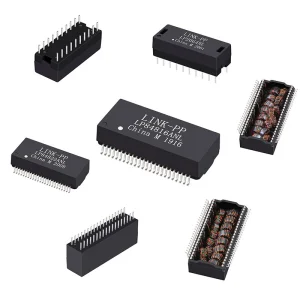
Copper Ethernet networks require galvanic isolation to protect delicate physical layer (PHY) chips from high-voltage surges and common-mode noise. Our MagJacks combine passive filter elements, common-mode chokes, and isolation transformers inside a shielded RJ45 plastic housing. The integrated 10G Base-T and PoE (Power over Ethernet) modules support up to 30W/60W power delivery, supplying DC voltage alongside high-speed data without saturating the ferrite cores.
For links longer than 100 meters, optical networks are necessary. FiberQ transceivers feature precision-engineered lasers (VCSEL for short-reach multimode; DFB and EML for single-mode fibers) calibrated to sustain low Bit Error Rates (BER) across extended operations. Built-in Digital Diagnostic Monitoring (DDM) interfaces track real-time metrics like operating temperature, optical transmit/receive power, and laser bias current to simplify remote troubleshooting.
Our commitment to reliability is backed by a 62-inspector quality control team and strict multi-national regulatory compliance.
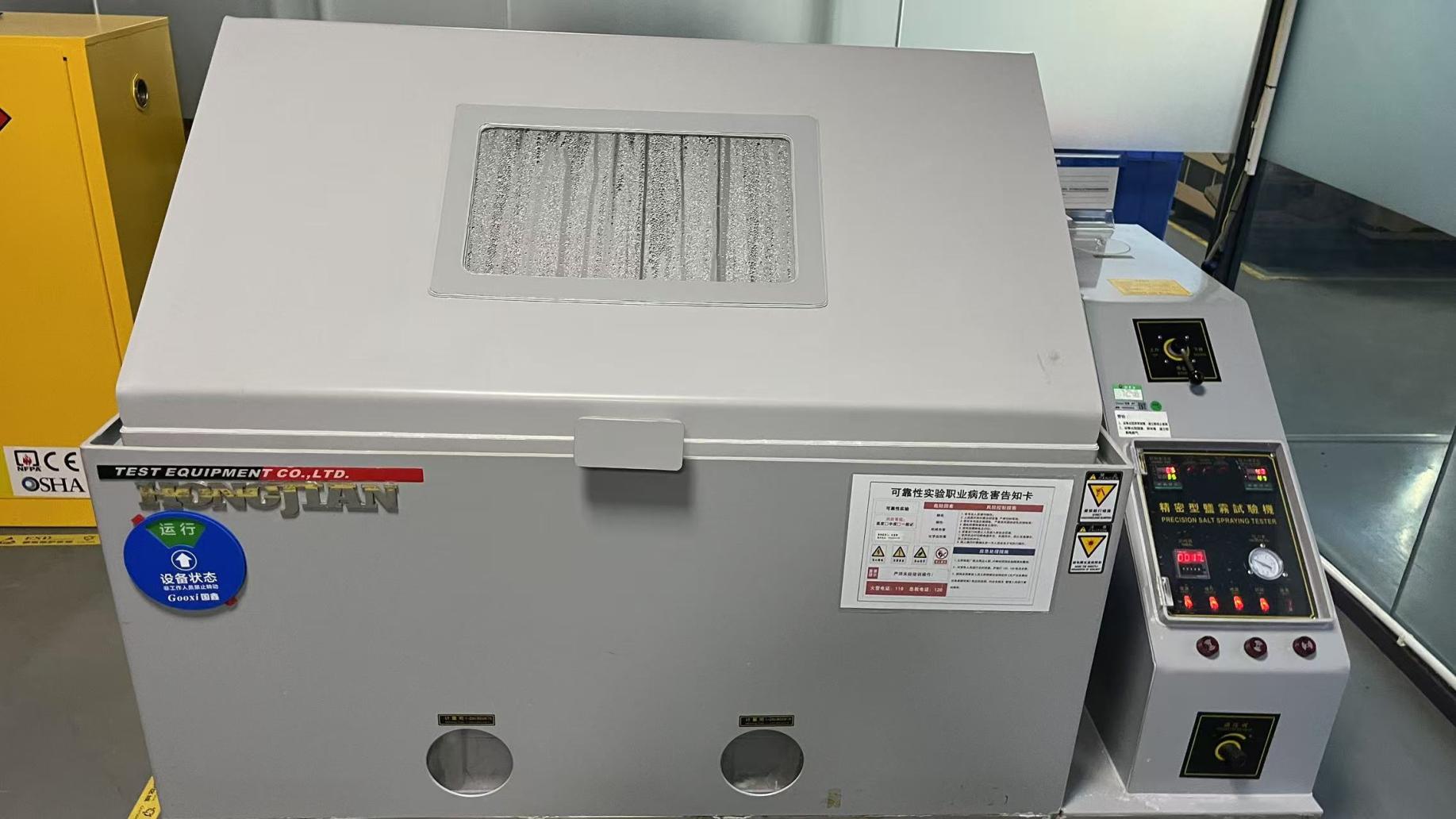
FiberQ maintains consistent quality by employing systematic, multi-stage verification across all production lines. Each batch undergo a comprehensive testing suite, including:
Our engineering standards ensure full compliance with regional regulatory mandates in our primary export markets: North America, Europe, Japan, and Southeast Asia. All physical layer components align with CE, FCC, RoHS, and REACH guidelines, facilitating straightforward integration into international hardware deployments.
Developing next-generation network hardware to support high-density, low-power interconnect structures.
Rolling out 800G active transceivers with advanced DSP architecture and silicon photonics engines for AI clusters.
Designing RJ45 magnetic modules capable of supporting IEEE 802.3bt Type 4 (90W) PoE to run high-draw smart edge devices.
Developing Co-Packaged Optics (CPO) architectures to integrate optical engines directly with switch ASICs for energy efficiency.
Constructing high-density SFP/QSFP cage solutions with improved thermal management to handle PCIe Gen 6 transmission speeds.
Answers to common questions from systems engineers, procurement officers, and hardware designers.
Our R&D team writes custom firmware configurations during assembly to align with major switch manufacturers' EEPROM keys. By replicating specific vendor structures, our transceivers ensure compatibility and avoid port-lockout issues on high-performance network equipment.
MagJacks consolidate isolation transformers and filtering circuitry directly inside the shielded connector. This reduces required PCB trace lengths, improves EMI resistance by placing the shield closer to the cable interface, and saves board space for critical high-speed processing components.
We offer SFP+ cage configurations equipped with integrated, low-profile copper heat sinks. Designed for press-fit assembly, these heat sinks make direct contact with the transceiver modules, dissipating heat and extending the lifespan of optical components.
We provide full system integration tailoring, which covers custom PCB layouts, modified casing geometries, customized wavelength selections, and dedicated high-voltage isolation properties. These solutions are built to align with customer-specified engineering schematics.
Browse additional physical layer connectors, discrete transformers, and long-range transceivers.
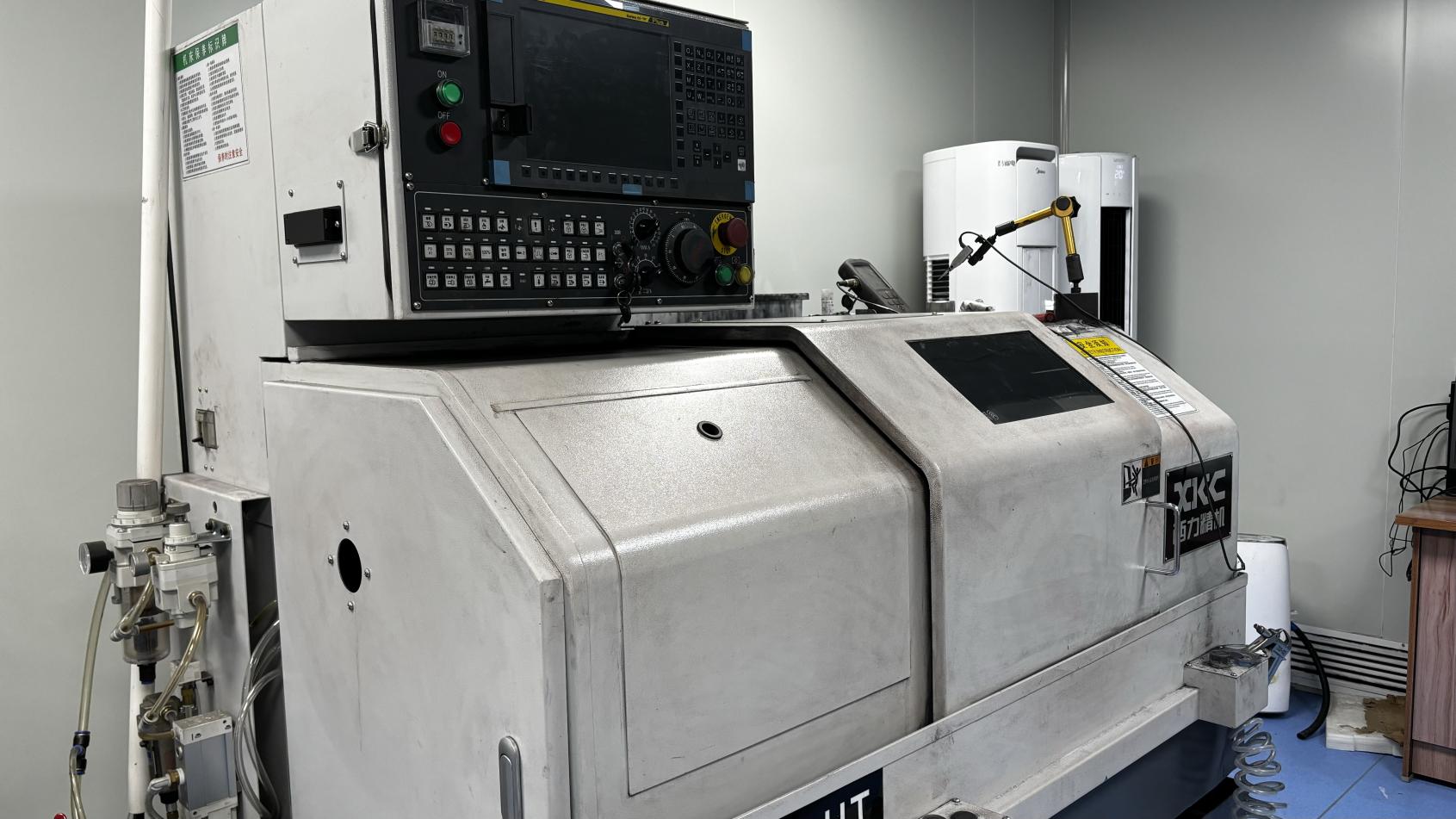
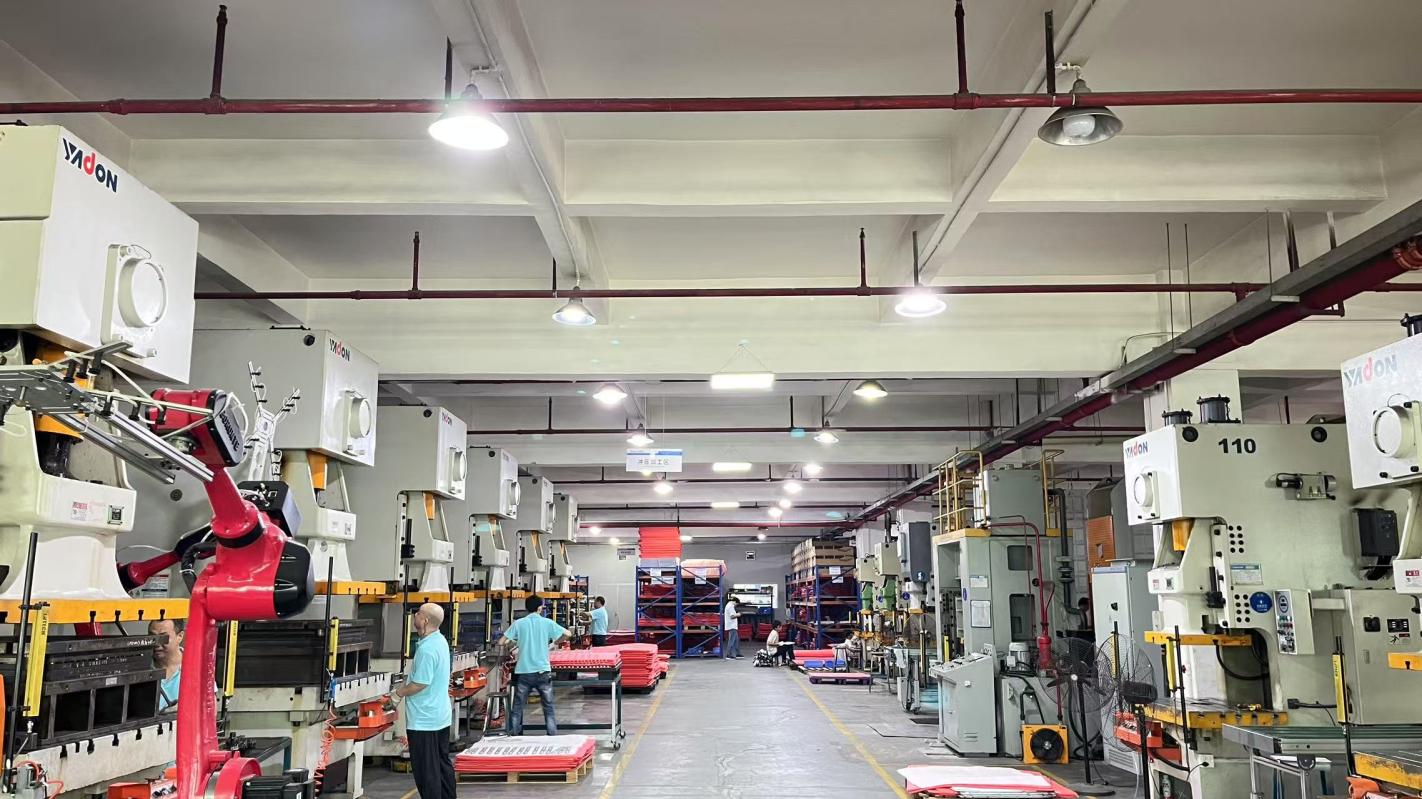
A look inside FiberQ’s production facility, where automation meets high-density component engineering.