FiberQ
FiberQ
FiberQ
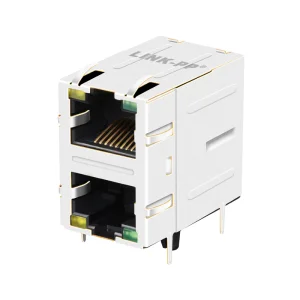
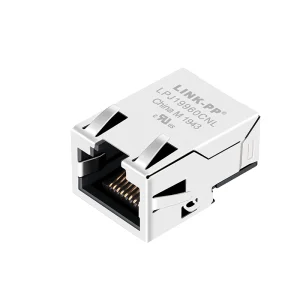
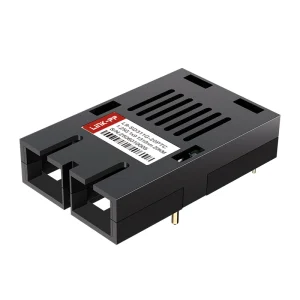
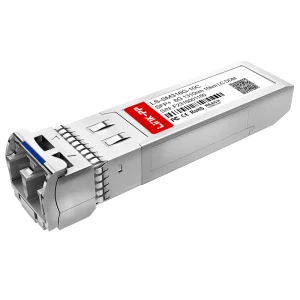
Explore our engineered line of RJ45 modular jacks, integrated magnetic connectors, high-speed SFP transceivers, and EMI-shielded cage assemblies designed for demanding optical and copper networking installations.
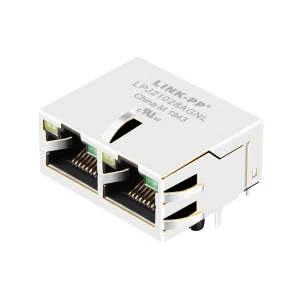
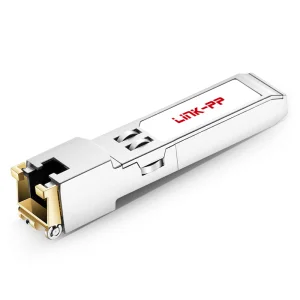
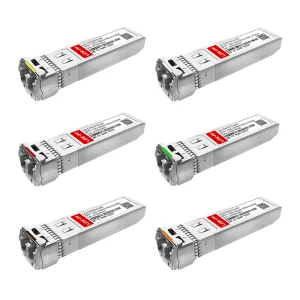
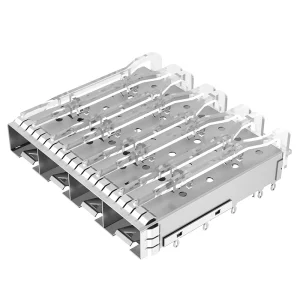
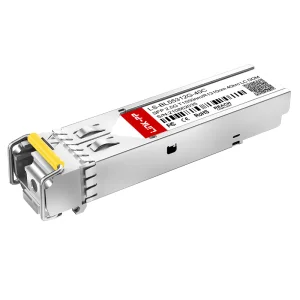
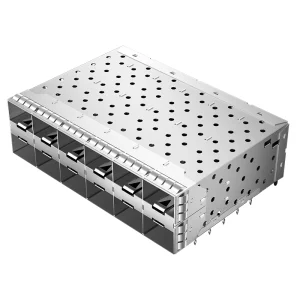
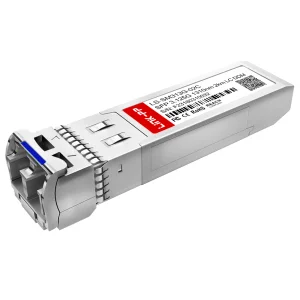
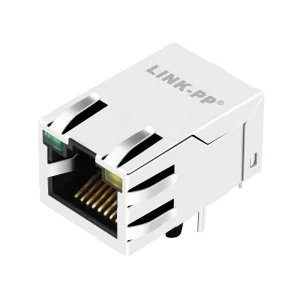
The global industrial Ethernet environment is undergoing a rapid transition toward high-density, ruggedized, and high-frequency communication protocols. Panel mount RJ45 connectors are no longer simple electrical bridgepoints; they serve as critical isolation, protection, and signal conditioning boundaries. As industrial networks demand data rates of 10 Gbps and beyond, while operating under the physical stress of Factory 4.0 automation, several defining trends have emerged:
With variable frequency drives (VFDs) and high-power switches crowding factory cabinets, electromagnetic shield configurations (through-hole EMI-shielded SFP cages and multi-ground point RJ45 jacks) are vital to preserve differential signal paths and eliminate crosstalk.
As edge computing modules and PTZ IP security cameras scale up power consumption, connectors must comply with IEEE 802.3bt (PoE++) standards, handling up to 90W-100W per port. This requires custom contact designs with specialized thermal management to prevent excessive heat buildup.
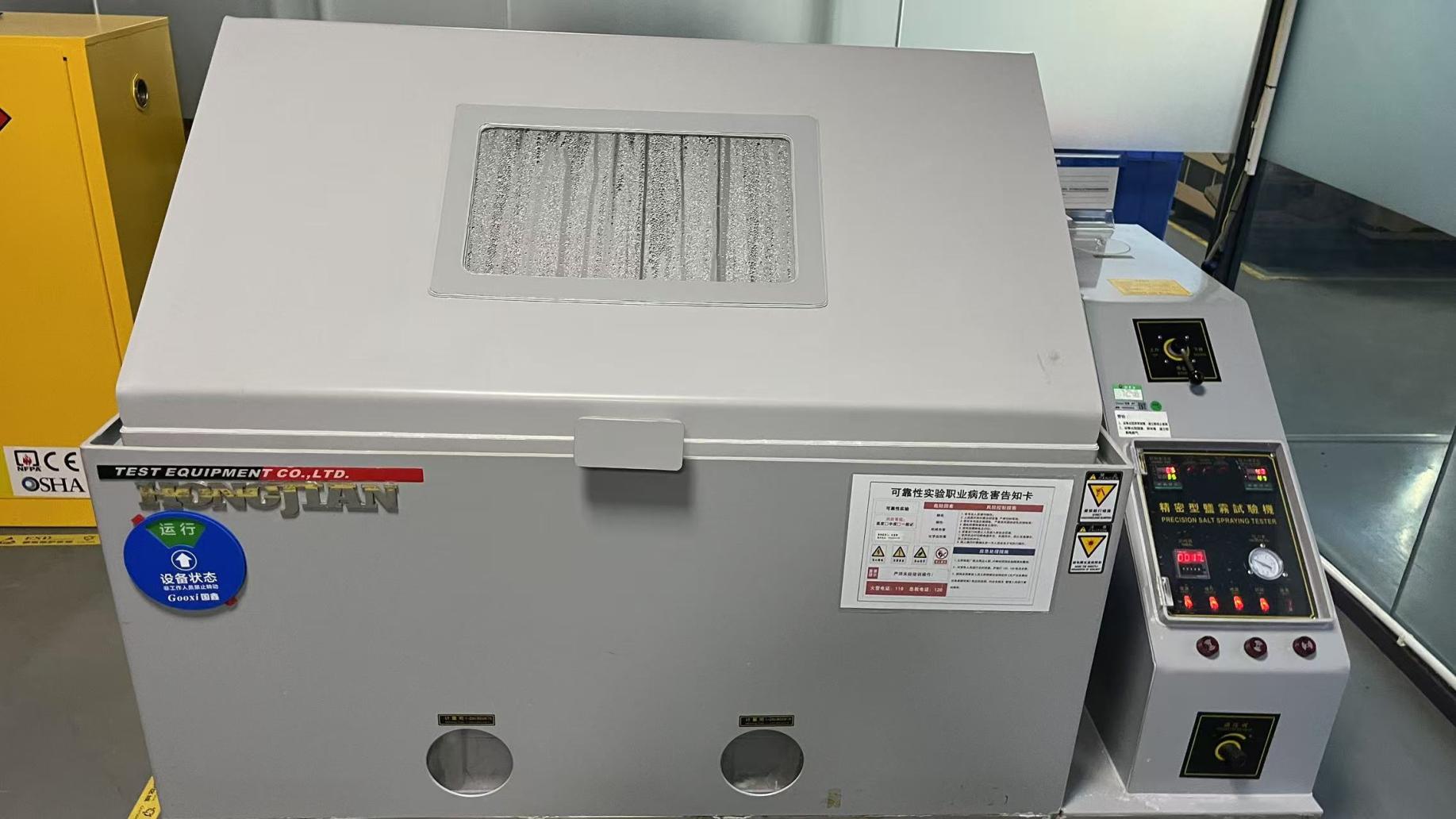
Industrial connections are shifting from classic cabinet internals to exposed applications, forcing manufacturers to design rugged panel mount RJ45 interfaces with IP67/IP68 sealing, salt spray resistance, and high-temp co-polymers capable of surviving harsh oil, mist, and washdowns.
The modern telecom rack and industrial automation hub often deploy a hybrid signal structure: copper Ethernet RJ45 modular jacks for short-reach power and signaling, combined with single-mode SFP/SFP+ optical transceivers for long-haul backplane uploads. For maximum efficiency, system designers prefer manufacturers who engineer and customize both interfaces, ensuring unified compatibility across optical-to-copper media convertors and network switches.
Procuring raw components from a major exporter involves deep evaluation matrices. Technical sourcing managers prioritize suppliers who provide comprehensive design resources (e.g., 3D CAD step files, S-parameter simulation models, pinout diagrams, and detailed cross-reference lists for industry-recognized brands such as TE Connectivity, Pulse Electronics, and Amphenol). Furthermore, verification of performance compliance—such as contact resistance testing under vibration, dielectric withstanding voltage (DWV) ratings, and UL 94 V-0 flammability ratings—is crucial. Reliability, high-speed consistency, and stable thermal performance under long-term continuous operation form the base requirements for global distribution agreements.
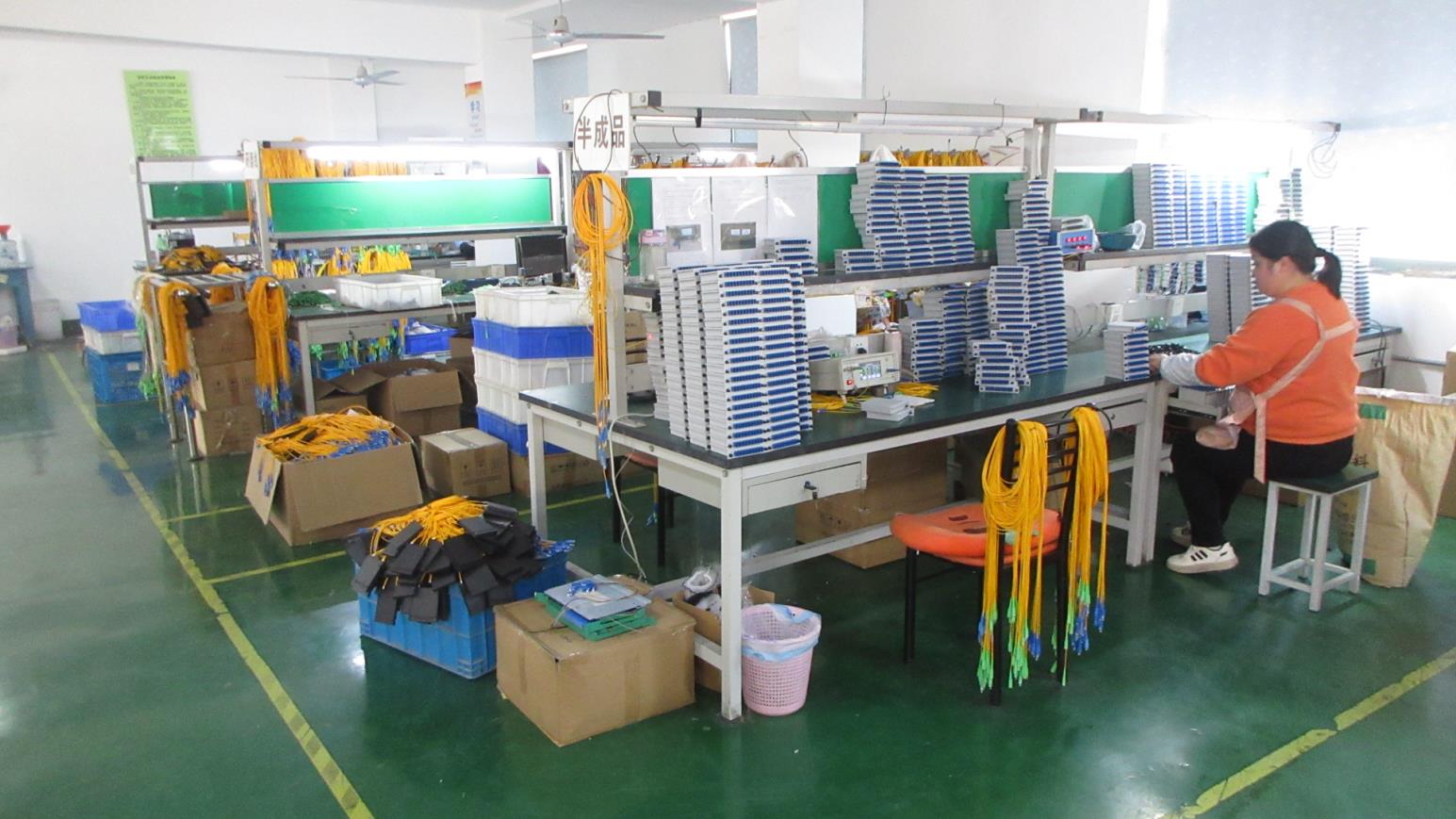
The structural backbone of high-performance components rests in mature production environments. FiberQ Photonics Technology Co., Ltd. represents this new era of precision design and global integration. Established in 2015, FiberQ has evolved from an optical communications innovator into a multi-capability manufacturer utilizing advanced assembly, automated testing, and comprehensive supply chain networks.
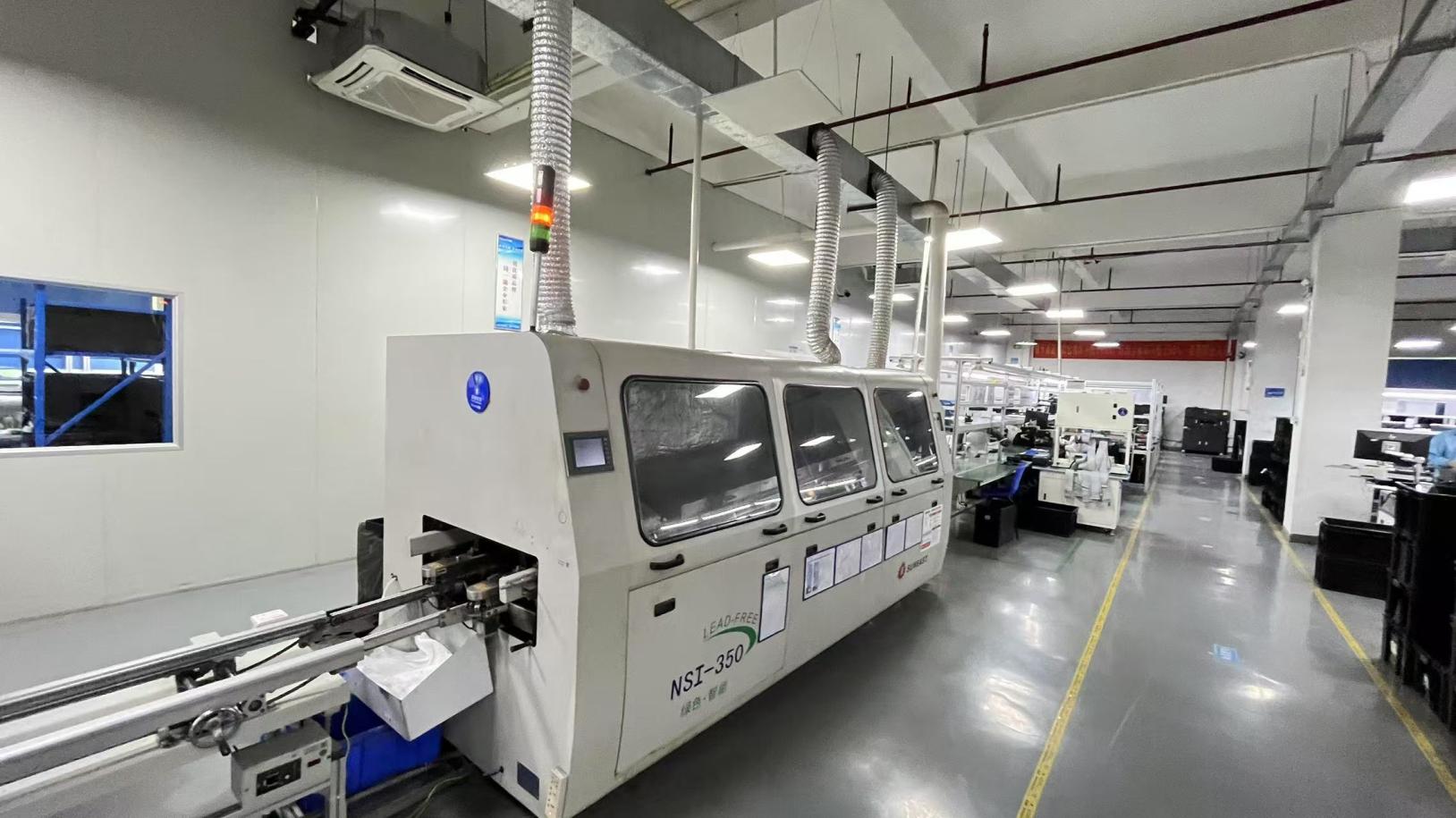
Operating a modern production facility spanning approximately 12,600㎡, FiberQ combines precise high-speed stamping, automated plastic injection molding, and automatic insertion of modular contacts. This extensive facility facilitates massive production scalability, ensuring high-yield consistency while satisfying rapid-delivery schedules for enterprise buyers across North America, Europe, Japan, and Southeast Asia.
With an annual export revenue of approximately USD 9.5 million, backed by 6 years of direct export operations and 12 years of core optical and copper communication industry experience, FiberQ possesses a deep understanding of standard regulatory frameworks, customs clearance processes, and specialized packaging designs required to safeguard high-precision connectors during international logistics.
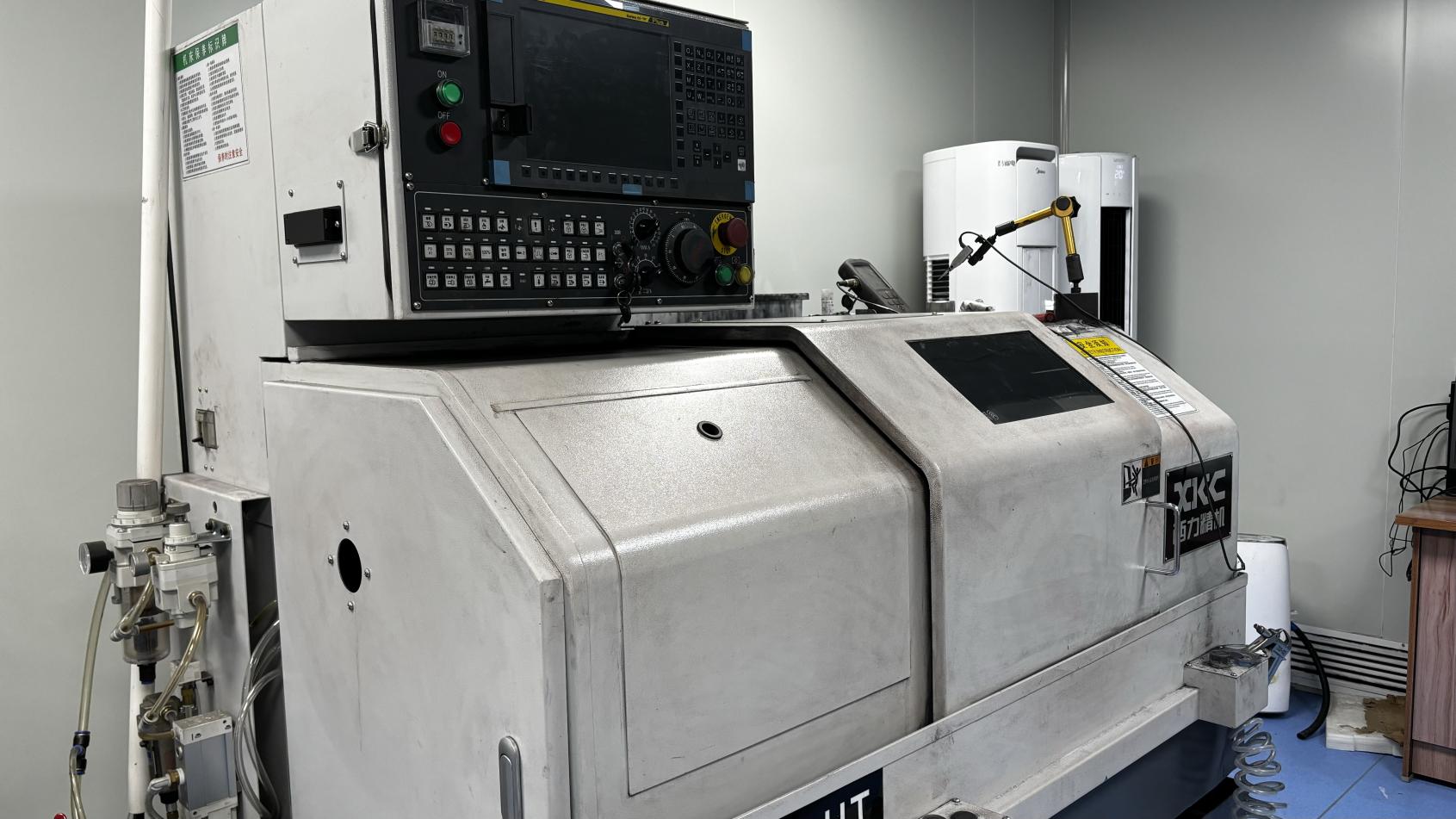
In high-speed communication networks, minor variances in impedance or structural tolerances can cause significant return loss and transmission errors. Reliability must be verified using rigorous and repeatable testing parameters. FiberQ maintains a strict quality control network operated by a dedicated team of 62 experienced inspectors. Every production run undergoes automated and manual evaluations to guarantee absolute reliability before shipment.
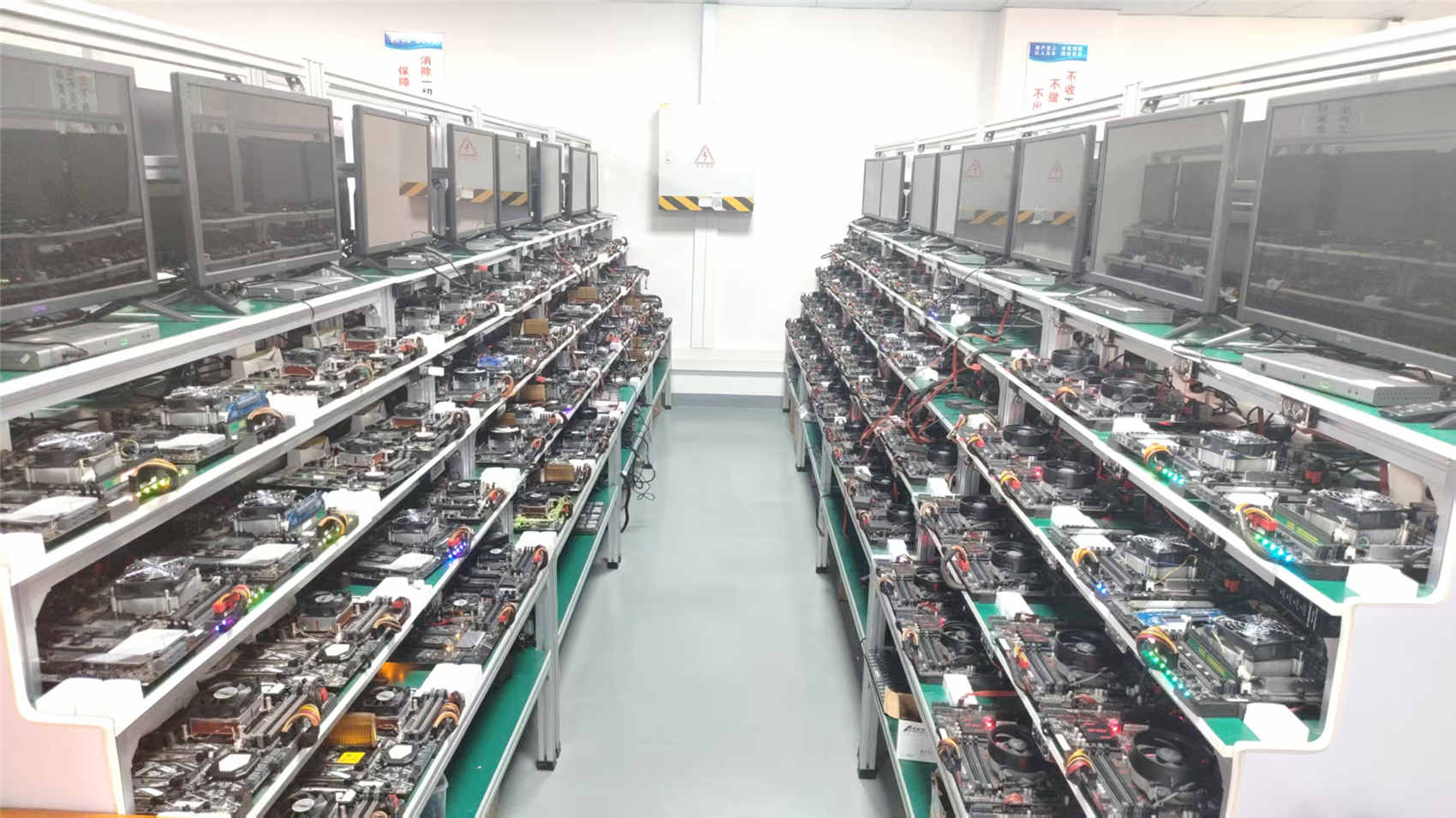
High-speed SFP modules and electrical RJ45 connectors undergo automated performance testing, verifying parameter compliance such as SGMII copper transceiver link limits and signal integrity up to 10G/40G/100G transmission thresholds.
Fibers, end-faces, and electrical pins are subjected to high-precision interferometric inspection. All components pass through rigorous high-temperature aging chambers to simulate years of uninterrupted stress in heavy industrial environments.
Trained QA specialists manually inspect critical solder points, gold-plating uniformity on contact pins, shield spring structural integrity, and latch functionality to eliminate mechanical degradation risk.
Furthermore, FiberQ maintains strong OEM and ODM partnerships with approximately 1,450 supply chain partners worldwide. This extensive, integrated ecosystem guarantees access to raw high-purity copper, specialized shielding alloys, and premium optical sub-assemblies. The result is a highly stable, resilient supply chain that insulates clients from volatile commodity prices and raw material shortages.
Panel mount RJ45 connectors and SFP transceiver interfaces serve as critical components in many physical setups, ensuring stable network traffic in varied and demanding environments:
Our engineering team answers key questions regarding panel mount RJ45 specification, OEM customization, and optical integration.
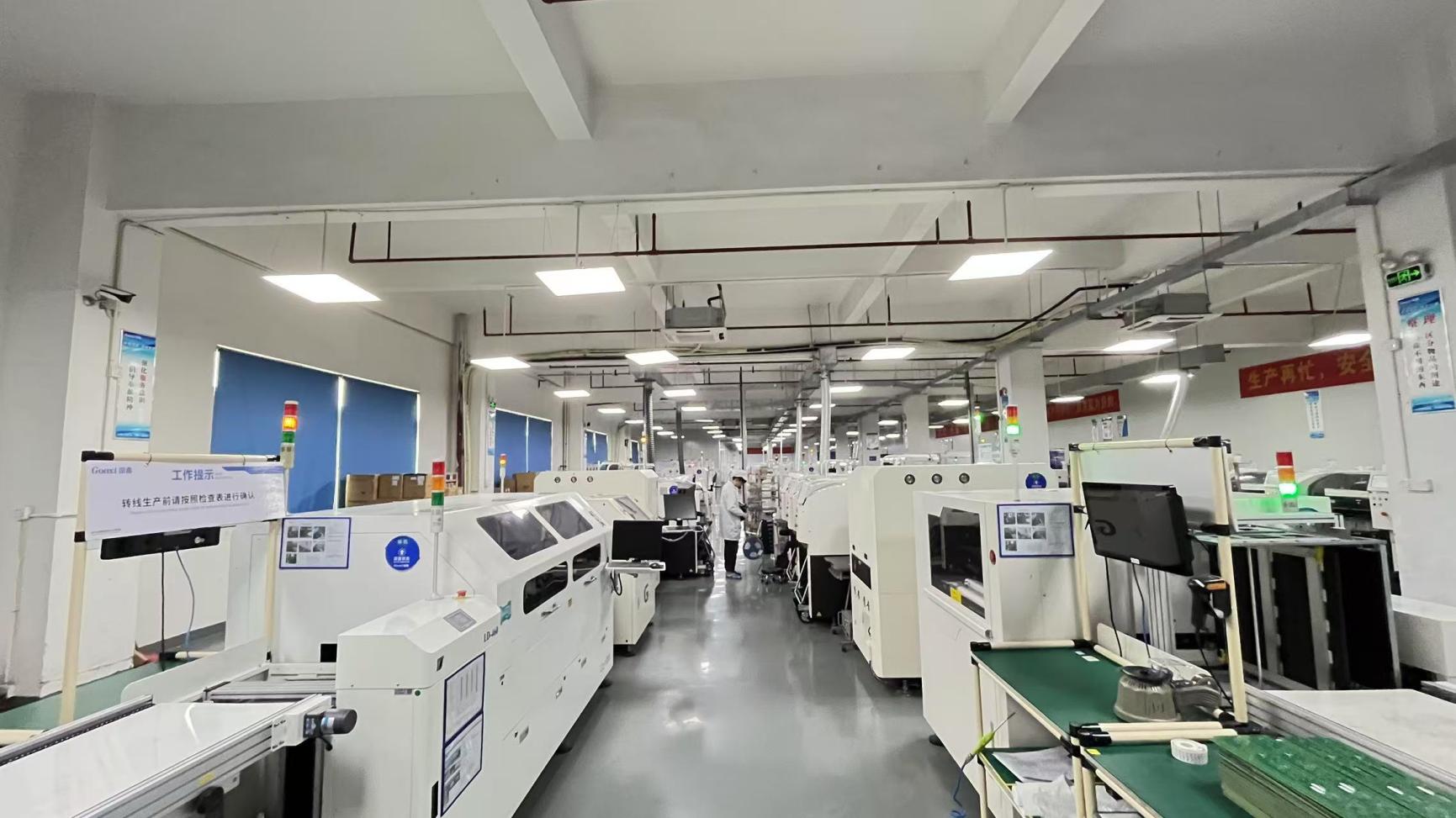
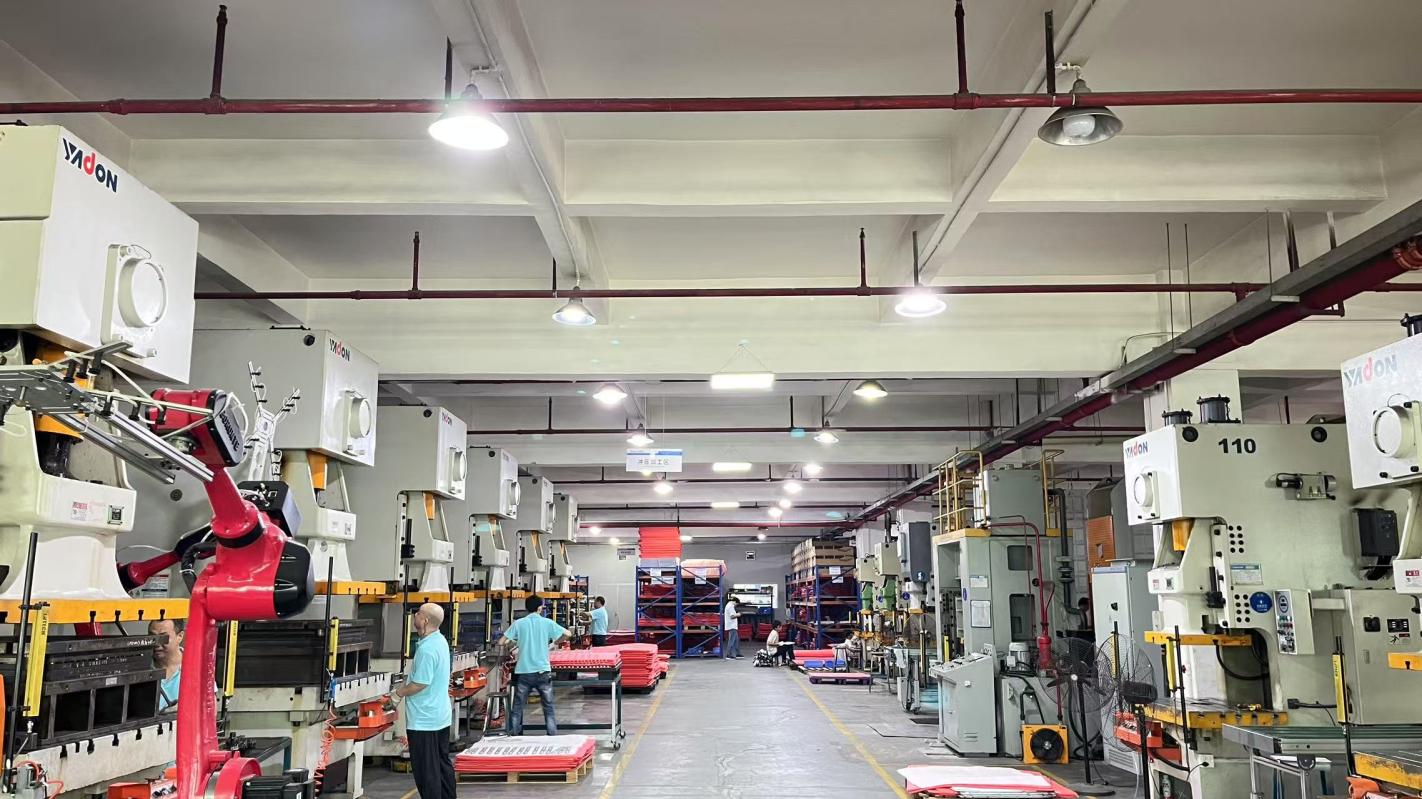
Examine our specialized multi-port stacked jacks, vertical configurations, and SFP+ optical interfaces designed for dense server boards and specialized industrial chassis.