FiberQ
FiberQ
FiberQ
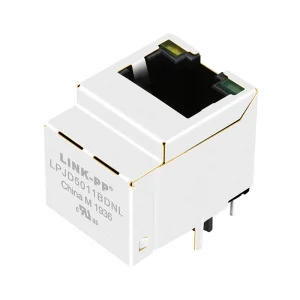
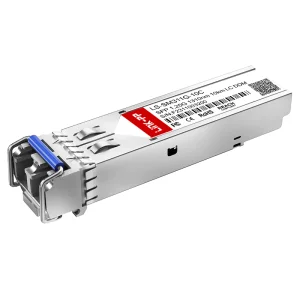
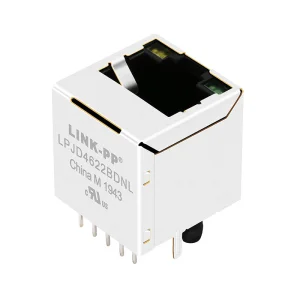
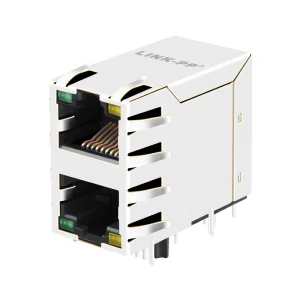
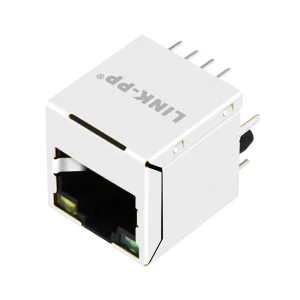
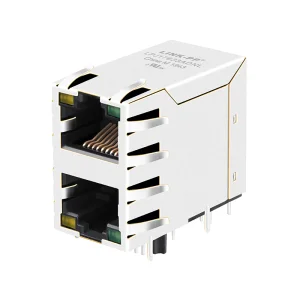
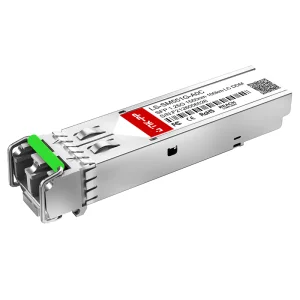
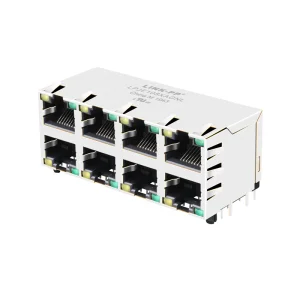
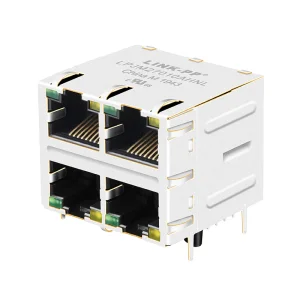
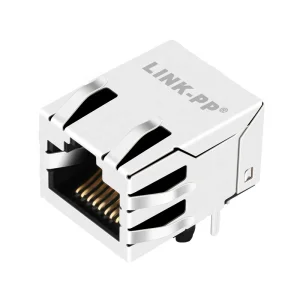
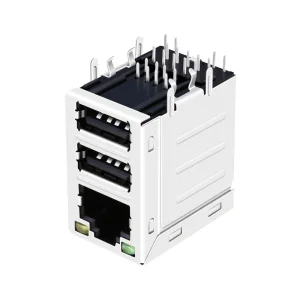
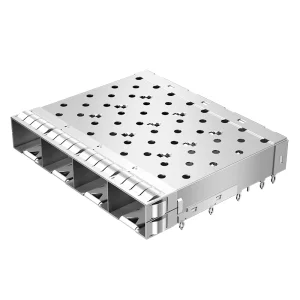
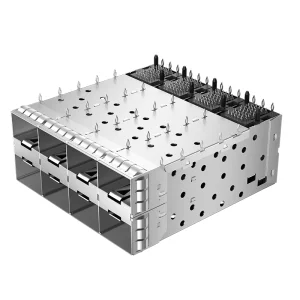
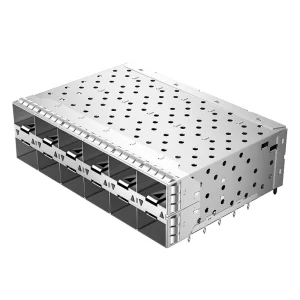
Explore our premium selection of SFP transceivers, compatible cages, and vertical RJ45 connectors designed for high-density applications.
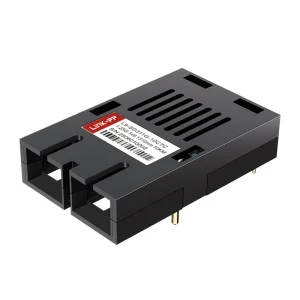
Multi-Mode Small Form-factor Pluggable (SFP) modules represent the backbone of short-reach, high-bandwidth communication within modern enterprise networks and cloud data centers. Utilizing Vertical-Cavity Surface-Emitting Laser (VCSEL) technology operating typically at the 850nm wavelength, multi-mode SFP transceivers transmit data over multi-mode optical fibers (OM1, OM2, OM3, OM4, and OM5). This technology offers a highly cost-effective alternative to single-mode systems for distances up to 550 meters, providing high data integrity, minimal heat dissipation, and lower power consumption.
As digital transformation accelerates global data demands, selecting the right Multi-Mode SFP manufacturing partner is crucial. Organizations must navigate specifications such as transmission distance, data rate capacity (from 1.25G SFP up to 10G SFP+ and 25G/100G configurations), and compatibility with major switch architectures. This page outlines why professional exporters and advanced Chinese factories lead the global supply chain, and highlights the technical excellence of FiberQ Photonics Technology Co., Ltd.
Founded in 2015, FiberQ has grown into a trusted global supplier, integrating deep R&D engineering with scalable, automated optical manufacturing.
Why leading global telecom providers and data center operators source their optical modules from China-based specialists.
Factories leverage access to over 1,450 local components and raw material suppliers. This cluster effect dramatically minimizes lead times, secures supply chain resilience, and ensures cost efficiencies across active and passive components.
Leveraging high-precision automated optical performance tests, interferometric inspections, and programmable high-temperature aging chambers ensures that every transceiver reaches zero-defect quality thresholds prior to shipment.
With massive R&D divisions, Chinese exporters support advanced protocol compatibility, custom wavelength engineering, enhanced thermal design, and Multi-Source Agreement (MSA) standards compliance.
Our Multi-Mode SFP modules are integrated across diverse high-performance sectors to resolve complex communication bottleneck issues:
Modern commercial buildings and university campuses require stable Gigabit and 10-Gigabit interconnections. Using Multi-Mode SFP modules with OM3/OM4 fiber cabling provides high throughput over paths up to 300-550m, drastically lowering equipment costs compared to single-mode lasers.
High-density data centers utilize structured cabling arrays. FiberQ's transceivers support high-speed data exchanges between top-of-rack (ToR) and end-of-row (EoR) switches. Low power consumption design helps lower overall power usage effectiveness (PUE) ratios.
Heavy electrical noise and electromagnetic interference (EMI) disrupt traditional copper-based RJ45 lines. Our SFP cages with EMI shielding and fiber optic modules supply absolute galvanic isolation, delivering high-speed transmission in hazardous manufacturing sites.
As compute resources move closer to end-users, compact SFP modules facilitate low-latency optical connections between local sensors, cellular towers, and regional data centers, maintaining continuous uptime in varied thermal settings.
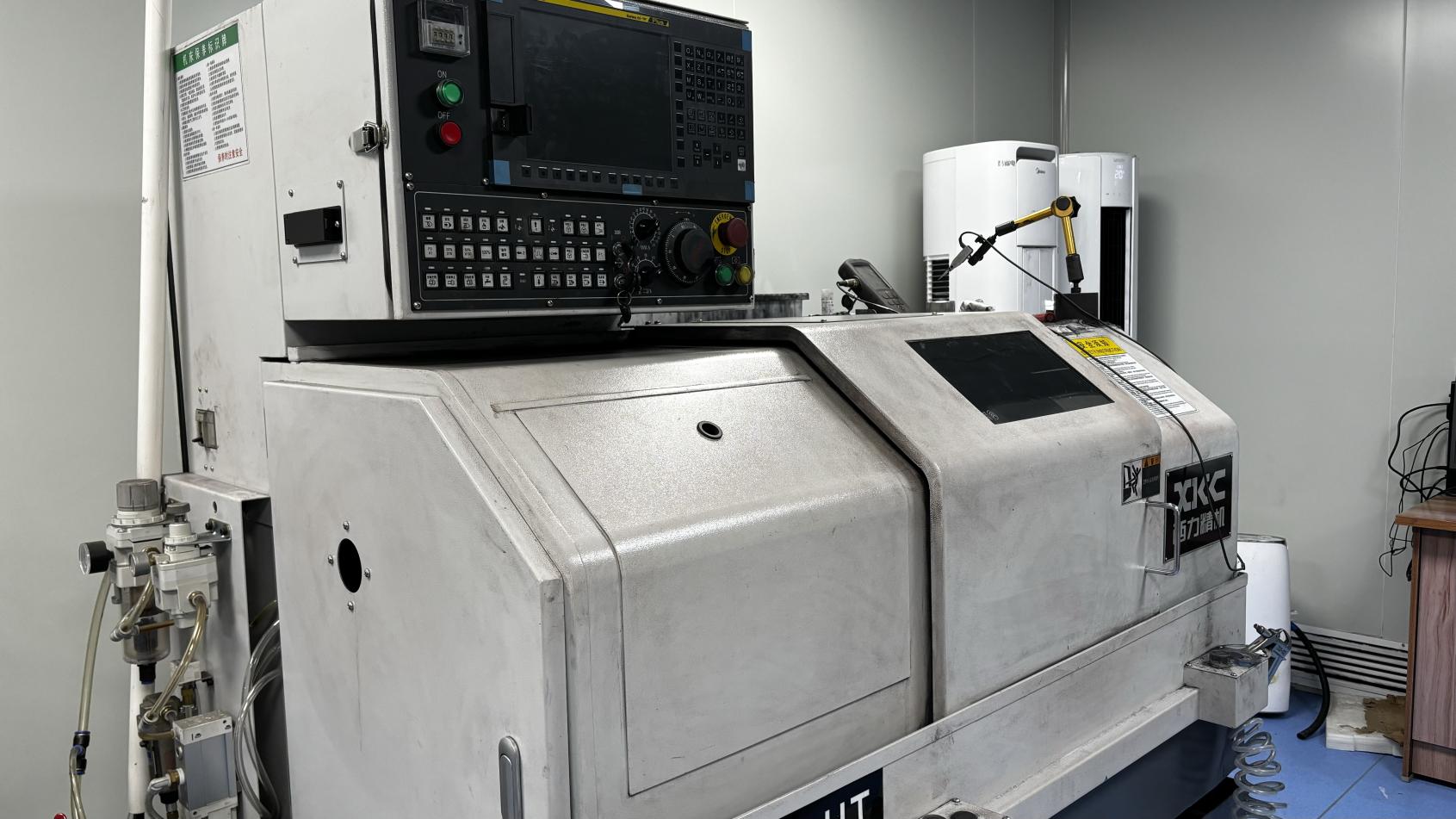
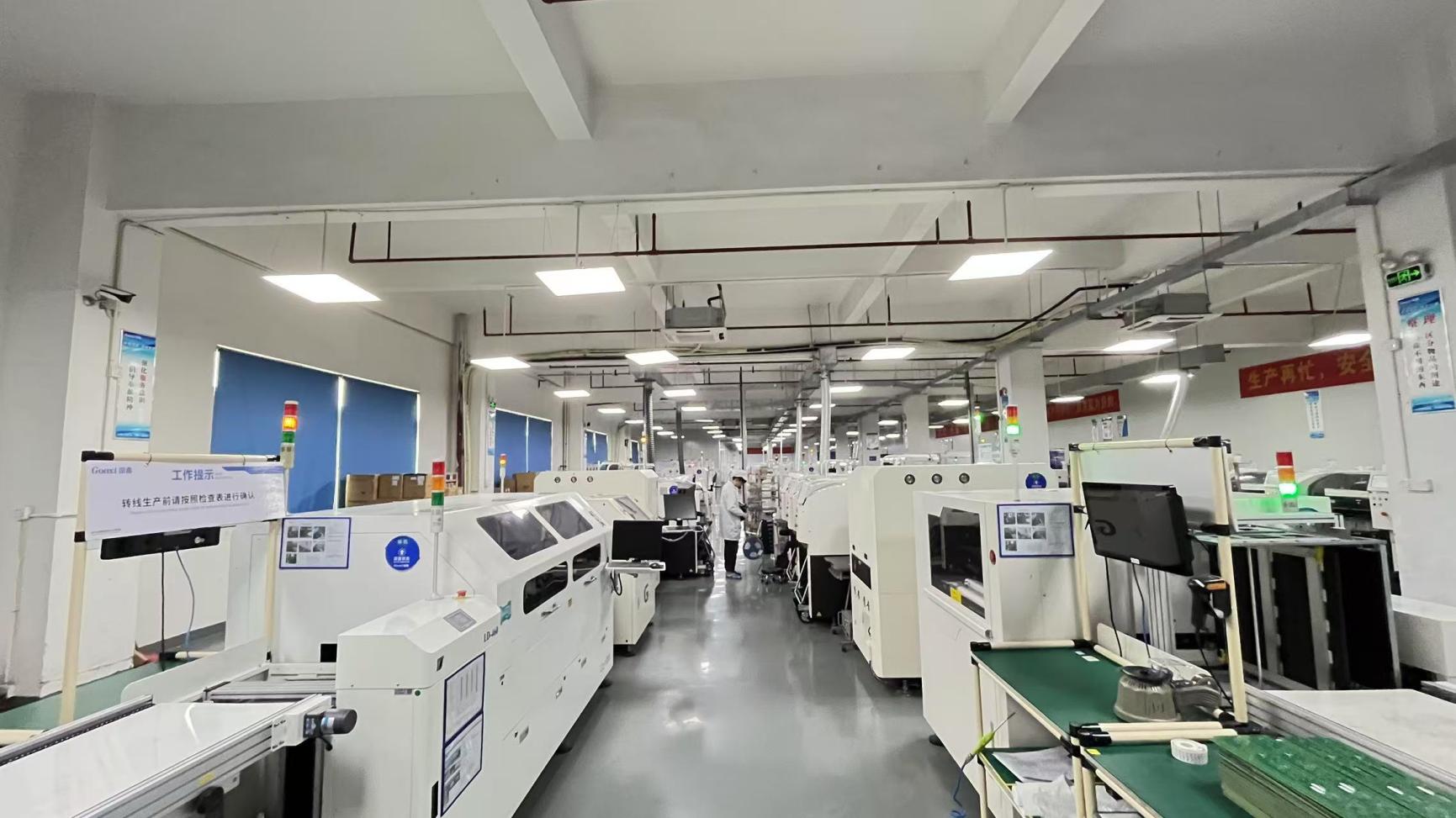
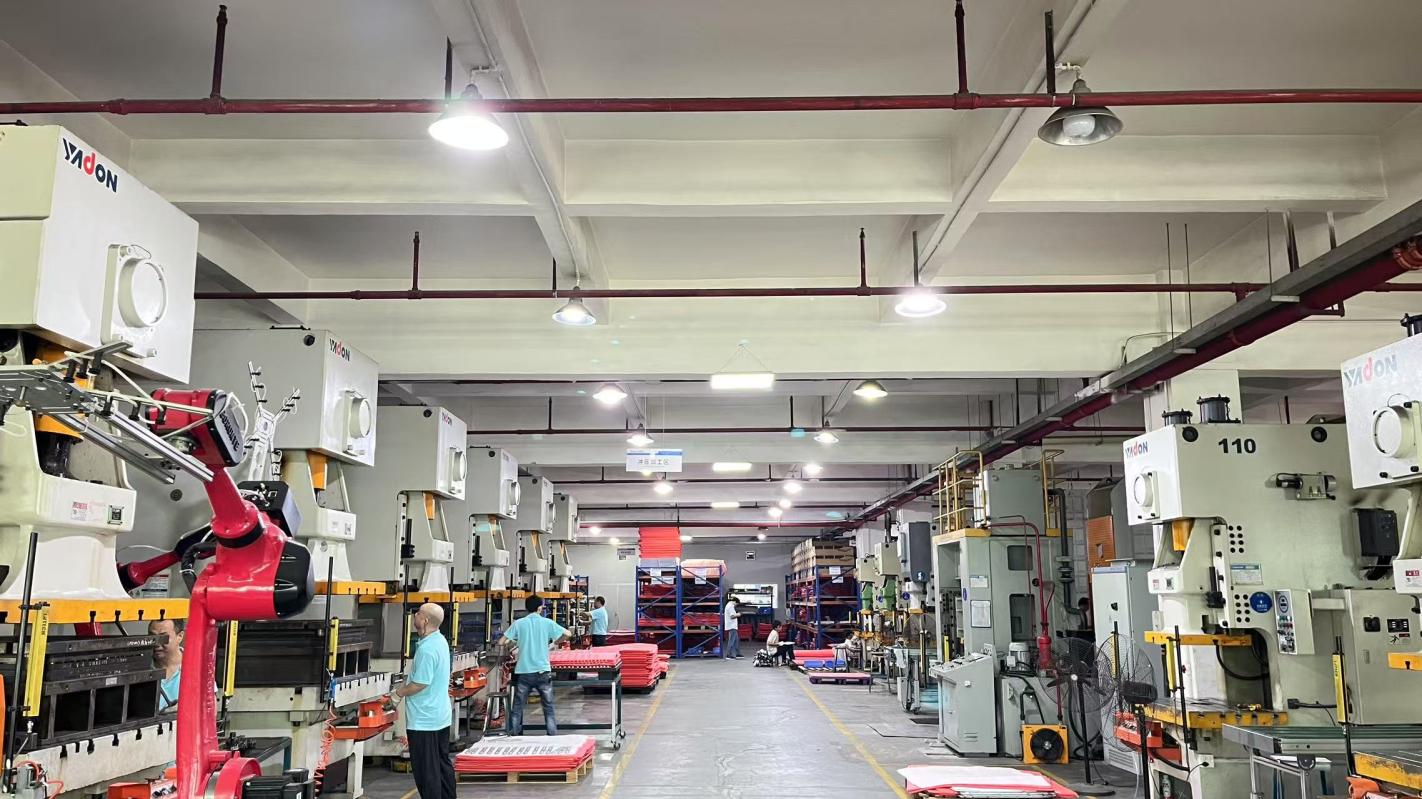
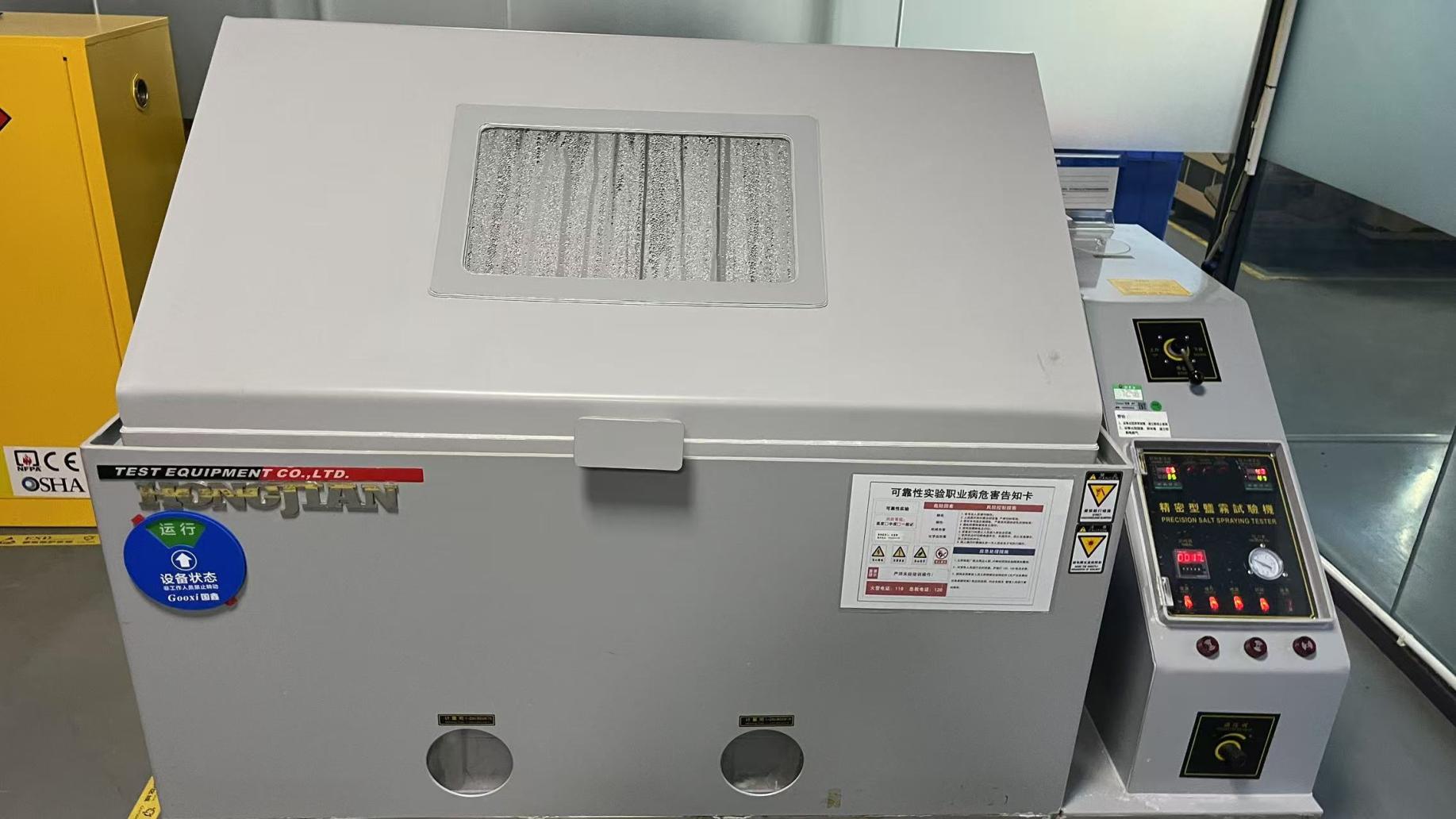
A glance into FiberQ's state-of-the-art production environments, precision alignment stations, and optical laboratories.
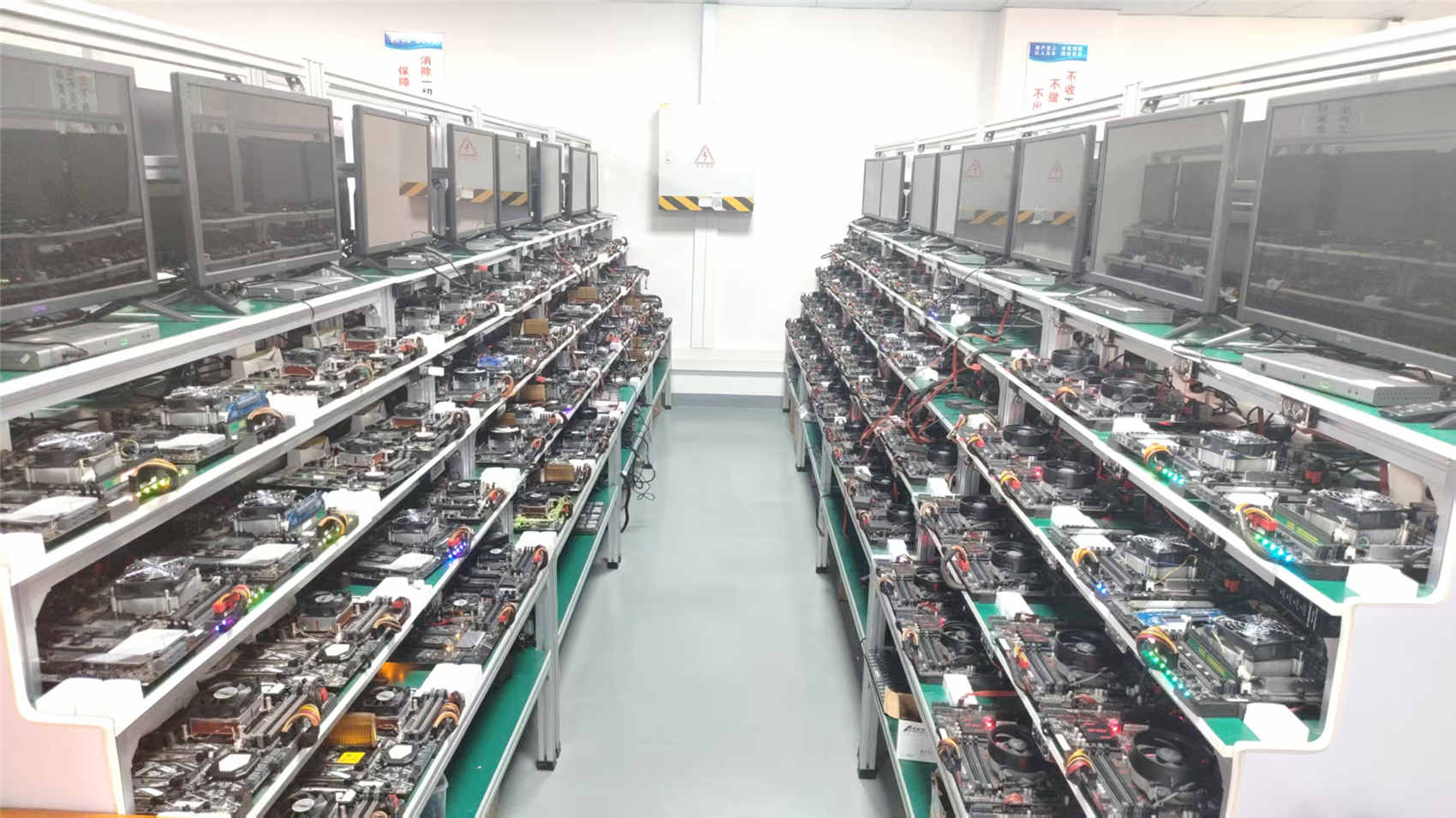
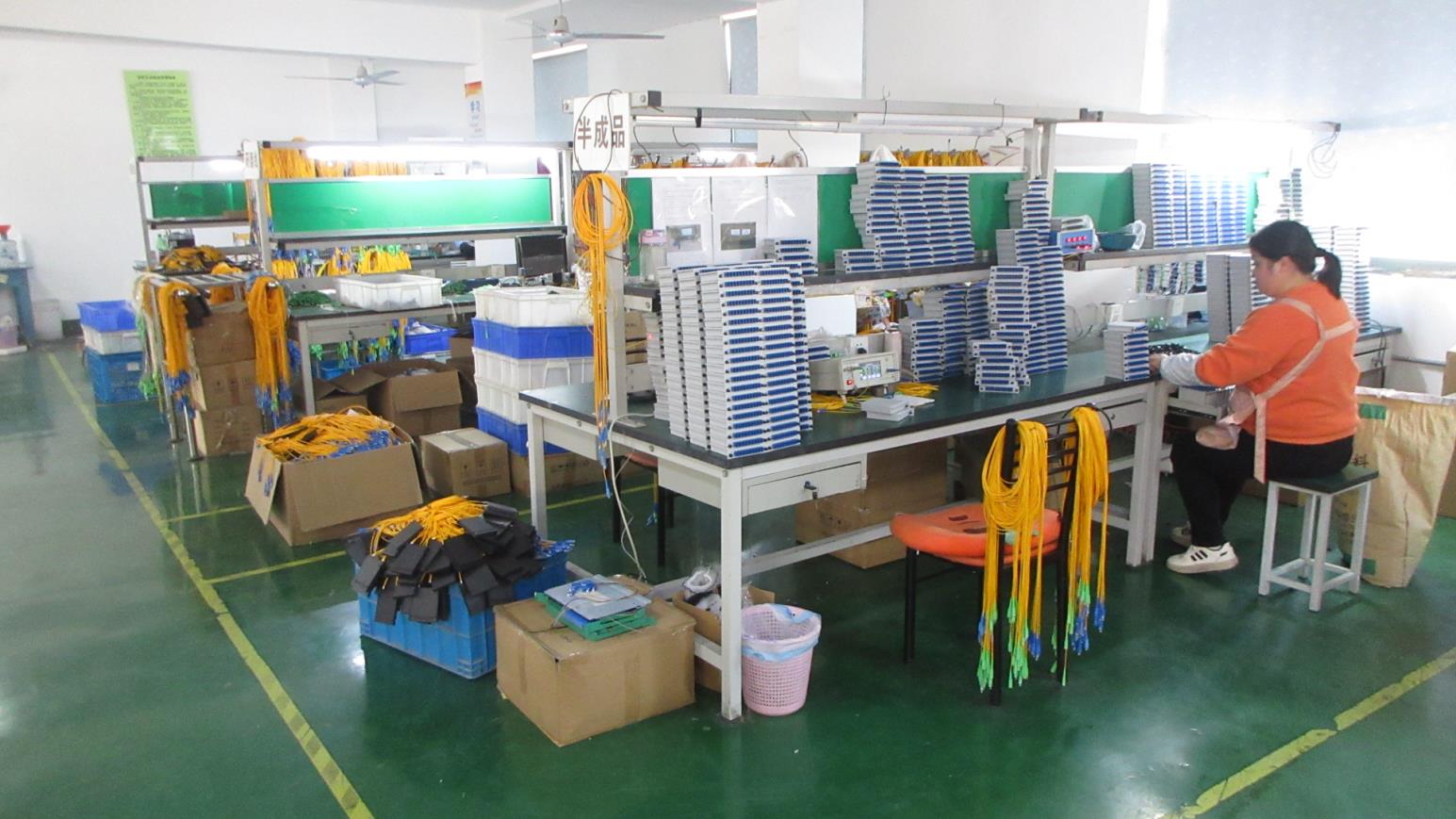
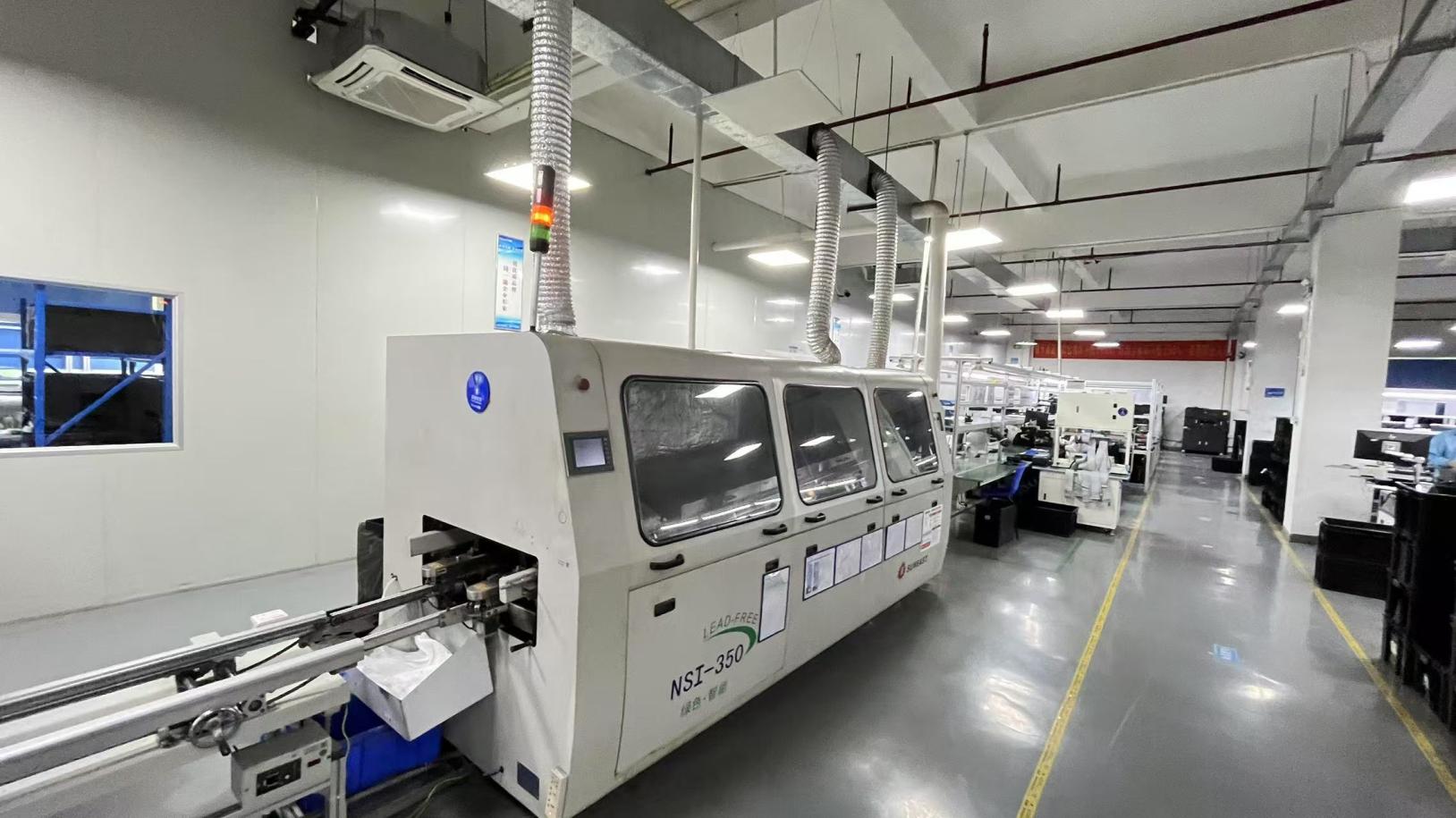
The optical communications market is experiencing a significant shift towards higher transmission rates and lower power per gigabit. While standard 1.25G and 10G multi-mode modules remain high-volume staples for enterprise upgrades, the industry is transitioning rapidly toward PAM4 (Pulse Amplitude Modulation 4-Level) and coherent optical systems. In data centers, 100G, 400G, and 800G form factors are replacing older NRZ infrastructure.
Additionally, Co-Packaged Optics (CPO) is emerging as an innovative architecture that relocates optical engines closer to CPU and switch ASIC chips, reducing parasitic capacitance and electrical link losses. Concurrently, Multi-Mode VCSEL lasers operating at longer wavelengths (like 940nm) are being evaluated to push the speed limits of traditional OM4 fiber paths. Factories must innovate constantly to meet these requirements; FiberQ's release of 180 new products last year demonstrates this drive towards next-generation network hardware.
Detailed answers about Multi-Mode SFP modules, physical specifications, and manufacturing standards.
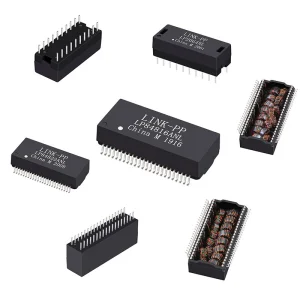
Explore additional network components, RJ45 modular jacks, and single-mode/multi-mode transceivers from our factory.