FiberQ
FiberQ
FiberQ
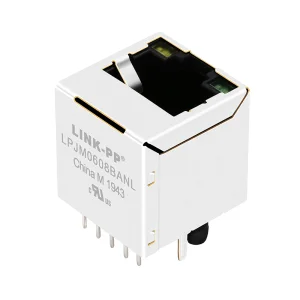
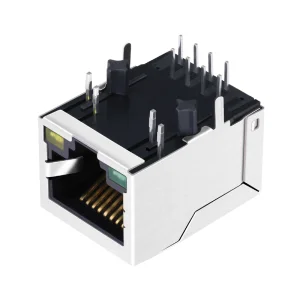
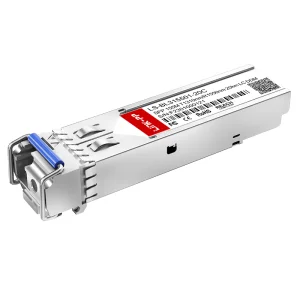
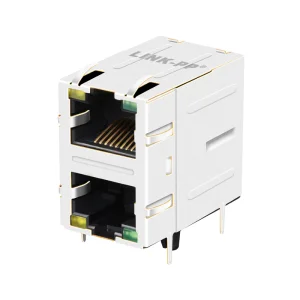
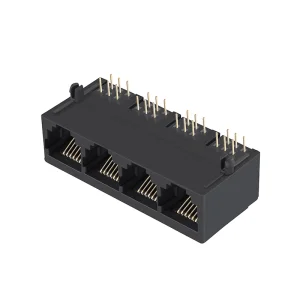
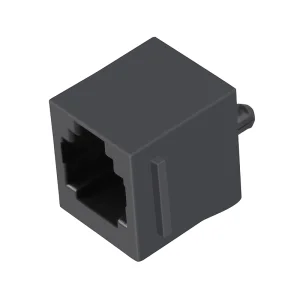
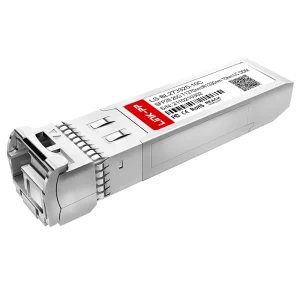
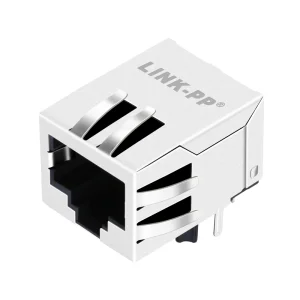
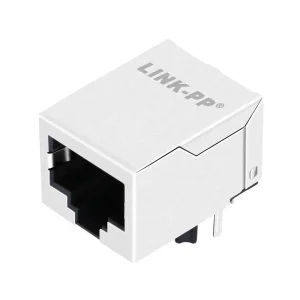
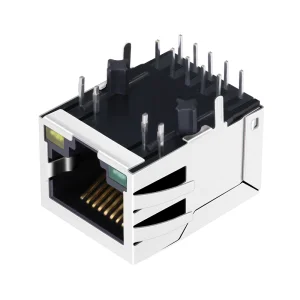
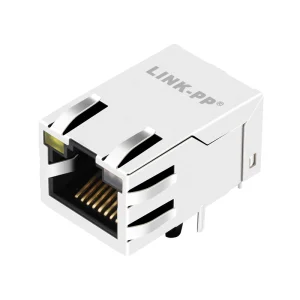
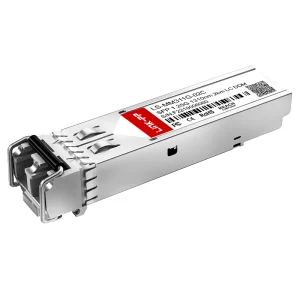
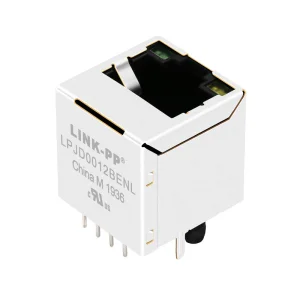
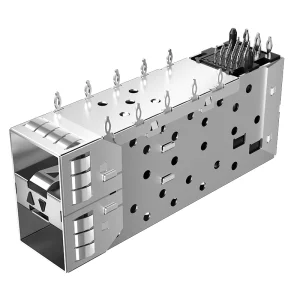
Explore our highly integrated portfolio of RJ45 modular jacks, unshielded connectors, and SFP transceiver modules optimized for low-latency networking.
In an era dominated by high-speed fiber deployments and 5G wireless networks, the baseline reliability of physical copper infrastructure remains irreplaceable. Category 5e (Cat5e) cables continue to serve as the structural backbone for data transmission across residential, industrial, and smart building automation ecosystems globally.
Engineered to handle bandwidth frequencies of up to 100 MHz, Cat5e cables support transmission speeds up to 1 Gbps (Gigabit Ethernet) over distances of 100 meters. The sustained global demand for Cat5e copper cables is driven by their unparalleled cost-efficiency, simple field-termination processes, and native support for Power over Ethernet (PoE/PoE+). This technology routes power and high-speed data through a single physical cable to endpoint devices like IP surveillance cameras, VoIP phones, and wireless access points.
Cat5e introduces tighter twisting parameters for copper pairs compared to legacy Cat5, significantly lowering Near-End Crosstalk (NEXT) and Far-End Crosstalk (FEXT) levels to guarantee signal integrity across industrial runs.
Supporting both IEEE 802.3af and 802.3at standards, Cat5e cables efficiently deliver up to 30W of DC power to remote hardware components without requiring additional electrical wiring.
From precision copper terminations and modular RJ45 sockets to high-density optical transceivers, FiberQ Photonics Technology Co., Ltd. serves as an industry-leading manufacturer and strategic global supplier.
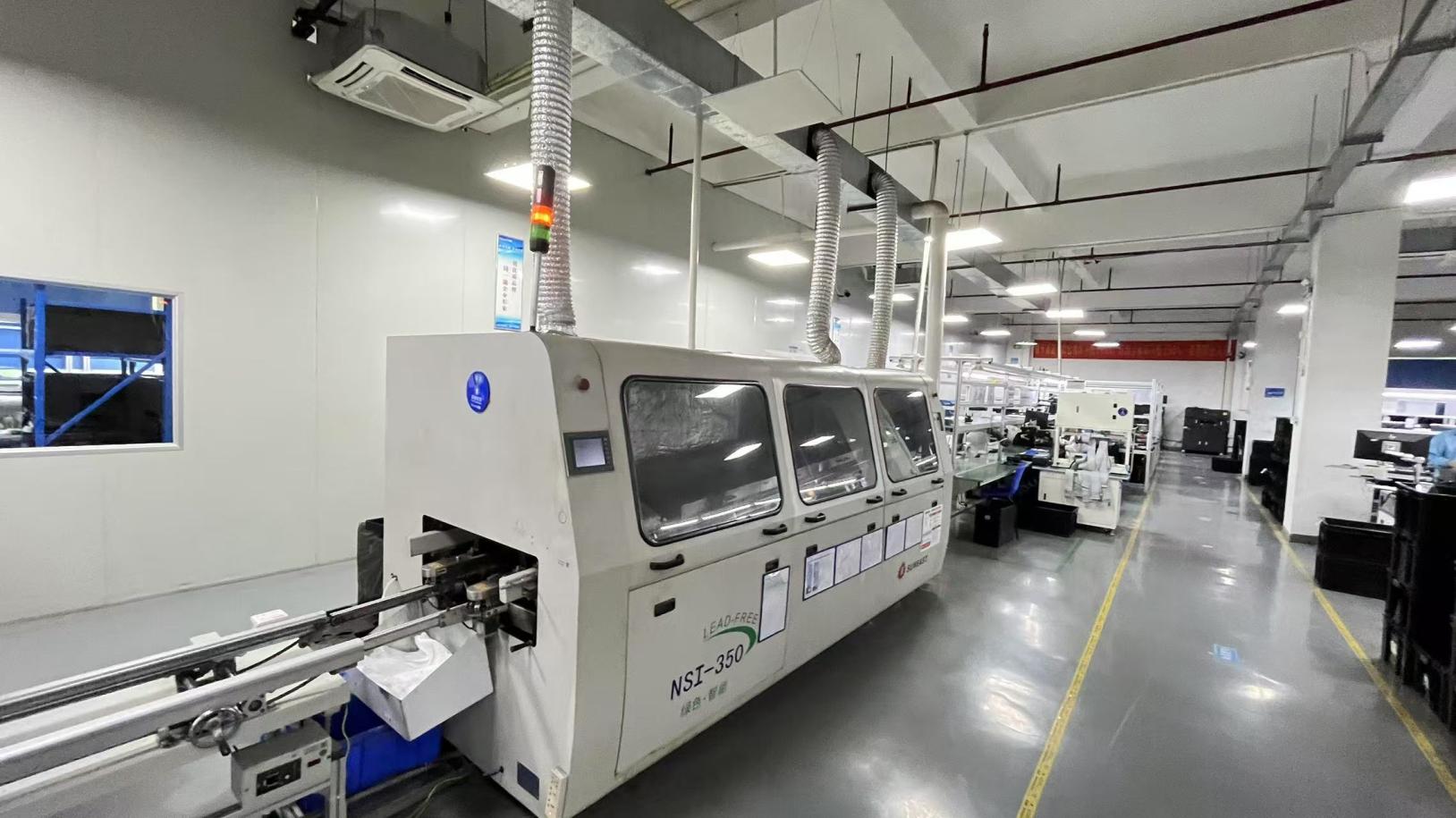
Founded in 2015, FiberQ has rapidly developed into a trusted global manufacturer specializing in optical and copper networking solutions. Operating from a modern production facility spanning 12,600m², FiberQ combines automated PCB assembly, high-precision injection molding, and strict optical-electrical characterization processes to produce networking interconnect hardware that meets the world's most demanding performance guidelines.
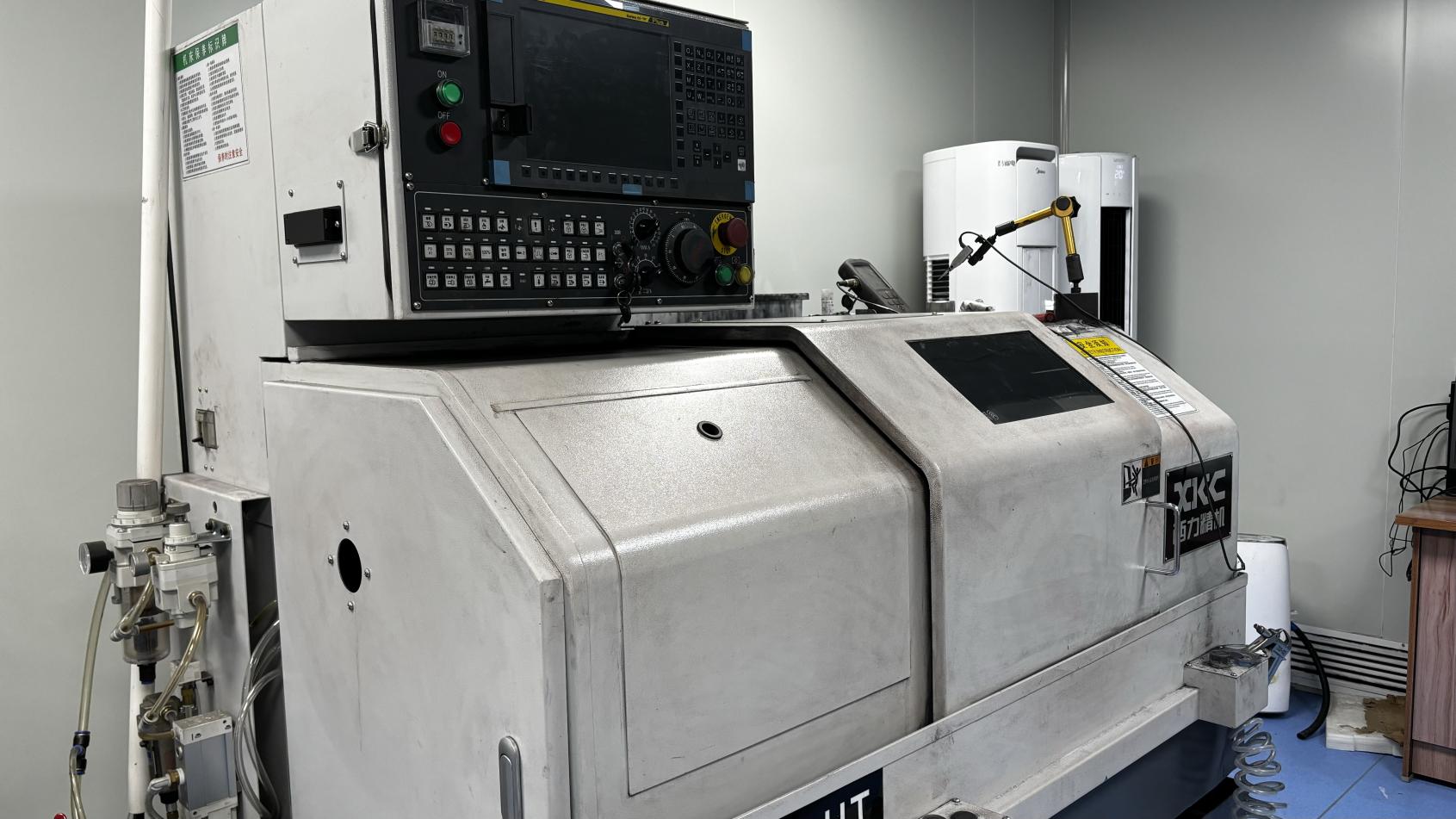
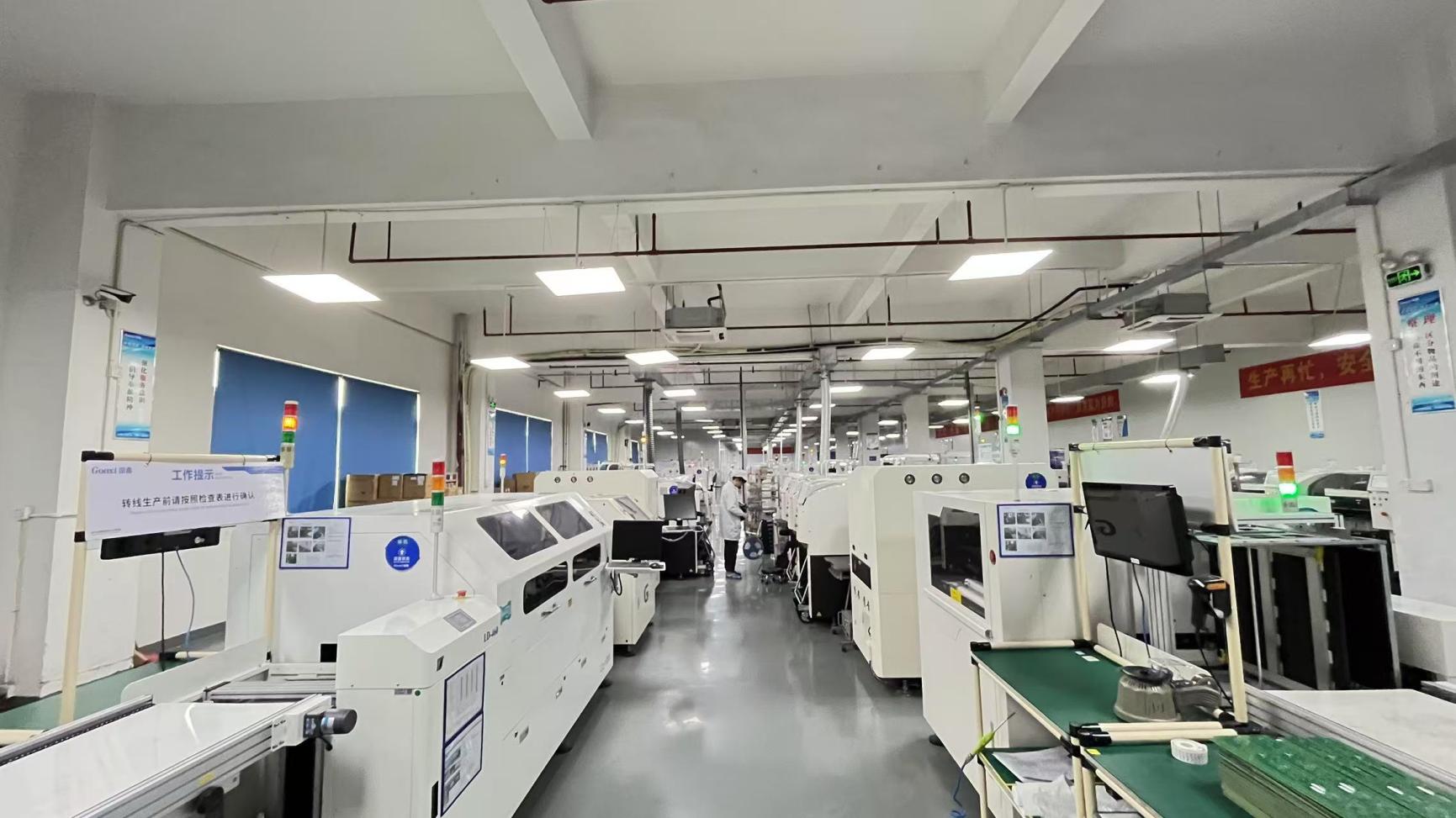
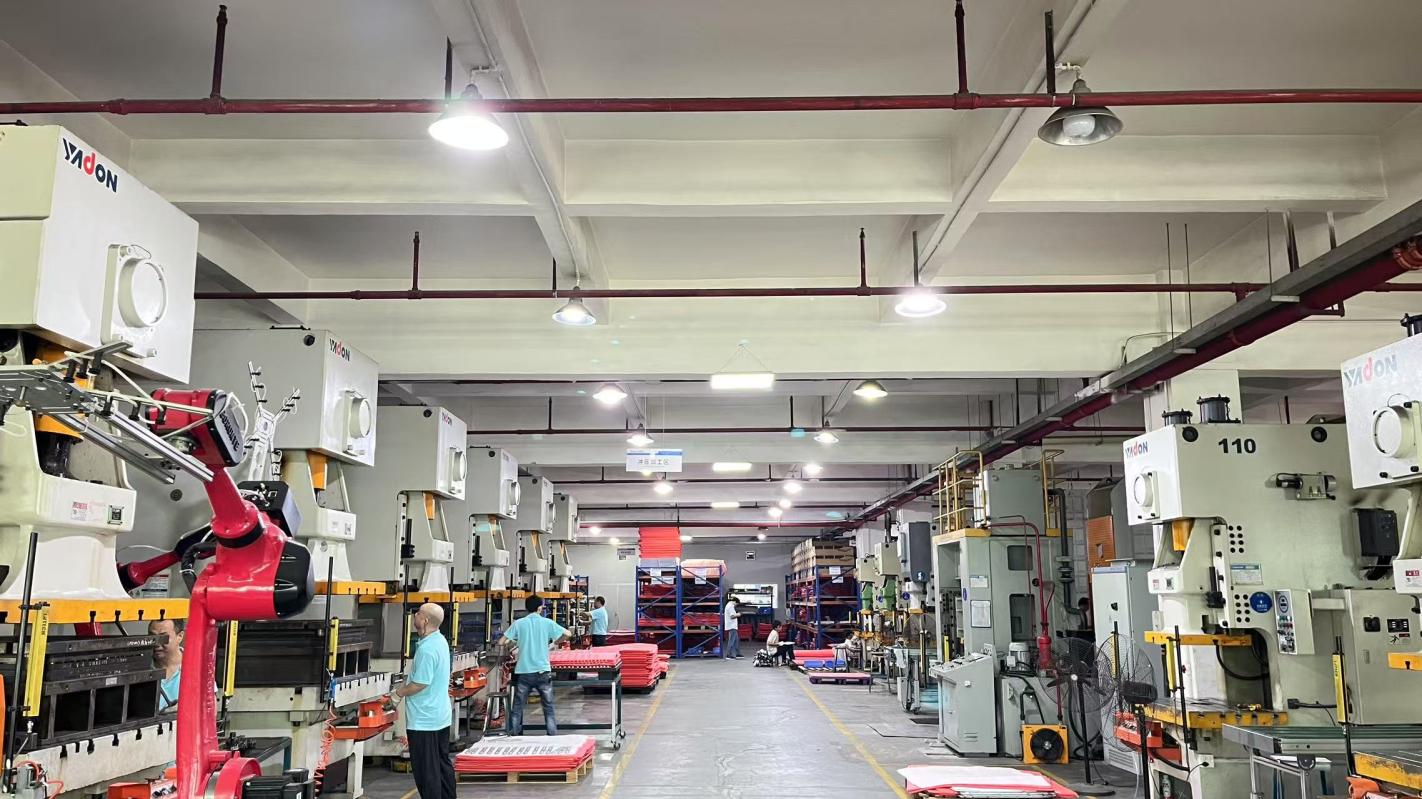
With an annual export revenue reaching approximately USD 9.5 million and 6 years of focused export experience, FiberQ actively supplies system integrators, telecom operators, and enterprise distributors across North America, Europe, Japan, and Southeast Asia.
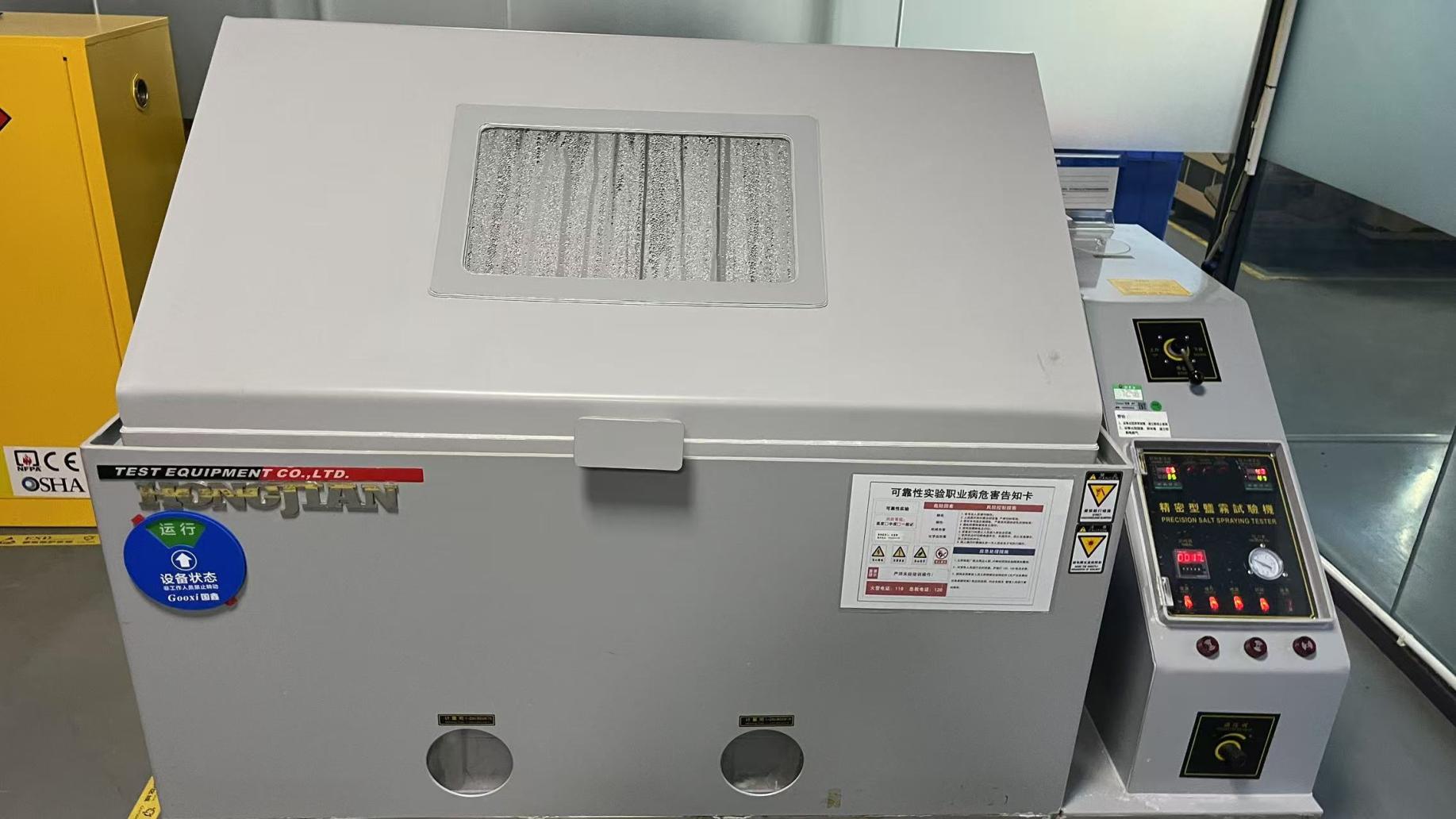
Our quality control infrastructure features 62 dedicated inspectors performing automated optical performance testing, high-temperature aging chambers, manual mechanical audits, and Fluke network diagnostic tests to maintain zero-defect output.
Partnering with approximately 1,450 trusted raw material suppliers, we guarantee stable procurement of oxygen-free copper, engineering polymers, and high-frequency optical-electrical engines, shielding our partners from global supply fluctuations.
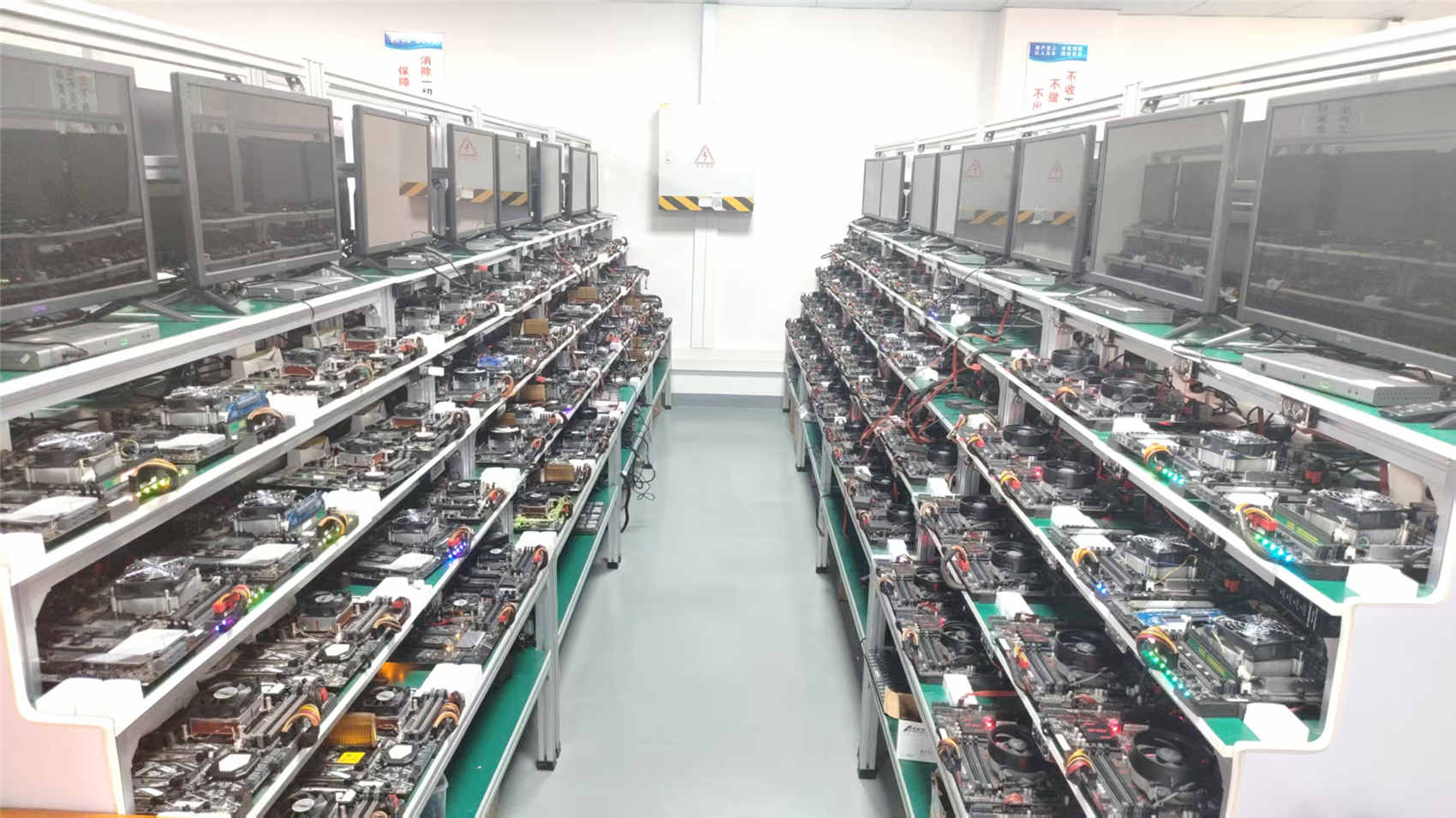
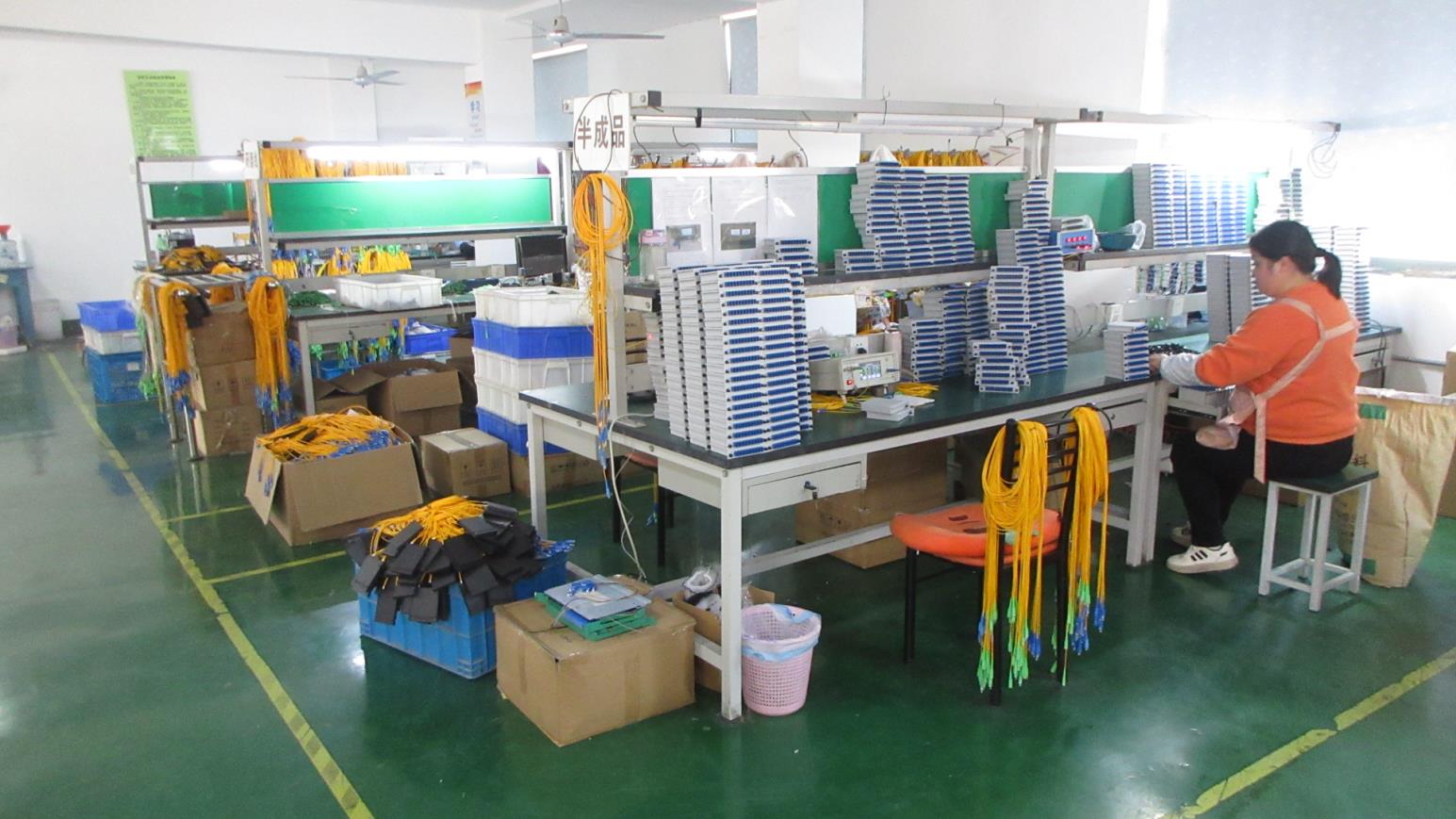
China's manufacturing ecosystem for networking, telecommunication components, and structured cabling provides key strategic advantages. The integration of raw materials, raw metal processing, modular assembly, and testing facilities ensures rapid time-to-market and cost advantages.
Chinese factories leverage highly optimized logistics hubs, close proximity to premium copper refineries, and automated production machinery (e.g., automatic wire drawing, twin-pair twisting, and inline optical inspection). This combination of factors dramatically reduces manufacturing overhead and assembly defects.
For global procurement managers, partnering with established Chinese manufacturers like FiberQ means access to comprehensive OEM/ODM customization services. We support custom cable lengths, shielding specifications (FTP, STP, UTP), color-coding options, customized packaging, and direct compatibility tuning for global networking systems. All these features are backed by internationally recognized QA certifications.
Different environments present unique operational challenges. Below is an overview of how copper cabling and high-speed optical transceivers are deployed in various settings.
In harsh electromagnetic interference (EMI) environments, shielded Cat5e cables (SF/UTP or F/FTP) are vital for connecting programmable logic controllers (PLCs), robotic arms, and industrial sensors. Heavy-duty shielding prevents data packet loss, while durable polyurethane (PUR) outer jackets protect against oil, chemical abrasion, and mechanical stress.
Commercial workspaces rely heavily on unshielded twisted pair (UTP) Cat5e cabling for structured horizontal connections. It efficiently links workstations, smart lighting systems, security cameras, and video conferencing systems to the main wiring closet, balancing high-speed performance with low material costs.
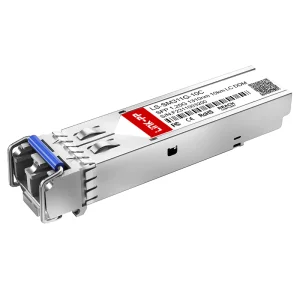
Modern data centers employ a hybrid topology: optical fibers handle long-distance backbone connections, while copper cables manage short patch connections. FiberQ’s SFP transceivers and Cat5e copper systems work together to optimize high-performance links between servers, switches, and storage units.
As network speeds climb toward 100G, 400G, and 800G, copper infrastructure and transceiver technology are adapting to support higher bandwidths and lower latency.
| Performance Metrics | Cat5e Copper Standard | Cat6 / Cat6A Copper Standard | Optical Transceiver Systems (SFP/SFP+) |
|---|---|---|---|
| Maximum Transmission Bandwidth | 100 MHz | 250 MHz / 500 MHz | Multiple GHz (Laser-based) |
| Supported Data Rates | Up to 1 Gbps (1000BASE-T) | Up to 10 Gbps (10GBASE-T) | 1G / 10G / 25G / 100G / 400G / 800G |
| Maximum Transmission Reach | Up to 100 Meters | Up to 100 Meters (Cat6A) | Up to 10km (SMF) / 100km (Bidi) |
| Resistance to EMI / Noise | Moderate (UTP/STP versions available) | High (Improved shielding and splines) | Excellent (Immune to electromagnetic noise) |
| Installation and Equipment Costs | Extremely Cost-Effective | Moderate Cost | Higher (Requires active optical engines) |
The industry is moving toward a hybrid copper-optical topology. Enterprise networks use optical transceivers for long-haul and vertical connections (backbones) to avoid signal loss, while routing data to local workspaces and devices through affordable, flexible Cat5e copper lines. This approach delivers peak network performance while keeping capital expenses down.
Selecting the right manufacturing partner is essential to ensure long-term network reliability and compliance with regional safety codes.
High-quality network systems require 99.99% oxygen-free pure solid copper. Sourcing cheaper Copper-Clad Aluminum (CCA) alternatives leads to high electrical resistance, signal decay, and potential safety hazards in PoE environments.
Verify that components comply with ANSI/TIA-568.2-D, ISO/IEC 11801, CE, FCC, RoHS, and REACH directives to ensure the hardware is safe, environmentally friendly, and legally certified for use in any target market.
For durable RJ45 modular jacks and vertical PCB connectors, insist on gold-plated contacts (such as 50-micron gold plating). This prevents oxidation and corrosion, ensuring solid connectivity over thousands of mating cycles.
Get authoritative answers to common questions about structured copper cabling, high-frequency connectors, and optical fiber interfaces.
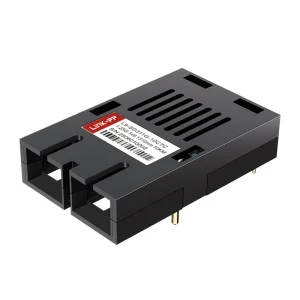
Select from our range of single-mode optical engines, shielded jacks with EMI protection, and custom PCB connectors designed for reliable high-speed data transmission.