FiberQ
FiberQ
FiberQ
Engineered to ensure low insertion loss, high structural stability, and reliable signal integrity across enterprise networks.
FiberQ Photonics Technology Co., Ltd. represents the cutting edge of industrial-grade photonic transceivers and interconnect systems.
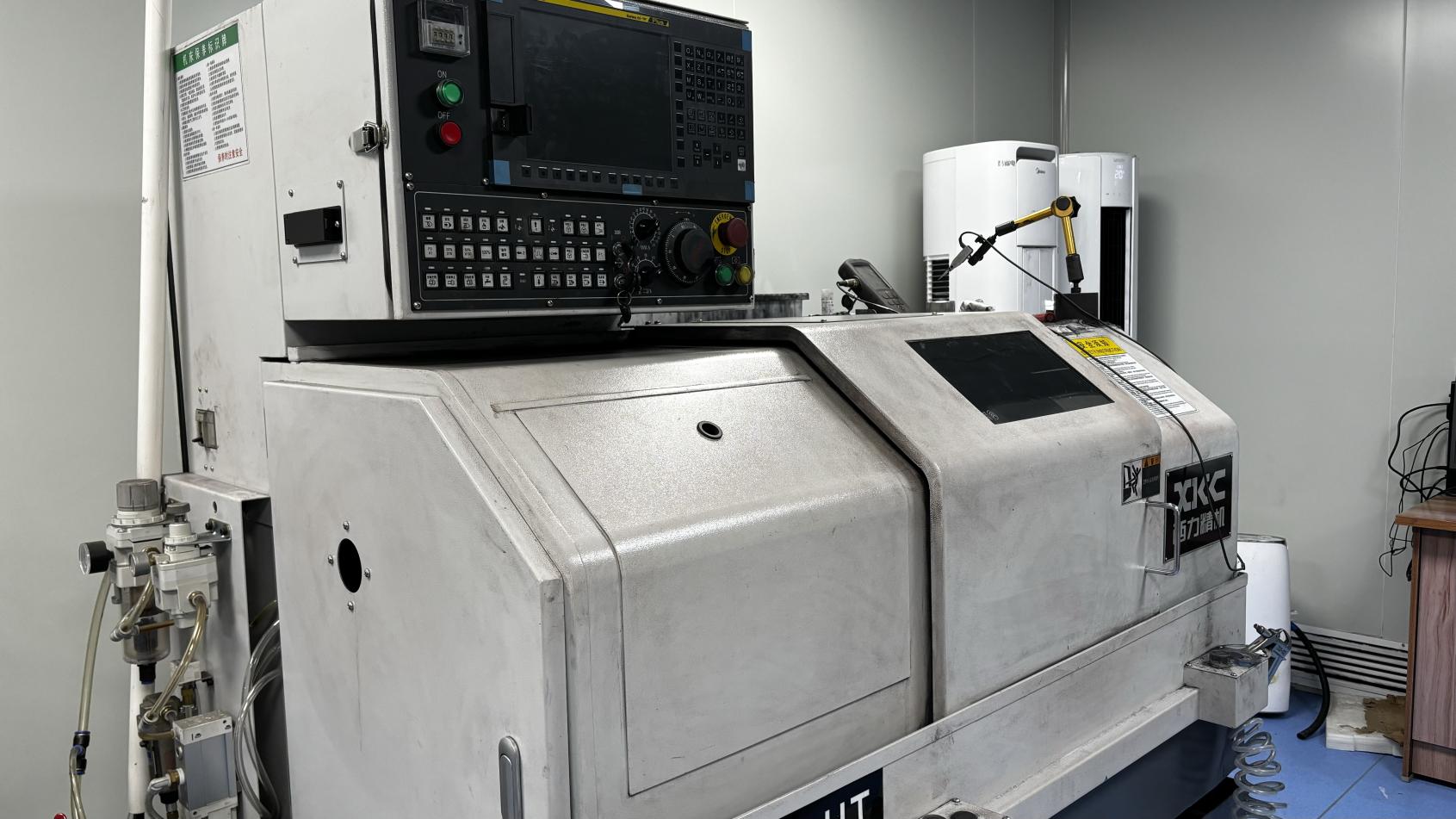
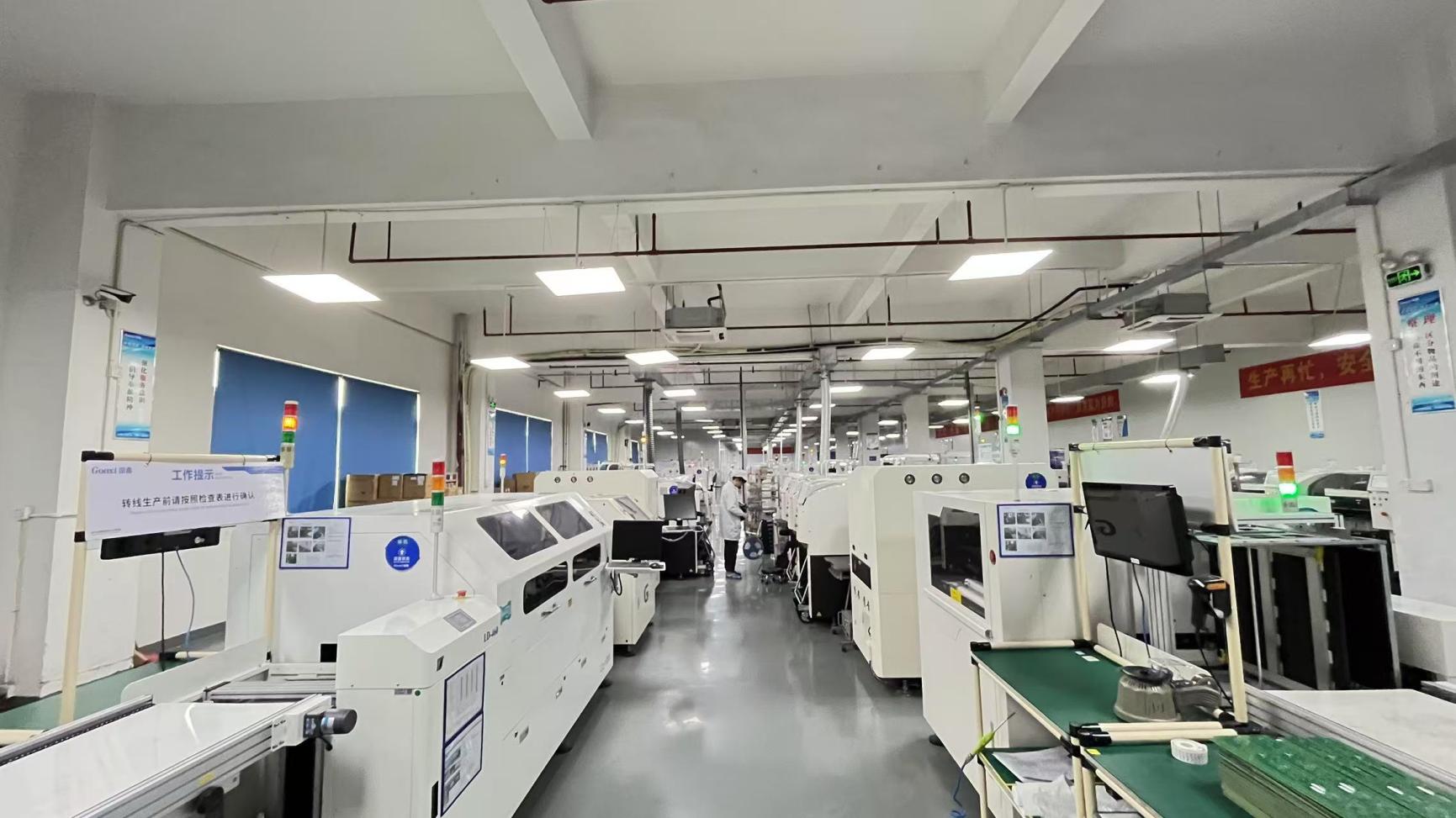
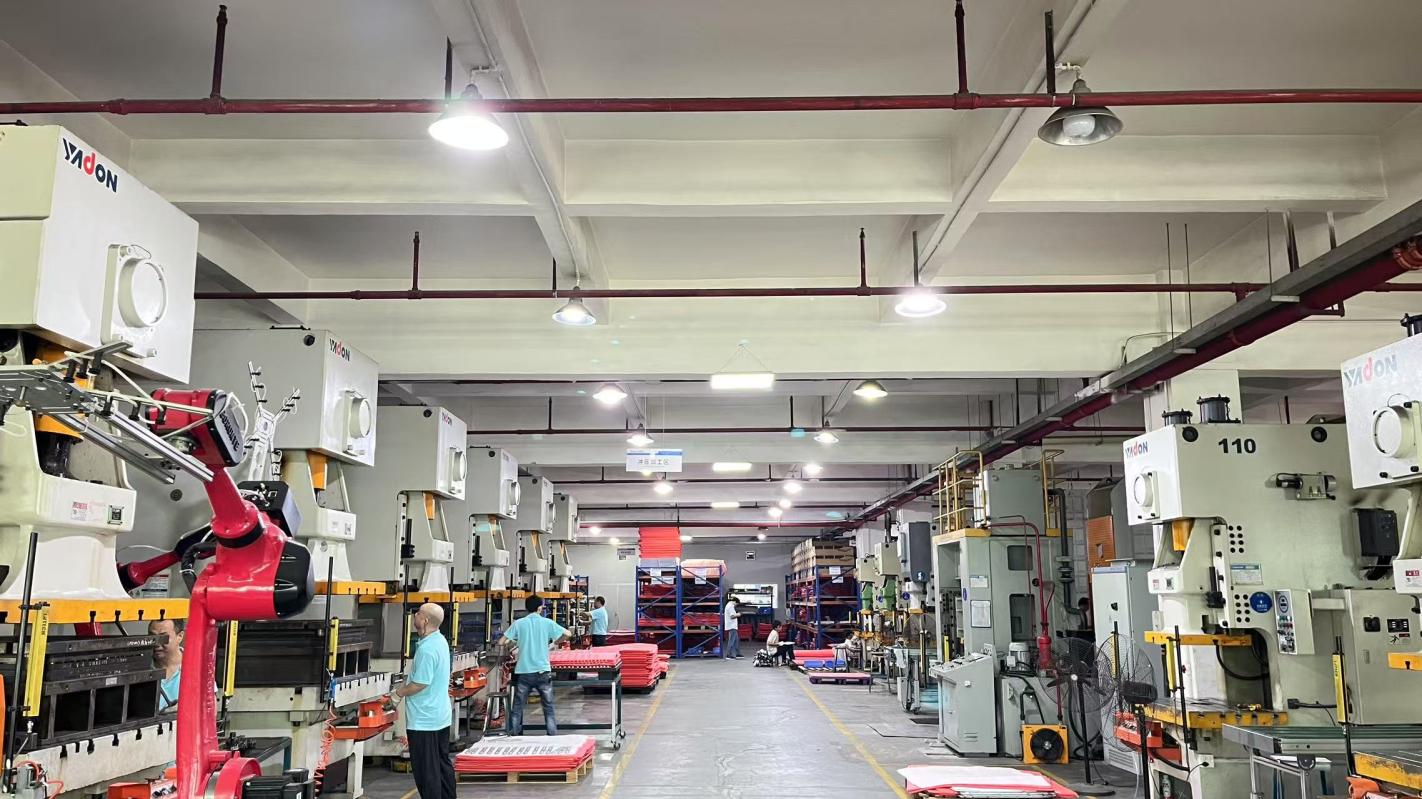
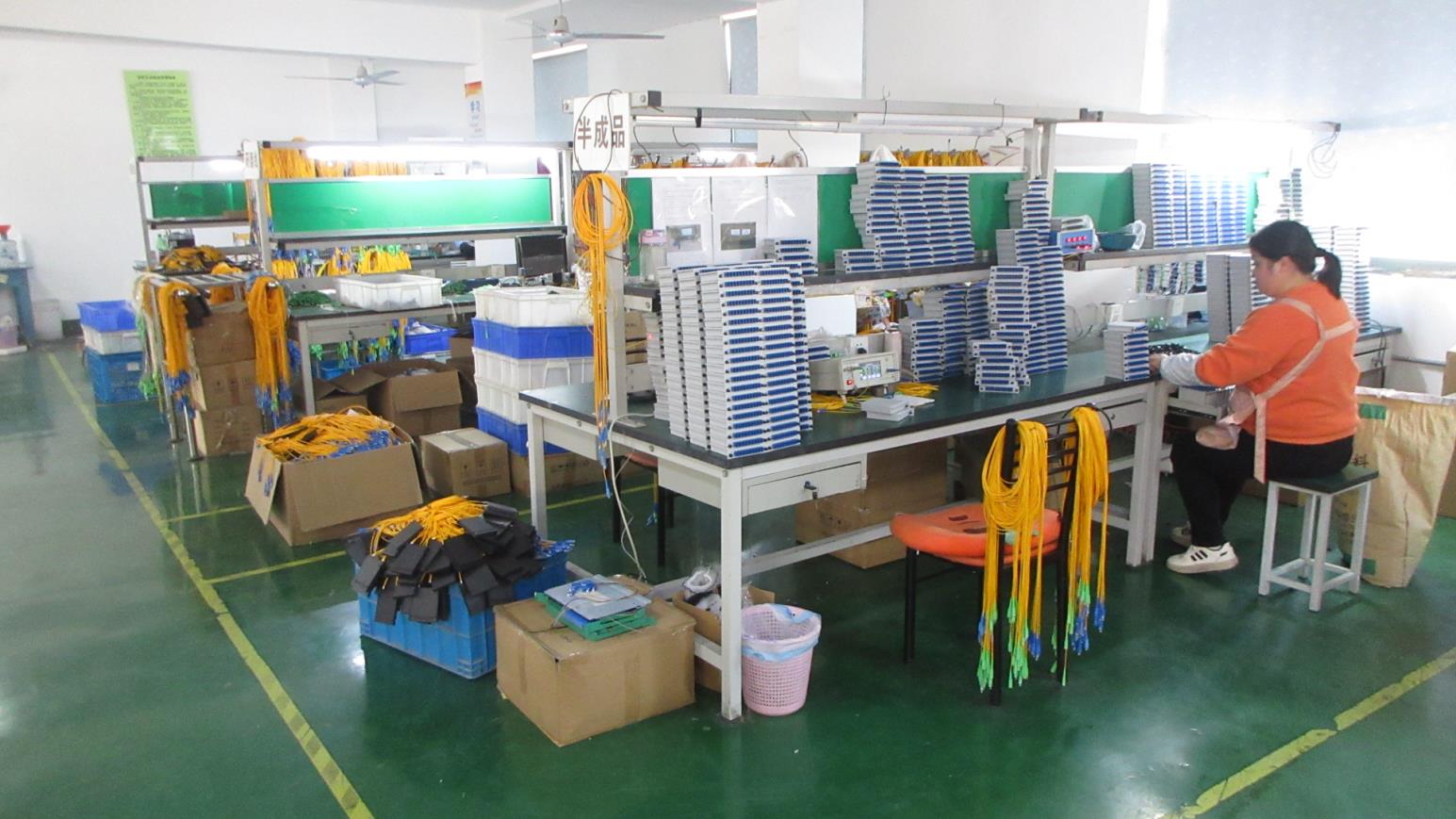
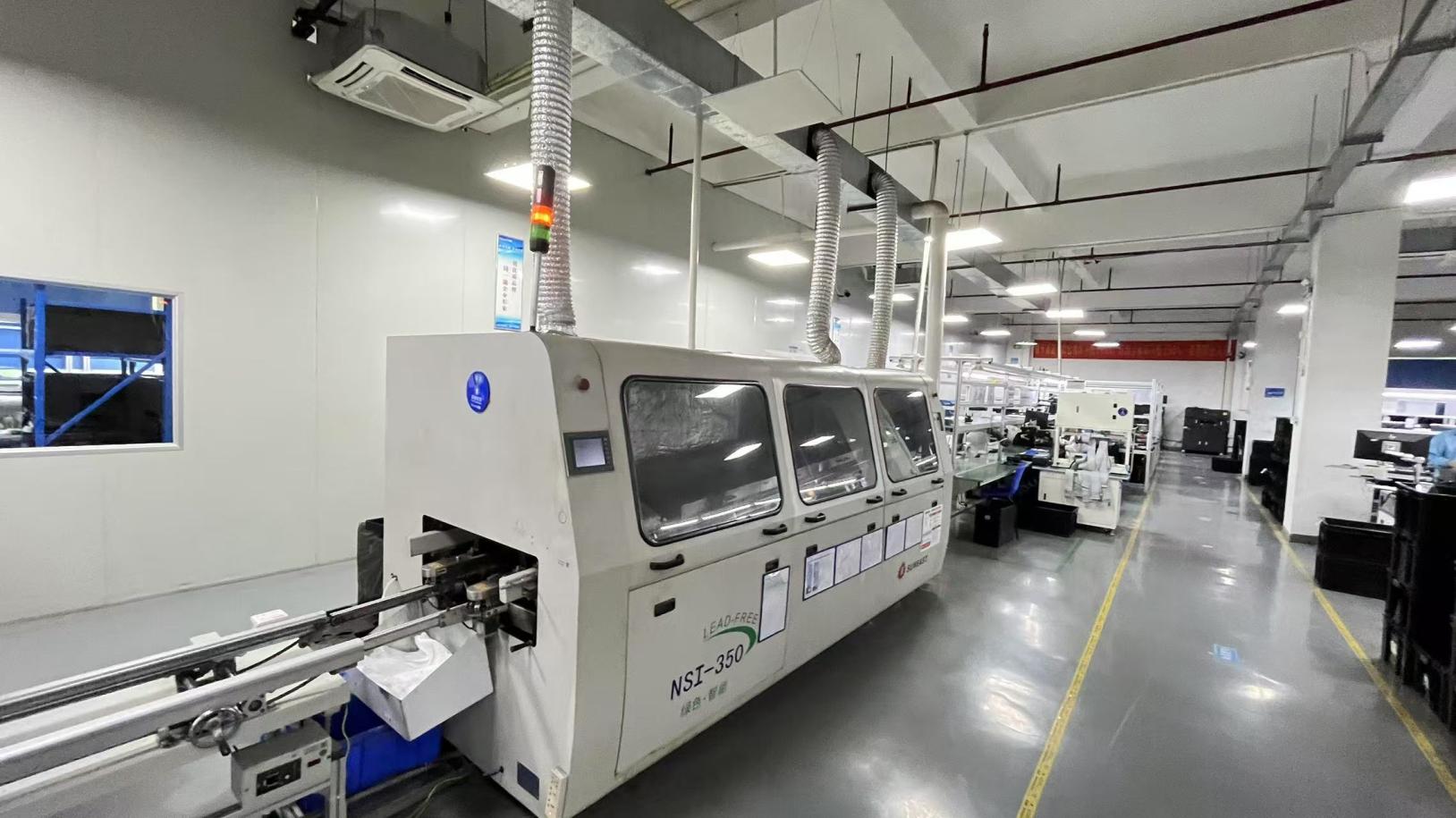
Founded in 2015, FiberQ has evolved into a premier globally integrated partner, operating a state-of-the-art 12,600㎡ modern production facility. We address critical deployment challenges in high-density telecommunication infrastructure, enterprise data centers, and industrial automation networks. Our engineering prowess bridges the gap between customized multi-vendor optical architectures and reliable volume manufacturing.
By utilizing advanced manufacturing automation alongside strict physical design validation, we maintain a robust supply chain footprint. We collaborate with approximately 1,450 supply chain partners globally, enabling us to sustain an annual export revenue of over USD 9.5 million. Our clients include enterprise network systems integrators, Tier-1 telecom operators, cloud providers, and ruggedized industrial equipment manufacturers.
Providing custom optical transceivers and electromagnetic connectors engineered to withstand the demanding thermal and digital criteria of next-generation infrastructure.
Supporting rapid data ingestion and ultra-low latency with active optical transceivers. Our transceivers optimize power dissipation parameters to fit within tight thermodynamic headroom constraints, mitigating packet loss across high-density spine-and-leaf switches.
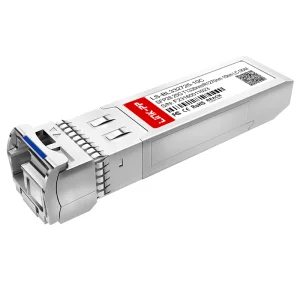
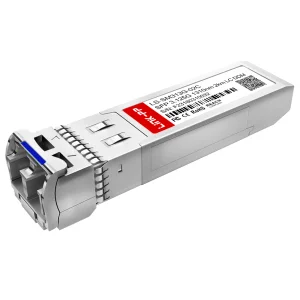
Enabling reliable physical connections at local cell towers and base stations. Through advanced optical filtering, BIDI (Bidirectional) SFP modules double existing fiber utility bandwidth, reducing physical cabling infrastructure expenses for rural and urban deployments.
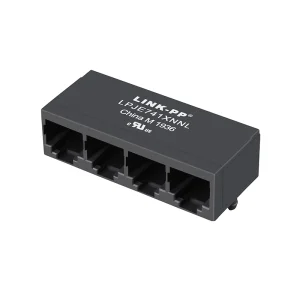
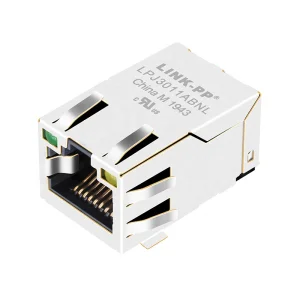
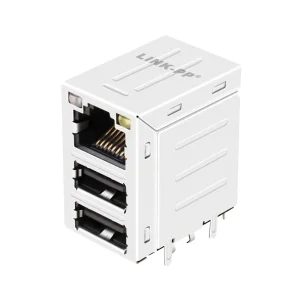
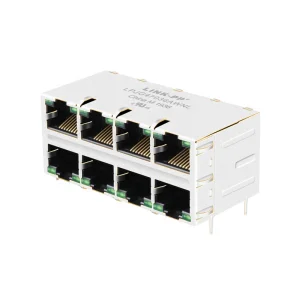
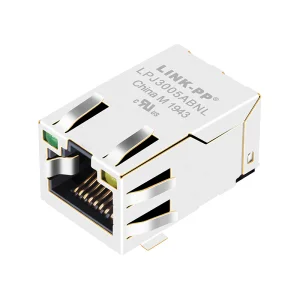
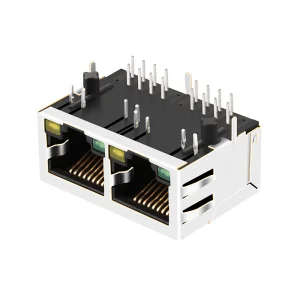
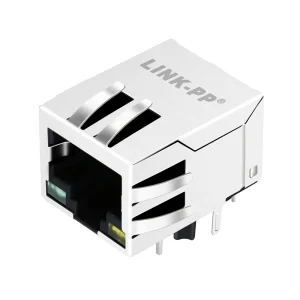
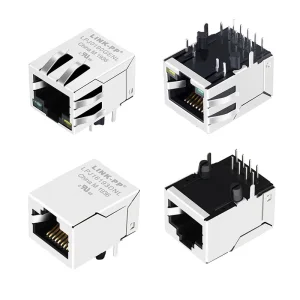
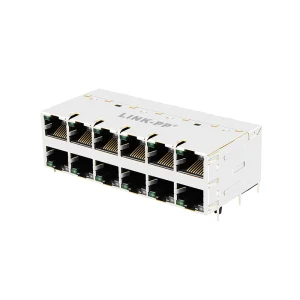
Providing high magnetic shielding and noise attenuation via integrated magnetics in our female RJ45 connectors. Specially tested to maintain system efficiency against high EMI (Electro-Magnetic Interference) in factory automation and power substations.
As networks expand, standard off-the-shelf transceivers often fall short due to multi-vendor firmware lock-ins, extreme operational temperatures, or non-standard wavelengths. Our manufacturing approach mitigates these challenges through custom hardware configurations and tailored firmware matrices.
We actively export to North America, Europe, Japan, and Southeast Asia. Each geographical sector presents specific local requirements. European projects focus heavily on ROHS compliance and halogen-free low-smoke emissions, North American installations prioritize high-performance multi-vendor compatibility, and Asian networks require high-density integration. By localizing firmware profiles and structural designs, we offer plug-and-play compatibility across multi-vendor equipment.
Our deep engineering capability ensures that customized products meet precise client specifications across all hardware layers.
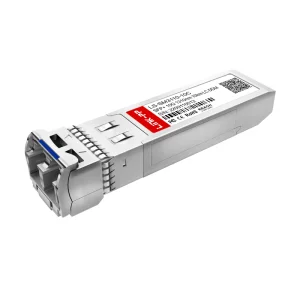
We write and flash custom EEPROM profiles to ensure plug-and-play interoperability with systems from brands like Cisco, Moxa, Juniper, and Huawei. This resolves typical hardware negotiation conflicts and eliminates proprietary lockout alarms.
Whether deploying high-speed links using 1310nm Single-Mode Fiber (SMF) for long-haul transmission, or utilizing 850nm Multi-Mode Fiber (MMF) for cost-effective short-range links, our systems optimize optical budgets for low packet loss.
Our designs use tailored heatsinks and high-conductivity thermal interface materials (TIMs) inside transceivers and cages, allowing hardware to operate reliably across extended temperature ranges (-40°C to +85°C).
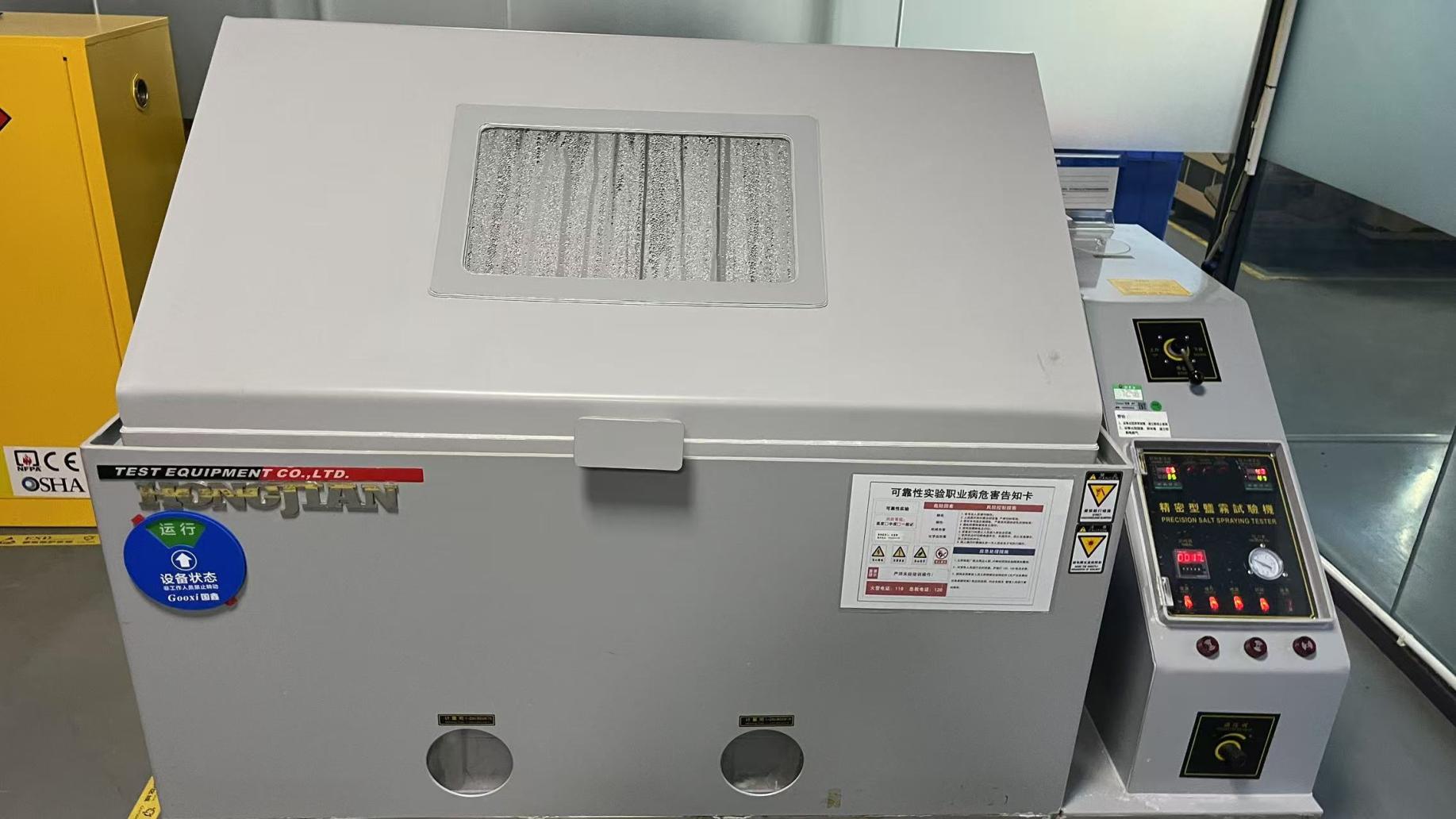
To meet global reliability expectations, FiberQ employs a quality control system managed by 62 experienced quality inspectors. Each transceiver module is subjected to rigorous optical and electrical verification to ensure consistent performance.
We verify critical physical variables, including center wavelength accuracy, spectral width, side-mode suppression ratio (SMSR), optical extinction ratio, and eye diagram compliance.
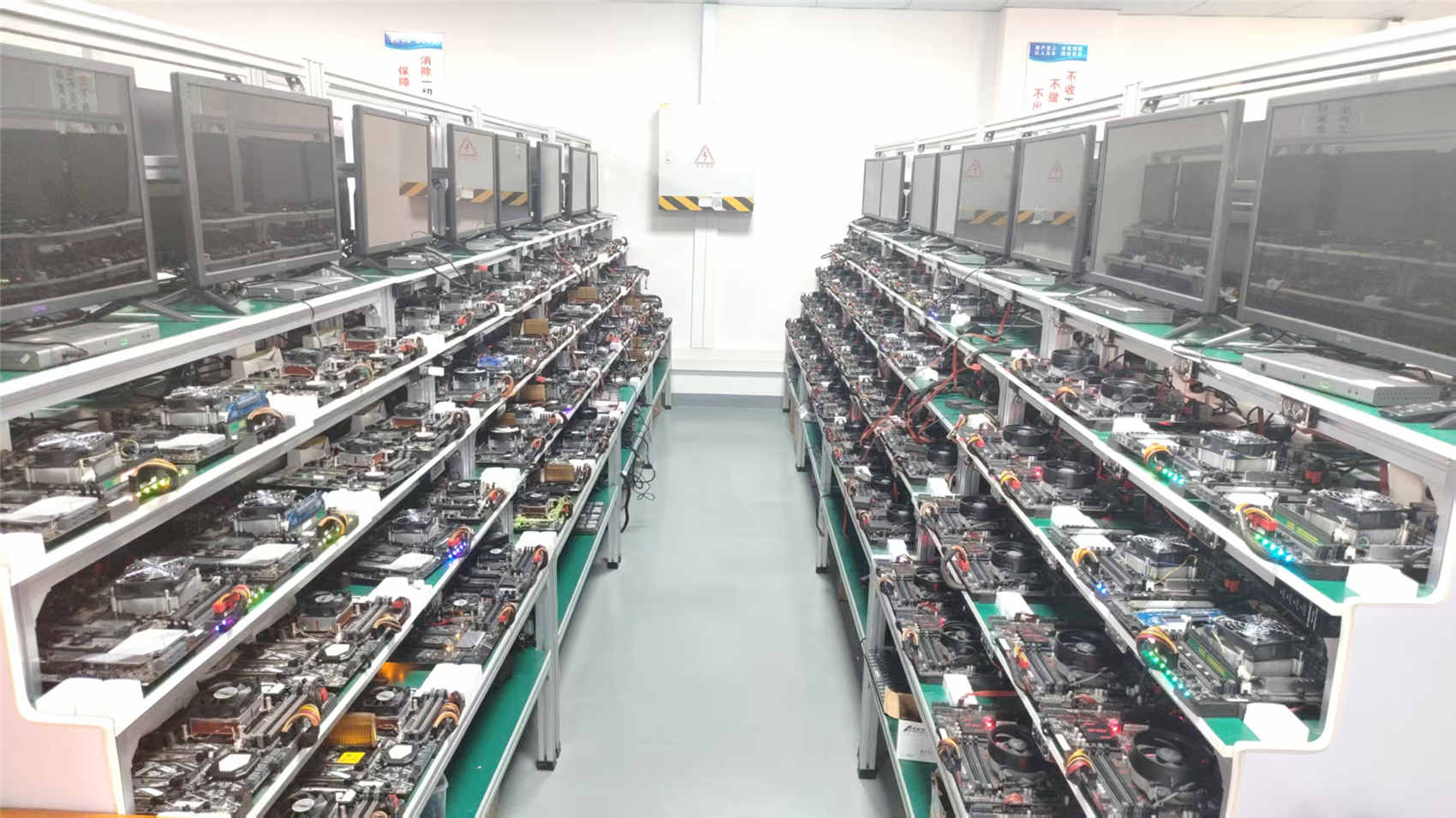
All SFP transceiver units undergo high-temperature burn-in tests and mechanical shock validation. We use advanced fiber-optic interferometers to confirm connector end-face geometry, minimizing return loss and back-reflection issues. This careful testing ensures our SFP cages and RJ45 magnetic connectors deliver low-loss, high-bandwidth connections in critical environments.
Demonstrating performance in real-world environments, from industrial manufacturing floors to hyper-scale data center nodes.
In locations with high temperature swings and heavy EMI, like desert oil rigs or wind farms, standard switches require robust copper connections. Using MOXA SFP-1GTXRJ45-T Compatible Industrial SFP Copper RJ45 modules maintains gigabit connections over 100 meters without signal degradation.
Enterprise data centers face growing demand from AI and heavy workloads. Deploying 25G BiDi Transceivers allows operators to double bandwidth over existing single-mode fiber lines, avoiding the high cost of laying new optical fiber.
For municipal networks connecting distant government and educational sites, utilizing 10G SFP+ Module 1310nm 10km transceivers provides a reliable way to link remote offices directly to the central data distribution core.
The networking industry is moving quickly toward higher bandwidths, such as 400G, 800G, and 1.6T platforms. As speed demands rise, traditional copper and pluggable architectures face thermal and electrical limits. FiberQ is investing in key areas to address these future challenges:
Explore our selection of compatible transceivers, rugged copper sockets, and shielding cages designed to maximize network performance.
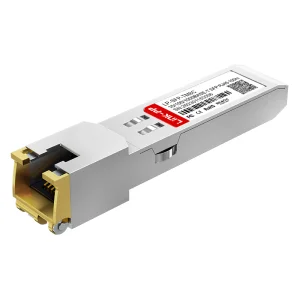
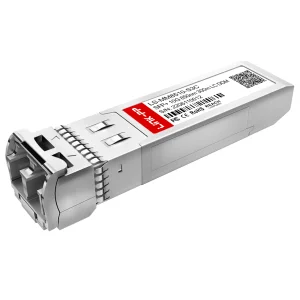
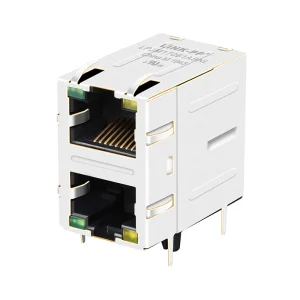
A closer look at FiberQ's advanced design, testing, assembly, and quality assurance divisions.
Common questions regarding hardware configurations, cross-vendor compatibility, and customization capabilities.
Most compatibility warnings are caused by mismatches in the transceiver's EEPROM firmware. FiberQ programs the EEPROM with vendor-specific identifier codes, matching checksums, and proper serial keys. This ensures the host switch recognizes the module as an approved part, avoiding alarms and performance issues.
BiDi SFP modules use wavelength-division multiplexing (WDM) to transmit and receive signals over a single fiber strand (using different wavelengths, like 1330nm-TX and 1270nm-RX). This allows operators to double their network capacity without the expense of installing new fiber cabling.
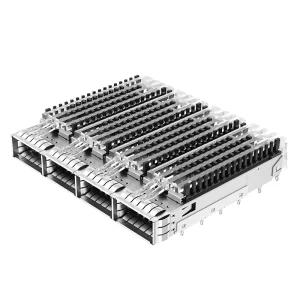
When multiple high-speed transceivers are installed in close proximity, heat build-up can degrade optical lasers and cause signal errors. Our SFP cages feature integrated heatsinks, optimized ventilation pathing, and EMI metal fingers. This design helps dissipate heat efficiently, maintaining stable performance in high-temperature environments.
Every module goes through automated optical power testing, bit error rate (BER) validation, spectral eye diagram analysis, and physical end-face inspection. Additionally, our 62 inspectors run high-temperature aging cycles to verify long-term reliability under simulated field stresses.
Yes. We offer customized mechanical housings, specialized magnetics for RJ45 connectors, specific cable lengths, and custom light pipes. These tailoring options ensure components fit the unique space and electrical constraints of your network design.