FiberQ
FiberQ
FiberQ
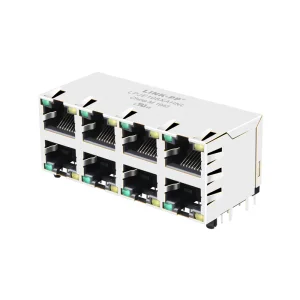
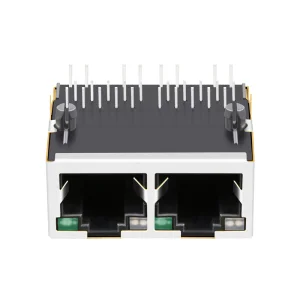
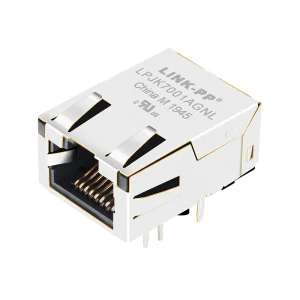
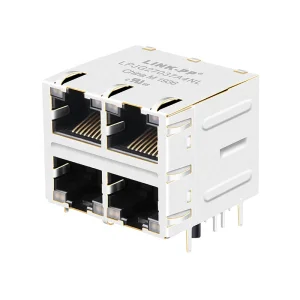
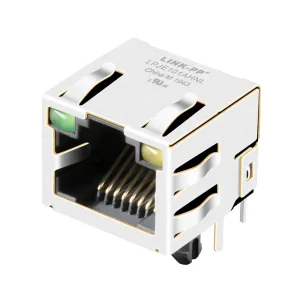
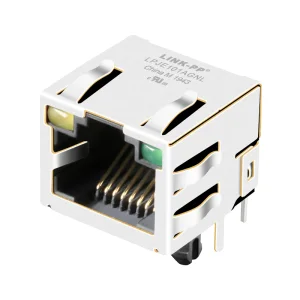
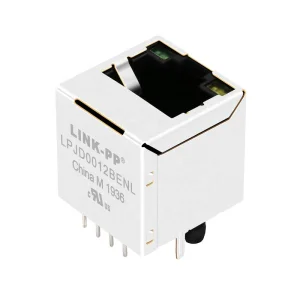
In modern high-density networking hardware, space optimization at the printed circuit board (PCB) level is no longer a luxury—it is an absolute design constraint. As server chassis shrink, IoT endpoints miniaturize, and edge computing nodes demand more ports within constrained envelopes, the mechanical footprint of copper interconnects must adapt. This is where Low Profile Ethernet Jacks provide their engineering leverage.
By drastically reducing the standard physical height of the connector, low-profile designs enable developers to clear height constraints within 1U server racks, blade modules, and thin industrial computing enclosures. However, reducing vertical clearance without compromising electromagnetic shielding, contact normal force, or signal integrity presents a significant hardware engineering challenge. A reliable low profile jack must maintain strict compliance with IEEE 802.3 standards, ensuring minimal insertion loss and robust crosstalk cancellation, even when placed adjacent to noisy processors and power converters.
When engineering and sourcing low-profile ethernet components, network hardware architects must consider a strict matrix of parameters:
Hardware components do not exist in isolation. For multinational telecom equipment manufacturers, hyperscale cloud data center operators, and industrial automation conglomerates, procurement is a balanced equation of supply chain stability, technical compliance, and localization capability.
Components must perform flawlessly under continuous load. Global procurement agents require verified test data demonstrating compliance with IEEE standards, low return loss up to 250 MHz (for Cat6) or 500 MHz (for Cat6A), and high isolation barrier voltages (1500V AC minimum) to prevent component destruction during transient surges.
Procuring entities seek standardized footprint layouts (footprint coplanarity ≤ 0.1mm) that align perfectly with standard pick-and-place automated optical assembly equipment. Whether integrating 10G copper transceivers or passive RJ45 receptacles, mechanical fit and pin alignment must be precise.
Enterprise supply chains require strict compliance verification. All low profile connector materials must adhere to RoHS 3 (Directive 2015/863) and REACH SVHC regulations. Halogen-free components are increasingly prioritized to fulfill green data center operational frameworks.
Global shipping routes demand local intelligence. A manufacturer cannot simply dump hardware at a port; they must offer comprehensive localization support. This includes tailoring packaging styles to regional assembly facilities (Tape & Reel vs. Tray packaging), adapting mechanical pin lengths to fit local PCB fabrication thicknesses (e.g., standard 1.6mm vs. multi-layer backplanes up to 3.2mm), and providing documentation in the customer's native languages.
Furthermore, having Field Application Engineers (FAEs) in target regions ensures that signal integrity anomalies or mechanical mating tolerances are resolved in real-time, eliminating expensive production bottlenecks for global systems integrators.
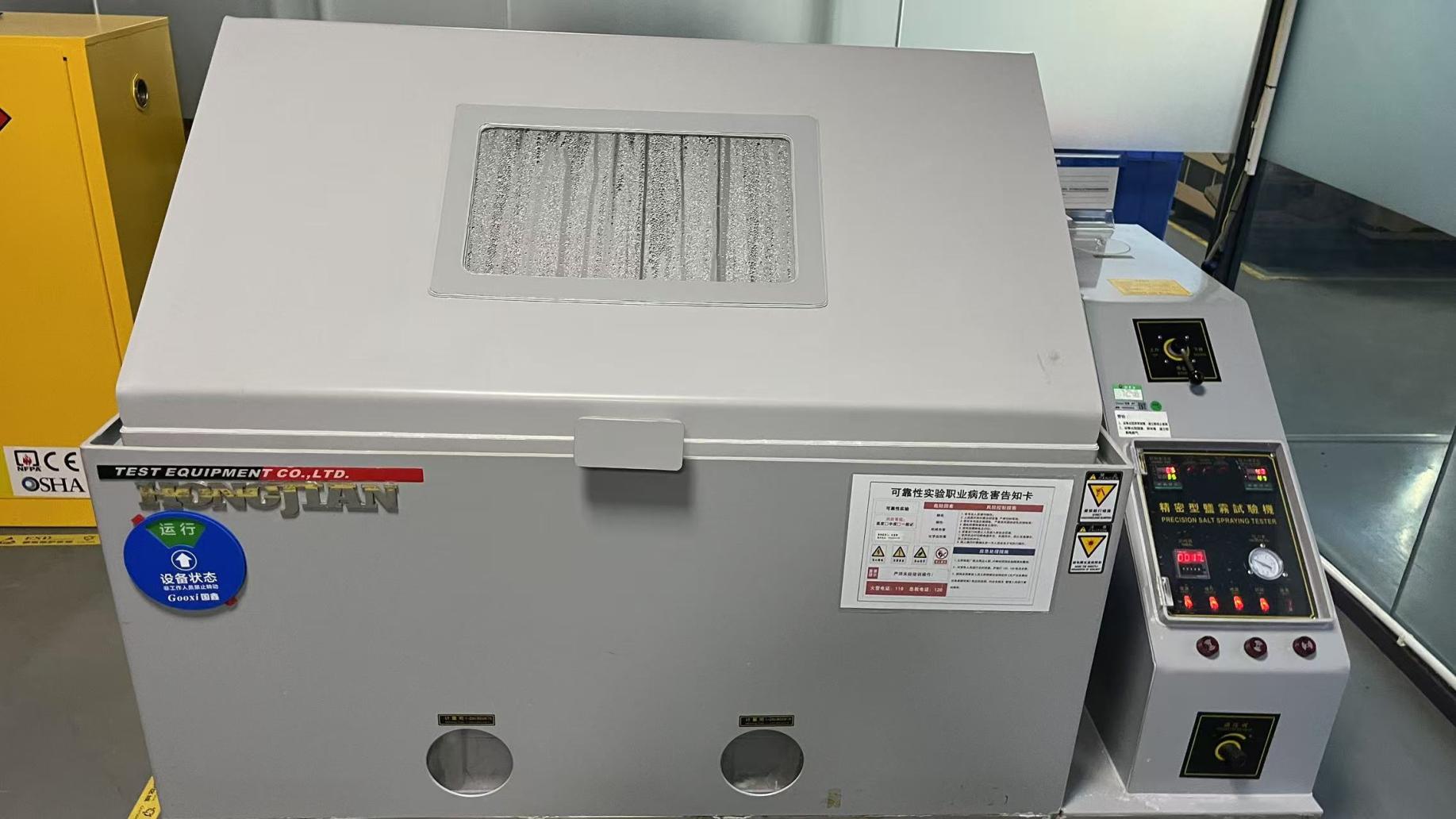
At FiberQ Photonics, compliance is not an afterthought—it is the foundation of our engineering process. All components undergo rigorous validation tests:
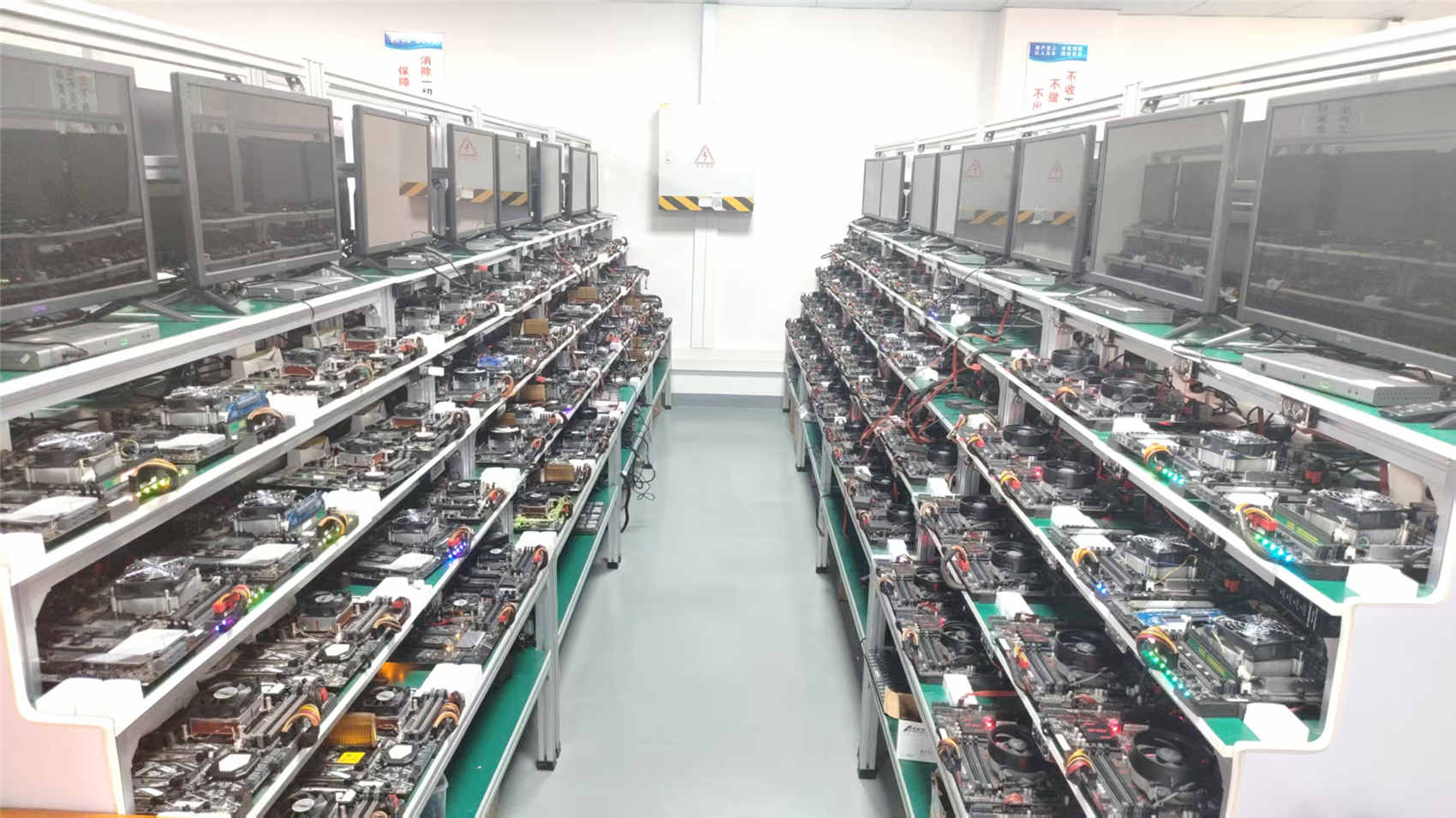
Our production control system operates on a zero-defect principle. Backed by 62 specialized quality inspectors, we implement automated multi-stage inspections:
China’s dominance in high-frequency hardware manufacturing is not merely a product of labor efficiency. It stems from a dense, highly specialized clustering of raw material suppliers, high-precision tooling shops, and integrated logistics structures.
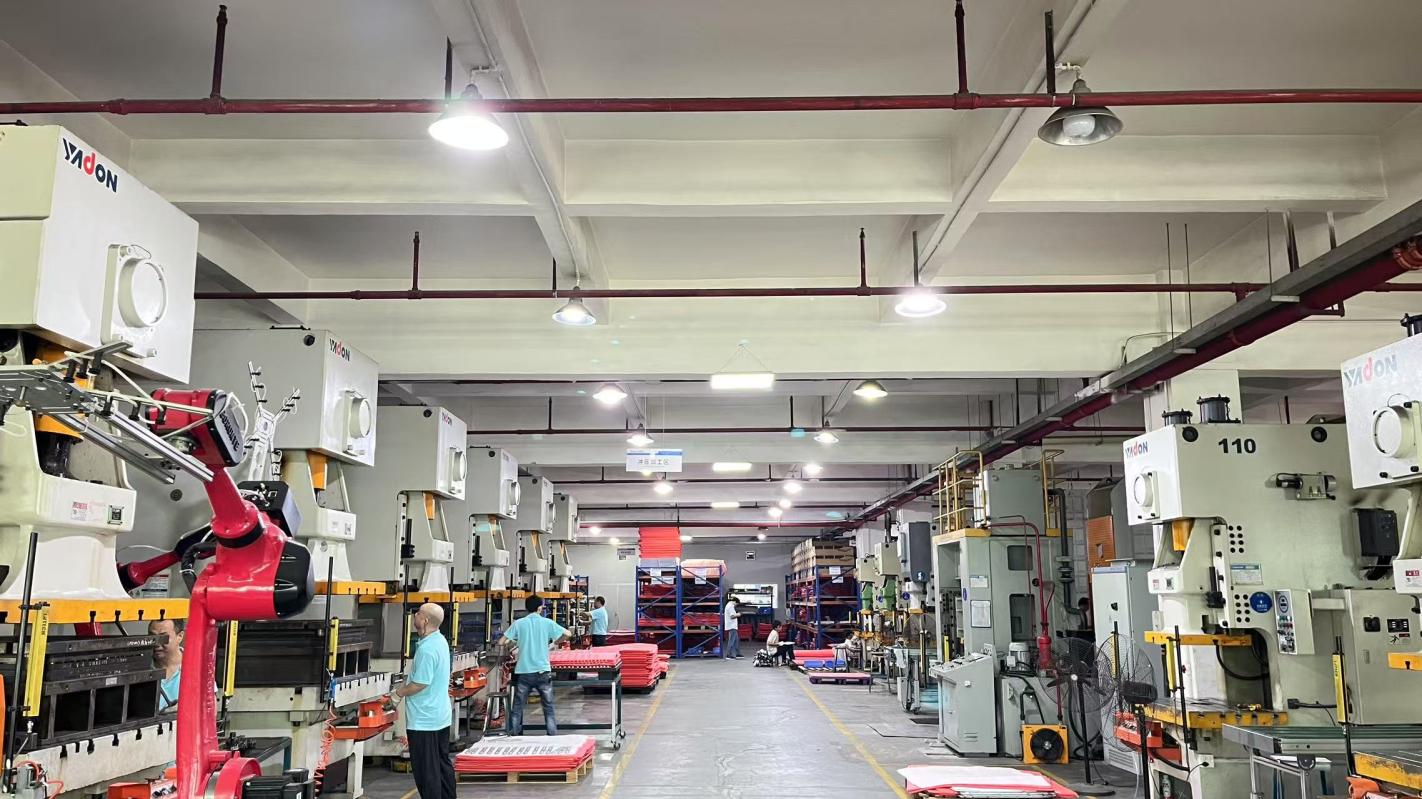
By establishing manufacturing roots in this industrial hub, FiberQ leverages close proximity to the world’s leading copper alloy refineries, specialized high-temp polymer suppliers, and automated stamping tooling developers. With over 1,450 active supply chain partners, we eliminate critical bottleneck risks associated with raw material sourcing.
If a product design changes—for instance, switching a low profile jack to support Power over Ethernet (PoE++) where contacts must handle higher current loops (up to 1A per pin)—our prototyping partners can supply custom gold-plated pins and modified lead-frames in days, not weeks. This ultra-fast development loop is why global telecom leaders choose to source from China factories.
Additionally, the localized cluster of packaging, automated optical testing machinery suppliers, and global shipping ports allows us to maintain a low overhead cost structure. These cost advantages are passed directly to our wholesale partners, ensuring competitive pricing without compromising on material purity or quality controls.
The boundary between copper ethernet connections and high-speed fiber optics is blurring. The rise of hybrid networking hardware demands components that work in tandem.
Traditional RJ45 systems were confined to Fast Ethernet (100 BASE-T) and Gigabit Ethernet (1000 BASE-T). Today, enterprise switches rely on 2.5GBASE-T, 5GBASE-T, and 10GBASE-T configurations. Crucially, as speeds climb, physical connectors become vulnerable to capacitive and inductive noise.
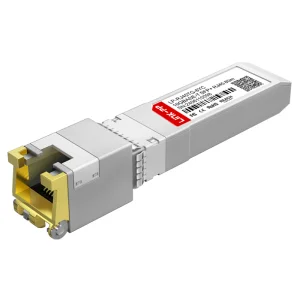
Modern low profile designs require sophisticated internal PCB filters and magnetic compensation coils to sustain clean eye diagrams at 10 Gbps speeds. Furthermore, the heat generated by dense 10G copper transceivers (like the SFPP-10G-T) demands connectors capable of withstanding higher temperatures while maintaining signal integrity.
Our R&D team provides extensive customization options, including protocol compatibility optimization (supporting 100G, 200G, 400G, and 800G optical structures), wavelength engineering, thermal analysis, and mechanical form-factor adjustments.
Low profile connectors and compact transceiver modules find critical applications across diverse local landscapes:
Founded in 2015, FiberQ Photonics has evolved into a leading designer and manufacturer specializing in high-performance fiber optic transceivers and advanced photonic communication architectures. Our focus centers on developing reliable, high-speed interconnect products for global data centers, enterprise networks, and telecom applications.
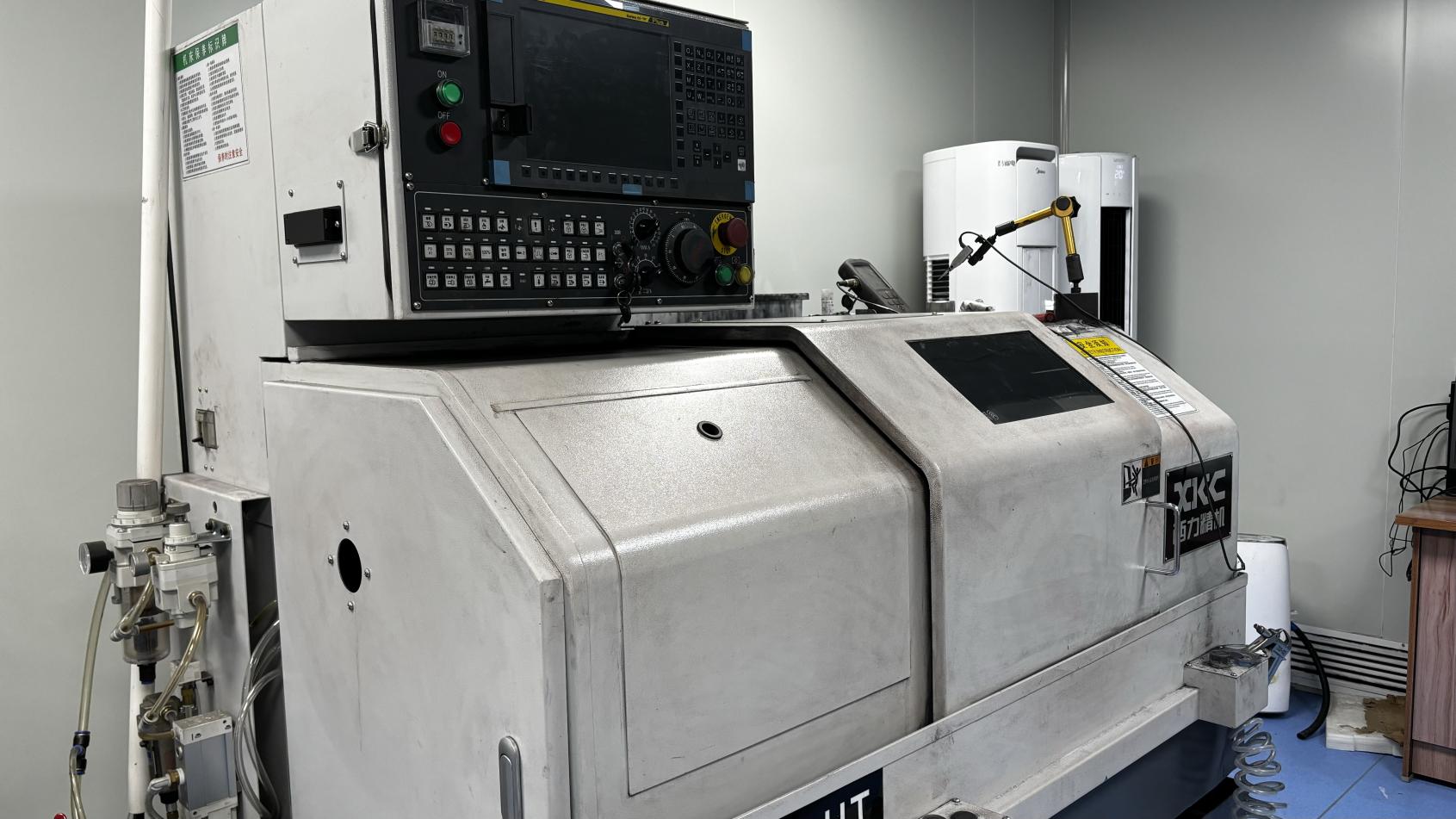
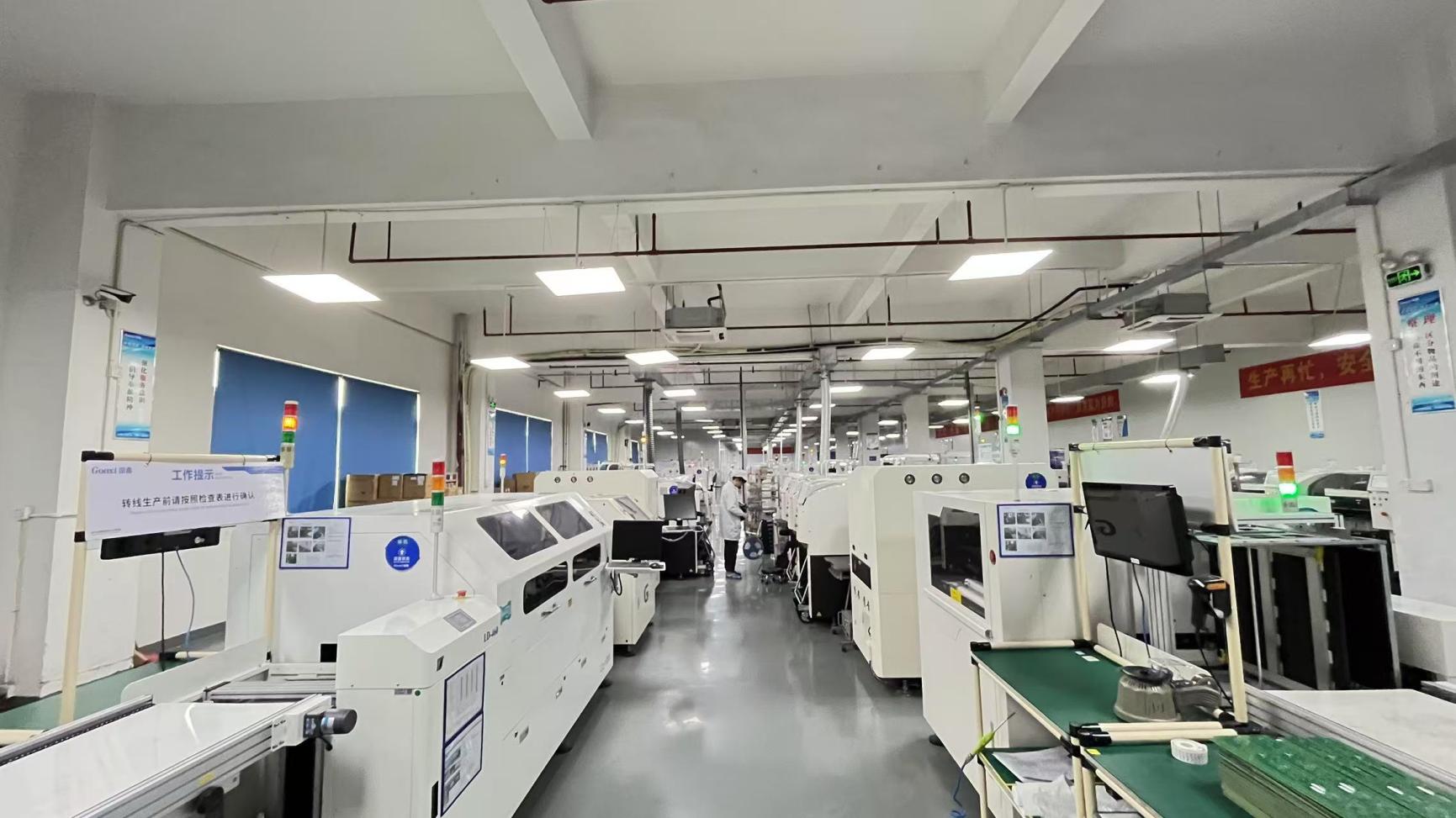
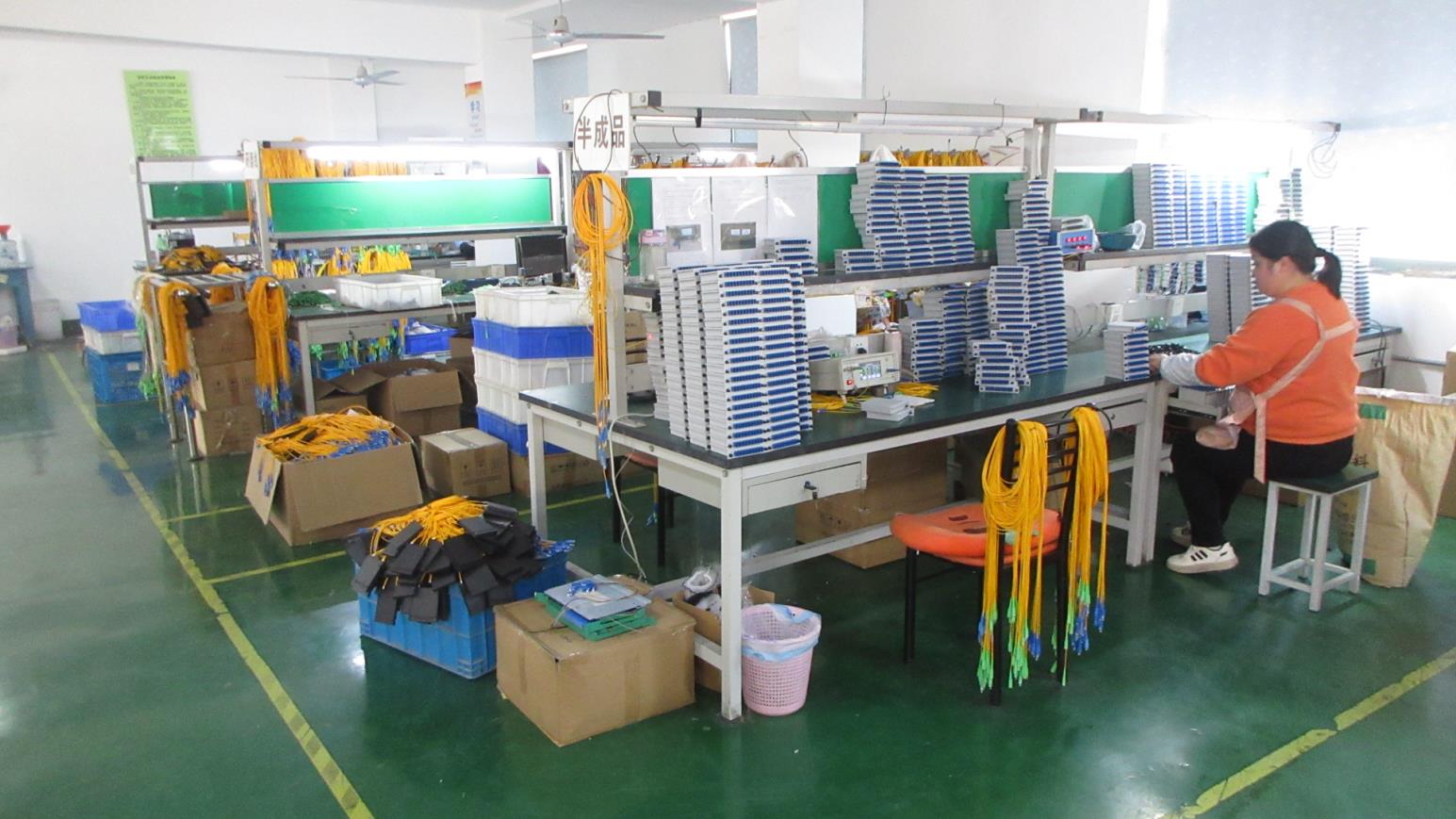
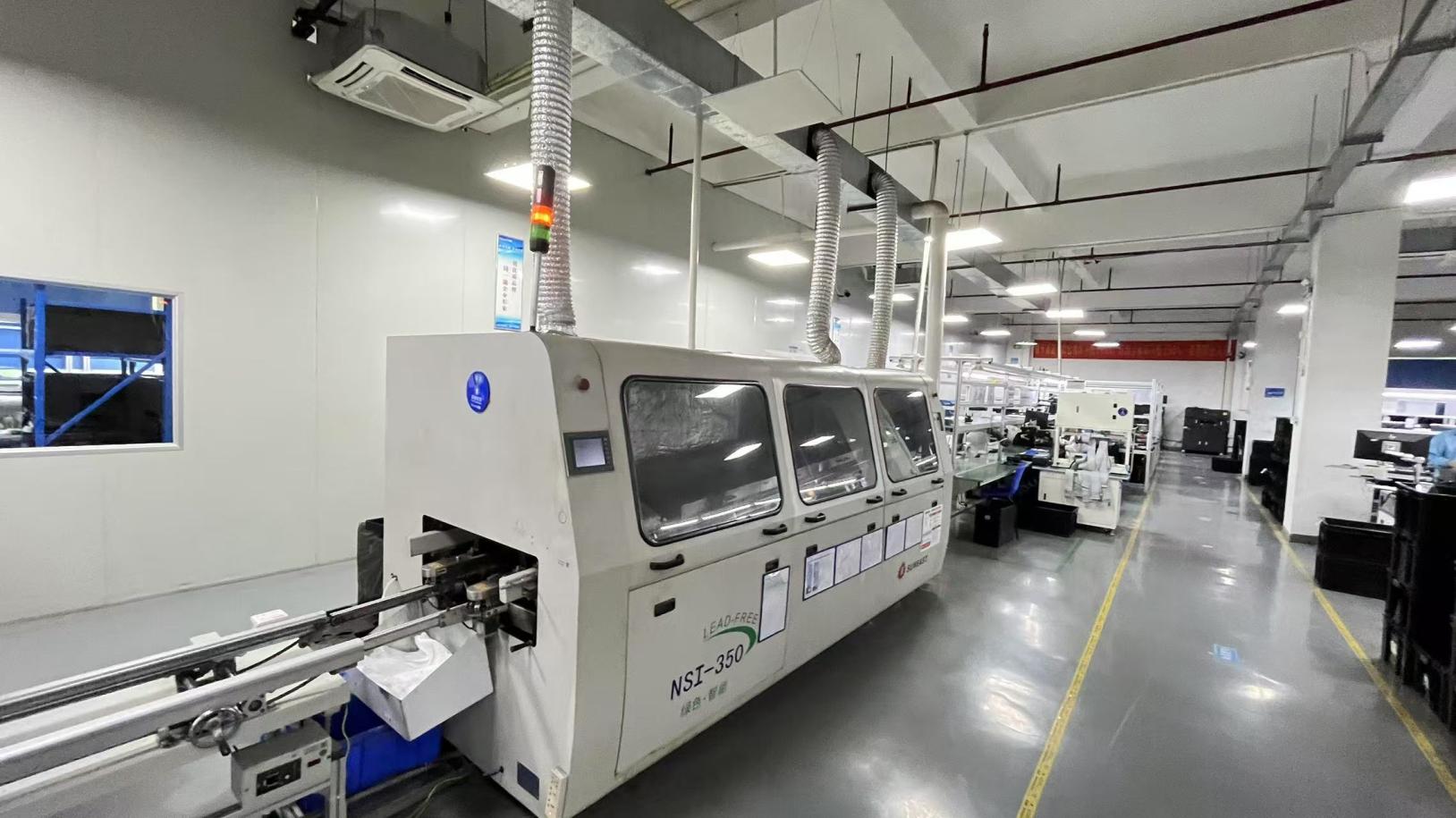
Operating from our modern 12,600㎡ production facility, we maintain vertical control over component assembly, precision housing stamping, and thorough quality inspection. Backed by 240 R&D engineers, we lead the industry in hybrid connectivity innovations, integrating copper connectors and advanced optoelectronic modules.
Addressing core engineering, regulatory, and procurement inquiries from systems integrators worldwide.
A standard RJ45 connector stands between 13.5mm and 16.5mm above the PCB surface. A "Low Profile" Ethernet Jack reduces this height to between 9.5mm and 11.5mm (or lower in case of sub-flush designs). This drop in height enables these jacks to fit into space-constrained slots, such as 1U rackmount units, blade servers, and compact industrial gateways.
Yes, they can. However, supporting high current loops (such as PoE++ up to 90W/1A per pair) within a small housing requires careful thermal management and specialized high-grade phosphor bronze contacts. At FiberQ, we custom-engineer internal configurations to prevent thermal runaway under continuous power delivery.
We use robust copper-alloy outer shells with multiple EMI spring fingers/grounding tabs that make contact with the panel housing. This design shunts high-frequency noise directly to ground, preserving signal integrity across adjacent high-speed channels.
For standard catalog connectors and optical transceiver products, lead times average 2 to 4 weeks. For custom ODM designs—such as custom pinout configurations or thermal optimization housings—prototype development takes 3 to 4 weeks, with mass production scaling in 6 to 8 weeks through our coordinated supplier network.
Absolutely. All materials, including high-temperature plastic housings, copper alloys, and gold plating solutions, comply with the latest EU RoHS 3 and REACH regulations. Certification documentation is available upon request.
Integrated magnetics (ICMs) house isolation transformers, common-mode chokes, and termination resistors directly within the RJ45 housing. This saves valuable PCB real estate and simplifies design layouts by eliminating external filter networks, while ensuring consistent signal-to-noise margins.