FiberQ
FiberQ
FiberQ
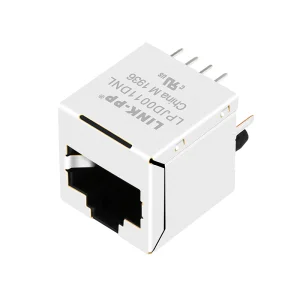
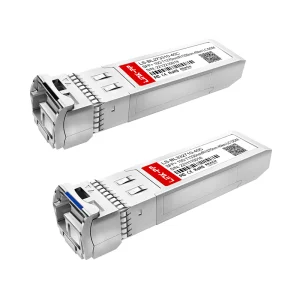
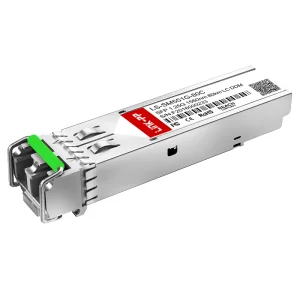
Explore our primary array of high-speed optical transceivers, structured RJ45 jacks, and magnetic connector interfaces engineered to support rigorous physical layer loopback testing and active data center channels.
In modern high-speed networks, verifying the physical integrity of transmission lines, transceiver ports, and network equipment is critical. An Ethernet loopback connector acts as a vital tool for network testing, allowing engineers to route the output signals directly back into the input port. This diagnostic method validates that the transmit (Tx) and receive (Rx) circuitry, as well as the internal network stack, are functioning optimally without introducing external cabling complexity.
Semantic Information Gain: Unlike passive termination plugs, a loopback plug isolates physical transceiver faults from broader software-defined network routing issues. By short-circuiting pin 1 (TX+) to pin 3 (RX+) and pin 2 (TX-) to pin 6 (RX-) in standard RJ45 systems, or routing optical paths in SFP/QSFP configurations, it provides an immediate loopback signal verification pathway.
For telecommunications providers, cloud data centers, and enterprise network operators, purchasing loopback connectors and matching high-speed transceivers from a reliable Chinese supplier offers a strategic operational advantage. It ensures compatibility with rigorous IEEE standards while dramatically lowering testing costs across vast server matrices.
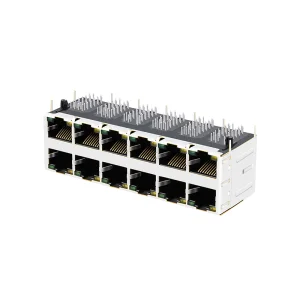
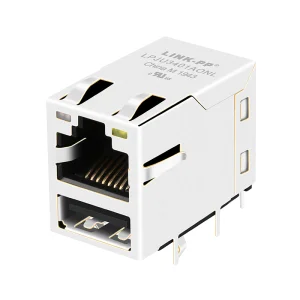
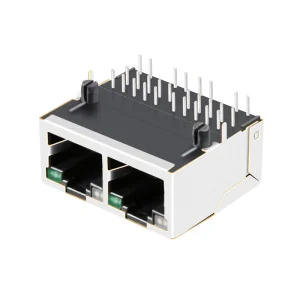
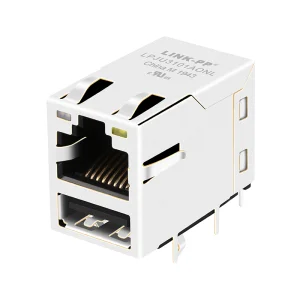
As network interfaces scale from 10G Base-T up to 100G, 400G, and 800G optical links, diagnosing transmission degradation requires specialized loops. High-density switches utilizing stacked connectors (such as our 2x6 stacked RJ45 jacks) require dedicated, form-factor-compatible testing tools. These components ensure that high-frequency electromagnetic interference (EMI) and crosstalk do not distort internal loopback diagnostics.
Enterprise and telecommunication buyers face complex procurement paths when securing high-reliability components. Organizations requiring wholesale volumes demand strict adherence to specifications, international standardizations, and long-term hardware reliability. At FiberQ, we address these specific supply chain requirements by offering unified hardware manufacturing, custom EEPROM configuration, and multi-protocol compatibility testing.
Support for broad optical and copper protocol environments including 100G, 200G, 400G, and next-generation 800G architectures. Tailoring wavelengths, thermal profiles, and form-factor adjustments.
Operating a modern 12,600㎡ facility with vertically integrated assembly pipelines, automated optical testing arrays, and extensive high-temperature burn-in chambers.
62 professional quality inspectors performing interferometric checks, automated optical performance testing, and manual quality control audits on all batch outputs.
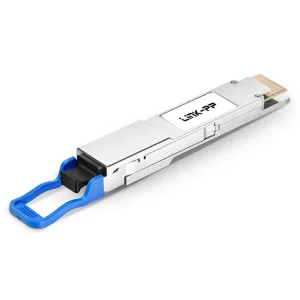
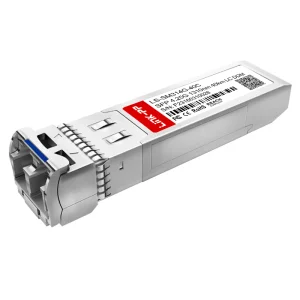
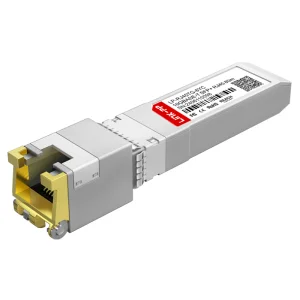
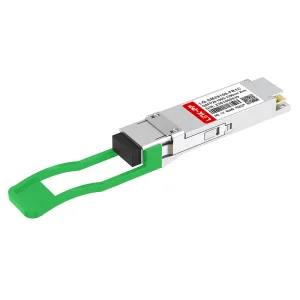
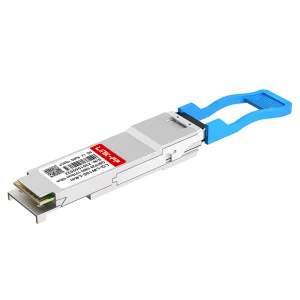
Our hardware solutions address key challenges faced by contemporary systems integrators: packet drop diagnostics in massive hyperscale data centers, signal loss isolation across transoceanic fiber links, and environmental tolerance optimization in high-altitude industrial networks. By pairing our passive loopbacks with active transceivers (such as our 400G QSFP-DD LR4 or 10G SFP+ modules), operators can comprehensively map signal attenuation, return loss, and bit error rates (BER).
Founded in 2015, FiberQ Photonics Technology Co., Ltd. has developed into a leading global supplier of fiber optic transceivers and high-performance communication systems. Our 12-year industry footprint guarantees advanced manufacturing compliance, reliable network deployment support, and dynamic R&D cycles.
Our international export infrastructure enables seamless bulk order processing for clients across North America, Europe, Japan, and Southeast Asia. With annual export revenues reaching USD 9.5 million and 6 years of direct global export experience, we support structured logistics channels, customs optimization, and complete technical localization compliance.
The rapid expansion of AI-driven computing, high-frequency trading, and distributed cloud computing systems demands a transformation in loopback diagnostic architectures. Standard testing methods must evolve to accommodate higher bandwidth densities and prevent signal noise.
With transmission speeds moving toward 800G and 1.6T, physical testing becomes highly sensitive to insertion losses. Future loopback connectors will increasingly rely on attenuation-integrated optical loops that mimic actual cabling spans, protecting sensitive optical receptors from high-intensity laser emission degradation.
Emerging smart loopbacks integrate tiny microcontroller circuits that report temperature, voltage, and signal integrity metrics back to network management software via I2C interfaces. This converts a simple passive diagnostic plug into an active network monitoring endpoint.
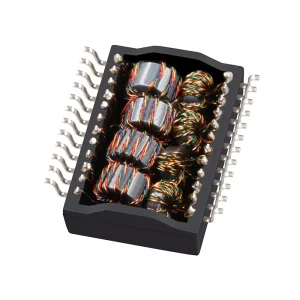
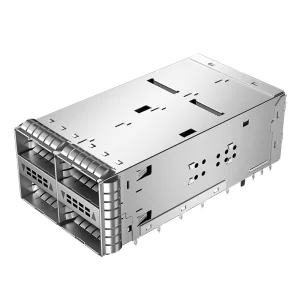
For copper networks, the design of RJ45 magnetic interfaces must evolve to filter out higher levels of electromagnetic noise. Utilizing multi-stage transformers and EMI-shielded cage structures (like our 2308171-1 TE Compatible ZQSFP+ Cages) ensures clean signal loops even in high-density installations.
FiberQ operates a state-of-the-art production ecosystem. Our 12,600 square meter factory contains automated optoelectronic assembly stations, optical spectrum analyzers, environmental testing units, and high-precision SMD lines. We maintain strict quality management system certifications to guarantee that every product shipped meets international standards.
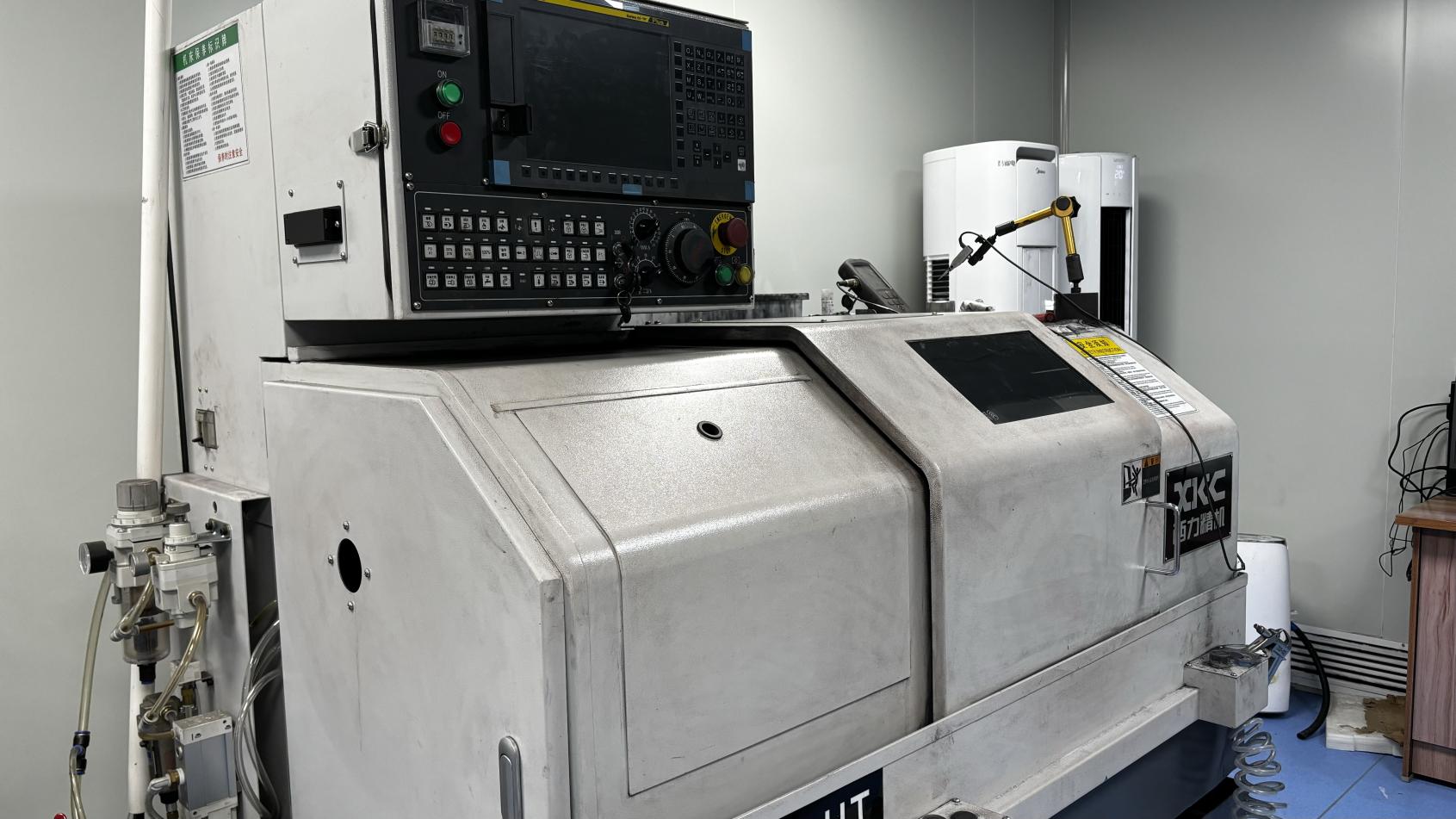


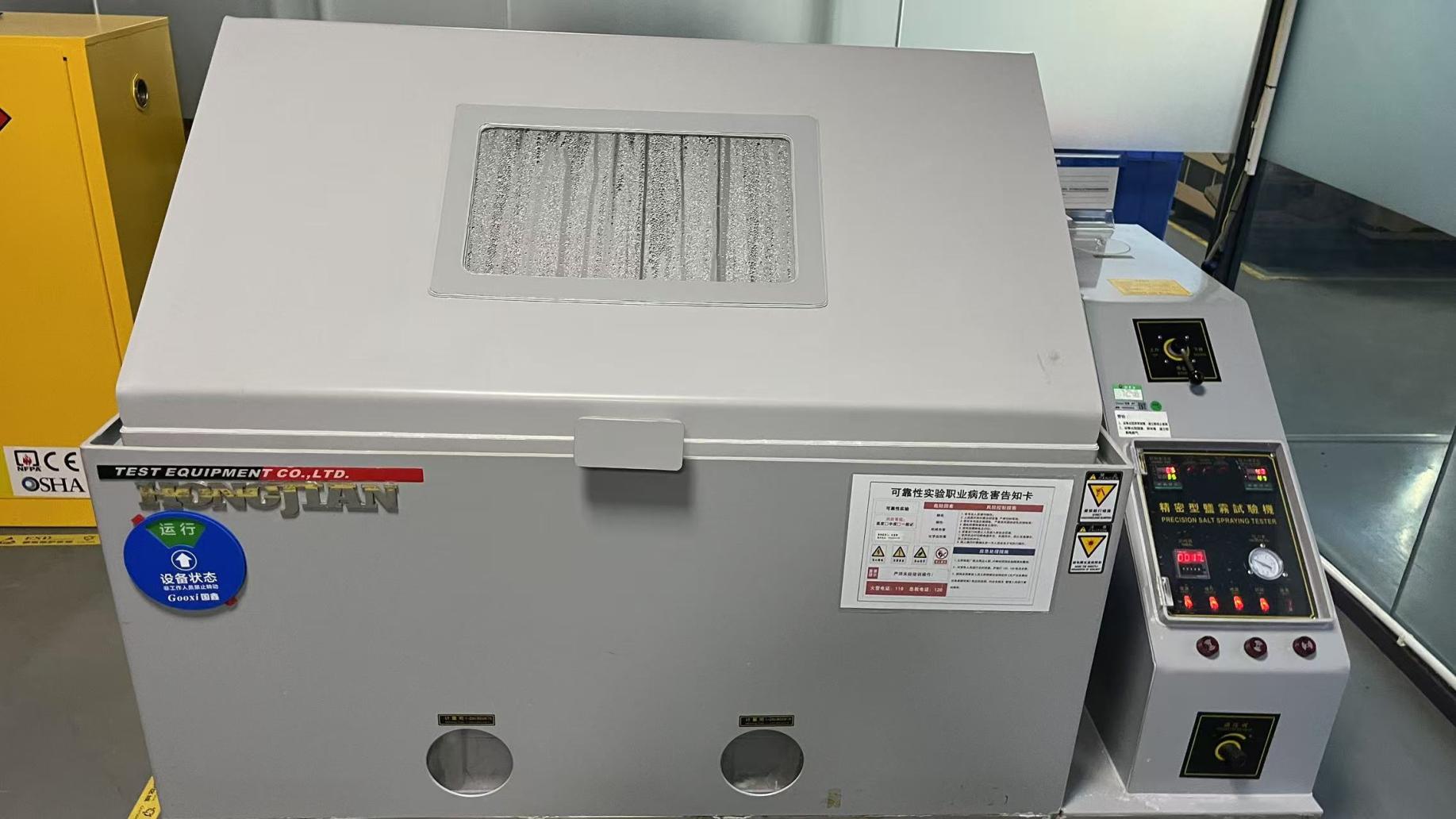
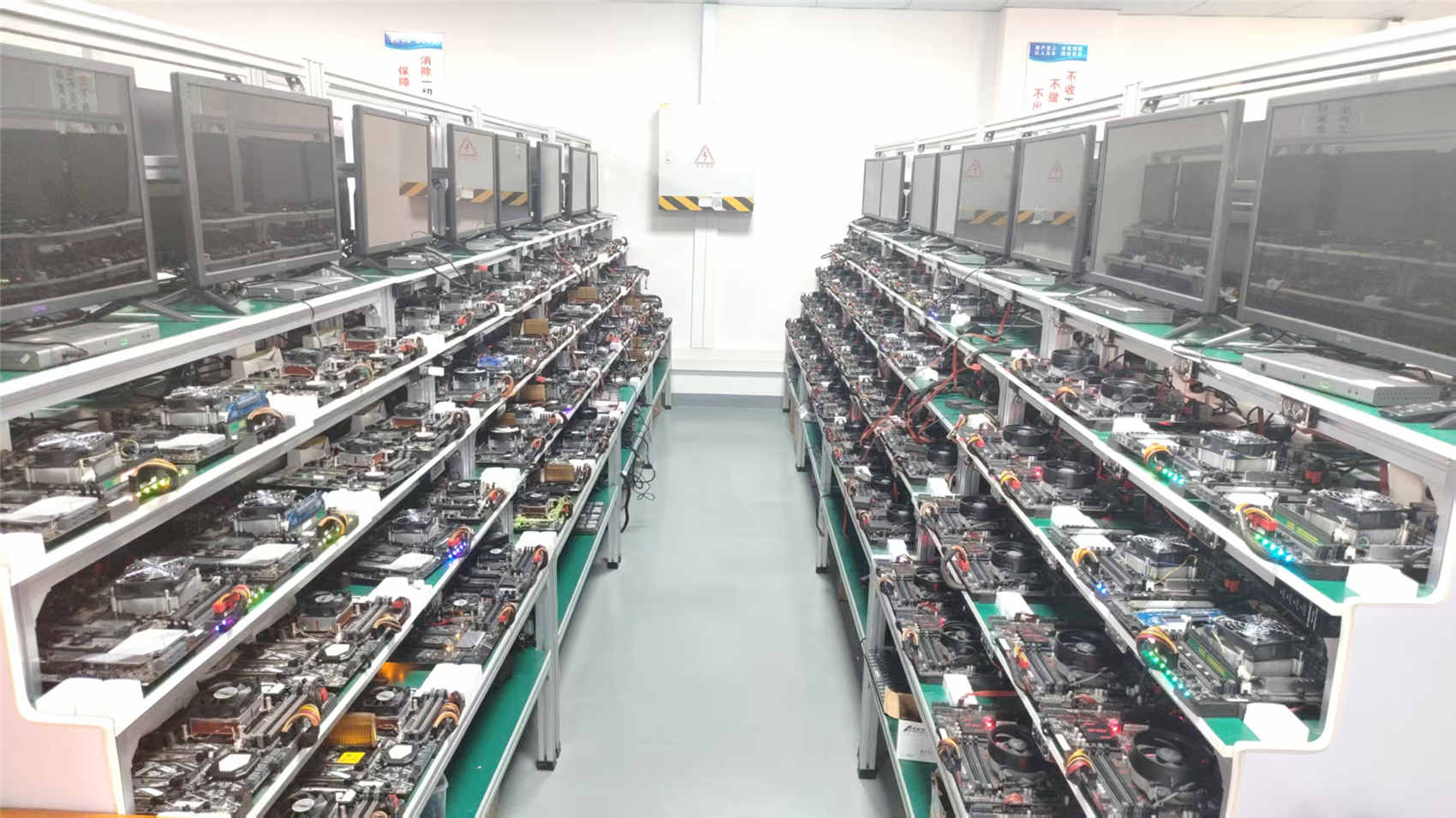
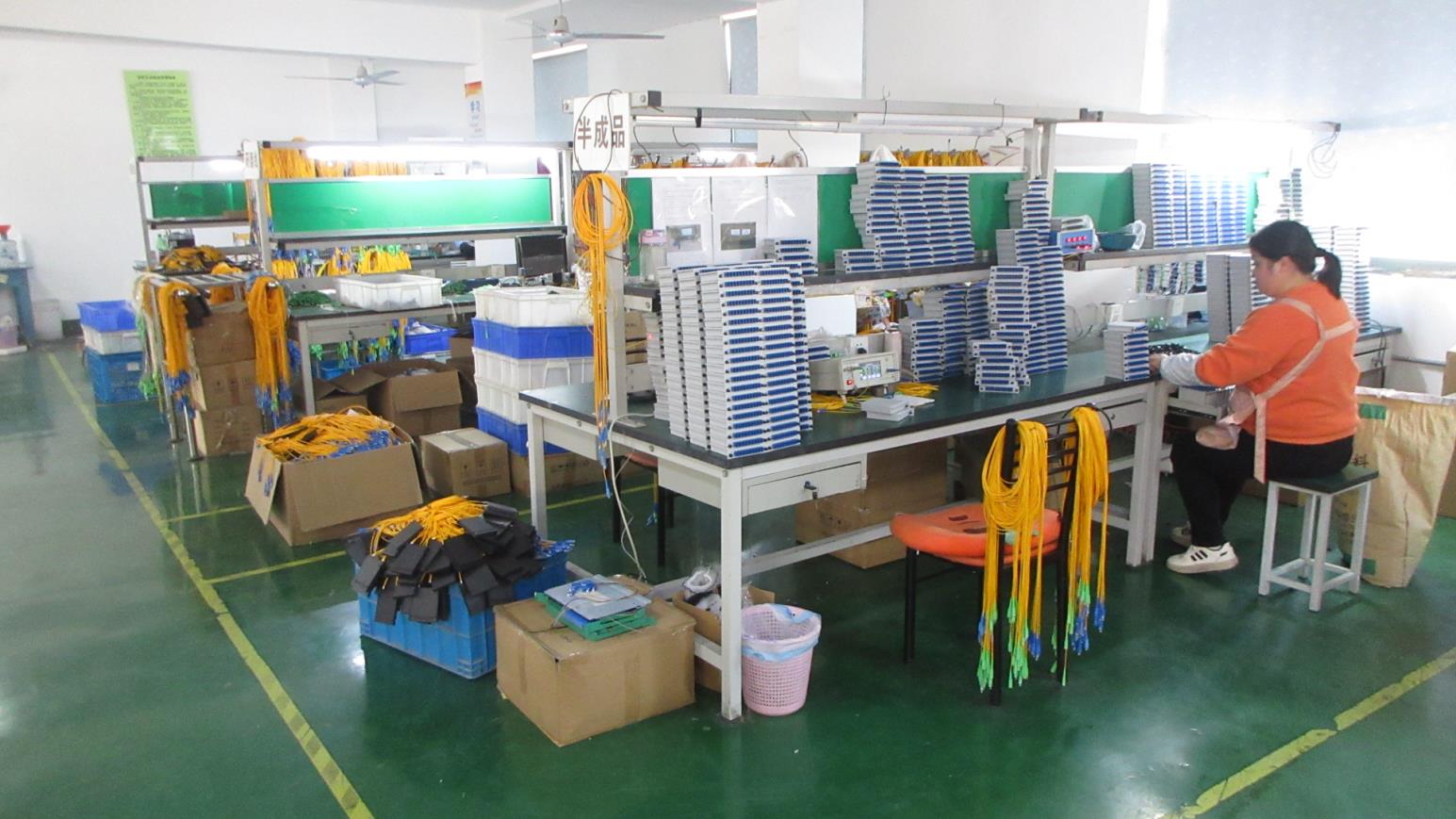
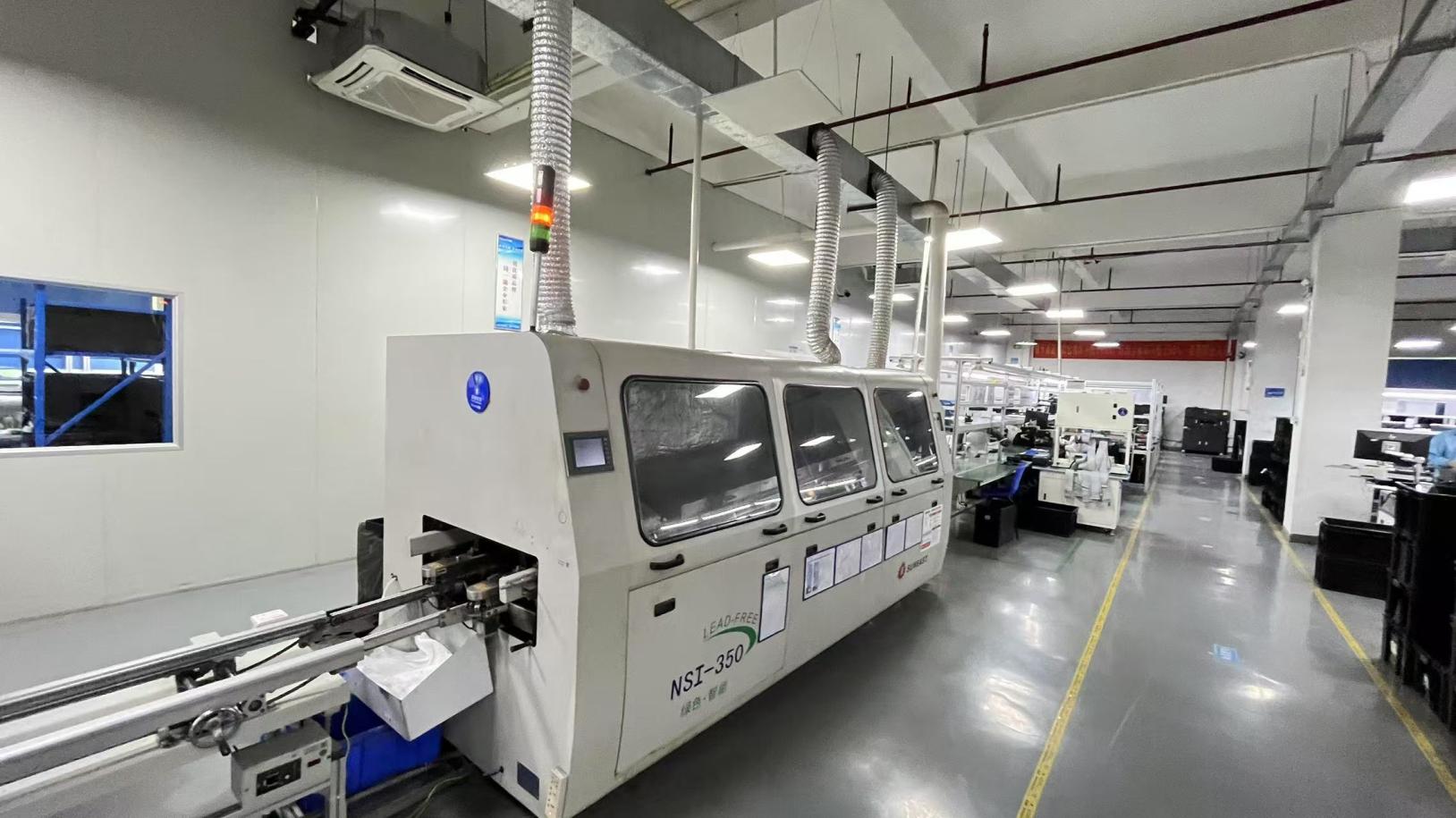
Certified High-Performance Production Facility
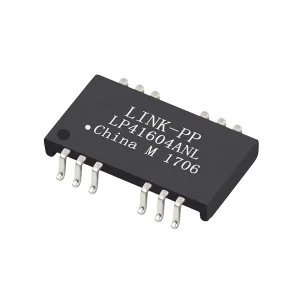
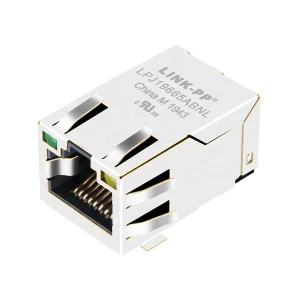
Browse our selection of active optical transceiver interfaces, integrated magnetic LAN filters, and press-fit EMI-shielded cage structures. These components are designed to support high-density configurations in modern network switches and enterprise server racks.
FiberQ Photonics ensures that our optical modules and loopback adaptors comply with critical international regulatory standards. Our products carry CE, FCC, RoHS, and UL markings. Our compliance testing processes verify that each hardware batch operates safely within designated environmental margins.
We operate with a collaborative supply chain network consisting of approximately 1,450 component vendors. This deep vendor integration allows us to secure high-grade raw components, maintain production stability, and manage delivery lead times effectively for large-scale enterprise deployments.
Our R&D team consists of approximately 240 engineers specializing in optical path design, high-frequency signal integrity, and thermal modeling. We support custom hardware modification requests, including protocol adaptations, wavelength optimization, and structural changes to meet unique mechanical requirements.
By managing manufacturing from our central 12,600㎡ facility, FiberQ delivers cost-effective, high-reliability interconnect components. Our 12 years of industry experience ensure your network installations remain stable and compatible with evolving hardware standards.