FiberQ
FiberQ
FiberQ
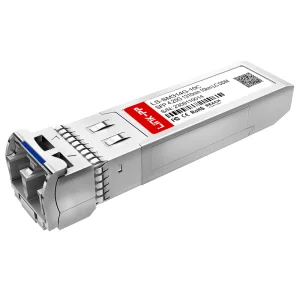
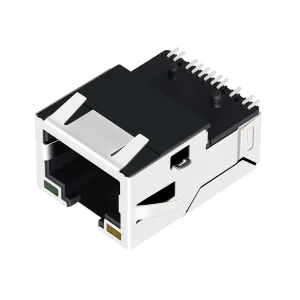
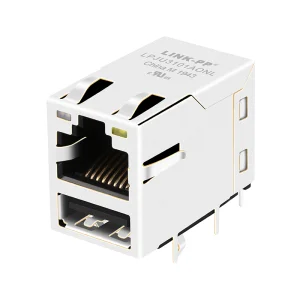
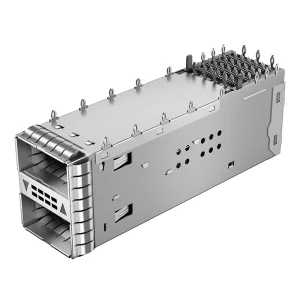
Explore our high-performance transceivers, shielded RJ45 modules, and integrated connectors designed to form the backbone of next-gen enterprise networking environments.
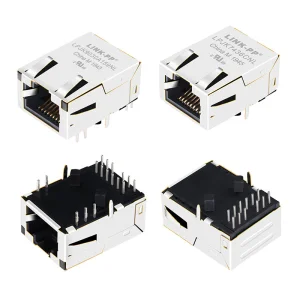
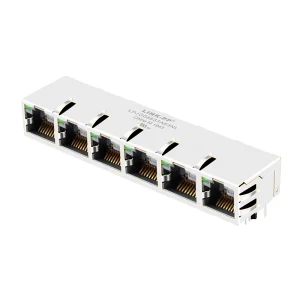
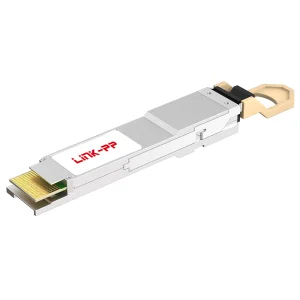
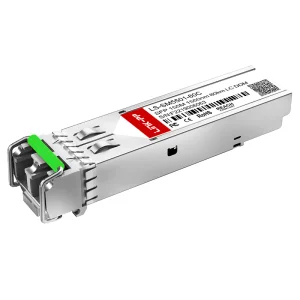
In the modern data ecosystem, where high-speed networks and optical backbones intersect with physical routing stations, the integrity of local Area Networks (LANs) depends heavily on high-quality structured cabling systems. Selecting the correct RJ45 patch panel supplier in China represents a critical technological decision for global network integrators, enterprise buyers, and cloud data center operators.
This whitepaper acts as an industry-standard procurement roadmap. It details the underlying mechanical, electrical, and thermal criteria defining top-tier patch panels. Learn how high-performance copper interconnects interface with high-density fiber transceivers (such as the QSFP+ and SFP architectures) to ensure low attenuation, negligible NEXT/FEXT crosstalk, and optimal return loss in demanding high-frequency enterprise environments.
As standard-setting hardware providers, leaders in this sector must demonstrate robust R&D compatibility, strict regulatory testing profiles (including UL, RoHS, and CE), and deep supply-chain stability to satisfy modern structural connectivity demands.
"Physical layer infrastructure constitutes less than 7% of a network's total cost, yet it is responsible for up to 50% of all network downtime. Investing in highly qualified RJ45 patch panels, keystone interfaces, and magnetic distribution frames is the single most cost-effective decision for long-term network reliability."
Production Facility
Industry Expertise
Supply Chain Partners
R&D Engineers
Understanding the critical technical thresholds enterprise buyers must evaluate when selecting a manufacturing partner in China.
Modern data spaces are packed with high-frequency signals. Shielded (STP/FTP) patch panels feature robust metal housings that ground structural interference, maintaining isolation from alien crosstalk (ANEXT) and electrical noise in dense environments.
Power over Ethernet (up to 90W/100W under IEEE 802.3bt Type 4) transfers significant currents over copper conductors. Top suppliers design modular RJ45 structures to limit thermal build-up and prevent contact erosion from electrical arcing during disconnection.
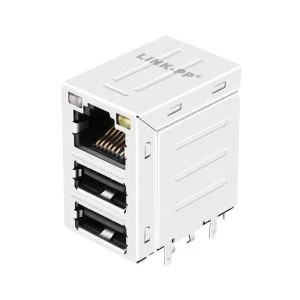
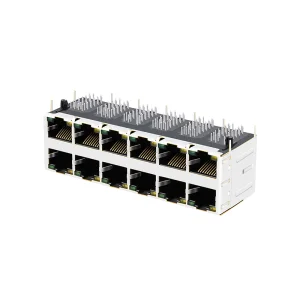
Customizing cabling requires modular keystone panels that support combinations of Cat6A RJ45 connectors, fiber LC/SC adapters, and USB modular interfaces. This level of customization is standard for advanced industrial control panels.
| Cabling Standard | Max Bandwidth | Shielding Requirements | Key Applications | Connector Interface Type |
|---|---|---|---|---|
| Category 6 (Cat6) | 250 MHz | Optional UTP/STP | Gigabit LAN, basic office setups | RJ45 (Unshielded / Shielded) |
| Category 6A (Cat6A) | 500 MHz | Highly recommended STP | 10G Base-T Networks, Server Rooms | RJ45 (Enhanced contact geometry) |
| Category 8 (Cat8) | 2000 MHz | Mandatory STP (Fully Shielded) | Switch-to-Server connections in Data Centers | RJ45 (Metal-shielded toolless keystone) |
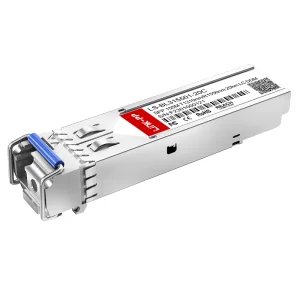
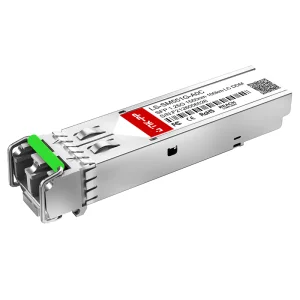
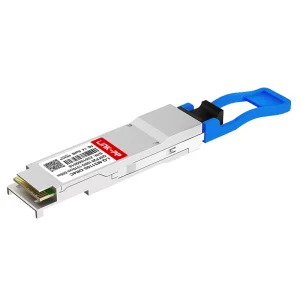
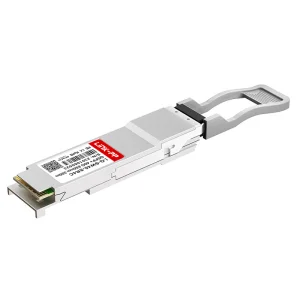
The boundary between pure copper networks and fiber optic systems is fading. High-performance enterprise switches utilize hybrid layouts where high-capacity fiber optical transceivers (such as 100G, 400G, and 800G QSFP-DD systems) feed central switches, while down-link distribution panels use modular RJ45 networks to power and link peripheral edge terminals, cameras, access points, and control units.
FiberQ Photonics’ core competence in high-performance transceivers, combined with a robust supply chain network for copper interfaces, delivers a cohesive ecosystem. By standardizing manufacturing metrics across both transmission media, we ensure that insertion loss values, impedence matching, and returns are kept within strict laboratory parameters.
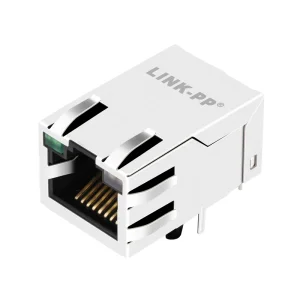
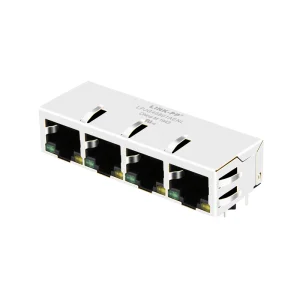
Our continuous R&D is focused on miniaturized low-profile magnetic jacks, enhanced press-fit cages, and ultra-high-density 48-port 0.5U RJ45 panels that maximize real estate in 19-inch racks.
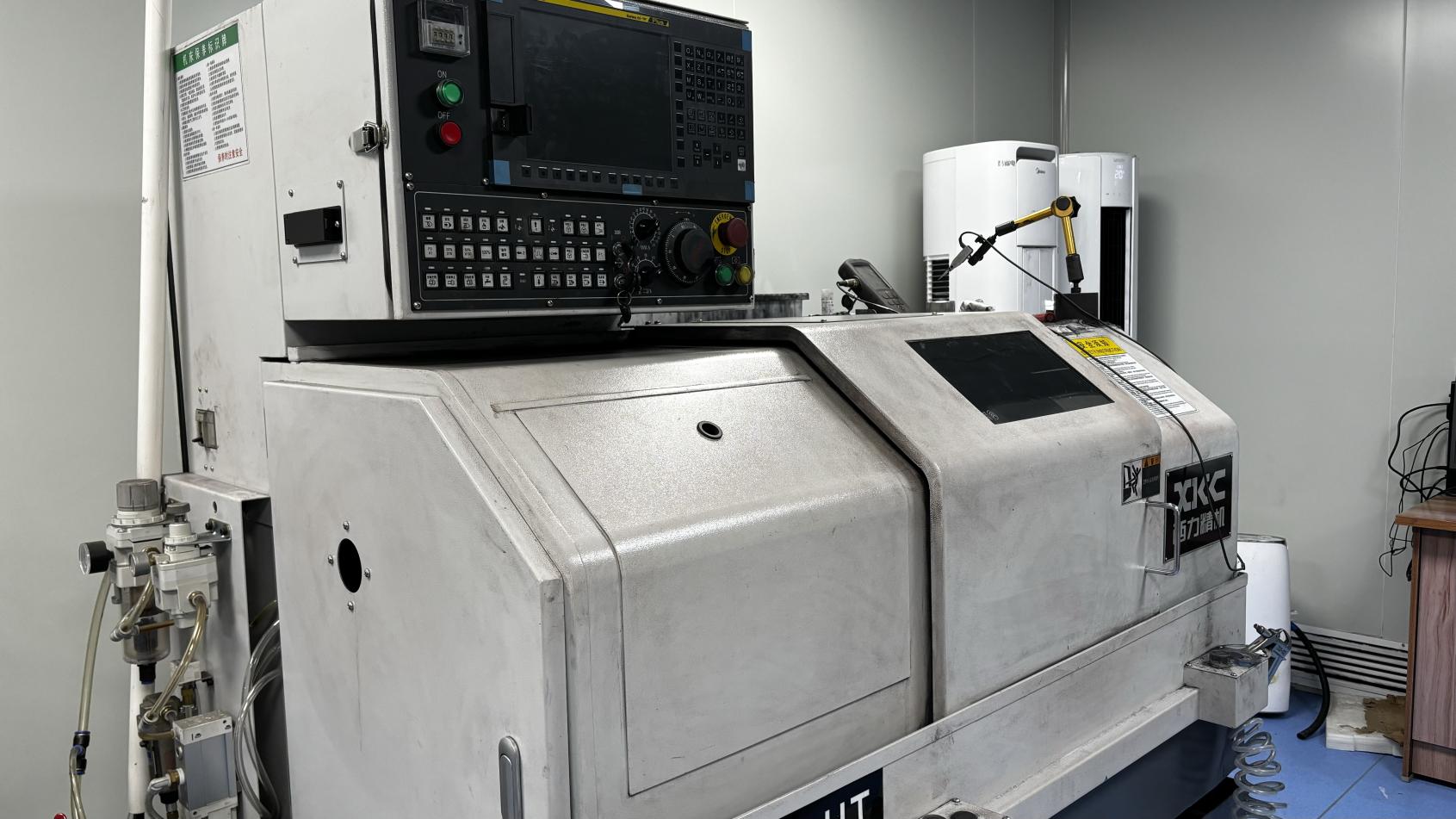
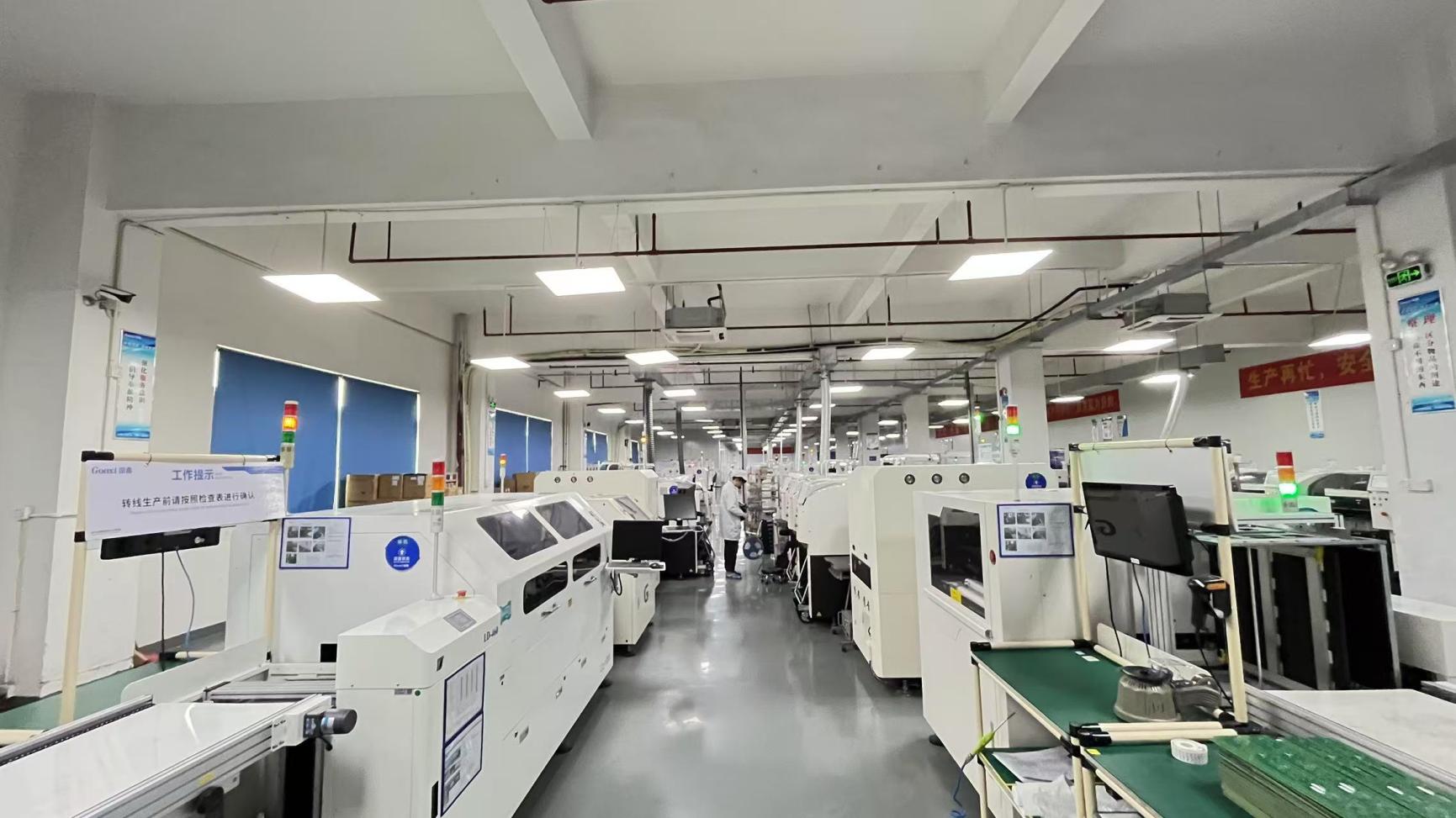
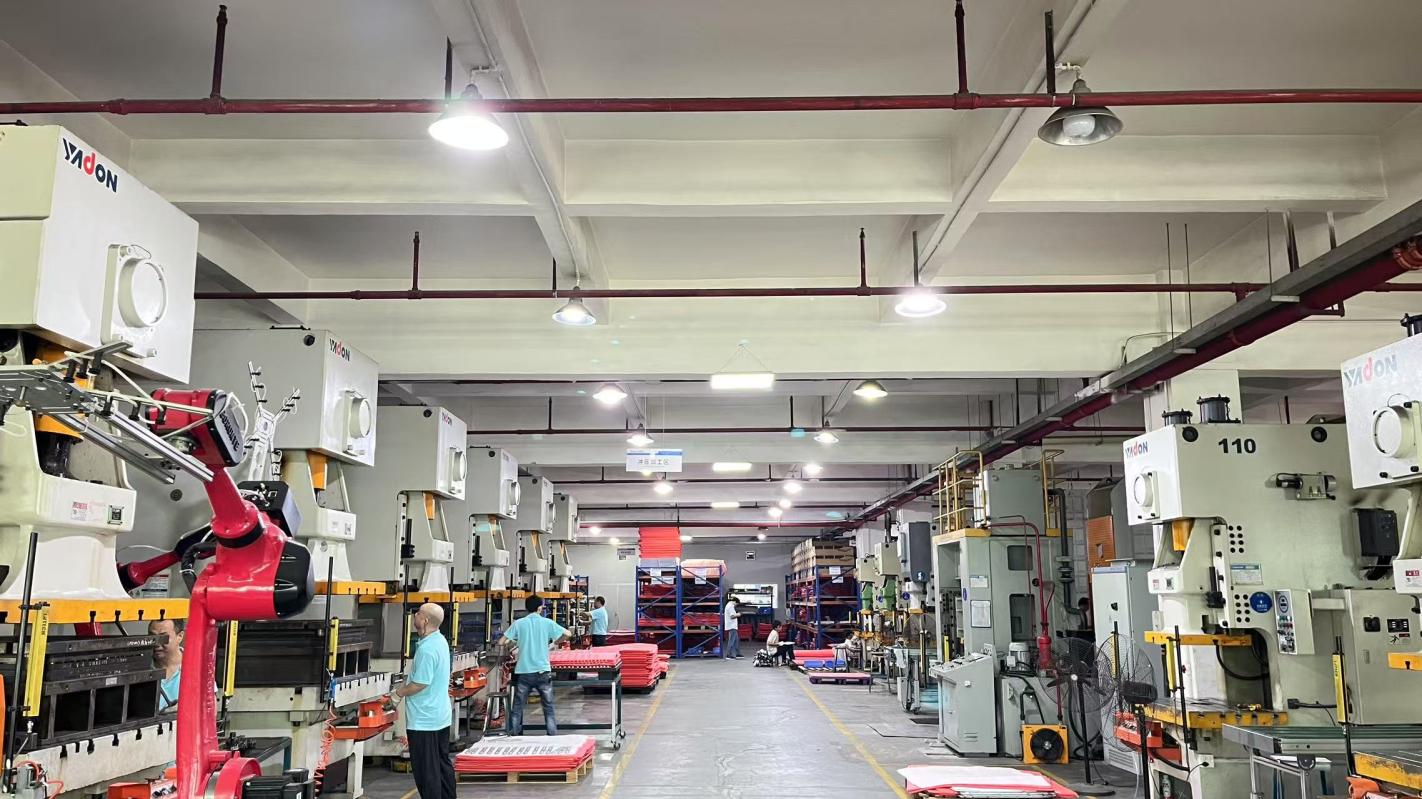
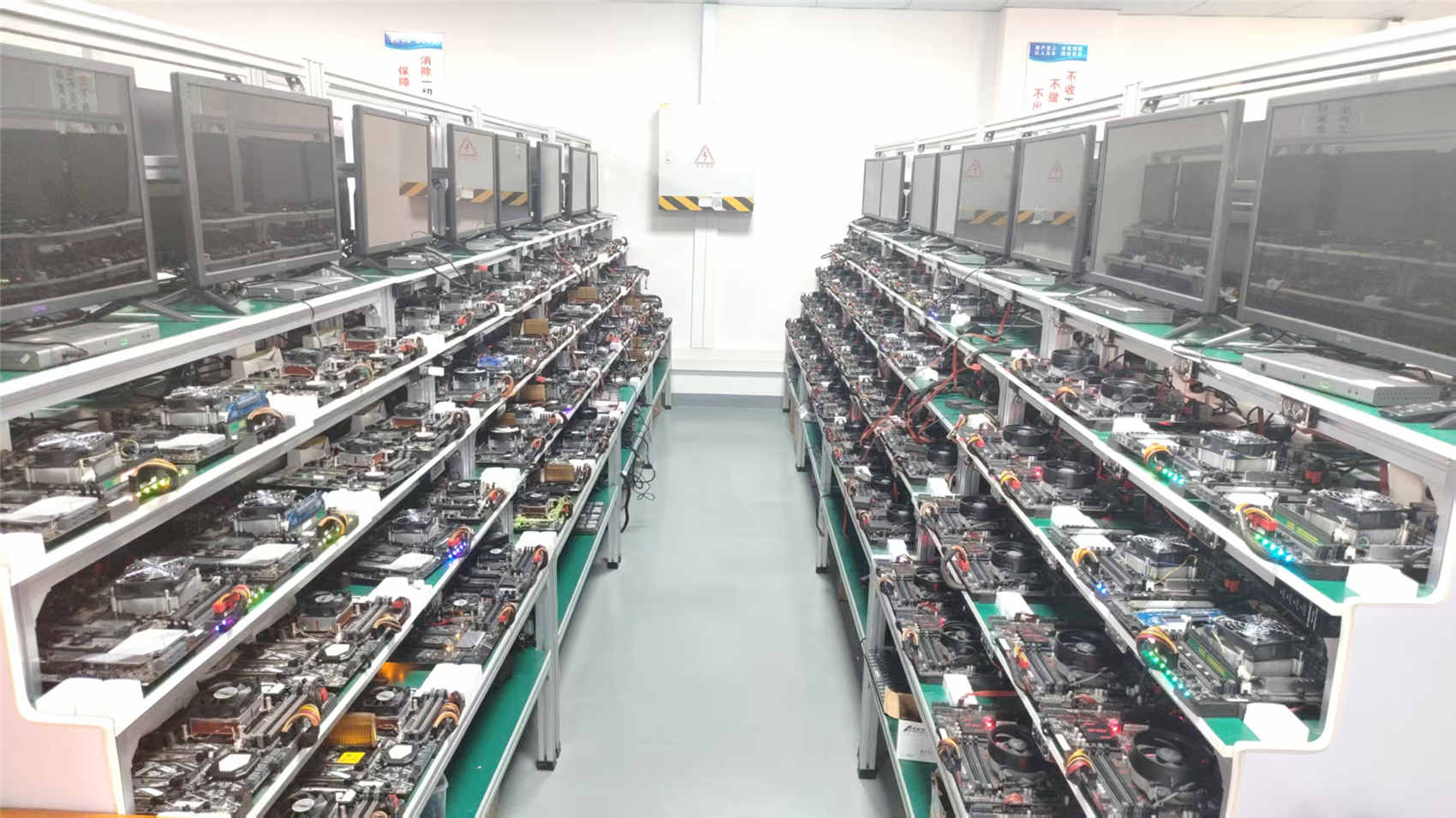
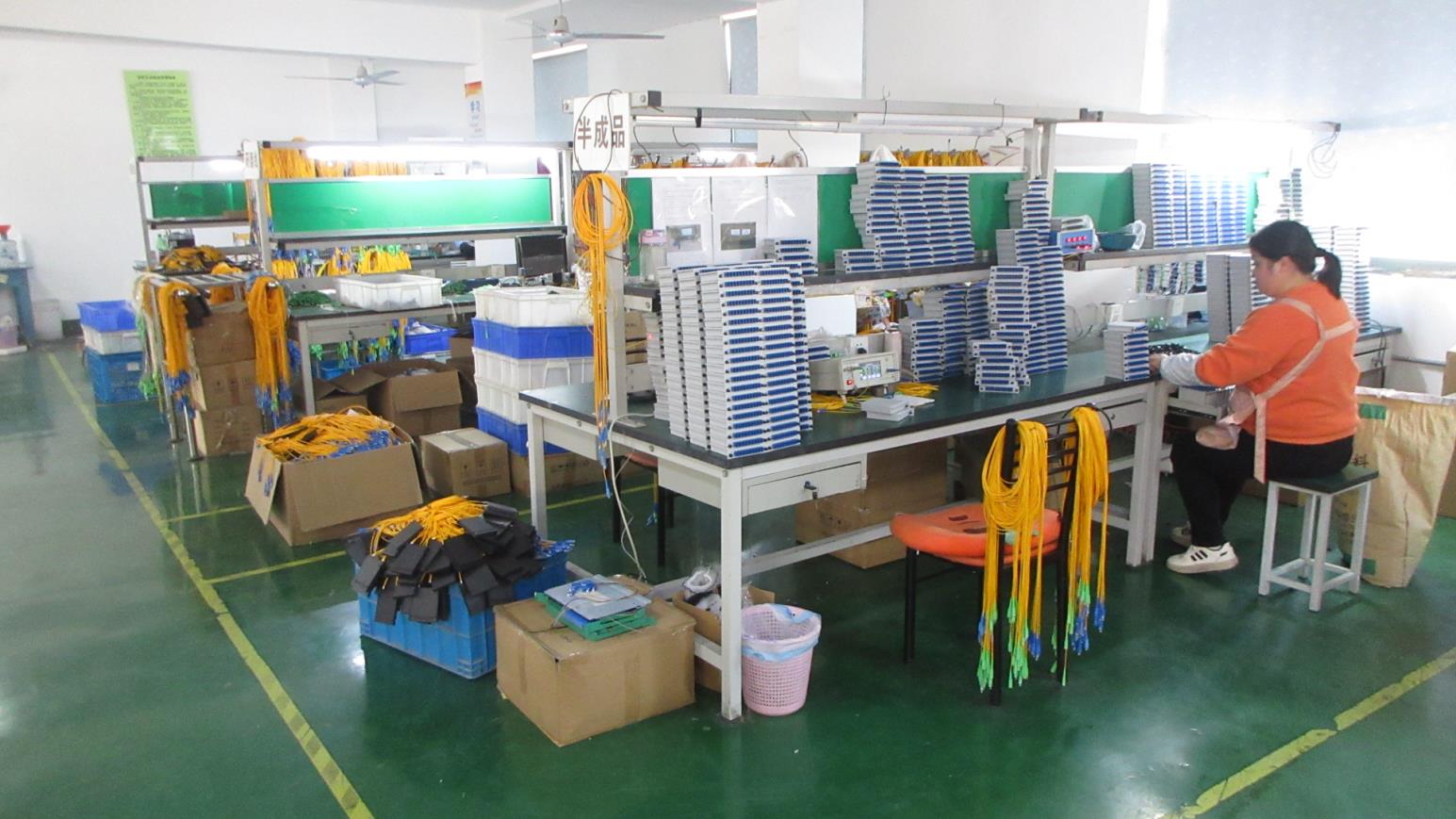
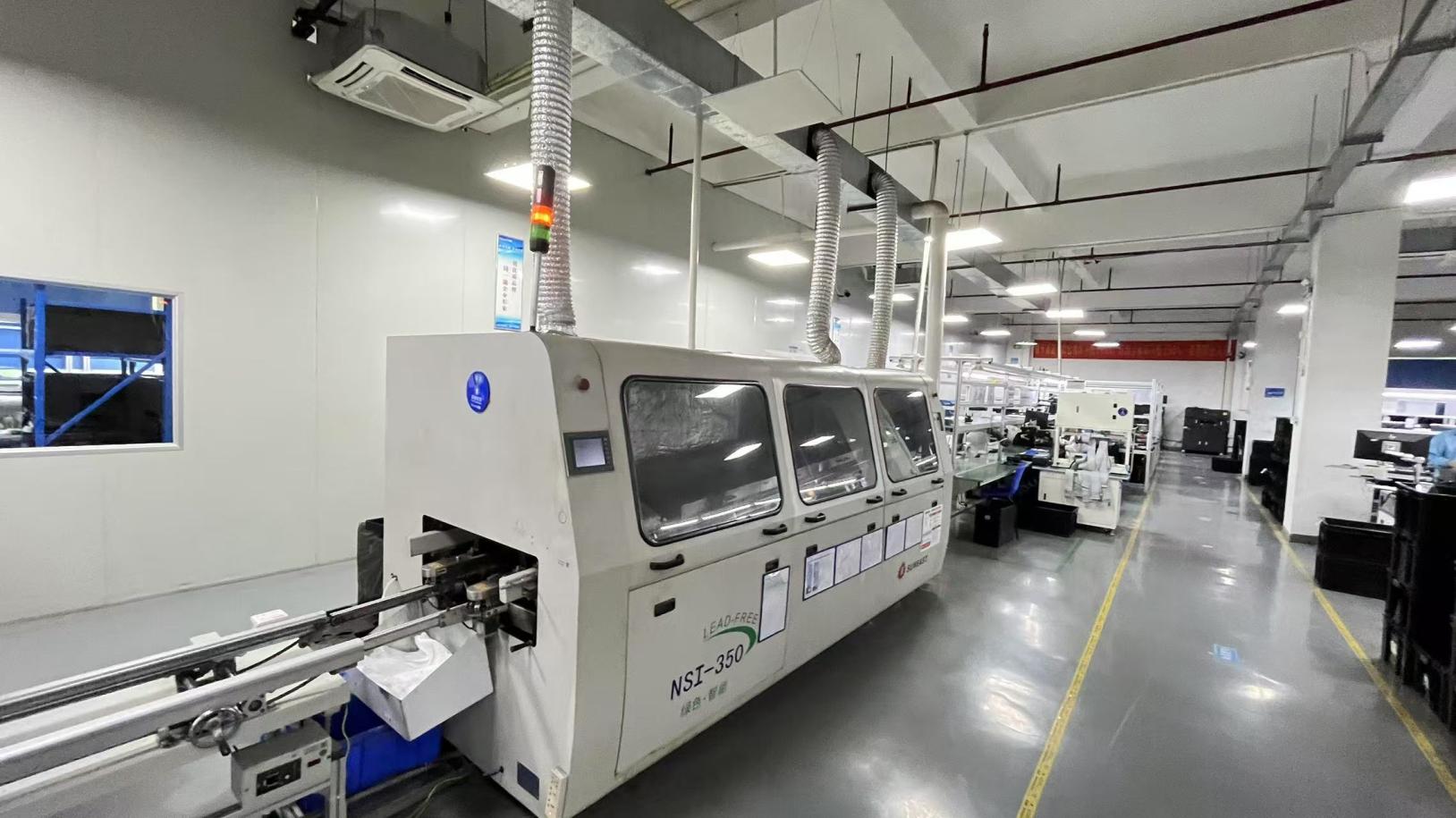
With an advanced 12,600m² manufacturing footprint, FiberQ Photonics Technology Co., Ltd. combines specialized precision engineering with strict quality control protocols.
Founded in 2015, FiberQ has evolved from an optical hardware manufacturer into a global structured cabling partner. Our export logistics reach major markets in North America, Europe, Japan, and Southeast Asia, generating an annual export revenue of approximately USD 9.5 million. Our operations leverage 12 years of industry experience and 6 years of international trade history, providing clients with robust support across transport, custom clearance, and technical compliance.
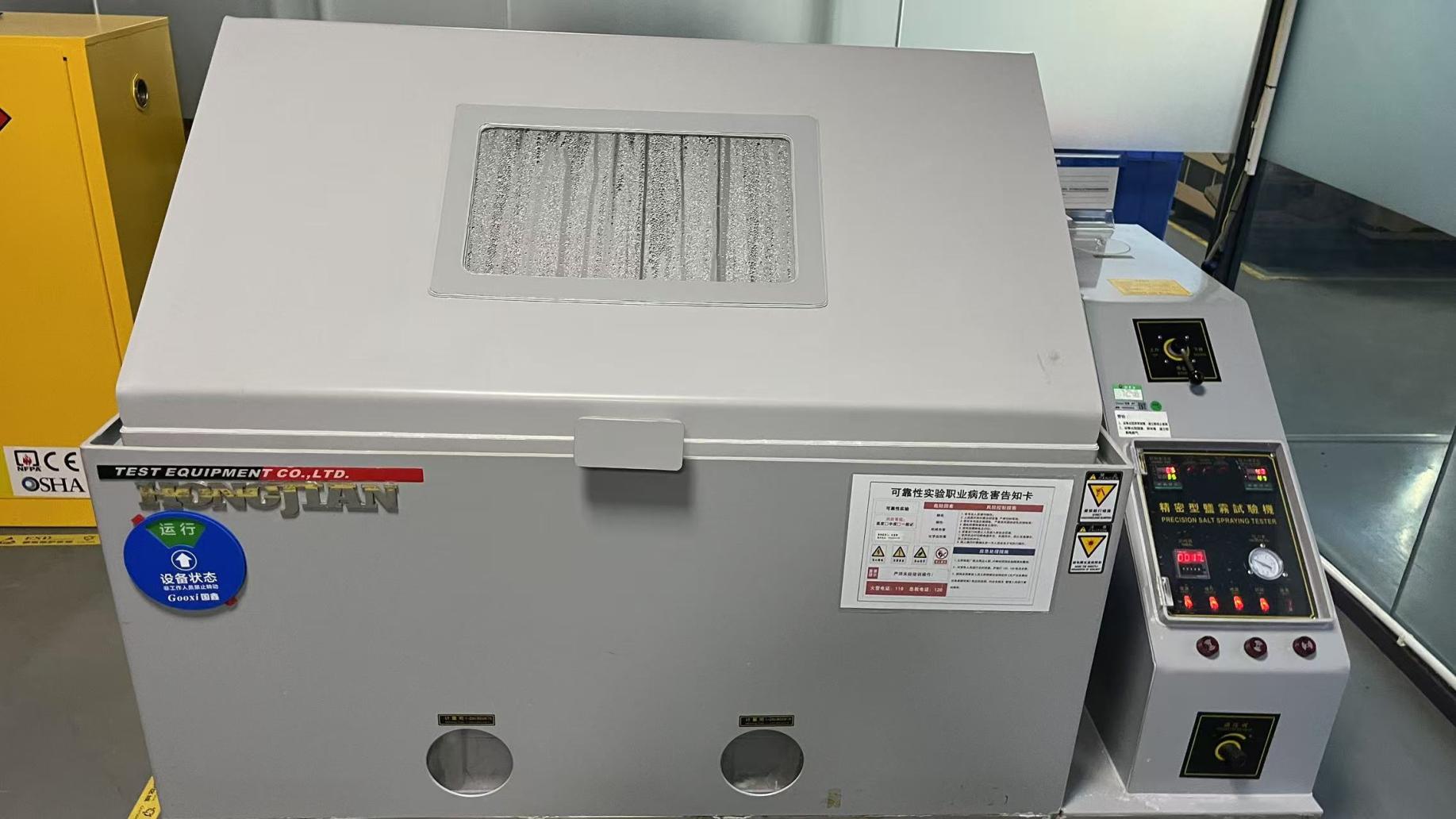
Quality assurance is supported by 62 professional quality control inspectors. Every shipment undergoes rigorous automated testing, including interferometric inspections, high-temperature aging chambers, and manual physical checks. Our deep supply chain, featuring over 1,450 components suppliers, ensures consistent procurement of critical raw materials, keeping production timelines predictable even during market fluctuations.
Providing hardware to global enterprises requires strict compliance with domestic and international safety, environmental, and performance certifications. FiberQ ensures our patch panels and interconnect line items meet ISO 9001 quality management structures and maintain local declarations like RoHS (Restriction of Hazardous Substances) and CE markings.
For infrastructure build-outs in North America and Western Europe, our designs align with ANSI/TIA-568 cabling topologies. This alignment ensures seamless compatibility during system upgrades or third-party audits. Furthermore, our support channels provide fast technical responses and architectural designs to streamline your procurement process.
Our plastic parts and keystone housing modules use fire-retardant polymers that stop burning within 10 seconds of source contact, preventing vertical fire spread in riser or plenum paths.
We provide full customization, including custom branding, packaging design, customized color-coded icon inserts, and various termination styles to align with your field workflows.
In-depth technical answers addressing structured cabling systems, RJ45 engineering, and global integration.
Complete your layout with our reliable copper-to-fiber interfaces, active transceivers, and multi-port connector systems.