FiberQ
FiberQ
FiberQ
Explore our leading network interfaces, SFP cages, and integrated magnetics designed for maximum throughput and EMI protection.
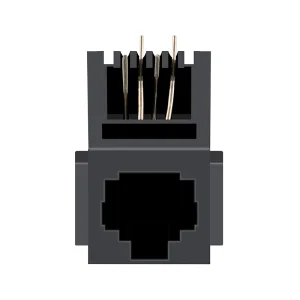
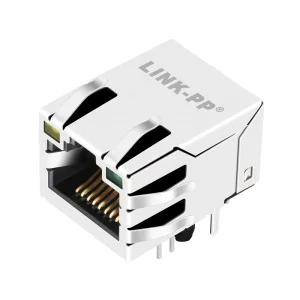
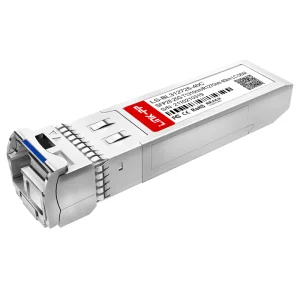
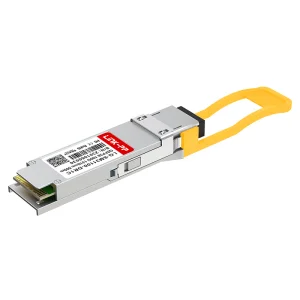
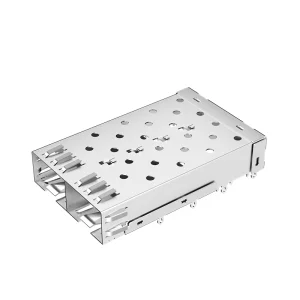
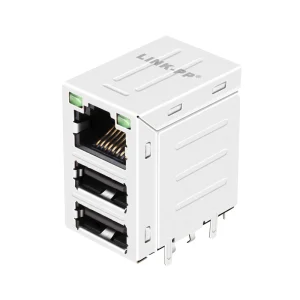
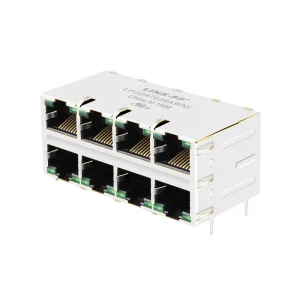
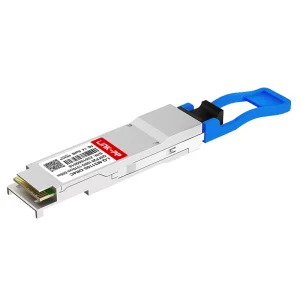
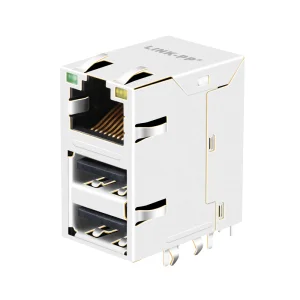
In modern industrial and telecommunications deployments, physical connectivity forms the baseline of signal integrity, system uptime, and operational throughput. As data rates scale from 1Gbps up to 100Gbps and beyond, the demands on copper interfaces—specifically CE certified RJ45 network plugs and modular connectors—have progressed past basic electrical link points to highly engineered sub-assemblies. These units must isolate internal signal tracks from electromagnetic interference (EMI), mitigate crosstalk (NEXT/FEXT), and support high levels of Power-over-Ethernet (PoE++).
Enterprise procurement teams in North America, Europe, and Japan operate under stringent risk-mitigation guidelines. Key parameters defining modular connector sourcing include mechanical resilience, insertion loss metrics, thermal tolerances, and regulatory alignment. Procurement requirements are dictated by several high-stress operational domains:
"Optimizing the physical layer connection is the single most cost-effective safeguard against operational downtime. Standardizing on CE and RoHS compliant interfaces ensures predictable attenuation parameters across critical high-speed pathways."
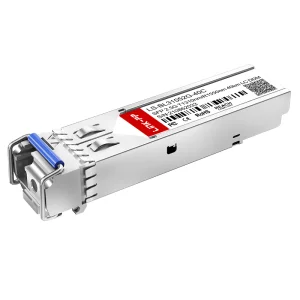
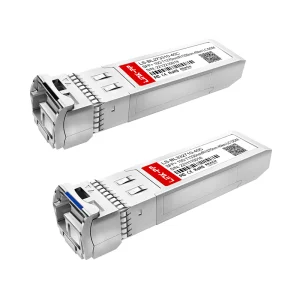
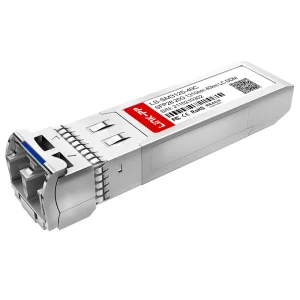
Modern networking environments are rarely homogeneous. While backbone routing and long-distance transmission lines rely on optical transceivers—such as 100G QSFP28, 25G SFP28, and Bidirectional (BiDi) modules—horizontal runs and edge client devices remain anchored to cost-effective copper infrastructures using RJ45 and RJ11 connectors.
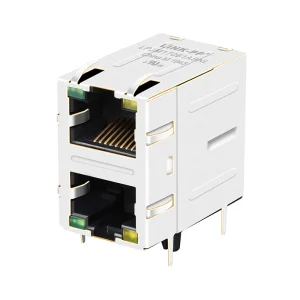
A typical enterprise architecture integrates these systems seamlessly. For instance, high-speed SFP28 interfaces operating on single-mode fiber routes terminate at edge switches, where high-density, multi-port RJ45 modular jacks with integrated magnetics convert and distribute signals to access points, IP cameras, and workstations. This hybrid topology utilizes the low latency and reach of fiber combined with the deployment ease and legacy support of RJ45 copper networks.
Integrated metal housing shielding controls electromagnetic interference in high-density rack setups, reducing signal dropouts and preserving data packets.
Specially engineered contact geometries dissipate heat effectively, supporting up to IEEE 802.3bt Type 4 (90-watt) PoE without damaging physical pins.
Full CE certification ensures strict alignment with European EMC Directive 2014/30/EU, mitigating deployment risks for municipal and corporate buyers.
The RJ45 connector, despite its long history, continues to evolve to meet the challenges of multi-gigabit copper networks. As we transition past standard 1Gbps connections, the following technological trends are actively redefining physical interface manufacturing:
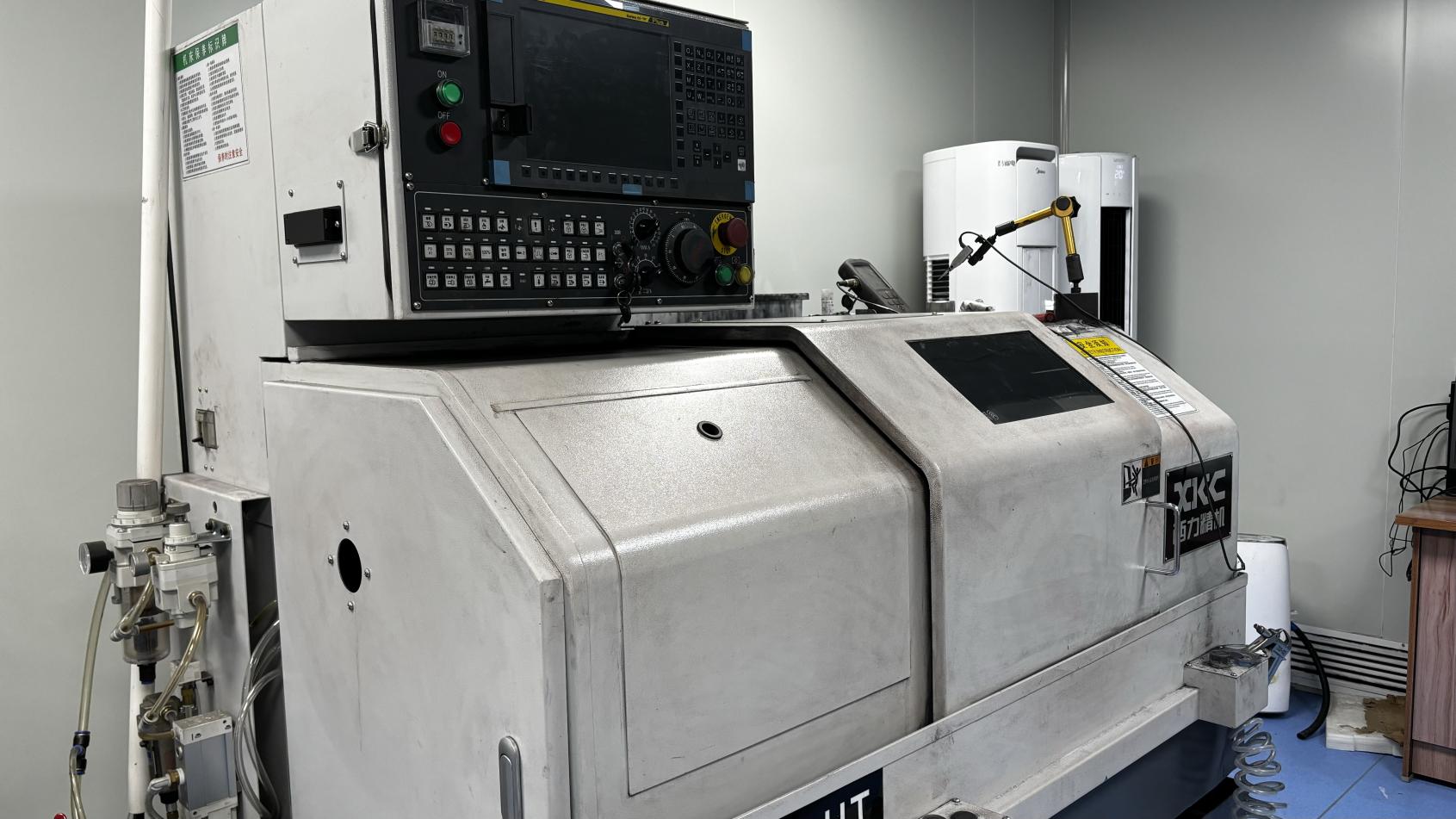
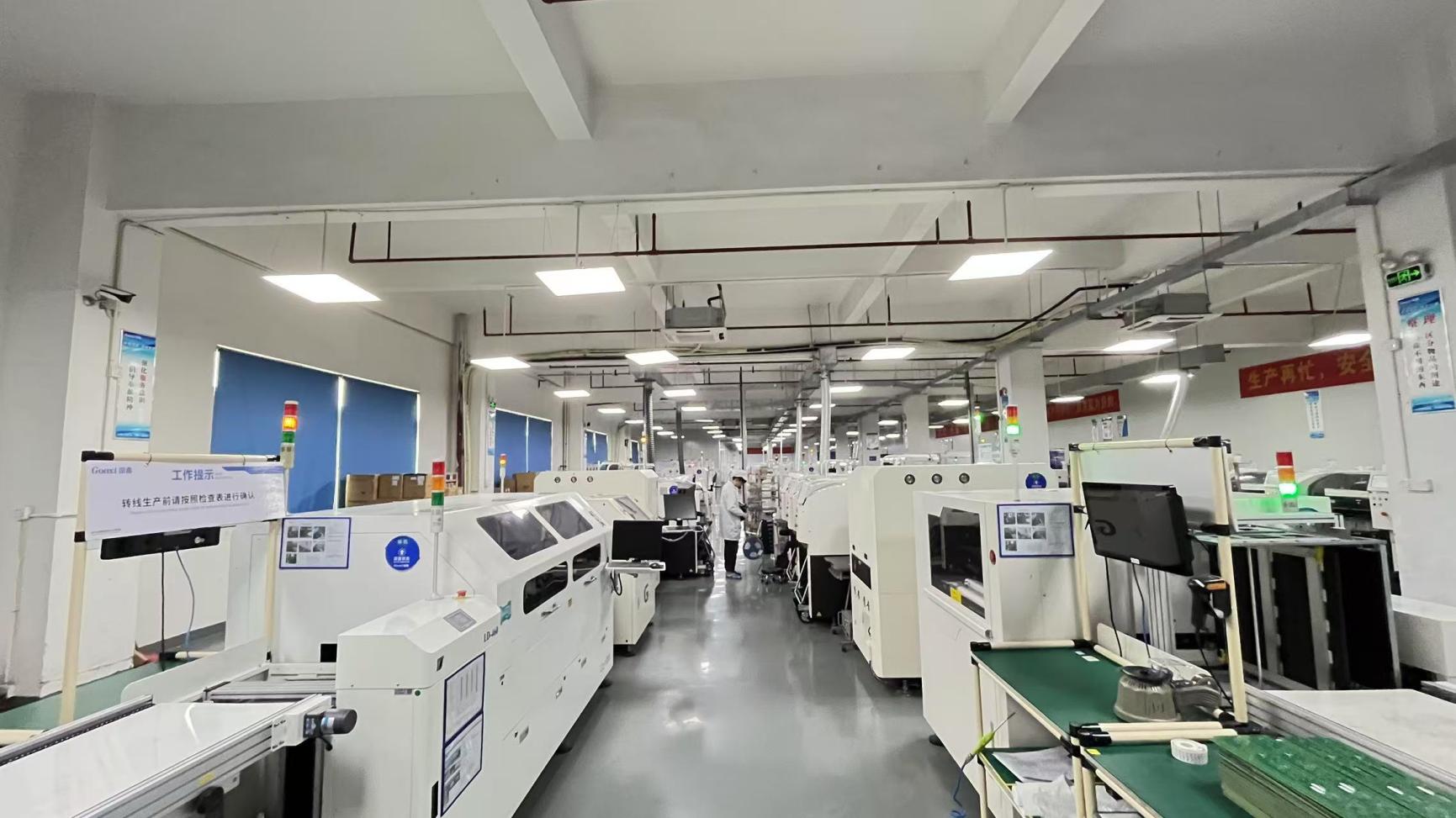
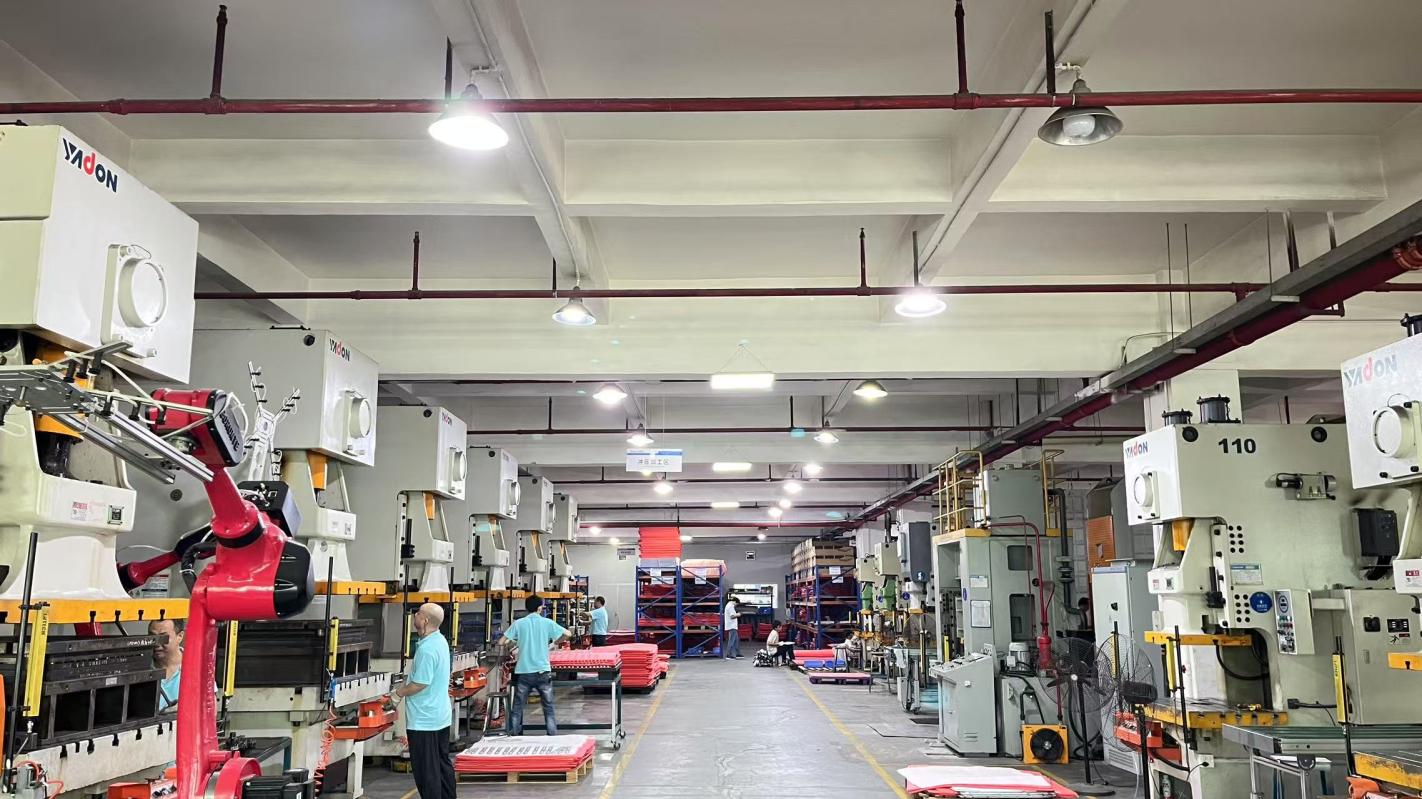
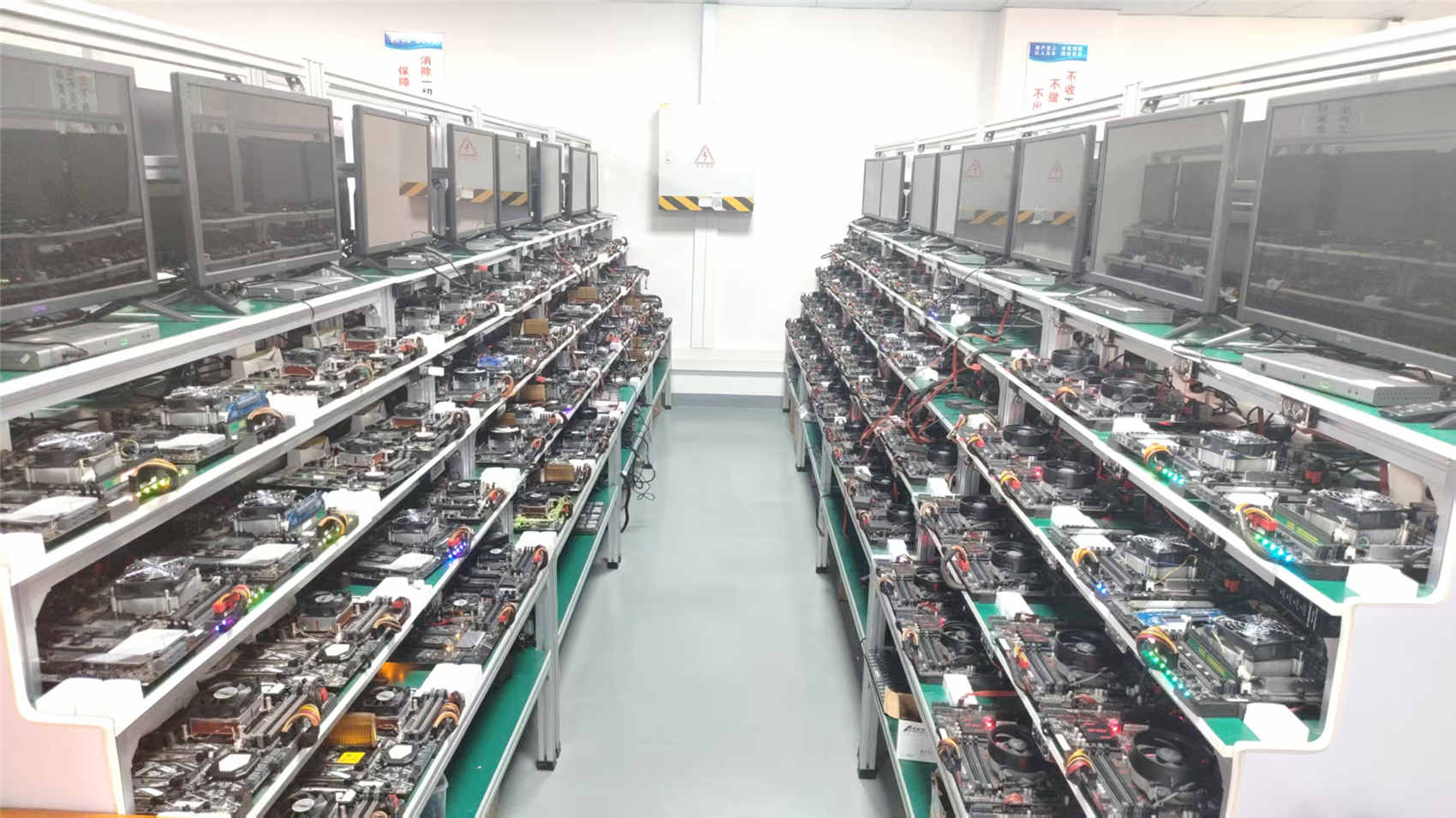
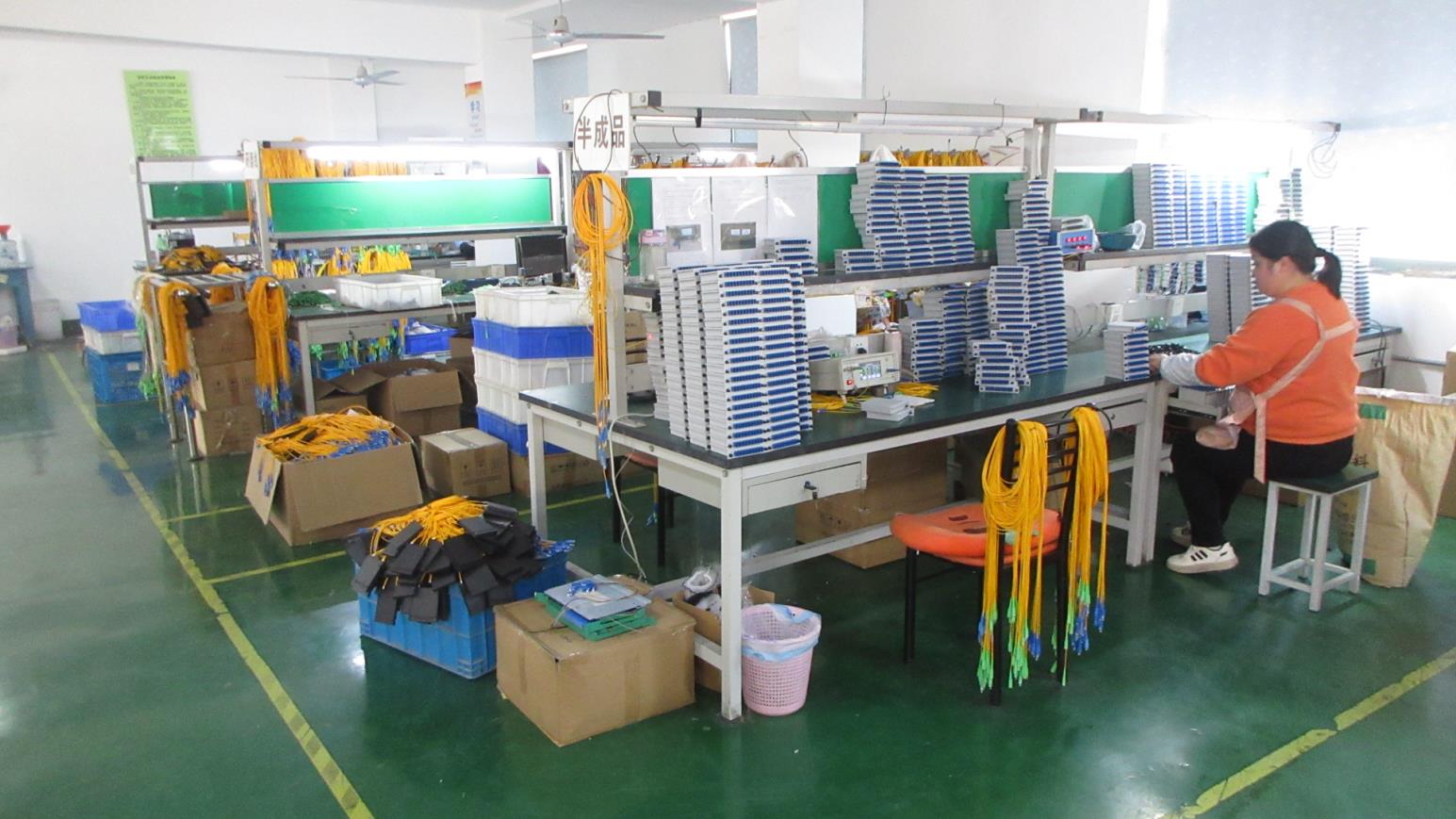
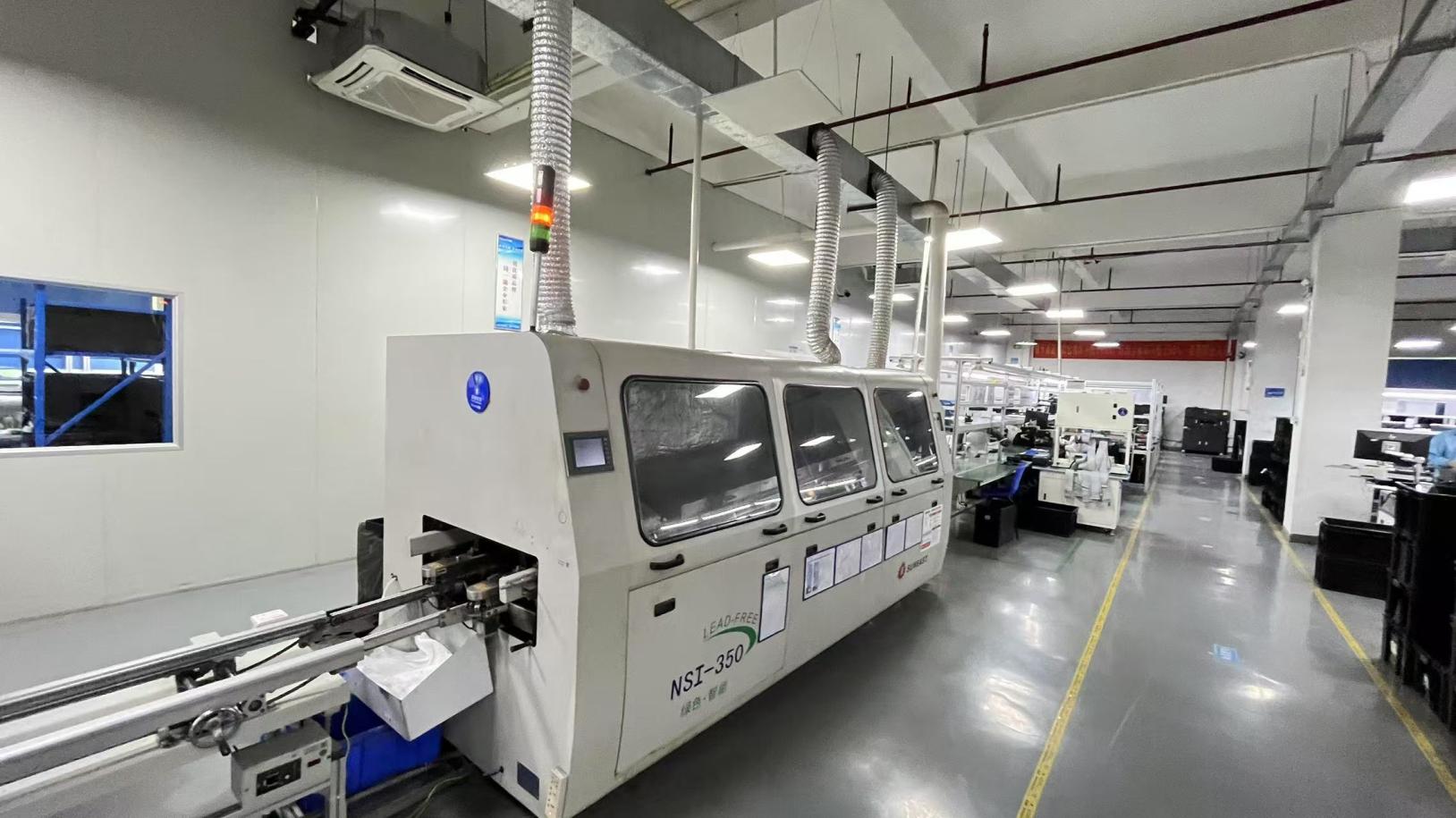
Operating at the convergence of optical communication and enterprise networking, FiberQ Photonics Technology Co., Ltd. (founded in 2015) has established itself as an engineering powerhouse. With a modern 12,600㎡ production facility, FiberQ bridges the gap between ultra-high-speed fiber optic transceivers and high-performance copper interconnect housings.
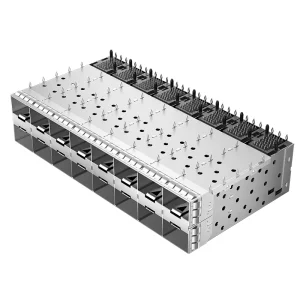
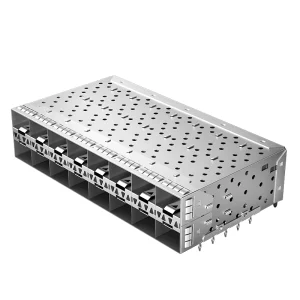
FiberQ's manufacturing philosophy centers on end-to-end quality control and heavy investment in R&D. Utilizing a workforce of approximately 240 R&D engineers, the company maintains constant innovation, launching 180 new products within the last fiscal year alone. This includes optimized SFP+ cages with integrated light pipes, multi-port press-fit SFP housing assemblies, and specialized copper interface components.
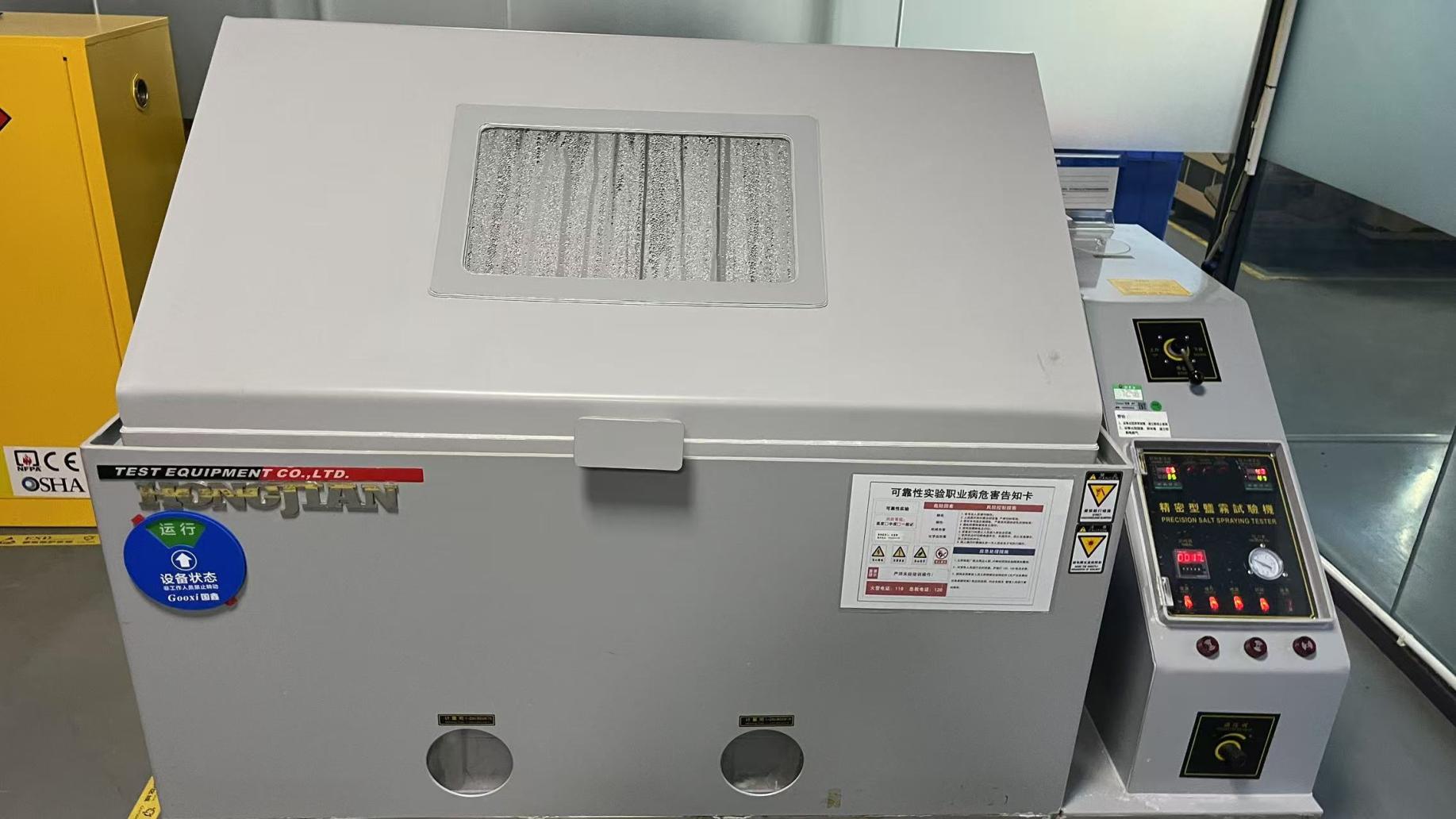
Quality assurance is backed by a dedicated team of 62 experienced quality control inspectors. Each product run undergoes rigorous automated optical performance testing, interferometric structural inspection, high-temperature aging tests, and validation against tight mechanical tolerance benchmarks. With 6 years of export history and 12 years of industry experience, FiberQ manages a diverse supply chain comprising over 1,450 partners, delivering carrier-grade transceivers and interconnect hardware to North America, Europe, Japan, and Southeast Asia.
Selling network hardware internationally requires adhering to a complex matrix of regulatory policies. For European markets, the **CE Mark** is an absolute prerequisite, proving conformity with safety, health, and environmental protection standards. RJ45 plugs and integrated modular jacks must comply with Low Voltage Directive (LVD) 2014/35/EU and Electromagnetic Compatibility (EMC) Directive 2014/30/EU to ensure they do not emit excessive noise or fail in the presence of ambient electrical fields.
In addition to CE marking, environmental compliance such as **RoHS (Restriction of Hazardous Substances)** and **REACH** mandates that connectors be manufactured without lead, cadmium, mercury, or polybrominated biphenyls. This is critical for systems deployed in municipal infrastructure and green building projects worldwide. FiberQ ensures all custom-engineered interconnects, SFP cages, and optical transceivers are validated by accredited third-party laboratories to provide comprehensive compliance certificates to import partners.
Complete your infrastructure with high-performance transceivers, stacked connectors, and press-fit SFP cages designed for robust signal paths.