 FiberQ
FiberQ
FiberQ
High-performance transceivers and physical layer interfaces designed to meet the rigorous standards of Switzerland’s scientific facilities and commercial enterprises.
An In-Depth Engineering Analysis of Shielded RJ45 Configurations and High-Speed Optical Architectures
Geneva operates as a crucial hub for global research organizations, diplomatic headquarters, and financial institutions. Infrastructure components like the RJ45 female connector serve as critical access points for local area networks (LANs), data distribution modules, and sensitive laboratory instrumentation. Whether powering data storage modules at the European Organization for Nuclear Research (CERN) or securing multi-gigabit routing terminals in the banking sectors along Rue du Rhône, high-reliability connectors are mandatory.
In these advanced environments, signal integrity cannot be compromised by electromagnetic interference (EMI) or thermal degradation. Networks require modular jacks featuring robust internal magnetics (integrated connector modules - ICMs) to isolate systems from transient voltage spikes and high-frequency noise. Selecting the right manufacturer requires an understanding of mechanical tolerances, gold-plating thickness, and insertion loss profiles.
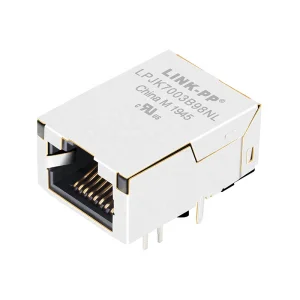
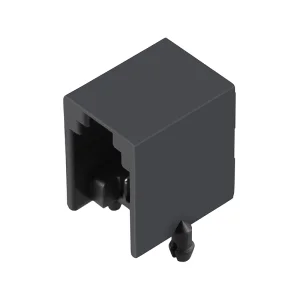
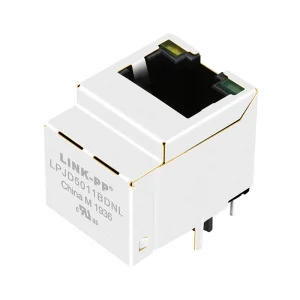
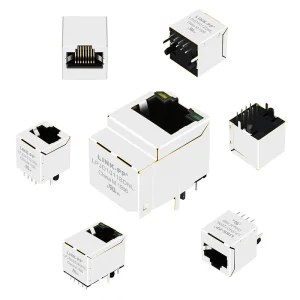
An industrial-grade RJ45 female connector is not a simple plastic receptacle. It is a highly engineered electromechanical interface. When evaluating components for Geneva's mission-critical operations, several parameters are analyzed by network engineers:
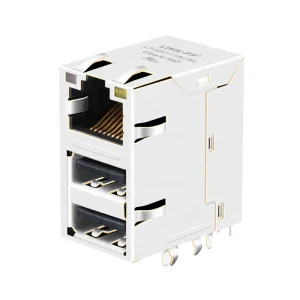
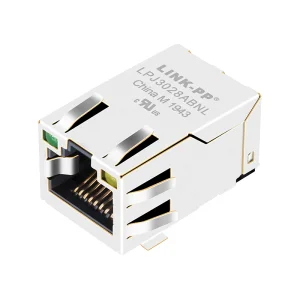
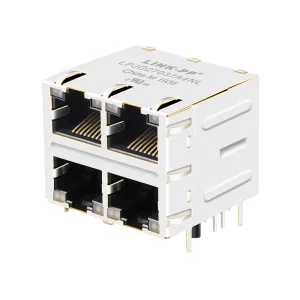
Full metal shielding wraps the plug interface, featuring integrated EMI grounding fingers to channel electrostatic discharges away from sensitive PCB elements.
Contact pins are engineered with up to 50 micro-inches of gold plating over nickel diffusion barriers, guaranteeing over 750 mating cycles without signal degradation.
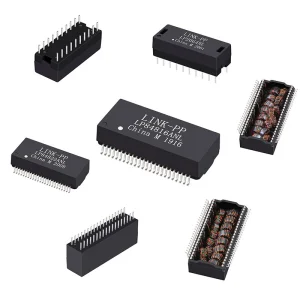
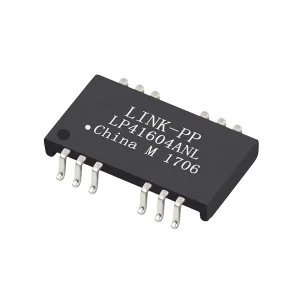
Internal isolation transformers and common mode chokes suppress electromagnetic noise, supporting 10/100/1000Base-T Ethernet topologies safely.
Furthermore, housing structures utilizing high-temperature Liquid Crystal Polymer (LCP) or Polybutylene Terephthalate (PBT) ensure that standard Wave or reflow Surface Mount Technology (SMT) assembly processes do not deform the physical structure. This guarantees that internal alignments match the strict tolerances defined under the IEC 60603-7 international standard.
Engineered to support broad environmental tolerances, these products offer low contact resistance and high-isolation features required by Swiss engineering guidelines.
For European network designers and procurement officers in Geneva, sourcing directly from Chinese manufacturing ecosystems offers a distinct competitive advantage. By bridging the gap between cost efficiency and technical optimization, manufacturers like FiberQ Photonics Technology Co., Ltd. deliver high-reliability components backed by intensive R&D.
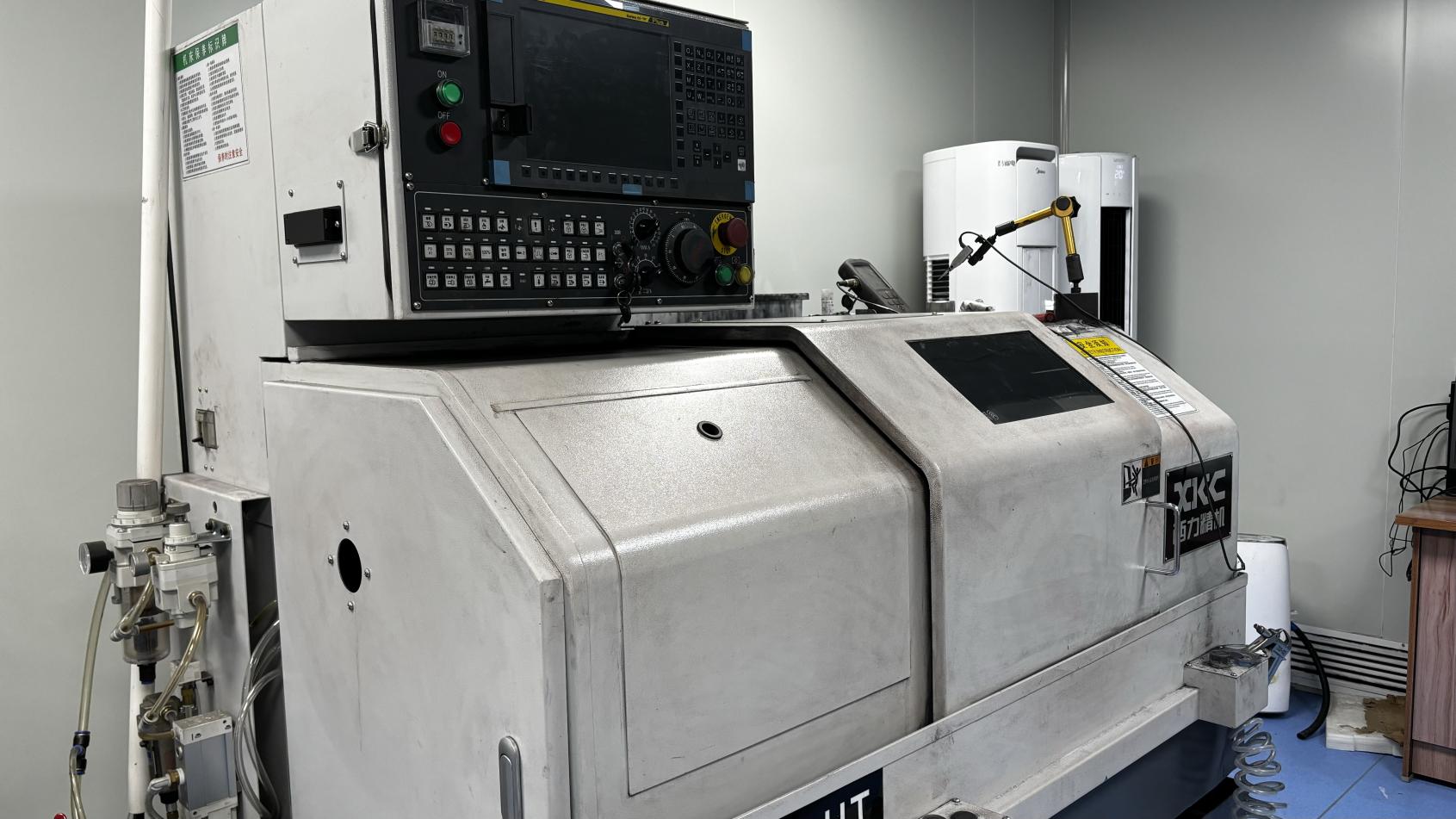
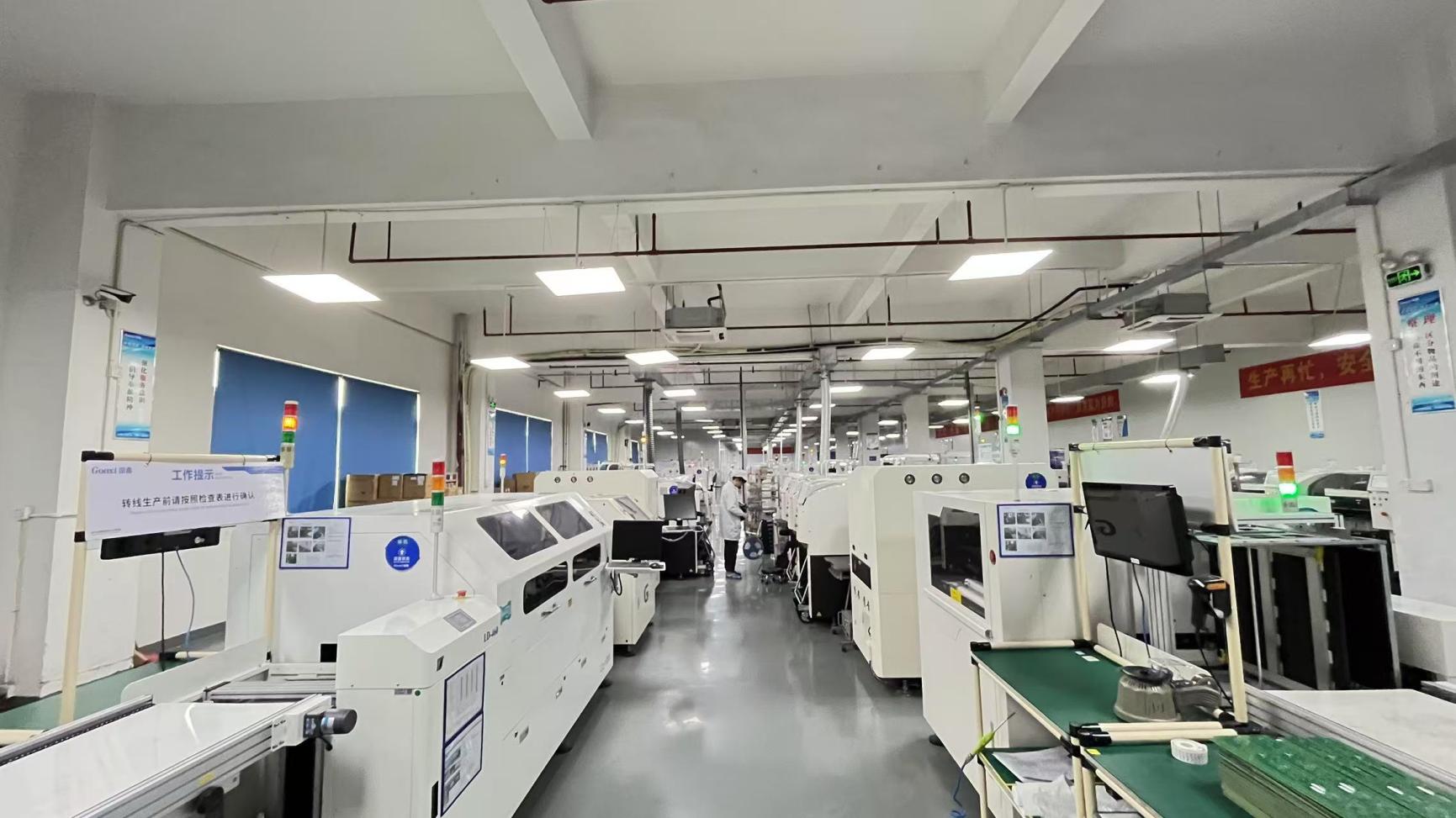
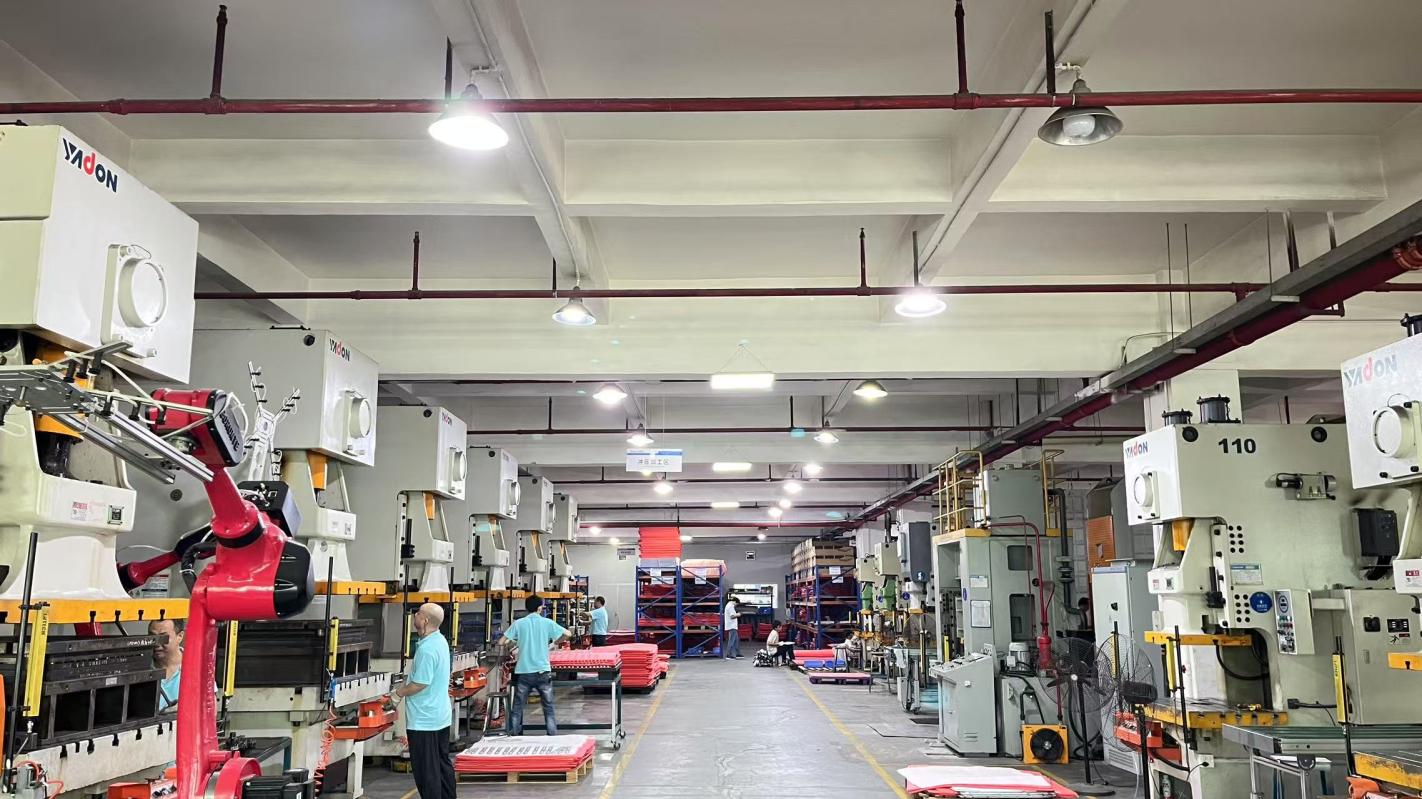
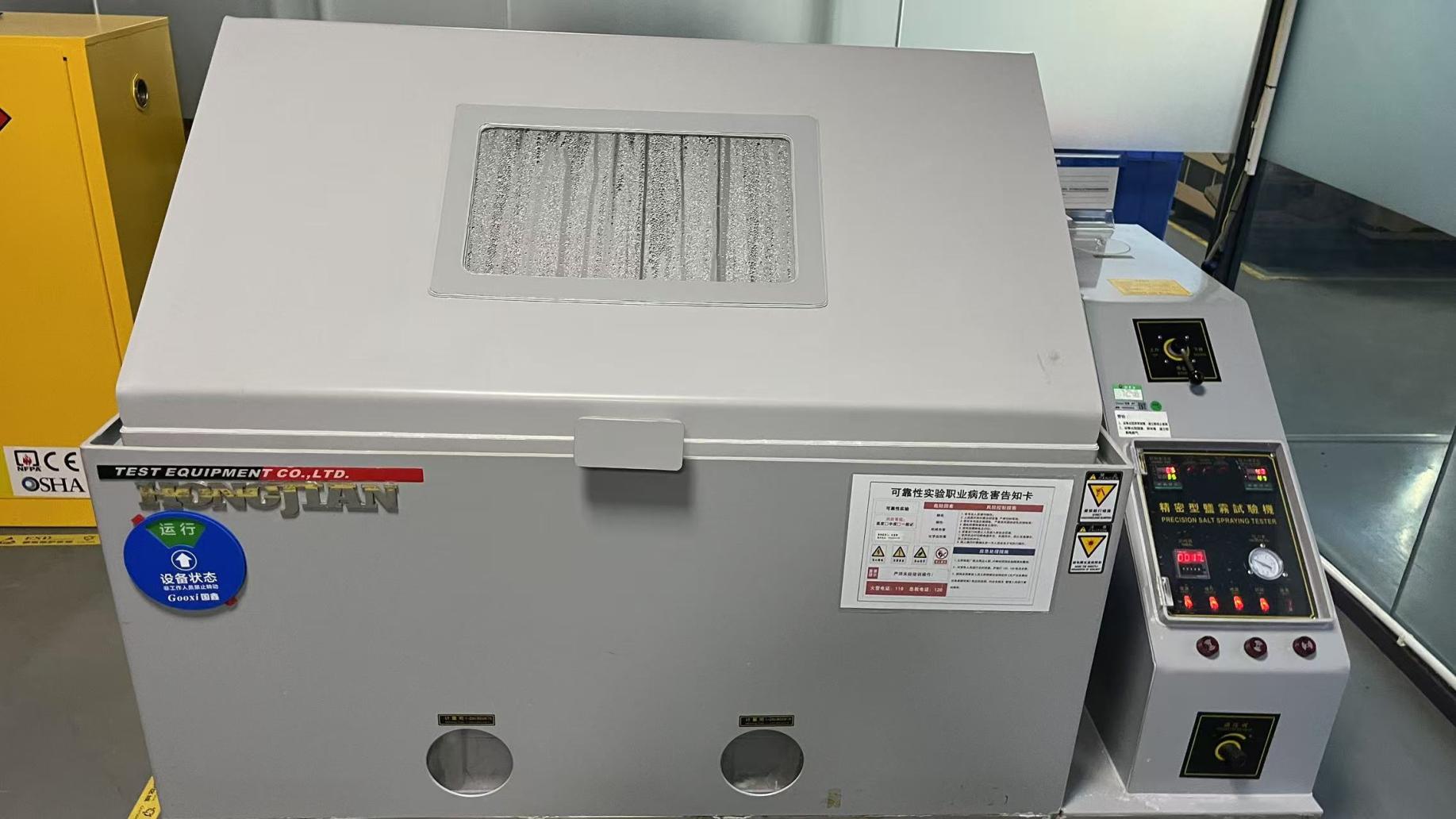
The consolidation of raw material refineries, high-speed automated tooling, and optical testing labs allows Chinese factories to maintain rapid prototype turnarounds. A Geneva-based tech startup can specify custom pin configurations or optical wavelengths and receive verification units within weeks. Furthermore, the integration of advanced test benches, including high-precision eye-diagram analyzers and climate-controlled aging chambers, ensures that every component shipped meets international certifications (CE, FCC, RoHS, and REACH).
The global networking landscape is undergoing transition, and Geneva is at the forefront of adopting these trends:
Founded in 2015, FiberQ operates as a specialized manufacturer of high-performance fiber optic transceivers and advanced optoelectronic communication solutions.
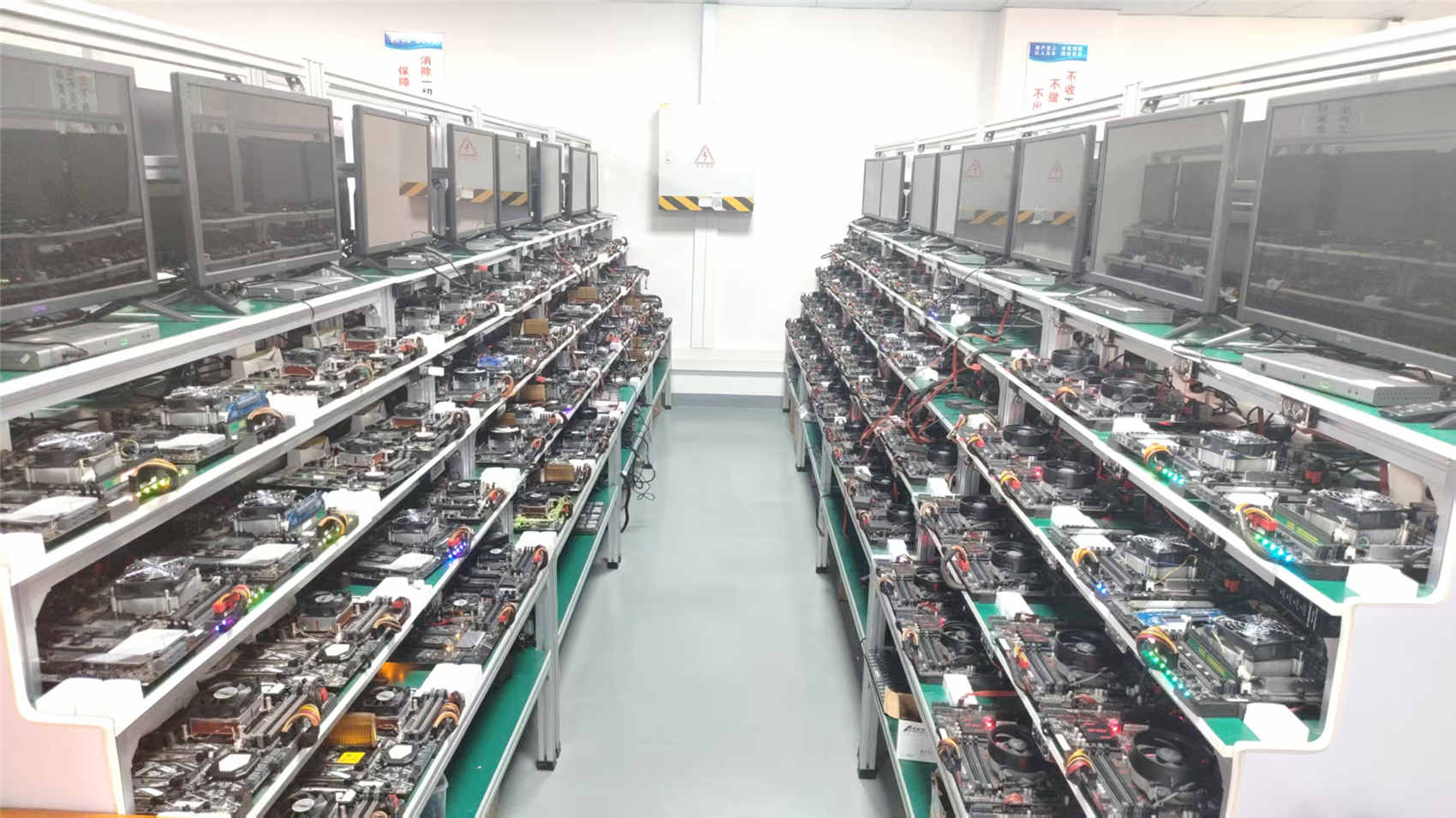
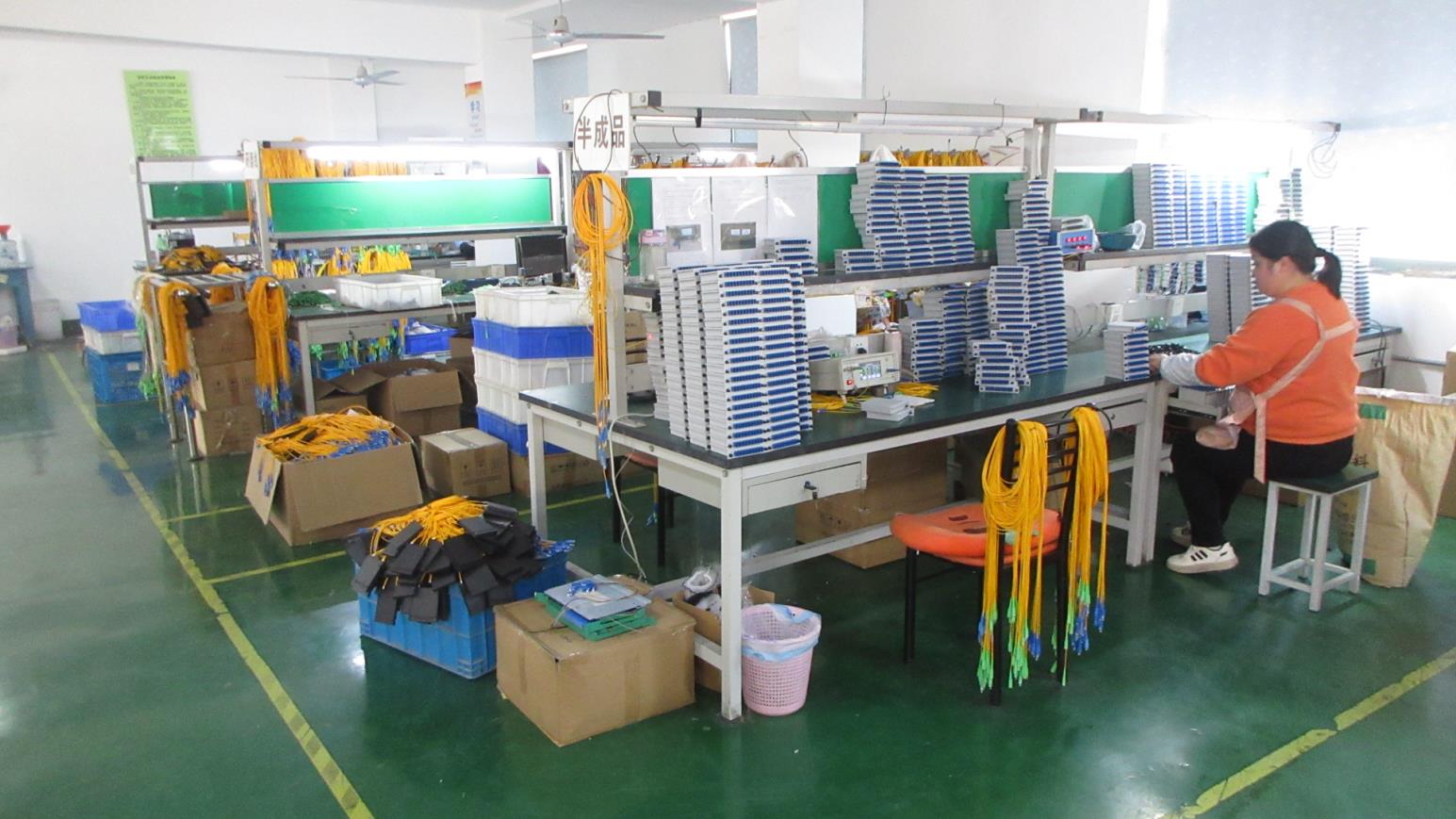
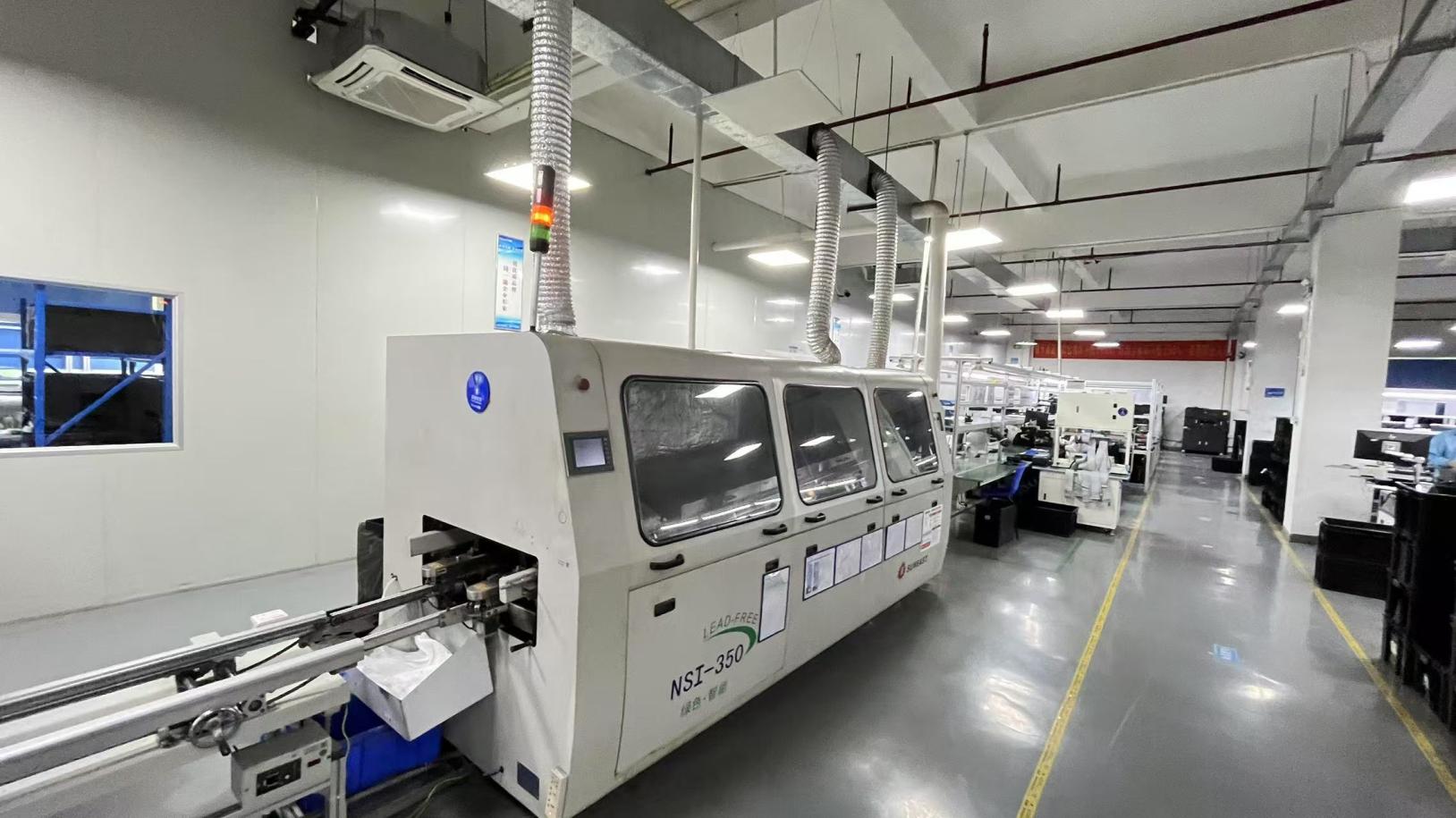
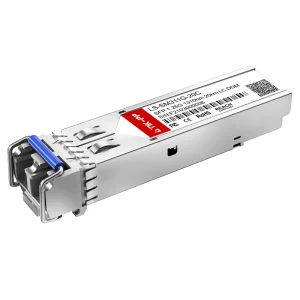
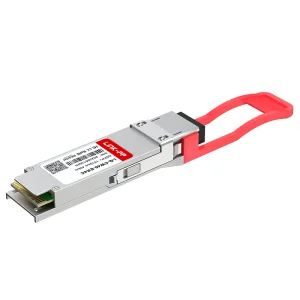
Scientific research infrastructures require low latency and high resistance to magnetic interference. Standard commercial components fail in environments with elevated radiation, high magnetic fields, or temperature fluctuations. By utilizing copper RJ45 units with heavy metal shielding housing, or high-performance single-mode LC transceivers (transmitting over distances up to 40km), engineers can link deep experimental caverns to surface processing centers without experiencing signal dropouts.
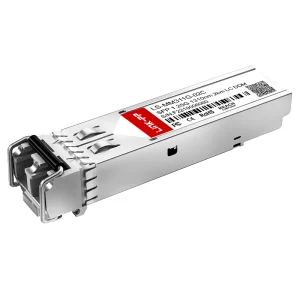
Swiss financial operations prioritize absolute security and uptime. This requires network components featuring Digital Diagnostic Monitoring (DDM), enabling network administrators to monitor transceiver output power, internal temperature, and laser bias current in real-time. Identifying minor anomalies before they develop into full port failures is essential for avoiding costly network downtime.
When purchasing RJ45 female connectors and optical transceivers for delivery to Geneva, purchasing agents should verify compliance with the following checklists:
Detailed answers to help network architects specify the correct physical-layer components.
Select from our comprehensive range of high-isolation components, certified for global deployment and Swiss network compliance.
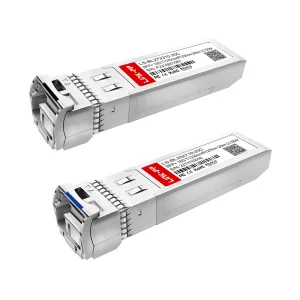
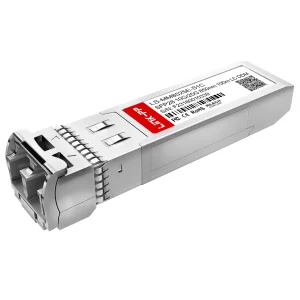
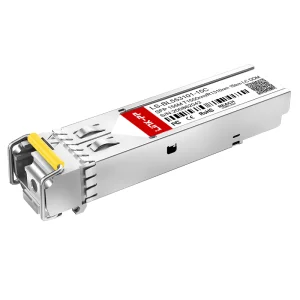
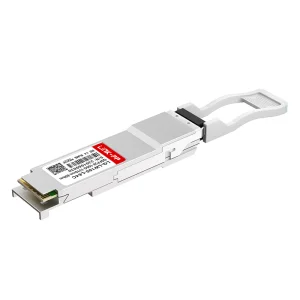
Leverage our 12 years of structural engineering expertise and robust Chinese manufacturing footprint to scale your networking deployments in Geneva. Contact us to receive engineering schematics, sample modules, and competitive pricing.
Send Inquiry Now