 FiberQ
FiberQ
FiberQ
Custom-adapted network and interconnect interfaces configured for the fast-evolving telecommunication grids of the Greater Tokyo Area.
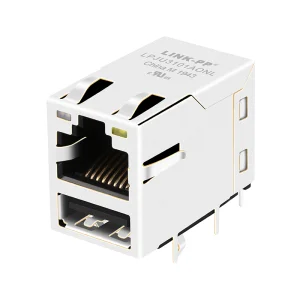
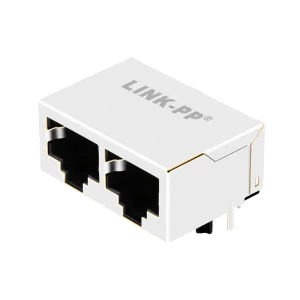
Tokyo is the heart of global technological innovation, driving high-demand environments in robotic assembly, high-speed rail control, automation grids, and high-frequency cloud computing networks. As Tokyo continues to execute its smart city initiatives and rolls out dense local 5G infrastructure, the requirements for interconnect reliability have scaled exponentially.
In Tokyo's industrial zones (such as Ota City and the surrounding Kanagawa manufacturing belt), machinery is subjected to high vibrational stresses, electromagnetic interference (EMI), and strict thermal thresholds. RJ45 Female Connectors are the unsung heroes of this ecosystem, acting as the key gateway interfaces for Ethernet protocols, industrial fieldbuses, and Power over Ethernet (PoE) configurations.
For data centers situated in regions like Inzai and Otemachi, network hardware design demands components with exceptionally low insertion loss, high cross-talk rejection, and space-saving, low-profile layouts. Standard, run-of-the-mill connectors fail to maintain performance over long lifecycles under continuous load. This is where precision manufacturing and rigorous compliance to Japanese and international standards become paramount.
Supporting ultra-low latency applications and localized private 5G nodes in the metropolitan area with dense magnetic components.
Providing robust EMI-shielded and vibration-resistant RJ45 interfaces for Ota-ku robotics manufacturers and CNC control loops.
Custom options designed to support PoE++ (IEEE 802.3bt) up to 90W without causing local thermal overruns inside dense panels.
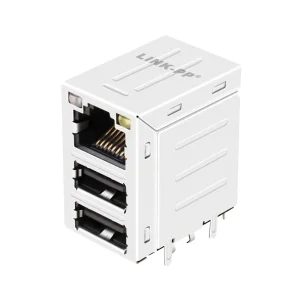
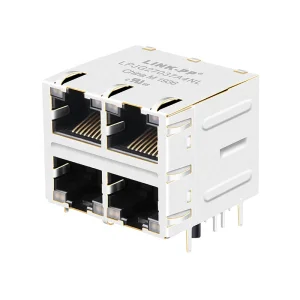
The RJ45 connector interface has evolved far beyond a simple plastic modular jack. Modern designs integrate electromagnetic filters, ESD protection, and LED status indicators directly inside the metal shield casing (often termed Magjacks or Integrated Connector Modules - ICM). By placing the magnetics inside the RJ45 female connector shell, hardware engineers save valuable PCB board space and minimize EMI radiation risks before the signal reaches the core PHY transceiver chip.
As we transition toward 10G Base-T and next-generation 25G/40G copper architectures, maintaining signal integrity over standard Cat6a cabling requires flawless manufacturing tolerances. Factors such as contact gold-plating thickness (typically 30u" to 50u" for telecommunication grades), spring finger elasticity, and the precision alignment of the internal transformer windings determine the margins between system-wide packet loss and reliable uptime.
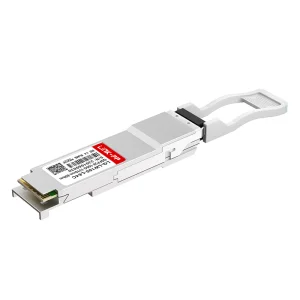
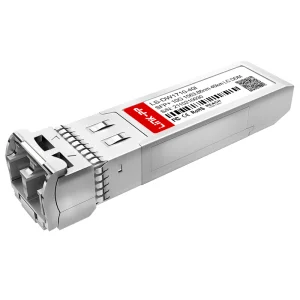
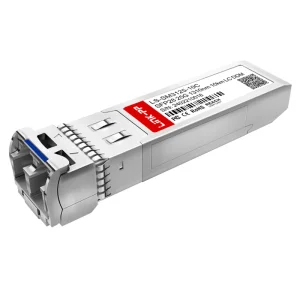
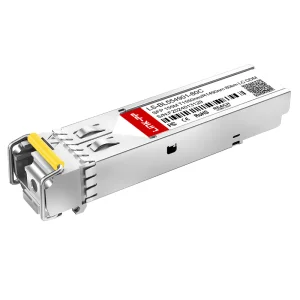
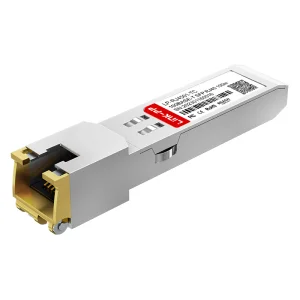
Simultaneously, optical transceivers (such as the QSFP28 and SFP28 components shown below) form the backbone of Tokyo's enterprise connections. The convergence of copper-based RJ45 interfaces at the edge and optical transceivers at the core demands a unified supply partner capable of managing signal conversion interfaces seamlessly.
| Parameter / Feature | Standard Specification | FiberQ High-Performance Target (Tokyo Market) |
|---|---|---|
| Gold Plating Thickness | 15u" - 30u" Gold flash | 50u" Gold Plating over Nickel (Extended mating cycles) |
| EMI Shielding Construction | Single-point grounding shell | 360-degree shielding with multi-point panel ground tabs |
| PoE Support Capability | PoE (IEEE 802.3af) | PoE++ (IEEE 802.3bt Type 4) up to 90W/100W per port |
| Operating Temperature Range | 0°C to 70°C | -40°C to +85°C (Industrial Grade) |
| Isolation Voltage | 1000 Vrms | 1500 Vrms minimum (Hi-pot tested) |
FiberQ Photonics Technology Co., Ltd. is a professional manufacturer specializing in high-performance fiber optic transceivers and advanced photonic communication solutions for data centers, telecom networks, and high-speed interconnect applications. Founded in 2015, the company has grown into a trusted global supplier with strong engineering and export capabilities.
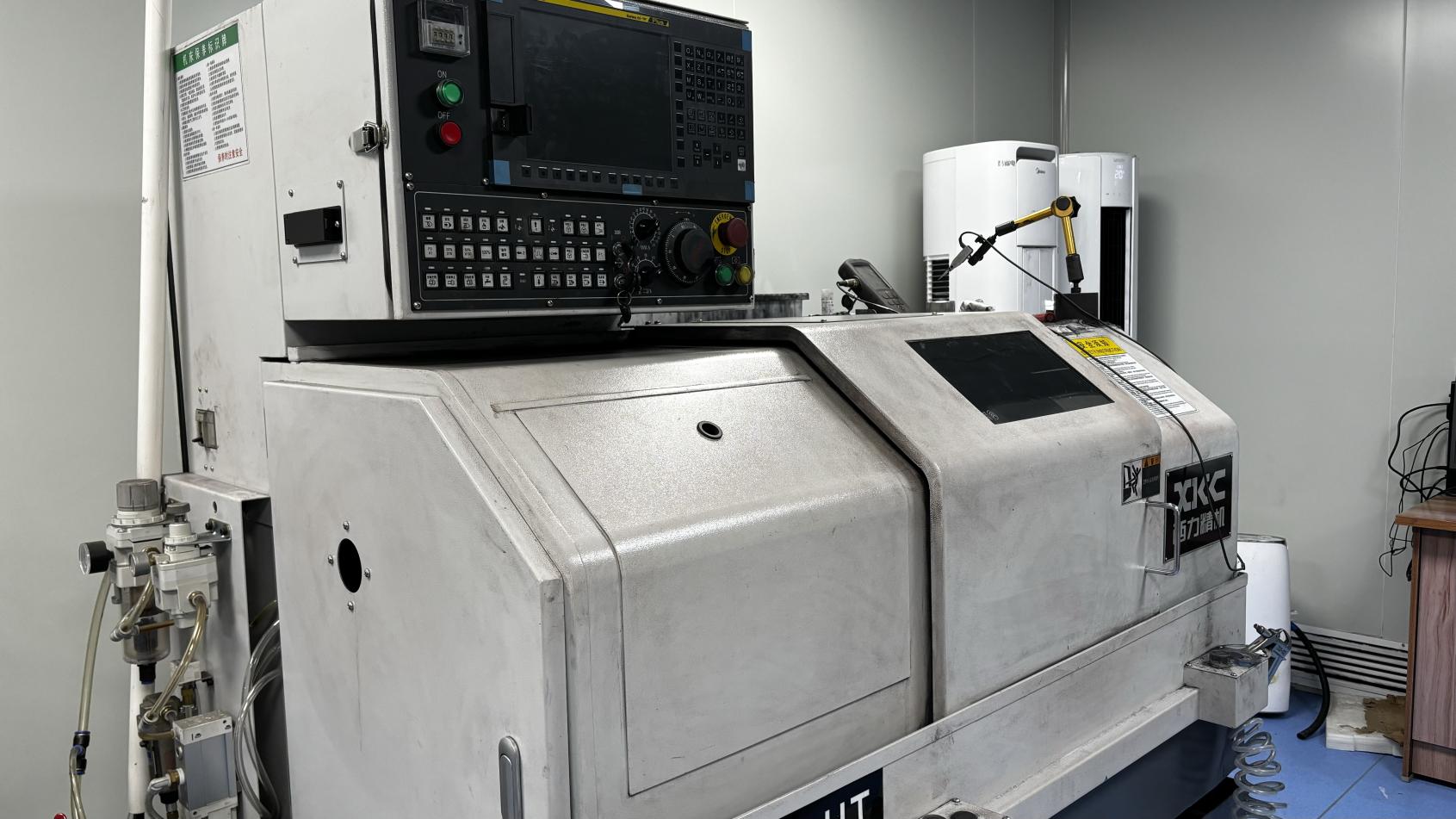
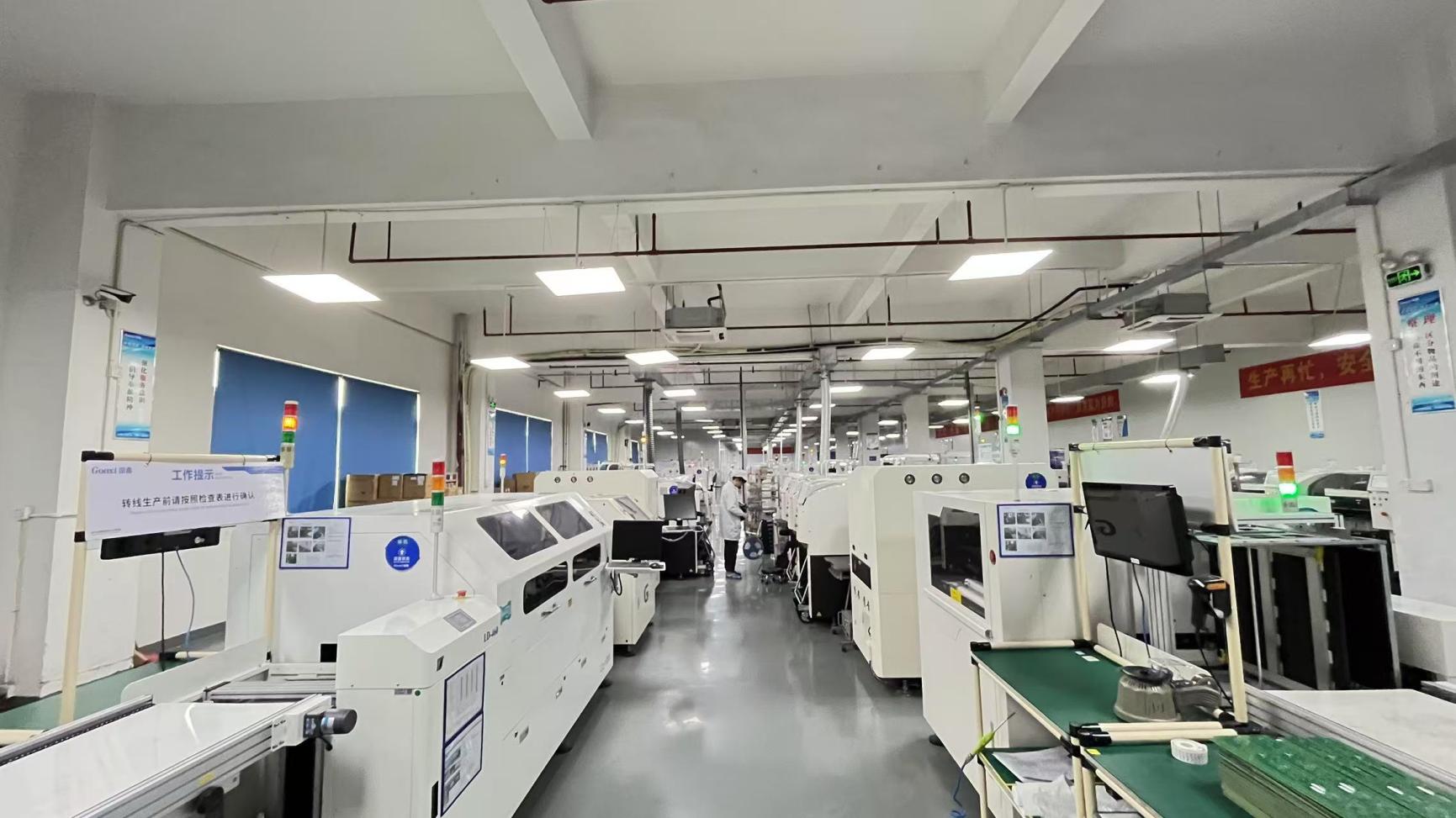
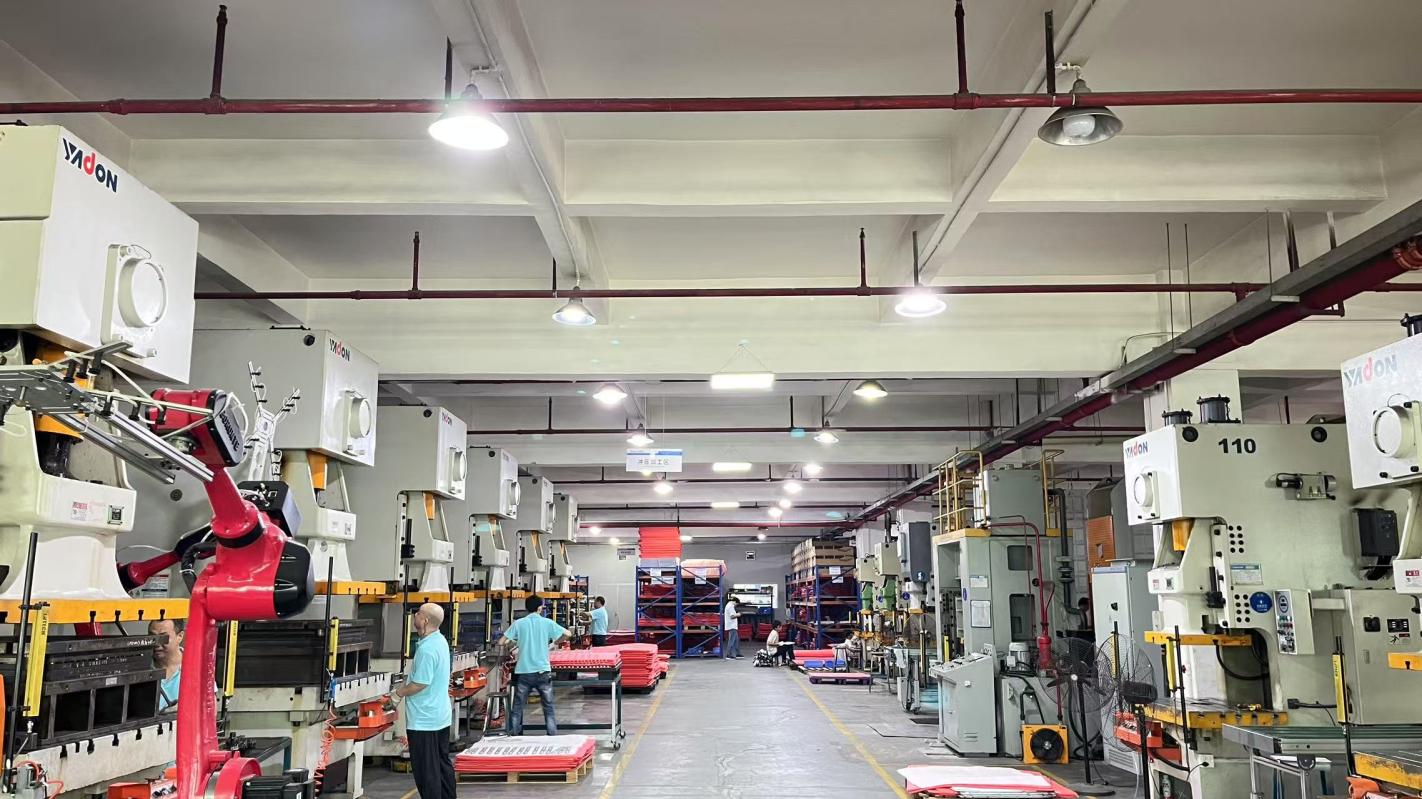
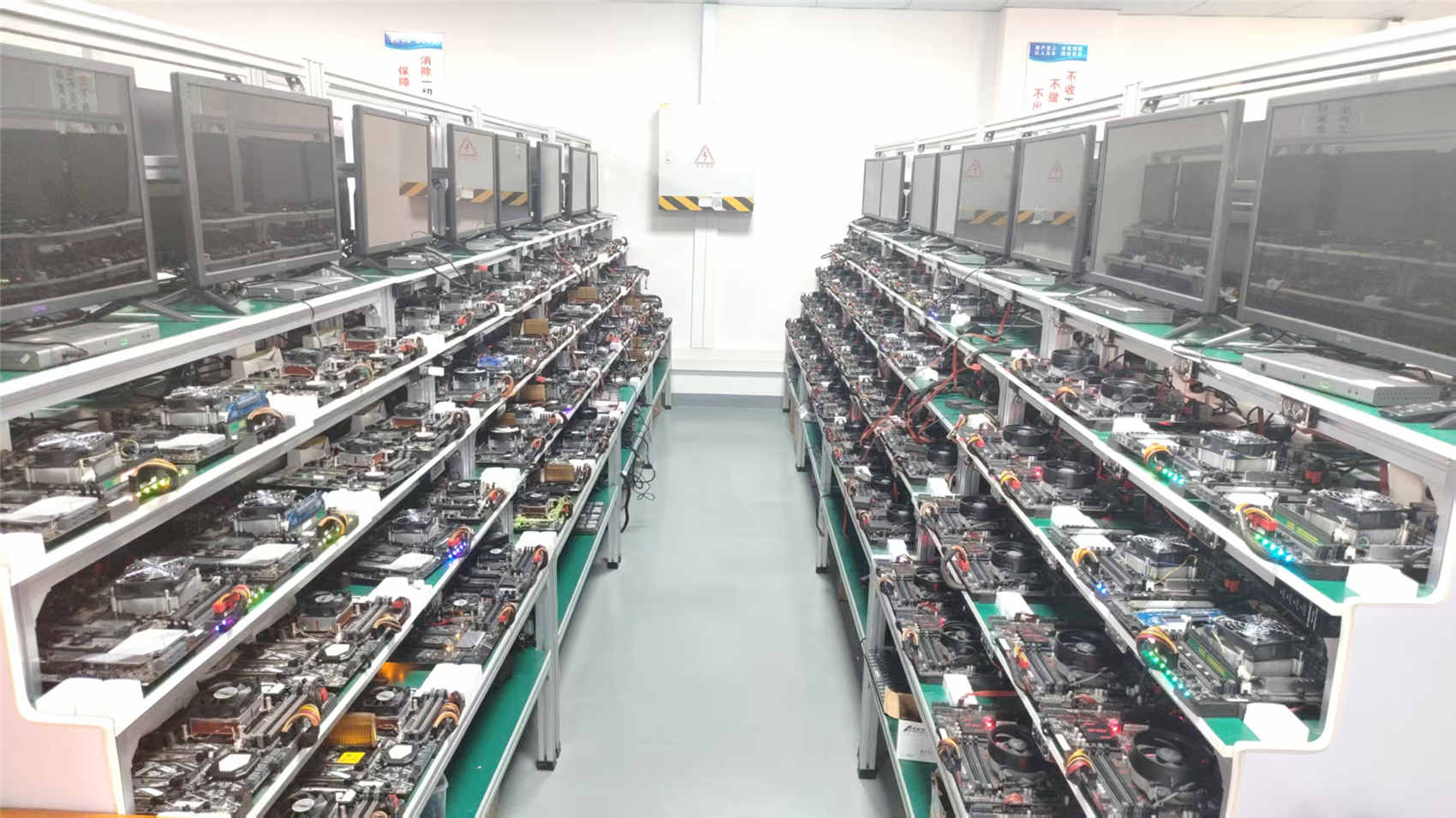
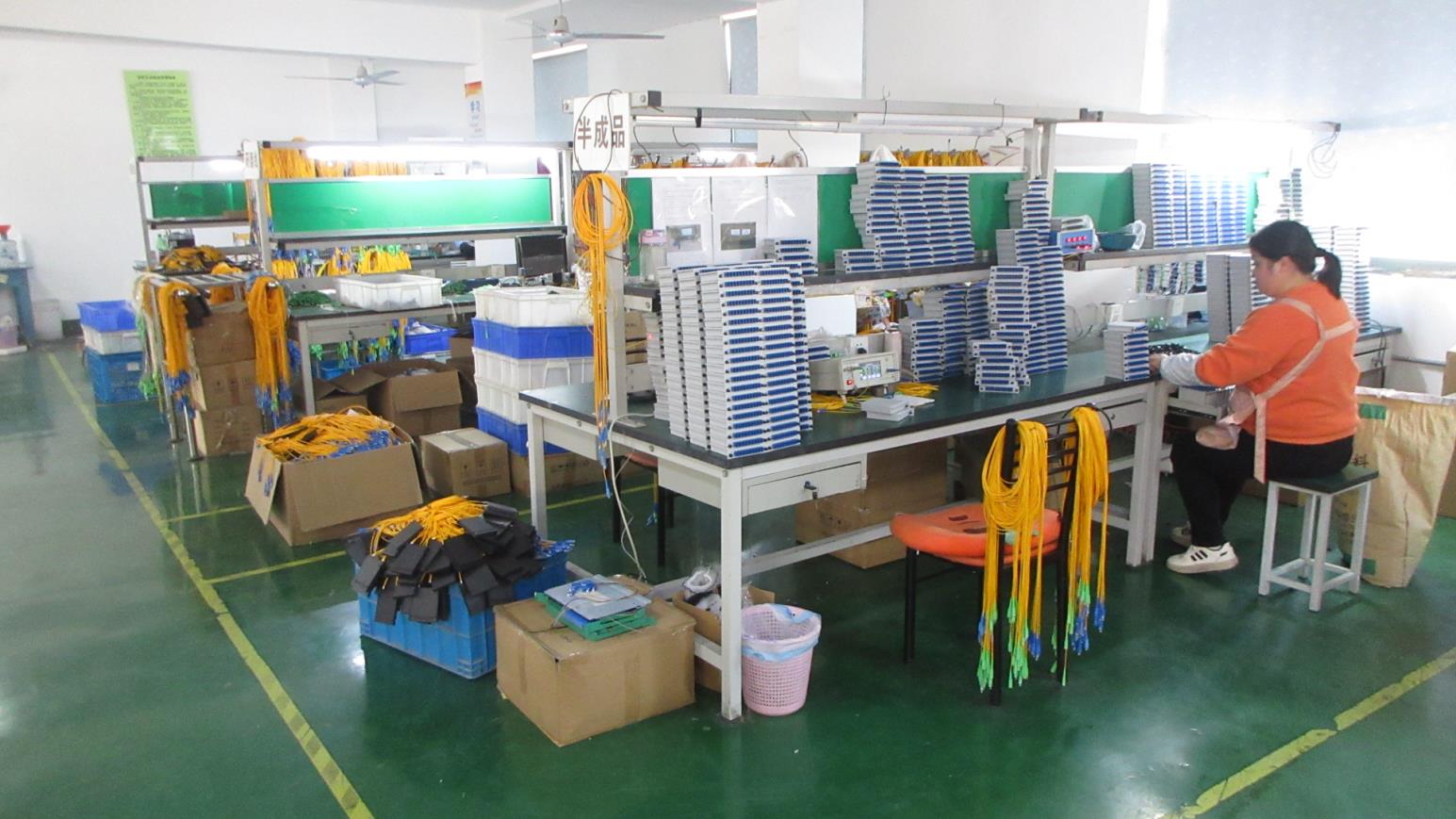
The company operates a modern production facility covering approximately 12,600㎡, enabling scalable manufacturing, precision assembly, and strict quality control processes. With annual export revenue reaching around USD 9.5 million, FiberQ has accumulated 6 years of export experience and 12 years of industry expertise in optical communication technologies.
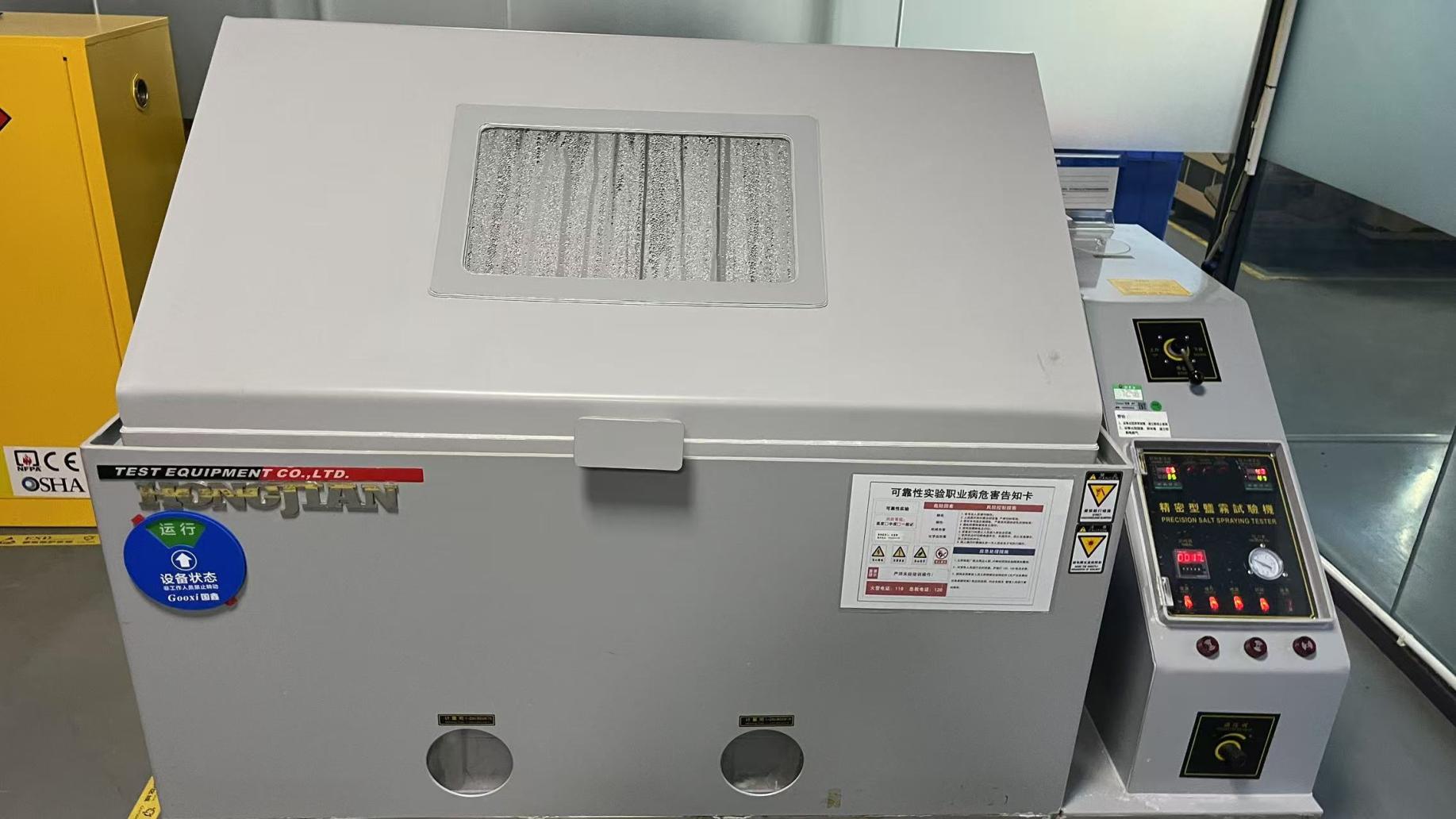
Quality assurance is ensured through a combination of automated optical performance testing, interferometric inspection, high-temperature aging tests, and manual quality checks. The quality control team consists of 62 experienced inspectors dedicated to maintaining product reliability and compliance with international standards.
FiberQ maintains a strong trade background focused on OEM and ODM partnerships. Its primary markets include North America, Europe, Japan, and Southeast Asia, serving telecom operators, cloud service providers, and enterprise network integrators.
The company collaborates with approximately 1,450 supply chain partners to ensure stable procurement of core components and efficient production scheduling. Its main customer base includes data center operators, telecom carriers, network equipment vendors, and system integrators.
With strong R&D capabilities, FiberQ supports advanced customization including protocol compatibility (100G/200G/400G/800G), wavelength engineering, thermal optimization, and form-factor adaptation. The company employs around 240 R&D engineers focused on optical design, signal integrity, and high-speed hardware development. In the past year, FiberQ launched approximately 180 new products, reflecting its continuous innovation in next-generation optical communication solutions.
Global procurement teams face complex challenges, including supply chain volatility, fluctuating raw material costs, and logistical bottleneck risks. Operating from modern manufacturing hubs in China, FiberQ Photonics balances high-efficiency production lines with international quality control benchmarks to deliver resilient supply frameworks for Tokyo clients.
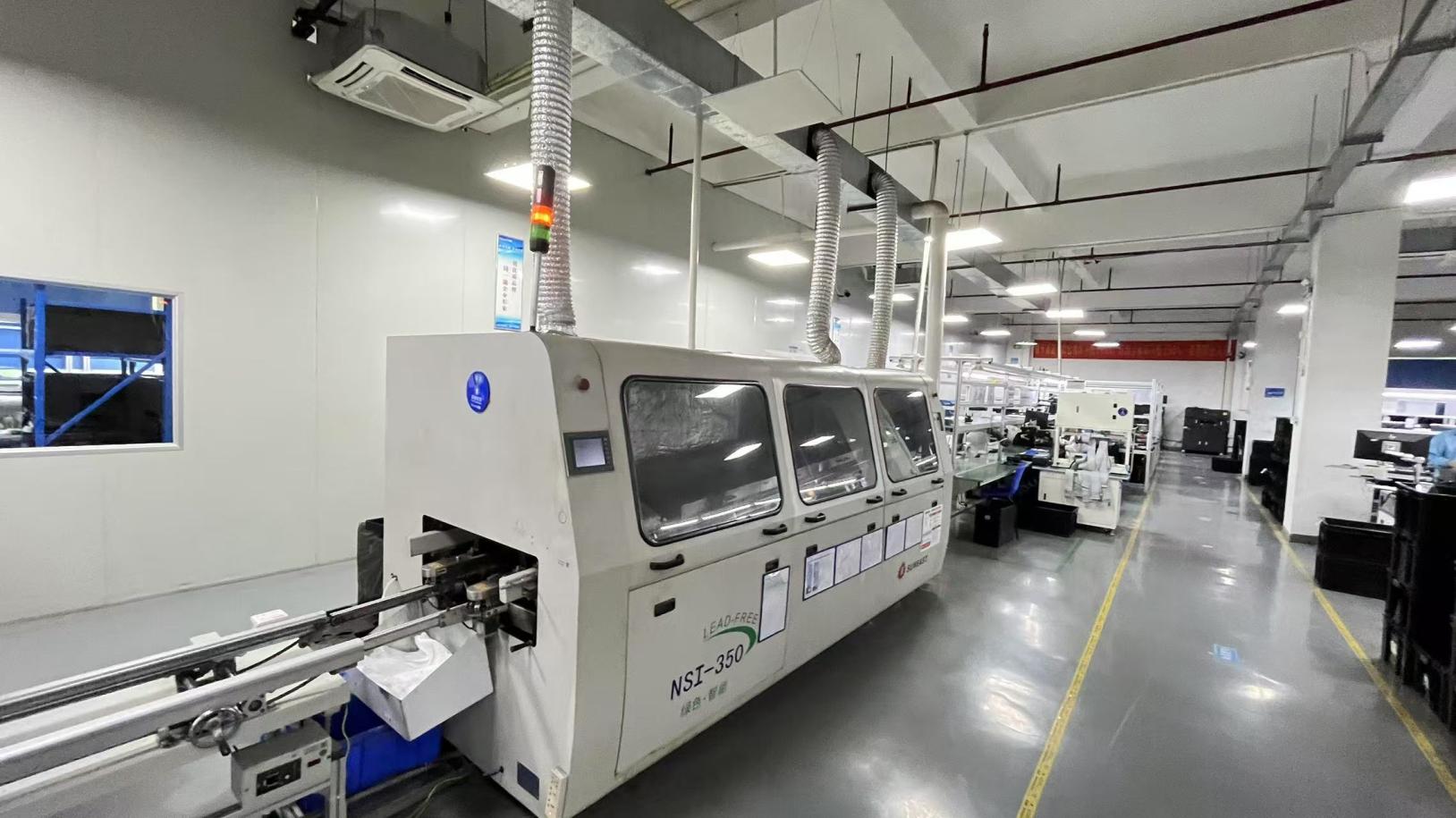
By using automated precision wire winding systems, automated optical inspection (AOI), and high-frequency testing rigs, the factory maintains a high yield rate. This direct control over production stages reduces the lead times for custom-wound RJ45 magnetic modules and high-speed transceivers. Combined with Tokyo's proximity to major shipping terminals like Shenzhen, Shanghai, and Ningbo, transit times to Narita Airport or the Port of Tokyo are optimized to 3-5 business days under priority conditions.
Furthermore, our deep integration with over 1,450 supply partners guarantees constant access to copper, premium plastics (LCP/Nylon), and high-reliability metal housing parts, insulating Tokyo buyers from sudden components shortages.
Engineering components for deployment in Japan requires strict adherence to environmental and electromagnetic standards. Our complete line of RJ45 female connectors and transceiver products complies with the RoHS Directive (EU) 2015/863 and REACH regulations, ensuring zero hazardous waste issues in compliance with Japanese green procurement programs.
Electromagnetically, integrated systems must comply with local VCCI (Voluntary Control Council for Interference) guidelines. Our shielded RJ45 modules feature internal grounding layouts designed to reduce radiation levels below Class B limits, protecting surrounding high-speed circuitry from inductive noise. We also offer customization options matching specific footprint configurations of leading Japanese electronics brands, providing direct physical drops to simplify board re-spins.
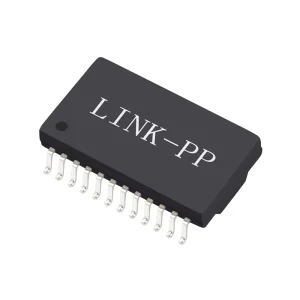
Explore our wider range of high-frequency transformers, multi-port RJ45 modular jacks, and high-bandwidth optical modules.
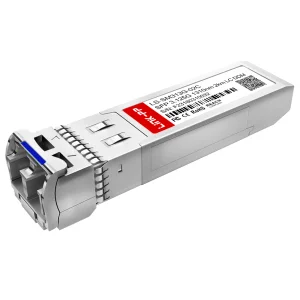
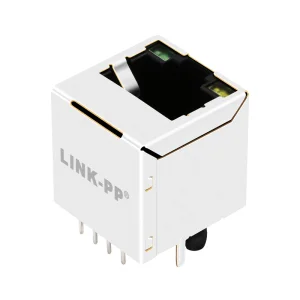
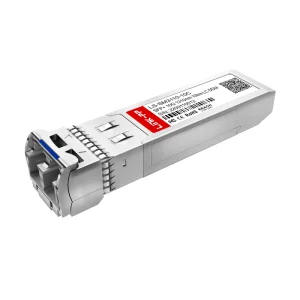
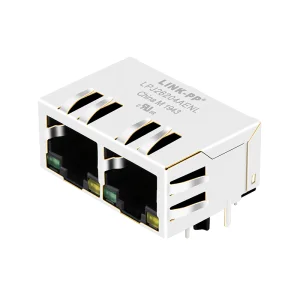
Expert insights answering common deployment, matching, and compliance questions for Tokyo's network design engineers.
As Tokyo moves toward industrial AI and next-generation connectivity (6G research, local cloud nodes, and automated transport), demand is growing for higher data rates, tighter packaging profiles, and improved power delivery. Interconnect designs must balance high performance with thermal efficiency to handle the heat loads of compact enclosures.
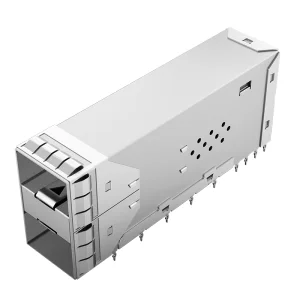
FiberQ Photonics continues to invest in design and material science research, developing high-density modular jacks, low-profile SFP cages, and hybrid optical-copper components. Partnering with FiberQ provides access to optimized production capacity, experienced quality controls, and custom engineering support to help keep your products ahead of shifting industry requirements.