FiberQ
FiberQ
FiberQ
Highly compatible, low-latency physical layer solutions optimized for Southern California's carrier hotels and hyperscale access points.
Los Angeles represents the primary digital gateway connecting the United States to the dynamic economies of the Asia-Pacific region. As one of the world's most critical network hubs, the Los Angeles metropolitan area—anchored by key carrier hotels such as One Wilshire—routes millions of petabytes of traffic daily. Consequently, the local demand for ultra-high-speed active and passive optical infrastructure continues to expand exponentially.
To support next-generation artificial intelligence workloads, hyperscale cloud operations, and decentralized media rendering clusters in Southern California's "Silicon Beach," engineers require high-performance, enterprise-grade optical transceivers. These components must deliver low insertion loss, exceptional thermal management, and reliable data integrity over long-distance spans.
With latency constraints driving data processing closer to users, optical transceivers act as the critical link between high-speed subsea cable systems arriving at Southern California landings and the continental backbone networks.
Leveraging FiberQ Photonics’ modern production scaling to reduce deployment times and control unit costs for infrastructure projects.
While design specifications are determined by global standards and local infrastructure demands in major regions like Los Angeles, high-efficiency volume assembly must scale elsewhere. China’s advanced supply chains provide unmatched component sourcing, enabling quick turnaround times for active transceivers, PCB assembly, and structural modular cages.
Integrating Chinese manufacturing efficiencies with localized logistical support in Los Angeles helps network architects reduce Total Cost of Ownership (TCO). High-yield production lowers unit costs, freeing up capital that can be redirected toward software optimization, security enforcement, and network redundancy projects.
By leveraging established logistics lanes through the Ports of Los Angeles and Long Beach, FiberQ maintains reliable delivery schedules. The company provides local stocking programs and custom-engineered shipments to ensure critical infrastructure projects remain on track.
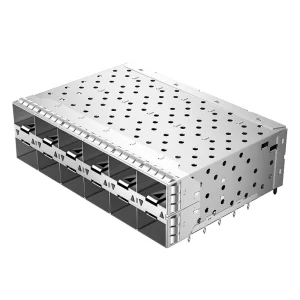
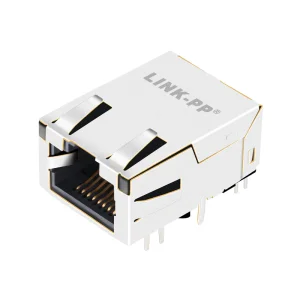
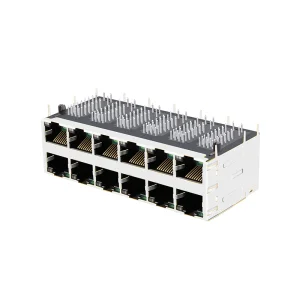
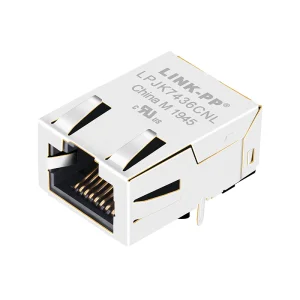
High-performance passive interconnects designed to support active optical systems, providing EMI shielding and clean signal paths.
Established in 2015, FiberQ Photonics has grown into a leading manufacturer of high-performance fiber optic transceivers and advanced optical communication solutions. Serving data centers, telecom networks, and high-speed interconnect applications globally, the company delivers high reliability at scale.
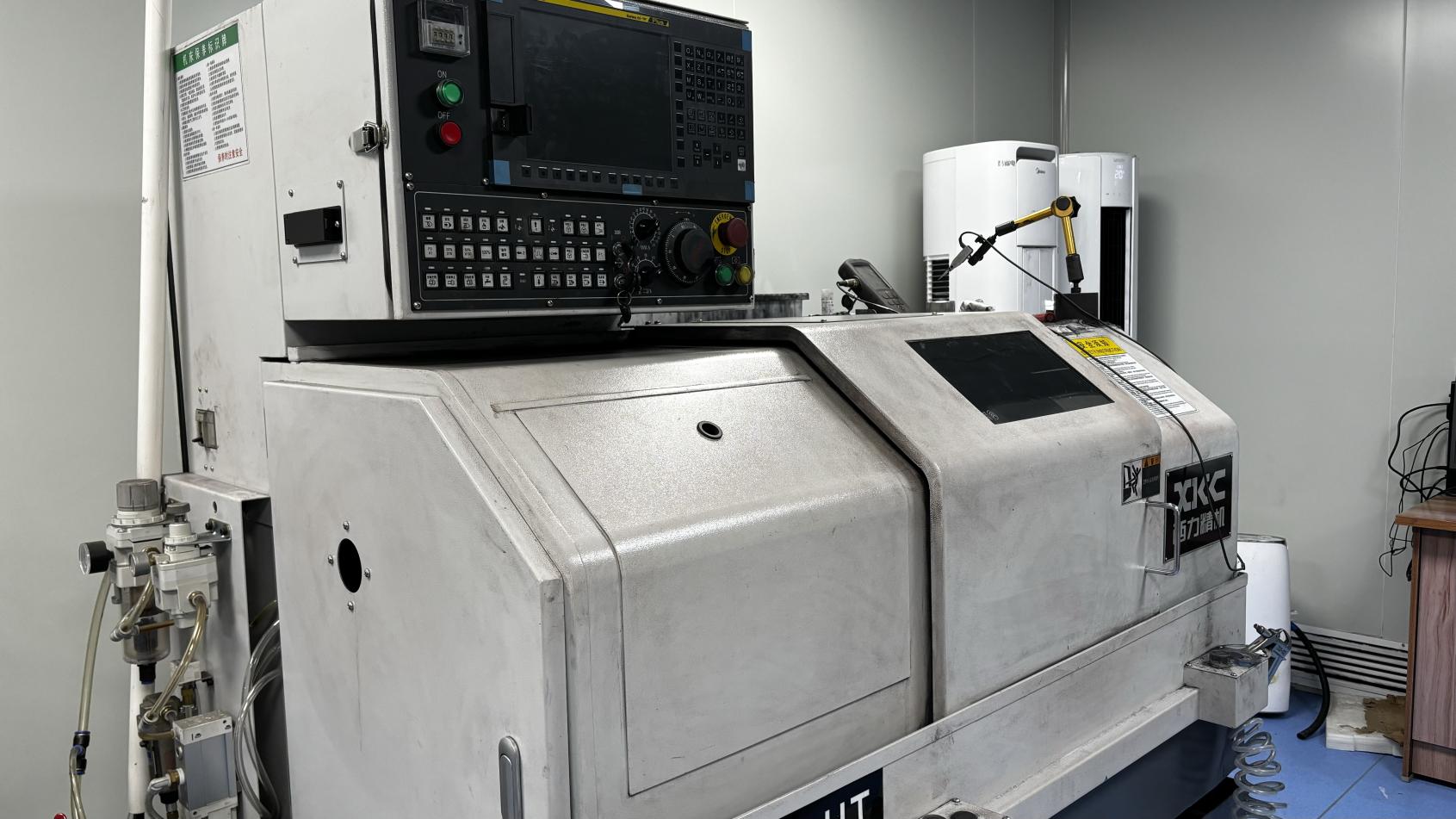
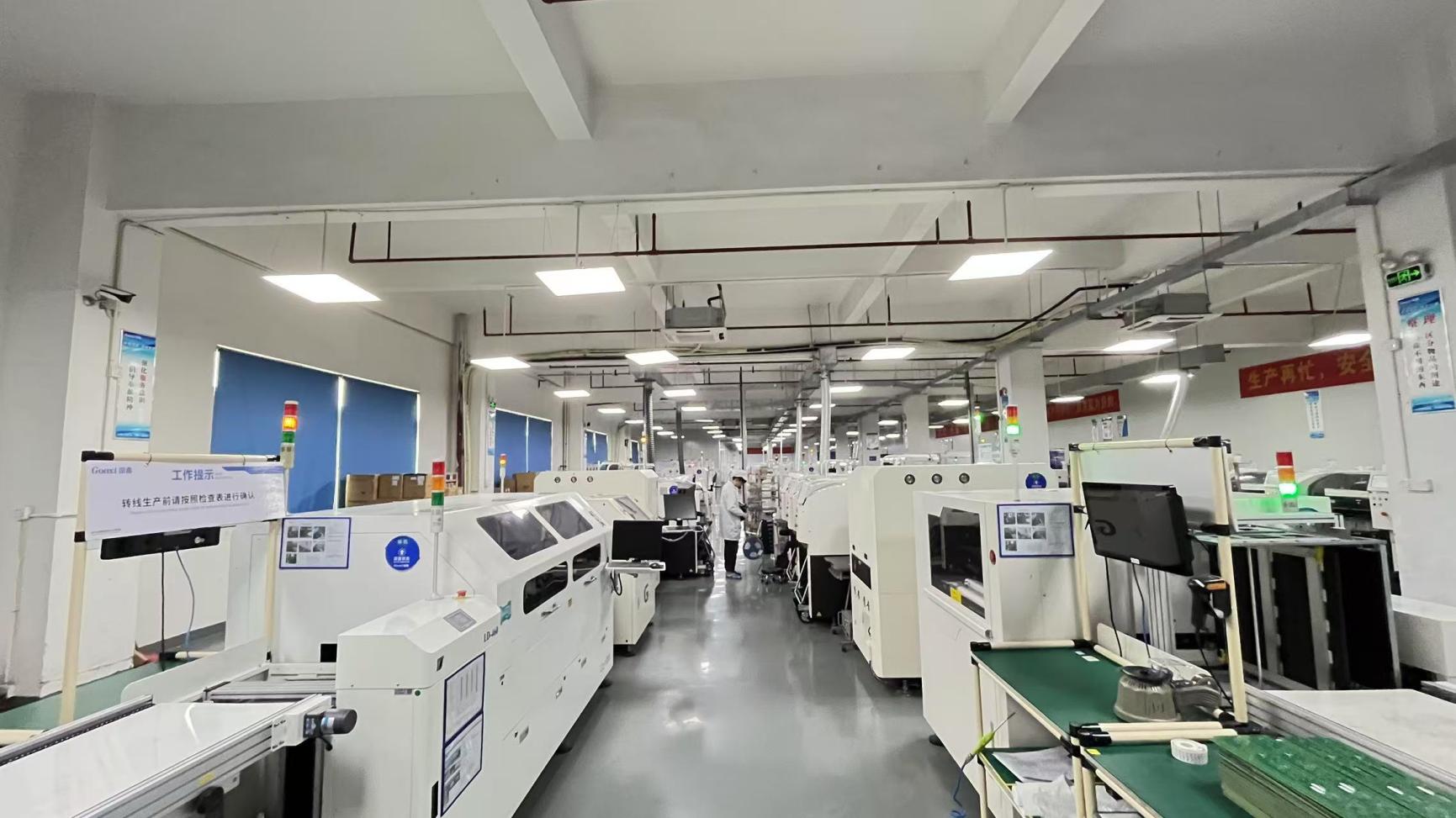
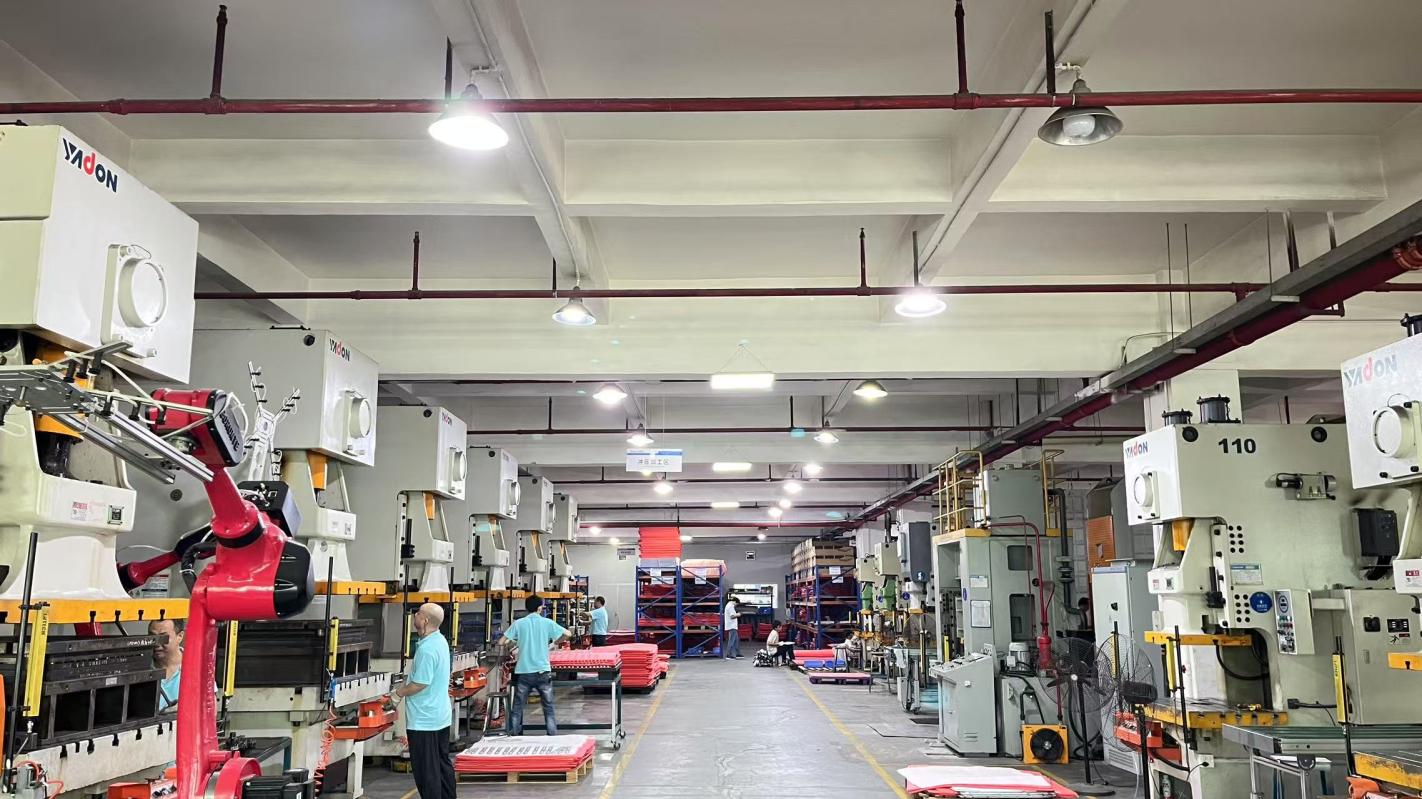
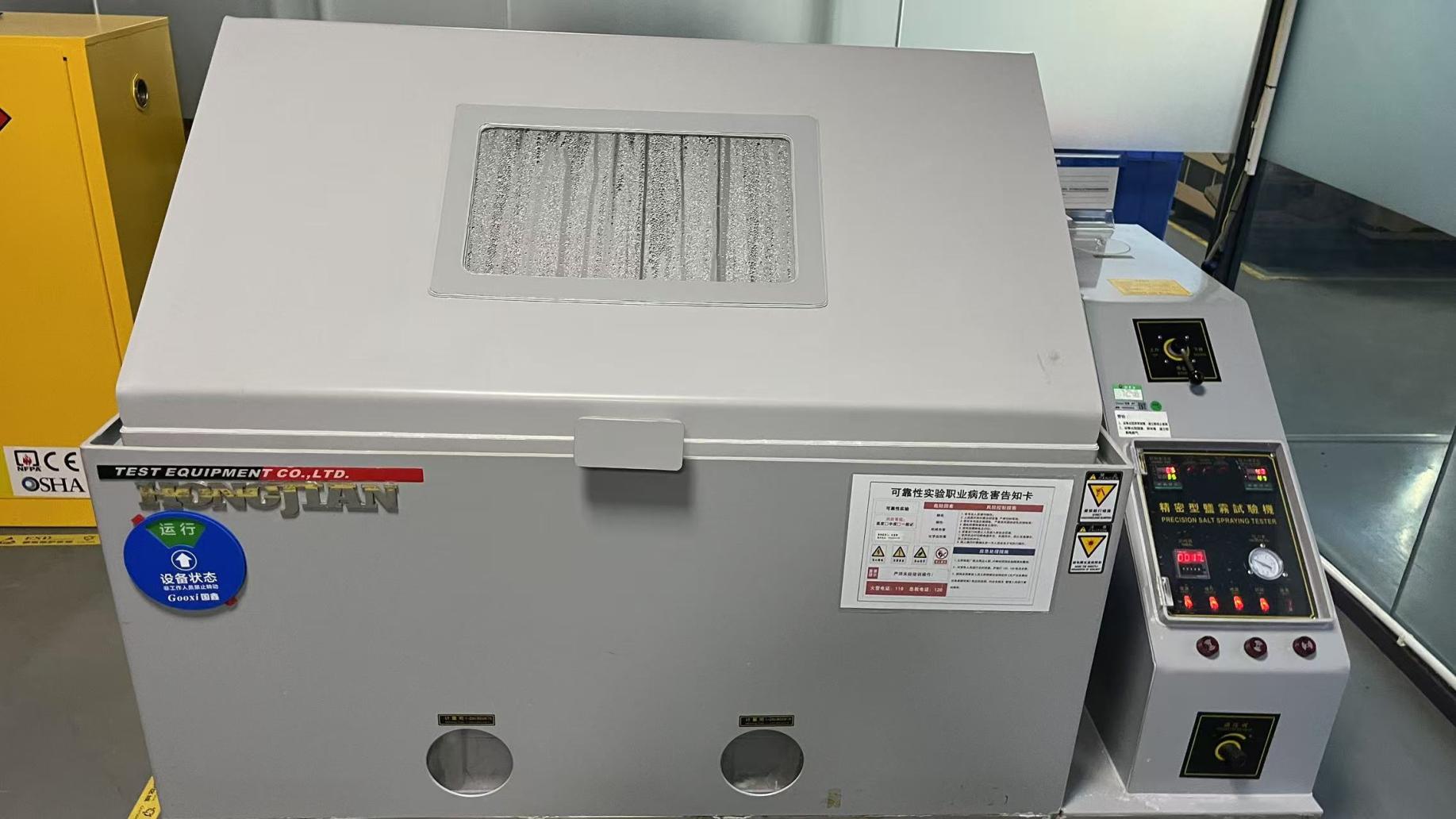
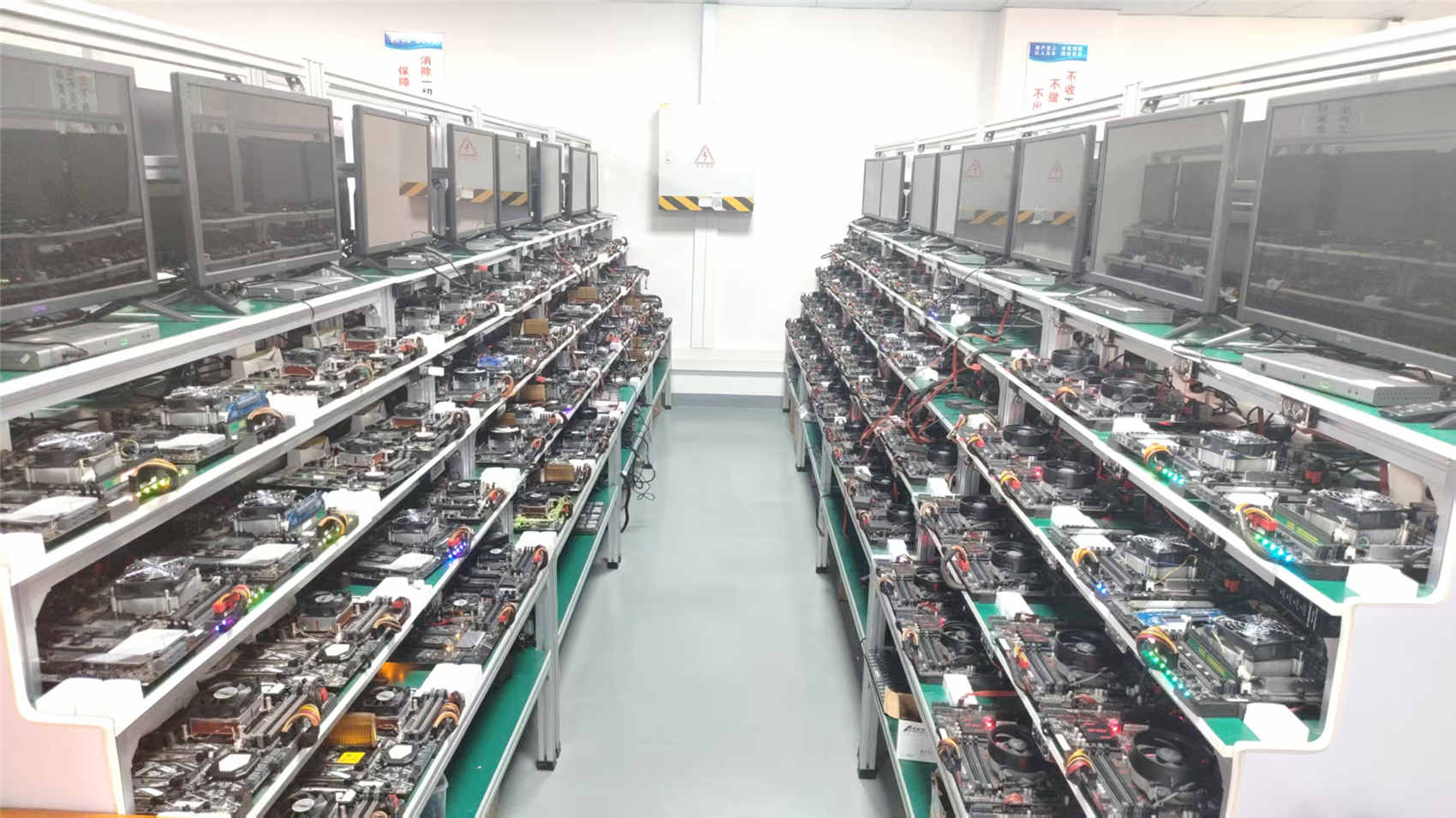
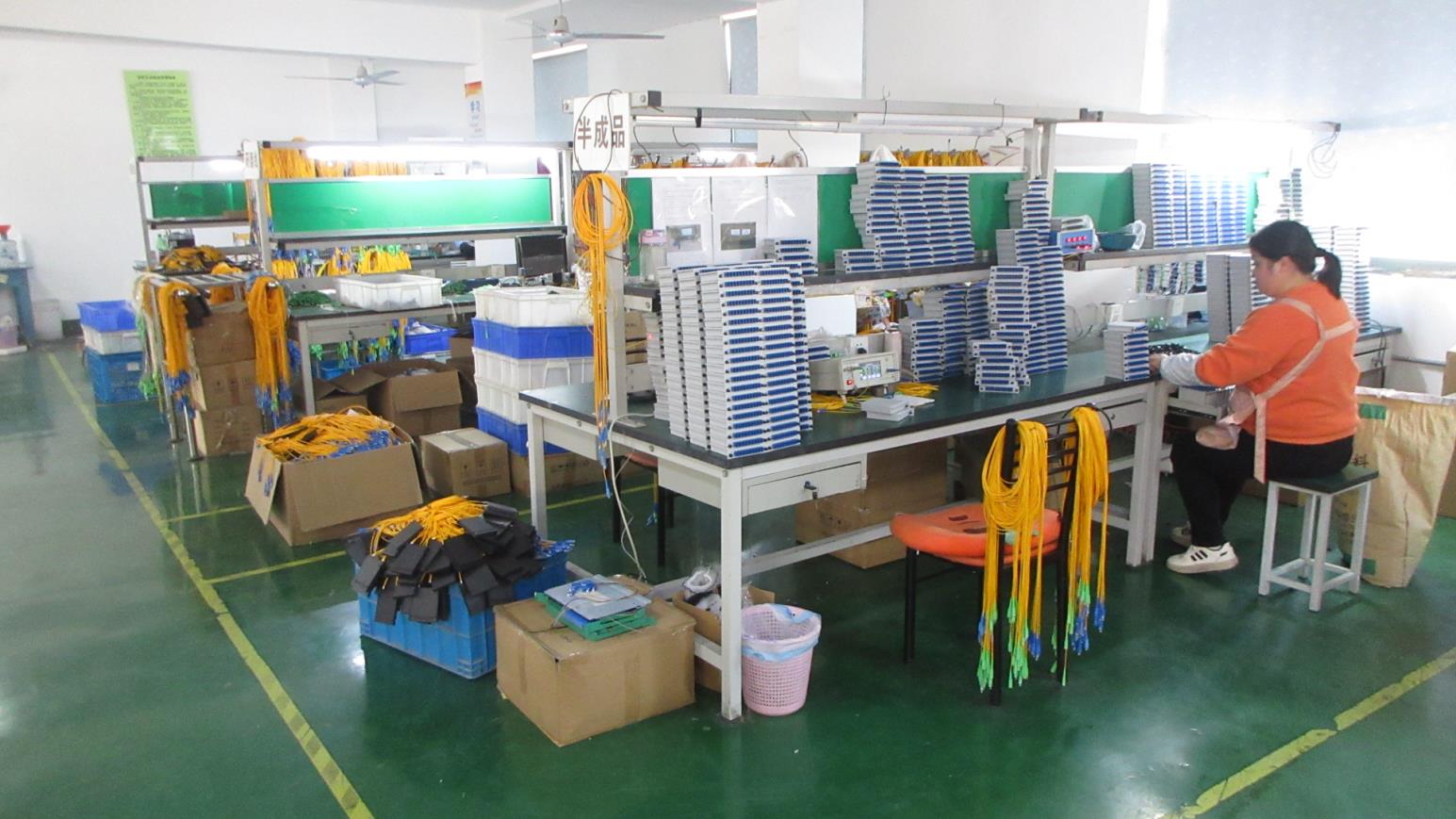
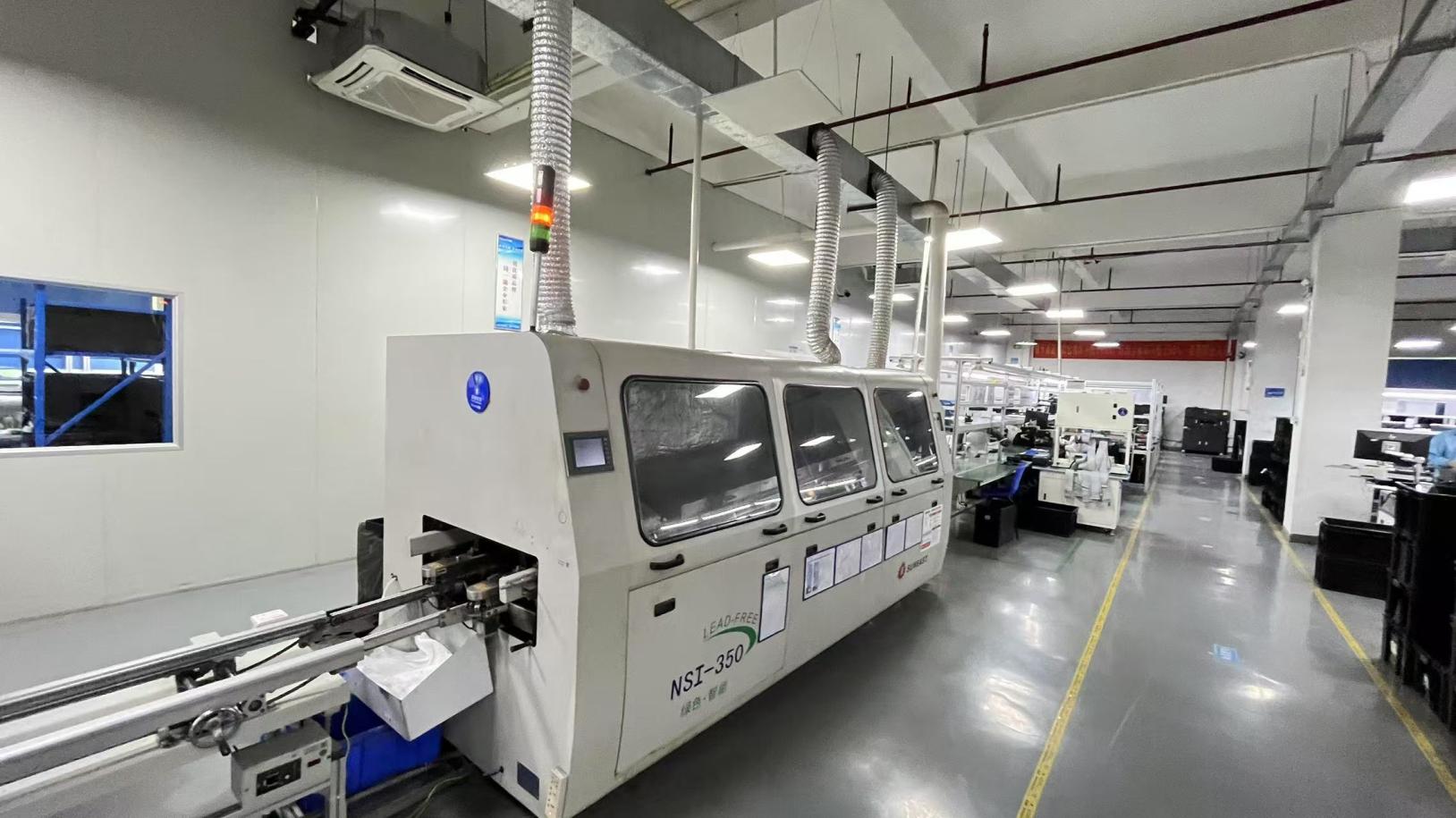
With a modern 12,600m² manufacturing facility, FiberQ has the infrastructure to support large-scale OEM/ODM projects. Our production operations follow strict quality control protocols, combining automated testing, interferometric inspection, and high-temperature aging to ensure stable and reliable optical performance.
Request Factory Audit & SampleHow evolution in switching silicon and fiber architectures affects local networks and global supply chain decisions.
The industry is transitioning beyond traditional discrete pluggable transceivers. As data speeds reach 800G, 1.6T, and higher, electrical signal loss on standard PCBs becomes a limiting factor. Silicon Photonics integrates optical modulators directly onto a single silicon substrate, lowering power requirements and improving signal integrity.
For data centers in the Los Angeles metro area, utilizing Silicon Photonics-based pluggables is essential for optimizing power usage effectiveness (PUE) and meeting local environmental standards. Integrating these optical engines directly with host switch ASICs—known as Co-Packaged Optics—helps eliminate copper trace losses and simplifies system layouts.
For long-haul DCI (Data Center Interconnect) links running between downtown Los Angeles and desert hubs in Nevada or Arizona, coherent optical systems are standard. Coherent optics modulate phase, amplitude, and polarization to maximize the capacity of a single fiber core.
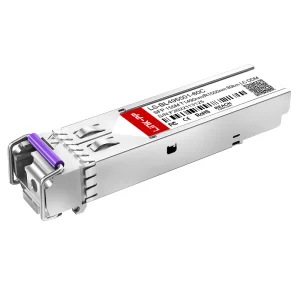
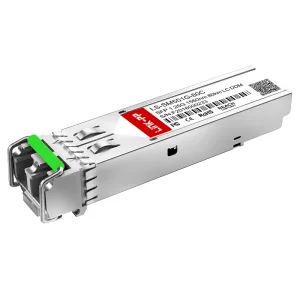
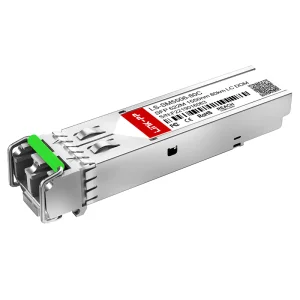
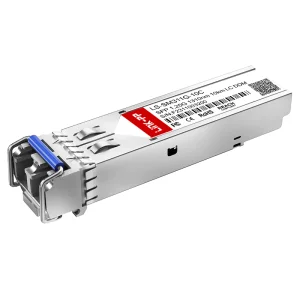
FiberQ supports custom wavelength specifications, including dense DWDM arrays and Bidi (Bidirectional) SFP architectures. Wavelength stabilization circuitry ensures transceivers can operate at thermal extremes without causing channel drift or signal degradation.
Advanced optical modules must maintain wavelength accuracy within ±0.1nm across their entire operating temperature range. Wavelength drift in DWDM networks can cause channel interference and signal degradation. FiberQ addresses this by integrating thermoelectric coolers (TECs) and specialized microcontrollers to monitor and adjust optical output in real time.
Key considerations for network engineers, procurement teams, and system integrators in Los Angeles and global markets.
Our dedicated software and programming lab codes EEPROM/DOM registers to match host system requirements. We run compatibility testing on major enterprise switch platforms to verify real-time monitoring functions (DDM/DOM) work as expected.
Bidirectional (BiDi) transceivers transmit and receive signals over a single fiber core by using separate wavelengths (e.g., 1490nm TX / 1550nm RX). This allows operators to double their fiber capacity without running new physical lines, lowering installation costs.
Heat accelerates degradation in laser diodes (DFB and EML). Every batch of FiberQ transceivers undergoes high-temperature aging testing under load. This screens out early failures, ensuring long-term reliability in high-density installations.
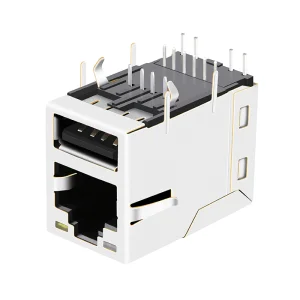
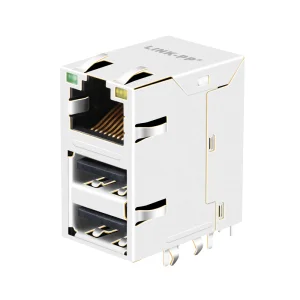
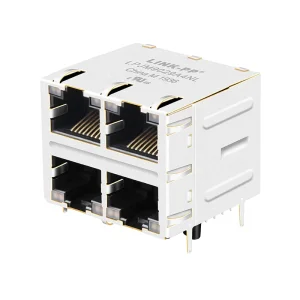
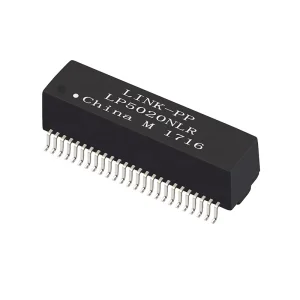
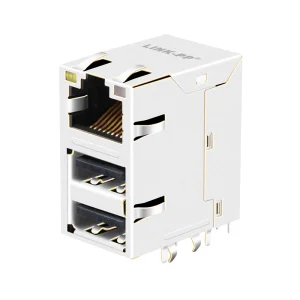
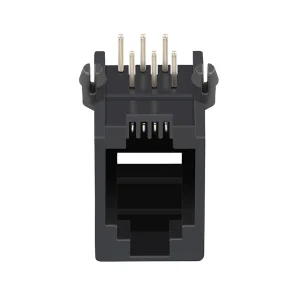
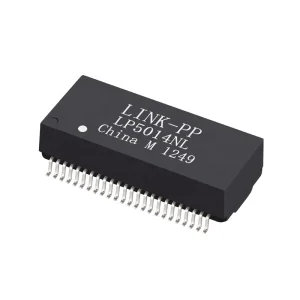
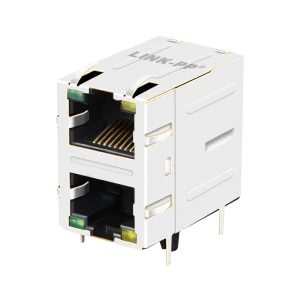
Yes, we support a range of legacy and modern form factors. Our engineering team can supply custom cages, connectors, and magnetics to integrate legacy telecom gear with modern fiber systems.
Comprehensive catalog of physical-layer interfaces supporting high-capacity switching centers, network appliances, and telecom systems.
Connect with our engineering support team to request optical test reports, verify device compatibility, or discuss bulk pricing options.