 FiberQ
FiberQ
FiberQ
High-reliability optical transceivers configured for long-distance transport, local exchange aggregation, and high-density switches across Tashkent and regional hubs.
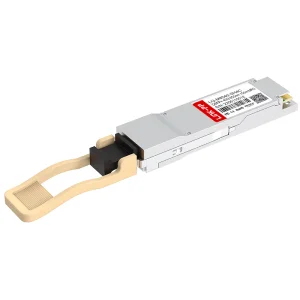
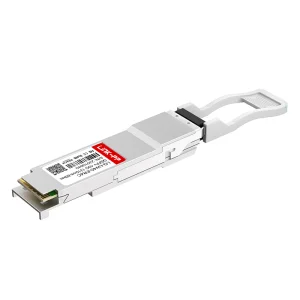
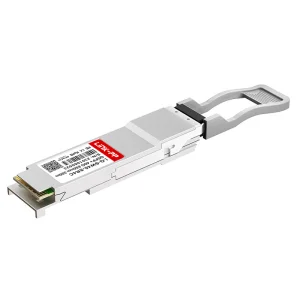
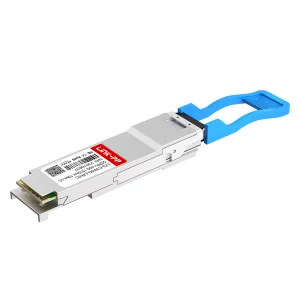
As the most populous country in Central Asia, Uzbekistan is undergoing a rapid, state-driven digital transformation. Guided by the national development program "Digital Uzbekistan 2030", the government has prioritized the comprehensive expansion of optical fiber communication lines, the upgrading of regional data centers, and the implementation of 5G cellular technologies. This massive infrastructure scaling has placed immense pressure on Internet Service Providers (ISPs), mobile operators (such as UZTELECOM, Ucell, Beeline Uzbekistan, and Mobiuz), and enterprise data networks to scale their backbone networks from legacy 10G speeds to high-density 40G and 100G pipelines.
While 100G and 400G modules are standard in hyper-scale markets, 40G QSFP+ remains the backbone of metropolitan aggregation, industrial enterprise routing, and regional transport rings across Uzbekistan. This is due to the vast pre-existing footprint of QSFP+ legacy hardware (switches, routers, and firewalls) deployed in regional offices (Vilyats) like Samarkand, Bukhara, Fergana, and Navoi, offering an optimal cost-to-capacity ratio for local network expansion.
Optical networks in Uzbekistan face distinct physical, geographic, and infrastructural challenges. The integration of 40G QSFP+ transceivers aligns with several key projects:
For over a decade, FiberQ Photonics has delivered enterprise-level transceiver solutions globally. Discover our core manufacturing credentials below.
Our modern manufacturing facility utilizes automated optical testing equipment, high-temperature environmental test chambers, and precision alignment systems to ensure compatibility with major routing brands (Cisco, Huawei, Juniper, Mikrotik, HP, etc.). With an annual export volume exceeding USD 9.5 million and strong OEM/ODM capabilities, we specialize in customizing wavelength configurations, transceiver protocols, and physical form factors to meet specialized project parameters in the Uzbek market.
Select the correct transceiver sub-type based on optical path length, cable plant medium, and budget requirements.
| Module Type | Wavelength (nm) | Fiber Type | Connector Type | Max Distance | Ideal Application in Uzbekistan |
|---|---|---|---|---|---|
| 40GBASE-SR4 | 850nm VCSEL | MMF (OM3/OM4) | MPO-12 / MTP | 150m | Intra-Data Center switches (e.g. Tashkent IT Park) |
| 40GBASE-SR BiDi | 850nm / 900nm | MMF (OM3/OM4) | LC Duplex | 300m | Repurposing existing 10G LC cabling to 40G |
| 40GBASE-LR4 | 1310nm DFB | SMF (G.652) | LC Duplex | 10km | Metro exchange interconnects, regional ISP aggregation |
| 40GBASE-ER4 | 1310nm CWDM DML | SMF (G.652) | LC Duplex | 40km | Inter-city link aggregation (e.g. Tashkent to Chirchiq) |
| 40GBASE-ZR4 | 1310nm CWDM EML | SMF (G.652) | LC Duplex | 80km | Long-haul transport backbones connecting remote towns |
Uzbekistan experiences extreme continental temperatures, with summers exceeding +45°C in regions like Navoi and Khorezm, and winter drops below -20°C. Standard commercial-grade modules suffer optical power degradation under extreme ambient heat. FiberQ offers Industrial Temperature Grade (-40°C to +85°C) QSFP+ modules, engineered with custom heat-sink casing and thermal dissipation gels, ensuring stable link performance in uncooled outdoor telecom cabinets.
With 12 years of industry experience, our facility hosts cutting-edge precision production lines, quality inspection, and customization capabilities.
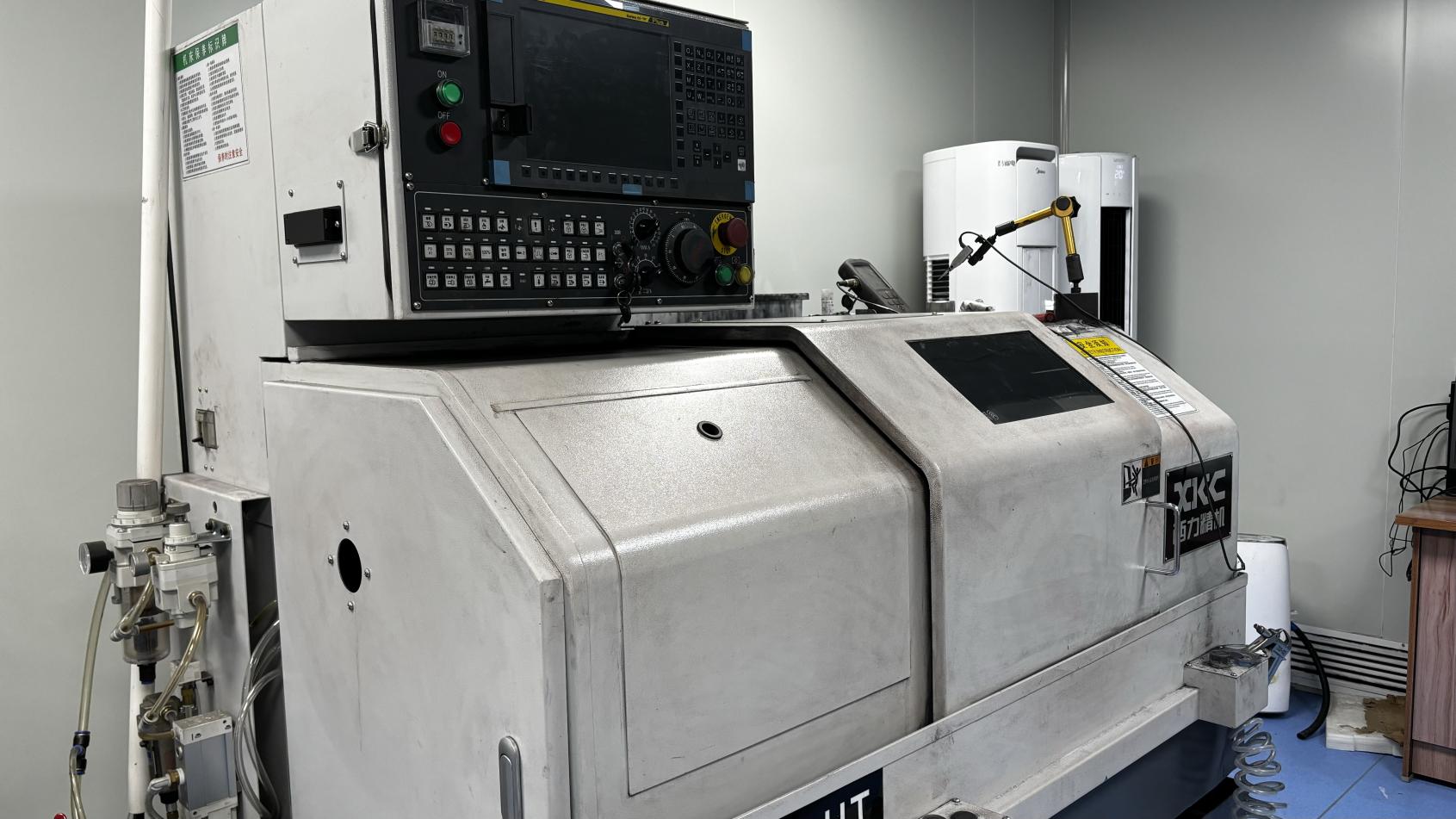
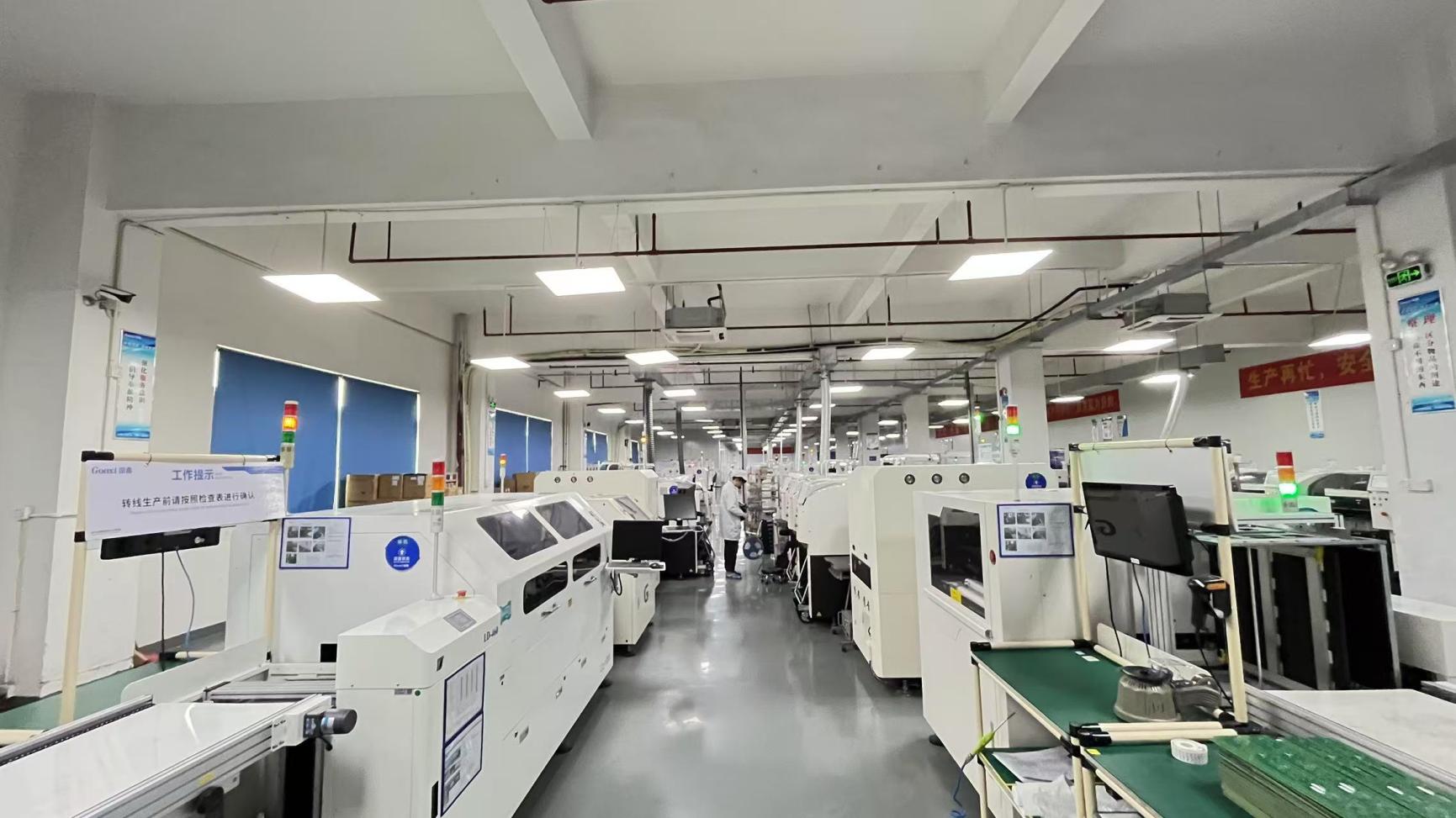

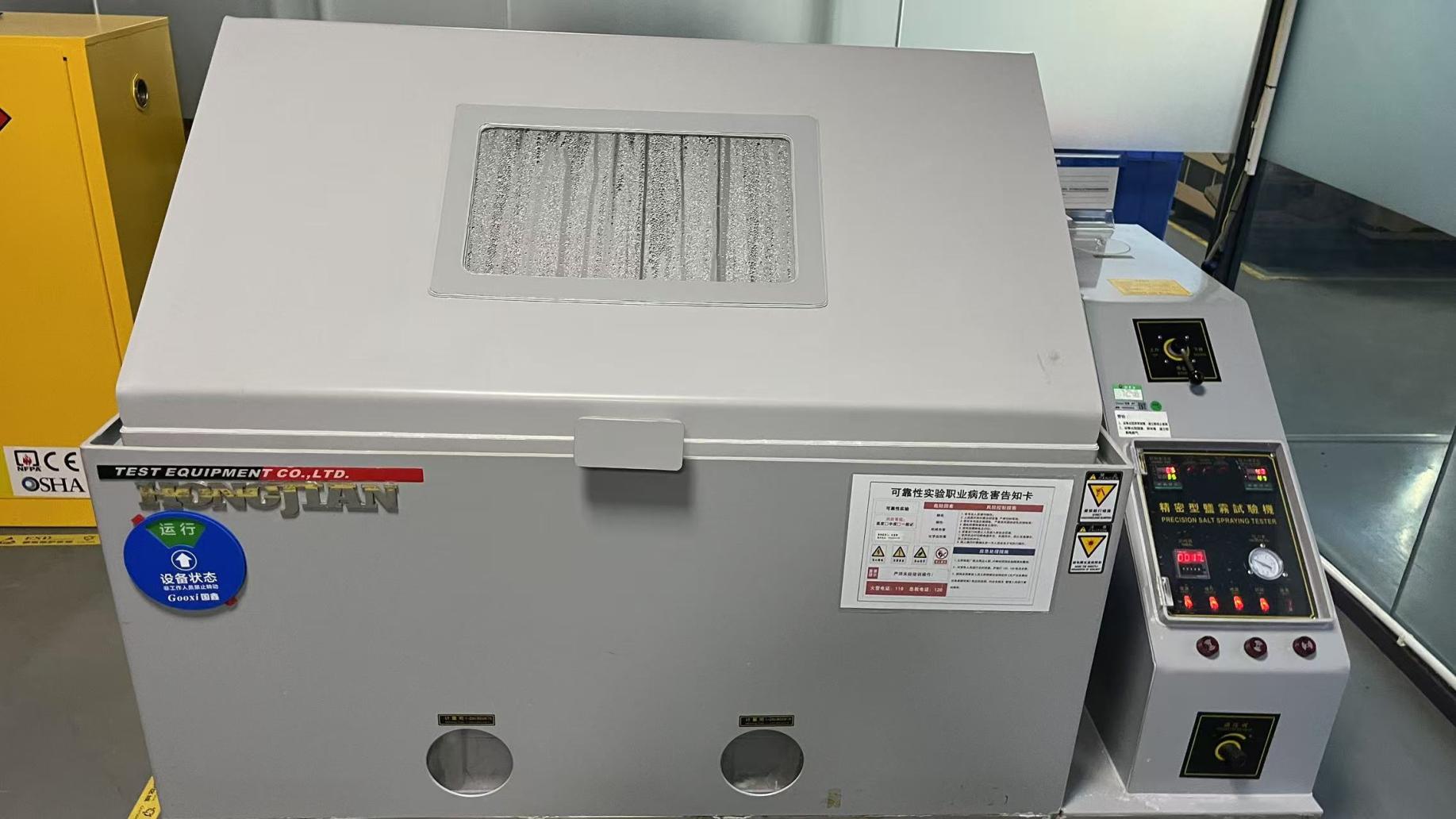
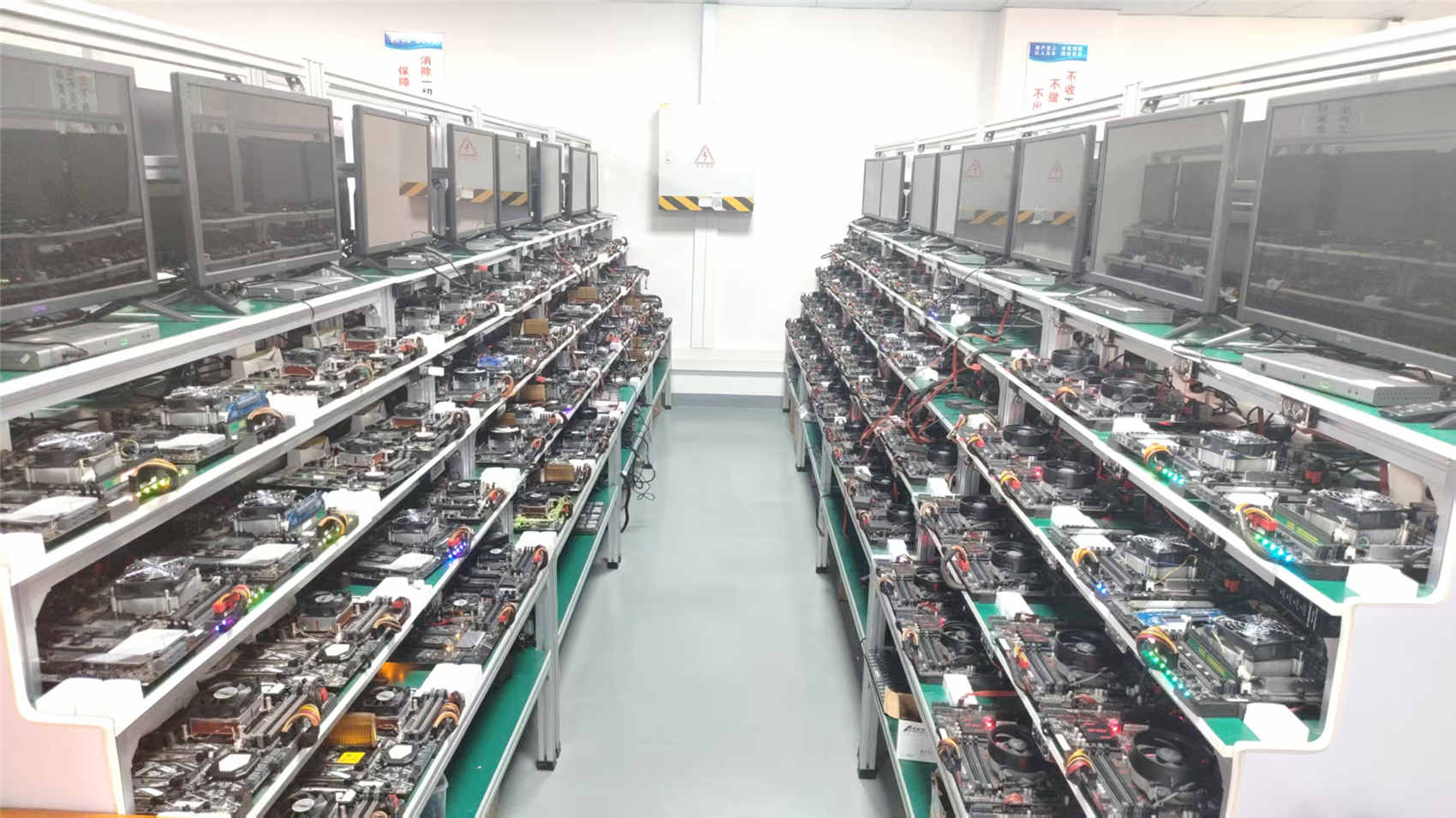
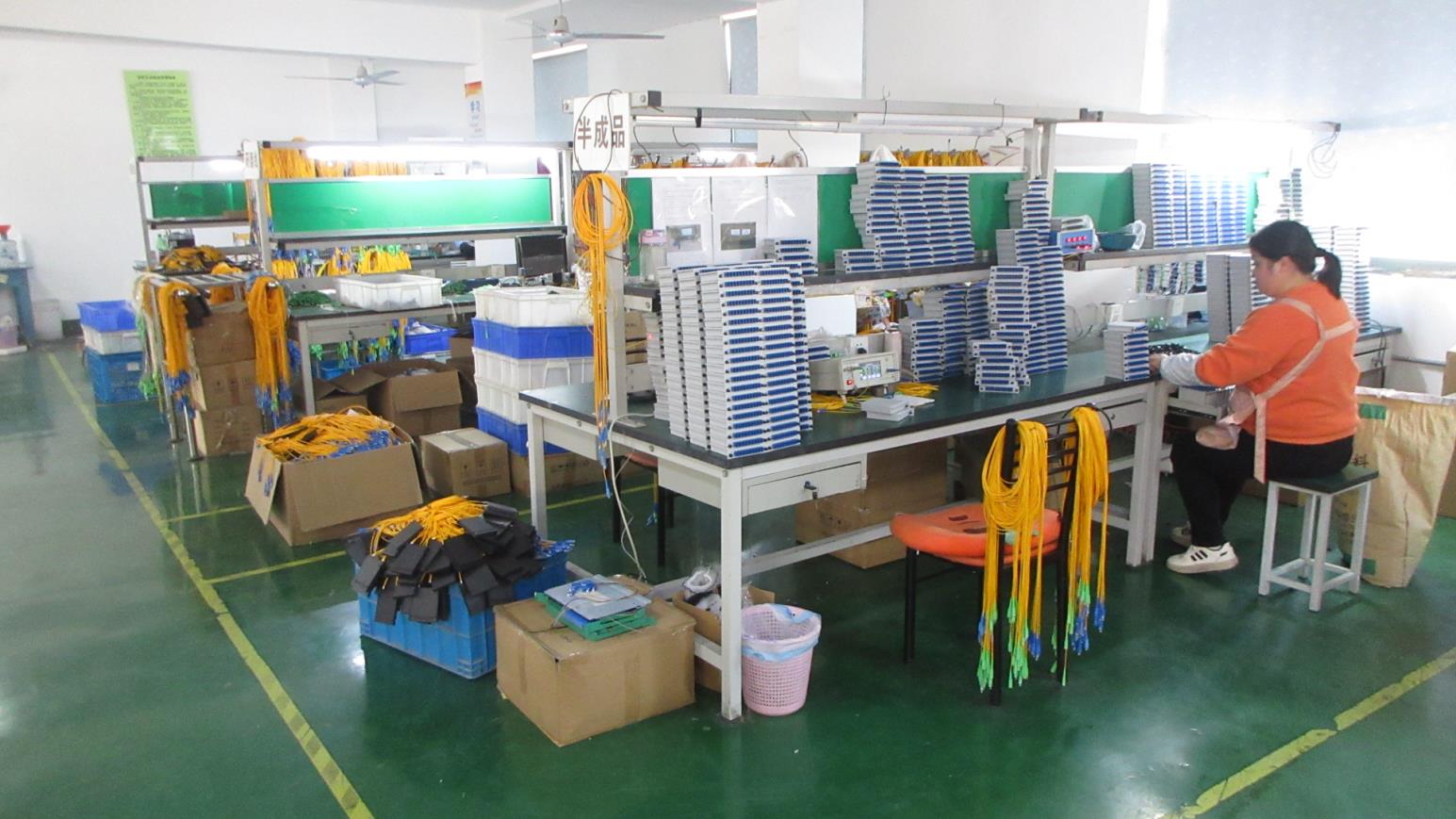
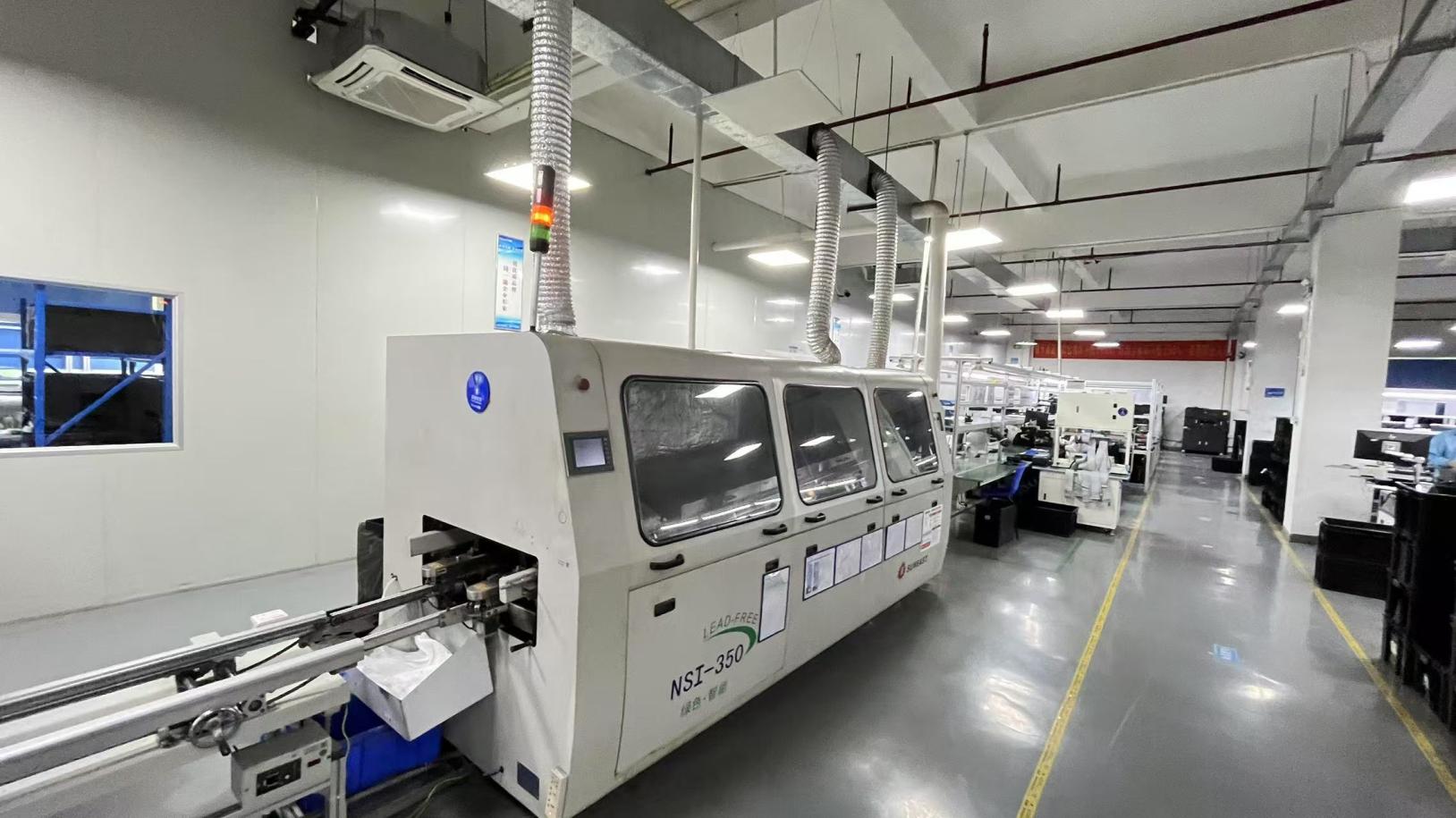
Our commitment to rigorous quality control processes guarantees that each transceiver undergoes multiple checks, including: 1. Core optical component aging and alignment checks, 2. Dynamic temperature testing inside simulation chambers, 3. Switch integration testing for multi-vendor compatibility, and 4. Final end-to-end signal attenuation checks. We maintain solid trade background networks, collaborating with 1,450 raw material suppliers to ensure component consistency and price-protection benefits for large-scale municipal tenders in Uzbekistan.
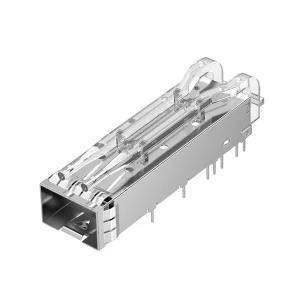
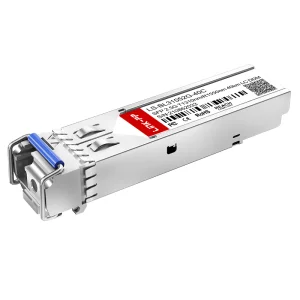
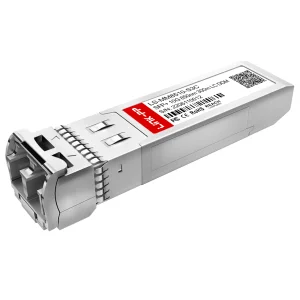
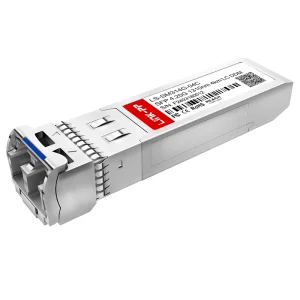
From ultra-long range 80km transceivers to SFP cages, RJ45 ports, and customized physical connectors designed for Uzbek system integrators.
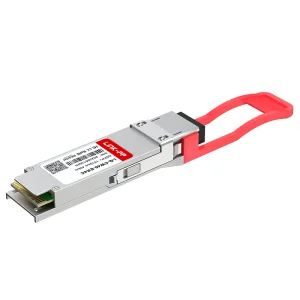
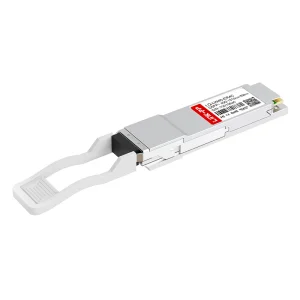
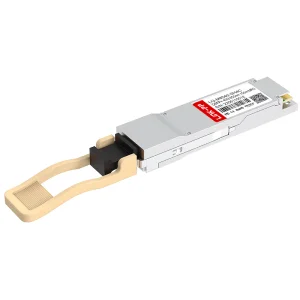
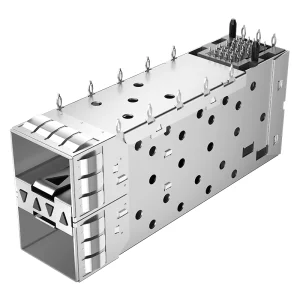
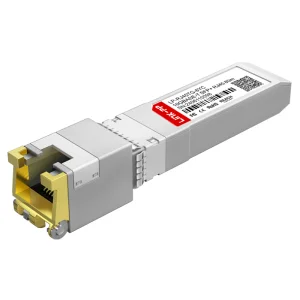
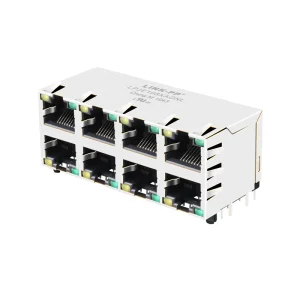
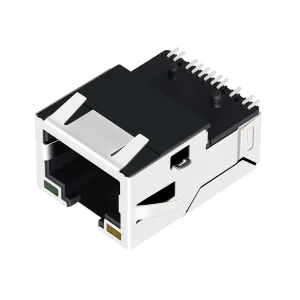
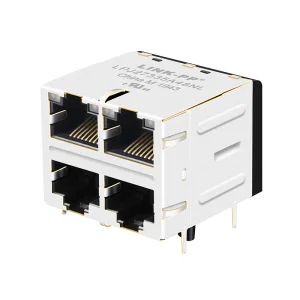
Entering the telecom infrastructure supply market in Central Asia requires a detailed understanding of both local compliance standards and high-volume logistics. Uzbekistan’s regulatory framework for communication technology requires strict certification compliance under the national standardization body "Uzstandart" (O'zstandart), along with state radio-frequency allocations if applicable. Our 40G QSFP+ transceivers meet all performance benchmarks for importation and integration within state-run enterprise architectures.
All FiberQ 40G QSFP+ modules comply with standard MSA (Multi-Source Agreement) designs, ensuring plug-and-play capability across a hybrid network equipment stack. Additionally:
As direct manufacturers, FiberQ bypasses third-party trading groups, offering significant capital expenditures (CAPEX) relief for major network upgrades. Our supply chain configuration guarantees:
Technical and logistics questions answered by FiberQ's Senior Network Engineering team.