FiberQ
FiberQ
FiberQ
High-reliability SFP modules optimized for Saudi telecommunication backbones, enterprise campus links, and smart-grid infrastructures.
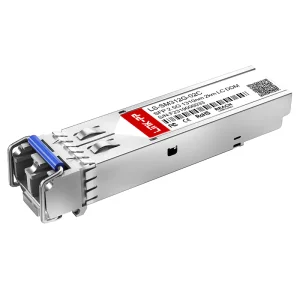
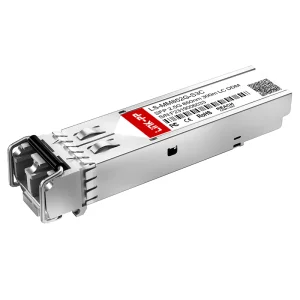
Under the ambitious goals of Saudi Arabia Vision 2030, the Kingdom is rapidly transforming into a global logistics and technological hub. Mega-developments such as the futuristic smart city NEOM, the Red Sea Project, and Qiddiya require robust, low-latency communication networks. Deploying high-speed transmission infrastructures requires specialized hardware built to survive local harsh conditions.
At the center of this evolution is the deployment of FTTH (Fiber-to-the-Home), localized multi-access edge computing (MEC) hubs, and smart industrial plants. FiberQ Photonics' specialized line of 2.5G to 6G SFP modules is designed to power the next generation of transport systems. By providing high reliability in environments with severe electromagnetic interference and extremely high temperatures, we ensure uninterrupted connectivity for local telecom carriers, national smart grid systems, and remote oil fields run by Saudi Aramco.
The climate in Saudi Arabia presents unique challenges to network hardware. Standard commercial grade SFP modules fail under high temperatures, leading to packet losses or complete laser degradation. Our industrial SFP transceivers are engineered to operate across the industrial temperature scale (-40°C to +85°C) and feature robust housing to prevent dust ingress, a vital feature for deployments in the Arabian Desert.
Combining world-class optical design with vertical integration to deliver cost-effective and highly reliable network components.
Internationally, enterprise LAN systems, metropolitan access networks, and wireless backhauls are migrating from legacy gigabit speeds to higher-density alternatives. The 2.5G and 6G SFP formats have emerged as key standards. By utilizing existing copper or fiber plants with higher data modulation rates, companies can upgrade bandwidth without expensive re-cabling.
6G SFP transceivers are heavily utilized in wireless networks running CPRI (Common Public Radio Interface) protocols. These links carry critical front-haul data between Remote Radio Heads (RRH) and Baseband Units (BBU). FiberQ provides multiple wavelengths (1310nm, 1550nm, CWDM, DWDM) and reach targets (from 300m up to 80km) to meet the design specifications of major telecommunications operators globally.
As a leading Chinese optical components manufacturer, FiberQ leverages local supply chain ecosystems to offer high performance at a competitive cost. Operating a modern 12,600㎡ production facility allows us to implement strict quality controls at scale, from wafer dicing to final transceiver assembly.
With an R&D department of 240 engineers and partnerships with over 1,450 supply chain suppliers, we adapt quickly to market demands. In the past year alone, we introduced approximately 180 new products, ensuring our clients receive cutting-edge technology. Purchasing directly from our factory offers:
Providing specific interconnect solutions for critical industrial and urban infrastructures across the Kingdom.
Cities like Riyadh, Jeddah, and the new NEOM project require optical backplanes that connect millions of IoT sensors, CCTV networks, and public Wi-Fi zones. Standard 1G links are insufficient, and 10G options can be cost-prohibitive for large-scale deployments. FiberQ's 2.5G SFP modules offer a balanced path forward, increasing bandwidth over existing fiber lines by 250% at a lower price point.
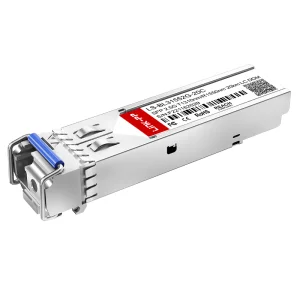
Saudi Aramco's pipeline networks span thousands of kilometers of desert terrain. Remote telemetry units (RTUs), SCADA systems, and safety monitors rely on single-mode optical links to transmit critical operational metrics. Our 2.5G/6G SFP Bidi (bidirectional) modules use single-fiber technology to double network capacity without running new cables, ensuring consistent communication under harsh environmental conditions.
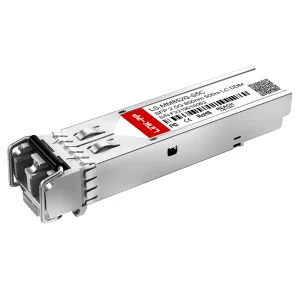
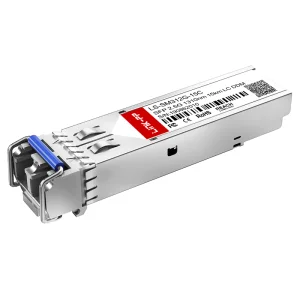
Explore our full range of 2.5G and 6G SFP transceivers, featuring single-mode, multi-mode, BiDi, and high-temperature models.
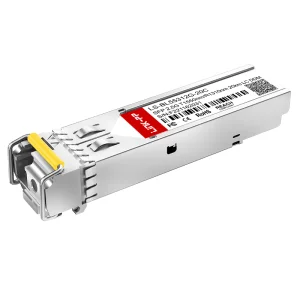
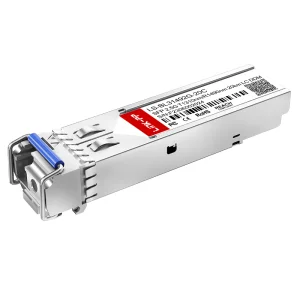
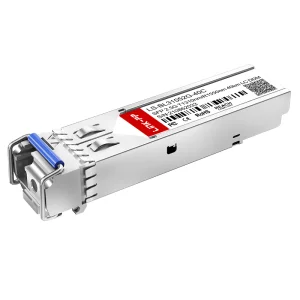
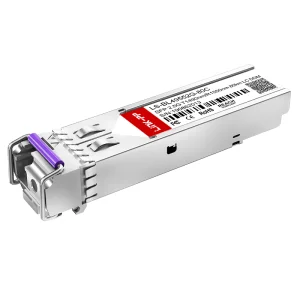
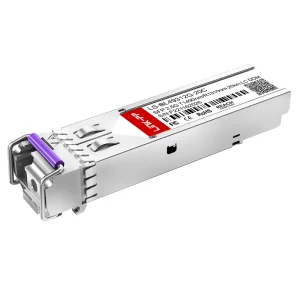
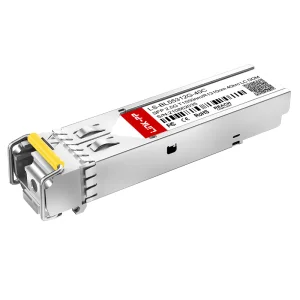
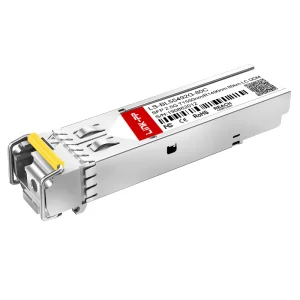
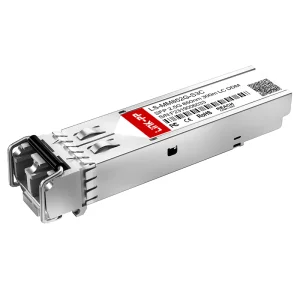
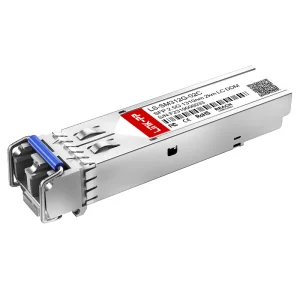
Inside our modern facility: where state-of-the-art optical engineering meets stringent international quality management systems.
Reliability requires a structured approach to quality control. At FiberQ, our QC team consists of 62 experienced inspectors who monitor the entire production workflow. Our testing procedures include:
Recognizing the diversity of network setups across KSA, we offer tailormade hardware configurations. Whether you need custom coding to interface with legacy optical gear, specific DWDM channels, or ruggedized industrial transceivers, our 240 R&D engineers are equipped to deliver. By managing the supply chain alongside 1,450 trusted component vendors, we deliver reliable products on time.
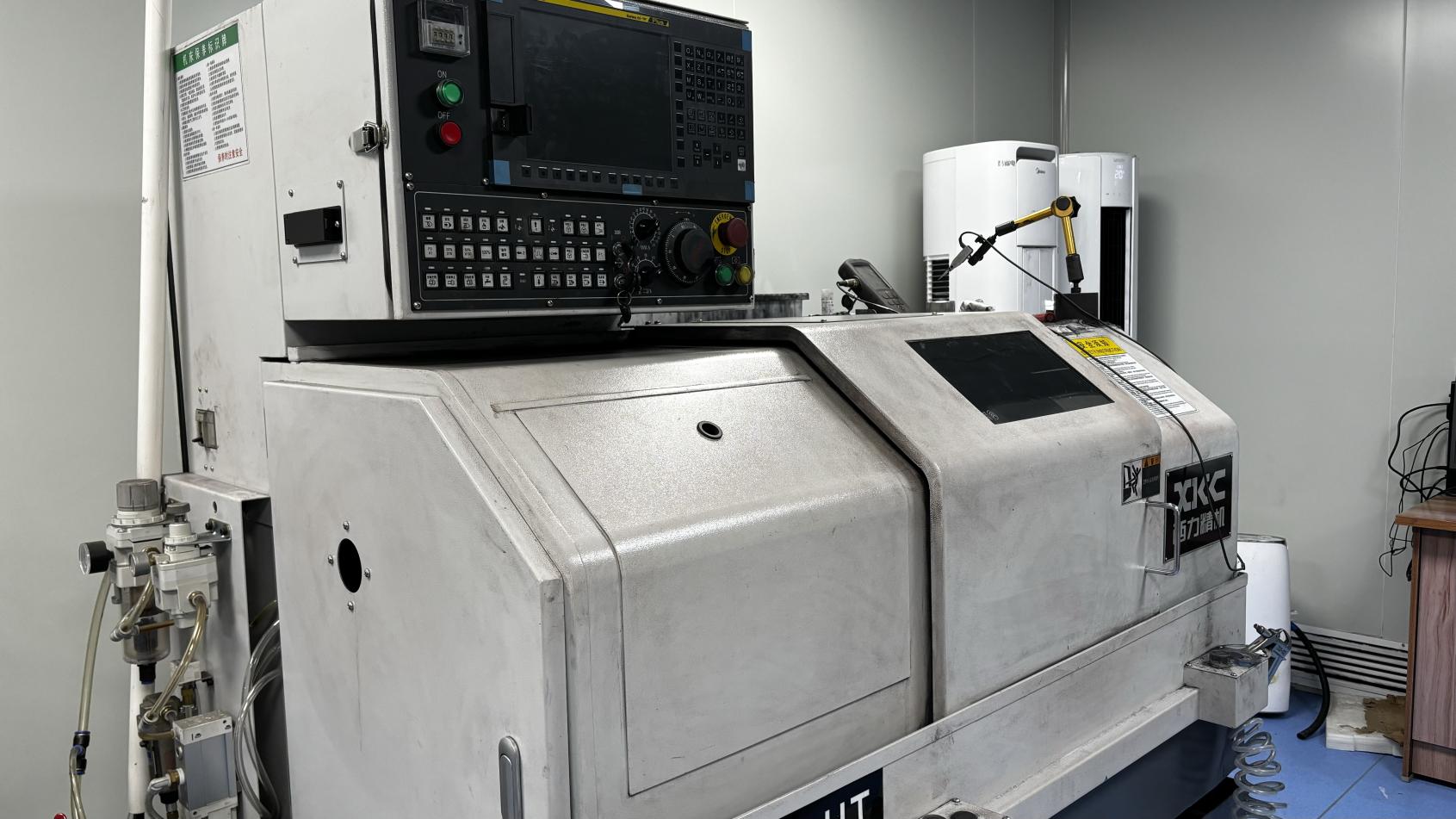


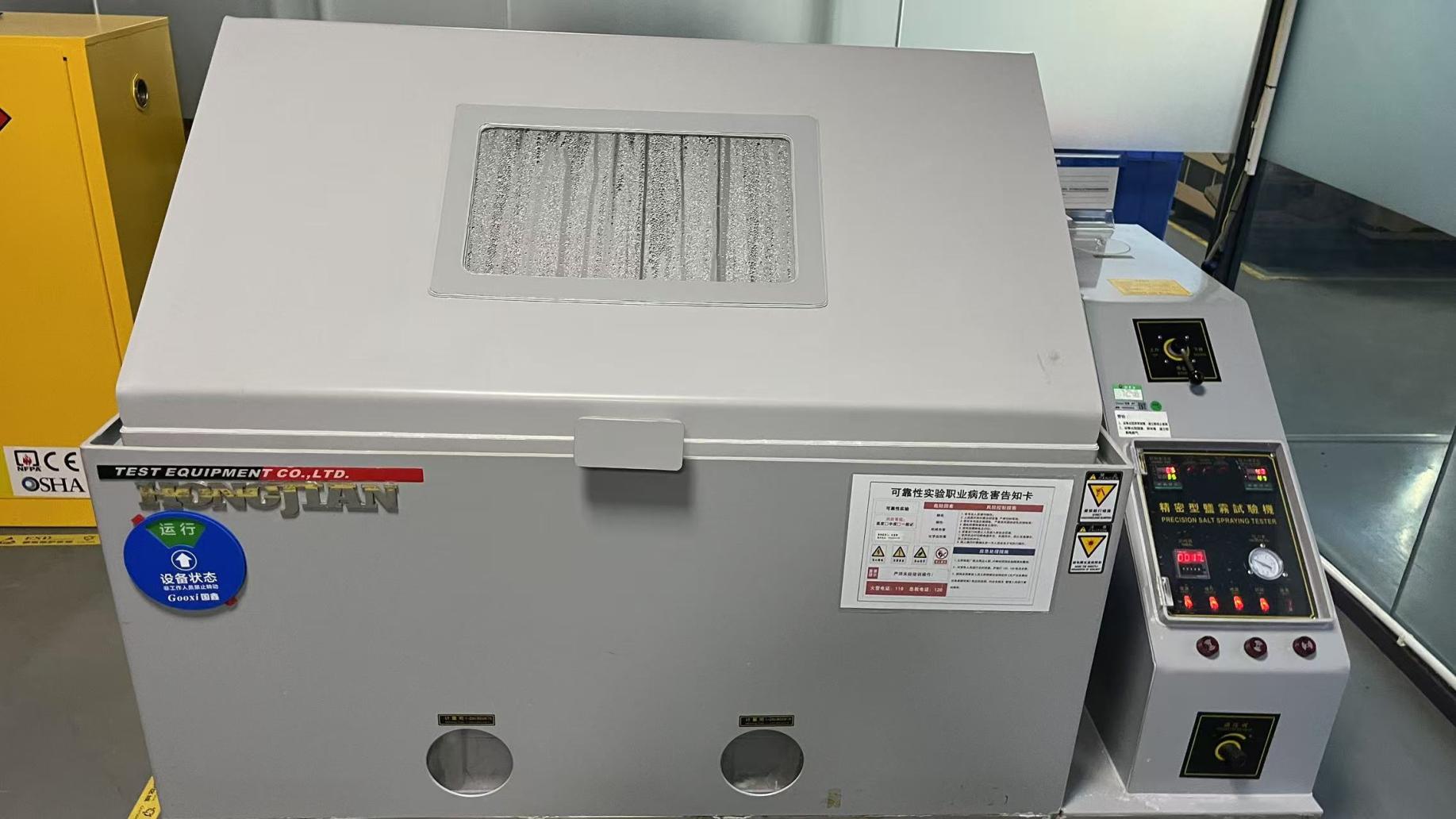
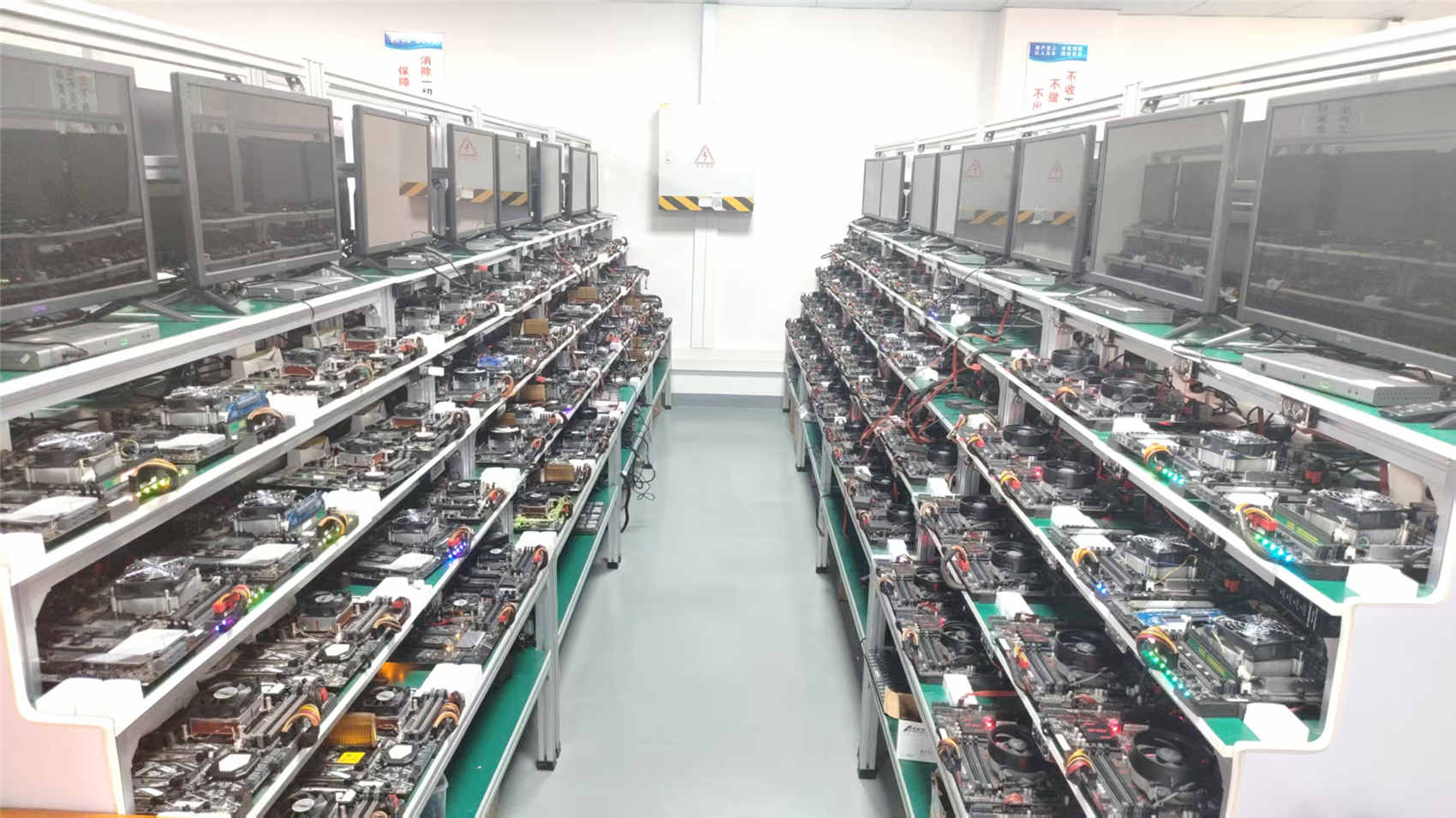
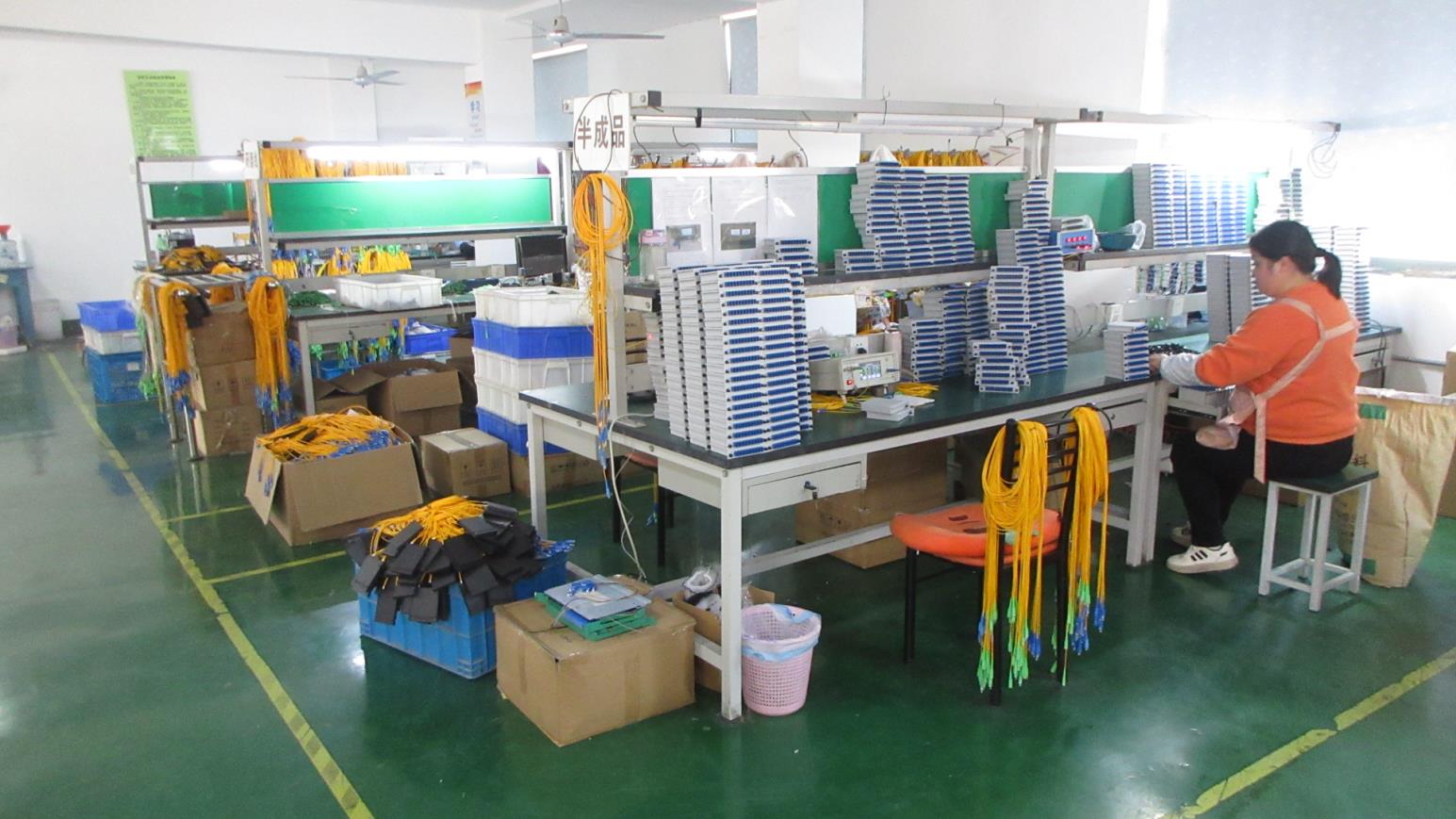
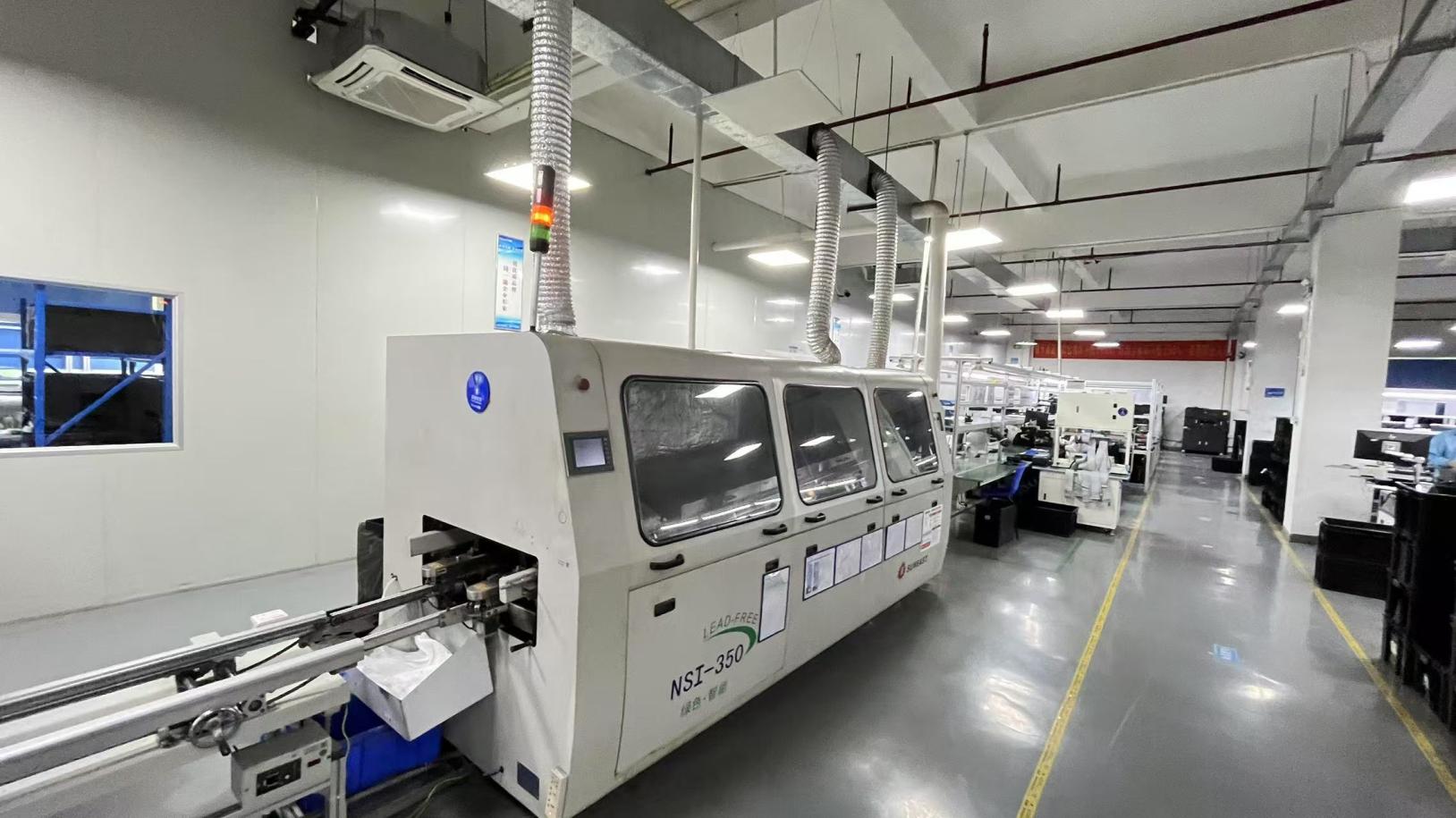
Certified optical manufacturing standards
Key technical parameters, environmental factors, and regulatory standards for importing optical transceivers into Saudi Arabia.
Standard network designs specify three main operating temperature profiles:
Modern network switches utilize software validation tables to restrict third-party optics. To prevent initialization errors, transceivers must be flashed with system-specific EEPROM configurations. FiberQ runs compatibility checks for major networking brands (Cisco, Juniper, HP, Huawei, Aruba) to help ensure smooth deployment in diverse setups.
Products imported into Saudi Arabia must comply with national customs regulations. Optical networking devices must be registered on the SABER platform to obtain necessary Certificates of Conformity. Additionally, wireless front-haul hardware may require approvals from the Communications, Space and Technology Commission (CST). FiberQ provides comprehensive technical documentation, including test reports and certifications, to help streamline the customs clearance process.
Detailed technical, logistics, and compliance answers for network procurement professionals in Saudi Arabia.
Yes. We provide complete technical documentation, test reports, and compliance certificates required to register our optical transceivers under the SABER system. Our team works closely with your local logistics partners in Riyadh, Jeddah, or Dammam to ensure smooth customs clearance.
While 10G SFP+ provides higher raw bandwidth, 2.5G SFP modules allow network operators to reuse legacy switches and access devices that only accept gigabit-level form factors. This approach provides a cost-effective, intermediate bandwidth upgrade (up to 2.5 Gbps) without requiring complete hardware upgrades.
Our industrial-grade SFP transceivers utilize hardened, high-temperature lasers (such as DFB or DML lasers) alongside specialized internal heat-sinks. This enables stable operation from -40°C to +85°C. These modules also feature Digital Diagnostics Monitoring (DDM) to track real-time optical power and temperature variations, helping to prevent link failures.
Yes. We offer extensive compatibility programming. By flashing custom firmware onto the transceiver’s internal EEPROM, we can match the hardware signatures of major network brands, helping to ensure compatibility in mixed-vendor environments.
Duplex SFP modules use two separate optical fibers: one for transmitting (TX) and one for receiving (RX). Simplex, or Bidirectional (BiDi) modules, use wavelength division multiplexing (WDM) to transmit and receive signals over a single fiber. BiDi modules are highly useful when fiber resources are limited, as they double capacity on existing fiber runs.
Standard orders typically ship within 7 to 10 working days, depending on compatibility coding requirements. Air freight to major KSA airports (RUH, JED, DMM) usually takes 3 to 5 business days, allowing for fast deployment schedules.